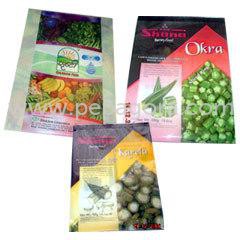
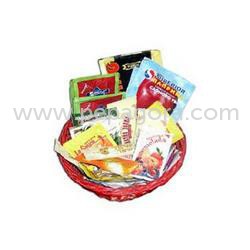
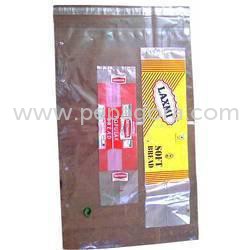
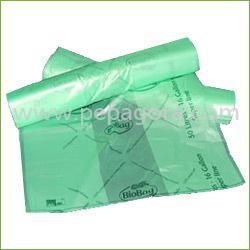
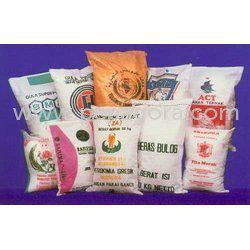
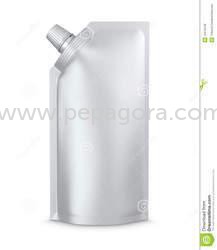
𝗪𝗵𝗮𝘁 𝗮𝗿𝗲 𝗙𝗼𝗼𝗱 𝗣𝗮𝗰𝗸𝗮𝗴𝗶𝗻𝗴 𝗙𝗶𝗹𝗺𝘀?
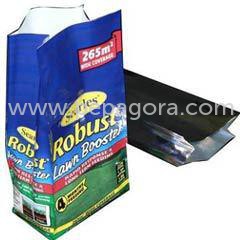
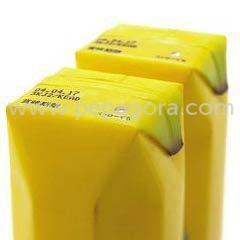
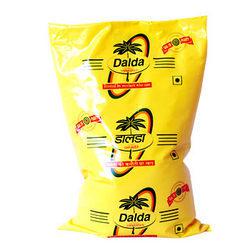
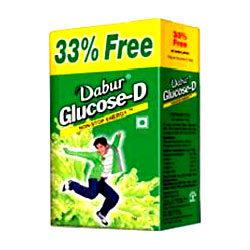
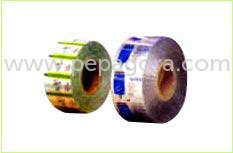
Food packaging films are specialized materials used to wrap, protect, and preserve food products. These films are designed to create a barrier against moisture, air, and contaminants, ensuring that the food remains fresh and safe for consumption over an extended period. The films can be made from various materials, including polyethylene, polypropylene, and polyvinyl chloride, allowing for a range of properties suited to different food types and packaging requirements.
The primary applications of food packaging films extend across several sectors, including the food processing, retail, and food service industries. They are commonly used for packaging fresh produce, meats, dairy products, and prepared meals. Businesses use these films to enhance shelf life, maintain product quality, and provide convenience for consumers. The growing demand for packaged food products drives the market for food packaging films, making them a vital component in the global food supply chain.
In the current market context, food packaging films are increasingly relevant due to heightened consumer awareness regarding food safety and preservation. As food waste remains a significant issue globally, the use of efficient packaging solutions can help minimize spoilage and enhance sustainability. Therefore, manufacturers and suppliers in the food packaging industry are focusing on innovations in film technology to meet evolving consumer needs and regulatory standards.
𝗞𝗲𝘆 𝗙𝗲𝗮𝘁𝘂𝗿𝗲𝘀 𝗮𝗻𝗱 𝗦𝗽𝗲𝗰𝗶𝗳𝗶𝗰𝗮𝘁𝗶𝗼𝗻𝘀
Food packaging films come with a variety of features and specifications that cater to different packaging needs. Understanding these specifications is crucial for businesses looking to select the right packaging solutions for their products.
Key specifications include:
1. Material Type
- Common materials include polyethylene, polypropylene, and polyvinyl chloride.
- Each material has unique properties like durability, flexibility, and barrier capabilities.
2. Thickness
- Thickness typically ranges from 20 to 200 microns, depending on application.
- Thicker films provide better protection but may limit flexibility.
3. Barrier Properties
- Films are designed to offer varying levels of barrier against oxygen, moisture, and light.
- Enhanced barrier properties help extend shelf life and maintain product freshness.
4. Heat Sealability
- Many films are designed for easy sealing, ensuring a secure closure.
- Heat sealability is essential for maintaining product integrity and preventing contamination.
5. Transparency
- Films can be clear or opaque, depending on branding and product visibility needs.
- Clear films allow consumers to see the product, while opaque options may enhance branding.
6. Printability
- Many films are designed to accept printing for branding and labeling.
- High-quality printability allows for vibrant graphics and essential product information.
7. Compliance Standards
- Films typically meet food safety standards and regulations, such as CE certification.
- Compliance ensures that the films are safe for direct contact with food.
Food packaging films provide essential features that enhance functionality and safety, making them indispensable in the food industry.
𝗖𝗼𝗺𝗺𝗼𝗻 𝗔𝗽𝗽𝗹𝗶𝗰𝗮𝘁𝗶𝗼𝗻𝘀 𝗮𝗻𝗱 𝗨𝘀𝗲 𝗖𝗮𝘀𝗲𝘀
Food packaging films are utilized across multiple industries, each with specific applications that highlight their versatility.
1. Food Processing: In food processing, films are used to package raw materials like vegetables and meats. These films help maintain freshness and prevent spoilage during transportation and storage.
2. Retail: Retailers use food packaging films to showcase products on shelves. Clear films allow customers to view items while protecting them from environmental factors.
3. Food Service: In the food service industry, films are used for wrapping prepared meals, sandwiches, and snacks. This ensures that food remains hygienic and appealing for consumers.
4. Bakery: Bakery items like bread and pastries are often packaged in films to retain moisture and prolong shelf life, ensuring freshness for consumers.
5. Dairy: Milk, cheese, and yogurt are packaged using films that provide an effective barrier against contamination, preserving flavor and quality.
6. Frozen Foods: Films used for frozen foods are designed to withstand low temperatures while providing excellent moisture and oxygen barriers, preventing freezer burn.
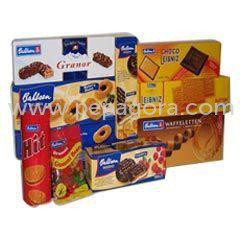
7. Snacks: Snack food packaging often utilizes films that maintain crunchiness while offering a barrier to keep out air and moisture.
𝗣𝗿𝗼𝗱𝘂𝗰𝘁 𝗩𝗮𝗿𝗶𝗮𝗻𝘁𝘀 𝗮𝗻𝗱 𝗦𝘂𝗯𝗰𝗮𝘁𝗲𝗴𝗼𝗿𝗶𝗲𝘀
Food packaging films exhibit a range of variants catering to diverse needs and applications. Each variant is designed with specific features to enhance usability.
Polyethylene Films: These films are commonly used for packaging fresh produce and dairy products. They offer excellent moisture barrier properties and flexibility, making them suitable for a variety of applications.
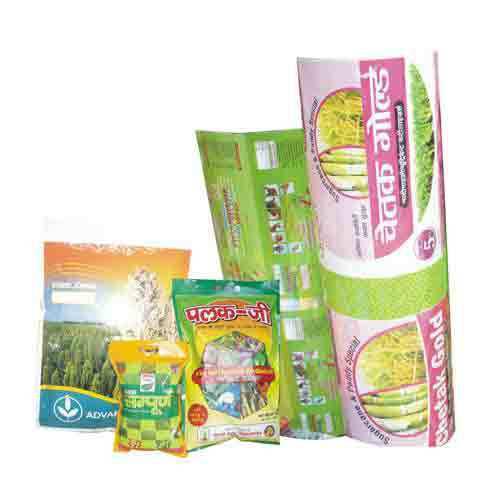
Polypropylene Films: Known for their strength and clarity, polypropylene films are often used for packaging snacks and baked goods. They provide a good moisture barrier and are printable for branding purposes.
Biodegradable Films: With growing environmental concerns, biodegradable films are becoming popular. These films are made from renewable resources and are designed to decompose over time, making them an eco-friendly choice for packaging.
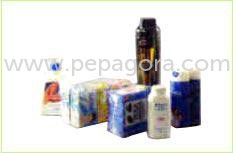
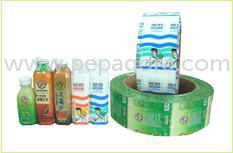
Shrink Films: Shrink films provide a tight seal around products when heat is applied. They are often used for multi-pack items and can enhance product display while offering protection.
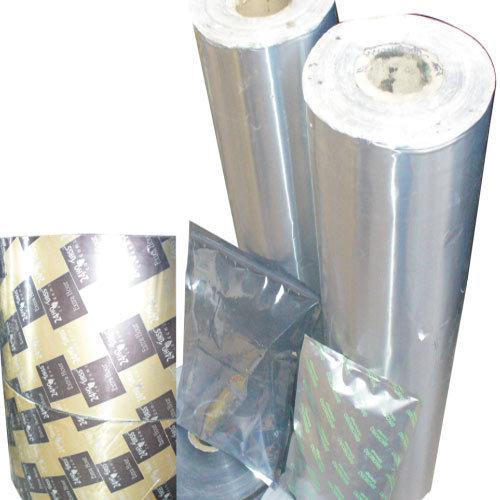
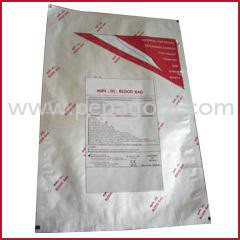
Metalized Films: These films have a thin layer of metal applied to them, providing superior barrier properties against light and moisture. They are commonly used for snacks and premium food products.
𝗕𝗲𝗻𝗲𝗳𝗶𝘁𝘀 𝗮𝗻𝗱 𝗔𝗱𝘃𝗮𝗻𝘁𝗮𝗴𝗲𝘀
Food packaging films offer numerous benefits that are crucial for businesses looking to improve product quality and consumer satisfaction.
1. Extended Shelf Life: These films effectively protect food products from moisture and oxygen, extending their shelf life and reducing spoilage.
2. Enhanced Safety: Food packaging films create a barrier against contaminants, ensuring that food remains safe for consumption.
3. Improved Convenience: Packaging films make food easier to handle and transport. They provide portion control and can be resealed for convenience.
4. Branding Opportunities: High-quality printability allows businesses to showcase their brand prominently on packaging, enhancing marketing efforts.
5. Sustainability Options: With the advent of biodegradable films, businesses can meet consumer demand for eco-friendly packaging solutions while reducing their environmental impact.
6. Cost-Effectiveness: By minimizing food waste and spoilage, businesses can save on costs associated with inventory loss, making packaging films a smart investment.
𝗕𝘂𝘆𝗶𝗻𝗴 𝗚𝘂𝗶𝗱𝗲 𝗳𝗼𝗿 𝗕𝟮𝗕 𝗕𝘂𝘆𝗲𝗿𝘀
When sourcing food packaging films, it is essential for B2B buyers to consider several key factors to ensure they select the right product.
1. Quality Assessment: Buyers should evaluate the quality of the films based on material specifications, barrier properties, and compliance with food safety regulations. Conducting tests for durability and performance is advisable.
2. Supplier Verification: It is crucial to vet suppliers thoroughly. Buyers should check for certifications, customer reviews, and industry reputation to ensure reliability in sourcing.
3. Pricing and MOQ: Understanding cost structures is vital. Buyers should compare prices among suppliers and be aware of minimum order quantities to optimize purchasing decisions.
4. Delivery and Lead Times: Buyers must inquire about lead times and delivery schedules to ensure that they can meet their production timelines without delays.
5. Compliance Requirements: Familiarizing oneself with local and international regulations concerning food packaging is essential. Compliance with standards such as CE certification guarantees safety and quality.
𝗖𝗼𝗺𝗽𝗹𝗶𝗮𝗻𝗰𝗲 𝗮𝗻𝗱 𝗖𝗲𝗿𝘁𝗶𝗳𝗶𝗰𝗮𝘁𝗶𝗼𝗻𝘀
Food packaging films must adhere to various quality standards and certifications to ensure safety and reliability in food contact applications. Key standards include ISO 9001, which outlines quality management principles, and HACCP, which focuses on food safety management systems.
Industry certifications such as CE are critical as they signify that the products meet essential safety requirements for the European market. Compliance with these standards ensures that food packaging films are safe for direct contact with food and do not pose health risks.
Additionally, products may be subjected to safety and testing requirements to evaluate their performance characteristics and material safety. Regional compliance considerations vary, so it is important for businesses to stay informed about local regulations governing food packaging.
𝗪𝗵𝘆 𝗦𝗼𝘂𝗿𝗰𝗲 𝗙𝗼𝗼𝗱 𝗣𝗮𝗰𝗸𝗮𝗴𝗶𝗻𝗴 𝗙𝗶𝗹𝗺𝘀 𝗳𝗿𝗼𝗺 𝗣𝗲𝗽𝗮𝗴𝗼𝗿𝗮?
Pepagora offers a trusted platform for sourcing food packaging films, providing several key advantages that cater to B2B buyers in the food industry.
Verified Supplier Network: Pepagora features a network of verified suppliers, ensuring that buyers have access to high-quality food packaging films from reputable manufacturers. This verification process builds trust and confidence in sourcing.
Streamlined RFQ Process: The platform includes a streamlined Request for Quotation (RFQ) process, allowing buyers to easily compare offers from multiple suppliers. This efficiency helps expedite purchasing decisions and enhances market competitiveness.
Trade Assurance and Support: Buyers benefit from trade assurance and support services, providing protection throughout the purchasing process. This includes assistance with dispute resolution and quality assurance, ensuring a smooth transaction experience.
Regional Coverage: Pepagora’s geographic reach extends across India, the GCC, and Southeast Asia. This extensive coverage allows buyers to connect with suppliers that meet their needs regardless of location, facilitating better access to diverse food packaging solutions.
In summary, Pepagora serves as a valuable resource for businesses seeking food packaging films, offering a combination of quality, efficiency, and regional support to enhance sourcing efforts.

 IN
IN

 India
India