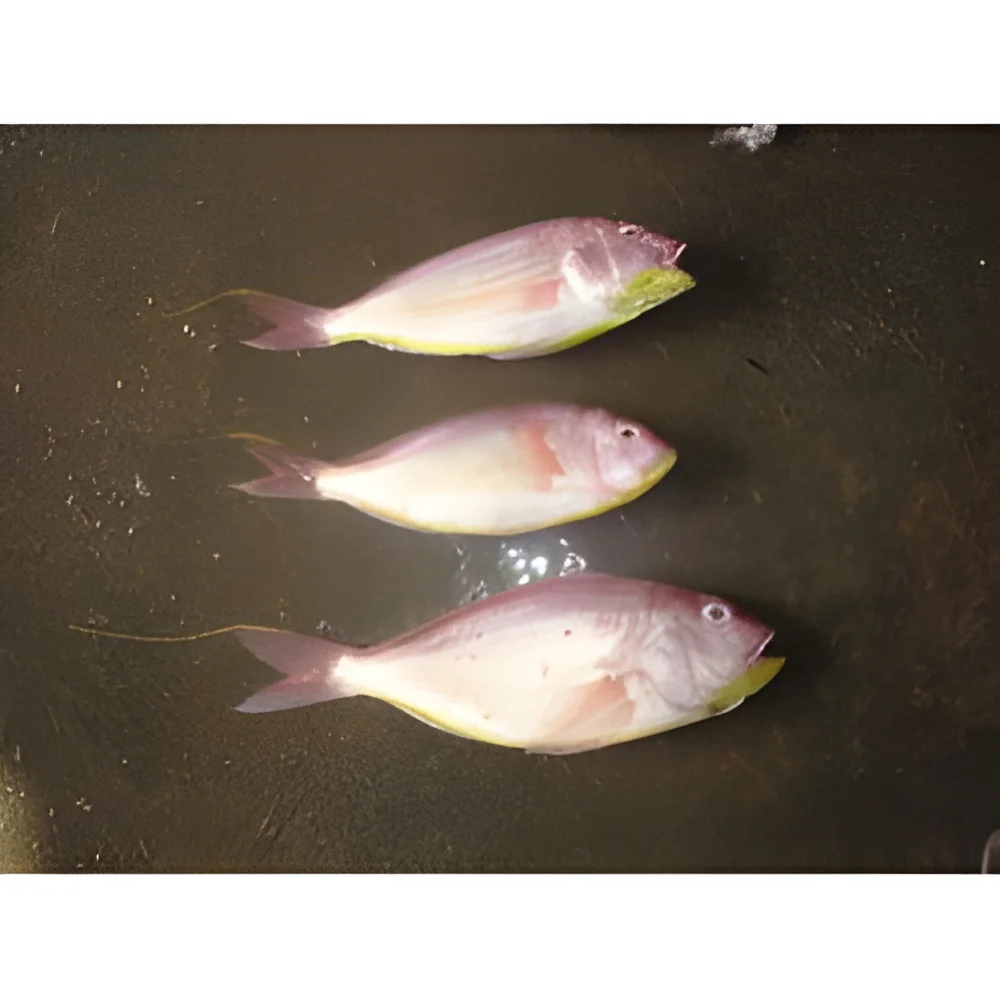
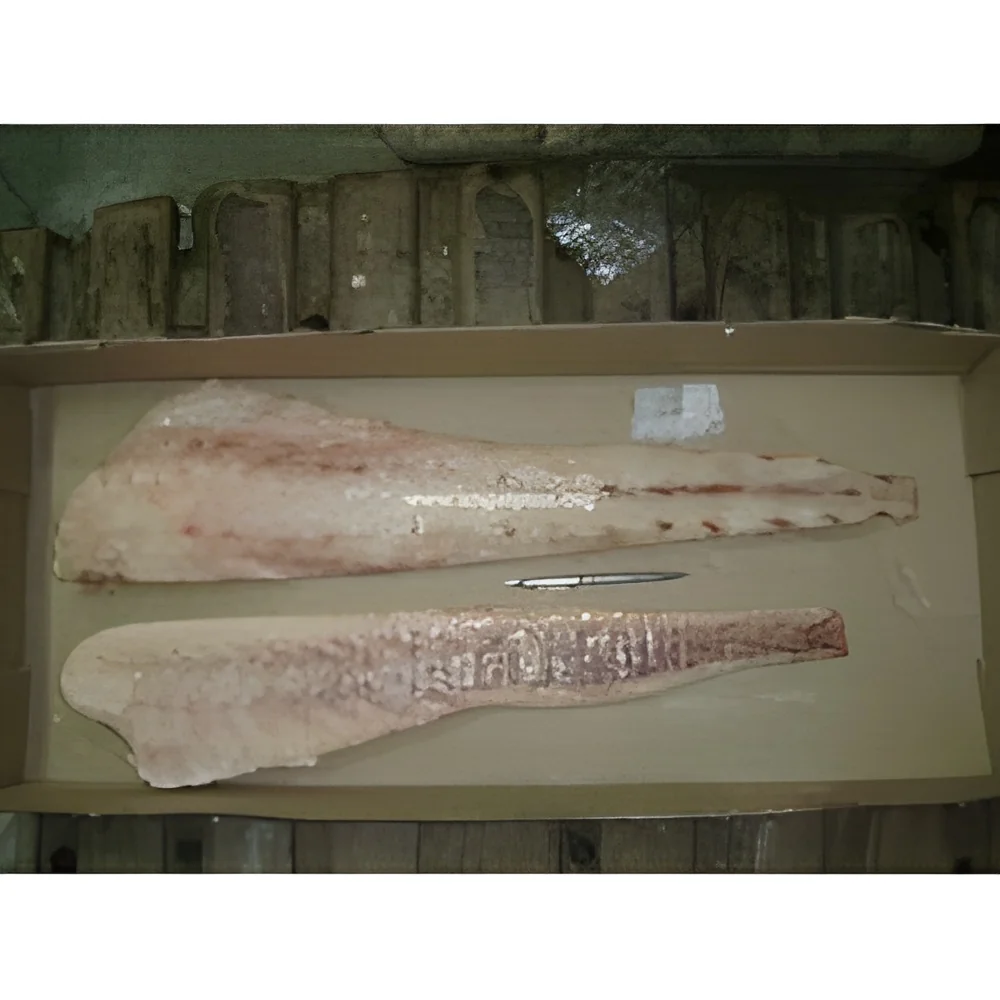
𝗪𝗵𝗮𝘁 𝗮𝗿𝗲 𝗙𝗶𝘀𝗵 𝗙𝗶𝗹𝗹𝗲𝘁𝘀 & 𝗦𝘁𝗲𝗮𝗸𝘀?
Fish fillets and steaks are cuts of fish that are commonly used in culinary applications. A fillet is a boneless piece of fish, typically cut from the sides, while a steak is a cross-section cut that may contain bones. Both types provide a versatile option for various cooking methods, including grilling, frying, baking, and steaming. They are widely appreciated for their flavor and nutritional benefits, making them a staple in many diets.
In the business realm, fish fillets and steaks are utilized by restaurants, catering services, and food manufacturers. They are often found in grocery stores and fish markets, catering to both wholesale and retail clients. These products are particularly popular in the seafood industry, where freshness and quality are paramount. The growing demand for healthy, protein-rich foods has further propelled the market for fish fillets and steaks.
The seafood industry continues to evolve, with an increasing focus on sustainable sourcing and responsible fishing practices. This shift is essential for maintaining fish populations and supporting environmental conservation. As consumers become more health-conscious and environmentally aware, the relevance of fish fillets and steaks in the market is expected to grow, presenting opportunities for businesses that prioritize quality and sustainability.
𝗞𝗲𝘆 𝗙𝗲𝗮𝘁𝘂𝗿𝗲𝘀 𝗮𝗻𝗱 𝗦𝗽𝗲𝗰𝗶𝗳𝗶𝗰𝗮𝘁𝗶𝗼𝗻𝘀
Fish fillets and steaks come with a variety of features and specifications that are important to consider for quality assurance and operational efficiency. Understanding these specifications helps businesses make informed purchasing decisions.
Key specifications include:
1. Cut Type
- Fillets are boneless, while steaks contain bones.
- Each cut offers different cooking and presentation options.
2. Weight Range
- Common weight ranges for fillets and steaks vary.
- Typical sizes can range from 100 grams to 1 kilogram or more.
3. Freshness Standards
- Fresh fish should be processed within hours of capture.
- Proper refrigeration and handling are crucial to maintain quality.
4. Packaging
- Vacuum-sealed packaging is common to extend shelf life.
- Packaging should be moisture-proof to prevent spoilage.
5. Storage Conditions
- Fish should be stored at temperatures below 4 degrees Celsius.
- Humidity control is essential to prevent freezer burn.
6. Shelf Life
- Fresh fish typically lasts 1-2 days in optimal conditions.
- Frozen fillets and steaks can last several months when stored properly.
7. Certification
- Products should meet industry standards such as CE certifications.
- Compliance with safety regulations is essential for market access.
In summary, understanding the key features and specifications of fish fillets and steaks is vital for businesses looking to ensure product quality and compliance with industry standards.
𝗖𝗼𝗺𝗺𝗼𝗻 𝗔𝗽𝗽𝗹𝗶𝗰𝗮𝘁𝗶𝗼𝗻𝘀 𝗮𝗻𝗱 𝗨𝘀𝗲 𝗖𝗮𝘀𝗲𝘀
Fish fillets and steaks serve a variety of industries, demonstrating their versatility and demand.
1. Food Service Industry: Restaurants and catering services utilize fish fillets and steaks for menu items, offering customers healthy and flavorful options.
2. Retail Grocery Stores: Supermarkets and specialty seafood markets sell pre-packaged fillets and steaks, catering to consumer preferences for fresh and convenient meal options.
3. Food Manufacturing: Processors use fish fillets and steaks as ingredients in prepared meals, seafood products, and frozen food lines.
4. Hotel and Hospitality: Hotels incorporate fish dishes into their dining offerings, enhancing their culinary appeal to guests.
5. Health and Wellness: Health food stores promote fish fillets and steaks as part of a balanced diet, focusing on their nutritional benefits such as high protein and omega-3 fatty acids.
6. Export: Many countries export fish fillets and steaks, tapping into international markets that demand high-quality seafood products.
7. Catering for Events: Fish fillets and steaks are popular choices for weddings and corporate events, where they can be served as main courses or appetizers.
𝗣𝗿𝗼𝗱𝘂𝗰𝘁 𝗩𝗮𝗿𝗶𝗮𝗻𝘁𝘀 𝗮𝗻𝗱 𝗦𝘂𝗯𝗰𝗮𝘁𝗲𝗴𝗼𝗿𝗶𝗲𝘀
Fish fillets and steaks come in various types, each catering to different preferences and culinary applications.
Fresh Fillets: These are whole fish fillets that are removed from the bone and sold fresh. They are ideal for restaurants and chefs looking to serve high-quality dishes.
Frozen Steaks: These steaks are cut from larger fish and frozen for preservation. They are convenient for businesses that require a longer shelf life.
Marinated Fillets: These fillets are pre-marinated for added flavor and convenience. They are popular among consumers looking for ready-to-cook options.
Smoked Fish Steaks: These steaks are cured and smoked, providing a distinct flavor profile. They are often used in gourmet dishes and charcuterie boards.
𝗕𝗲𝗻𝗲𝗳𝗶𝘁𝘀 𝗮𝗻𝗱 𝗔𝗱𝘃𝗮𝗻𝘁𝗮𝗴𝗲𝘀
Sourcing fish fillets and steaks offers several key benefits that can enhance food offerings and operational efficiency.
1. Nutritional Value: Fish fillets and steaks are rich in protein, vitamins, and omega-3 fatty acids, making them a healthy choice for consumers.
2. Versatility: These products can be prepared in numerous ways, allowing businesses to create diverse menu offerings that cater to various tastes.
3. Demand for Freshness: Consumers increasingly seek fresh seafood, providing businesses with an opportunity to meet this growing demand.
4. Sustainable Sourcing: Many suppliers prioritize sustainable fishing practices, appealing to environmentally conscious consumers.
5. Convenient Preparation: Pre-cut fillets and steaks save time in food preparation, streamlining kitchen operations.
6. Flavor Profiles: The natural flavors of fish can be enhanced with various seasonings and cooking methods, making them appealing to a wide range of palates.
𝗕𝘂𝘆𝗶𝗻𝗴 𝗚𝘂𝗶𝗱𝗲 𝗳𝗼𝗿 𝗕𝟮𝗕 𝗕𝘂𝘆𝗲𝗿𝘀
When sourcing fish fillets and steaks, B2B buyers should consider several important factors to ensure they select the right products.
1. Quality Assessment: Evaluate the freshness, appearance, and smell of the fish. Ensure that it meets industry quality standards to guarantee customer satisfaction.
2. Supplier Verification: Vet suppliers thoroughly by checking their certifications, reputation, and track record. Reliable suppliers should have a history of delivering high-quality products.
3. Pricing and MOQ: Understand the pricing structure and minimum order quantities (MOQ). This helps in budgeting and ensures that the order meets operational needs.
4. Delivery and Lead Times: Confirm delivery schedules and lead times to ensure products arrive fresh and on time. Efficient logistics are critical for maintaining quality.
5. Compliance Requirements: Ensure that suppliers adhere to relevant regulations and certifications. Compliance with food safety standards is crucial for market acceptance.
𝗖𝗼𝗺𝗽𝗹𝗶𝗮𝗻𝗰𝗲 𝗮𝗻𝗱 𝗖𝗲𝗿𝘁𝗶𝗳𝗶𝗰𝗮𝘁𝗶𝗼𝗻𝘀
Compliance and certifications play a crucial role in the seafood industry, ensuring that products meet safety and quality standards.
Fish fillets and steaks should adhere to quality standards such as ISO 9001, which focuses on quality management systems. This certification ensures that suppliers maintain consistent quality in their products.
HACCP (Hazard Analysis Critical Control Point) certification is vital in ensuring the safety of food products. This system helps identify and control potential hazards in the production process, enhancing consumer safety.
Regulatory compliance with CE certifications is also essential for products to be marketed in certain regions. This certification indicates that the products meet European safety, health, and environmental protection standards.
Additionally, businesses must consider regional compliance requirements based on local laws and regulations governing seafood products. This ensures that all products are safe for consumption and maintain the highest quality standards.
𝗪𝗵𝘆 𝗦𝗼𝘂𝗿𝗰𝗲 𝗙𝗶𝘀𝗵 𝗙𝗶𝗹𝗹𝗲𝘁𝘀 & 𝗦𝘁𝗲𝗮𝗸𝘀 𝗳𝗿𝗼𝗺 𝗣𝗲𝗽𝗮𝗴𝗼𝗿𝗮?
Pepagora provides a trusted platform for sourcing fish fillets and steaks, offering several advantages that cater to the needs of B2B buyers.
Verified Supplier Network: Pepagora connects buyers with a network of verified suppliers, ensuring access to high-quality products that meet industry standards. This verification process helps maintain quality and reliability.
Streamlined RFQ Process: The Request for Quotation (RFQ) system simplifies the procurement process, allowing buyers to receive competitive quotes from multiple suppliers quickly. This efficiency saves time and enhances decision-making.
Trade Assurance and Support: Pepagora offers trade assurance, providing protection for buyers throughout the purchasing process. This support ensures a secure transaction and builds trust between buyers and suppliers.
Regional Coverage: With a reach that spans across India, the GCC region, and Southeast Asia, Pepagora provides a comprehensive platform for sourcing fish fillets and steaks. This geographic coverage enables buyers to tap into diverse markets and supplier options, enhancing their sourcing strategies.

 IN
IN