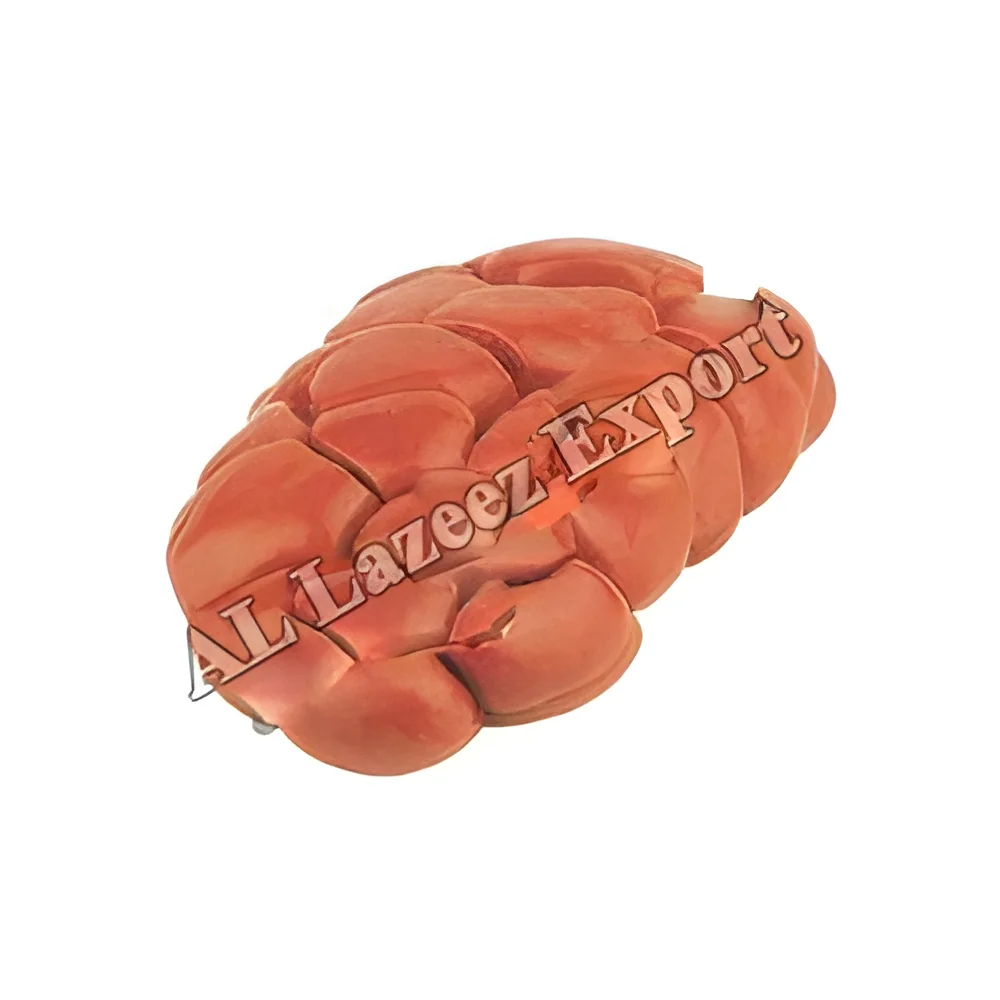
What are Organ Meats (Liver, Kidney)?
Organ meats, specifically liver and kidney, are the edible organs of animals that are consumed for their rich nutritional profile. These meats are recognized for their high protein content, vitamins, and minerals, making them a valuable component in many diets. Liver, in particular, is known for being one of the most nutrient-dense foods available, containing significant amounts of iron, vitamin A, and B vitamins. Kidneys also offer a range of nutrients, including essential amino acids and minerals like zinc and selenium.
In the B2B context, organ meats are primarily utilized in the food industry for various applications, including processed foods, pet foods, and gourmet dishes. These meats are often sought after by restaurants, food manufacturers, and health-conscious consumers. The growing awareness of the health benefits associated with organ meats is driving demand across multiple sectors, including health foods and specialty diets. As a result, the organ meat market is becoming increasingly relevant, catering to a diverse range of culinary needs and preferences.
𝗞𝗲𝘆 𝗙𝗲𝗮𝘁𝘂𝗿𝗲𝘀 𝗮𝗻𝗱 𝗦𝗽𝗲𝗰𝗶𝗳𝗶𝗰𝗮𝘁𝗶𝗼𝗻𝘀
Organ meats, particularly liver and kidney, are characterized by their unique nutritional profiles and versatile applications. The specifications for these products are critical for buyers to ensure they meet quality and safety standards.
Key specifications include:
1. Nutritional Content
- Liver is rich in vitamins A, B12, and iron.
- Kidney contains high levels of protein and essential fatty acids.
2. Source Animal
- Commonly sourced from cattle, sheep, and pigs.
- Ensures quality and consistency depending on the animal's diet and living conditions.
3. Processing Standards
- Must meet hygiene and safety standards during processing.
- Typically involves thorough cleaning and proper handling to prevent contamination.
4. Storage Conditions
- Should be stored at controlled temperatures to maintain freshness.
- Recommended to keep refrigerated or frozen, depending on the product form.
5. Packaging Requirements
- Must be packaged in materials that prevent spoilage and contamination.
- Vacuum sealing is common to extend shelf life.
6. Shelf Life
- Varies depending on the product form (fresh, frozen, or processed).
- Fresh liver and kidney typically have a shorter shelf life compared to processed products.
In summary, understanding the specifications of organ meats is essential for ensuring product quality and meeting the needs of various applications.
𝗖𝗼𝗺𝗺𝗼𝗻 𝗔𝗽𝗽𝗹𝗶𝗰𝗮𝘁𝗶𝗼𝗻𝘀 𝗮𝗻𝗱 𝗨𝘀𝗲 𝗖𝗮𝘀𝗲𝘀
Organ meats serve various industries due to their nutritional benefits and culinary versatility.
1. Food Industry: Organ meats are often used in gourmet dishes and specialty foods. Chefs appreciate their unique flavors and textures, enhancing the quality of their menus.
2. Pet Food Manufacturing: High-quality organ meats are included in pet food formulations, providing essential nutrients for animal health and wellness.
3. Nutritional Supplements: Some companies utilize organ meats in health supplements, targeting consumers looking for natural sources of vitamins and minerals.
4. Ethnic and Traditional Cuisines: Organ meats are integral to many traditional dishes around the world, appealing to diverse culinary practices.
5. Health and Wellness Products: With growing interest in nutrient-dense foods, organ meats are being marketed as superfoods, attracting health-conscious consumers.
6. Food Preservation: Organ meats can be preserved through various methods, such as canning or drying, allowing for extended shelf life and diverse applications.
7. Culinary Education: Culinary schools often include organ meats in their training programs, teaching students how to prepare and present these unique ingredients.
𝗣𝗿𝗼𝗱𝘂𝗰𝘁 𝗩𝗮𝗿𝗶𝗮𝗻𝘁𝘀 𝗮𝗻𝗱 𝗦𝘂𝗯𝗰𝗮𝘁𝗲𝗴𝗼𝗿𝗶𝗲𝘀
Organ meats, particularly liver and kidney, can vary based on source and preparation methods. This diversity allows for tailored applications in various culinary and industrial contexts.
Liver Variant
Beef liver is a popular variant known for its rich flavor and high nutritional content. It is commonly used in pâtés, spreads, and traditional dishes, providing a robust taste that pairs well with various ingredients.
Kidney Variant
Lamb kidney is another variant favored for its delicate texture and flavor. It is often featured in stews and pies, offering a unique taste that enhances hearty dishes.
𝗕𝗲𝗻𝗲𝗳𝗶𝘁𝘀 𝗮𝗻𝗱 𝗔𝗱𝘃𝗮𝗻𝘁𝗮𝗴𝗲𝘀
Sourcing organ meats provides numerous advantages for businesses looking to enhance their product offerings.
1. Nutritional Density: Organ meats are among the most nutrient-rich foods available, providing essential vitamins and minerals in concentrated forms.
2. Culinary Versatility: These meats can be used in a variety of dishes, making them valuable for chefs and food manufacturers seeking to innovate.
3. Cost-Effectiveness: Organ meats are often more affordable compared to other cuts of meat, allowing for cost savings in food production.
4. Sustainability: Using organ meats supports sustainable practices by utilizing parts of the animal that might otherwise be discarded.
5. Growing Market Demand: The increasing popularity of organ meats among health-conscious consumers presents opportunities for businesses to tap into new markets.
6. Unique Flavor Profiles: The distinct tastes of liver and kidney can enhance dishes, providing culinary professionals with creative options.
𝗕𝘂𝘆𝗶𝗻𝗴 𝗚𝘂𝗶𝗱𝗲 𝗳𝗼𝗿 𝗕𝟮𝗕 𝗕𝘂𝘆𝗲𝗿𝘀
When sourcing organ meats, companies should consider several key factors to ensure they make informed purchasing decisions.
1. Quality Assessment: Look for certifications and quality indicators that reflect the safety and nutritional standards of the organ meats. Freshness and sourcing practices are essential.
2. Supplier Verification: Vet potential suppliers to ensure they maintain high standards in processing and handling. Check for reviews and industry reputation.
3. Pricing and MOQ: Understand the pricing structure and minimum order quantities (MOQ) required by suppliers. This will help in budgeting and inventory management.
4. Delivery and Lead Times: Confirm delivery schedules and lead times to ensure that products arrive when needed for production or service.
5. Compliance Requirements: Familiarize yourself with local regulations and compliance standards for organ meats, ensuring that your suppliers adhere to these guidelines.
𝗖𝗼𝗺𝗽𝗹𝗶𝗮𝗻𝗰𝗲 𝗮𝗻𝗱 𝗖𝗲𝗿𝘁𝗶𝗳𝗶𝗰𝗮𝘁𝗶𝗼𝗻𝘀
Compliance with industry standards and certifications is crucial when sourcing organ meats. Quality standards such as ISO 9001 and HACCP focus on ensuring that products are safe for consumption and produced under hygienic conditions. These standards provide frameworks for quality management systems and hazard analysis in food production.
In addition to these standards, industry certifications like CE indicate compliance with European regulations, ensuring that products meet safety and quality expectations. Safety testing requirements, including microbiological and chemical assessments, are also essential to guarantee that organ meats are free from contaminants.
Furthermore, regional compliance considerations must be taken into account. Different countries may have specific regulations governing the sourcing, processing, and sale of organ meats. Understanding these regulations is vital for businesses operating in international markets.
Why Source Organ Meats (Liver, Kidney) from Pepagora?
Pepagora stands out as a trusted platform for sourcing organ meats, offering several key advantages for B2B buyers.
Verified Supplier Network: Pepagora connects buyers with a network of verified suppliers who adhere to strict quality and safety standards. This ensures that customers receive high-quality organ meats that meet their requirements.
Streamlined RFQ Process: The request for quotation (RFQ) process on Pepagora is designed to be efficient, allowing buyers to easily compare prices and specifications from multiple suppliers. This simplifies the sourcing process and saves time.
Trade Assurance and Support: Pepagora provides trade assurance to protect buyers in transactions, ensuring that they receive their orders as specified. The platform also offers customer support to address any inquiries or issues that may arise.
Regional Coverage: With a diverse supplier base across India, GCC, and Southeast Asia, Pepagora offers extensive regional coverage. This allows businesses to source organ meats locally or regionally, reducing logistics costs and enhancing supply chain efficiency.

 IN
IN