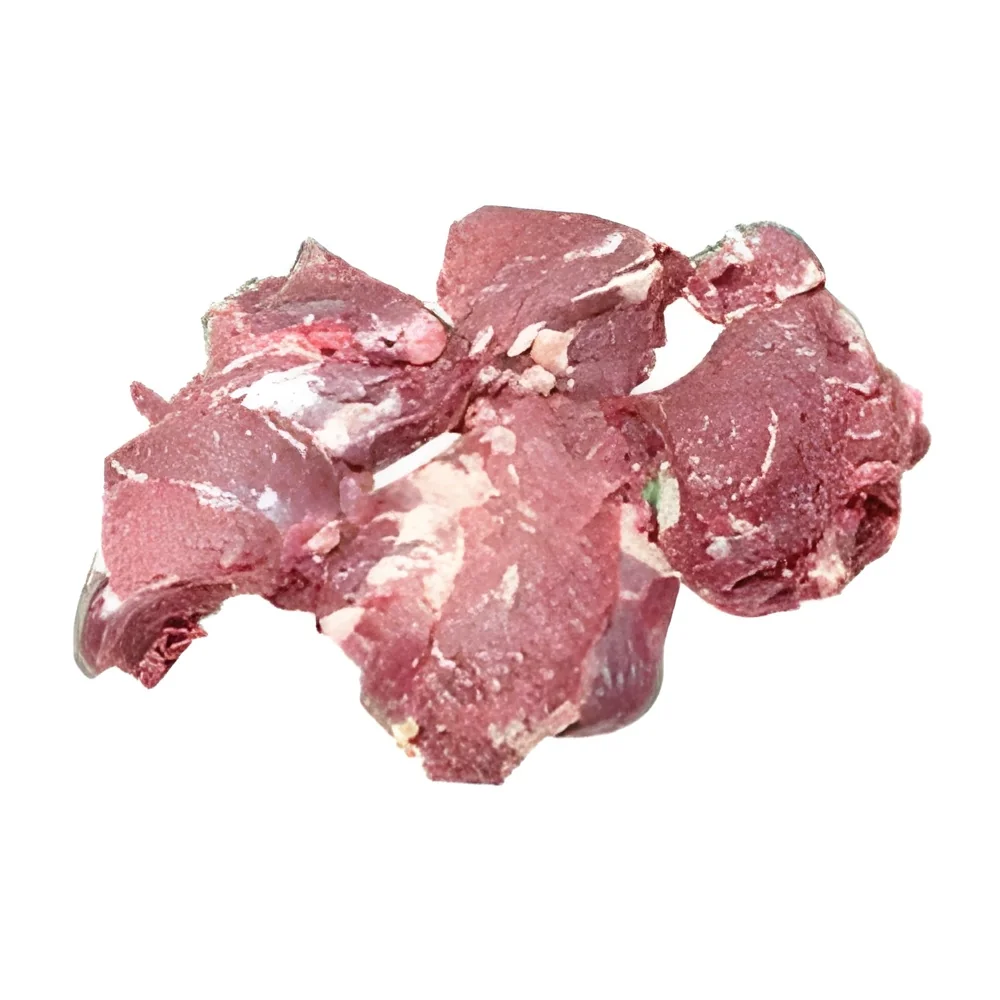
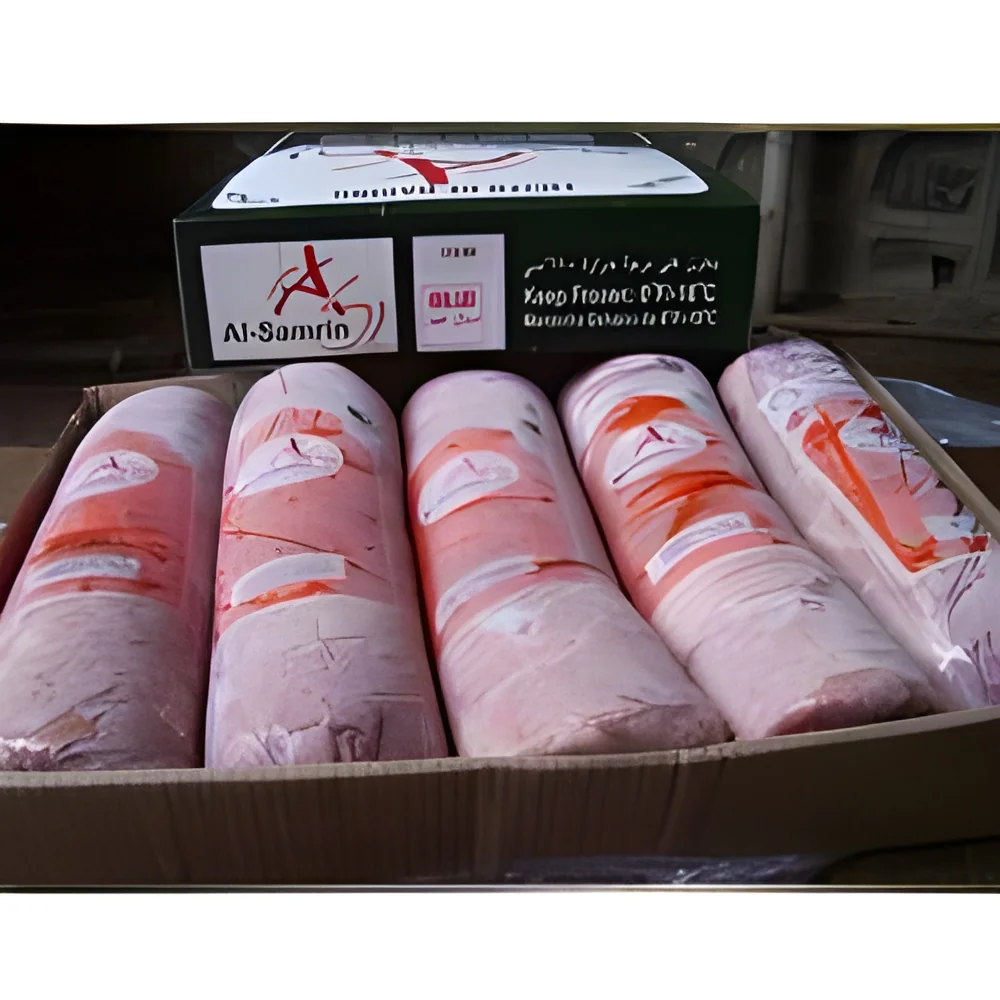
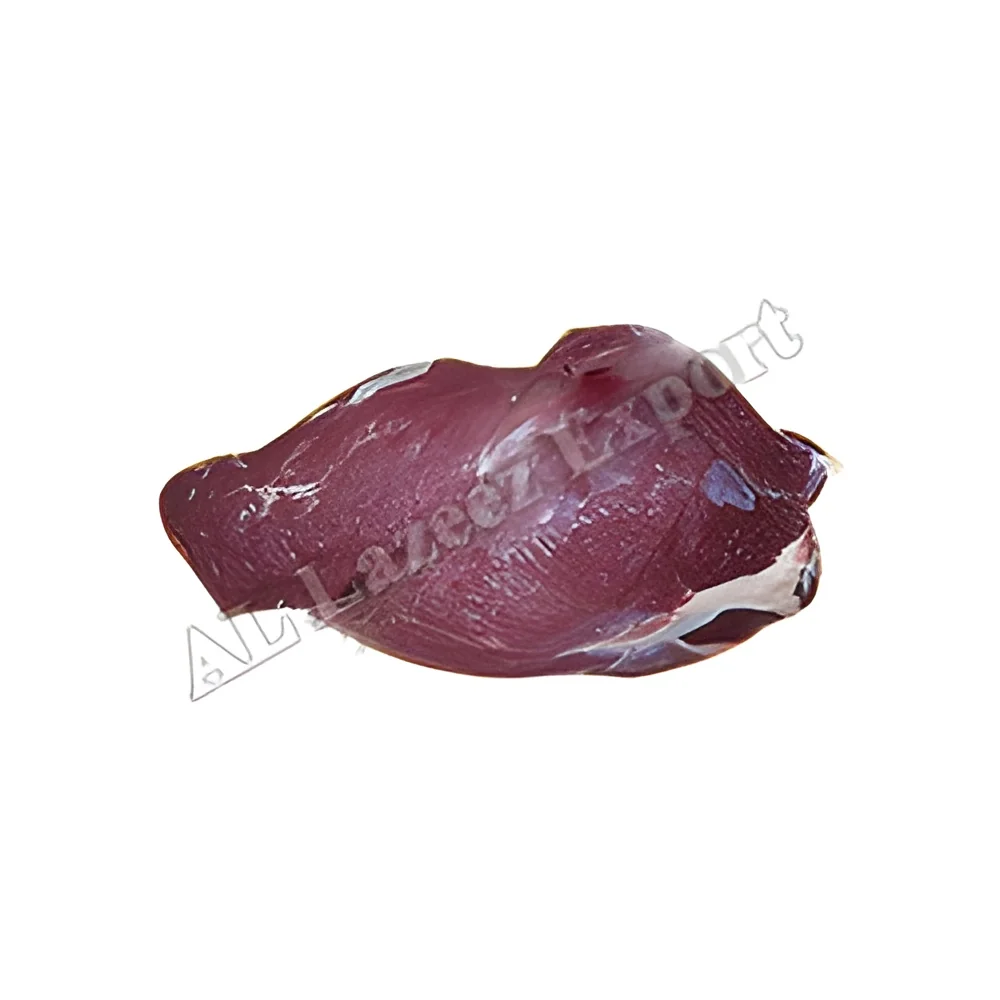
What are Other Meat, Poultry & Seafood?
Other Meat, Poultry & Seafood refers to a diverse range of animal products that are utilized in food production and consumption. This category encompasses various meats that do not fall under the traditional classifications of beef, pork, or chicken. It includes specialty meats like lamb, rabbit, and game, as well as a wide variety of seafood options such as fish, shellfish, and mollusks. These products are essential in meeting the demands of a global market that is increasingly seeking variety in protein sources.
The primary uses of Other Meat, Poultry & Seafood span across various sectors including restaurants, catering services, grocery chains, and food processing industries. Businesses often incorporate these products into their menus or product lines to offer unique flavors and dining experiences. Additionally, they are commonly used in specialty dishes that cater to specific dietary preferences and trends, such as organic or sustainably sourced options.
In terms of industry relevance, the market for Other Meat, Poultry & Seafood is growing steadily. This growth is driven by consumer demand for diverse culinary experiences and healthy protein alternatives. As global trade in food products continues to expand, businesses that source and supply these items are positioned to capitalize on emerging market trends and consumer preferences.
Key Features and Specifications
When considering Other Meat, Poultry & Seafood, it is important to understand the key features and specifications that define these products. These specifications ensure quality, safety, and consistency in the food supply chain.
Key specifications include:
1. Quality Standards
- Adherence to industry quality standards such as ISO 9001 and HACCP
- Ensures safe handling and processing of meat and seafood products
2. Temperature Control
- Proper temperature management during storage and transportation
- Critical for maintaining freshness and preventing spoilage
3. Packaging Requirements
- Use of food-grade materials that comply with health regulations
- Packaging must protect products from contamination and damage
4. Shelf Life
- Defined expiration dates indicating the product’s usability
- Varies based on type of meat or seafood and preservation methods
5. Traceability
- Ability to track the source of the product from farm to table
- Important for quality assurance and consumer confidence
6. Nutritional Information
- Detailed labeling of nutritional content including calories and protein levels
- Aids consumers in making informed dietary choices
7. Allergen Information
- Clear labeling of potential allergens present in the products
- Essential for consumer safety and regulatory compliance
8. Compliance Certifications
- Certification from recognized bodies like UL and CE
- Indicates adherence to safety and quality standards
These specifications play a crucial role in ensuring that products meet the expectations of both businesses and consumers.
Common Applications and Use Cases
Other Meat, Poultry & Seafood are used across various industries, showcasing their versatility and importance in food production.
1. Hospitality Industry: Restaurants and hotels utilize these products to create unique menu offerings, catering to diverse culinary tastes. Specialty meats and seafood are often featured in gourmet dishes.
2. Food Processing: Manufacturers use these proteins in the production of ready-to-eat meals, frozen foods, and canned products. They rely on quality and consistency to meet consumer demands.
3. Retail: Grocery stores and supermarkets stock a variety of Other Meat, Poultry & Seafood to provide consumers with options for home cooking. This includes fresh, frozen, and packaged items.
4. Catering Services: Event planners and caterers incorporate these products into their menus for weddings, corporate events, and private parties, enhancing the dining experience.
5. Health and Wellness: Businesses focused on health trends use lean meats and seafood as ingredients in nutritious meal plans, promoting benefits of protein-rich diets.
6. Export Markets: Countries with rich marine resources or unique livestock often export these products, catering to international markets seeking specialty and high-quality food sources.
7. Specialty Food Stores: These stores offer curated selections of unique meats and seafood, appealing to gourmet food enthusiasts and specialty diets.
Product Variants and Subcategories
The category of Other Meat, Poultry & Seafood is diverse, featuring various product types that cater to specific market needs.
Lamb
Lamb is a popular choice in many cuisines and is known for its distinct flavor. It is often used in traditional dishes and can be prepared in various forms such as chops, roasts, or ground meat.
Game Meats
Game meats like venison and bison offer a lean alternative to traditional meats. They are sought after for their unique flavors and are often featured in upscale dining establishments.
Shellfish
Shellfish, including shrimp, crab, and lobster, are prized for their taste and versatility. They can be used in a wide range of dishes, from appetizers to main courses.
Fish
A wide variety of fish such as salmon, tuna, and tilapia are available in this category. Fish is a staple in many diets due to its health benefits and can be prepared in numerous ways.
Benefits and Advantages
Sourcing Other Meat, Poultry & Seafood offers a range of benefits for businesses looking to diversify their product offerings.
1. Diverse Options: A variety of meats and seafood allows businesses to create unique menu items and attract a broader customer base.
2. Health Benefits: Many options are rich in essential nutrients, providing health-conscious consumers with protein-rich choices.
3. Flavor Variety: Different types of meats and seafood contribute unique flavors, enhancing culinary creativity and customer satisfaction.
4. Market Demand: Growing consumer interest in specialty and diverse food products can lead to increased sales and customer loyalty.
5. Sustainable Sourcing: Many suppliers focus on sustainable practices, appealing to environmentally conscious consumers and businesses.
6. Customization Opportunities: Businesses can work with suppliers to create tailored products that meet specific market needs or trends.
Buying Guide for B2B Buyers
When sourcing Other Meat, Poultry & Seafood, businesses should consider several key factors to ensure they make informed purchasing decisions.
1. Quality Assessment: Look for suppliers that adhere to recognized quality standards. This includes verifying certifications and understanding their handling processes.
2. Supplier Verification: It is crucial to vet suppliers for their reliability and reputation in the market. Check reviews, references, and their compliance with industry standards.
3. Pricing and MOQ: Understand the pricing structures and minimum order quantities set by suppliers. This will help businesses manage budgets and inventory effectively.
4. Delivery and Lead Times: Confirm the logistics of delivery, including lead times. Timeliness is essential in the food industry to maintain freshness and meet customer demand.
5. Compliance Requirements: Ensure that all products meet relevant regulatory requirements. This includes understanding any local or international standards that may apply.
Compliance and Certifications
In the realm of Other Meat, Poultry & Seafood, compliance and certifications are critical to ensuring product safety and quality.
Relevant quality standards such as ISO 9001 and HACCP are essential for maintaining high operational practices. These standards help ensure that processing facilities operate under strict hygiene and safety protocols, which are vital in the food industry.
Industry certifications like UL and CE are also important, as they signify compliance with safety regulations. These certifications provide assurance to buyers that the products have been tested and meet established safety criteria.
Safety and testing requirements are paramount. Regular inspections and testing protocols help to monitor the freshness and quality of meat and seafood products, safeguarding against contamination.
In addition, regional compliance considerations must be taken into account. Different countries and regions may have specific regulations regarding the sourcing, processing, and distribution of meat and seafood, making it essential for suppliers to stay informed and compliant.
Why Source Other Meat, Poultry & Seafood from Pepagora?
Pepagora serves as a trusted platform for sourcing Other Meat, Poultry & Seafood, providing several key advantages for buyers.
Verified Supplier Network: Pepagora features a robust network of verified suppliers, ensuring that buyers can access high-quality products from reputable sources. This network helps to mitigate risks associated with unreliable suppliers.
Streamlined RFQ Process: The platform offers a simplified Request for Quotation (RFQ) process, allowing businesses to easily request quotes from multiple suppliers. This transparency helps buyers make informed decisions based on pricing and availability.
Trade Assurance and Support: Pepagora provides trade assurance and support, protecting buyers throughout the procurement process. This includes assistance with negotiations and conflict resolution, ensuring a smooth transaction.
Regional Coverage: With a presence in key markets such as India, the GCC, and Southeast Asia, Pepagora enables buyers to access a wide range of products and suppliers across these regions. This geographic reach allows businesses to tap into diverse markets and sourcing opportunities.

 IN
IN