𝗪𝗵𝗮𝘁 𝗮𝗿𝗲 𝗙𝗿𝗲𝘀𝗵 𝗦𝗾𝘂𝗶𝗱 & 𝗢𝗰𝘁𝗼𝗽𝘂𝘀?
Fresh squid and octopus are seafood products that are highly valued in culinary applications worldwide. Squid, belonging to the cephalopod family, is known for its elongated body and multiple tentacles, while octopus is recognized for its bulbous head and eight limbs. Both are typically harvested from oceans and seas, offering a rich source of protein, essential vitamins, and minerals.
These marine delicacies are primarily used in restaurants, seafood markets, and food processing industries. They can be prepared in various ways, including grilling, frying, and boiling, making them versatile ingredients in numerous cuisines. Their unique textures and flavors cater to a wide range of dishes, from sushi to pasta. The demand for fresh squid and octopus continues to rise, indicating their relevance in the global seafood market.
The seafood industry places great importance on the sustainable sourcing of fresh squid and octopus. As consumer awareness of environmental issues grows, suppliers are increasingly focused on responsible fishing practices. This shift not only supports marine ecosystems but also enhances market opportunities for businesses that prioritize sustainability.
𝗞𝗲𝘆 𝗙𝗲𝗮𝘁𝘂𝗿𝗲𝘀 𝗮𝗻𝗱 𝗦𝗽𝗲𝗰𝗶𝗳𝗶𝗰𝗮𝘁𝗶𝗼𝗻𝘀
Fresh squid and octopus come with several key features and specifications that are important for B2B buyers to consider. Understanding these specifications can help ensure quality and suitability for various applications.
Key specifications include:
1. Quality Assessment
- Fresh squid and octopus should have a clean, ocean-like smell with firm and supple texture.
- Color should be bright and consistent, indicating freshness.
2. Size and Weight
- Squid typically ranges from small (less than 250 grams) to large (over 1 kilogram).
- Octopus sizes can vary significantly, with common weights ranging from 500 grams to 2 kilograms.
3. Packaging Standards
- Products should be packaged in ice or refrigerated conditions to maintain freshness.
- Packaging must comply with food safety regulations, ensuring hygiene and traceability.
4. Shelf Life
- Fresh squid and octopus have a shelf life of 2-3 days when stored properly.
- Freezing can extend shelf life significantly, often up to 6 months.
5. Nutritional Content
- High in protein, low in fat, and rich in vitamins such as B12 and minerals like iron.
- Specific nutritional values can vary based on species and preparation methods.
6. Compliance with Food Safety Standards
- Products must adhere to standards like HACCP and CE certification.
- Regular quality checks are necessary to ensure compliance with safety regulations.
In summary, understanding these specifications is crucial for making informed purchasing decisions regarding fresh squid and octopus.
𝗖𝗼𝗺𝗺𝗼𝗻 𝗔𝗽𝗽𝗹𝗶𝗰𝗮𝘁𝗶𝗼𝗻𝘀 𝗮𝗻𝗱 𝗨𝘀𝗲 𝗖𝗮𝘀𝗲𝘀
Fresh squid and octopus serve various industries beyond culinary applications, providing diverse opportunities for businesses.
1. Food Service Industry: Restaurants utilize fresh squid and octopus for a variety of dishes, including calamari, seafood platters, and gourmet entrees. Their versatility allows chefs to innovate and create unique dining experiences.
2. Food Processing: Many food manufacturers incorporate squid and octopus into ready-to-eat meals, frozen products, and canned goods. This sector values the ingredients for their flavor and nutritional benefits.
3. Seafood Retail: Markets and grocery stores offer fresh squid and octopus to consumers. Their popularity in home cooking drives demand for quality products in this segment.
4. Export and Import: Fresh squid and octopus are significant commodities in international trade. Countries with rich marine resources often export these products to meet global demands.
5. Aquaculture: Some businesses engage in the farming of squid and octopus, promoting sustainability and reducing pressure on wild populations. This trend is growing in response to market needs.
6. Culinary Schools: Educational institutions often use fresh squid and octopus in training programs, teaching aspiring chefs about seafood preparation and cooking techniques.
7. Specialty Foods: Gourmet shops and specialty food producers often use fresh squid and octopus in artisanal products, leveraging their unique flavors for niche markets.
𝗣𝗿𝗼𝗱𝘂𝗰𝘁 𝗩𝗮𝗿𝗶𝗮𝗻𝘁𝘀 𝗮𝗻𝗱 𝗦𝘂𝗯𝗰𝗮𝘁𝗲𝗴𝗼𝗿𝗶𝗲𝘀
Fresh squid and octopus come in various forms that cater to different market needs. While specific subcategories may not be available, the diversity within these products allows for tailored applications.
Whole Squid
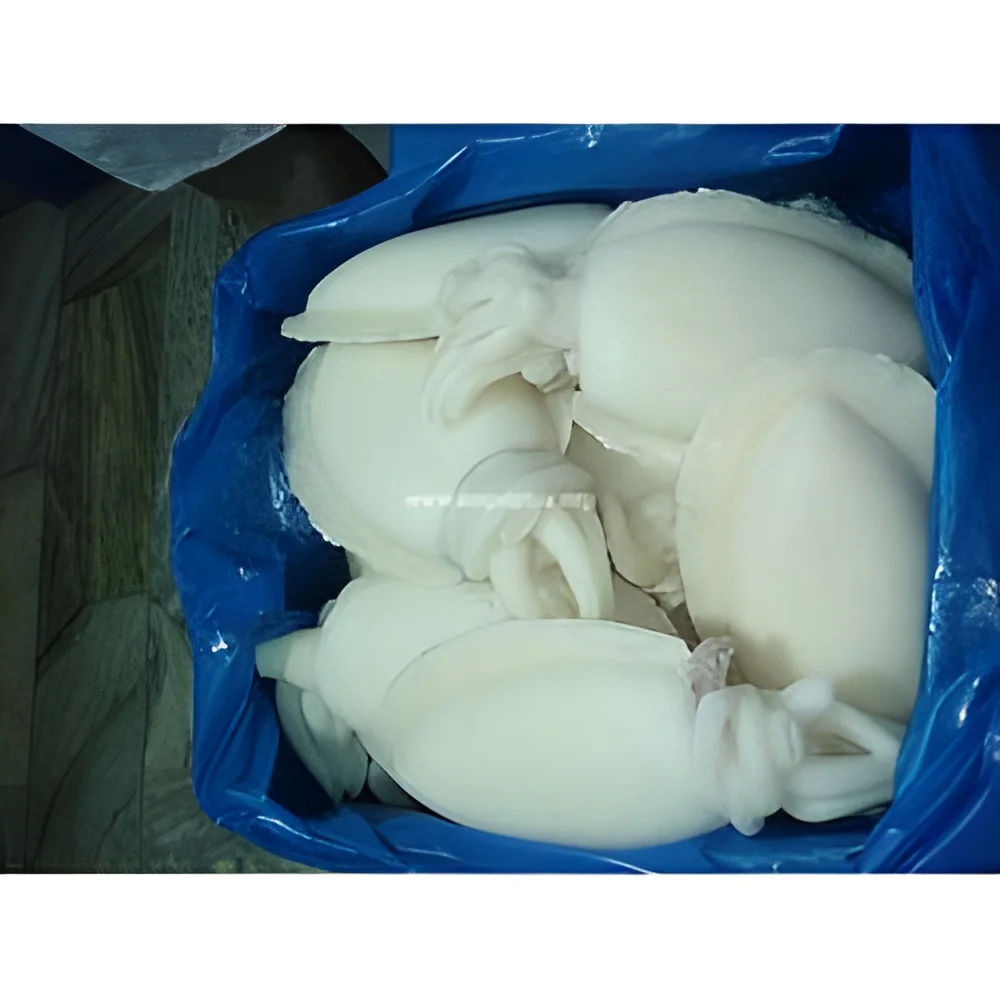
Whole squid is typically sold cleaned and ready for cooking. This variant is popular among chefs who prefer to prepare their dishes from scratch, allowing for creativity in presentation and flavor.
Tentacles Only
This variant consists of only the tentacle portions of the squid or octopus. Tentacles are favored for their tenderness and are often used in appetizers or as a main course in various cuisines.
Cuttlefish
While technically a different species, cuttlefish is often grouped with squid and octopus in culinary contexts. Its unique flavor and texture make it a sought-after ingredient in seafood dishes.
𝗕𝗲𝗻𝗲𝗳𝗶𝘁𝘀 𝗮𝗻𝗱 𝗔𝗱𝘃𝗮𝗻𝘁𝗮𝗴𝗲𝘀
Sourcing fresh squid and octopus offers numerous benefits for businesses in the food industry.
1. High Nutritional Value: Fresh squid and octopus are rich in protein and essential nutrients, making them a healthy choice for consumers.
2. Versatile Applications: The ability to be prepared in various ways allows businesses to cater to diverse culinary preferences and trends.
3. Sustainable Sourcing: Responsible fishing practices and aquaculture options contribute to environmental sustainability, appealing to eco-conscious consumers.
4. Global Market Demand: The popularity of seafood continues to grow worldwide, providing ample opportunities for businesses to expand their offerings.
5. Flavor Profile: Fresh squid and octopus add unique flavors and textures to dishes, enhancing culinary experiences.
6. Innovation Potential: Chefs and food manufacturers can experiment with these ingredients, leading to the development of new products and recipes.
𝗕𝘂𝘆𝗶𝗻𝗴 𝗚𝘂𝗶𝗱𝗲 𝗳𝗼𝗿 𝗕𝟮𝗕 𝗕𝘂𝘆𝗲𝗿𝘀
When sourcing fresh squid and octopus, several factors should be considered to ensure a successful procurement process.
1. Quality Assessment: Evaluate products based on freshness, appearance, and smell. Look for suppliers that adhere to strict quality control measures.
2. Supplier Verification: Conduct thorough background checks on potential suppliers. Verify certifications, customer reviews, and their reputation in the market.
3. Pricing and MOQ: Understand the price range for fresh squid and octopus and inquire about minimum order quantities. This helps in budgeting and inventory management.
4. Delivery and Lead Times: Discuss logistics with suppliers to ensure timely delivery. Consider geographical factors that may impact lead times.
5. Compliance Requirements: Ensure compliance with local and international food safety regulations. Familiarize yourself with necessary certifications and standards.
𝗖𝗼𝗺𝗽𝗹𝗶𝗮𝗻𝗰𝗲 𝗮𝗻𝗱 𝗖𝗲𝗿𝘁𝗶𝗳𝗶𝗰𝗮𝘁𝗶𝗼𝗻𝘀
Fresh squid and octopus are subject to various quality standards and certifications that ensure safety and reliability in the market.
Relevant quality standards include ISO 9001 for quality management systems, which focuses on consistent product quality. HACCP (Hazard Analysis and Critical Control Points) is crucial in identifying and managing food safety risks throughout the supply chain. GDP (Good Distribution Practice) guidelines help maintain product integrity during transportation.
Industry certifications such as CE indicate that products meet European regulatory requirements. These certifications assure buyers of product safety and compliance with health standards.
Safety and testing requirements are equally important. Regular testing for contaminants and adherence to local health regulations ensure that fresh squid and octopus are safe for consumption. Buyers should also be aware of regional compliance considerations, which may vary based on local laws and market demands.
𝗪𝗵𝘆 𝗦𝗼𝘂𝗿𝗰𝗲 𝗙𝗿𝗲𝘀𝗵 𝗦𝗾𝘂𝗶𝗱 & 𝗢𝗰𝘁𝗼𝗽𝘂𝘀 𝗳𝗿𝗼𝗺 𝗣𝗲𝗽𝗮𝗴𝗼𝗿𝗮?
Pepagora provides a trusted platform for sourcing fresh squid and octopus, offering several key advantages for B2B buyers.
Verified Supplier Network: Pepagora has established a network of verified suppliers who meet rigorous quality standards. This network ensures that buyers receive high-quality products consistently.
Streamlined RFQ Process: The platform simplifies the request for quotation (RFQ) process, allowing buyers to receive competitive bids from multiple suppliers quickly. This efficiency supports informed decision-making.
Trade Assurance and Support: Pepagora offers trade assurance to protect buyers throughout the procurement process. This includes support for dispute resolution and guidance on best practices.
Regional Coverage: With a strong presence in India, the GCC, and Southeast Asia, Pepagora connects buyers with suppliers across these regions. This geographic reach enhances sourcing opportunities and helps businesses meet their local market needs.

 IN
IN