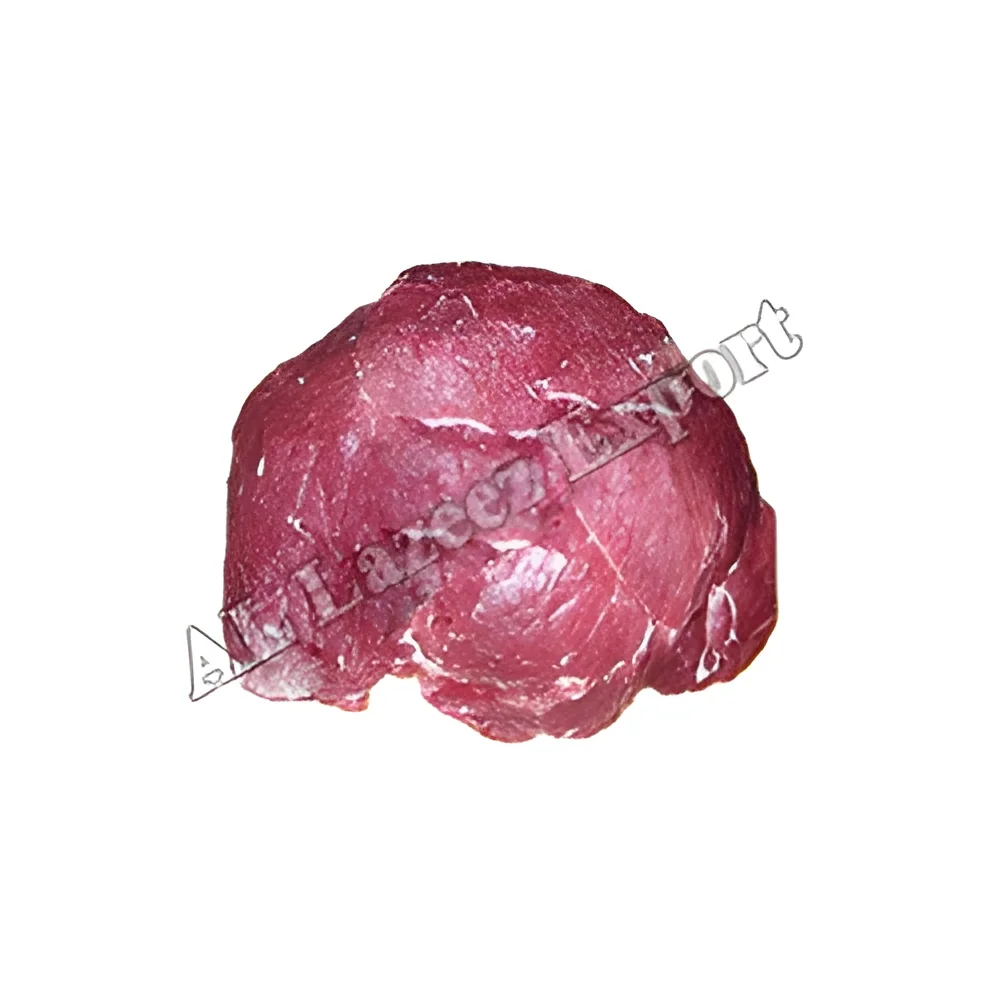
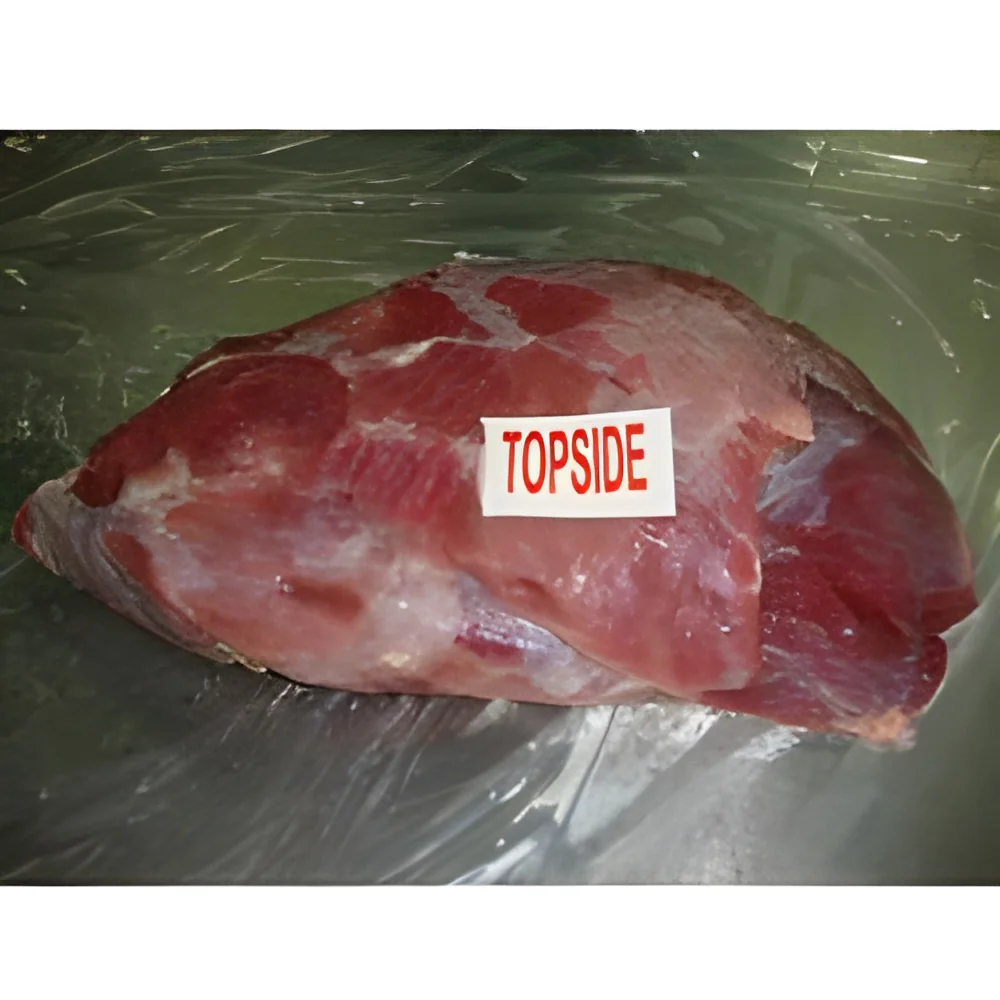
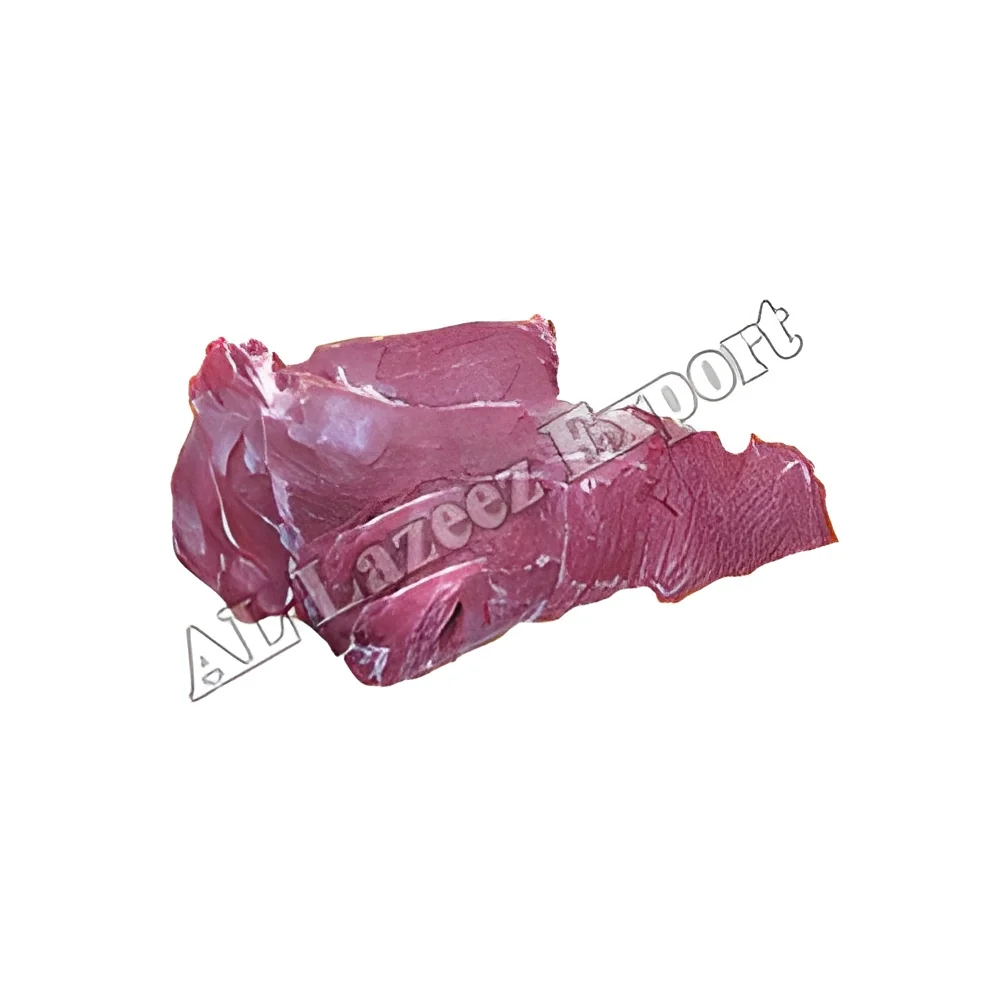
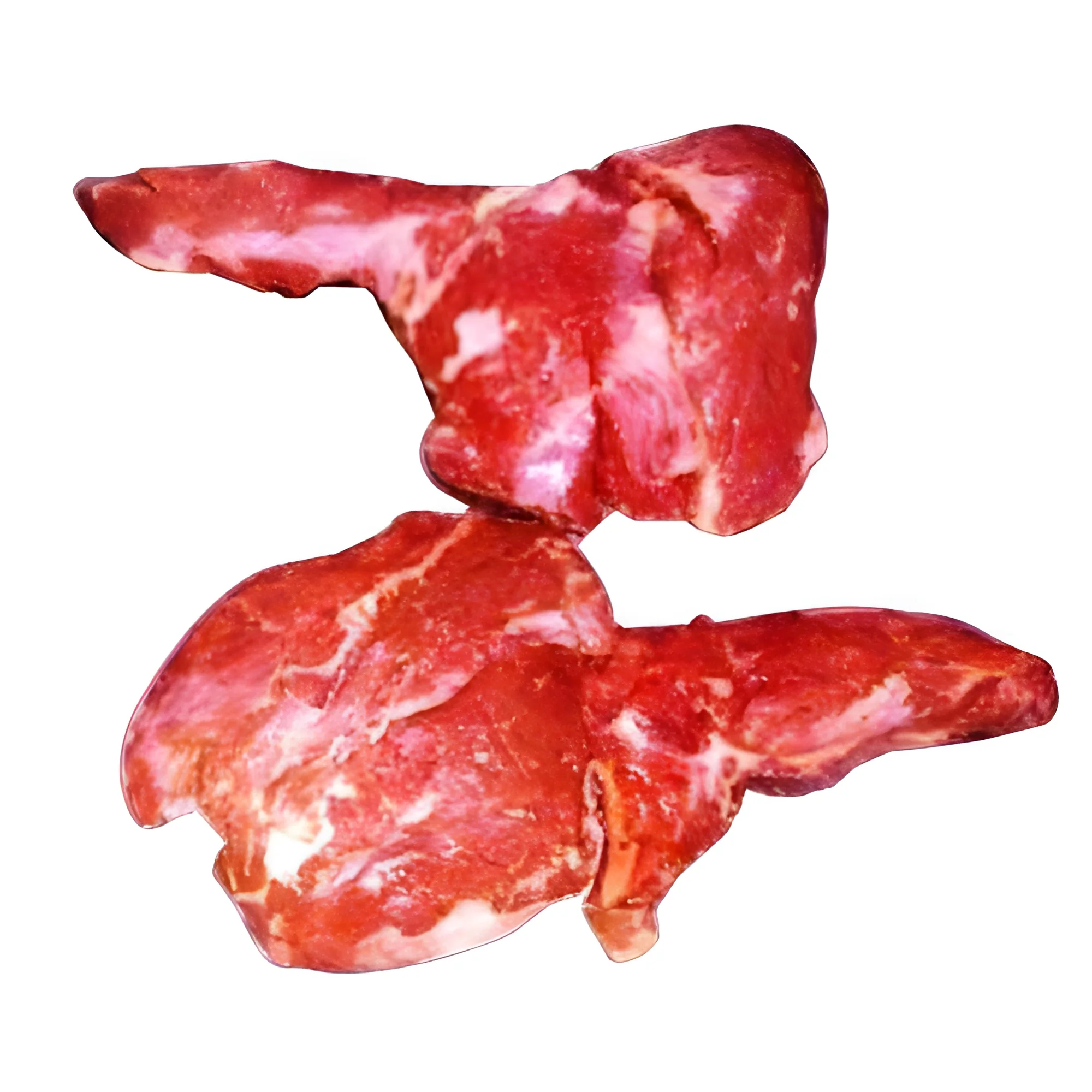
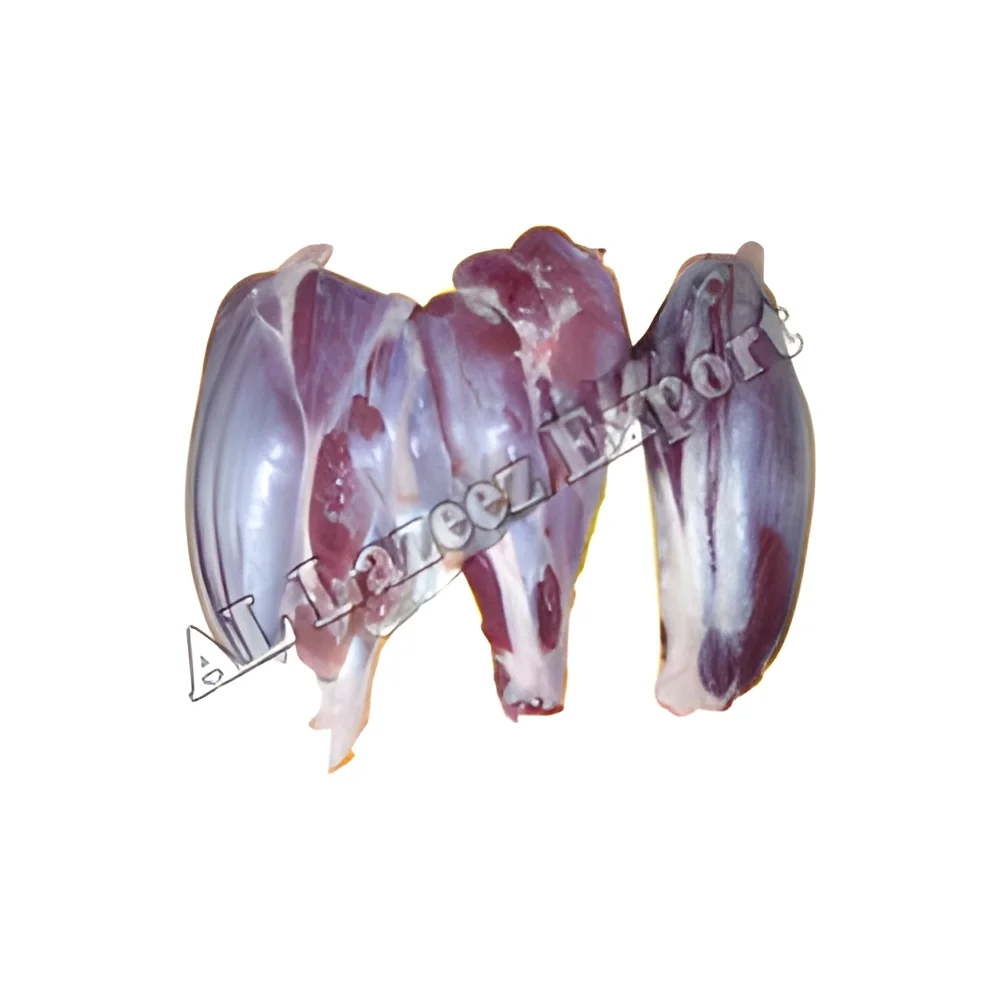
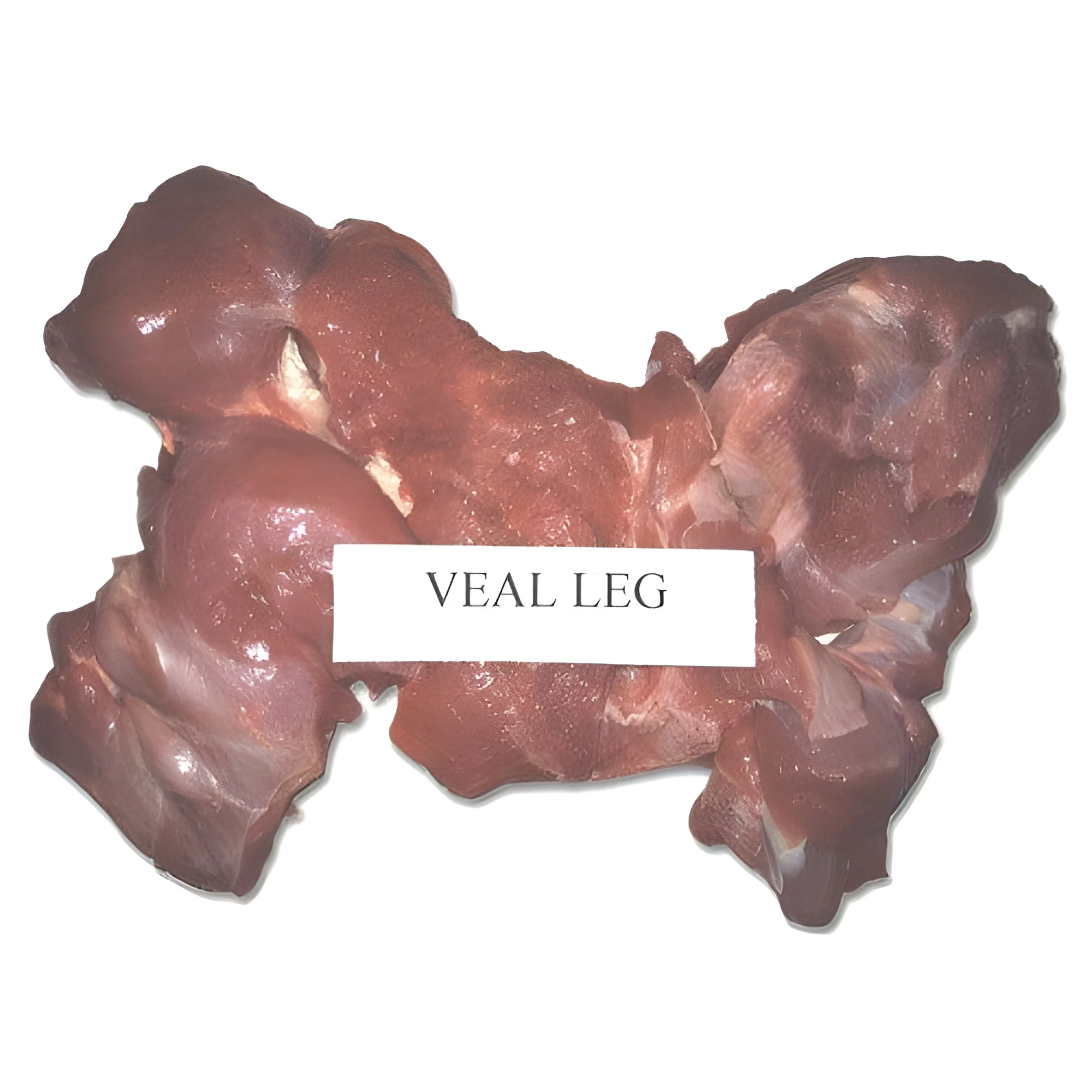
𝗪𝗵𝗮𝘁 𝗮𝗿𝗲 𝗛𝗮𝗹𝗮𝗹 𝗖𝗲𝗿𝘁𝗶𝗳𝗶𝗲𝗱 𝗙𝗿𝗲𝘀𝗵 𝗠𝗲𝗮𝘁?
Halal Certified Fresh Meat refers to meat products that comply with Islamic dietary laws. These laws dictate how animals should be raised, slaughtered, and processed. The term "halal" translates to "permissible," indicating that these meats are suitable for consumption by Muslims. The certification process ensures that the meat is derived from animals that have been treated humanely and slaughtered in a specific manner, according to the teachings of Islam.
The primary uses of Halal Certified Fresh Meat span across various industries such as food service, retail, and food manufacturing. Restaurants and grocery stores that cater to Muslim consumers rely on these products to meet dietary requirements. Additionally, food manufacturers use Halal meat as an ingredient in processed foods. The growing demand for Halal products has created a significant market, prompting suppliers to adopt stringent quality controls and certifications to align with consumer needs.
In today's global marketplace, Halal Certified Fresh Meat has become increasingly relevant, not only within Muslim communities but also among non-Muslim consumers. The rising awareness and appreciation for ethically sourced products have driven interest in Halal meat. As a result, this sector has seen substantial growth, with opportunities for businesses to expand their offerings and attract a diverse customer base.
𝗞𝗲𝘆 𝗙𝗲𝗮𝘁𝘂𝗿𝗲𝘀 𝗮𝗻𝗱 𝗦𝗽𝗲𝗰𝗶𝗳𝗶𝗰𝗮𝘁𝗶𝗼𝗻𝘀
Halal Certified Fresh Meat is characterized by several key features and specifications that ensure quality and compliance with Halal standards. These specifications are essential for businesses looking to source reliable and ethically produced meat products.
Key specifications include:
1. Animal Welfare Standards
- Animals must be raised according to humane practices.
- Compliance with local and international welfare regulations.
2. Halal Slaughtering Process
- Slaughter must be performed by a qualified Muslim individual.
- The invocation of Allah's name before slaughter is mandatory.
3. Traceability
- Meat must be traceable back to the source.
- Documentation of the supply chain is required.
4. Processing Standards
- Facilities must meet strict hygiene and safety regulations.
- The meat must be processed in dedicated Halal-certified environments.
5. Packaging Requirements
- Packaging must be labeled with Halal certification.
- Must ensure integrity and prevent cross-contamination with non-Halal products.
6. Quality Control Measures
- Regular testing for contaminants and quality assurance.
- Compliance with industry standards such as HACCP.
7. Compliance with Regional Regulations
- Adherence to local food safety laws.
- Certification from recognized Halal authorities.
8. Delivery and Storage Conditions
- Meat must be stored and transported at regulated temperatures.
- Monitoring systems for temperature control are recommended.
In summary, these specifications ensure that Halal Certified Fresh Meat meets the ethical, cultural, and quality expectations of consumers, making it a trusted choice for businesses.
𝗖𝗼𝗺𝗺𝗼𝗻 𝗔𝗽𝗽𝗹𝗶𝗰𝗮𝘁𝗶𝗼𝗻𝘀 𝗮𝗻𝗱 𝗨𝘀𝗲 𝗖𝗮𝘀𝗲𝘀
Halal Certified Fresh Meat serves a variety of industries, providing essential products that meet specific dietary requirements.
1. Food Service Industry: Restaurants and catering services often use Halal meat to accommodate Muslim customers. Many establishments offer Halal options on their menus, attracting a broader clientele.
2. Retail Grocery Stores: Supermarkets and specialty grocery stores stock Halal Certified Fresh Meat to cater to the growing demand among consumers seeking Halal food products.
3. Food Manufacturing: Processed food manufacturers incorporate Halal meat into their products, ensuring compliance with Halal standards to reach wider markets.
4. Institutional Catering: Schools, hospitals, and correctional facilities may offer Halal meals to meet the needs of diverse populations.
5. Online Food Delivery: E-commerce platforms are increasingly offering Halal meat products to consumers who prefer the convenience of home delivery.
6. Export Markets: Suppliers often export Halal Certified Fresh Meat to regions with significant Muslim populations, tapping into global trade opportunities.
7. Event Catering: Halal meat is frequently utilized in catering for events, ensuring that all guests have suitable meal options.
𝗣𝗿𝗼𝗱𝘂𝗰𝘁 𝗩𝗮𝗿𝗶𝗮𝗻𝘁𝘀 𝗮𝗻𝗱 𝗦𝘂𝗯𝗰𝗮𝘁𝗲𝗴𝗼𝗿𝗶𝗲𝘀
Halal Certified Fresh Meat encompasses a range of product variants to meet diverse consumer needs and preferences.
Beef Products
Halal-certified beef is sourced from cattle raised in compliance with Halal practices. It is available in various cuts, including steaks, ground beef, and roasts, making it suitable for different culinary applications.
Poultry Products
Halal chicken and turkey are popular choices for consumers. These products are often available as whole birds or in parts, such as breasts, thighs, and wings, catering to various cooking styles.
Lamb and Goat Products
Halal lamb and goat meat are favored in many cultures for their unique flavors. They are often used in traditional dishes and are available in cuts like chops, legs, and shanks.
𝗕𝗲𝗻𝗲𝗳𝗶𝘁𝘀 𝗮𝗻𝗱 𝗔𝗱𝘃𝗮𝗻𝘁𝗮𝗴𝗲𝘀
Sourcing Halal Certified Fresh Meat offers several key benefits for businesses.
1. Market Expansion: By offering Halal products, businesses can tap into a growing market segment and attract a diverse customer base.
2. Ethical Sourcing: Halal certification signifies adherence to humane treatment of animals, appealing to consumers who prioritize ethical sourcing.
3. Quality Assurance: Halal-certified products undergo rigorous quality checks, ensuring high standards of safety and freshness.
4. Compliance with Dietary Laws: Halal certification allows businesses to cater to customers with specific dietary requirements, enhancing customer satisfaction.
5. Improved Brand Reputation: Offering Halal products can enhance a company's image, demonstrating a commitment to diversity and inclusivity.
6. Access to Global Markets: Halal Certified Fresh Meat can be exported to regions with significant Muslim populations, opening new business opportunities.
𝗕𝘂𝘆𝗶𝗻𝗴 𝗚𝘂𝗶𝗱𝗲 𝗳𝗼𝗿 𝗕𝟮𝗕 𝗕𝘂𝘆𝗲𝗿𝘀
When sourcing Halal Certified Fresh Meat, businesses should consider several important factors to ensure they make informed decisions.
1. Quality Assessment: Evaluate the quality of the meat by checking for freshness, texture, and visual appeal. Look for certifications that demonstrate adherence to quality standards.
2. Supplier Verification: Vet potential suppliers by reviewing their certifications, reputation, and compliance with Halal standards. Conduct site visits if possible.
3. Pricing and MOQ: Understand the pricing structure and minimum order quantities required by suppliers. Compare prices across different vendors to ensure competitive rates.
4. Delivery and Lead Times: Inquire about delivery schedules and lead times to ensure timely availability of products. Consider suppliers’ logistics capabilities.
5. Compliance Requirements: Ensure that the supplier complies with local regulations and standards. Verify their Halal certification and any other relevant documentation.
𝗖𝗼𝗺𝗽𝗹𝗶𝗮𝗻𝗰𝗲 𝗮𝗻𝗱 𝗖𝗲𝗿𝘁𝗶𝗳𝗶𝗰𝗮𝘁𝗶𝗼𝗻𝘀
Halal Certified Fresh Meat must adhere to various quality standards and certifications to ensure safety and reliability. Relevant quality standards include ISO 9001, which focuses on quality management systems, and HACCP, which emphasizes the importance of food safety through hazard analysis and critical control points. Additionally, adherence to Good Distribution Practice (GDP) ensures that meat products are handled in a manner that maintains their quality during transport.
Industry certifications, such as CE marking, provide assurance that products meet European health, safety, and environmental protection standards. Suppliers must also comply with safety and testing requirements to ensure that the meat is free from contaminants and safe for consumption.
Regional compliance considerations vary, and it is essential for suppliers to understand and adhere to local regulations. This may include specific Halal certification requirements from recognized authorities in the region, ensuring that the product meets the expectations of local consumers.
𝗪𝗵𝘆 𝗦𝗼𝘂𝗿𝗰𝗲 𝗛𝗮𝗹𝗮𝗹 𝗖𝗲𝗿𝘁𝗶𝗳𝗶𝗲𝗱 𝗙𝗿𝗲𝘀𝗵 𝗠𝗲𝗮𝘁 𝗳𝗿𝗼𝗺 𝗣𝗲𝗽𝗮𝗴𝗼𝗿𝗮?
Pepagora offers a trusted platform for sourcing Halal Certified Fresh Meat, providing several key advantages for businesses seeking reliable suppliers.
Verified Supplier Network: Pepagora connects buyers with a network of verified suppliers who meet strict Halal certification requirements. This ensures that businesses can source high-quality meat confidently.
Streamlined RFQ Process: The platform features a streamlined request for quotation (RFQ) process, allowing buyers to easily compare prices and terms from multiple suppliers, saving time and effort.
Trade Assurance and Support: Pepagora provides trade assurance and support, protecting buyers from potential risks associated with sourcing products. This includes assistance with disputes and ensuring that quality standards are met.
Regional Coverage: With a focus on markets in India, the Gulf Cooperation Council (GCC), and Southeast Asia, Pepagora offers extensive geographic reach. This allows businesses to tap into diverse markets and meet the growing demand for Halal Certified Fresh Meat.

 IN
IN