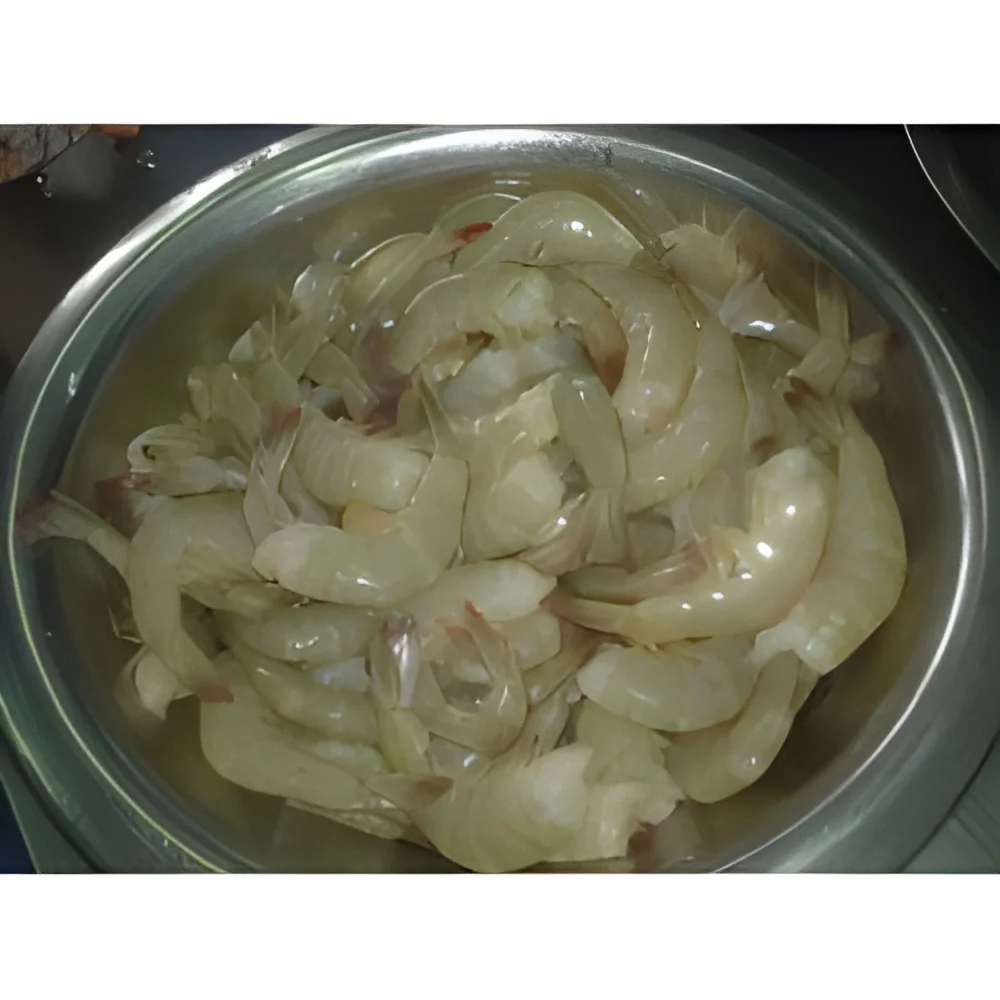
Key Features and Specifications
When considering seafood exporters, it is essential to understand their key features and specifications. These specifications ensure product quality, safety, and compliance with international standards.
Key specifications include:
1. Freshness Guarantee
- Products must be delivered within strict timeframes to maintain quality.
- Fresh seafood should be processed and shipped within hours of catch.
2. Temperature Control
- Proper freezing and storage temperatures are critical.
- Frozen seafood is typically stored at -18 degrees Celsius or lower.
3. Quality Standards Compliance
- Products should meet international standards such as ISO 9001 and HACCP.
- Regular testing and certification ensure safety and quality.
4. Traceability
- Each product should have documentation tracing its origin.
- This transparency builds customer trust and meets regulatory requirements.
5. Packaging
- Seafood must be packaged to prevent contamination and ensure freshness.
- Sustainable packaging options are increasingly preferred.
6. Minimum Order Quantities (MOQ)
- Suppliers may have specific MOQs that buyers need to meet.
- Understanding MOQs is essential for planning purchases.
7. Delivery Options
- Various shipping methods are available, including air freight and sea freight.
- Timely delivery options are critical for maintaining product quality.
8. Customization Options
- Some exporters offer product customization based on buyer requirements.
- This can include size, packaging, and labeling preferences.
These specifications collectively ensure that businesses receive high-quality seafood products that meet their needs.
Common Applications and Use Cases
Seafood exporters provide diverse products that serve various industries.
1. Foodservice Industry: Restaurants and catering companies rely on seafood exporters for fresh and frozen seafood to create menu items. Quality and variety are essential for meeting customer expectations.
2. Retail Grocery Stores: Supermarkets and specialty stores source seafood from exporters to stock their seafood counters. Freshness and sustainability are key factors in attracting consumers.
3. Food Processing: Manufacturers of seafood products, such as canned or frozen items, depend on exporters for raw materials. Consistent supply and quality are vital for production schedules.
4. Hospitality Sector: Hotels and resorts use seafood exporters to provide high-quality seafood for their dining establishments. This helps enhance the guest experience and meet culinary standards.
5. Export Markets: International buyers looking to import seafood products rely on exporters to navigate the complexities of trade regulations and ensure product compliance.
6. Health and Nutrition: Companies focused on health foods source seafood for its nutritional benefits. Exporters help them access high-quality, sustainable seafood options.
7. Culinary Schools: Educational institutions often partner with seafood exporters to provide students with fresh ingredients for training purposes. This ensures students learn with quality products.
Product Variants and Subcategories
Seafood exporters offer a range of product variants to cater to different market needs.
Frozen Fish Products
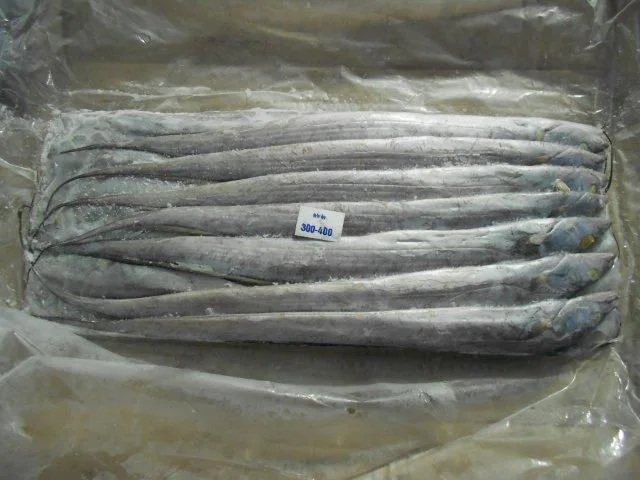
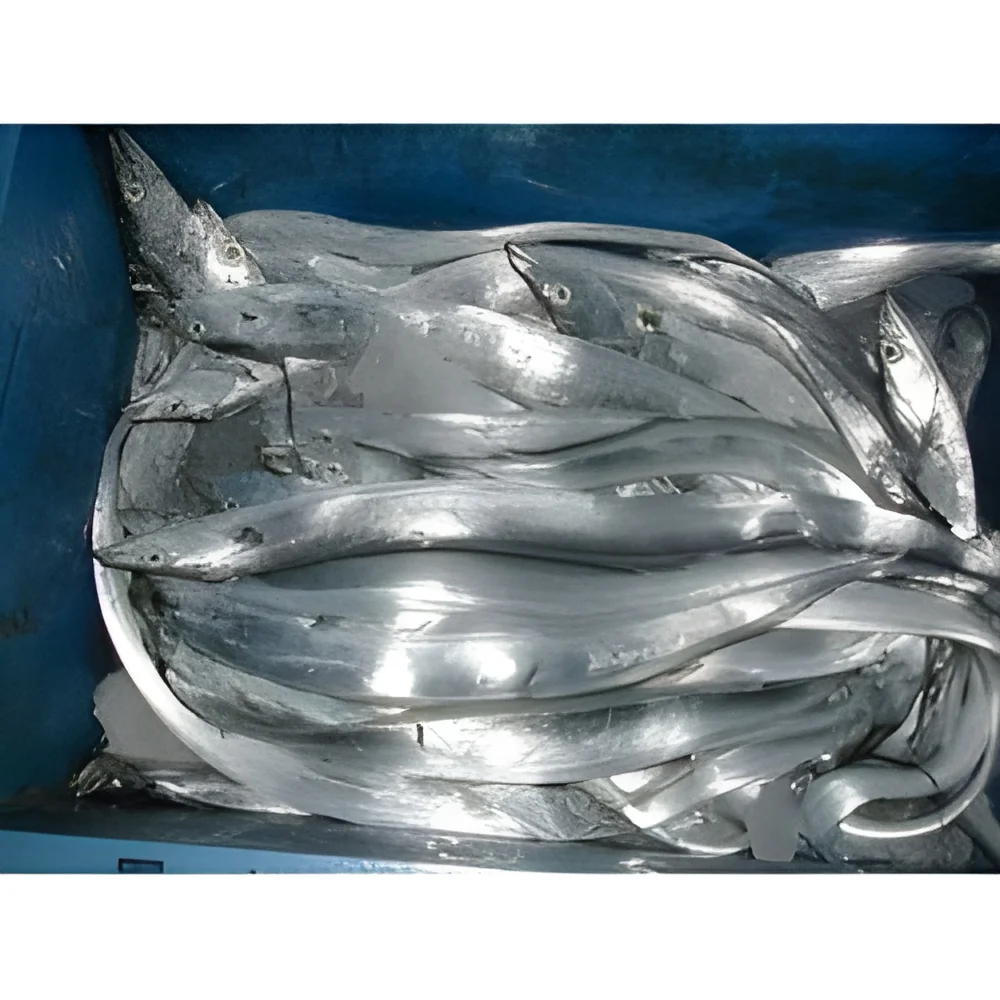
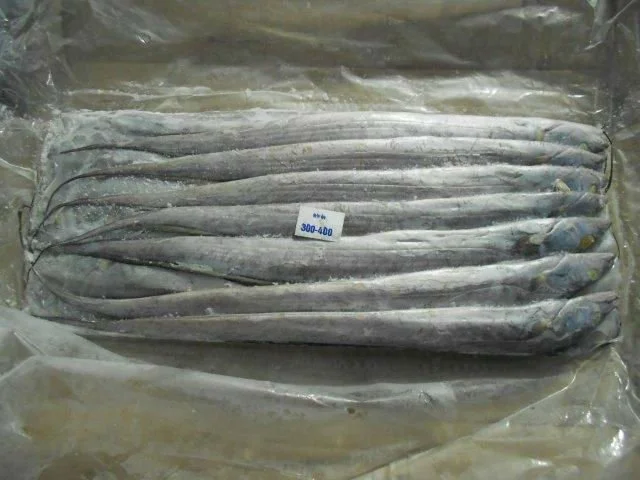
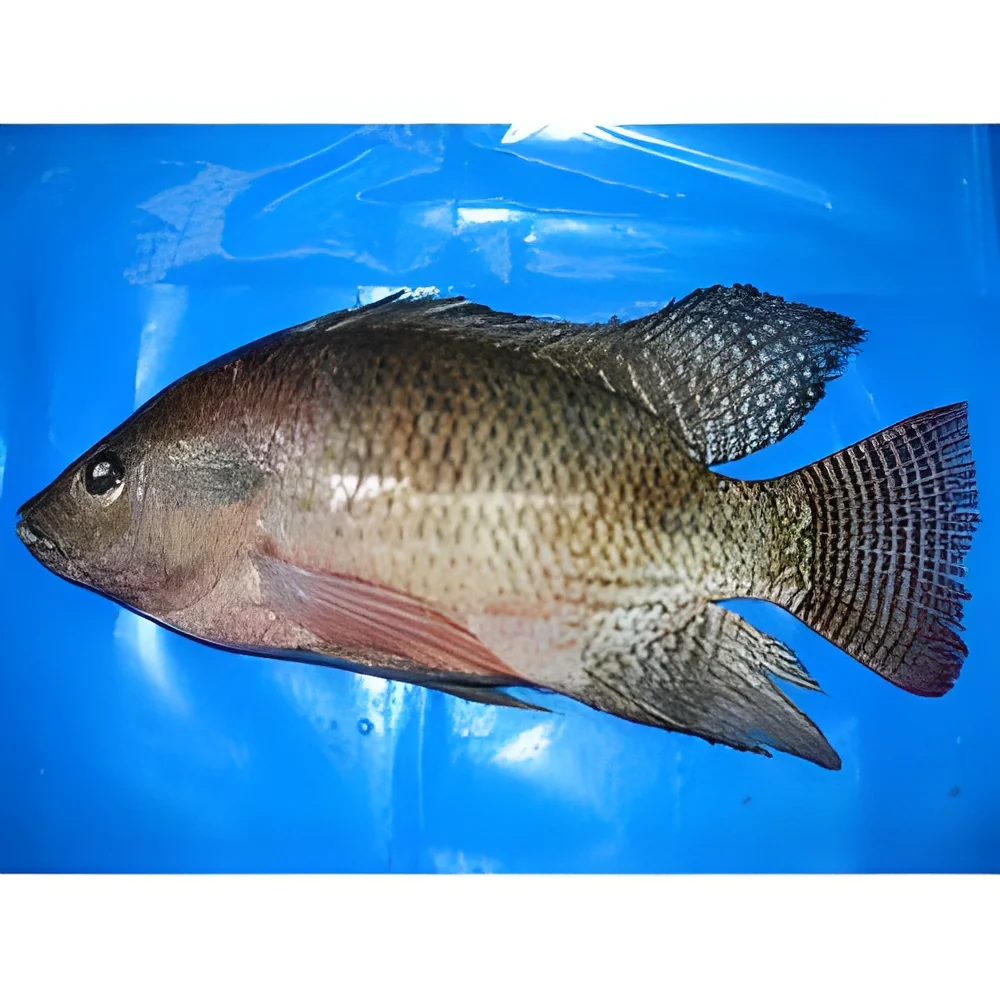
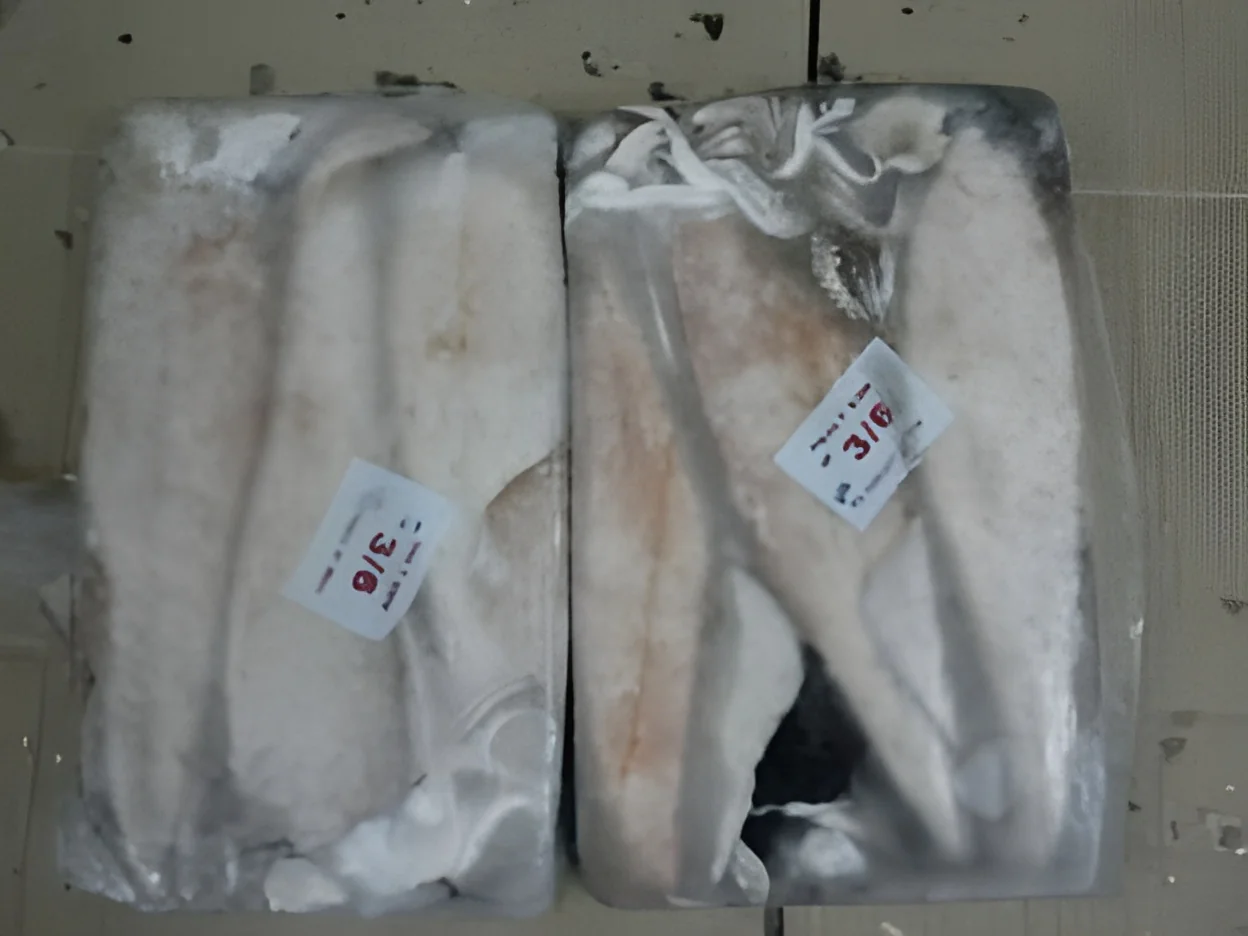
These include various species such as cod, tilapia, and salmon. Frozen fish is processed immediately after catch, ensuring maximum freshness and flavor. They are ideal for long-term storage and easy preparation.
Fresh Shellfish
This category includes shrimp, crab, and mussels. Fresh shellfish is prized for its delicate flavor and texture. It is often sourced from local fisheries and is popular in fine dining establishments.
IQF Seafood
Individually Quick Frozen (IQF) seafood products are frozen quickly to preserve individual pieces. This method allows for easy portion control and reduces waste, making it a preferred choice in foodservice.
Canned Seafood
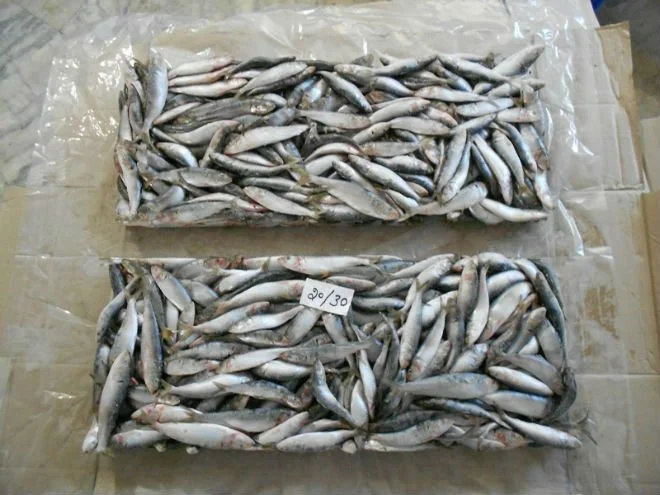
Exporters also provide canned seafood options like tuna and sardines. Canned products are convenient and have a long shelf life, making them a staple in many households.
Benefits and Advantages
Sourcing seafood exporters provides numerous benefits to businesses.
1. Quality Assurance: Seafood exporters adhere to strict quality standards, ensuring that products are safe and fresh. This helps businesses maintain their reputation.
2. Diverse Product Range: Exporters offer a wide variety of seafood products, allowing businesses to meet diverse customer preferences easily. This flexibility can drive sales and customer satisfaction.
3. Reliable Supply Chain: Established exporters have robust supply chains that guarantee timely deliveries. This consistency is crucial for businesses that rely on regular stock replenishment.
4. Expertise and Support: Many exporters provide additional support, including product knowledge and market insights. This helps buyers make informed decisions.
5. Competitive Pricing: Exporters often have access to better pricing due to their established relationships with suppliers. This can lead to cost savings for buyers.
6. Sustainability Practices: Many seafood exporters focus on sustainable practices, ensuring that the products sourced are environmentally friendly. This can enhance a business's brand image and appeal to eco-conscious consumers.
Buying Guide for B2B Buyers
When sourcing seafood exporters, businesses should consider several critical factors.
1. Quality Assessment: Evaluating the quality of seafood is essential. Buyers should request samples and certifications to ensure compliance with health and safety standards.
2. Supplier Verification: Vetting potential suppliers is crucial to ensure they are reputable and reliable. This can include checking references and reviewing past performance.
3. Pricing and MOQ: Understanding the pricing structure and minimum order quantities is important for budgeting. Buyers should compare quotes from multiple suppliers to get the best deal.
4. Delivery and Lead Times: Logistics play a significant role in seafood exports. Buyers need to clarify delivery timelines and methods to avoid stock shortages.
5. Compliance Requirements: Familiarizing oneself with regulatory requirements in the destination market is essential. This includes customs regulations and import permits to avoid delays.
Compliance and Certifications
Compliance with industry standards and certifications is vital for seafood exporters to ensure product quality and safety. Relevant standards include ISO 9001, which focuses on quality management systems, and HACCP, which outlines critical control points in food safety.
Additionally, certifications such as CE indicate that the products meet European safety, health, and environmental protection standards. Regular safety and testing requirements must be met to guarantee that seafood products are safe for consumption.
Regional compliance considerations are also important. Different countries have specific regulations regarding seafood imports, including labeling, packaging, and traceability requirements. Exporters must be well-versed in these regulations to facilitate smooth transactions and avoid compliance issues.
Why Source Seafood Exporters (Frozen/Fresh) from Pepagora?
Pepagora offers a trusted platform for sourcing Seafood Exporters (Frozen/Fresh), providing several key advantages to buyers.
Verified Supplier Network: Pepagora connects buyers with a network of verified suppliers. This ensures that businesses can source quality seafood from reputable exporters, minimizing risks associated with unreliable suppliers.
Streamlined RFQ Process: The platform simplifies the request for quotation (RFQ) process, allowing buyers to receive multiple quotes efficiently. This helps businesses compare pricing and services easily.
Trade Assurance and Support: Pepagora provides trade assurance, protecting buyers in their transactions. This includes support in case of disputes or issues with delivery, enhancing buyer confidence.
Regional Coverage: Pepagora extends its reach across key markets, including India, the GCC, and Southeast Asia. This geographic coverage allows buyers to access a diverse range of seafood products tailored to their local markets.

 IN
IN