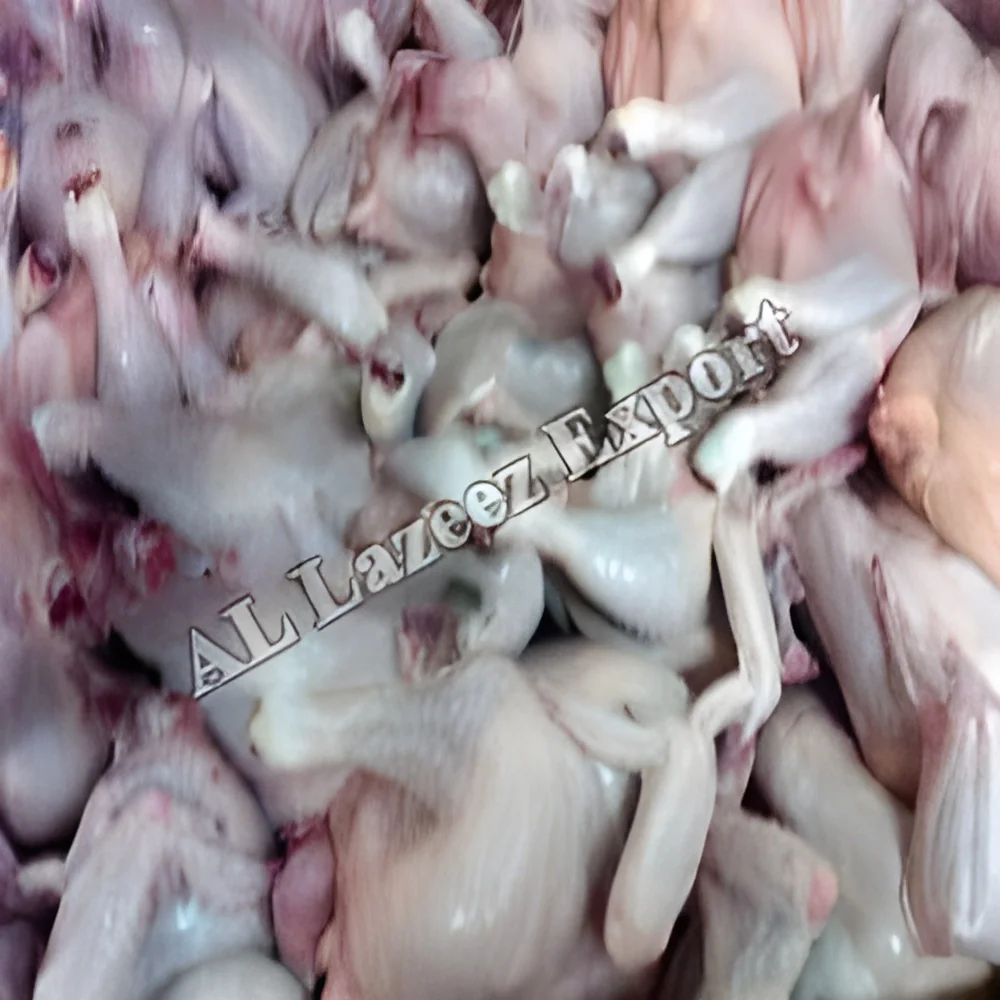
What are Fresh Chicken (Whole, Cuts)?
Fresh chicken refers to poultry that is processed and sold in various forms, including whole birds and specific cuts such as breasts, thighs, wings, and drumsticks. It is a staple protein source in numerous diets worldwide due to its versatility and relatively lower cost compared to other meats. Fresh chicken is typically sourced from farms where the birds are raised in controlled environments, ensuring quality and safety.
Businesses utilize fresh chicken in a variety of applications, including restaurants, catering services, food processing, and retail. Its ability to be prepared in numerous ways, such as grilling, frying, or baking, makes it a favored ingredient among chefs and consumers alike. The demand for fresh chicken continues to grow as more consumers opt for poultry over red meats for health and dietary reasons.
In the current market, fresh chicken is particularly relevant due to increasing consumer awareness about health and nutrition. As a high-protein food, it aligns with trends toward leaner diets. Additionally, the global poultry market is expanding, driven by rising populations and changing dietary preferences. This makes fresh chicken a critical product for businesses aiming to thrive in the competitive food industry.
𝗞𝗲𝘆 𝗙𝗲𝗮𝘁𝘂𝗿𝗲𝘀 𝗮𝗻𝗱 𝗦𝗽𝗲𝗰𝗶𝗳𝗶𝗰𝗮𝘁𝗶𝗼𝗻𝘀
Fresh chicken products come with several key features and specifications that ensure quality and suitability for various applications. The characteristics of fresh chicken can significantly impact its use in food service and retail.
Key specifications include:
1. Whole Chicken
- Typically weighs between 2 to 4 kg
- Available in free-range and barn-raised options
2. Chicken Breasts
- Boneless and skinless options available
- Average weight ranges from 150 to 250 grams per piece
3. Chicken Thighs
- Can be sold bone-in or boneless
- Average weight per piece is around 200 to 300 grams
4. Chicken Wings
- Available as whole wings or wing sections
- Commonly sold in bulk for restaurants
5. Chicken Drumsticks
- Typically weigh between 150 to 200 grams each
- Available with skin on or skinless
6. Packaging Options
- Vacuum-sealed for freshness
- Bulk packaging available for wholesale buyers
7. Storage Conditions
- Must be stored at temperatures below 4 degrees Celsius
- Best used within 2-3 days of receipt for optimal freshness
8. Traceability
- Sourced from certified farms
- Documentation available for quality assurance
In summary, understanding the features and specifications of fresh chicken products helps businesses select the right options for their needs, ensuring quality and safety.
𝗖𝗼𝗺𝗺𝗼𝗻 𝗔𝗽𝗽𝗹𝗶𝗰𝗮𝘁𝗶𝗼𝗻𝘀 𝗮𝗻𝗱 𝗨𝘀𝗲 𝗖𝗮𝘀𝗲𝘀
Fresh chicken plays a vital role in various industries, serving a wide range of applications that highlight its versatility.
1. Food Service: Restaurants utilize fresh chicken in diverse menu items, from grilled chicken sandwiches to elaborate entrees. Its adaptability allows chefs to create various dishes that appeal to different customer preferences.
2. Catering: Catering services often rely on fresh chicken for events and parties. Its ease of preparation and the ability to serve in bulk make it an ideal choice for large gatherings.
3. Retail: Supermarkets and grocery stores offer fresh chicken in various cuts, catering to consumers' needs for easy meal preparation options. This helps to meet the growing demand for convenient food products.
4. Food Processing: Manufacturers of ready-to-eat meals and frozen products often use fresh chicken as a primary ingredient, ensuring a steady supply for their production lines.
5. Institutional Food Services: Schools, hospitals, and other institutions serve fresh chicken as a healthy protein option for their meal programs, aligning with nutrition guidelines.
6. Export: Countries with surplus poultry production often export fresh chicken to meet international demand, contributing to global food supply chains.
7. Home Cooking: With the rise of home cooking trends, fresh chicken is a popular choice for families looking for nutritious meal options, further driving its market demand.
𝗣𝗿𝗼𝗱𝘂𝗰𝘁 𝗩𝗮𝗿𝗶𝗮𝗻𝘁𝘀 𝗮𝗻𝗱 𝗦𝘂𝗯𝗰𝗮𝘁𝗲𝗴𝗼𝗿𝗶𝗲𝘀
Fresh chicken is available in various forms to meet the diverse needs of consumers and businesses alike. This variety allows for tailored offerings based on culinary preferences and preparation methods.
Whole Chicken
This variant includes the entire bird, ideal for roasting or grilling. Whole chickens are popular for family meals and can serve multiple portions, making them cost-effective.
Chicken Breasts
Boneless and skinless chicken breasts are favored for their convenience and lean protein content. They are often used in salads, stir-fries, and as standalone entrees.
Chicken Thighs
Juicy and flavorful, chicken thighs are available as bone-in or boneless. They are commonly used in recipes requiring slow cooking or grilling, providing a richer taste.
Chicken Wings
Known for their popularity in appetizers and snacks, chicken wings can be served in various sauces and are a staple in many restaurants and bars.
Chicken Drumsticks
These are often considered a budget-friendly option, providing a hearty meal choice. They are versatile and can be roasted, fried, or barbecued.
𝗕𝗲𝗻𝗲𝗳𝗶𝘁𝘀 𝗮𝗻𝗱 𝗔𝗱𝘃𝗮𝗻𝘁𝗮𝗴𝗲𝘀
Sourcing fresh chicken offers several advantages that can benefit businesses in the food industry. Recognizing these benefits can help companies make informed purchasing decisions.
1. High Nutritional Value: Fresh chicken is an excellent source of protein, essential vitamins, and minerals, making it a healthy choice for various diets.
2. Versatile Usage: The various cuts of fresh chicken allow for diverse culinary applications, enabling businesses to create a wide range of dishes.
3. Cost-Effective: Fresh chicken is generally more affordable compared to other meats, making it a budget-friendly option for businesses looking to manage food costs.
4. Quick Preparation: Many cuts of fresh chicken can be cooked quickly, allowing restaurants and caterers to serve meals efficiently and meet customer demands.
5. Growing Market Demand: The increasing popularity of poultry as a preferred protein source aligns with consumer trends towards healthier eating, providing a steady market for suppliers.
6. Customization Options: Many suppliers offer tailored solutions for bulk orders, allowing businesses to request specific cuts and sizes to meet their needs.
𝗕𝘂𝘆𝗶𝗻𝗴 𝗚𝘂𝗶𝗱𝗲 𝗳𝗼𝗿 𝗕𝟮𝗕 𝗕𝘂𝘆𝗲𝗿𝘀
When sourcing fresh chicken, B2B buyers should consider several key factors to ensure they make informed decisions that meet their operational needs.
1. Quality Assessment: Evaluate the quality based on freshness, appearance, and odor. Ensure that the chicken meets industry standards for safety and hygiene.
2. Supplier Verification: Vet suppliers by checking their certifications, reputation, and history in the market. Reliable suppliers should provide traceability for their products.
3. Pricing and MOQ: Understand the pricing structure and minimum order quantities (MOQ) required by suppliers. Compare prices to ensure competitive purchasing.
4. Delivery and Lead Times: Discuss logistics and delivery schedules with suppliers. Prompt delivery is crucial for maintaining freshness and meeting operational needs.
5. Compliance Requirements: Familiarize yourself with local and international regulations regarding poultry sourcing, including hygiene and safety standards that must be adhered to.
𝗖𝗼𝗺𝗽𝗹𝗶𝗮𝗻𝗰𝗲 𝗮𝗻𝗱 𝗖𝗲𝗿𝘁𝗶𝗳𝗶𝗰𝗮𝘁𝗶𝗼𝗻𝘀
Fresh chicken products must adhere to several compliance standards and certifications to ensure quality and safety in the food supply chain. Notable certifications include CE, which signifies compliance with health, safety, and environmental protection standards set by the European Union.
Quality standards such as ISO 9001 and HACCP help maintain food safety management systems and assure buyers of consistent quality. These standards outline best practices for handling, processing, and storing poultry to minimize risks of contamination.
Safety and testing requirements are critical in the poultry industry. Regular inspections and testing for pathogens, such as Salmonella and E. coli, ensure that the products meet health regulations.
Additionally, regional compliance considerations may vary based on local laws and market demands. Understanding these regulations is essential for ensuring that fresh chicken products are safe and acceptable for consumers in different markets.
Why Source Fresh Chicken (Whole, Cuts) from Pepagora?
Pepagora offers a trusted platform for sourcing fresh chicken, providing several key advantages for B2B buyers looking for quality poultry products.
Verified Supplier Network: Pepagora has established a comprehensive network of verified suppliers, ensuring that buyers have access to high-quality fresh chicken. Each supplier undergoes a rigorous vetting process to guarantee reliability and safety.
Streamlined RFQ Process: The request for quotation (RFQ) process on Pepagora is designed to be user-friendly, allowing buyers to easily compare offers from multiple suppliers. This transparency facilitates better decision-making and cost management.
Trade Assurance and Support: Pepagora provides trade assurance to protect buyers during transactions. This includes support for any issues that may arise, giving businesses peace of mind when sourcing products.
Regional Coverage: With a focus on regions such as India, GCC, and Southeast Asia, Pepagora ensures that buyers can find fresh chicken products that meet their specific market needs. The platform's geographic reach helps connect suppliers and buyers efficiently, fostering strong business relationships.

 IN
IN