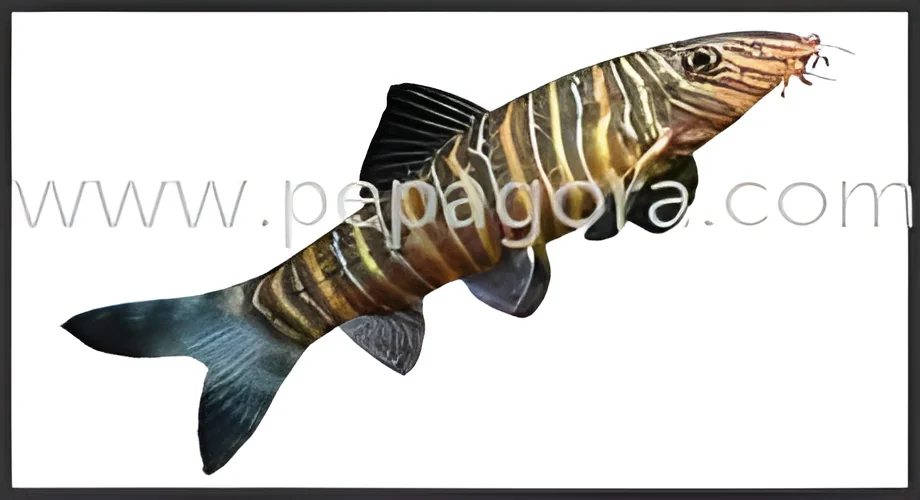
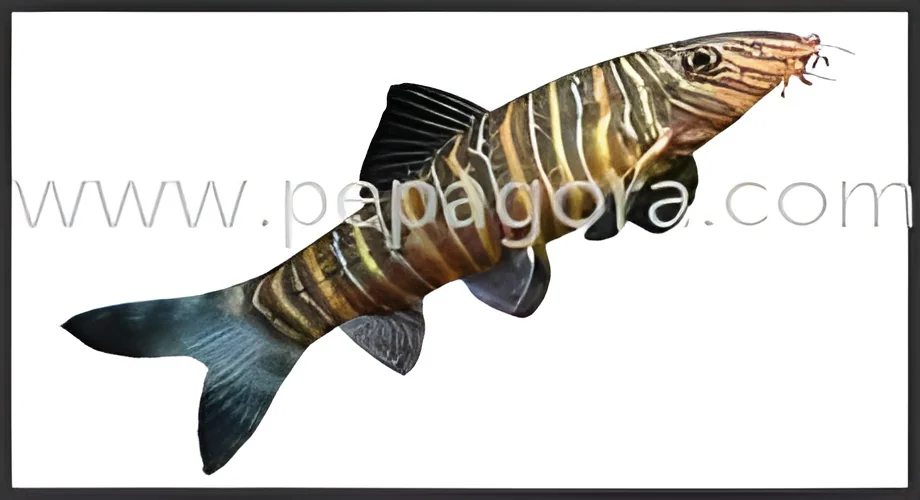
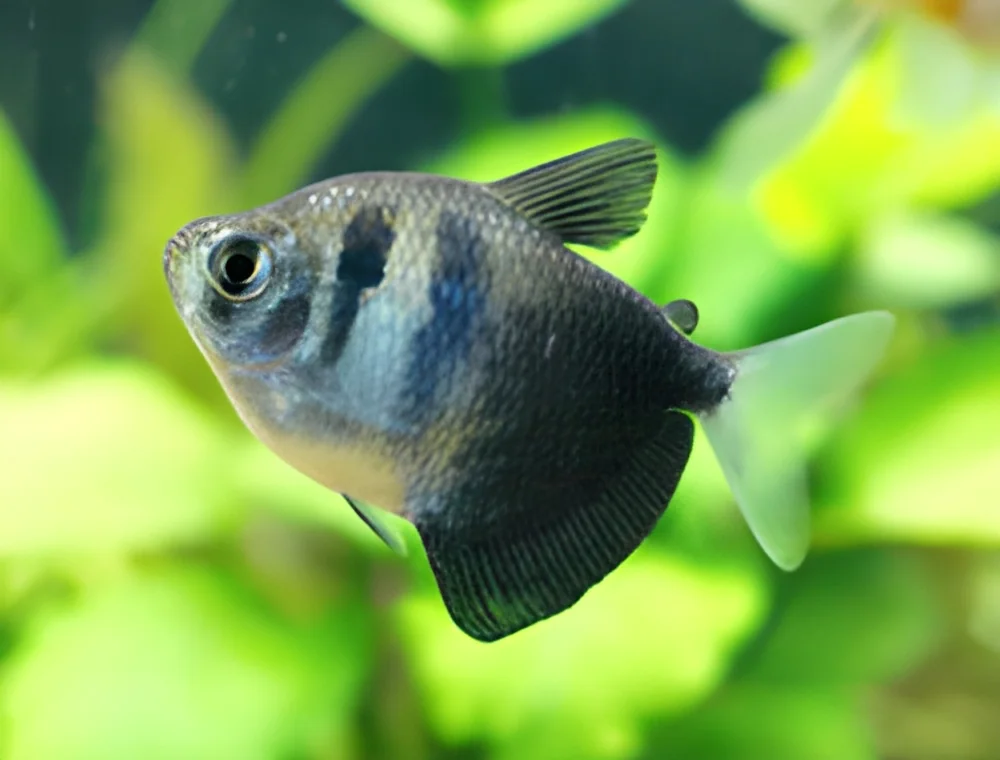
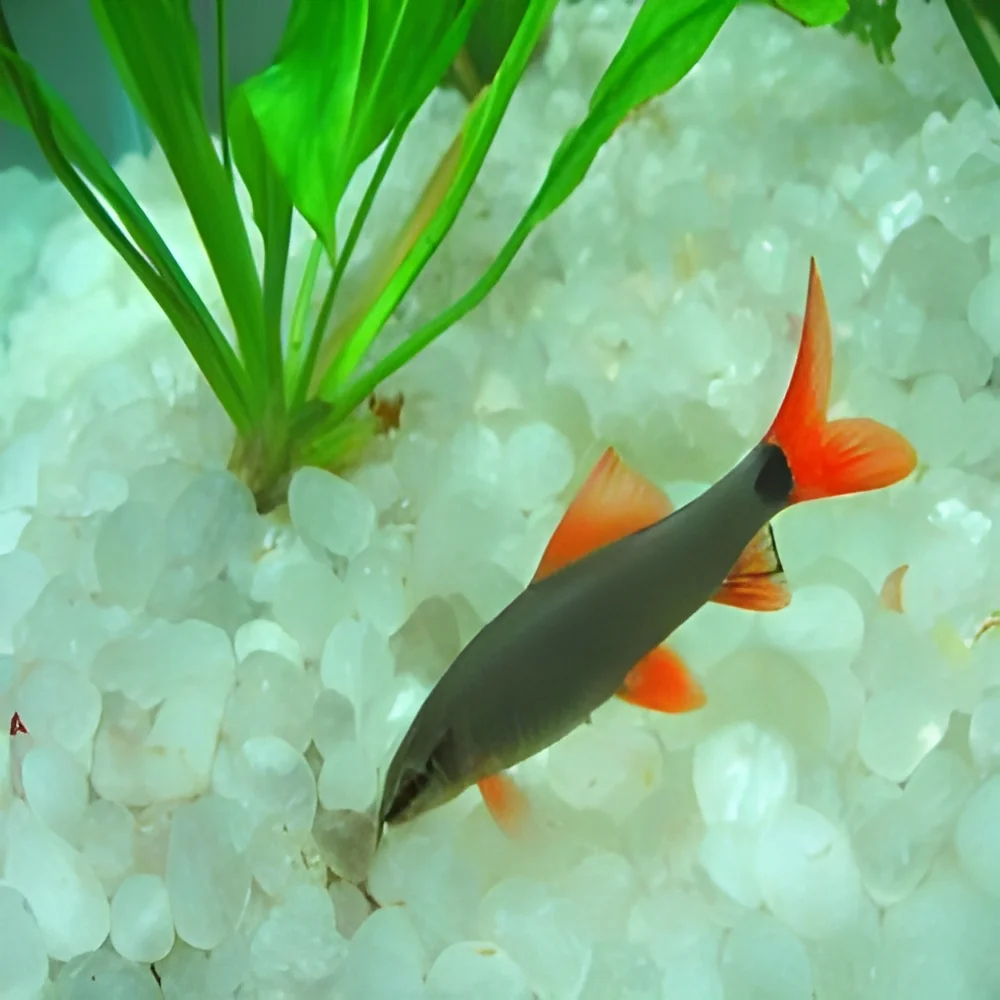
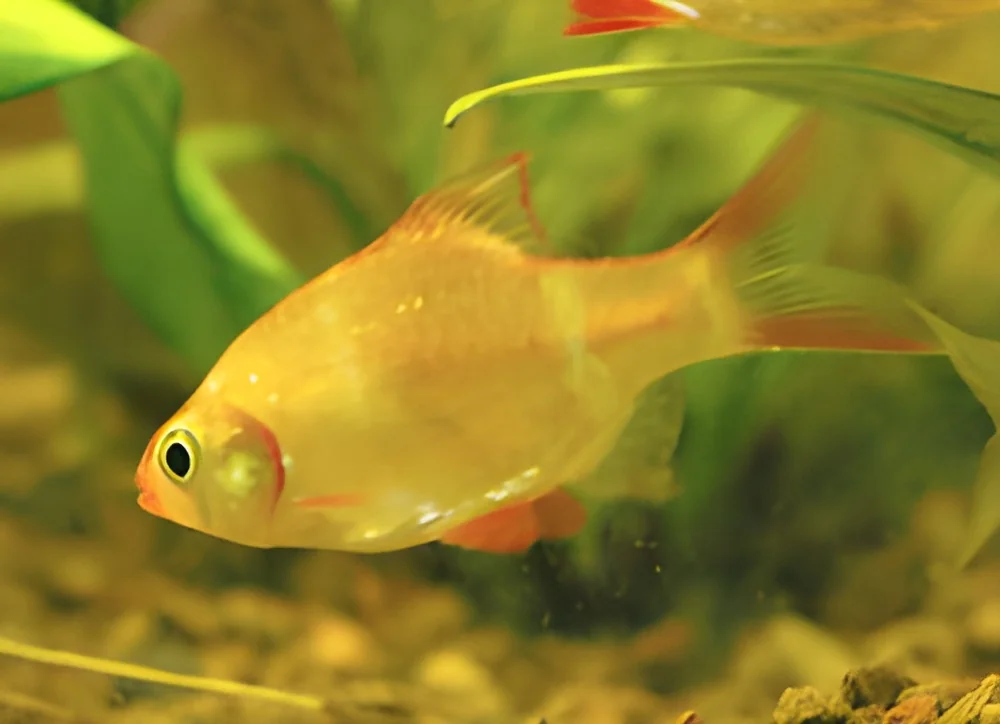
𝗪𝗵𝗮𝘁 𝗮𝗿𝗲 𝗙𝗿𝗲𝘀𝗵 𝗪𝗮𝘁𝗲𝗿 𝘃𝘀 𝗦𝗮𝗹𝘁 𝗪𝗮𝘁𝗲𝗿 𝗙𝗶𝘀𝗵?
Fresh water fish are species that inhabit freshwater environments such as rivers, lakes, and ponds. They thrive in water with low salinity, typically less than one percent. Common examples include trout, catfish, and bass. In contrast, salt water fish live in oceans and seas where salinity levels are significantly higher, generally around three to four percent. Examples of salt water fish include tuna, salmon, and cod. These two categories of fish exhibit distinct physiological adaptations to their respective environments, particularly in osmoregulation, which is the process of maintaining fluid balance.
The primary uses of fresh and salt water fish extend to various sectors, including food production, aquaculture, and recreational fishing. In the culinary world, both types of fish serve as vital sources of protein and essential nutrients. Businesses often rely on these fish for supply in restaurants, grocery stores, and markets. Additionally, aquaculture operations focus on breeding and raising both fresh and salt water species to meet global food demands. This market segment is relevant as it responds to increasing consumer preferences for sustainable seafood options, thus influencing industry practices and regulations.
𝗞𝗲𝘆 𝗙𝗲𝗮𝘁𝘂𝗿𝗲𝘀 𝗮𝗻𝗱 𝗦𝗽𝗲𝗰𝗶𝗳𝗶𝗰𝗮𝘁𝗶𝗼𝗻𝘀
Fresh water and salt water fish come with various features that cater to specific market requirements. Understanding these specifications can help businesses make informed purchasing decisions.
Key specifications include:
1. Species Variety
- Numerous species available, each with unique flavor profiles and textures
- Popular species can vary by region
2. Size Range
- Fish sizes can vary from small (such as tilapia) to large (like tuna)
- Size options often influence pricing and cooking methods
3. Harvesting Methods
- Fish can be wild-caught or farmed
- Wild-caught may have different flavor and texture compared to farmed
4. Shelf Life
- Fresh fish typically have a shorter shelf life than frozen options
- Proper storage is crucial to maintain quality
5. Nutritional Value
- Fish are a rich source of protein, omega-3 fatty acids, and essential vitamins
- Nutritional content may vary between species
6. Sustainability Practices
- Sourcing from certified sustainable fisheries can impact marketability
- Certifications like MSC (Marine Stewardship Council) can indicate responsible fishing practices
7. Pricing Variability
- Prices can fluctuate based on availability, seasonality, and market demand
- Understanding pricing trends is vital for cost-effective sourcing
In summary, recognizing the key features and specifications of fresh and salt water fish aids businesses in making strategic decisions and meeting customer demands.
𝗖𝗼𝗺𝗺𝗼𝗻 𝗔𝗽𝗽𝗹𝗶𝗰𝗮𝘁𝗶𝗼𝗻𝘀 𝗮𝗻𝗱 𝗨𝘀𝗲 𝗖𝗮𝘀𝗲𝘀
Fresh water and salt water fish serve various industries and applications.
1. Food Service: Restaurants and catering businesses utilize both types of fish in their menus, offering diverse seafood options to customers.
2. Retail: Grocery stores and fish markets stock fresh and frozen varieties to meet consumer demand, impacting sales strategies.
3. Aquaculture: Fish farming operations focus on breeding and raising both fresh and salt water species for commercial sale, contributing to food security.
4. Pharmaceuticals: Some fish are used in the production of omega-3 supplements and other health products, expanding their market reach.
5. Research: Academic and commercial research institutions study fish species for environmental and biological research, influencing conservation efforts.
6. Ornamental Trade: Certain fresh water and salt water fish are popular in the aquarium trade, catering to hobbyists and collectors.
7. Recreational Fishing: Enthusiasts engage in fishing both fresh and salt water species for sport, impacting local economies through tourism.
𝗣𝗿𝗼𝗱𝘂𝗰𝘁 𝗩𝗮𝗿𝗶𝗮𝗻𝘁𝘀 𝗮𝗻𝗱 𝗦𝘂𝗯𝗰𝗮𝘁𝗲𝗴𝗼𝗿𝗶𝗲𝘀
The diversity of fresh and salt water fish provides businesses with a range of options to meet various needs.
Fresh Water Fish Variety
Fresh water fish such as catfish and tilapia are popular for their mild flavor and adaptability. They are often farmed for consistent supply and are favored in various culinary applications.
Salt Water Fish Variety
Salt water fish like salmon and cod are sought after for their rich flavors and nutritional benefits. These species are commonly found in high-end restaurants and are preferred for grilling and baking.
𝗕𝗲𝗻𝗲𝗳𝗶𝘁𝘀 𝗮𝗻𝗱 𝗔𝗱𝘃𝗮𝗻𝘁𝗮𝗴𝗲𝘀
Sourcing fresh and salt water fish offers several benefits to businesses and consumers alike.
1. Nutritional Benefits: Fish are a great source of protein, omega-3 fatty acids, and essential nutrients that support health.
2. Versatility: Both fresh and salt water fish can be prepared in numerous ways, making them suitable for various cuisines and dishes.
3. Sustainability: Sourcing from responsible fisheries can help promote sustainable practices and protect marine ecosystems.
4. Economic Opportunities: The fish industry creates jobs in aquaculture, processing, and distribution, contributing to local economies.
5. Flavor Profiles: Different species provide a range of flavors and textures, allowing for culinary creativity and variety.
6. Global Market Reach: Fish products are in demand worldwide, providing opportunities for export and international trade.
𝗕𝘂𝘆𝗶𝗻𝗴 𝗚𝘂𝗶𝗱𝗲 𝗳𝗼𝗿 𝗕𝟮𝗕 𝗕𝘂𝘆𝗲𝗿𝘀
When sourcing fresh and salt water fish, businesses should consider several critical factors to ensure successful procurement.
1. Quality Assessment: Evaluate fish quality based on freshness, appearance, and smell. Ensure products meet industry standards for safety and quality.
2. Supplier Verification: Vet suppliers for reliability and reputation. Look for certifications and reviews to confirm their credibility.
3. Pricing and MOQ: Understand pricing structures and minimum order quantities (MOQ) to optimize budget and inventory levels.
4. Delivery and Lead Times: Consider logistics and lead times for delivery to ensure timely stock replenishment and minimize disruptions.
5. Compliance Requirements: Be aware of regulatory standards and certifications relevant to seafood sourcing, such as health and safety regulations.
𝗖𝗼𝗺𝗽𝗹𝗶𝗮𝗻𝗰𝗲 𝗮𝗻𝗱 𝗖𝗲𝗿𝘁𝗶𝗳𝗶𝗰𝗮𝘁𝗶𝗼𝗻𝘀
Compliance with industry standards is crucial for sourcing fresh and salt water fish. Key quality standards include ISO 9001, which ensures quality management systems, and HACCP, which focuses on food safety. Additionally, adherence to Good Distribution Practices (GDP) is vital in maintaining product integrity during storage and transport.
Certifications like CE indicate compliance with European safety standards, which can enhance credibility in international markets. Safety and testing requirements ensure that fish products are safe for consumption and meet health regulations. Regional compliance considerations may vary, so businesses must stay informed about local laws and guidelines affecting fish sourcing.
𝗪𝗵𝘆 𝗦𝗼𝘂𝗿𝗰𝗲 𝗙𝗿𝗲𝘀𝗵 𝗪𝗮𝘁𝗲𝗿 𝘃𝘀 𝗦𝗮𝗹𝘁 𝗪𝗮𝘁𝗲𝗿 𝗙𝗶𝘀𝗵 𝗳𝗿𝗼𝗺 𝗣𝗲𝗽𝗮𝗴𝗼𝗿𝗮?
Pepagora offers a trusted platform for sourcing fresh and salt water fish, providing several key advantages for businesses.
Verified Supplier Network: Pepagora connects buyers with a network of verified suppliers, ensuring quality and reliability in sourcing. This reduces the risk associated with procurement and builds trust in the supply chain.
Streamlined RFQ Process: The platform features a user-friendly quotation system that simplifies the process of requesting quotes from multiple suppliers, saving time and effort for buyers.
Trade Assurance and Support: Pepagora offers trade assurance to protect buyers throughout the purchasing process. This includes support for any disputes or issues that may arise during transactions.
Regional Coverage: With a strong presence in India, the GCC, and Southeast Asia, Pepagora provides extensive geographic reach, facilitating connections between buyers and suppliers across regions. This allows businesses to access a wider variety of fish products tailored to their local markets.

 IN
IN