
 IN
Fire Retardant Rock Wool
5 products available
What are Fire Retardant Rock Wool?
Fire Retardant Rock Wool is an advanced insulation material made from natural rock fibers. It is designed to provide superior fire resistance, thermal insulation, and sound absorption. The production process involves heating rocks to high temperatures, then spinning them into fine fibers. These fibers are bonded together to create a dense, durable product that can withstand extreme conditions.
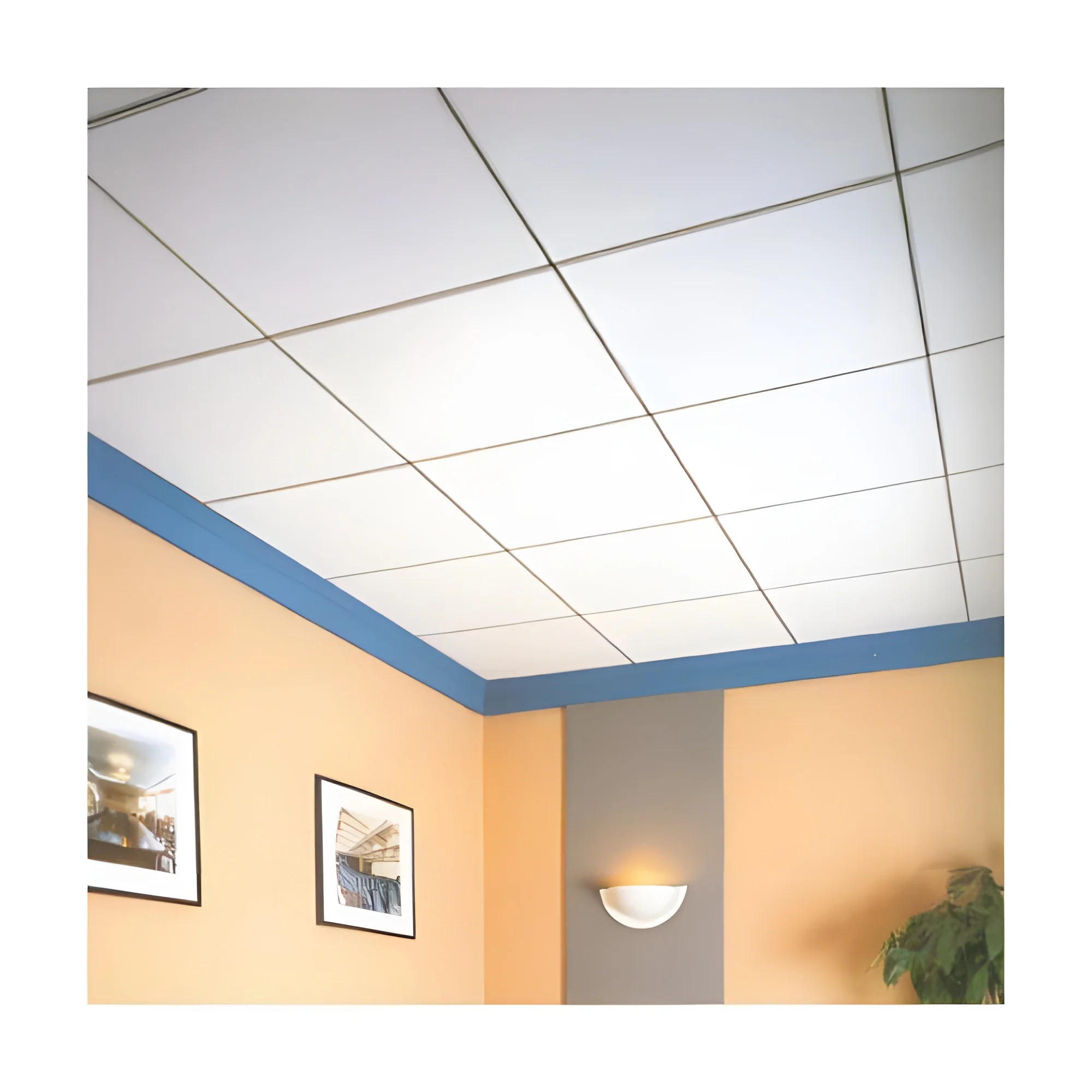
This material is primarily used in construction, manufacturing, and industrial applications. It is commonly found in walls, ceilings, and floors of commercial buildings, as well as in HVAC systems. Fire Retardant Rock Wool is essential for enhancing fire safety and energy efficiency, making it a preferred choice among architects and builders. In recent years, the demand for this product has grown significantly as industries prioritize safety and sustainability.
The relevance of Fire Retardant Rock Wool in today's market cannot be overstated. With increasing regulations on fire safety and energy efficiency, businesses are looking for materials that not only comply with standards but also enhance overall building performance. This makes Fire Retardant Rock Wool a crucial component in modern construction and industrial applications.
Key Features and Specifications
Fire Retardant Rock Wool boasts a range of features and specifications that enhance its performance and usability. It is engineered to offer excellent thermal insulation, fire resistance, and sound absorption, making it suitable for various applications.
Key specifications include:
1. Fire Resistance
- Rated for non-combustibility
- Can withstand temperatures exceeding 1000°C
2. Thermal Conductivity
- Low thermal conductivity values
- Typically ranges between 0.035 to 0.045 W/mK
3. Density
- Available in various densities
- Common ranges from 80 to 200 kg/m³
4. Sound Absorption
- High sound absorption ratings
- NRC values can reach up to 1.00
5. Moisture Resistance
- Hydrophobic properties to resist water absorption
- Suitable for humid environments
6. Chemical Resistance
- Resistant to most acids and alkalis
- Does not promote mold or mildew growth
7. Environmental Impact
- Made from natural and recyclable materials
- Complies with sustainability standards
8. Installation Flexibility
- Easy to cut and fit into various spaces
- Compatible with standard building practices
In summary, Fire Retardant Rock Wool is a versatile material with a variety of specifications that meet the needs of modern construction and industrial applications.
Common Applications and Use Cases
Fire Retardant Rock Wool is utilized across multiple industries due to its robust properties.
1. Construction: It is widely used in commercial and residential buildings for insulation in walls, roofs, and floors, providing fire safety and energy efficiency.
2. HVAC: Fire Retardant Rock Wool is often used in ductwork and HVAC systems to improve thermal performance and sound insulation, ensuring comfortable indoor environments.
3. Industrial Manufacturing: Many factories employ this material for insulating equipment and pipes, helping to maintain temperatures and enhance fire safety.
4. Marine: In shipbuilding, Rock Wool is used for insulation in hulls and engine rooms, providing fire resistance and sound dampening.
5. Automotive: This material is also found in automotive manufacturing, where it is used for acoustic insulation and fire protection in vehicles.
6. Acoustic Applications: In sound studios and performance spaces, Fire Retardant Rock Wool is used to control sound quality and prevent echo.
7. Energy Sector: It is used in power plants and refineries for insulation, reducing energy loss and enhancing safety.
Product Variants and Subcategories
Fire Retardant Rock Wool comes in various forms to meet specific application needs.
Standard Rock Wool Batts: These are pre-cut sections designed for easy installation in walls and ceilings, offering thermal insulation and sound absorption.
Loose Fill Rock Wool: This variant is used for filling irregular spaces and voids, providing excellent coverage and insulation properties.
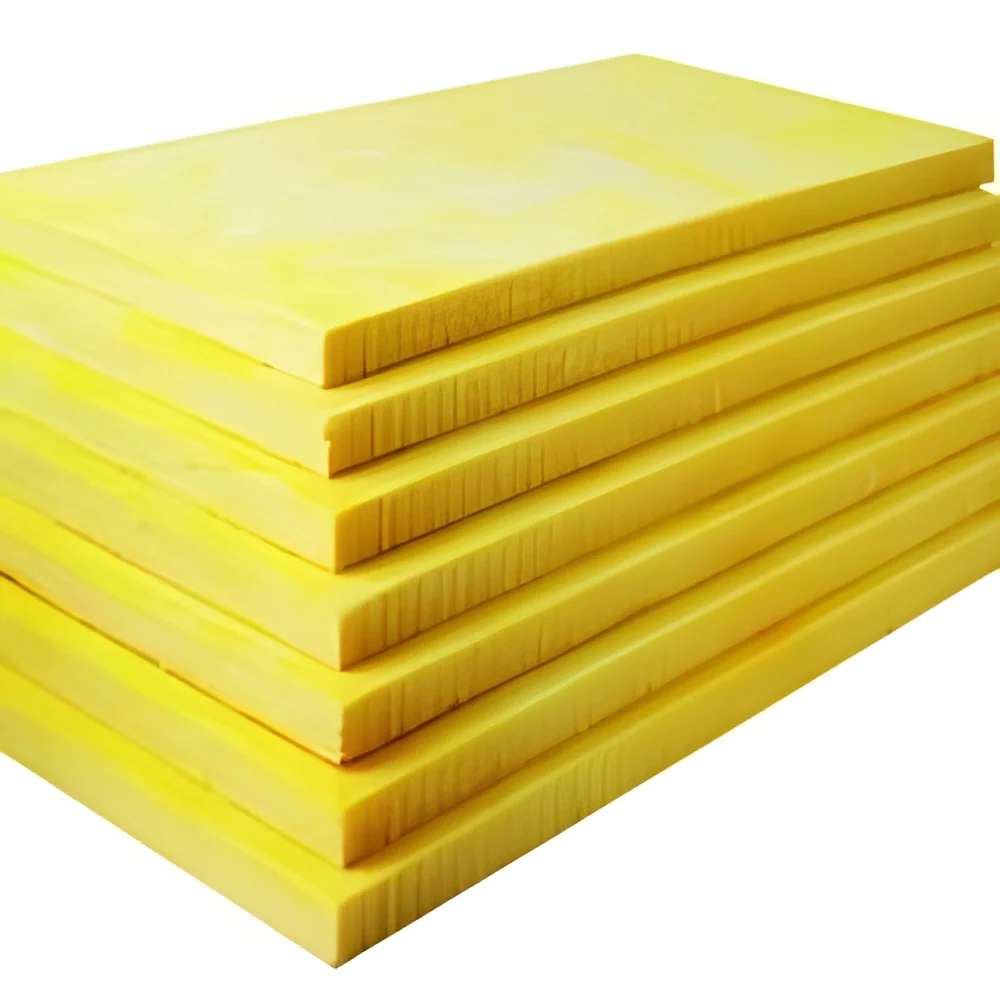
Boarded Rock Wool: These rigid boards are ideal for high-performance insulation in flat roofs and walls, providing superior fire resistance.
Spray Rock Wool: This variant is applied as a spray to create seamless insulation layers, perfect for complex shapes and surfaces.
Benefits and Advantages
Fire Retardant Rock Wool offers numerous benefits to businesses and industries.
1. Enhanced Fire Safety: The non-combustible nature of Rock Wool significantly reduces fire risks in buildings and industrial settings.
2. Energy Efficiency: Its excellent thermal insulation properties help lower energy consumption and costs, contributing to sustainability efforts.
3. Superior Sound Insulation: Fire Retardant Rock Wool effectively reduces sound transmission, creating quieter and more comfortable environments.
4. Durability: This material is resistant to moisture, mold, and pests, ensuring a long lifespan and low maintenance.
5. Environmental Sustainability: Made from natural materials, Rock Wool is recyclable and contributes to eco-friendly building practices.
6. Versatility: It can be used in various applications, making it suitable for different industries and construction types.
Buying Guide for B2B Buyers
When sourcing Fire Retardant Rock Wool, it is essential to consider several factors to ensure you select the right product for your needs.
1. Quality Assessment: It is crucial to evaluate the quality of the material. Look for certifications and standards that guarantee performance, such as fire resistance ratings and thermal conductivity metrics.
2. Supplier Verification: Vet potential suppliers to ensure they are reputable and provide reliable products. Check for reviews, past projects, and their compliance with industry standards.
3. Pricing and MOQ: Understand the pricing structure and minimum order quantities (MOQ) required by suppliers. This can affect budget planning and inventory management.
4. Delivery and Lead Times: Confirm the delivery schedules and lead times to ensure the timely arrival of materials for your projects. This helps in planning construction timelines effectively.
5. Compliance Requirements: Familiarize yourself with local and regional regulatory requirements for building materials, including fire safety and environmental standards, to ensure compliance.
Compliance and Certifications
Fire Retardant Rock Wool must meet several quality standards and certifications to be deemed safe and effective.
Relevant quality standards include ISO 9001, which ensures consistent quality management processes. Other standards, such as HACCP and GDP, may apply in specific industries, particularly in food and pharmaceuticals.
Industry certifications, such as CE marking, indicate compliance with European safety and health requirements. This certification reassures customers about the product’s reliability and safety.
Safety and testing requirements are critical in determining the suitability of Fire Retardant Rock Wool for specific applications. Rigorous testing for fire resistance, thermal performance, and sound absorption ensures that the product meets industry expectations.
Regional compliance considerations may vary, so it is vital to stay updated on local regulations regarding the use of insulation materials in construction and manufacturing.
Why Source Fire Retardant Rock Wool from Pepagora?
Pepagora offers a trusted platform for sourcing Fire Retardant Rock Wool with several key advantages.
Verified Supplier Network: Pepagora has established a network of verified suppliers who meet stringent quality and safety standards. This ensures that buyers receive reliable products from reputable sources.
Streamlined RFQ Process: The request for quotation (RFQ) process is designed to be user-friendly, allowing buyers to easily obtain competitive quotes from multiple suppliers. This efficiency helps in making informed purchasing decisions.
Trade Assurance and Support: Pepagora provides trade assurance to protect buyers against potential risks. This includes support in dispute resolution and ensuring that products meet specified requirements.
Regional Coverage: The platform has a wide geographic reach, catering to buyers in India, the GCC, and Southeast Asia. This regional focus allows businesses to find suitable suppliers that meet local market needs effectively.
In conclusion, sourcing Fire Retardant Rock Wool from Pepagora not only simplifies the procurement process but also ensures access to high-quality products that enhance safety and efficiency in various applications.

 India
 India
 India
Frequently Asked Questions
What are Fire Retardant Rock Wool?
Fire Retardant Rock Wool is a type of insulation material made from natural rock minerals. It is designed to resist fire and provide thermal insulation, making it suitable for various construction applications.
What are the different types of Fire Retardant Rock Wool?
There are several types of Fire Retardant Rock Wool, including batts, blankets, and loose-fill. Each type is suited for specific applications, such as wall insulation, roof insulation, or soundproofing.
How do I choose the right Fire Retardant Rock Wool?
Choosing the right Fire Retardant Rock Wool involves considering factors such as the application, required thermal performance, and fire resistance ratings. Consulting with manufacturers or suppliers can also help ensure you select the appropriate product.
What are the standard specifications for Fire Retardant Rock Wool?
Standard specifications for Fire Retardant Rock Wool typically include density, thermal conductivity, and fire resistance ratings. It is important to check product datasheets for specific values that meet building codes and regulations.
What is the price range for Fire Retardant Rock Wool?
The price of Fire Retardant Rock Wool can vary widely based on factors such as type, thickness, and manufacturer. Generally, prices can range from INR 70 to INR 150 per square meter, depending on the specifications.
What quality standards apply to Fire Retardant Rock Wool?
Fire Retardant Rock Wool must meet various quality standards, including IS 8183 and ASTM E84. These standards ensure that the material is effective in fire resistance and insulation performance.
Where can I find Fire Retardant Rock Wool suppliers in India?
You can find Fire Retardant Rock Wool suppliers in India through B2B marketplaces like Pepagora.com, industry trade shows, or by searching online directories. It's advisable to check supplier credentials and reviews.
Can Fire Retardant Rock Wool be customized?
Yes, many manufacturers offer customization options for Fire Retardant Rock Wool. Customizations can include specific dimensions, densities, and fire ratings to meet unique project requirements.
What is the typical minimum order quantity for Fire Retardant Rock Wool?
The typical minimum order quantity (MOQ) for Fire Retardant Rock Wool varies by supplier but is usually around 100 square meters. It's best to confirm MOQs directly with the supplier.
What is the typical lead time for Fire Retardant Rock Wool?
The typical lead time for Fire Retardant Rock Wool can range from 2 to 4 weeks, depending on the supplier and order size. It's recommended to discuss timelines during the ordering process to ensure project schedules are met.
Why Businesses Trust Pepagora
Thousands of companies trust Pepagora to source smarter and sell faster
Expand Your Sales Globally

Source Smarter,Grow Faster
