𝗪𝗵𝗮𝘁 𝗮𝗿𝗲 𝗘𝘅𝗽𝗼𝗿𝘁-𝗢𝗿𝗶𝗲𝗻𝘁𝗲𝗱 𝗙𝗮𝗯𝗿𝗶𝗰 𝗧𝗿𝗮𝗱𝗶𝗻𝗴 𝗛𝗼𝘂𝘀𝗲𝘀?
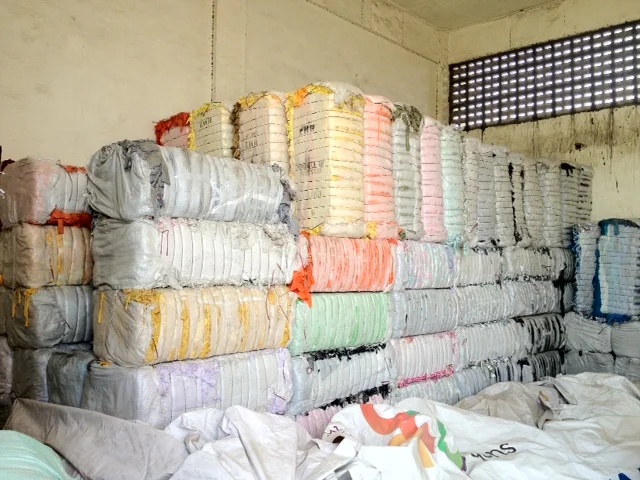
Export-Oriented Fabric Trading Houses are specialized entities that facilitate the international trade of textiles and fabrics. These trading houses are established to cater to the needs of global markets by sourcing high-quality fabric from manufacturers and distributing it to overseas buyers. By focusing on export, these trading houses play a crucial role in connecting local producers with international customers, fostering economic growth and development in the textile sector.
The primary uses of Export-Oriented Fabric Trading Houses include serving as intermediaries for garment manufacturers, fashion designers, and retailers looking for reliable fabric supplies. They ensure that businesses have access to a diverse range of fabrics suited for various applications, from clothing and upholstery to industrial uses. By leveraging their extensive networks and industry knowledge, these trading houses streamline the procurement process, making it easier for clients to obtain the materials they need.
In the current market context, Export-Oriented Fabric Trading Houses are essential players in the global textile supply chain. With increasing demand for sustainable and ethically sourced fabrics, these entities are positioned to meet the evolving needs of international buyers. Their ability to adapt to changing market dynamics and consumer preferences enhances their relevance in the textile industry.
𝗞𝗲𝘆 𝗙𝗲𝗮𝘁𝘂𝗿𝗲𝘀 𝗮𝗻𝗱 𝗦𝗽𝗲𝗰𝗶𝗳𝗶𝗰𝗮𝘁𝗶𝗼𝗻𝘀
Export-Oriented Fabric Trading Houses offer various features that make them reliable partners in the fabric trading sector. Understanding these specifications is essential for businesses looking to engage with them.
Key specifications include:
1. Quality Assurance
- Ensures that all fabrics meet industry standards.
- Regular quality control checks performed during sourcing and distribution.
2. Diverse Fabric Range
- Offers a wide variety of fabrics including cotton, polyester, silk, and blends.
- Provides options for different weights, textures, and finishes.
3. Custom Sourcing
- Ability to source unique or specialized fabrics based on client specifications.
- Flexibility in meeting specific design and production needs.
4. Competitive Pricing
- Offers competitive pricing structures to accommodate different budgetary requirements.
- Transparent pricing models to avoid hidden costs.
5. Efficient Logistics
- Streamlined processes for shipping and delivery to ensure timely arrival of goods.
- Partnerships with reliable logistics providers for international shipping.
6. Compliance with Regulations
- Adherence to international trade regulations and standards.
- Ensures all products comply with safety and environmental guidelines.
7. Customer Support
- Dedicated teams to assist clients with inquiries and issues.
- After-sales support to address any concerns post-purchase.
In summary, understanding the key features and specifications of Export-Oriented Fabric Trading Houses is crucial for businesses seeking reliable fabric suppliers. Their commitment to quality, diverse product offerings, and efficient logistics make them valuable partners in the textile industry.
𝗖𝗼𝗺𝗺𝗼𝗻 𝗔𝗽𝗽𝗹𝗶𝗰𝗮𝘁𝗶𝗼𝗻𝘀 𝗮𝗻𝗱 𝗨𝘀𝗲 𝗖𝗮𝘀𝗲𝘀
Export-Oriented Fabric Trading Houses serve various industries, providing essential materials for numerous applications.
1. Fashion and Apparel: These trading houses supply a wide range of fabrics for clothing manufacturers, helping them create diverse and fashionable collections.
2. Home Textiles: They provide fabrics for curtains, upholstery, and bedding, catering to interior designers and home decor brands.
3. Industrial Applications: Certain fabrics sourced from these trading houses are used in industrial settings, such as protective clothing and technical textiles.
4. Automotive Industry: Fabrics for car interiors and safety features are often sourced from Export-Oriented Fabric Trading Houses.
5. Medical Textiles: Specially engineered fabrics for medical applications, including uniforms and patient care items, are supplied to healthcare providers.
6. Sports and Leisure: Fabrics for sportswear and leisure clothing are commonly sourced, supporting brands focusing on active lifestyles.
7. Educational Institutions: These trading houses provide materials for uniforms and other textile requirements for schools and universities.
𝗣𝗿𝗼𝗱𝘂𝗰𝘁 𝗩𝗮𝗿𝗶𝗮𝗻𝘁𝘀 𝗮𝗻𝗱 𝗦𝘂𝗯𝗰𝗮𝘁𝗲𝗴𝗼𝗿𝗶𝗲𝘀
Export-Oriented Fabric Trading Houses offer a diverse range of products tailored to meet various market needs. While specific subcategories are not available, the variations in fabric types and applications can be significant.
Cotton Fabrics
These fabrics are known for their breathability and comfort, making them ideal for clothing and home textiles. Cotton fabrics come in various weights and finishes, catering to different applications.
Synthetic Blends
Combining natural fibers with synthetics, these fabrics offer durability and versatility. They are often used in activewear and outdoor apparel due to their performance features.
Woven vs. Knitted Fabrics
Woven fabrics are known for their strength and durability, while knitted fabrics offer stretch and comfort. Both types are essential for different applications in the textile market.
𝗕𝗲𝗻𝗲𝗳𝗶𝘁𝘀 𝗮𝗻𝗱 𝗔𝗱𝘃𝗮𝗻𝘁𝗮𝗴𝗲𝘀
Engaging with Export-Oriented Fabric Trading Houses offers several key benefits for businesses.
1. Access to Quality Products: Clients benefit from a wide selection of high-quality fabrics that meet their specific requirements.
2. Cost Efficiency: By sourcing directly through trading houses, businesses can reduce costs associated with middlemen.
3. Timely Deliveries: Efficient logistics ensure that clients receive their orders on time, helping them maintain production schedules.
4. Custom Solutions: Trading houses can tailor their offerings based on client needs, ensuring they receive the right materials for their projects.
5. Market Insights: Partnering with these entities provides valuable insights into industry trends and new fabric technologies.
6. Risk Mitigation: Established trading houses reduce the risk of sourcing from unreliable suppliers, ensuring consistent quality and supply.
𝗕𝘂𝘆𝗶𝗻𝗴 𝗚𝘂𝗶𝗱𝗲 𝗳𝗼𝗿 𝗕𝟮𝗕 𝗕𝘂𝘆𝗲𝗿𝘀
When sourcing Export-Oriented Fabric Trading Houses, several critical factors should be considered to ensure a successful partnership.
1. Quality Assessment: Evaluate the quality of fabrics offered by reviewing samples, certifications, and previous client feedback. Ensure the materials meet the required industry standards.
2. Supplier Verification: Conduct thorough research on potential suppliers. Verify their credentials, reputation in the market, and previous experiences with clients to ensure reliability.
3. Pricing and MOQ: Understand the pricing structure and minimum order quantities (MOQs) required by trading houses. This will help in budgeting and planning purchases effectively.
4. Delivery and Lead Times: Inquire about the expected lead times for orders and how logistics are handled. Timeliness is crucial in maintaining production schedules.
5. Compliance Requirements: Ensure that the trading house adheres to necessary compliance and regulatory requirements in your region, including safety standards and environmental regulations.
𝗖𝗼𝗺𝗽𝗹𝗶𝗮𝗻𝗰𝗲 𝗮𝗻𝗱 𝗖𝗲𝗿𝘁𝗶𝗳𝗶𝗰𝗮𝘁𝗶𝗼𝗻𝘀
Compliance and quality certifications are vital for Export-Oriented Fabric Trading Houses, as they ensure that products meet industry standards and client expectations. Common certifications include:
ISO 9001: This standard focuses on quality management systems, ensuring that trading houses maintain high-quality processes and continuous improvement.
CE Certification: This certification indicates that products meet European safety, health, and environmental protection standards, which is crucial for international trade.
Safety and Testing Requirements: Export-Oriented Fabric Trading Houses must adhere to safety regulations that govern the textile industry. This includes testing for harmful substances and ensuring that fabrics are safe for consumer use.
Regional Compliance Considerations: Depending on the regions they operate in, trading houses must comply with local regulations and certifications, which may vary significantly across different countries.
𝗪𝗵𝘆 𝗦𝗼𝘂𝗿𝗰𝗲 𝗘𝘅𝗽𝗼𝗿𝘁-𝗢𝗿𝗶𝗲𝗻𝘁𝗲𝗱 𝗙𝗮𝗯𝗿𝗶𝗰 𝗧𝗿𝗮𝗱𝗶𝗻𝗴 𝗛𝗼𝘂𝘀𝗲𝘀 𝗳𝗿𝗼𝗺 𝗣𝗲𝗽𝗮𝗴𝗼𝗿𝗮?
Pepagora provides a trusted platform for sourcing Export-Oriented Fabric Trading Houses, offering numerous key advantages for businesses looking to procure fabrics efficiently.
Verified Supplier Network: Pepagora has a rigorous vetting process for suppliers, ensuring that only reputable and reliable trading houses are listed on the platform. This minimizes the risk associated with sourcing materials.
Streamlined RFQ Process: The platform simplifies the Request for Quotation (RFQ) process, allowing buyers to easily compare offers from various trading houses and make informed decisions based on pricing and quality.
Trade Assurance and Support: Pepagora offers trade assurance measures that protect buyers during transactions, providing peace of mind when sourcing fabrics from international suppliers.
Regional Coverage: With a broad geographic reach spanning India, the GCC, and Southeast Asia, Pepagora connects buyers with trading houses that can meet their specific needs effectively, ensuring accessibility to high-quality fabrics.

 IN
IN

 India
India