
 IN
Engine Oils (Petrol/Diesel)
8 products available
Key Features and Specifications
Engine oils come with a range of features and specifications that define their performance and suitability for different applications. Understanding these specifications is essential for businesses looking to optimize their engine performance.
Key specifications include:
1. Viscosity Grade
- Indicates the oil's thickness and its ability to flow at different temperatures.
- Common grades include 5W-30, 10W-40, etc.
2. API Service Classification
- Defines the oil's performance level based on American Petroleum Institute standards.
- Common categories include SN, SM, and others.
3. Additive Composition
- Refers to the chemical additives that enhance properties like detergency, anti-wear, and oxidation resistance.
- Essential for maintaining engine cleanliness and performance.
4. Flash Point
- The temperature at which the oil can vaporize to form an ignitable mixture.
- Important for safety and performance.
5. Pour Point
- The lowest temperature at which the oil remains pourable.
- Important for cold weather performance.
6. Total Base Number (TBN)
- Indicates the oil's ability to neutralize acids formed during combustion.
- Higher TBN is often beneficial for extended oil change intervals.
7. Sulfated Ash Content
- A measure of the ash-forming materials in the oil.
- Important for compatibility with emissions systems.
8. Compatibility with Emission Control Systems
- Ensures that the oil does not harm components like catalytic converters.
- Essential for compliance with environmental regulations.
In summary, understanding these key specifications helps businesses select the right engine oil to meet their specific operational needs and regulatory requirements.
Common Applications and Use Cases
Engine oils are utilized across various industries, each with specific applications that require tailored solutions.
1. Automotive Industry: Engine oils are essential for passenger vehicles, ensuring smooth operation and optimal fuel efficiency.
2. Heavy-Duty Transportation: Commercial trucks and buses rely on specialized diesel engine oils to withstand harsh operating conditions and maintain engine performance.
3. Construction Equipment: Heavy machinery such as excavators and bulldozers require robust engine oils to endure extreme workloads and environments.
4. Agricultural Machinery: Tractors and other farming equipment benefit from engine oils that support high-performance and reliability during demanding tasks.
5. Marine Industry: Boats and ships use engine oils formulated to resist corrosion and provide protection in harsh marine environments.
6. Manufacturing: Industrial engines in production facilities depend on high-quality engine oils to enhance machinery efficiency and reduce downtime.
7. Power Generation: Engines used in generators and turbines require reliable oils to ensure performance consistency and longevity.
Product Variants and Subcategories
Engine oils come in various formulations tailored to meet different engine requirements and operating conditions. This diversity ensures that businesses can find the optimal product for their specific needs.
Synthetic Engine Oils: These oils are chemically engineered to provide superior performance and protection. They offer better thermal stability and resistance to breakdown, making them ideal for high-performance engines.
Conventional Engine Oils: Made from refined crude oil, these oils are suitable for standard engines and provide adequate protection under typical operating conditions.
High-Mileage Engine Oils: Formulated for vehicles with over 75,000 miles, these oils contain additives that help reduce oil consumption and prevent leaks.
Diesel Engine Oils: Specifically designed for diesel engines, these oils provide enhanced protection against soot and high temperatures.
Benefits and Advantages
Choosing the right engine oil provides numerous benefits that can enhance engine performance and reliability.
1. Enhanced Protection: Quality engine oils provide superior lubrication, minimizing wear and extending engine life.
2. Improved Fuel Efficiency: High-performance oils reduce friction, allowing engines to operate more efficiently, which can lead to lower fuel consumption.
3. Extended Oil Change Intervals: Advanced formulations often allow for longer intervals between oil changes, reducing maintenance costs.
4. Clean Engine Components: Engine oils with detergents help keep engines clean by preventing sludge and deposit formation.
5. Temperature Stability: Quality engine oils maintain their viscosity across a wide temperature range, ensuring optimal performance in various conditions.
6. Environmental Compliance: Selecting the right oil helps businesses meet regulatory standards and reduce their environmental impact.
Buying Guide for B2B Buyers
When sourcing engine oils, B2B buyers should consider several critical factors to ensure they select the best product for their needs.
1. Quality Assessment: Ensure the oil meets industry standards and specifications. Look for certifications such as API and ACEA to verify quality.
2. Supplier Verification: Vet suppliers thoroughly to ensure they provide high-quality products and reliable service. This can include checking references and industry reputation.
3. Pricing and MOQ: Understand the pricing structure and minimum order quantities. Compare costs among different suppliers to find the best value without compromising quality.
4. Delivery and Lead Times: Consider the logistics involved in sourcing engine oils. Ensure suppliers can meet your delivery needs within acceptable timeframes.
5. Compliance Requirements: Be aware of local and international regulations regarding engine oils. Ensure your selected oil complies with these requirements to avoid legal issues.
Compliance and Certifications
Engine oils must adhere to various quality standards and certifications to ensure safety and performance. Key standards include ISO 9001, which outlines quality management systems, and CE certification, indicating compliance with European safety standards.
Additionally, engine oils should meet safety and testing requirements that confirm their effectiveness and reliability. Businesses must also consider regional compliance, as different countries may have specific regulations governing the use of engine oils.
Understanding these compliance issues is crucial for businesses to ensure their operations meet legal requirements while maintaining high-quality standards.
Why Source Engine Oils (Petrol/Diesel) from Pepagora?
Pepagora offers a trusted platform for sourcing engine oils, providing several key advantages to B2B buyers.
Verified Supplier Network: Pepagora connects buyers with a network of verified suppliers. This ensures that businesses can source high-quality engine oils with confidence, knowing that suppliers have been vetted for reliability.
Streamlined RFQ Process: The platform facilitates a straightforward request for quotation process, allowing buyers to easily compare offers from multiple suppliers. This efficiency helps businesses make informed purchasing decisions quickly.
Trade Assurance and Support: Pepagora offers buyer protection through trade assurance, providing peace of mind that transactions will be secure and that support is available if issues arise.
Regional Coverage: With a strong presence in India, the GCC, and Southeast Asia, Pepagora provides extensive geographic reach, ensuring that businesses can source engine oils tailored to their local markets and operational needs.


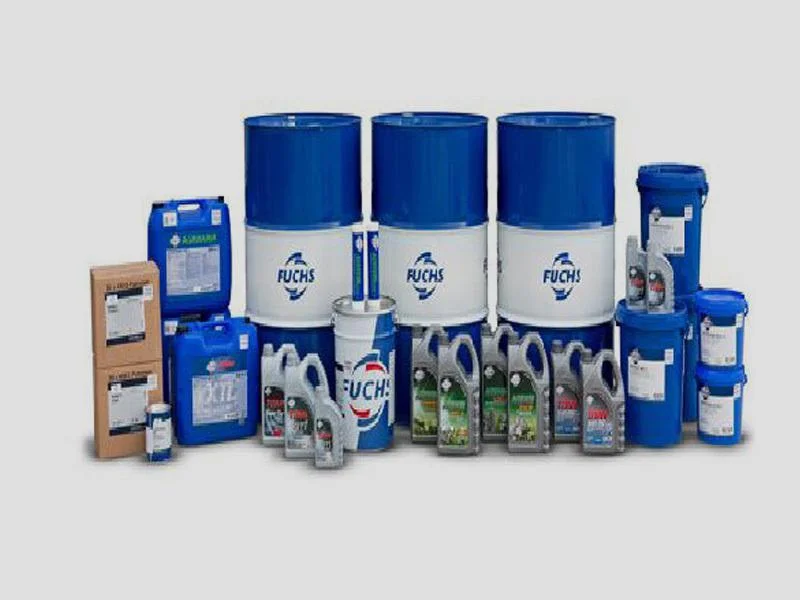


 India
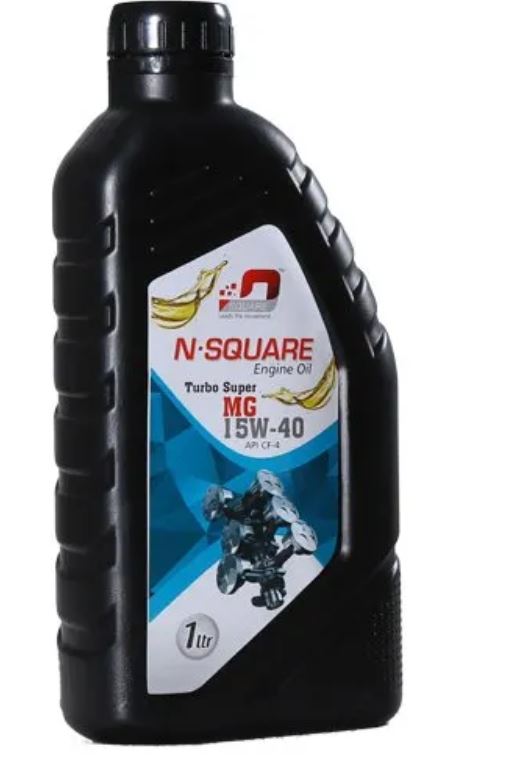



 United Arab Emirates
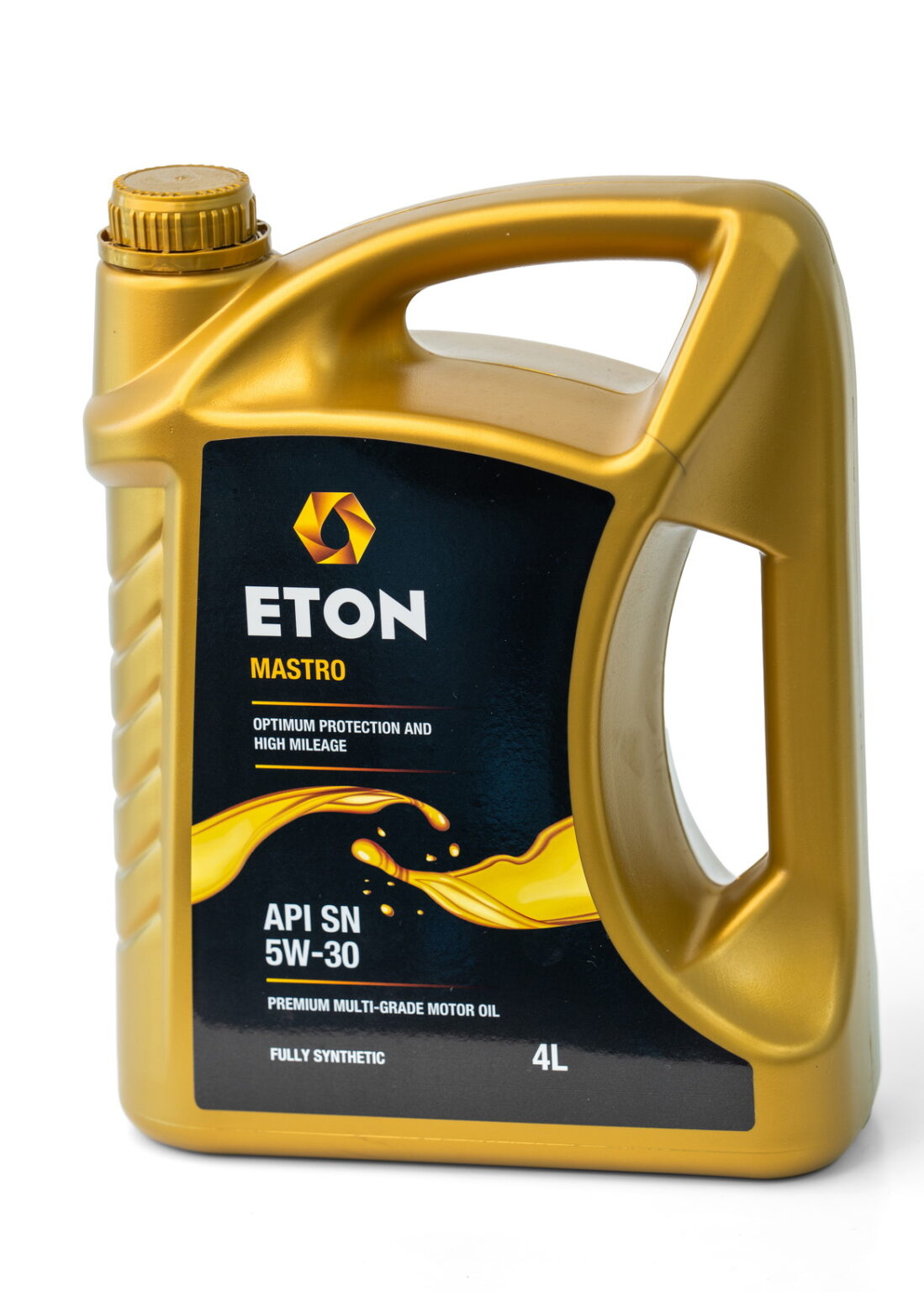
 India
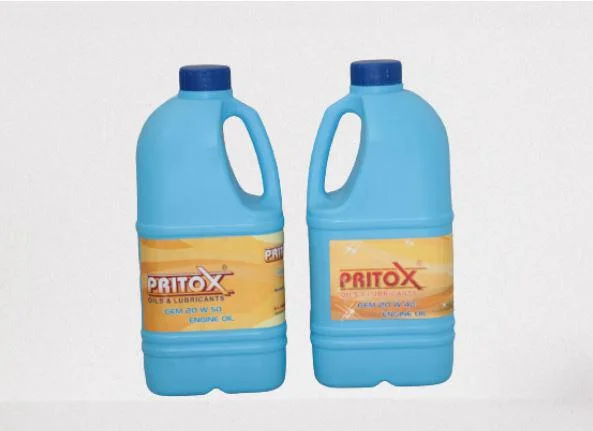
Frequently Asked Questions
What are Engine Oils (Petrol/Diesel)?
Engine Oils (Petrol/Diesel) are lubricants designed specifically for internal combustion engines. They reduce friction between moving parts, help in cooling, and protect against wear and corrosion.
What are the different types of Engine Oils (Petrol/Diesel)?
The main types of Engine Oils include mineral oils, synthetic oils, and semi-synthetic oils. Mineral oils are derived from refining crude oil, while synthetic oils are chemically engineered for superior performance. Semi-synthetic oils combine both to offer a balance of cost and performance.
How do I choose the right Engine Oils (Petrol/Diesel)?
To choose the right Engine Oils, consider the vehicle manufacturer's specifications, including viscosity ratings and performance standards. Additionally, evaluate the type of driving you do, such as city or highway, and whether you require oil with special additives for enhanced performance.
What are the standard specifications for Engine Oils (Petrol/Diesel)?
Standard specifications for Engine Oils include API (American Petroleum Institute) ratings, ACEA (European Automobile Manufacturers Association) standards, and SAE (Society of Automotive Engineers) viscosity grades. These specifications ensure that the oil meets performance and safety requirements.
What is the price range for Engine Oils (Petrol/Diesel)?
The price range for Engine Oils can vary based on brand, type, and quantity. Generally, prices can range from INR 300 to INR 3,000 per liter, with synthetic oils usually being more expensive than mineral oils.
What quality standards apply to Engine Oils (Petrol/Diesel)?
Quality standards for Engine Oils include industry certifications such as API, ACEA, and ILSAC (International Lubricant Standardization and Approval Committee). These standards ensure that the oil performs well under various conditions and provides adequate protection for engines.
Where can I find Engine Oils (Petrol/Diesel) suppliers in India?
You can find Engine Oils (Petrol/Diesel) suppliers in India through online B2B marketplaces like Pepagora.com. Additionally, you can explore local distributors, automotive supply stores, and manufacturer websites for sourcing options.
Can Engine Oils (Petrol/Diesel) be customized?
Yes, some manufacturers offer customization options for Engine Oils to meet specific performance requirements or additives preferences. It is advisable to discuss your needs with suppliers to explore available customization options.
What is the typical minimum order quantity for Engine Oils (Petrol/Diesel)?
The typical minimum order quantity (MOQ) for Engine Oils varies by supplier but often ranges from 20 liters to 200 liters. It's best to check with individual suppliers for their specific MOQ requirements.
What is the typical lead time for Engine Oils (Petrol/Diesel)?
The typical lead time for Engine Oils can range from 7 to 21 days, depending on the supplier and order size. Factors such as customization and shipping methods can also impact the delivery timeline.
Why Businesses Trust Pepagora
Thousands of companies trust Pepagora to source smarter and sell faster
Expand Your Sales Globally

Source Smarter,Grow Faster
