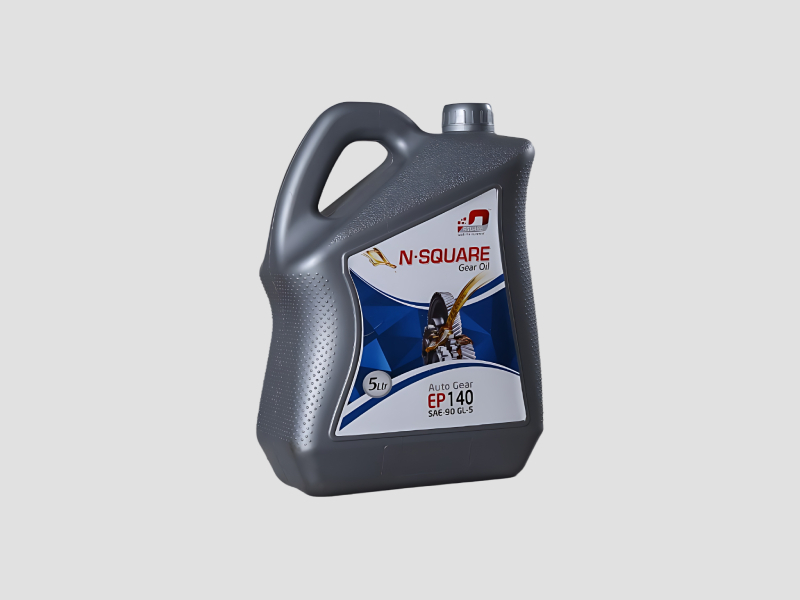
What are Gear Oils?
Gear oils are specialized lubricants designed to reduce friction and wear between the moving parts of gears and other mechanical systems. These oils provide a protective film that helps to prevent metal-to-metal contact, which can lead to significant damage and reduced efficiency. Gear oils are formulated with additives that enhance their performance under high-pressure and high-temperature conditions, ensuring reliable operation in various applications.
The primary uses of gear oils include lubrication for automotive differentials, manual transmissions, and industrial machinery. In business applications, gear oils are crucial for maintaining the smooth operation of equipment in sectors such as manufacturing, agriculture, and transportation. By minimizing wear and tear, gear oils contribute to prolonged machinery life and reduced maintenance costs, making them an essential product in many industries.
In today's market, gear oils are increasingly relevant due to the rising demand for efficient machinery and the need for sustainable practices. As industries continue to evolve, the formulation and effectiveness of gear oils have become a focal point for manufacturers seeking to optimize performance while adhering to environmental regulations.
Key Features and Specifications
Gear oils come with several key features that cater to various industrial needs. These specifications help businesses assess which product best meets their operational requirements.
Key specifications include:
1. Viscosity Grade
- Indicates the thickness of the oil at certain temperatures.
- Common ranges include ISO VG 68, 100, and 150.
2. Flash Point
- The temperature at which the oil emits vapor that can ignite.
- Typical values range from 200 to 250 degrees Celsius.
3. Pour Point
- The lowest temperature at which the oil remains fluid.
- Pour points can vary, with many products ranging from -15 to -30 degrees Celsius.
4. Gear Protection
- Refers to the oil's ability to prevent wear and tear on gears.
- Measured using the FZG test, showing load capacity and performance.
5. Oxidation Stability
- Indicates how well the oil resists breakdown over time.
- Longer stability helps extend oil change intervals.
6. Foam Resistance
- The ability of the oil to resist foaming under high shear conditions.
- Effective gear oils typically meet specific foam test standards.
7. Compatibility with Seals
- Important for ensuring that the oil does not degrade engine seals.
- Tests can determine compatibility with various materials.
In summary, understanding the specifications of gear oils helps businesses select the right product for their needs, ensuring optimal performance and reliability.
Common Applications and Use Cases
Gear oils are versatile and find applications across multiple industries.
1. Automotive: Gear oils are essential in vehicle differentials and manual transmissions, where they reduce friction and improve shifting performance.
2. Manufacturing: In industrial machinery, gear oils lubricate gears in conveyor systems and assembly lines, enhancing productivity and equipment lifespan.
3. Agriculture: Tractors and other farming equipment rely on gear oils to ensure smooth operation under heavy loads and varying environmental conditions.
4. Marine: Gear oils are used in the gear systems of boats and ships, providing necessary lubrication to withstand harsh marine environments.
5. Construction: Heavy machinery such as excavators and bulldozers utilize gear oils to maintain operational efficiency in demanding construction applications.
6. Mining: Gear oils are critical for equipment operating in mining environments, where dust and debris can increase wear and tear.
7. Aerospace: Specialized gear oils are employed in aircraft systems to ensure reliability and safety during flight.
Product Variants and Subcategories
There is a diverse range of gear oil products tailored to meet specific industrial needs.
High-Performance Synthetic Gear Oil
This variant is formulated with synthetic base stocks, offering superior performance in extreme temperatures and high-load conditions. It provides excellent thermal stability and longer service life.
Mineral-Based Gear Oil
A traditional option, mineral-based gear oil is derived from refined crude oil. It is suitable for general applications and offers adequate protection for standard machinery.
Bio-Based Gear Oil
An environmentally friendly alternative, bio-based gear oils are made from renewable resources. They provide effective lubrication while minimizing the ecological footprint.
Benefits and Advantages
Choosing the right gear oil can offer significant advantages for businesses.
1. Enhanced Equipment Longevity: Quality gear oils reduce wear and tear, extending the life of machinery and components.
2. Improved Efficiency: Proper lubrication helps maintain optimal performance, reducing energy consumption and operational costs.
3. High Load Capacity: Gear oils designed for extreme conditions can handle heavy loads, ensuring reliability in demanding applications.
4. Reduced Maintenance Costs: By minimizing breakdowns and extending oil change intervals, businesses can save on maintenance expenses.
5. Environmental Compliance: Many gear oils meet stringent environmental regulations, allowing businesses to operate sustainably.
6. Versatile Applications: Gear oils are suitable for a wide range of industries, making them a flexible solution for various operational needs.
Buying Guide for B2B Buyers
When sourcing gear oils, several factors should be taken into consideration to ensure the right choice.
1. Quality Assessment: Look for oils that meet industry standards and specifications. Check for certifications such as CE and ISO to ensure product reliability.
2. Supplier Verification: Vet suppliers carefully to ensure they have a proven track record and can provide consistent quality. Review their reputation and customer feedback.
3. Pricing and MOQ: Understand the pricing structure and minimum order quantities. Compare different suppliers to find the best value without compromising quality.
4. Delivery and Lead Times: Factor in logistics when placing orders. Ensure that the supplier can meet your delivery requirements to avoid production delays.
5. Compliance Requirements: Be aware of regional compliance standards that may affect your choice of gear oil, especially in regulated industries.
Compliance and Certifications
Gear oils must adhere to various quality standards to guarantee their performance and safety. ISO 9001 certification is essential for ensuring consistent quality management practices in production. Additionally, compliance with CE regulations indicates that the product meets European Union safety, health, and environmental requirements.
Industry certifications are crucial for businesses operating in specialized fields. For instance, compliance with HACCP (Hazard Analysis Critical Control Point) is necessary for food-related industries to ensure that lubricants do not contaminate food products.
Safety and testing requirements are also essential, as gear oils must be rigorously tested for performance under various conditions. Regional compliance considerations may vary, so it is vital for B2B buyers to familiarize themselves with local regulations to ensure adherence.
Why Source Gear Oils from Pepagora?
Pepagora provides a trusted platform for sourcing gear oils, offering several key advantages that benefit B2B buyers.
Verified Supplier Network: Pepagora connects businesses with a network of verified and reputable suppliers. This network ensures that buyers can source high-quality gear oils with confidence.
Streamlined RFQ Process: The platform features a user-friendly request for quotation (RFQ) system that allows buyers to quickly and efficiently obtain quotes from multiple suppliers, simplifying the purchasing process.
Trade Assurance and Support: Pepagora offers trade assurance to protect buyers throughout the sourcing process. This includes support for resolving disputes and ensuring that orders meet specified requirements.
Regional Coverage: With a wide geographic reach, Pepagora supports businesses in India, the GCC, and Southeast Asia, ensuring that buyers can access gear oils tailored to their specific regional needs.

 IN
IN