What are Coolants & Antifreeze?
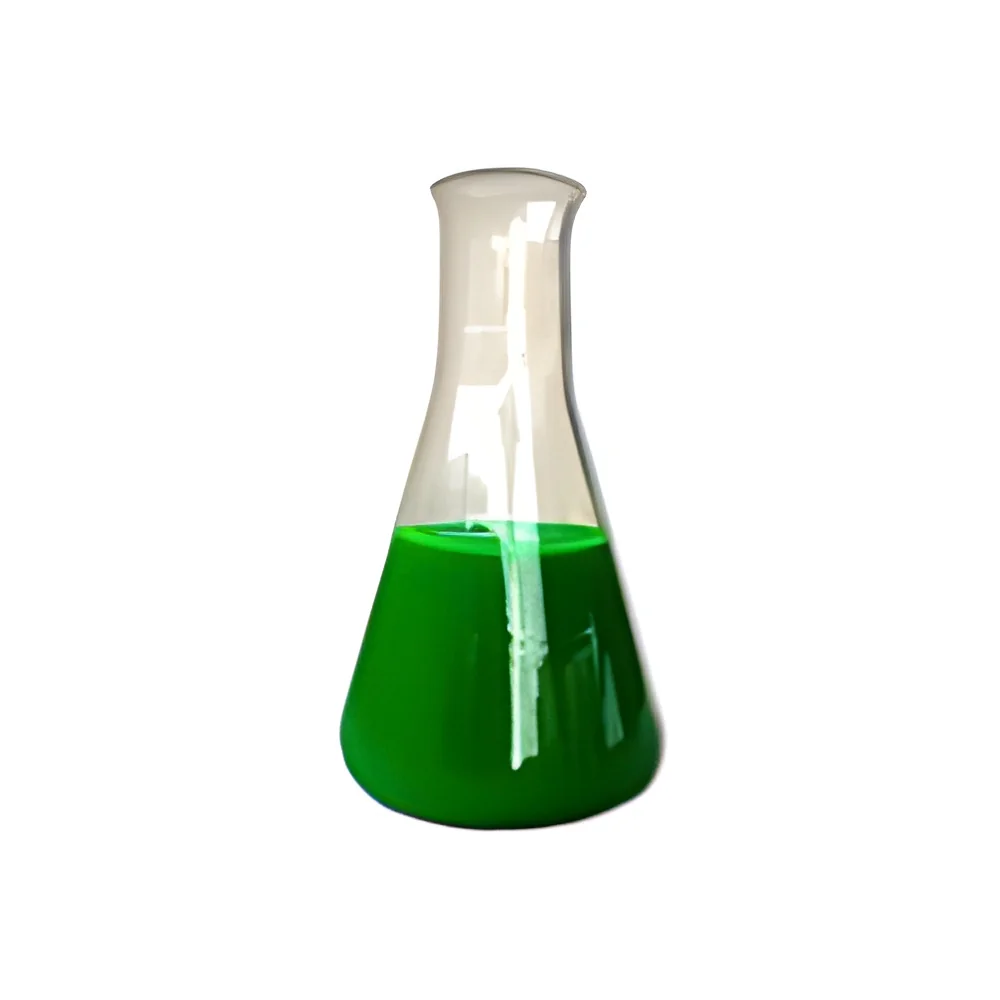
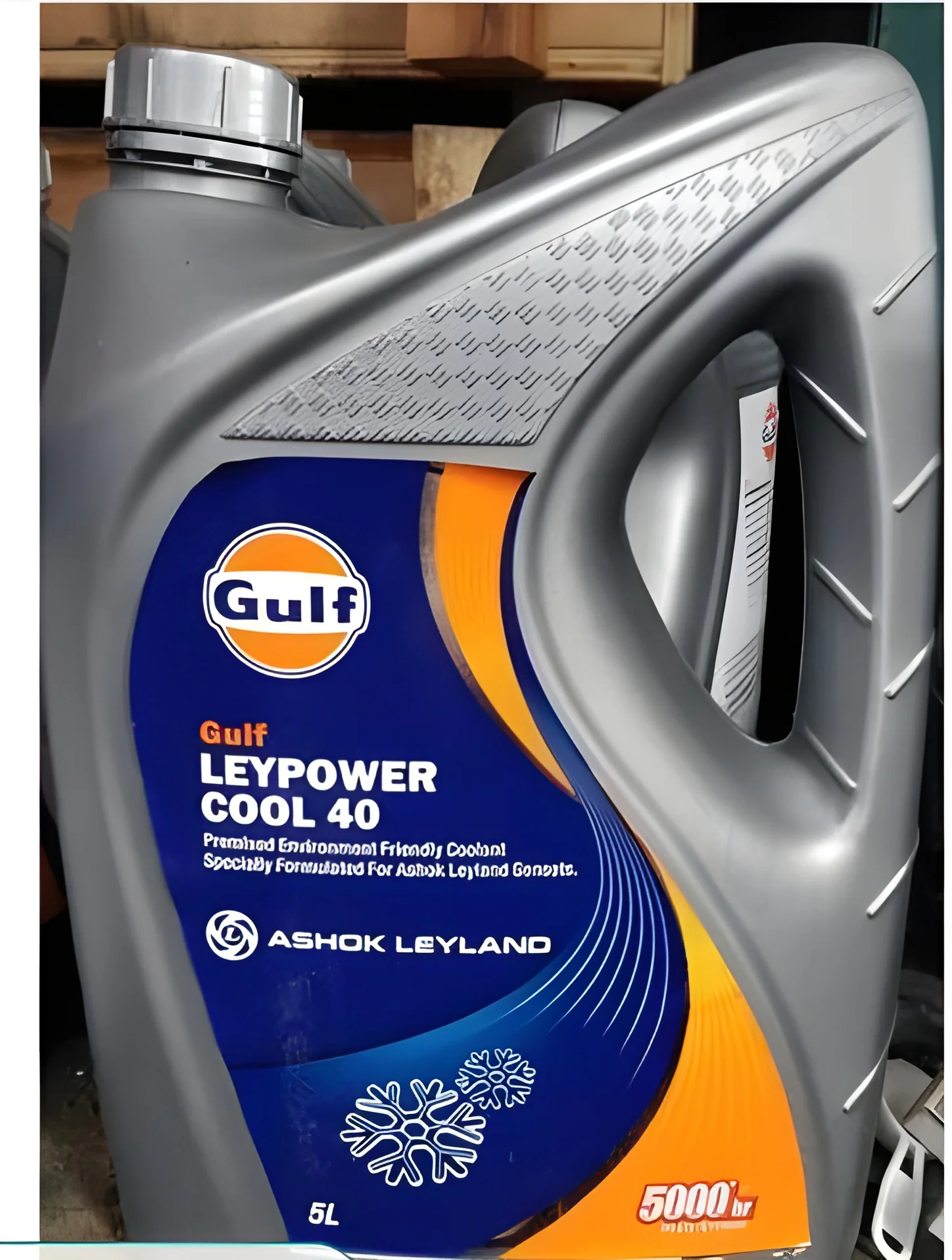
Coolants and antifreeze are specialized fluids designed to regulate temperature within engines and machinery, preventing overheating and freezing. These fluids circulate through the engine, absorbing heat and transferring it to the radiator, where it is dissipated. Antifreeze specifically refers to additives that lower the freezing point of the coolant, ensuring that the fluid remains effective in cold conditions. Both coolants and antifreeze play crucial roles in maintaining optimal operating temperatures, thus enhancing engine performance and extending lifespan.
In industrial applications, coolants and antifreeze are vital for various machinery, including automotive engines, industrial equipment, and HVAC systems. They are commonly utilized in sectors such as manufacturing, automotive, and energy production. The right coolant not only protects against thermal stress but also provides corrosion resistance and lubrication, contributing to the overall efficiency and reliability of machinery. The growing focus on energy efficiency and environmental sustainability further emphasizes the importance of high-quality coolants and antifreeze in modern industrial contexts.
Key Features and Specifications
Coolants and antifreeze come with a range of features and specifications that ensure optimal performance across different applications. Understanding these specifications is crucial for selecting the right product for industrial needs.
Key specifications include:
1. Freezing Point Depression
- Lowers the freezing point to prevent solidification in extreme conditions.
- Typical ranges vary based on formulation but often extend to -40 degrees Celsius.
2. Boiling Point Elevation
- Increases the boiling point to prevent vapor lock in high-temperature environments.
- Can reach boiling points above 100 degrees Celsius depending on formulation.
3. Corrosion Inhibition
- Protects metal components from corrosion and oxidation.
- Contains specialized additives tailored for specific metal types.
4. pH Stability
- Maintains a stable pH level to prevent acid formation.
- Typically ranges from 7 to 9 for optimal performance.
5. Compatibility
- Ensures compatibility with various engine materials, including aluminum and copper.
- Formulated to work with specific sealants and gaskets without causing damage.
6. Density
- The density of the coolant affects its heat transfer capabilities.
- Generally, the density ranges from 1.05 to 1.1 g/cm³.
7. Viscosity
- Affects the fluid's flow characteristics at varying temperatures.
- Measured in centistokes (cSt) with typical values falling between 10 and 20 cSt.
8. Additive Package
- Includes a blend of inhibitors and surfactants to enhance performance.
- Customizable based on industry-specific requirements.
In summary, selecting the right coolant or antifreeze involves understanding these key specifications, which directly influence performance, compatibility, and overall efficacy in various applications.
Common Applications and Use Cases
Coolants and antifreeze are used across diverse industries, each benefiting from their unique properties.
1. Automotive: Essential for maintaining engine temperatures, preventing overheating, and ensuring vehicle reliability.
2. Manufacturing: Used in machinery cooling systems to enhance efficiency and protect equipment from thermal stress.
3. Energy: Integral to power plants and renewable energy systems, helping to manage heat in turbines and generators.
4. HVAC: Utilized in heating, ventilation, and air conditioning systems to regulate temperatures and improve performance.
5. Construction: Employed in heavy machinery to prevent overheating during prolonged operation in demanding conditions.
6. Agriculture: Used in farm equipment, including tractors and harvesters, to maintain optimal operating temperatures.
7. Marine: Essential for cooling systems in boats and ships, ensuring safe and efficient engine operation.
Product Variants and Subcategories
Coolants and antifreeze come in several variants to cater to specific industrial needs. Each variant offers distinct features tailored to different applications.
Ethylene Glycol-Based Coolant
This variant is widely used in automotive and industrial applications. It offers excellent heat transfer properties and effective freezing point depression. It is suitable for a broad range of temperatures and is commonly found in various engine types.
Propylene Glycol-Based Coolant
This type is considered more environmentally friendly and is often used in food processing and pharmaceutical applications. It provides effective heat transfer while offering lower toxicity, making it ideal for sensitive environments.
Organic Acid Technology (OAT) Coolant
OAT coolants are designed for long-term use and provide enhanced corrosion protection. They are often used in newer vehicle models and industrial applications where extended service intervals are required.
Inorganic Acid Technology (IAT) Coolant
This variant is designed for older vehicles and machinery. It offers robust protection against corrosion but requires more frequent changes compared to OAT formulations.
Benefits and Advantages
Investing in high-quality coolants and antifreeze provides numerous benefits for industrial operations.
1. Enhanced Engine Performance: Ensures optimal operating temperatures, improving efficiency and power output.
2. Prolonged Equipment Lifespan: Protects against corrosion and thermal stress, extending the life of critical components.
3. Reduced Maintenance Costs: High-quality formulations minimize the risk of breakdowns, leading to lower repair and maintenance expenses.
4. Environmentally Friendly Options: Variants like propylene glycol offer safer choices for sensitive applications, promoting sustainability.
5. Improved Safety: Prevents overheating and reduces the risk of engine failure, ensuring safer operational environments.
6. Customization: Many suppliers offer tailored formulations to meet specific industry requirements, enhancing performance.
Buying Guide for B2B Buyers
When sourcing coolants and antifreeze, it is essential to consider several factors to ensure the right choice for your industrial needs.
1. Quality Assessment: Evaluate products based on performance characteristics, such as freezing point, boiling point, and corrosion resistance. High-quality coolants should meet industry standards.
2. Supplier Verification: Vet suppliers for reliability and reputation. Look for certifications and reviews from other businesses to ensure a trustworthy partnership.
3. Pricing and MOQ: Understand the pricing structure and minimum order quantities. Compare quotes from multiple suppliers to find the best value without compromising quality.
4. Delivery and Lead Times: Confirm logistics capabilities and lead times to ensure timely delivery. Reliable suppliers should provide clear timelines for order fulfillment.
5. Compliance Requirements: Ensure that the products meet regional compliance standards and certifications. This is crucial for maintaining safety and quality in operations.
Compliance and Certifications
Coolants and antifreeze must adhere to various quality standards and certifications to ensure safety and efficacy. Compliance with ISO 9001, which emphasizes quality management systems, is critical for manufacturers. This standard ensures that products consistently meet customer expectations and regulatory requirements.
Additionally, CE certification is relevant for products sold within the European market, indicating compliance with health, safety, and environmental protection standards. This certification is vital for suppliers aiming to reach a broader audience.
Safety and testing requirements are also paramount in the coolant and antifreeze industry. Products should undergo rigorous testing to determine their performance under extreme conditions, ensuring they can withstand the demands of diverse applications.
Regional compliance considerations may vary, with specific regulations in place depending on the geographical market. It is essential for suppliers to stay informed about local regulations to ensure their products meet all necessary standards.
Why Source Coolants & Antifreeze from Pepagora?
Pepagora provides a trusted platform for sourcing coolants and antifreeze, offering several key advantages to B2B buyers.
Verified Supplier Network: Pepagora features a carefully vetted network of suppliers, ensuring that buyers have access to high-quality products from reputable manufacturers. This verification process helps mitigate risks associated with sourcing.
Streamlined RFQ Process: The platform offers a straightforward Request for Quotation (RFQ) system, allowing buyers to easily request quotes from multiple suppliers. This process enhances transparency and promotes competitive pricing.
Trade Assurance and Support: Pepagora prioritizes buyer protection by offering trade assurance services. This includes support throughout the purchasing process, ensuring that buyers can transact with confidence.
Regional Coverage: With a focus on markets in India, the GCC, and Southeast Asia, Pepagora provides extensive geographic reach. This allows buyers to source locally while benefiting from a diverse range of products and suppliers.
By choosing Pepagora, businesses can enhance their sourcing experience for coolants and antifreeze, ensuring they receive quality products tailored to their industrial needs.

 IN
IN