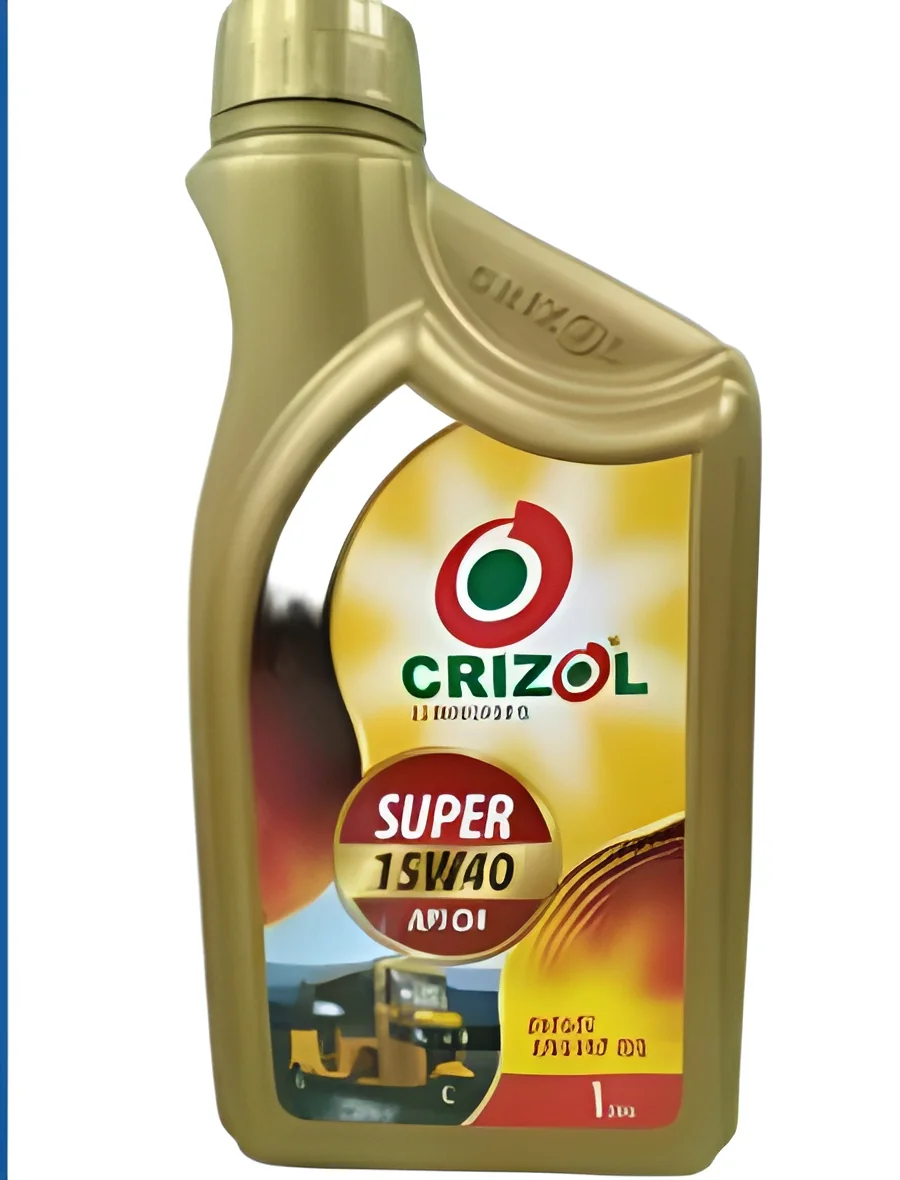
What are Synthetic Engine Oils?
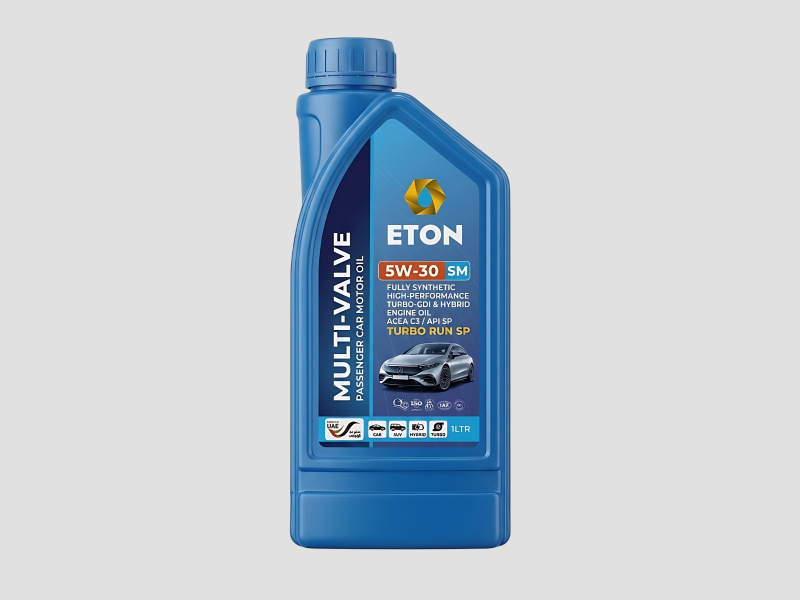
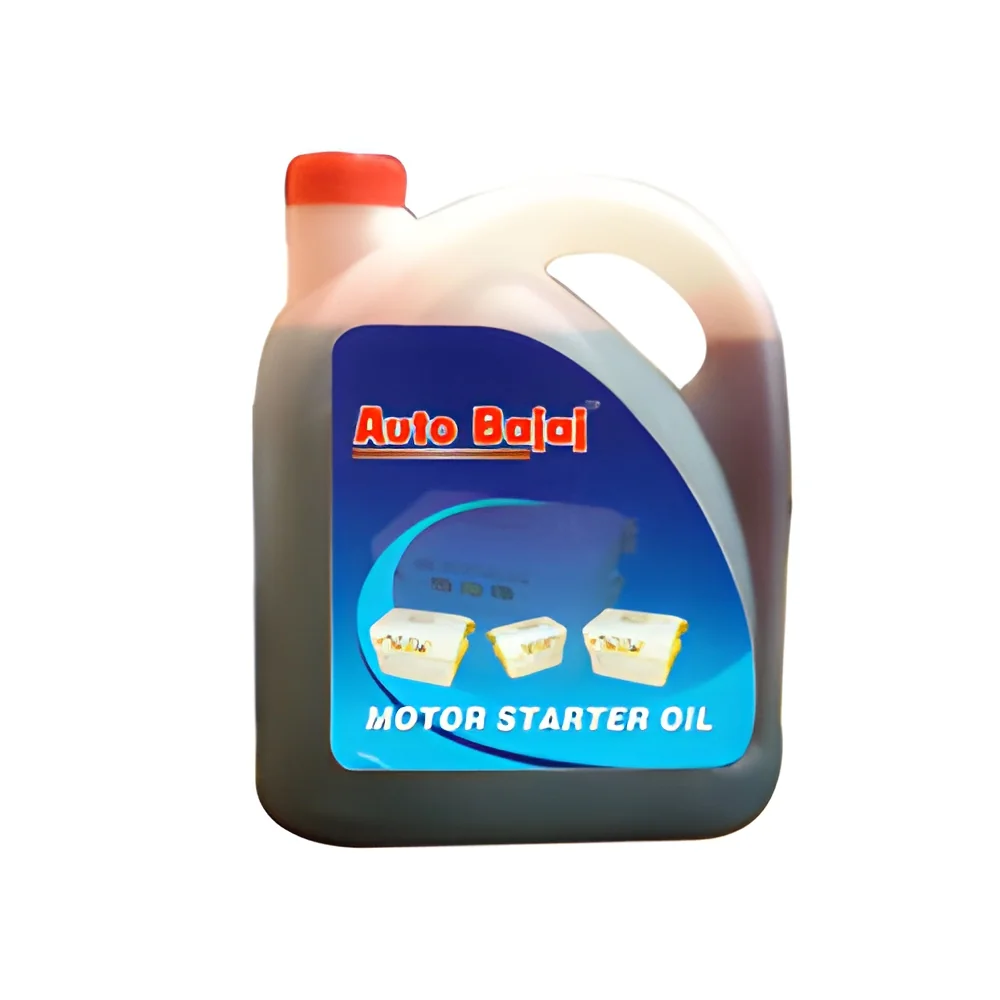
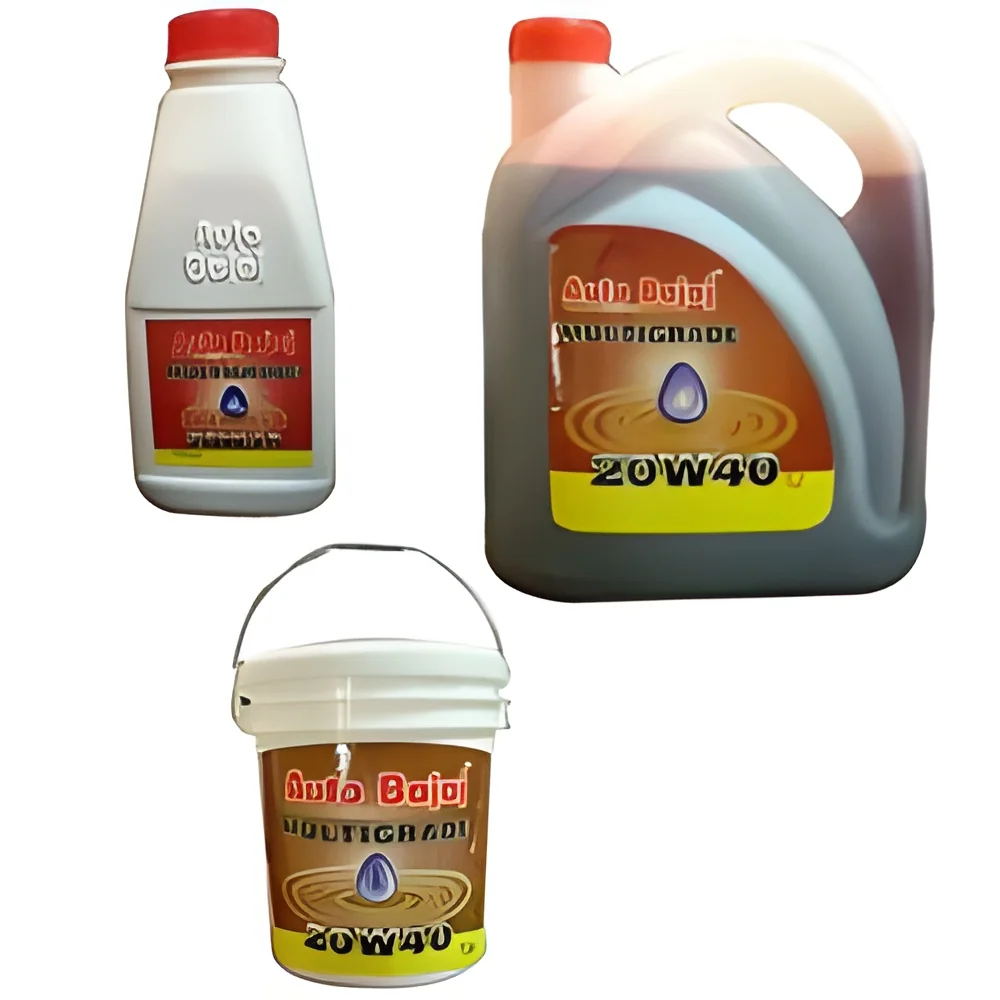
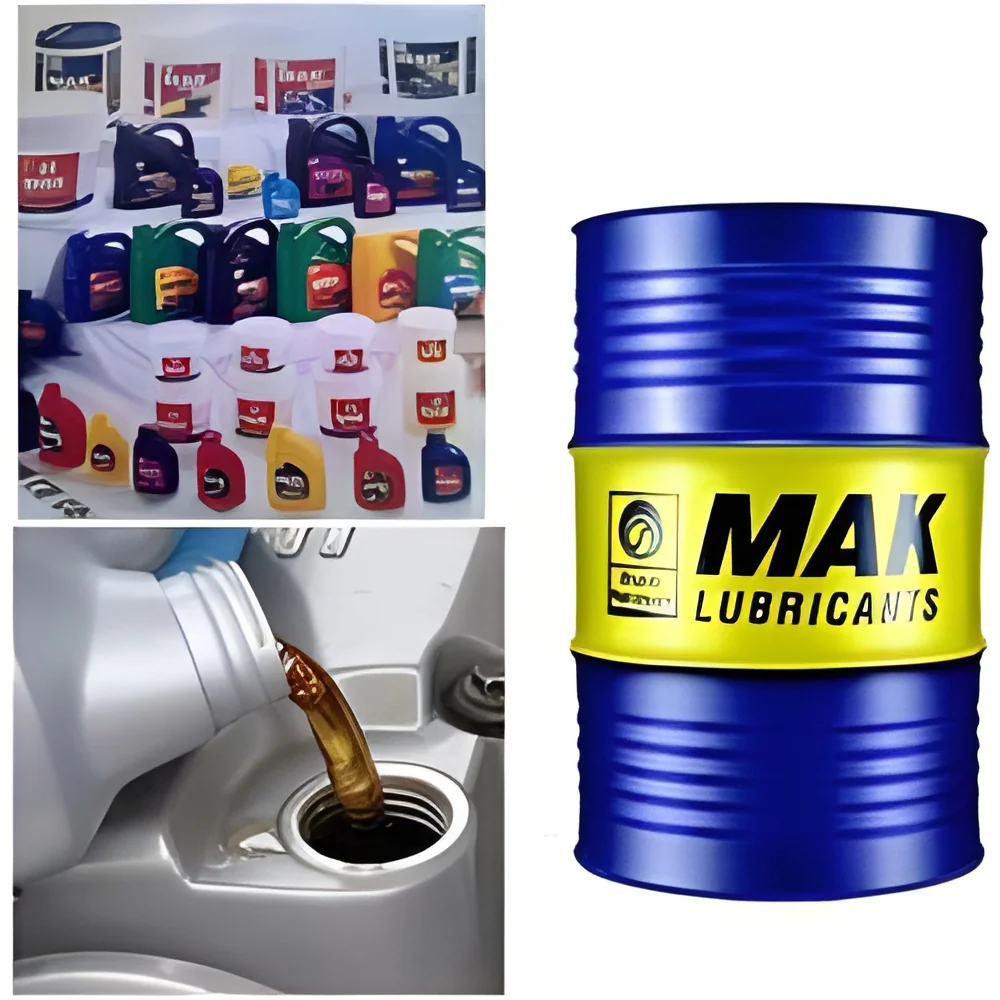
Synthetic engine oils are high-performance lubricants engineered from chemical compounds. Unlike conventional oils derived from crude oil, synthetic oils offer superior protection, enhanced performance, and improved efficiency in various engine types. These oils are formulated to provide better thermal stability, oxidation resistance, and low-temperature fluidity, making them suitable for demanding applications.
The primary uses of synthetic engine oils include automotive engines, industrial machinery, and various heavy-duty applications. Businesses in sectors such as automotive, manufacturing, and aerospace rely on these oils to ensure optimal engine performance, reduce wear, and extend the life of their equipment. In the current market, synthetic oils are increasingly favored over traditional oils due to their ability to meet stringent performance specifications and environmental regulations.
As industries evolve and engines become more sophisticated, the relevance of synthetic engine oils continues to grow. Their advanced properties make them essential for modern engines that operate under extreme conditions. The market for synthetic oils is expanding, driven by technological advancements and increasing consumer awareness regarding the benefits of synthetic lubricants.
Key Features and Specifications
Synthetic engine oils are known for their advanced formulation and superior performance characteristics. They offer a range of specifications that cater to different engine types and operating conditions.
Key specifications include:
1. Viscosity Grade
- Indicates the oil's resistance to flow at high and low temperatures.
- Common grades include 0W-20, 5W-30, and 10W-40.
2. API Service Classification
- Defines the oil's performance level and compatibility with various engines.
- Common classifications include SN, SM, and SL.
3. ACEA Ratings
- Specifies the oil's suitability for European vehicles.
- Common ratings include A3/B4, C3, and C5.
4. Additive Packages
- Enhances the oil's performance by providing cleaning, anti-wear, and anti-oxidation properties.
- Includes detergents, dispersants, and friction modifiers.
5. Flash Point
- Indicates the temperature at which the oil can vaporize and ignite.
- Typically ranges between 200°C to 250°C.
6. Pour Point
- The lowest temperature at which the oil remains fluid.
- Generally ranges from -30°C to -40°C.
7. Oxidation Stability
- Measures the oil's ability to resist degradation at high temperatures.
- Critical for high-performance engines operating under severe conditions.
8. Low Volatility
- Indicates the oil's tendency to evaporate at high temperatures.
- Lower volatility leads to reduced oil consumption.
In summary, synthetic engine oils offer a wide array of features and specifications that enhance engine performance and longevity. Their advanced formulations make them a preferred choice for various applications in both the automotive and industrial sectors.
Common Applications and Use Cases
Synthetic engine oils find applications across multiple industries due to their versatility and performance.
1. Automotive Industry: Synthetic oils are widely used in passenger vehicles and commercial fleets. Their superior lubrication properties help reduce engine wear and improve fuel efficiency.
2. Heavy-Duty Trucks: In the trucking industry, synthetic engine oils are essential for long-haul operations. They provide extended drain intervals and better performance under heavy loads.
3. Aerospace: Synthetic oils are crucial in aircraft engines, where high performance and reliability are paramount. They ensure optimal lubrication in extreme temperatures and pressures.
4. Marine Applications: In marine engines, synthetic oils protect against corrosion and wear, ensuring efficient operation in harsh environments.
5. Manufacturing: Manufacturing equipment often requires synthetic oils for their ability to withstand high temperatures and loads, providing consistent performance.
6. Construction: Heavy machinery in construction relies on synthetic oils for their durability and ability to perform in challenging conditions.
7. Motorsports: In competitive racing, synthetic oils are favored for their high-performance characteristics, ensuring maximum engine output and protection.
Product Variants and Subcategories
Synthetic engine oils come in various formulations tailored to specific applications and performance requirements.
High-Performance Synthetic Oils
These oils are designed for high-performance vehicles and racing applications. They offer superior protection and enhanced viscosity stability under extreme conditions.
Fuel-Efficient Synthetic Oils
Engineered specifically for fuel economy, these oils reduce friction and improve efficiency, making them ideal for modern vehicles focused on fuel savings.
All-Season Synthetic Oils
These formulations provide excellent protection and performance in both hot and cold climates, making them suitable for year-round use in diverse environments.
Synthetic Blend Oils
Combining synthetic and conventional oils, these products offer a balance of performance and cost-effectiveness, suitable for everyday vehicles.
Benefits and Advantages
Synthetic engine oils provide numerous benefits that make them a preferred choice for many industries.
1. Enhanced Engine Protection: Synthetic oils offer superior lubrication, reducing wear and tear on engine components, thereby extending engine life.
2. Improved Fuel Efficiency: The lower friction properties of synthetic oils contribute to better fuel economy, making them cost-effective over time.
3. High-Temperature Stability: Synthetic oils maintain their viscosity and performance at high temperatures, ensuring reliable engine operation under severe conditions.
4. Better Cold Start Performance: These oils provide improved flow at low temperatures, allowing for easier engine starts in cold weather.
5. Extended Oil Change Intervals: Synthetic oils can last longer between changes compared to conventional oils, reducing maintenance costs.
6. Environmental Benefits: Many synthetic oils are formulated with lower volatility, leading to reduced emissions and a smaller environmental footprint.
Buying Guide for B2B Buyers
When sourcing synthetic engine oils, it is essential to consider several key factors to ensure you make informed decisions.
1. Quality Assessment: Look for oils that meet recognized performance standards and certifications. Check for compatibility with your engine specifications and operational needs.
2. Supplier Verification: Verify the credentials of potential suppliers. Ensure they are reputable and have a track record of providing quality products.
3. Pricing and MOQ: Understand the pricing structure and minimum order quantities. Compare quotes from different suppliers to find the best value for your requirements.
4. Delivery and Lead Times: Discuss logistics with suppliers to ensure timely delivery. Consider lead times when planning your inventory management.
5. Compliance Requirements: Ensure that the oils meet industry regulations and standards, such as CE certification, to avoid any legal or operational issues.
Compliance and Certifications
Compliance with quality standards and certifications is critical for synthetic engine oils. ISO 9001 is a widely recognized standard that ensures quality management systems are in place. This certification indicates that the products meet consistent quality and performance levels.
In addition to ISO standards, synthetic engine oils may also need to comply with industry-specific certifications such as CE. These certifications ensure that the oils are safe for use and meet specific performance criteria.
Safety and testing requirements are vital for ensuring that the oils perform as expected under various conditions. This includes rigorous testing for oxidation stability, thermal resistance, and low-temperature performance.
Regional compliance considerations may also apply, depending on the market. Different regions may have specific regulations regarding the formulation and use of engine oils, making it essential to be aware of local requirements.
Why Source Synthetic Engine Oils from Pepagora?
Pepagora provides a trusted platform for sourcing synthetic engine oils, offering several key advantages to B2B buyers.
Verified Supplier Network: Pepagora has established a network of verified suppliers, ensuring that buyers can access high-quality synthetic engine oils from reputable sources. This verification process helps mitigate risks associated with sourcing.
Streamlined RFQ Process: The platform features a streamlined Request for Quotation (RFQ) process that simplifies the procurement of synthetic oils. Buyers can easily compare quotes and select the best option for their needs.
Trade Assurance and Support: Pepagora offers trade assurance, providing buyers with protection throughout the purchasing process. The platform also provides support to address any concerns or questions that may arise.
Regional Coverage: With a broad geographic reach covering India, the GCC, and Southeast Asia, Pepagora connects buyers with suppliers across key markets, facilitating easy access to synthetic engine oils tailored to specific regional requirements.
By choosing Pepagora, businesses can enhance their sourcing experience while ensuring they receive quality synthetic engine oils that meet their operational needs.

 IN
IN