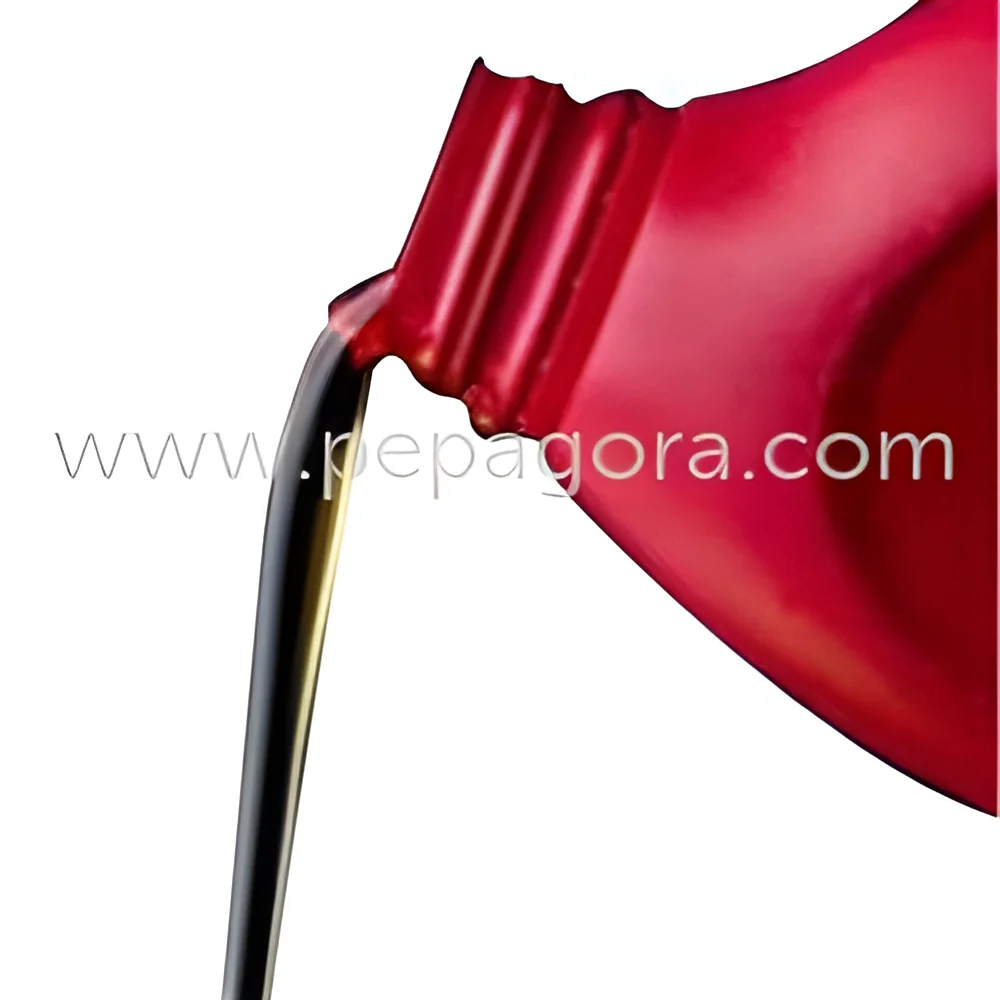
What are Bulk Lubricants for Workshops & Dealers?
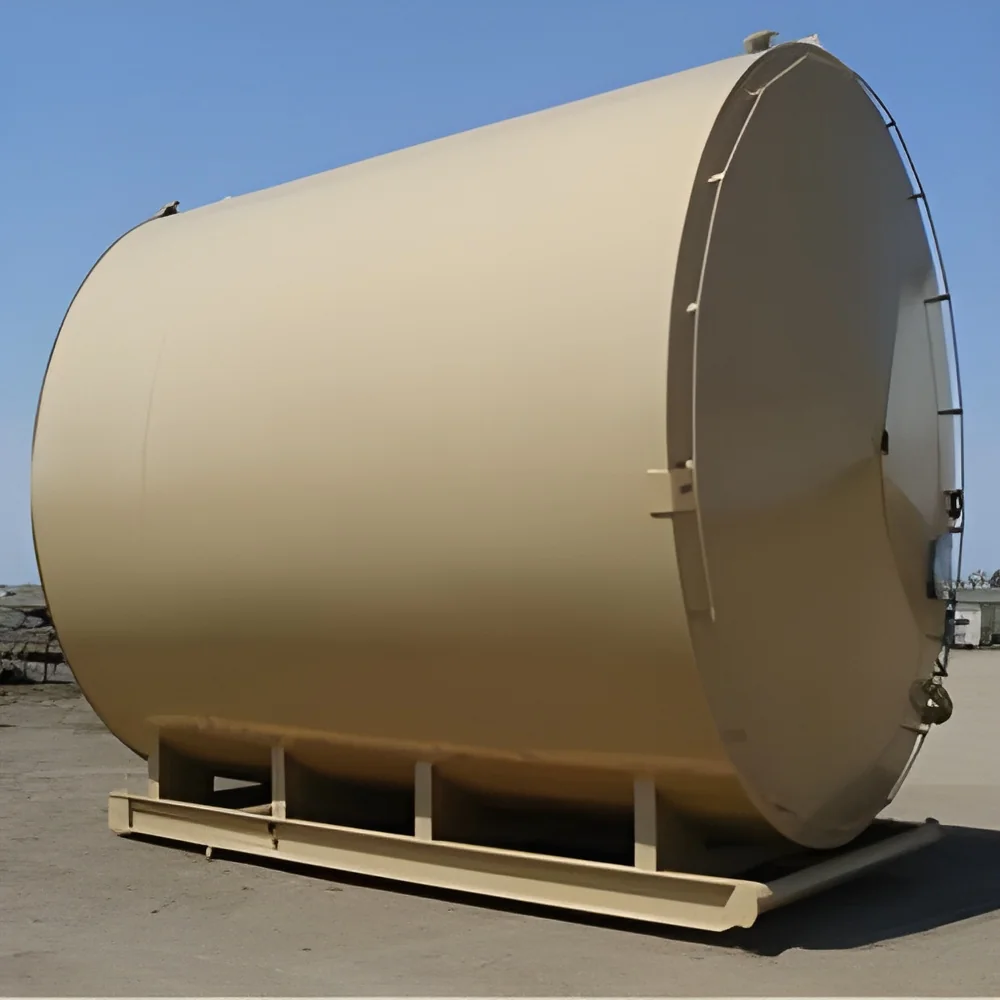
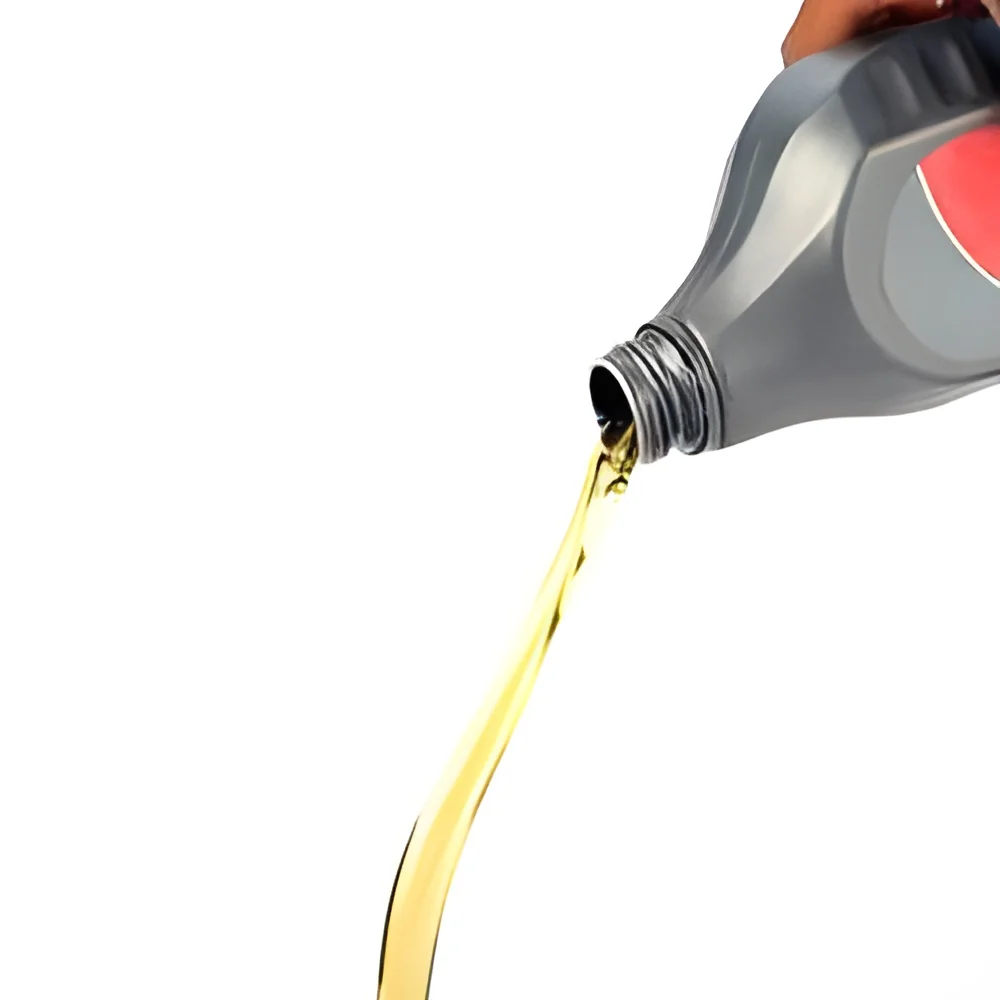
Bulk lubricants for workshops and dealers are specialized fluids used to reduce friction between moving parts in machinery and equipment. These lubricants are supplied in large quantities, making them ideal for high-demand environments such as automotive workshops, manufacturing plants, and industrial settings. Their primary purpose is to ensure the smooth operation of machinery, prolonging equipment life and enhancing performance.
These lubricants find extensive applications in various sectors, including automotive, manufacturing, and heavy machinery. They are essential in maintaining equipment like engines, gears, and bearings. Additionally, they help in reducing wear and tear, thus minimizing operational downtime. The market for bulk lubricants is robust, driven by the increasing demand for efficient machinery operation and preventive maintenance practices across industries.
As industries continue to evolve, the relevance of bulk lubricants grows. The need for high-performance lubricants that meet stringent quality standards has become paramount. With advancements in technology, the formulation of lubricants has improved, catering to specific industrial needs and enhancing overall productivity.
Key Features and Specifications
Bulk lubricants are characterized by several key features that influence their effectiveness and suitability for various applications. Understanding these specifications is crucial for selecting the right product for specific needs.
Key specifications include:
1. Viscosity Grade
- Indicates the lubricant's thickness and flow characteristics.
- Commonly measured using the SAE scale.
2. Flash Point
- The temperature at which the lubricant can ignite.
- Important for safety and operational stability.
3. Pour Point
- The lowest temperature at which the lubricant remains fluid.
- Essential for performance in cold environments.
4. Additive Package
- Enhances performance by providing properties such as corrosion resistance and oxidation stability.
- Varies depending on the lubricant type and application.
5. Base Oil Type
- Can be mineral, synthetic, or bio-based.
- Affects performance characteristics and environmental impact.
6. Compatibility
- Compatibility with various materials and applications.
- Crucial for avoiding chemical reactions that can degrade performance.
7. ISO Grade
- Indicates the lubricant's classification in accordance with international standards.
- Ensures consistency and quality across products.
8. Shelf Life
- Refers to the period a lubricant can be stored without losing its effectiveness.
- Important for inventory management.
In summary, understanding these specifications helps businesses select bulk lubricants that meet their operational requirements and safety standards.
Common Applications and Use Cases
Bulk lubricants are utilized in numerous industries to enhance machinery performance and longevity.
1. Automotive Industry: Bulk lubricants are essential for engine oils, transmission fluids, and gear oils, ensuring smooth operation and reducing wear in vehicles.
2. Manufacturing: In production environments, lubricants are used for machinery such as lathes and milling machines to minimize friction and prevent overheating.
3. Heavy Machinery: Construction and mining equipment rely on bulk lubricants for hydraulic systems and engines, essential for maintaining performance in demanding conditions.
4. Marine Industry: Lubricants are used in engines and gear systems of ships to prevent corrosion and ensure operational efficiency in harsh marine environments.
5. Aerospace Sector: Bulk lubricants are critical for aircraft engines and hydraulic systems, providing reliable performance under extreme conditions.
6. Food Processing: Food-grade lubricants are necessary for machinery in food production to ensure compliance with safety standards.
7. Pharmaceuticals: Lubricants in this sector are used in production equipment to maintain hygiene and efficiency.
Product Variants and Subcategories
Bulk lubricants come in a variety of formulations, each designed for specific applications and performance requirements.
Engine Oil
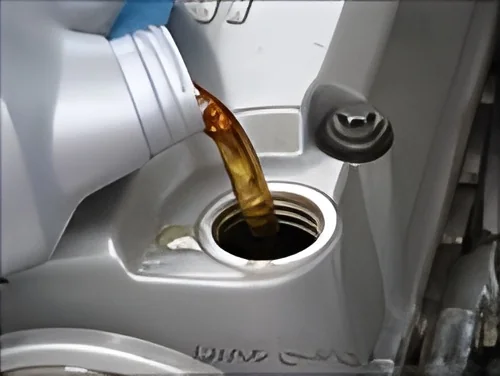
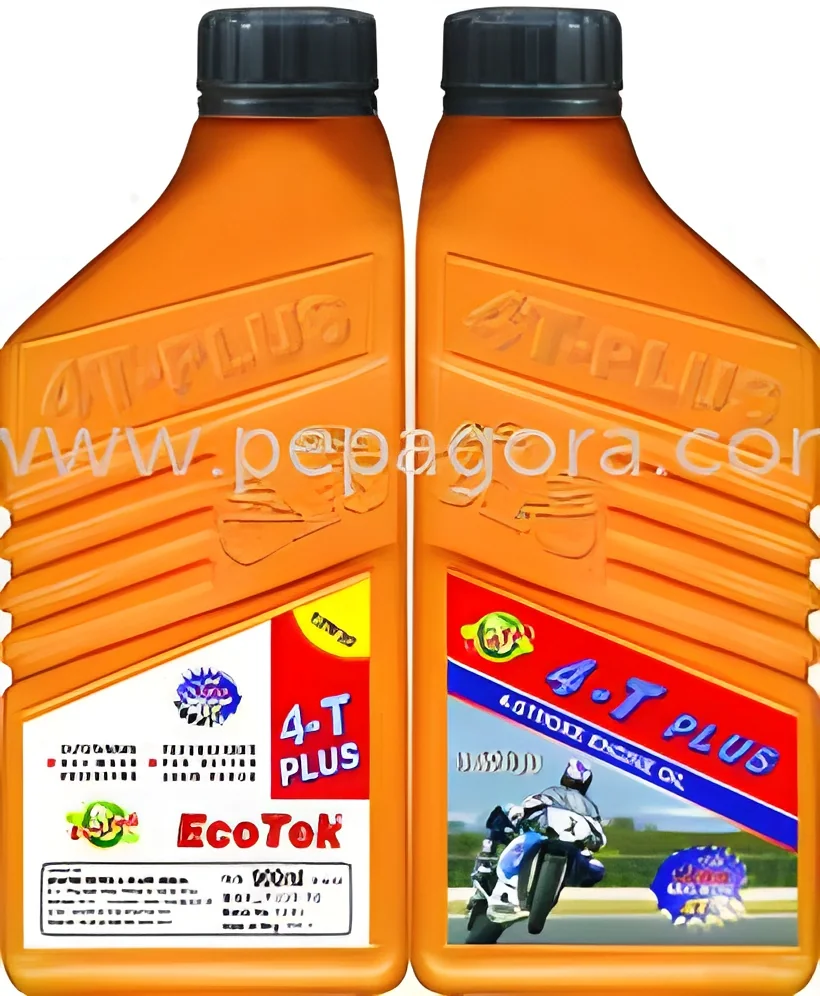
Engine oils are formulated to provide optimal lubrication for internal combustion engines. They offer protection against wear, contaminants, and thermal degradation.
Hydraulic Fluid
Hydraulic fluids are designed for hydraulic systems, providing the necessary lubrication and power transfer. They are formulated to withstand high pressure and temperature variations.
Grease
Greases are semi-solid lubricants used in applications where liquid lubricants may not be feasible. They provide long-lasting lubrication and protection against moisture and contaminants.
Transmission Fluid
Transmission fluids are specialized lubricants used in automatic transmissions. They ensure smooth shifting and protect components from wear.
Benefits and Advantages
Choosing the right bulk lubricants offers several advantages for businesses.
1. Enhanced Equipment Lifespan: Regular use of high-quality lubricants can significantly extend the life of machinery by reducing wear and tear.
2. Improved Efficiency: Proper lubrication minimizes friction, leading to better energy efficiency and lower operational costs.
3. Reduced Downtime: By preventing breakdowns and ensuring smooth operation, bulk lubricants help maintain productivity and reduce downtime.
4. Environmental Compliance: Many bulk lubricants are formulated to meet environmental regulations, minimizing ecological impact.
5. Customization Options: Some suppliers offer customized lubricant formulations tailored to specific industry needs, enhancing performance.
6. Cost-Effectiveness: Bulk purchasing of lubricants often leads to reduced costs per unit, making it a more economical choice for businesses.
Buying Guide for B2B Buyers
When sourcing bulk lubricants for workshops and dealers, there are several important factors to consider.
1. Quality Assessment: Ensure that the lubricants meet relevant quality standards and specifications. Look for certifications such as CE or UL to confirm compliance.
2. Supplier Verification: Vet suppliers thoroughly to ensure they have a proven track record of providing reliable products. Checking customer reviews and references can be beneficial.
3. Pricing and MOQ: Understand the pricing structure and minimum order quantities (MOQ) required by suppliers. This helps in budgeting and inventory planning.
4. Delivery and Lead Times: Consider the logistics involved in the delivery process. Ensure that suppliers can meet your required lead times for timely operations.
5. Compliance Requirements: Be aware of any regulatory requirements specific to your industry, including safety and environmental standards that the lubricants must meet.
Compliance and Certifications
Compliance with quality standards is essential for bulk lubricants. Common relevant standards include ISO 9001, which ensures a quality management system, and HACCP, which focuses on food safety.
Industry certifications such as CE and UL indicate that products meet safety and performance criteria. These certifications are particularly important in sectors like food processing and pharmaceuticals, where safety is paramount.
In addition to safety and quality, proper testing and monitoring are crucial for bulk lubricants. This includes assessments for viscosity, flash point, and other key specifications.
Regional compliance considerations vary by location, so it is important to understand specific regulatory requirements in your operational areas.
Why Source Bulk Lubricants for Workshops & Dealers from Pepagora?
Pepagora offers a reliable platform for sourcing bulk lubricants tailored for workshops and dealers.
Our verified supplier network ensures that buyers can access high-quality lubricants from trusted manufacturers. This network streamlines the sourcing process, providing peace of mind to businesses.
The streamlined RFQ process simplifies obtaining quotations from suppliers, allowing buyers to compare options easily. This efficiency helps in making informed purchasing decisions.
Pepagora also provides trade assurance and support to protect buyers throughout the transaction process. This includes assistance with logistics and supplier communications.
With regional coverage across India, the GCC, and Southeast Asia, Pepagora facilitates access to bulk lubricants for businesses in various geographical locations, ensuring that operational needs are met efficiently.

 IN
IN