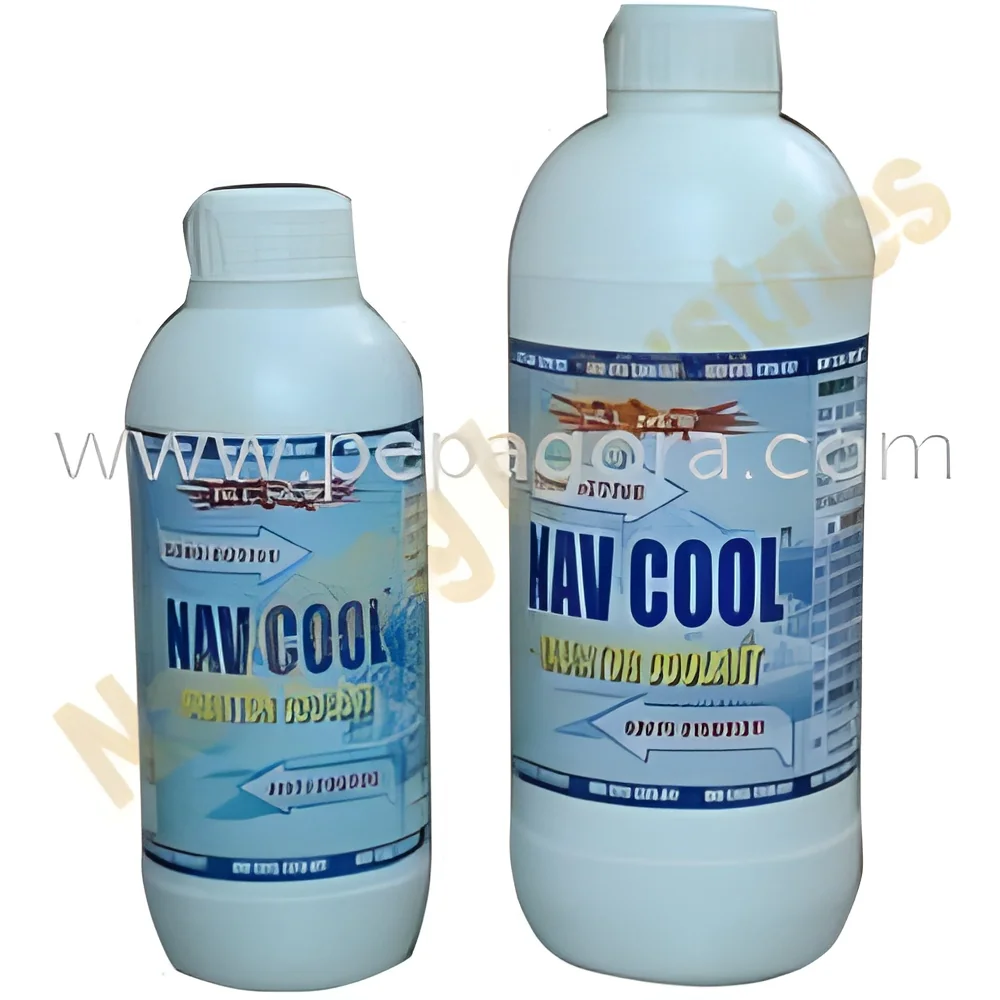
What are Radiator Fluids?
Radiator fluids, commonly known as coolant or antifreeze, are specialized liquids used in automotive and industrial cooling systems. Their primary function is to regulate engine temperature by absorbing and dissipating heat during operation. Radiator fluids typically consist of a mixture of water and various additives that prevent freezing, boiling, and corrosion, ensuring optimal performance and longevity of the cooling system.
These fluids are crucial in a variety of applications, including automobiles, heavy machinery, and power generation equipment. By maintaining the appropriate temperature range in engines, radiator fluids help to prevent overheating, which can lead to engine failure. In commercial settings, using the right radiator fluid can enhance operational efficiency, reduce maintenance costs, and prolong equipment life. As industries increasingly prioritize performance and reliability, the demand for high-quality radiator fluids continues to grow.
Key Features and Specifications
Radiator fluids are characterized by several key features and specifications that ensure they meet the needs of various applications. These specifications are critical for B2B buyers looking to make informed purchasing decisions.
Key specifications include:
1. Freeze Protection
- Prevents the fluid from freezing in low temperatures
- Typically rated for temperatures as low as -34 degrees Fahrenheit
2. Boiling Point
- Determines the maximum temperature at which the fluid remains effective
- Commonly ranges from 265 to 300 degrees Fahrenheit with a pressure cap
3. Corrosion Inhibitors
- Additives that protect metal surfaces from rust and corrosion
- Effective for various metals, including aluminum and copper
4. pH Stability
- Ensures that the fluid maintains its effectiveness over time
- Typically stable within the range of 7.0 to 10.0
5. Compatibility
- Ensures the fluid is suitable for different types of engines and cooling systems
- Must be compatible with factory-fill fluids in vehicles
6. Concentration
- Refers to the ratio of antifreeze to water
- Commonly available in concentrated and pre-mixed forms
7. Environmental Impact
- Focus on biodegradable and non-toxic formulations
- Compliance with environmental regulations and standards
In summary, understanding these specifications is essential for selecting the right radiator fluid for specific applications, ensuring optimal performance and protection.
Common Applications and Use Cases
Radiator fluids play a vital role across various industries, providing essential cooling solutions.
1. Automotive Industry: Radiator fluids are extensively used in vehicles to maintain engine temperature, preventing overheating and ensuring efficient operation.
2. Heavy Machinery: In construction and agriculture, radiator fluids are crucial for cooling equipment like tractors and excavators, enabling them to operate under demanding conditions.
3. Power Generation: Radiator fluids are used in generators and turbines to manage heat, ensuring reliable energy production and preventing equipment failure.
4. Marine Applications: Boats and ships utilize radiator fluids to cool engines and other systems, particularly in harsh marine environments.
5. HVAC Systems: Radiator fluids are integral to heating, ventilation, and air conditioning systems, providing heat transfer in various applications.
6. Industrial Equipment: Manufacturing machinery relies on radiator fluids for cooling, allowing for continuous operation in high-temperature environments.
7. Refrigeration Units: Radiator fluids are used in commercial refrigeration systems to manage temperature and prevent overheating.
Product Variants and Subcategories
Radiator fluids come in several variants to meet the specific needs of different applications.
Ethylene Glycol Based Fluids: These fluids are popular in automotive applications due to their effective freeze and boil protection. They are often used in traditional vehicles and heavy machinery.
Propylene Glycol Based Fluids: Known for being less toxic, these fluids are often used in food processing and other sensitive environments. They offer similar freeze protection while being safer for human contact.
Long-Life Coolants: Designed for extended service intervals, these fluids incorporate advanced additives to enhance performance and protect against corrosion over longer periods.
Pre-Mixed Coolants: These variants come ready-to-use, eliminating the need for dilution. They simplify the application process, particularly in automotive maintenance.
Benefits and Advantages
Choosing the right radiator fluid offers several significant benefits that can enhance operational efficiency.
1. Enhanced Engine Performance: Proper radiator fluid ensures engines operate at optimal temperatures, improving efficiency and power output.
2. Reduced Maintenance Costs: High-quality fluids minimize corrosion and wear, leading to fewer repairs and lower operational costs over time.
3. Extended Equipment Life: By preventing overheating and corrosion, radiator fluids help prolong the lifespan of engines and machinery.
4. Environmental Compliance: Many modern radiator fluids are designed to be environmentally friendly, reducing the impact on ecosystems.
5. Improved Safety: Radiator fluids with non-toxic formulations enhance safety for workers in industrial and automotive settings.
6. Versatility: Radiator fluids are suitable for a wide range of applications, making them versatile solutions for various industries.
Buying Guide for B2B Buyers
When sourcing radiator fluids, it is essential to consider multiple factors to ensure optimal choices for your business needs.
1. Quality Assessment: Look for fluids that comply with industry standards and have been tested for performance. Check for certifications that validate quality claims.
2. Supplier Verification: Vet suppliers thoroughly to ensure reliability and consistency in product quality. Seek references and reviews from other buyers.
3. Pricing and MOQ: Analyze pricing structures and minimum order quantities. Consider bulk purchasing options for cost savings.
4. Delivery and Lead Times: Establish clear expectations regarding logistics and delivery schedules. Timely access to fluids is crucial for operational continuity.
5. Compliance Requirements: Ensure that the chosen radiator fluids meet all local and regional regulations, including safety and environmental standards.
Compliance and Certifications
Radiator fluids must adhere to various quality standards and certifications to ensure safety and effectiveness. ISO 9001 is a key standard that emphasizes quality management systems, ensuring consistent product quality.
Industry certifications such as CE mark signify that the products meet European safety standards. This is particularly relevant for businesses operating in regions with stringent regulatory environments.
Safety requirements also dictate that radiator fluids undergo rigorous testing to assess their properties and performance under different conditions. Regional compliance considerations may vary, so it is essential to stay informed about local regulations that apply to radiator fluids.
Why Source Radiator Fluids from Pepagora?
Pepagora provides a trusted platform for sourcing radiator fluids, offering multiple advantages to B2B buyers.
Verified Supplier Network: Pepagora features a curated list of suppliers that have been thoroughly vetted for reliability and quality. This ensures buyers can source products with confidence.
Streamlined RFQ Process: The platform allows for a simplified request for quotation process, enabling buyers to receive competitive pricing and terms efficiently.
Trade Assurance and Support: Pepagora offers buyer protection measures to ensure transactions are secure. Their support team is available to assist buyers throughout the sourcing process.
Regional Coverage: With a broad geographic reach, including India, the GCC, and Southeast Asia, Pepagora connects buyers with suppliers across these regions, facilitating easier access to quality radiator fluids.

 IN
IN