What are OEM & Branded Lubricants?
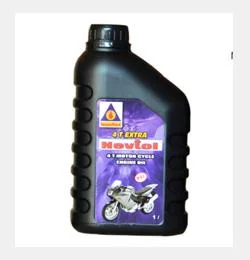
OEM (Original Equipment Manufacturer) and branded lubricants are specialized fluids designed to reduce friction and wear in machinery and automotive applications. These lubricants are formulated to meet specific performance standards set by manufacturers, ensuring compatibility with various equipment types. They play a crucial role in maintaining the efficiency and longevity of machinery, providing essential protection against corrosion, oxidation, and thermal breakdown.
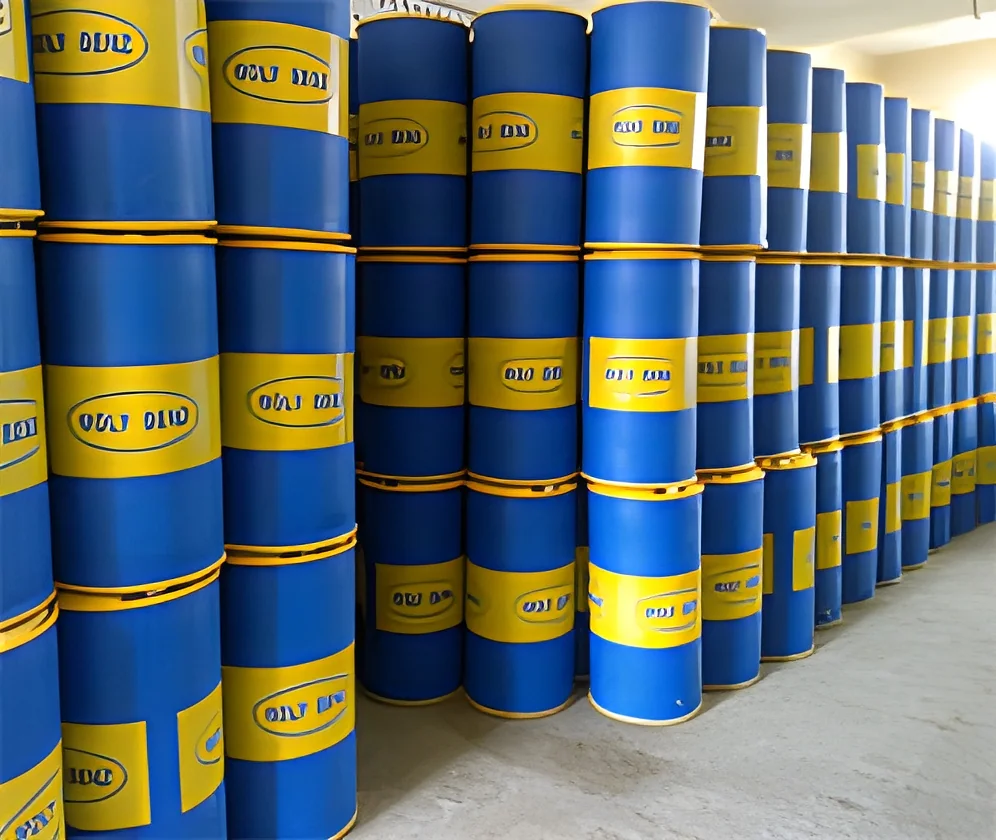
The primary uses of OEM and branded lubricants span across various industries, including automotive, manufacturing, and heavy equipment. They are essential in applications where machinery operates under extreme conditions, where proper lubrication is vital for optimal performance. Businesses rely on these products to ensure their equipment runs smoothly, reducing downtime and maintenance costs. As industries evolve and equipment becomes more sophisticated, the demand for high-quality lubricants continues to grow, making them a critical component in many industrial operations.
In the market context, OEM and branded lubricants are integral to both maintenance and production sectors. As regulations and technology advance, the need for lubricants that adhere to specific compliance standards increases. This has led to a competitive landscape where companies must innovate to meet the diverse needs of their clients while adhering to environmental regulations.
Key Features and Specifications
OEM and branded lubricants come with a variety of features and specifications that enhance their performance. Understanding these characteristics is essential for selecting the right product for your business needs. Key specifications include:
1. Viscosity Grade
- Indicates the thickness of the lubricant at specific temperatures.
- Common ranges include multi-grade options such as 5W-30 or 15W-40.
2. Additive Composition
- Enhances the performance of the lubricant, providing benefits like improved thermal stability.
- Includes detergents, anti-wear agents, and friction modifiers.
3. Flash Point
- The temperature at which the lubricant can ignite.
- Higher flash points indicate better thermal stability.
4. Pour Point
- The lowest temperature at which the lubricant remains fluid.
- Important for applications in cold environments.
5. Total Base Number (TBN)
- Measures the reserve alkalinity of the lubricant.
- Higher TBN values indicate better acid neutralization capabilities.
6. Oxidation Stability
- The ability of the lubricant to resist degradation over time.
- Essential for extending oil change intervals.
7. Compatibility
- The lubricant's ability to be used with various materials and seals.
- Ensures no adverse reactions with machinery components.
8. Compliance Certifications
- Adherence to industry standards and regulations.
- Common certifications include CE for safety and quality assurance.
In summary, understanding these key features and specifications will guide B2B buyers in making informed decisions regarding OEM and branded lubricants.
Common Applications and Use Cases
OEM and branded lubricants serve a wide range of industries and applications. Their versatility makes them essential in many operational settings.
1. Automotive: These lubricants are crucial for engine performance, ensuring smooth operation and reducing wear on engine components.
2. Manufacturing: In manufacturing environments, lubricants are used in machinery to enhance operational efficiency and protect against wear and tear.
3. Heavy Equipment: Lubricants are vital in construction and agricultural machinery, where they help maintain equipment performance under challenging conditions.
4. Aerospace: Specialized lubricants are used in aircraft engines and components to ensure reliability and safety during flight.
5. Marine: Lubricants in marine applications protect against corrosion and wear caused by harsh saltwater environments.
6. Food Processing: Food-grade lubricants are essential in maintaining hygiene and preventing contamination in food production machinery.
7. Renewable Energy: Lubricants are utilized in wind turbines and solar panel mechanisms to enhance operational efficiency and lifespan.
Product Variants and Subcategories
The diversity of OEM and branded lubricants allows businesses to choose products tailored to their specific applications.
Synthetic Lubricants: These offer superior performance and stability compared to conventional oils. They are designed for high-temperature applications and provide extended service intervals.
Mineral-Based Lubricants: These are derived from refining crude oil and are commonly used in general applications. They offer good lubrication properties at a lower cost.
Biodegradable Lubricants: Environmentally friendly options that break down naturally, making them ideal for use in sensitive ecological areas.
High-Performance Greases: Formulated to provide enhanced protection and stability under extreme pressure and temperature conditions.
Extreme Pressure (EP) Lubricants: Designed for applications subject to heavy loads, these lubricants contain additives that prevent wear and tear.
Benefits and Advantages
Choosing OEM and branded lubricants offers several benefits that can significantly impact industrial operations.
1. Enhanced Equipment Longevity: Proper lubrication minimizes wear and tear, extending the life of machinery and equipment.
2. Improved Efficiency: High-quality lubricants reduce friction, leading to smoother operation and optimized performance.
3. Cost Savings: By reducing maintenance needs and downtime, businesses can achieve significant cost savings over time.
4. Compliance Assurance: Many OEM and branded lubricants meet industry standards, helping businesses maintain compliance with regulations.
5. Customized Solutions: Various formulations are available to meet the specific needs of different applications and industries.
6. Reliable Performance: OEM and branded lubricants are rigorously tested to ensure they perform under demanding conditions, providing peace of mind.
Buying Guide for B2B Buyers
When sourcing OEM and branded lubricants, it is essential to consider several factors to ensure you select the right products for your operational needs.
1. Quality Assessment: Verify that the lubricants meet relevant industry standards and performance specifications. Look for certifications that indicate quality assurance.
2. Supplier Verification: Conduct thorough research on potential suppliers. Check their reputation, customer reviews, and ability to deliver consistent quality.
3. Pricing and MOQ: Evaluate pricing structures and minimum order quantities. Understanding cost implications can help in budgeting for procurement.
4. Delivery and Lead Times: Inquire about delivery schedules to ensure that you can maintain operations without interruption. Timely delivery is crucial for avoiding downtime.
5. Compliance Requirements: Ensure that the lubricants comply with any regulatory requirements specific to your industry. This includes environmental and safety standards.
Compliance and Certifications
Compliance with relevant standards and certifications is crucial in the lubricants industry. Many OEM and branded lubricants adhere to quality management systems such as ISO 9001, which ensures consistent quality and customer satisfaction.
Additionally, certifications like CE demonstrate that products meet European safety and performance standards. This is particularly important for companies operating in regions with strict regulatory frameworks.
Safety and testing requirements are also vital, as lubricants must undergo rigorous evaluations to ensure they perform effectively under various conditions. Regional compliance considerations may vary, so it is essential to be aware of local regulations that affect lubricant selection and use.
Why Source OEM & Branded Lubricants from Pepagora?
Pepagora provides a trusted platform for sourcing OEM and branded lubricants, offering several key advantages for B2B buyers.
Verified Supplier Network: Pepagora connects buyers with a network of verified suppliers, ensuring that you have access to high-quality products from reputable manufacturers. This reduces the risk associated with sourcing lubricants.
Streamlined RFQ Process: The platform features a user-friendly request for quotation (RFQ) system that simplifies the procurement process. Buyers can easily compare prices and specifications from multiple suppliers.
Trade Assurance and Support: Pepagora offers trade assurance to protect buyers during transactions, providing peace of mind in your purchasing decisions. Their customer support team is available to assist with any inquiries or issues.
Regional Coverage: Pepagora has a broad geographic reach, serving clients across India, the GCC, and Southeast Asia. This allows businesses to find local suppliers that can meet their specific needs efficiently.

 IN
IN