Key Features and Specifications
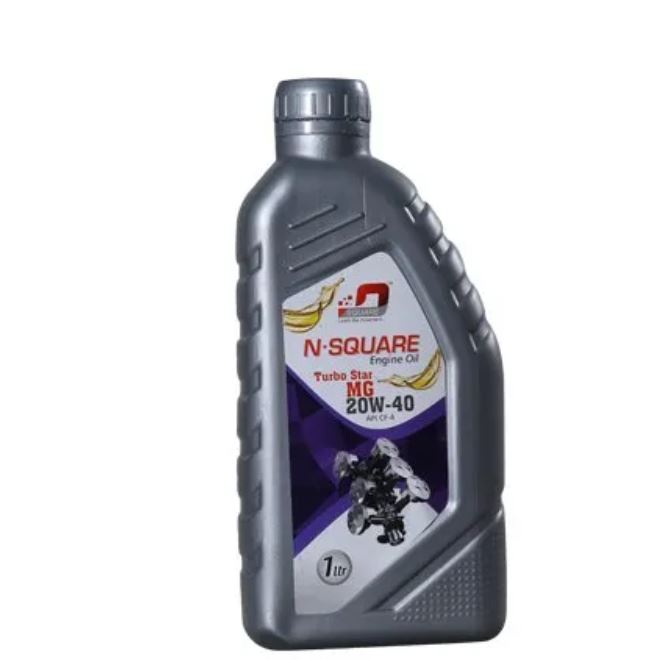
Engine oils come with a range of features and specifications that define their performance and suitability for different applications. Understanding these specifications is essential for businesses looking to optimize their engine performance.
Key specifications include:
1. Viscosity Grade
- Indicates the oil's thickness and its ability to flow at different temperatures.
- Common grades include 5W-30, 10W-40, etc.
2. API Service Classification
- Defines the oil's performance level based on American Petroleum Institute standards.
- Common categories include SN, SM, and others.
3. Additive Composition
- Refers to the chemical additives that enhance properties like detergency, anti-wear, and oxidation resistance.
- Essential for maintaining engine cleanliness and performance.
4. Flash Point
- The temperature at which the oil can vaporize to form an ignitable mixture.
- Important for safety and performance.
5. Pour Point
- The lowest temperature at which the oil remains pourable.
- Important for cold weather performance.
6. Total Base Number (TBN)
- Indicates the oil's ability to neutralize acids formed during combustion.
- Higher TBN is often beneficial for extended oil change intervals.
7. Sulfated Ash Content
- A measure of the ash-forming materials in the oil.
- Important for compatibility with emissions systems.
8. Compatibility with Emission Control Systems
- Ensures that the oil does not harm components like catalytic converters.
- Essential for compliance with environmental regulations.
In summary, understanding these key specifications helps businesses select the right engine oil to meet their specific operational needs and regulatory requirements.
Common Applications and Use Cases
Engine oils are utilized across various industries, each with specific applications that require tailored solutions.
1. Automotive Industry: Engine oils are essential for passenger vehicles, ensuring smooth operation and optimal fuel efficiency.
2. Heavy-Duty Transportation: Commercial trucks and buses rely on specialized diesel engine oils to withstand harsh operating conditions and maintain engine performance.
3. Construction Equipment: Heavy machinery such as excavators and bulldozers require robust engine oils to endure extreme workloads and environments.
4. Agricultural Machinery: Tractors and other farming equipment benefit from engine oils that support high-performance and reliability during demanding tasks.
5. Marine Industry: Boats and ships use engine oils formulated to resist corrosion and provide protection in harsh marine environments.
6. Manufacturing: Industrial engines in production facilities depend on high-quality engine oils to enhance machinery efficiency and reduce downtime.
7. Power Generation: Engines used in generators and turbines require reliable oils to ensure performance consistency and longevity.
Product Variants and Subcategories
Engine oils come in various formulations tailored to meet different engine requirements and operating conditions. This diversity ensures that businesses can find the optimal product for their specific needs.
Synthetic Engine Oils: These oils are chemically engineered to provide superior performance and protection. They offer better thermal stability and resistance to breakdown, making them ideal for high-performance engines.
Conventional Engine Oils: Made from refined crude oil, these oils are suitable for standard engines and provide adequate protection under typical operating conditions.
High-Mileage Engine Oils: Formulated for vehicles with over 75,000 miles, these oils contain additives that help reduce oil consumption and prevent leaks.
Diesel Engine Oils: Specifically designed for diesel engines, these oils provide enhanced protection against soot and high temperatures.
Benefits and Advantages
Choosing the right engine oil provides numerous benefits that can enhance engine performance and reliability.
1. Enhanced Protection: Quality engine oils provide superior lubrication, minimizing wear and extending engine life.
2. Improved Fuel Efficiency: High-performance oils reduce friction, allowing engines to operate more efficiently, which can lead to lower fuel consumption.
3. Extended Oil Change Intervals: Advanced formulations often allow for longer intervals between oil changes, reducing maintenance costs.
4. Clean Engine Components: Engine oils with detergents help keep engines clean by preventing sludge and deposit formation.
5. Temperature Stability: Quality engine oils maintain their viscosity across a wide temperature range, ensuring optimal performance in various conditions.
6. Environmental Compliance: Selecting the right oil helps businesses meet regulatory standards and reduce their environmental impact.
Buying Guide for B2B Buyers
When sourcing engine oils, B2B buyers should consider several critical factors to ensure they select the best product for their needs.
1. Quality Assessment: Ensure the oil meets industry standards and specifications. Look for certifications such as API and ACEA to verify quality.
2. Supplier Verification: Vet suppliers thoroughly to ensure they provide high-quality products and reliable service. This can include checking references and industry reputation.
3. Pricing and MOQ: Understand the pricing structure and minimum order quantities. Compare costs among different suppliers to find the best value without compromising quality.
4. Delivery and Lead Times: Consider the logistics involved in sourcing engine oils. Ensure suppliers can meet your delivery needs within acceptable timeframes.
5. Compliance Requirements: Be aware of local and international regulations regarding engine oils. Ensure your selected oil complies with these requirements to avoid legal issues.
Compliance and Certifications
Engine oils must adhere to various quality standards and certifications to ensure safety and performance. Key standards include ISO 9001, which outlines quality management systems, and CE certification, indicating compliance with European safety standards.
Additionally, engine oils should meet safety and testing requirements that confirm their effectiveness and reliability. Businesses must also consider regional compliance, as different countries may have specific regulations governing the use of engine oils.
Understanding these compliance issues is crucial for businesses to ensure their operations meet legal requirements while maintaining high-quality standards.
Why Source Engine Oils (Petrol/Diesel) from Pepagora?
Pepagora offers a trusted platform for sourcing engine oils, providing several key advantages to B2B buyers.
Verified Supplier Network: Pepagora connects buyers with a network of verified suppliers. This ensures that businesses can source high-quality engine oils with confidence, knowing that suppliers have been vetted for reliability.
Streamlined RFQ Process: The platform facilitates a straightforward request for quotation process, allowing buyers to easily compare offers from multiple suppliers. This efficiency helps businesses make informed purchasing decisions quickly.
Trade Assurance and Support: Pepagora offers buyer protection through trade assurance, providing peace of mind that transactions will be secure and that support is available if issues arise.
Regional Coverage: With a strong presence in India, the GCC, and Southeast Asia, Pepagora provides extensive geographic reach, ensuring that businesses can source engine oils tailored to their local markets and operational needs.

 IN
IN