𝗪𝗵𝗮𝘁 𝗮𝗿𝗲 𝗟𝘂𝗯𝗿𝗶𝗰𝗮𝗻𝘁𝘀 & 𝗔𝘂𝘁𝗼𝗺𝗼𝘁𝗶𝘃𝗲 𝗙𝗹𝘂𝗶𝗱𝘀?
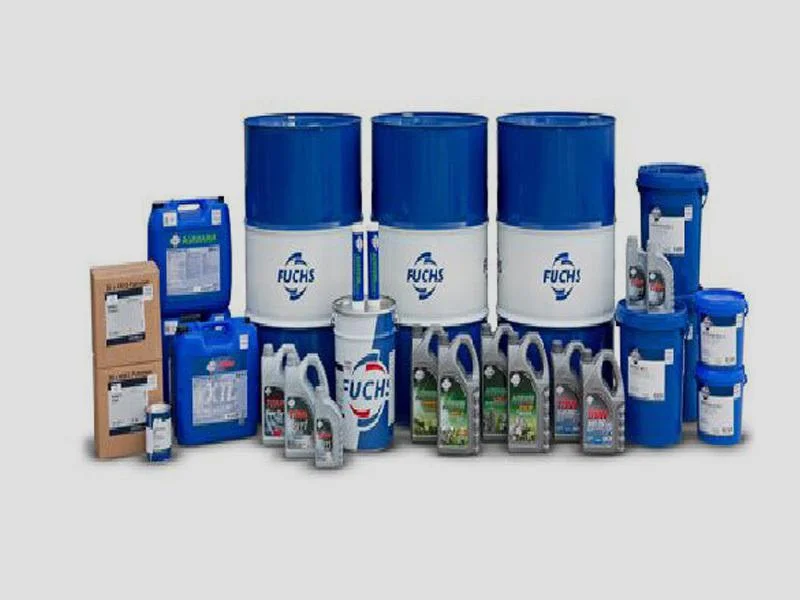
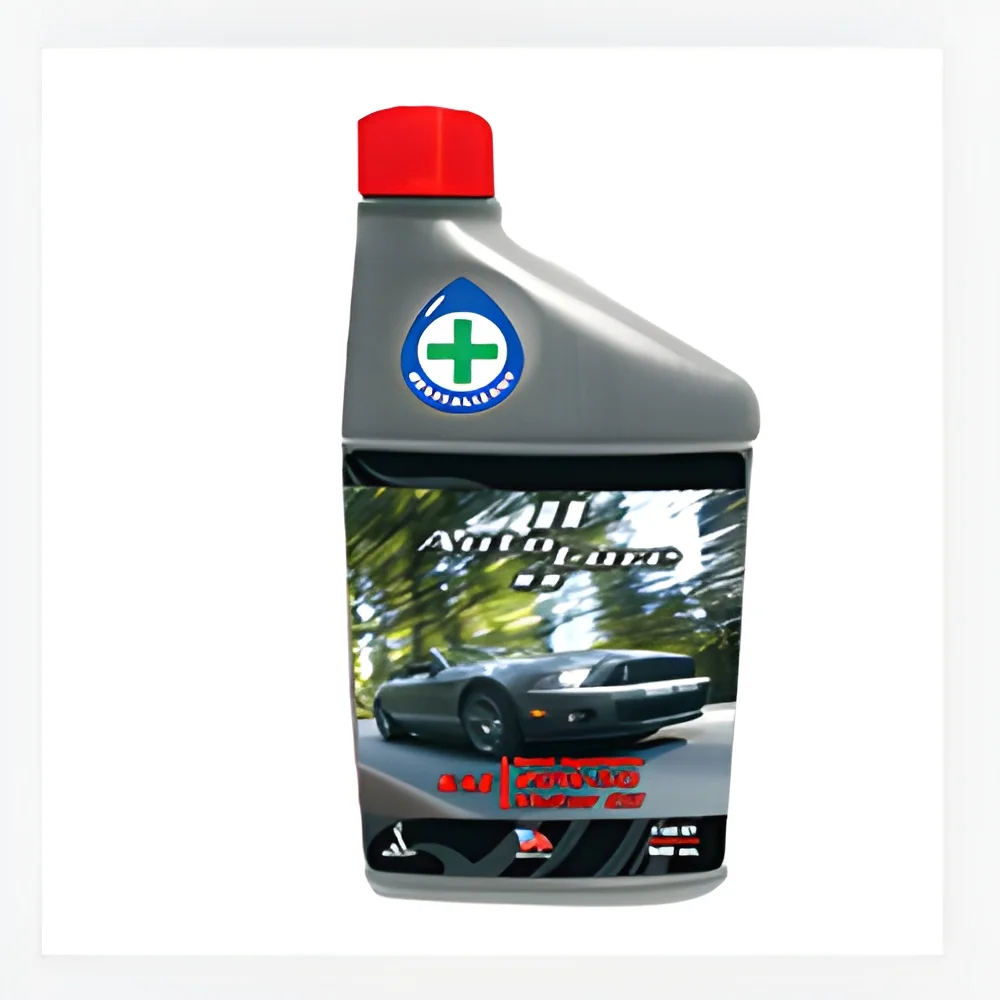
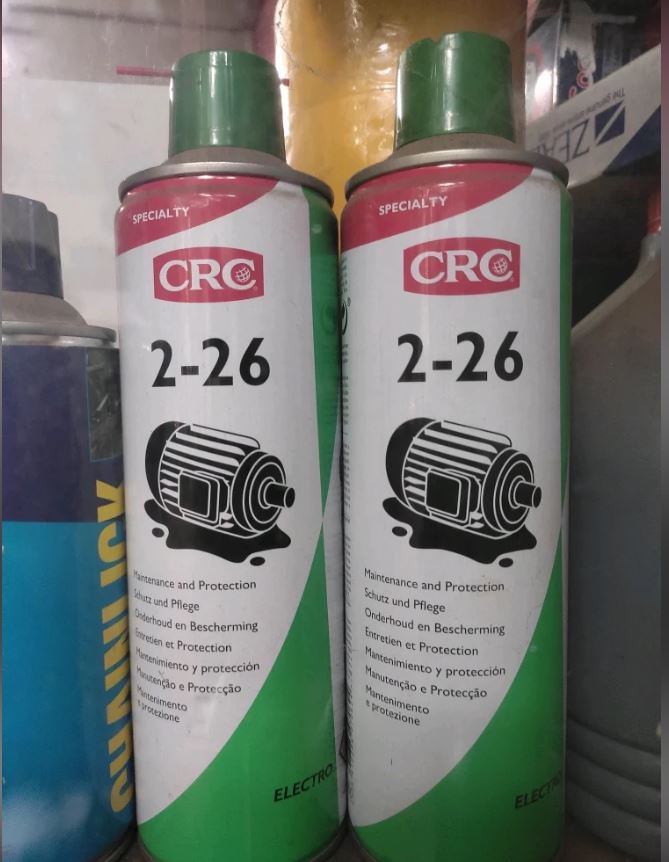
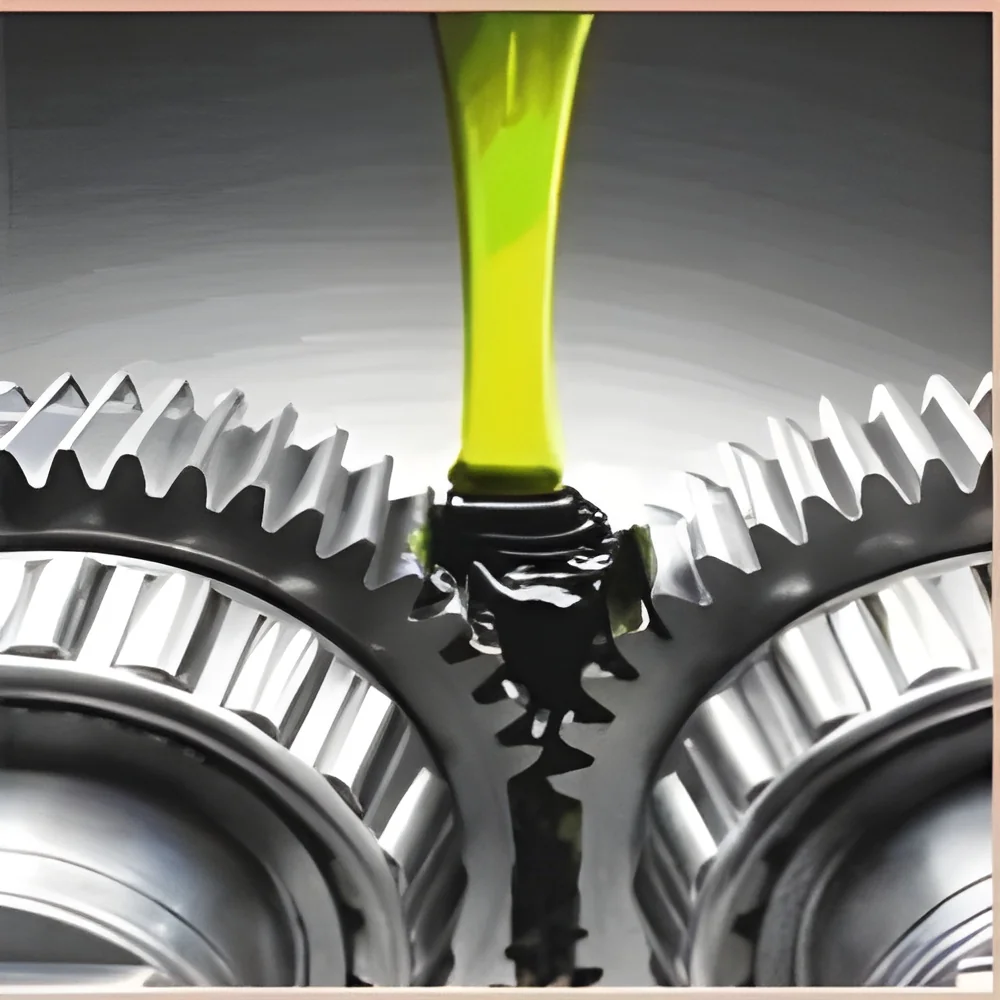
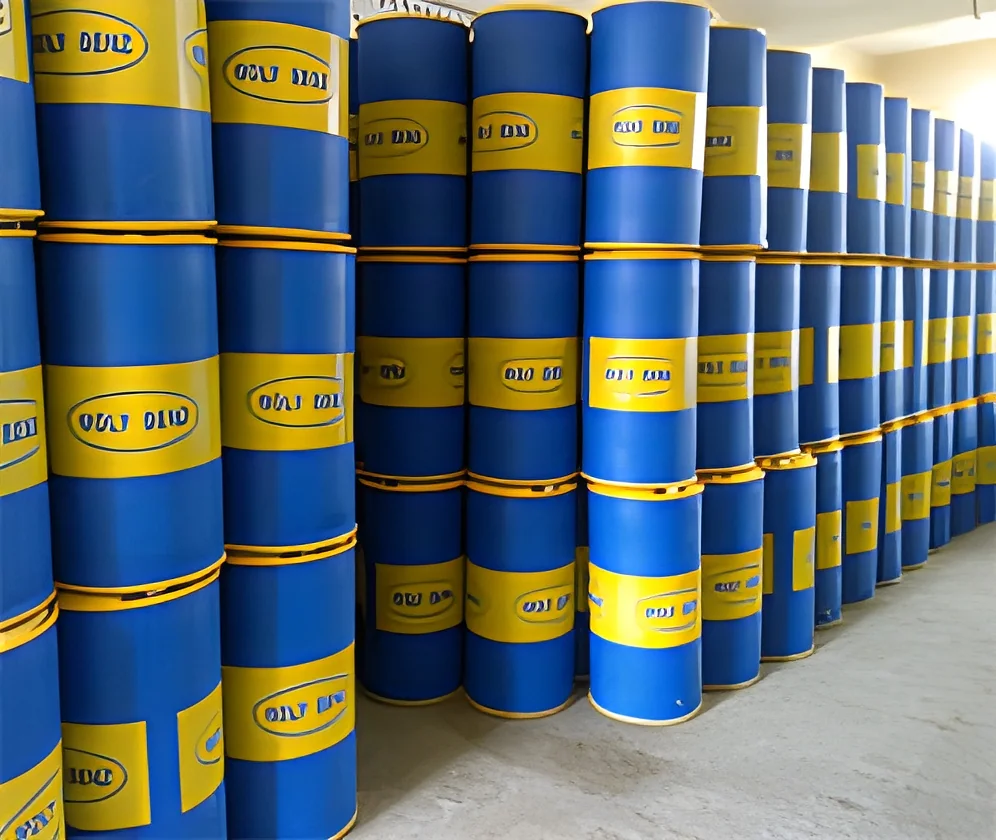
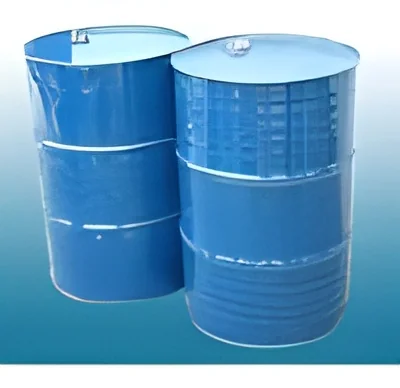
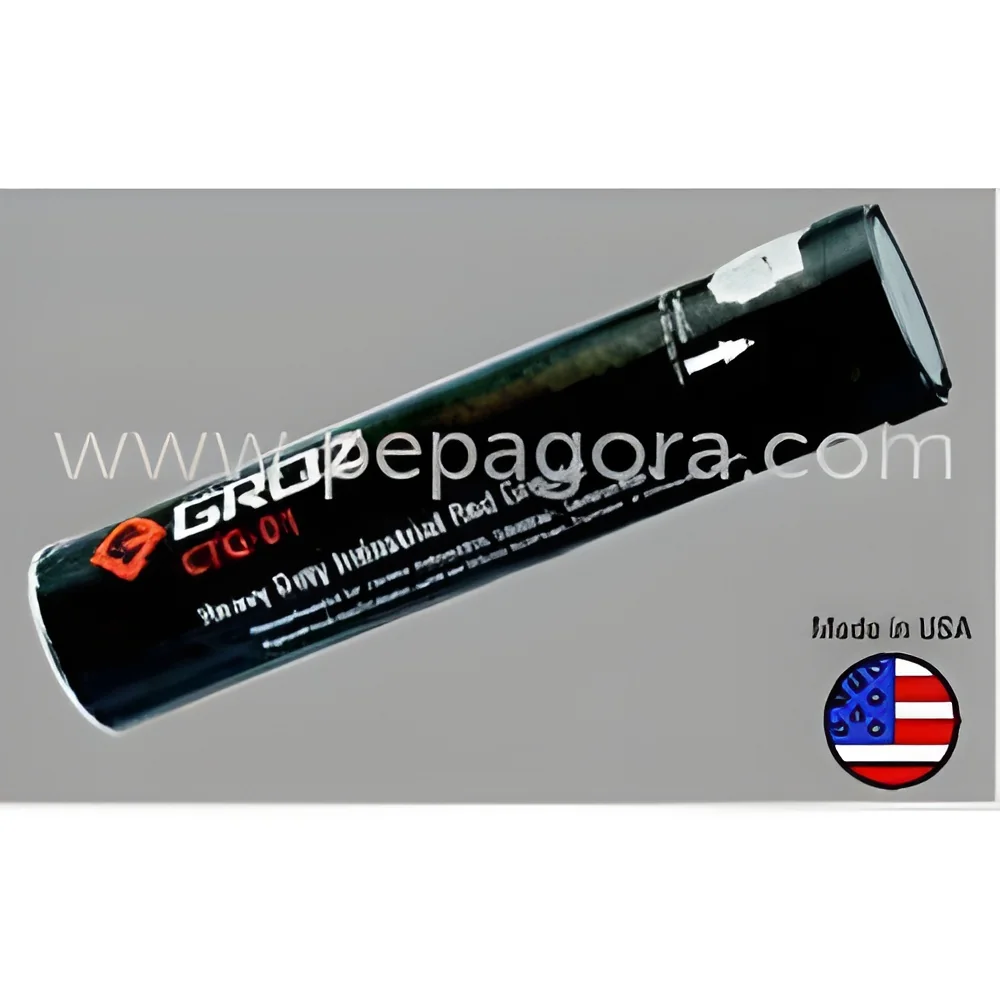
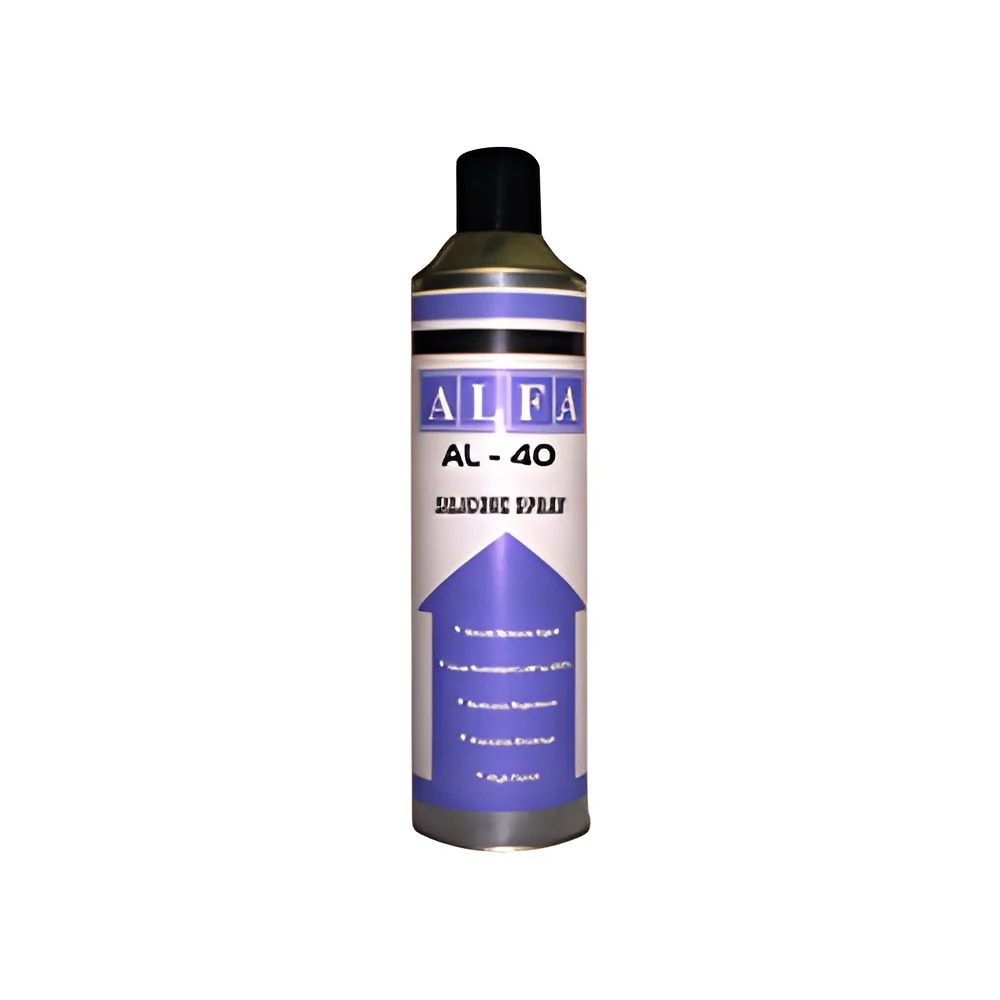
Lubricants and automotive fluids are essential substances used to reduce friction and wear in mechanical systems. They play a crucial role in ensuring the efficient operation of engines, machinery, and various automotive components. These fluids can be derived from petroleum or synthesized chemically and are formulated to withstand extreme conditions while providing optimal performance.
The primary uses of lubricants and automotive fluids include engine lubrication, hydraulic systems, transmission fluids, and cooling systems. They help to maintain the longevity of machinery and vehicles by preventing corrosion, reducing heat buildup, and enhancing overall efficiency. In industrial settings, these products are vital for machinery maintenance, ensuring smooth operations and minimizing downtime.
In the context of the automotive and industrial markets, lubricants and automotive fluids are becoming increasingly important due to the growing emphasis on machinery reliability and performance. As manufacturers continue to innovate, the demand for high-quality fluids that meet rigorous standards is on the rise. This trend is driven by the need for improved efficiency, regulatory compliance, and advancements in technology.
𝗞𝗲𝘆 𝗙𝗲𝗮𝘁𝘂𝗿𝗲𝘀 𝗮𝗻𝗱 𝗦𝗽𝗲𝗰𝗶𝗳𝗶𝗰𝗮𝘁𝗶𝗼𝗻𝘀
Lubricants and automotive fluids have various features and specifications that define their performance and suitability for specific applications. Understanding these specifications helps B2B buyers make informed purchasing decisions.
Key specifications include:
1. Viscosity Grade
- Indicates the fluid's resistance to flow at various temperatures.
- Common standards include SAE (Society of Automotive Engineers) ratings.
2. Flash Point
- The temperature at which the fluid can ignite.
- Higher flash points indicate safer handling and storage.
3. Pour Point
- The lowest temperature at which the fluid remains pourable.
- Important for cold weather applications.
4. Additive Package
- Includes detergents, anti-wear agents, and antioxidants.
- Enhances performance and protects against degradation.
5. pH Level
- Indicates acidity or alkalinity of the fluid.
- Critical for compatibility with engine materials.
6. Density
- The mass per unit volume of the fluid.
- Impacts how fluids are handled and stored.
7. Compatibility
- The ability of the fluid to work with various materials.
- Essential for preventing damage to seals and gaskets.
8. Environmental Impact
- Consideration of biodegradability and toxicity.
- Increasing regulations demand eco-friendly options.
In summary, understanding these key features and specifications is essential for selecting the right lubricants and automotive fluids for specific applications.
𝗖𝗼𝗺𝗺𝗼𝗻 𝗔𝗽𝗽𝗹𝗶𝗰𝗮𝘁𝗶𝗼𝗻𝘀 𝗮𝗻𝗱 𝗨𝘀𝗲 𝗖𝗮𝘀𝗲𝘀
Lubricants and automotive fluids find applications across a wide range of industries, ensuring optimal performance and reliability of equipment.
1. Automotive Industry: Used in engines, transmissions, and hydraulic systems to reduce wear and improve efficiency.
2. Manufacturing: Essential for machinery operation, preventing overheating and ensuring smooth functioning of production lines.
3. Aerospace: Critical for ensuring the reliability of aircraft engines and components under extreme conditions.
4. Construction: Used in heavy machinery and vehicles to maintain performance and reduce downtime.
5. Marine: Essential for the lubrication of engines and mechanical systems in boats and ships.
6. Agriculture: Used in farm equipment to enhance performance and longevity.
7. Energy: Critical for lubrication in turbines and generators within power plants.
𝗣𝗿𝗼𝗱𝘂𝗰𝘁 𝗩𝗮𝗿𝗶𝗮𝗻𝘁𝘀 𝗮𝗻𝗱 𝗦𝘂𝗯𝗰𝗮𝘁𝗲𝗴𝗼𝗿𝗶𝗲𝘀
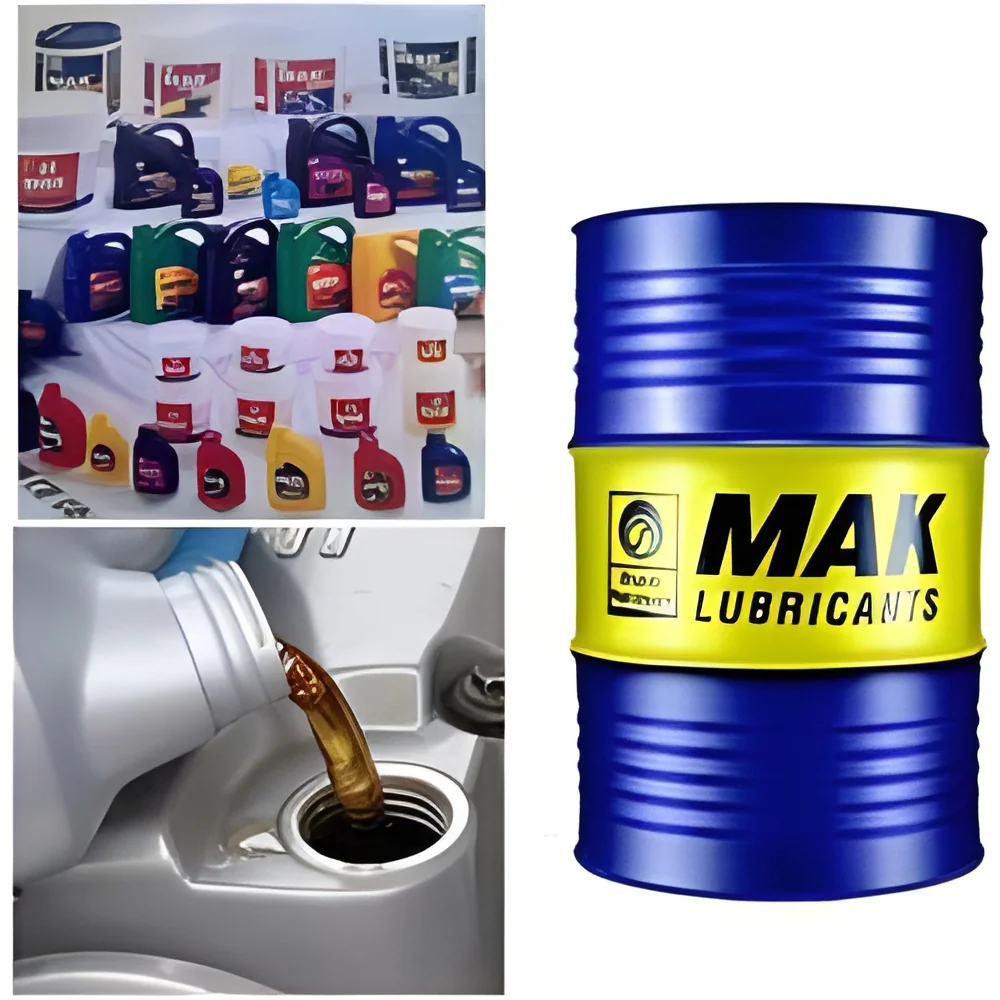
Lubricants and automotive fluids come in various forms, catering to diverse needs and applications.
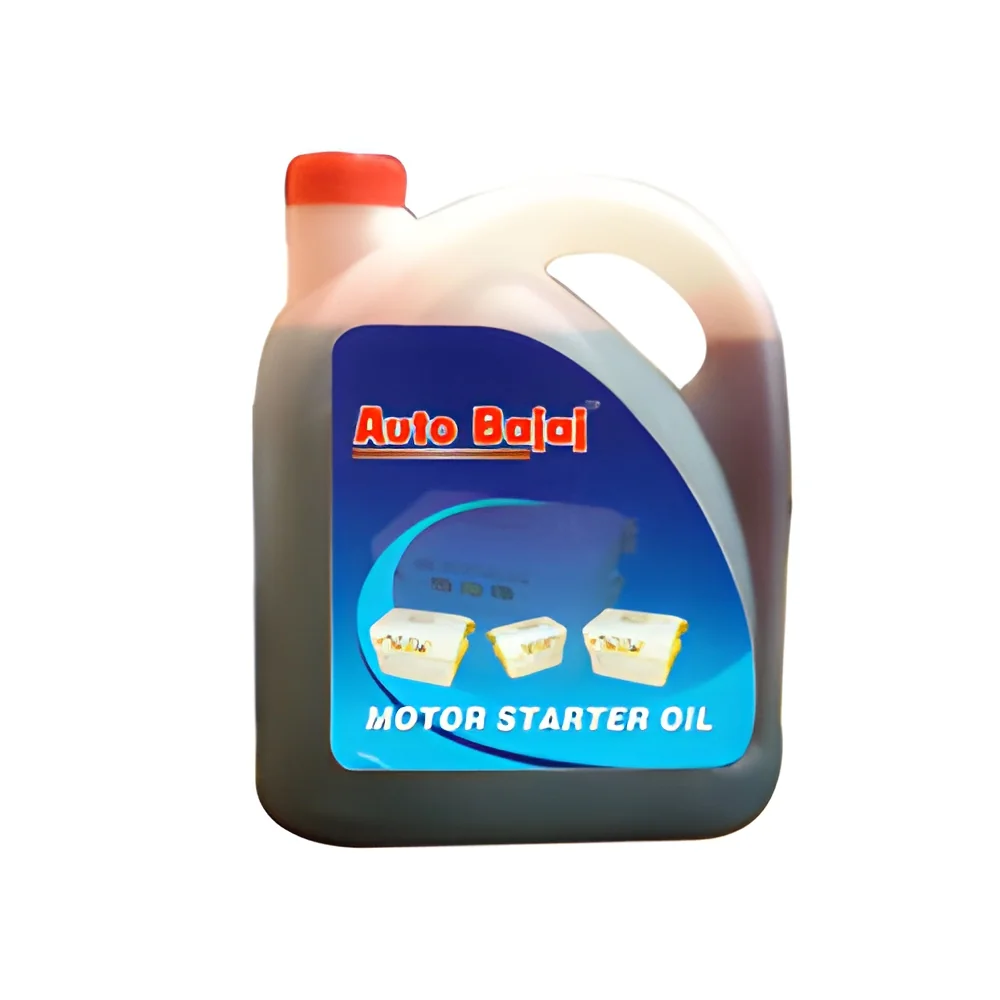
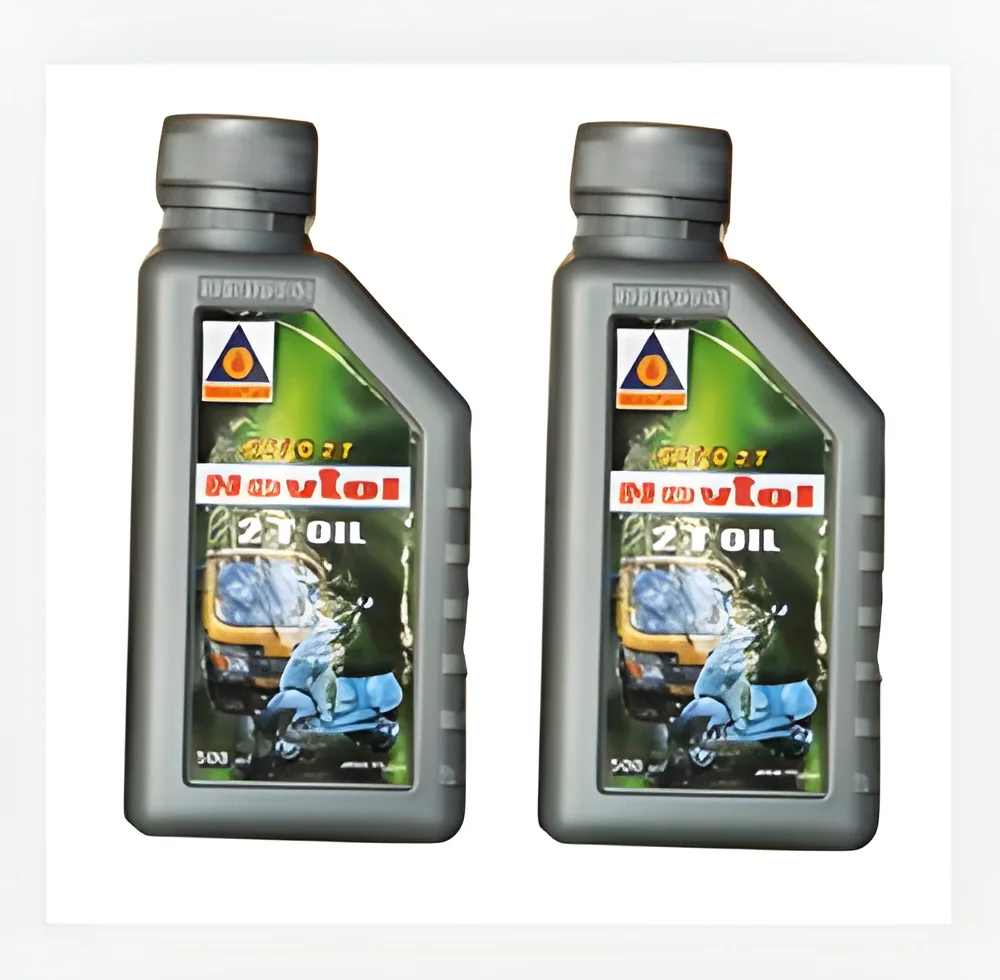
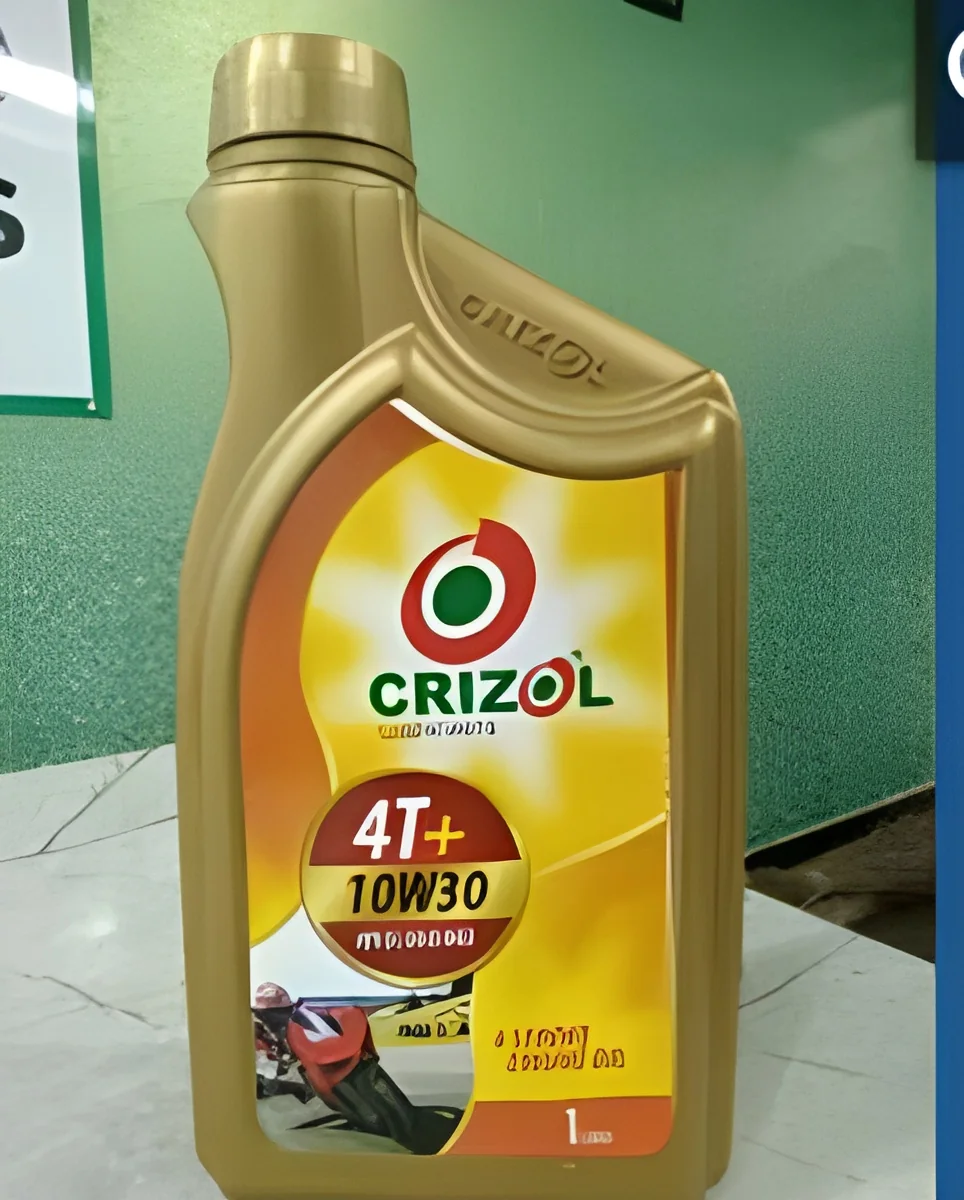
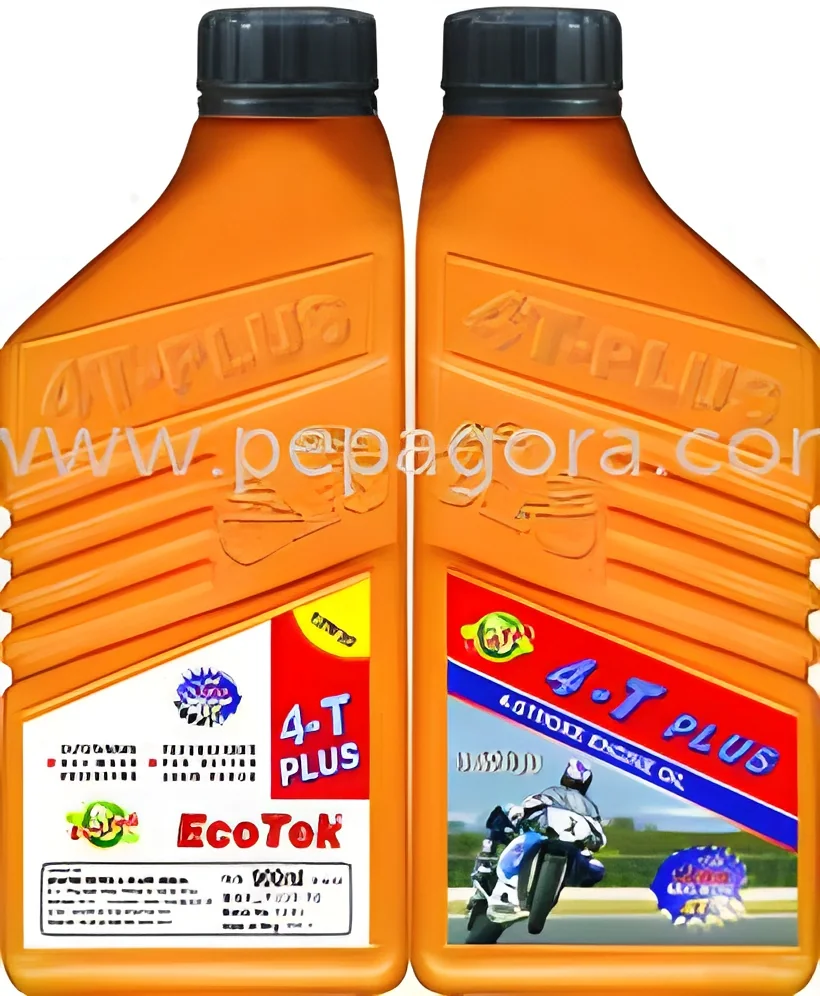
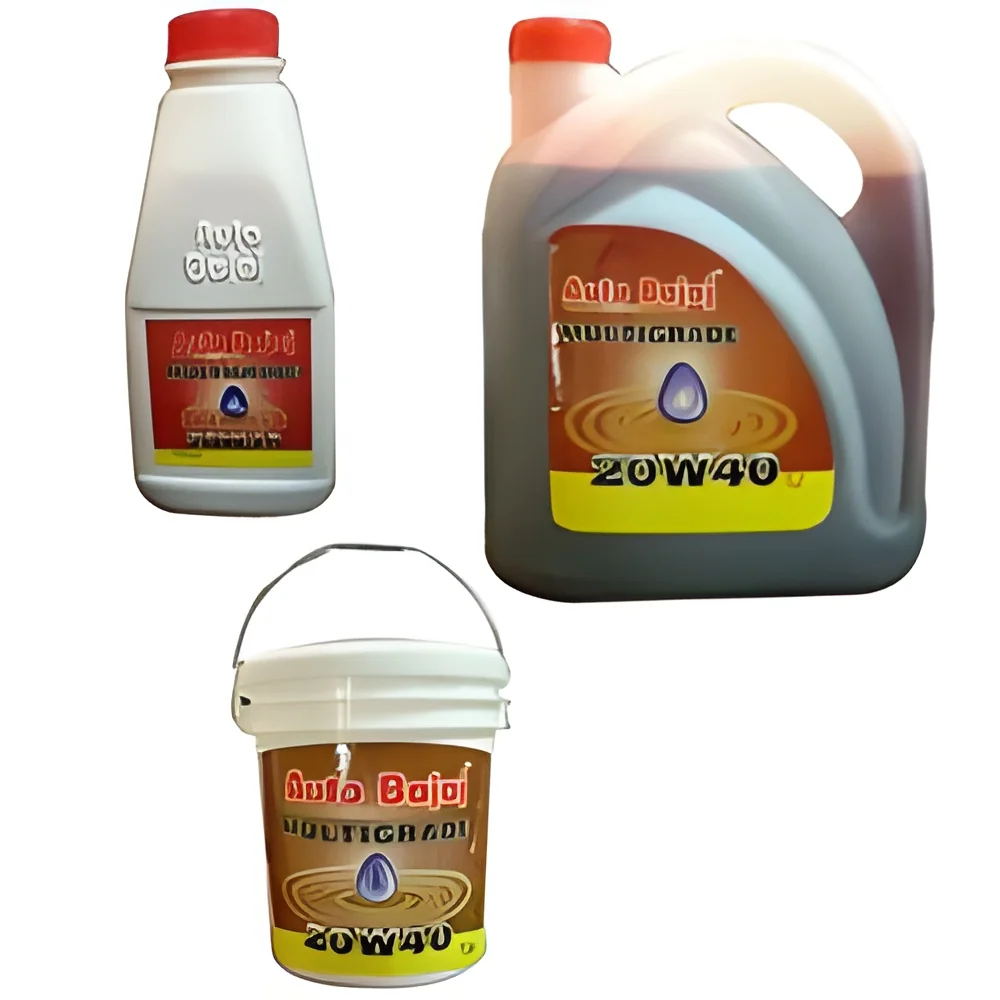
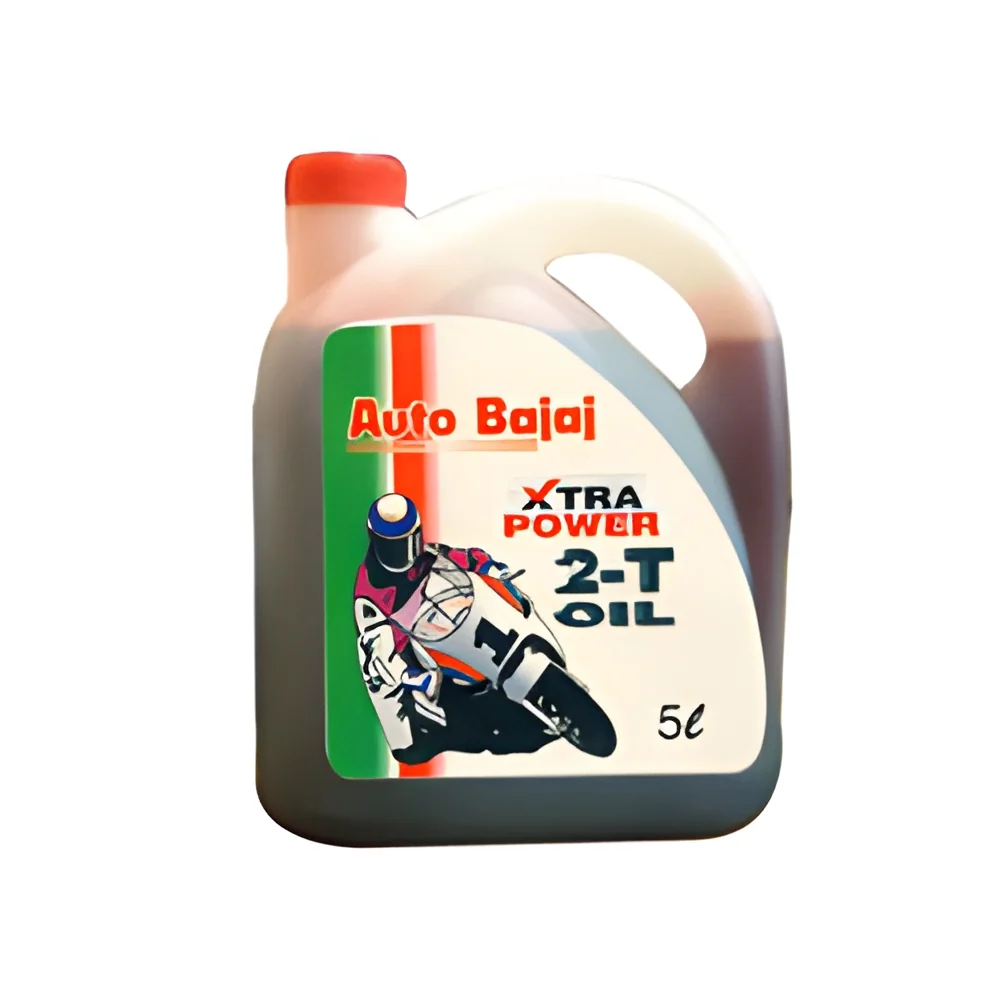
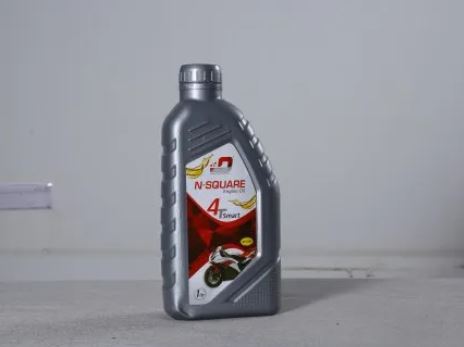
Engine Oil
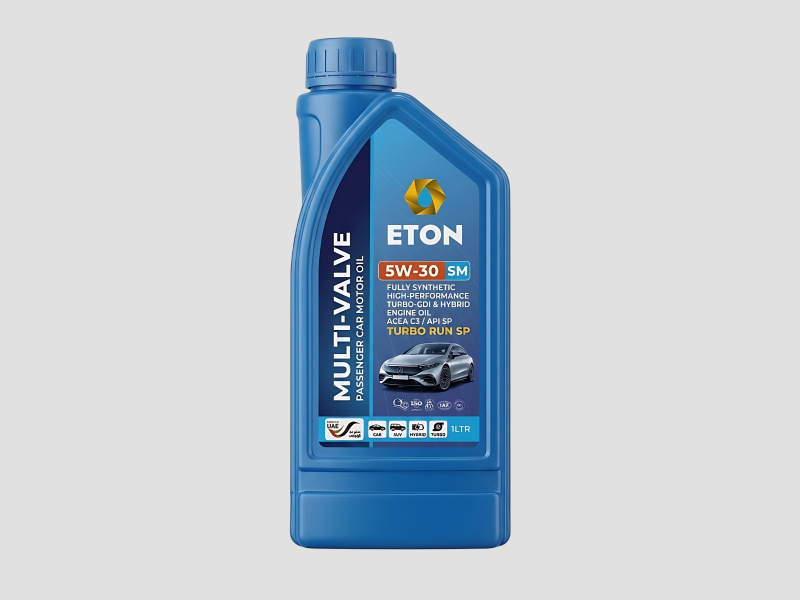
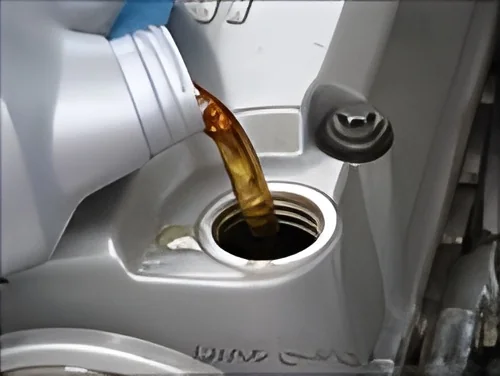
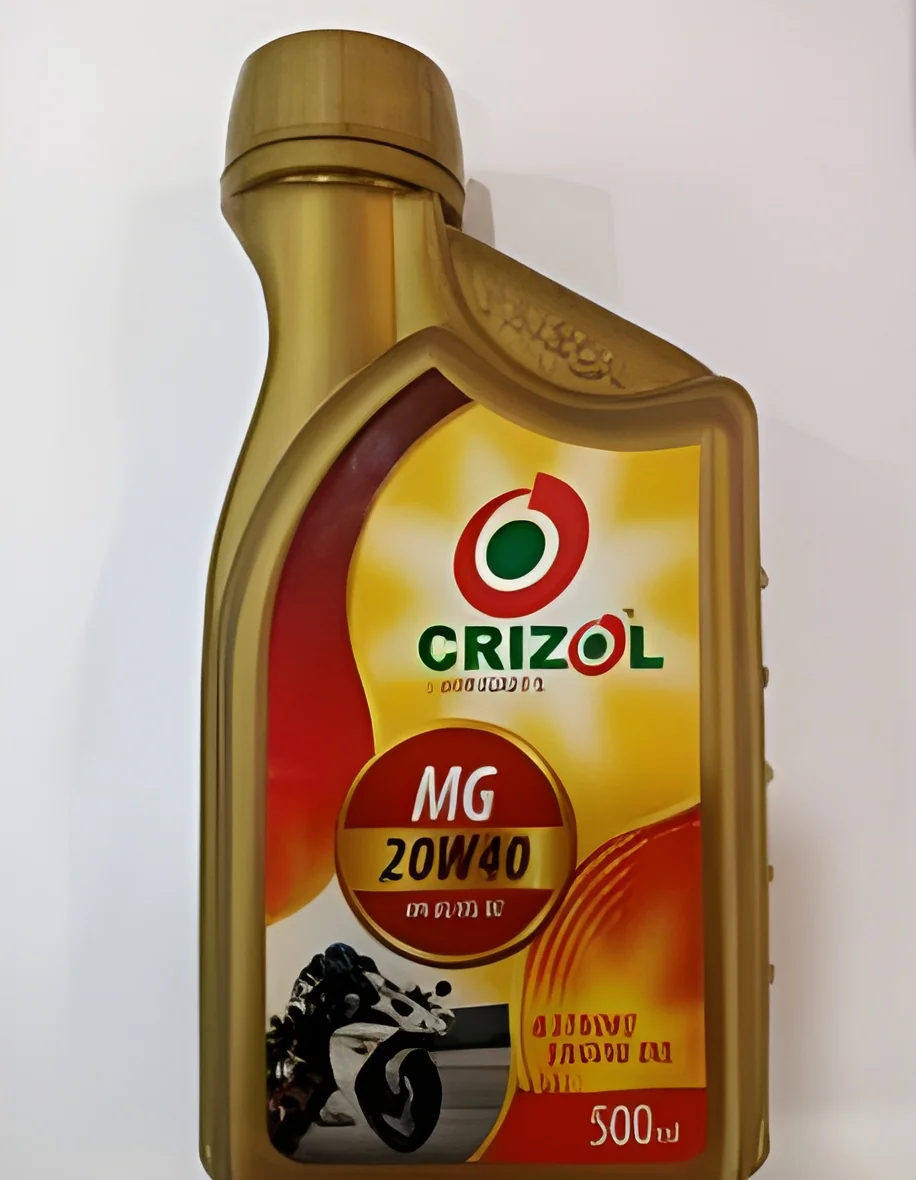
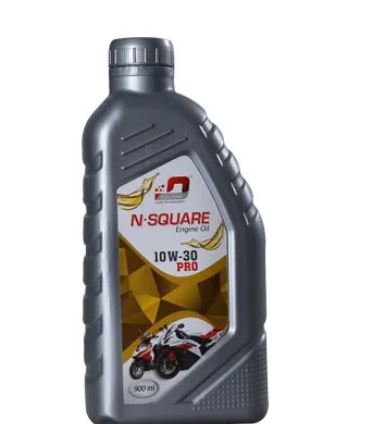
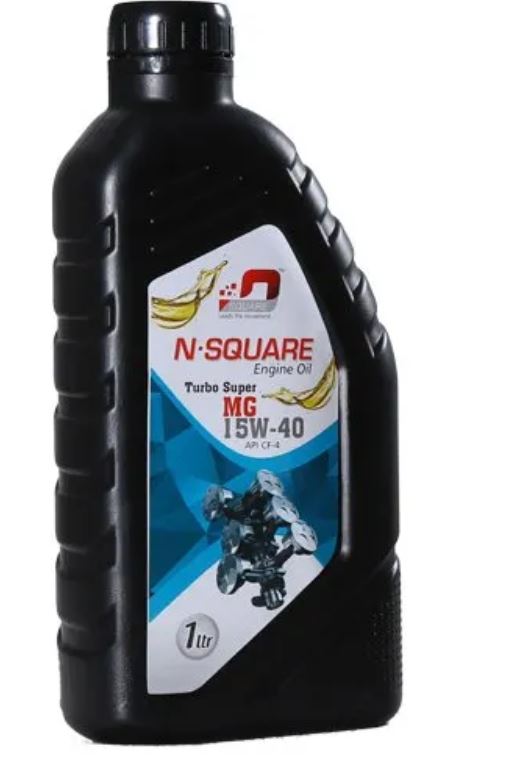
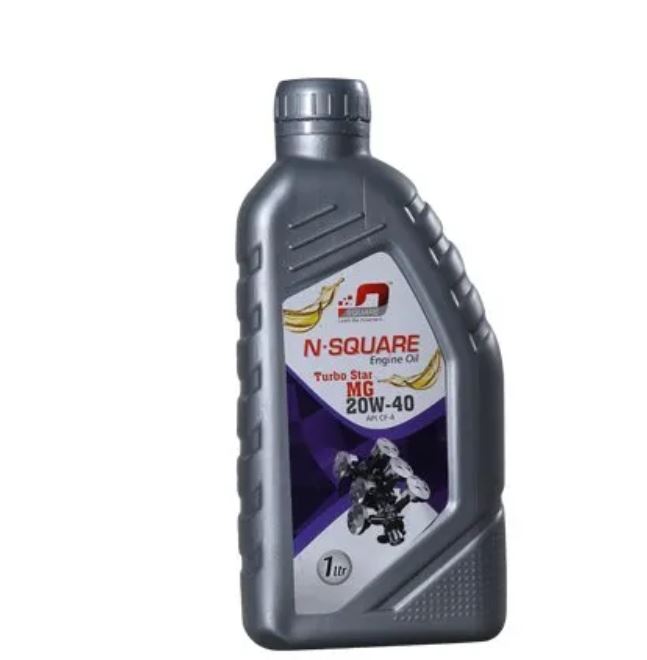
This variant is specifically designed for engine lubrication, offering protection against wear and thermal breakdown. It comes in various viscosity grades to suit different engine types.
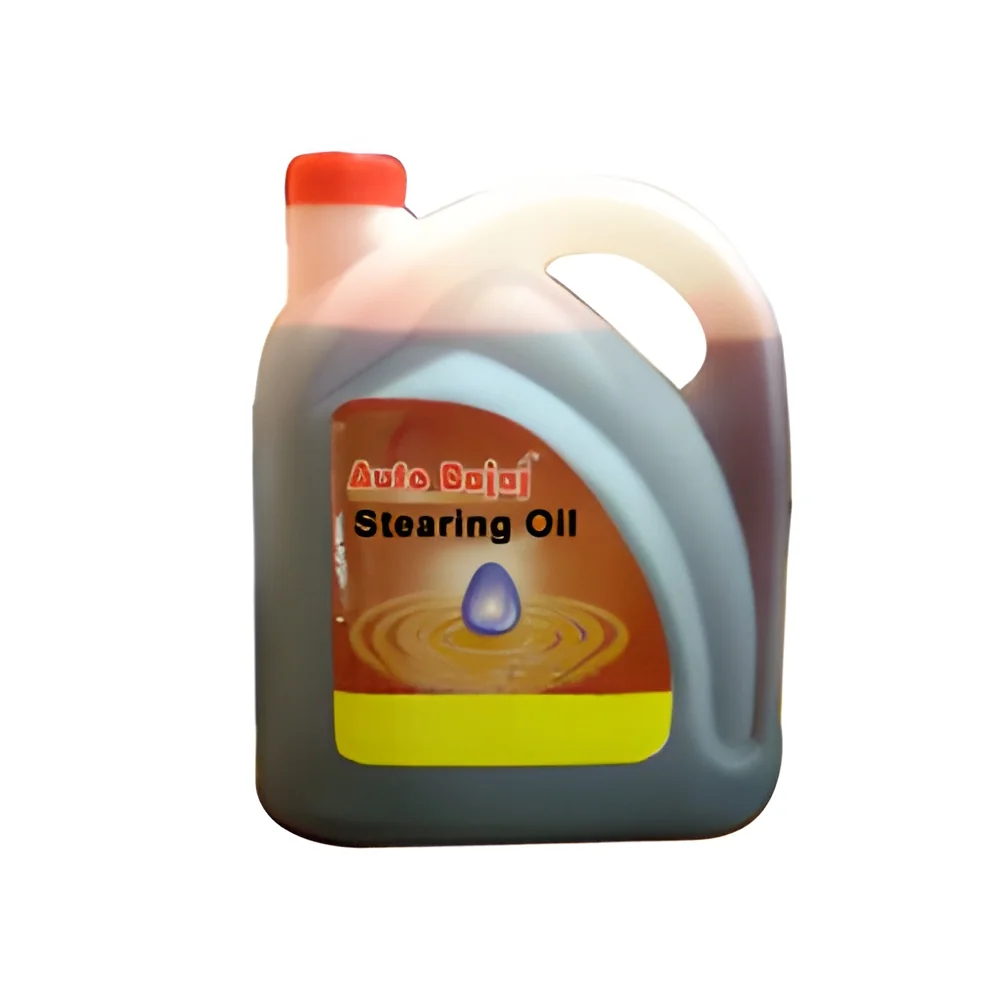
Transmission Fluid
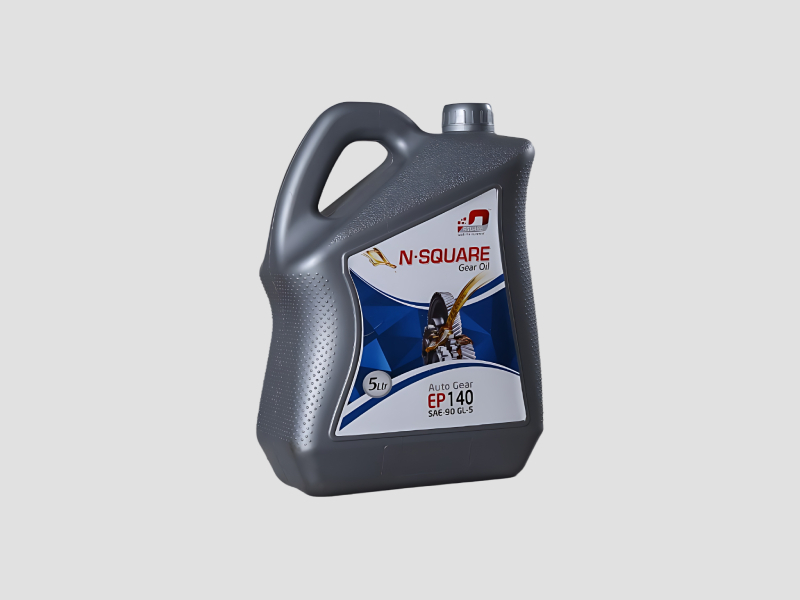
This fluid is formulated to provide lubrication and cooling for automatic and manual transmissions. It ensures smooth shifting and protects against wear.
Hydraulic Fluid
Designed for hydraulic systems, this fluid transmits power and lubricates components. It is formulated to maintain performance under high pressure.
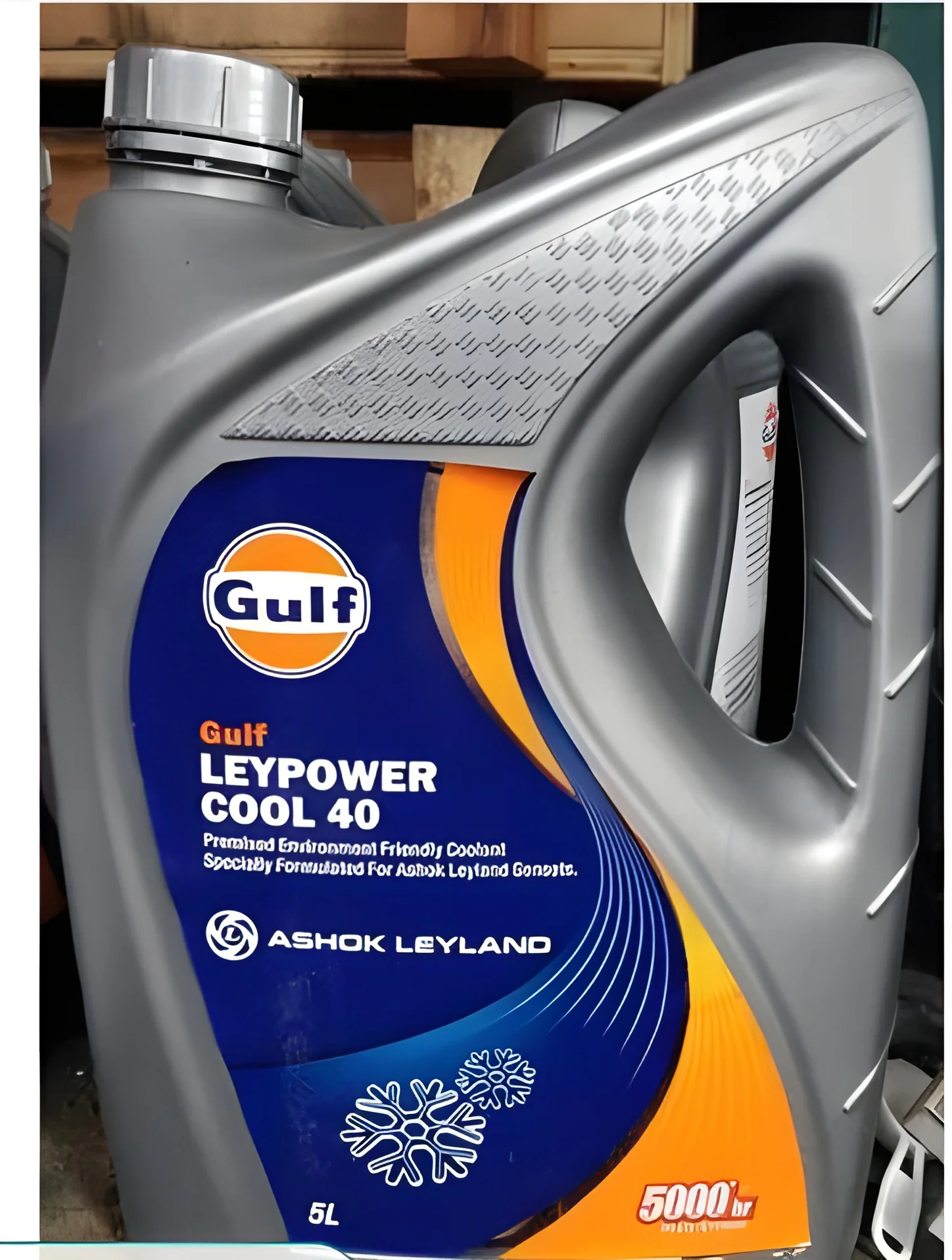
Coolants
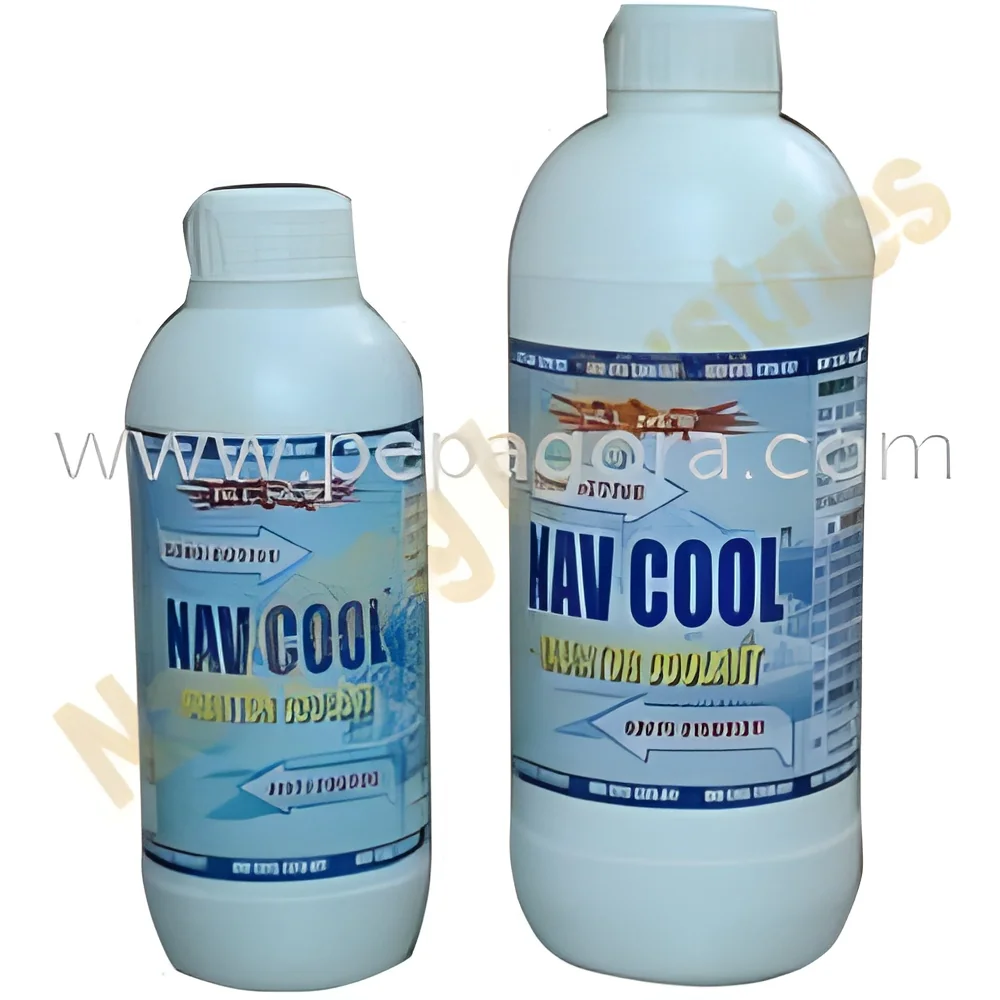
These fluids regulate engine temperature, preventing overheating and corrosion. They are essential for maintaining optimal operating conditions.
𝗕𝗲𝗻𝗲𝗳𝗶𝘁𝘀 𝗮𝗻𝗱 𝗔𝗱𝘃𝗮𝗻𝘁𝗮𝗴𝗲𝘀
Choosing the right lubricants and automotive fluids offers numerous benefits that enhance equipment performance and longevity.
1. Reduced Friction: Lubricants minimize metal-to-metal contact, reducing wear and tear on components.
2. Improved Efficiency: High-quality fluids enhance machine performance, leading to better fuel economy and productivity.
3. Corrosion Protection: Many lubricants contain additives that protect against rust and corrosion, extending equipment life.
4. Temperature Control: Fluids help manage heat, preventing overheating and maintaining optimal operating conditions.
5. Cost Savings: By reducing maintenance needs and extending equipment life, the right lubricants can lead to significant cost savings.
6. Environmentally Friendly Options: Many manufacturers now offer biodegradable and less toxic fluid alternatives, aligning with sustainability goals.
𝗕𝘂𝘆𝗶𝗻𝗴 𝗚𝘂𝗶𝗱𝗲 𝗳𝗼𝗿 𝗕𝟮𝗕 𝗕𝘂𝘆𝗲𝗿𝘀
When sourcing lubricants and automotive fluids, it is important for buyers to consider several factors to ensure they select the right products for their needs.
1. Quality Assessment: Evaluate the quality of lubricants based on performance specifications and industry standards. Look for certifications such as CE to ensure compliance.
2. Supplier Verification: Vet suppliers to ensure they are reputable and provide reliable products. Check for industry experience and customer reviews.
3. Pricing and MOQ: Understand the pricing structure and minimum order quantities (MOQ) required by suppliers. This helps in budgeting and procurement planning.
4. Delivery and Lead Times: Discuss logistics with suppliers to confirm delivery schedules and lead times. Timely delivery is crucial for maintaining production schedules.
5. Compliance Requirements: Ensure that the products meet relevant regulatory compliance standards. This includes understanding safety and environmental regulations specific to your region.
𝗖𝗼𝗺𝗽𝗹𝗶𝗮𝗻𝗰𝗲 𝗮𝗻𝗱 𝗖𝗲𝗿𝘁𝗶𝗳𝗶𝗰𝗮𝘁𝗶𝗼𝗻𝘀
Compliance with industry standards and certifications is essential for lubricants and automotive fluids. Relevant quality standards include ISO 9001, which focuses on quality management systems, and HACCP, which ensures food safety in relevant applications.
Certifications such as CE demonstrate that products meet European safety, health, and environmental protection requirements. Additionally, products should adhere to safety and testing requirements to ensure reliable performance under various operating conditions.
Regional compliance considerations may also apply, particularly in diverse markets like India, the GCC, and Southeast Asia. Understanding local regulations is crucial for ensuring that products are suitable for specific applications and environments.
𝗪𝗵𝘆 𝗦𝗼𝘂𝗿𝗰𝗲 𝗟𝘂𝗯𝗿𝗶𝗰𝗮𝗻𝘁𝘀 & 𝗔𝘂𝘁𝗼𝗺𝗼𝘁𝗶𝘃𝗲 𝗙𝗹𝘂𝗶𝗱𝘀 𝗳𝗿𝗼𝗺 𝗣𝗲𝗽𝗮𝗴𝗼𝗿𝗮?
Pepagora offers a trusted platform for sourcing lubricants and automotive fluids, providing several key advantages for B2B buyers.
Verified Supplier Network: Pepagora connects buyers with a network of verified suppliers, ensuring the quality and reliability of products. This reduces the risk of procurement issues.
Streamlined RFQ Process: The platform facilitates an efficient request for quotation (RFQ) process, allowing buyers to easily compare prices and specifications from multiple suppliers.
Trade Assurance and Support: Pepagora provides trade assurance, protecting buyers from potential risks associated with procurement. Support is also available to assist buyers throughout the purchasing process.
Regional Coverage: With a strong presence in India, the GCC, and Southeast Asia, Pepagora offers regional coverage that meets the diverse needs of businesses across various markets. This ensures that buyers can find the right products for their local requirements.

 IN
IN