What are Embedded Computing Platforms?
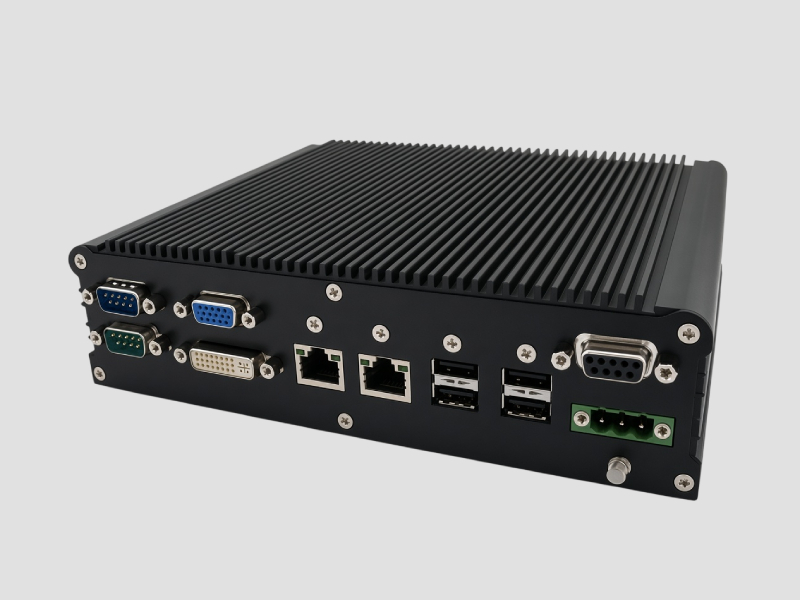
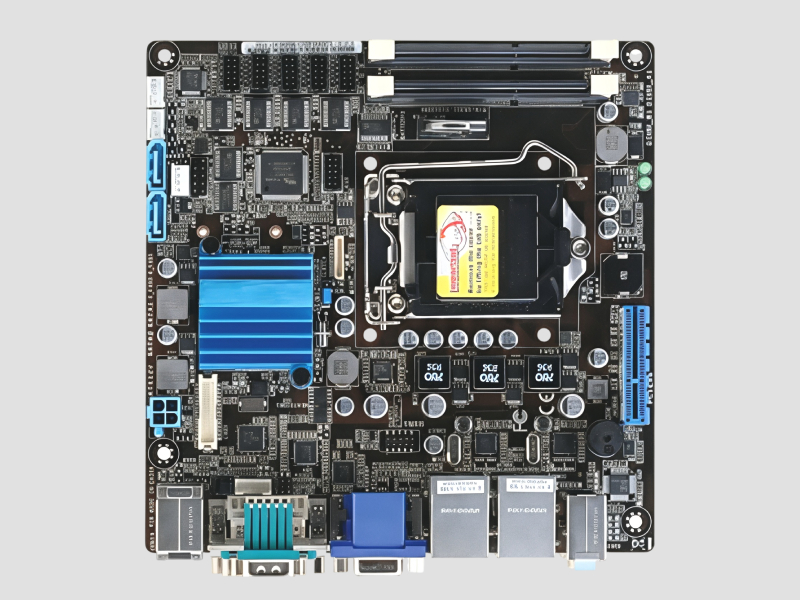
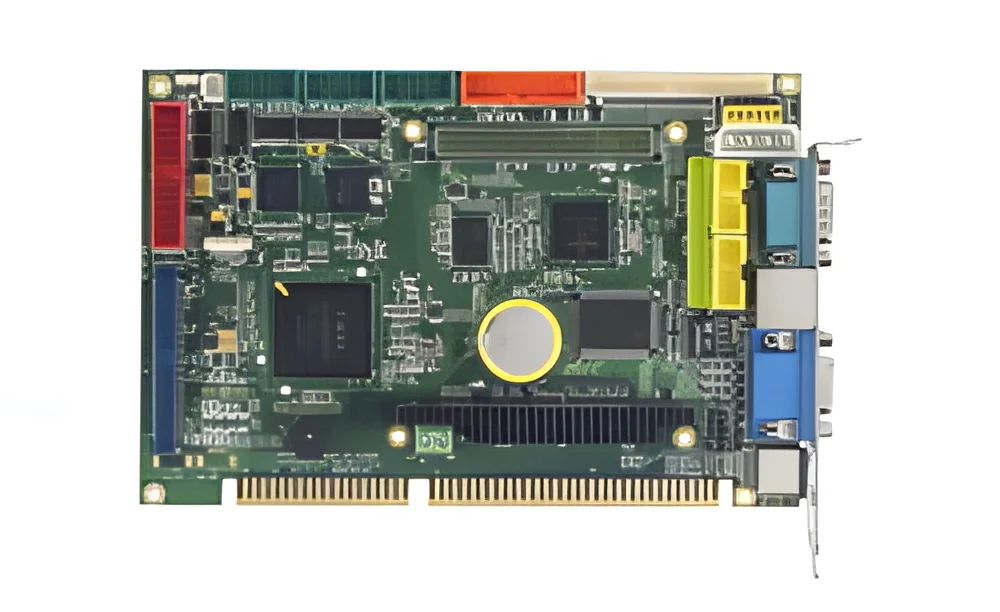
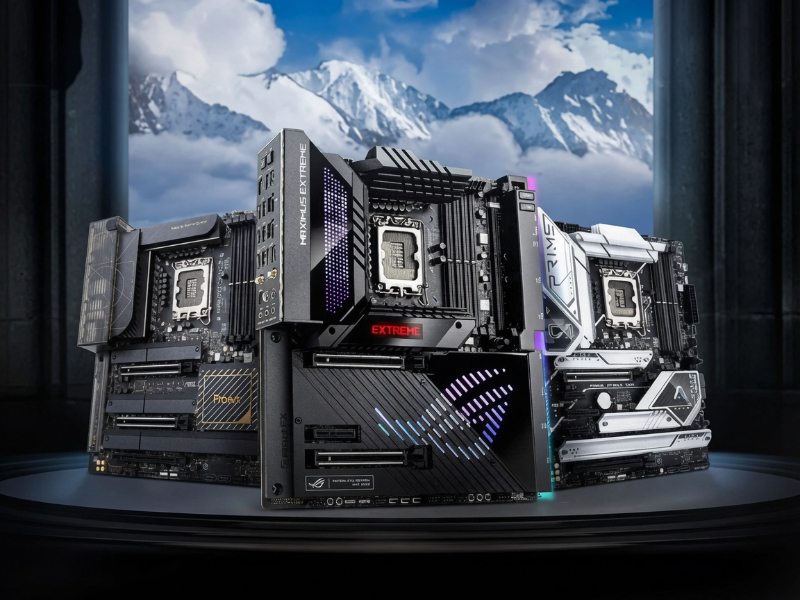
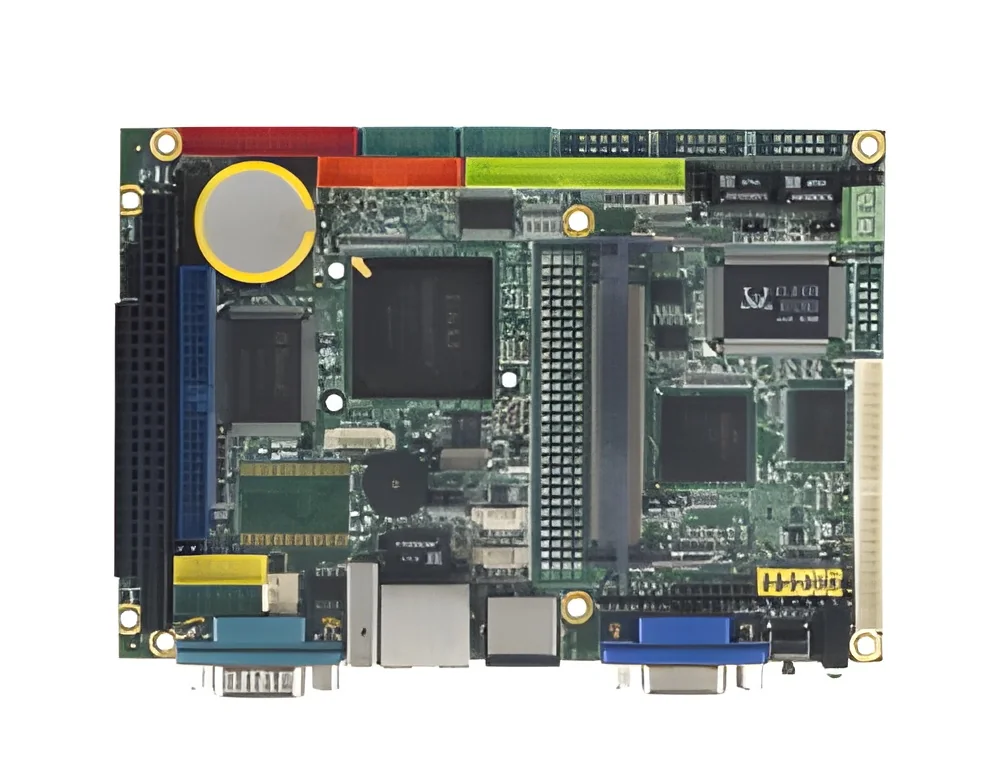
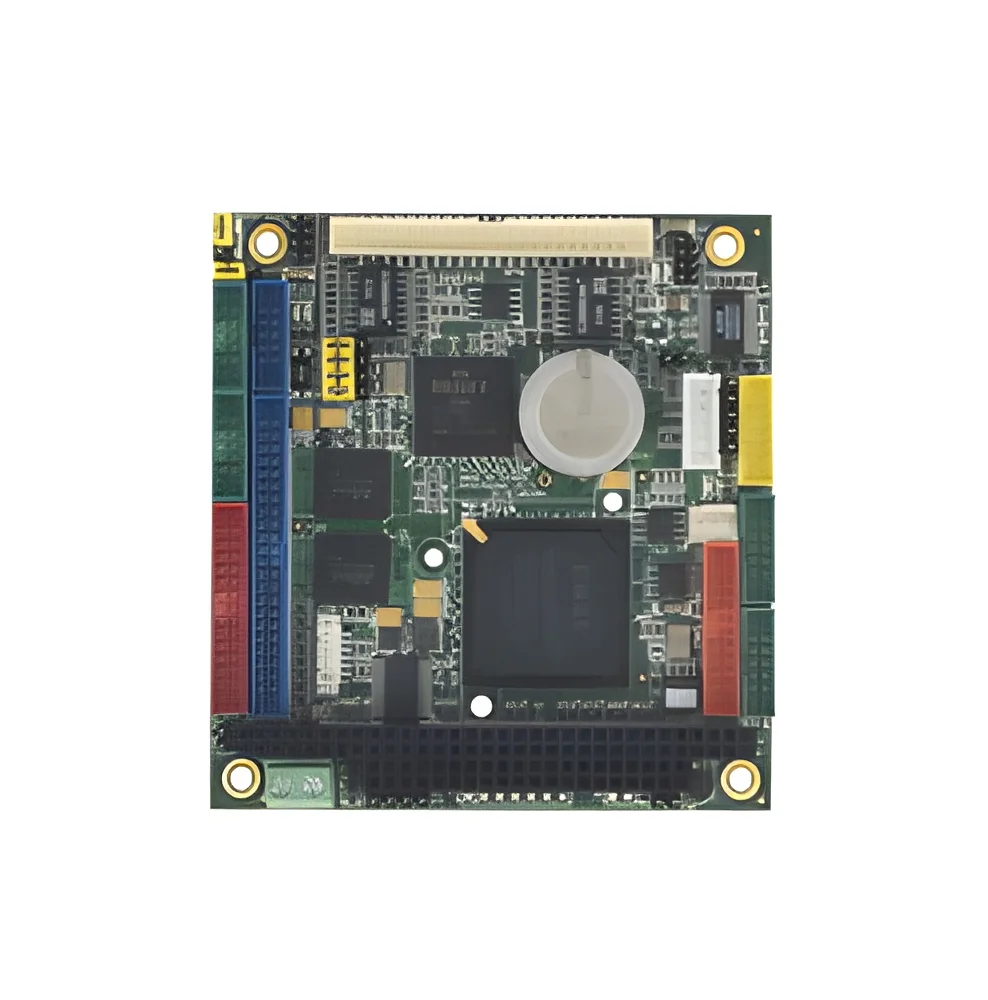
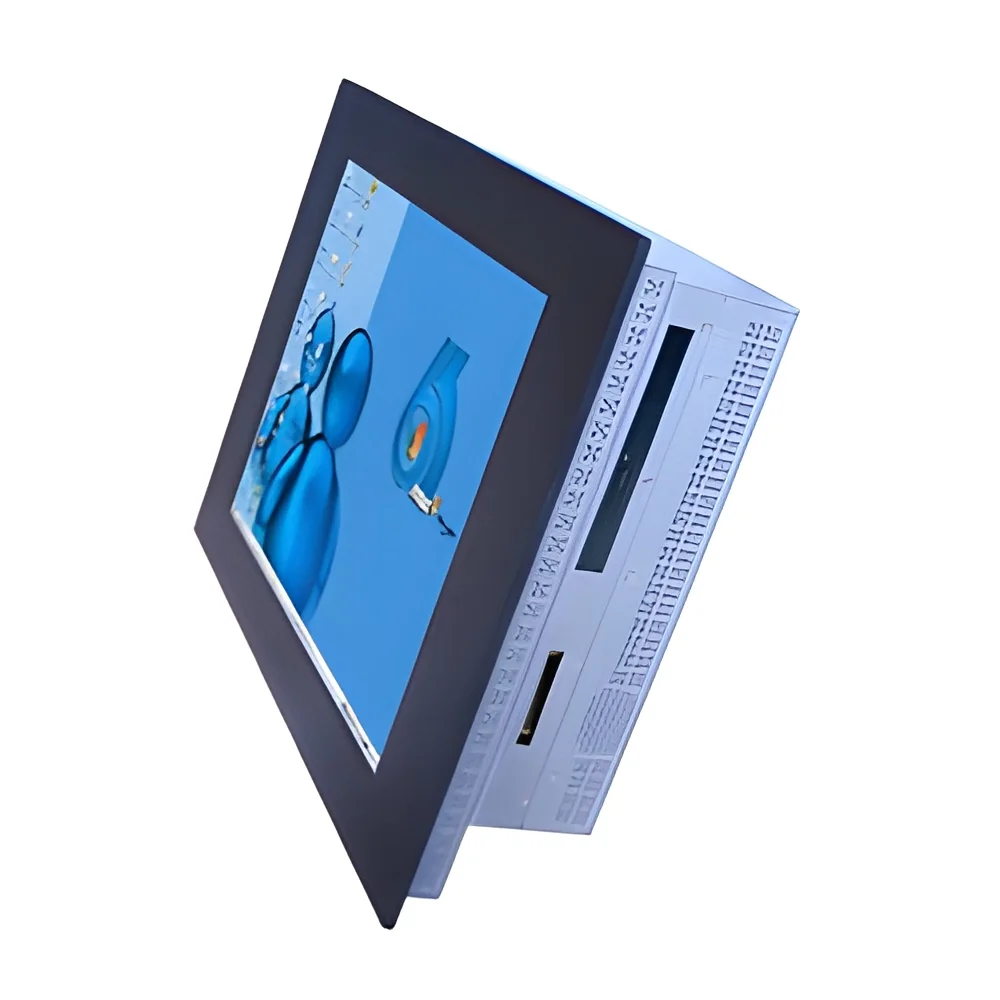
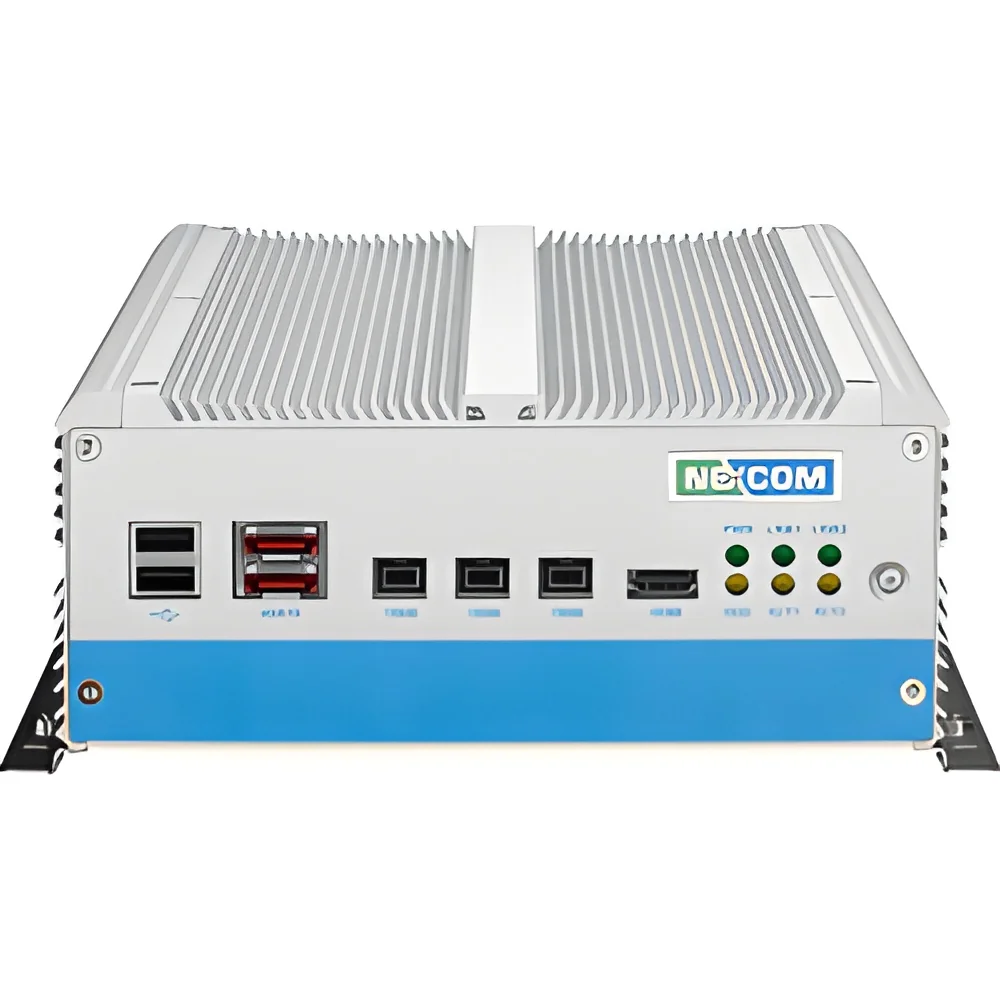
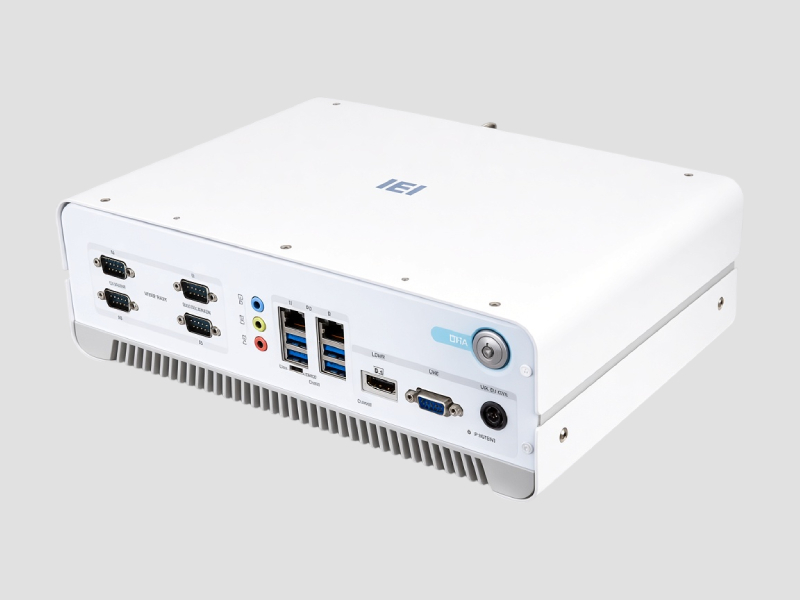
Embedded computing platforms are specialized computing systems designed to perform dedicated functions within larger systems. They integrate hardware and software to carry out specific tasks efficiently. Unlike general-purpose computers, these platforms are optimized for particular applications, which makes them essential in various industries where reliability and performance are critical.
These platforms find applications in a wide range of sectors, including industrial automation, telecommunications, automotive systems, and consumer electronics. Businesses utilize embedded computing platforms for tasks such as data processing, real-time monitoring, and control systems. Their ability to function in diverse environments and their compact design make them indispensable in modern technological solutions.
The embedded computing market is rapidly evolving, driven by advancements in technology and increasing demand for automation. With the rise of the Internet of Things (IoT) and smart devices, the relevance of embedded computing platforms is more pronounced than ever. They play a vital role in enabling connectivity and intelligence in everyday devices, contributing to the overall growth of the industry.
Key Features and Specifications
Embedded computing platforms boast several key features that enhance their performance and usability. They are designed to handle specific tasks with high efficiency and reliability, making them suitable for critical applications.
Key specifications include:
1. Processor Type
- Varies from ARM, x86, to RISC architectures
- Should align with application requirements for processing power
2. Memory Capacity
- Typically ranges from a few megabytes to several gigabytes
- Depends on the complexity of applications being run
3. Storage Options
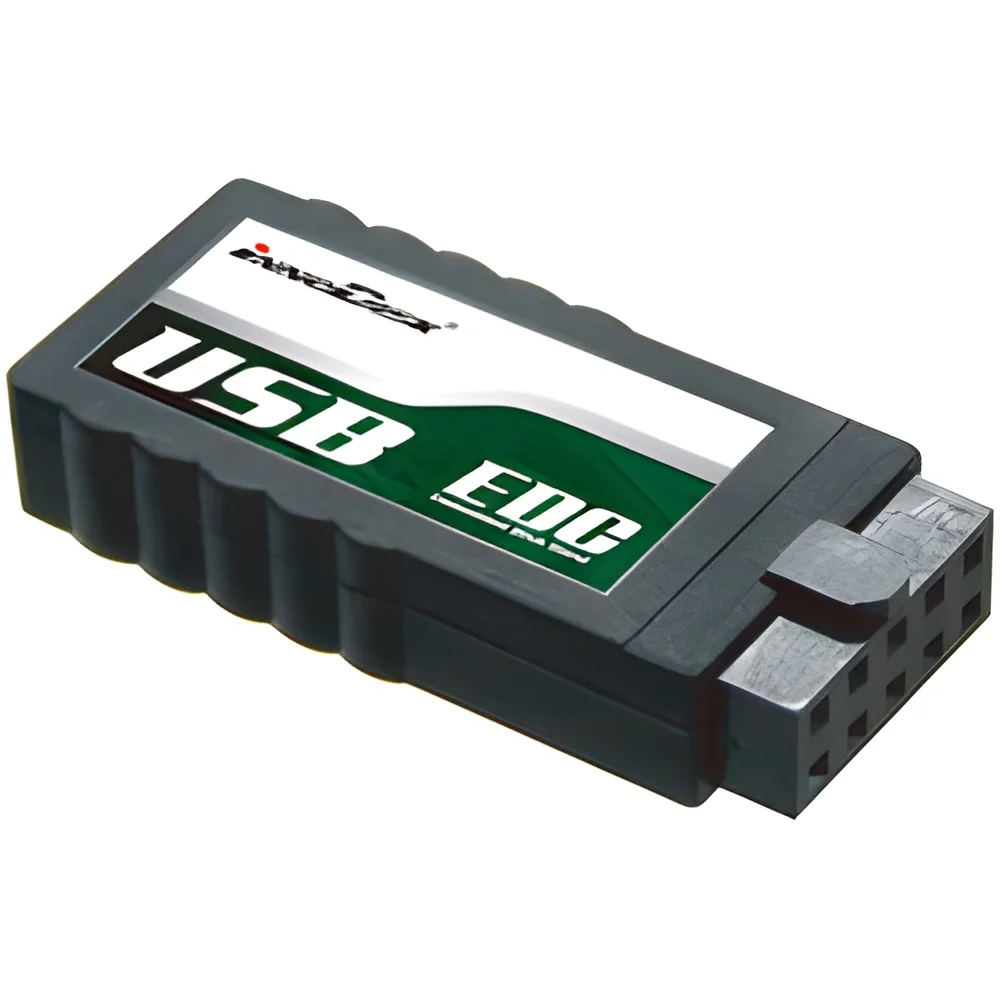
- Includes flash memory, SSD, or HDD
- Capacity can range from 4GB to several terabytes
4. Operating Temperature Range
- Often designed for extended temperature ranges
- Common ranges are -40°C to +85°C for industrial applications
5. Input/Output Interfaces
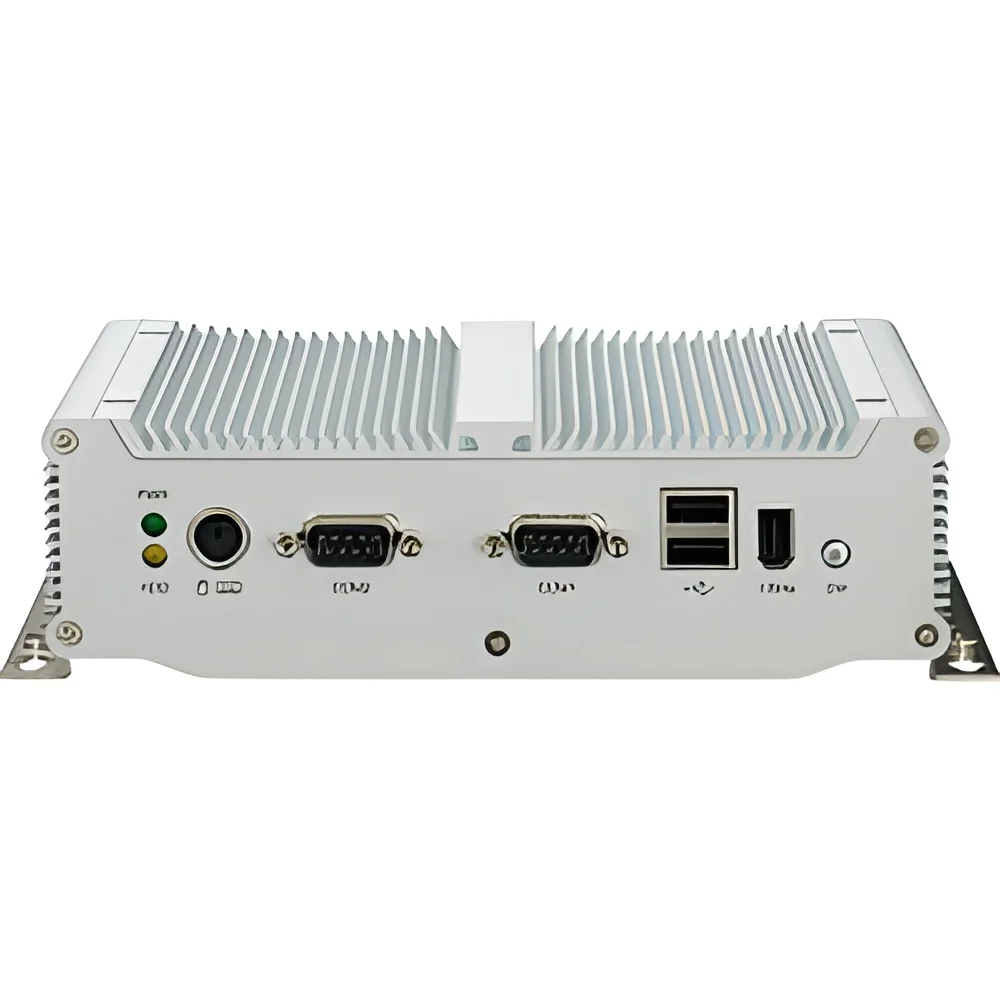
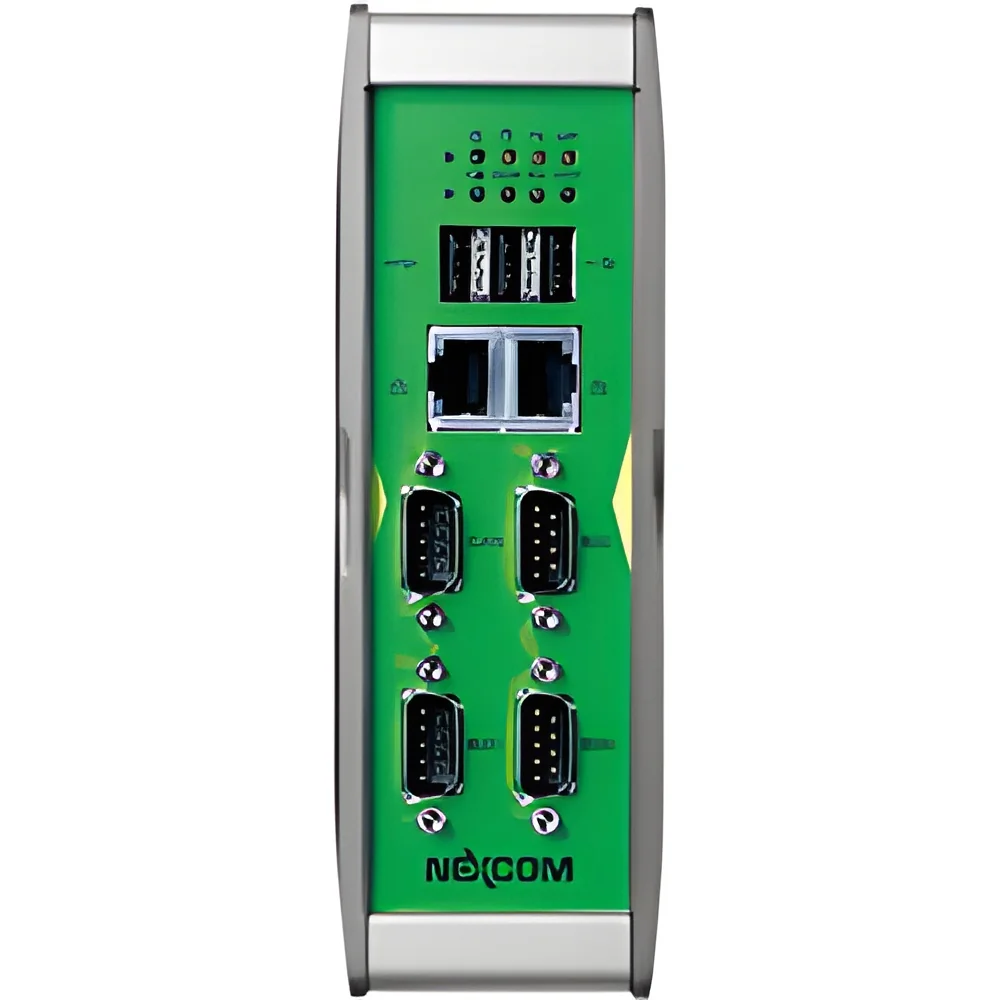
- Supports various connectivity options such as USB, Ethernet, and serial ports
- Interfaces should match peripheral requirements
6. Power Consumption
- Typically low power designs for energy efficiency
- Consumption varies based on the platform and application
7. Size and Form Factor
- Compact designs are common to fit within other devices
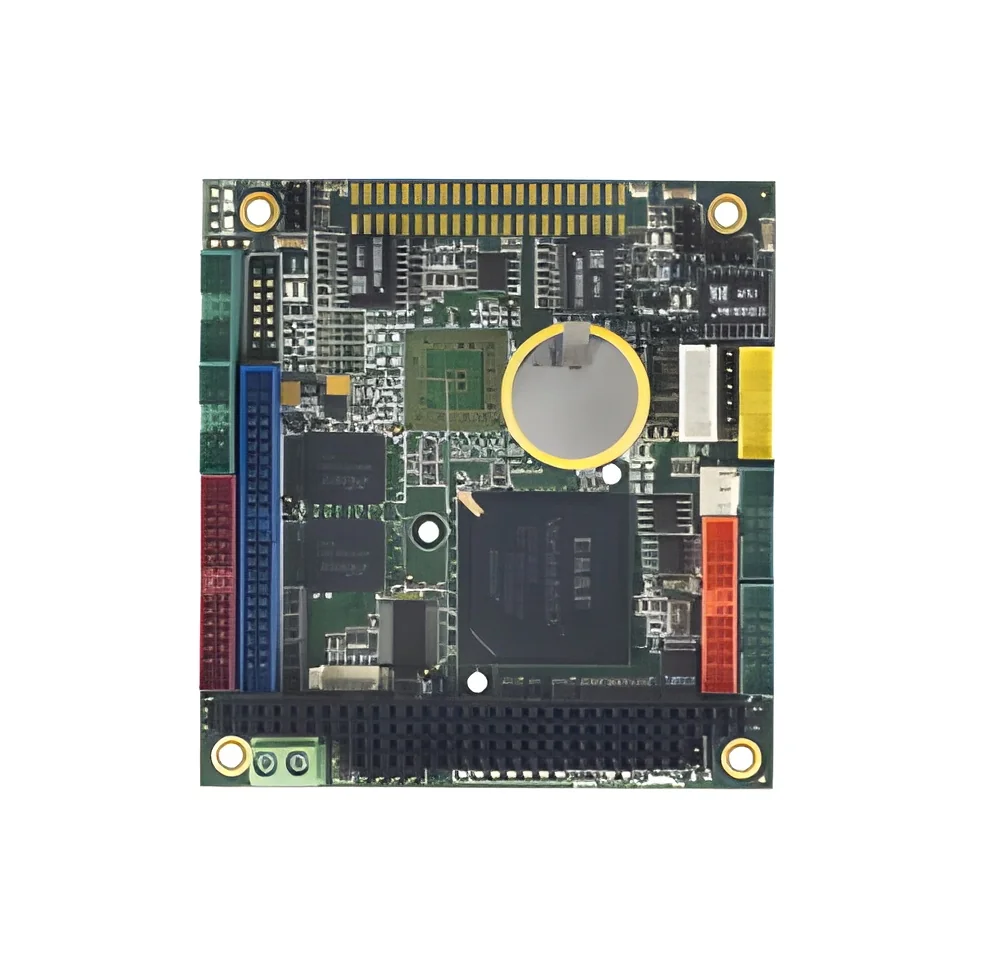
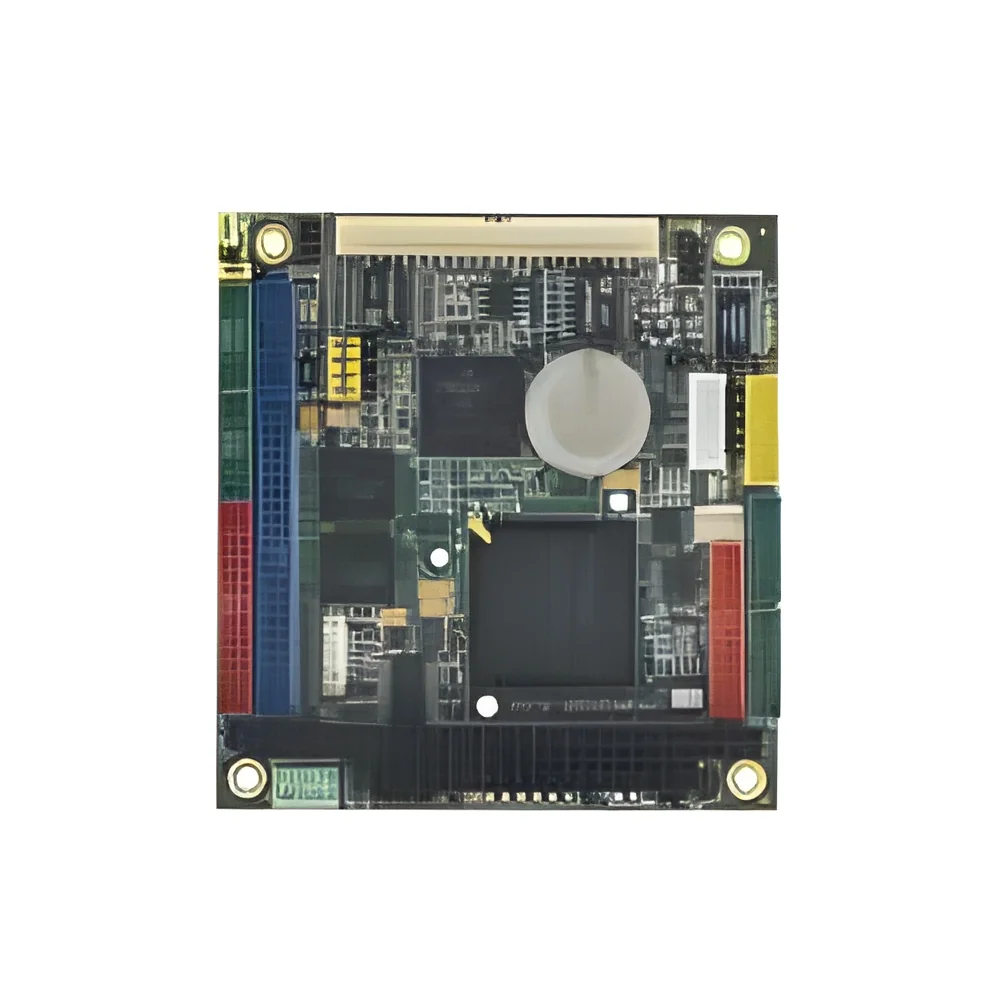
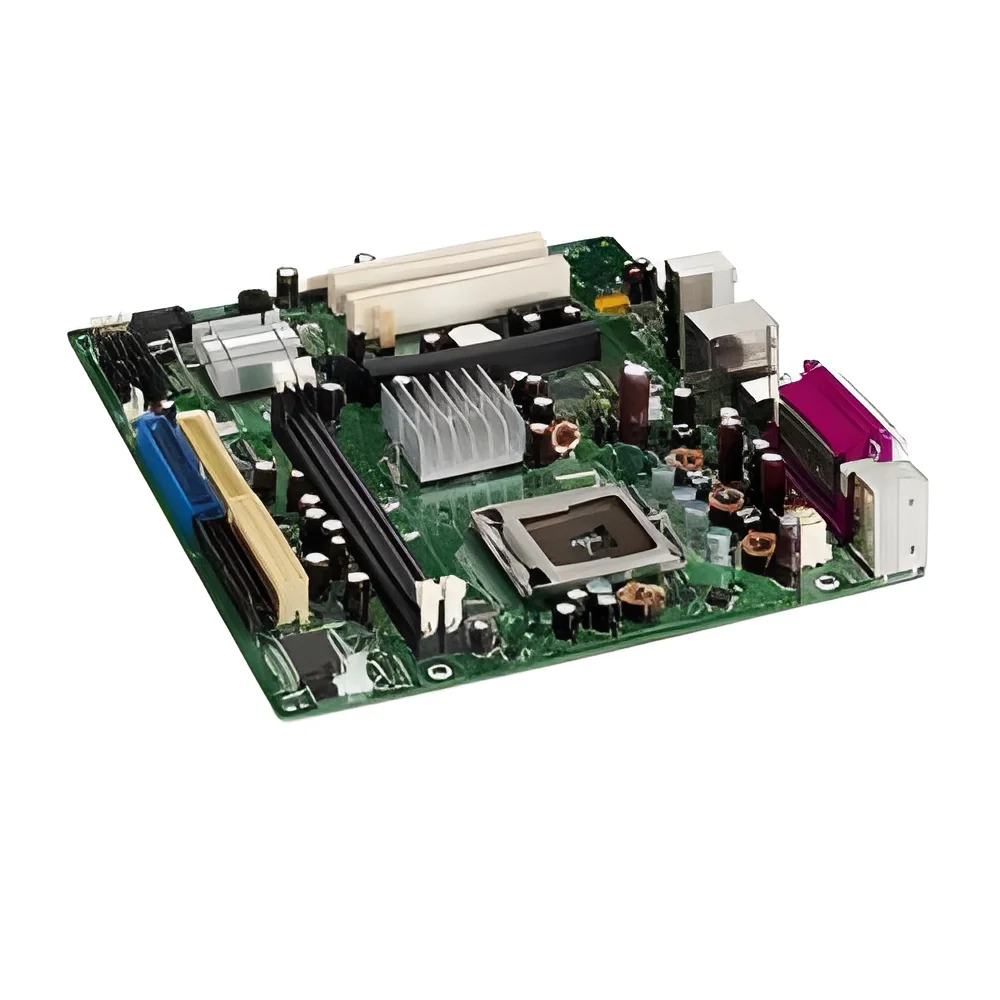
- Form factors can vary from boards to complete systems
8. Compliance and Certifications
- Often conforms to industry standards like CE for safety
- Regulatory compliance ensures suitability for specific markets
In summary, the specifications of embedded computing platforms are crucial for their performance and application suitability. Understanding these features helps businesses select the right platform for their needs.
Common Applications and Use Cases
Embedded computing platforms serve a wide array of industries, each leveraging their unique capabilities for various applications.
1. Industrial Automation: These platforms are used in robotics, machine control, and process automation. They enhance operational efficiency and enable real-time monitoring.
2. Telecommunications: In this sector, embedded platforms support network equipment, base stations, and communication devices, ensuring reliable data transmission and connectivity.
3. Automotive: Embedded computing is critical in modern vehicles for functions such as engine control, infotainment systems, and advanced driver-assistance systems (ADAS).
4. Consumer Electronics: Devices like smart TVs, home automation systems, and wearable technology rely on embedded platforms for functionality and user interaction.
5. Healthcare: In medical devices, embedded systems ensure accurate diagnostics, patient monitoring, and data management, contributing to improved patient care.
6. Aerospace and Defense: These platforms are employed in avionics, navigation systems, and military applications, where reliability and precision are paramount.
7. Smart Home Solutions: Embedded computing enables smart appliances and home security systems, enhancing convenience and safety for users.
Product Variants and Subcategories
Embedded computing platforms come in various forms to cater to different applications and industry needs. While specific subcategories may vary, each variant is designed with unique features.
Variant 1: Industrial Embedded Systems
These platforms are tailored for rugged environments and often include features like extended temperature ranges and robust connectivity options. They are ideal for applications in manufacturing and automation.
Variant 2: Automotive Embedded Platforms
Designed to meet automotive standards, these platforms support real-time processing and safety features necessary for vehicle applications. They play a crucial role in enhancing vehicle performance and driver safety.
Variant 3: IoT Embedded Solutions
Focused on connectivity and low power consumption, these platforms are designed for smart devices in home automation and industrial IoT applications. They enable seamless data exchange and remote monitoring.
Benefits and Advantages
Embedded computing platforms offer numerous advantages that enhance operational efficiency and product performance.
1. Enhanced Reliability: These platforms are designed for specific tasks, providing consistent performance and minimizing failures, which is critical in mission-critical applications.
2. Energy Efficiency: Many embedded systems are optimized for low power consumption, reducing operational costs and environmental impact.
3. Compact Size: Their small form factor enables integration into various devices, allowing for innovative designs and space-saving solutions.
4. Real-Time Processing: Embedded platforms can process data and execute commands almost instantaneously, which is essential in applications that require immediate responses.
5. Customization Potential: Many platforms can be tailored to meet specific business needs, providing flexibility in design and functionality.
6. Long Lifecycle: Embedded systems are often designed for extended use, ensuring longevity and support throughout their operational life.
Buying Guide for B2B Buyers
When sourcing embedded computing platforms, businesses should consider several critical factors to ensure they select the right solution.
1. Quality Assessment: Evaluate the quality of components and manufacturing processes. Look for certifications that demonstrate adherence to industry standards.
2. Supplier Verification: Conduct thorough research on suppliers, checking their reputation and track record in the industry. Reliable suppliers often provide references or case studies.
3. Pricing and MOQ: Consider the cost of the platforms in relation to your budget. Be aware of minimum order quantities, as they can affect overall purchasing decisions.
4. Delivery and Lead Times: Understand the logistics involved, including shipping times and availability. Timely delivery is crucial to maintaining project schedules.
5. Compliance Requirements: Ensure that the platforms meet relevant regulatory standards and certifications necessary for your industry, such as CE marking.
Compliance and Certifications
Embedded computing platforms must adhere to various quality standards and certifications to ensure safety and performance. Compliance with ISO 9001 guarantees a high level of quality management in manufacturing processes. Additionally, industry certifications like CE are vital for ensuring that products meet European safety and environmental requirements.
Safety and testing requirements are crucial, especially in industries such as automotive and healthcare, where failure can result in severe consequences. Ensuring that embedded systems pass rigorous testing protocols is essential for reliability.
Regional compliance considerations can vary, necessitating knowledge of specific regulations in different markets. Businesses should be aware of these requirements when sourcing embedded computing platforms to avoid compliance issues and ensure product acceptance in target markets.
Why Source Embedded Computing Platforms from Pepagora?
Pepagora offers a reliable platform for sourcing embedded computing platforms with several key advantages that benefit B2B buyers.
Verified Supplier Network: Our network includes trusted suppliers who have been vetted for quality and performance. This ensures that buyers can confidently select products that meet their requirements.
Streamlined RFQ Process: We simplify the request for quotation process, allowing buyers to easily obtain and compare quotes from multiple suppliers, saving time and enhancing decision-making.
Trade Assurance and Support: Pepagora provides trade assurance to protect buyers throughout the sourcing process. Our support team is available to assist with any questions or concerns.
Regional Coverage: With a presence in India, the GCC, and Southeast Asia, Pepagora facilitates access to embedded computing platforms across various regions. This geographic reach allows buyers to tap into diverse markets and suppliers, enhancing sourcing flexibility.

 IN
IN