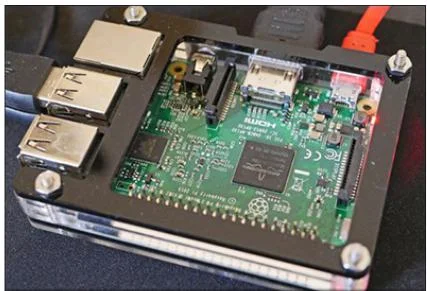
What are Embedded System Design Services?
Embedded System Design Services refer to the specialized services that focus on the creation and development of embedded systems. These systems are integral components in various electronic devices, designed to perform dedicated functions within larger systems. Embedded systems often involve both hardware and software elements, requiring skilled engineers to ensure efficiency and reliability.
These services find applications across numerous industries, including automotive, healthcare, consumer electronics, and industrial automation. Businesses leverage embedded systems to enhance product functionality, optimize processes, and improve user experiences. As the demand for smart, connected devices grows, the relevance of embedded system design services continues to expand, making it a crucial area for companies looking to innovate and maintain competitiveness in the market.
In the context of the current industrial landscape, the market for embedded system design services is witnessing robust growth. The rise of the Internet of Things (IoT) and advances in artificial intelligence are further propelling the need for sophisticated embedded solutions. Companies are increasingly investing in these services to harness data, increase automation, and drive efficiency in operations.
Key Features and Specifications
Embedded System Design Services encompass a range of features and specifications that cater to diverse client needs. Understanding these characteristics is essential for businesses looking to implement or enhance their embedded systems.
Key specifications include:
1. Design Flexibility
- Customizable designs to fit specific application requirements
- Adaptability to various hardware and software platforms
2. Integration Capabilities
- Seamless integration with existing systems and technologies
- Support for multiple communication protocols
3. Performance Metrics
- Optimized processing speeds for real-time applications
- Low power consumption for energy efficiency
4. Scalability
- Ability to expand system functionality as needed
- Support for modular upgrades and enhancements
5. Development Tools
- Access to advanced development and debugging tools
- Comprehensive testing frameworks to ensure reliability
6. Compliance and Standards
- Adherence to industry standards like CE certification
- Focus on safety and regulatory compliance
7. Quality Assurance
- Rigorous testing and validation processes to guarantee system performance
- Continuous monitoring and support post-deployment
In summary, these features and specifications are critical in ensuring that embedded systems meet the high demands of various industries while maintaining performance, reliability, and compliance.
Common Applications and Use Cases
Embedded System Design Services are utilized across a wide array of industries, each with specific applications that enhance operational efficiency and innovation.
1. Automotive: Embedded systems in vehicles manage functions such as engine control, navigation, and safety systems. This technology contributes to the development of advanced driver-assistance systems.
2. Healthcare: In medical devices, embedded systems facilitate patient monitoring, diagnostics, and treatment delivery, improving overall healthcare outcomes.
3. Consumer Electronics: Smart appliances and gadgets use embedded systems to provide enhanced user interfaces, connectivity, and automation, driving consumer engagement.
4. Industrial Automation: Embedded systems are employed in manufacturing processes to control machinery, monitor production lines, and optimize workflows, leading to increased productivity.
5. Telecommunications: These systems support communication devices, enabling efficient data transmission and connectivity in mobile and fixed-line networks.
6. Aerospace: Embedded systems in avionics ensure critical functions such as navigation, control, and communication in aircraft, contributing to safety and reliability.
7. Smart Home Technologies: Embedded systems power smart home devices, allowing for automation, remote control, and energy management, enhancing user convenience.
Product Variants and Subcategories
Embedded System Design Services can be tailored to meet the unique demands of various projects, resulting in a diverse range of offerings. Each variant is designed to address specific needs within different applications.
Custom Embedded Solutions
These solutions are crafted to meet specific client requirements, allowing for unique functionality tailored to niche applications. They are ideal for businesses needing specialized features not found in off-the-shelf products.
IoT Embedded Systems
Targeted at the growing Internet of Things market, these systems are designed for connectivity and data exchange. They often include features for remote monitoring and control, making them suitable for smart devices and industrial applications.
Real-Time Embedded Systems
These systems are designed for applications requiring immediate processing and response. They are commonly used in automotive and aerospace industries, where timing is critical for safety and performance.
Low-Power Embedded Systems
Focused on energy efficiency, these systems are ideal for battery-operated devices. They help extend device life while maintaining essential functionality.
Benefits and Advantages
Investing in Embedded System Design Services offers significant advantages for businesses looking to enhance their technological capabilities.
Key benefits include:
1. Increased Efficiency: Embedded systems streamline processes and enhance operational efficiency, leading to cost savings and productivity gains.
2. Customization: Tailored solutions allow businesses to meet specific needs, ensuring that the final product aligns perfectly with operational requirements.
3. Enhanced Performance: Optimized embedded systems improve processing speeds and functionality, contributing to superior product performance.
4. Improved Reliability: Rigorous testing and quality assurance processes ensure that embedded systems are dependable and perform as intended.
5. Competitive Advantage: By leveraging the latest technologies in embedded systems, businesses can differentiate themselves in the market and offer innovative solutions.
6. Scalability: These systems can be designed to grow with the business, allowing for easy upgrades and expansions as needs change.
Buying Guide for B2B Buyers
When sourcing Embedded System Design Services, several factors should be taken into account to ensure a successful partnership with suppliers.
1. Quality Assessment: Evaluate the quality of services by reviewing past projects and client testimonials. Ensure that the supplier adheres to recognized quality standards.
2. Supplier Verification: Conduct thorough vetting of potential suppliers. This includes checking certifications, industry reputation, and previous experience in relevant applications.
3. Pricing and MOQ: Understand the pricing structure and minimum order quantities. Compare quotes from different suppliers to identify the best value for your budget.
4. Delivery and Lead Times: Assess the supplier's ability to meet project deadlines. Inquire about their logistics processes to ensure timely delivery of services.
5. Compliance Requirements: Confirm that the supplier meets all necessary regulatory and compliance standards for your industry. This is critical to avoid legal issues and ensure product safety.
Compliance and Certifications
Compliance with industry standards and certifications is crucial in the field of embedded system design. Relevant quality standards such as ISO 9001 ensure that suppliers maintain high-quality processes and documentation throughout their operations.
Additionally, industry certifications like CE signify that products meet European safety and health requirements. This is particularly important for businesses operating in regions with strict regulatory frameworks.
Safety and testing requirements are also vital to the development of embedded systems. These processes ensure that systems function safely and reliably in their intended environments. Companies must also consider regional compliance, as regulations may vary significantly between markets.
Why Source Embedded System Design Services from Pepagora?
Pepagora provides a trusted platform for sourcing Embedded System Design Services, bringing together a network of verified suppliers with a strong reputation for quality and reliability.
Verified Supplier Network: Pepagora ensures that all suppliers are thoroughly vetted, providing businesses with confidence in their sourcing decisions. This network includes experienced professionals who understand the nuances of embedded system design.
Streamlined RFQ Process: The platform simplifies the request for quotation process, allowing buyers to easily compare offers from multiple suppliers. This efficiency saves time and helps in making informed purchasing decisions.
Trade Assurance and Support: Pepagora offers trade assurance measures to protect buyers throughout the procurement process. This includes support for dispute resolution and ensuring compliance with agreements.
Regional Coverage: With a geographic reach that includes India, the GCC, and Southeast Asia, Pepagora connects businesses to a diverse range of suppliers. This regional coverage enables companies to find the right partners tailored to their specific market needs.

 IN
IN