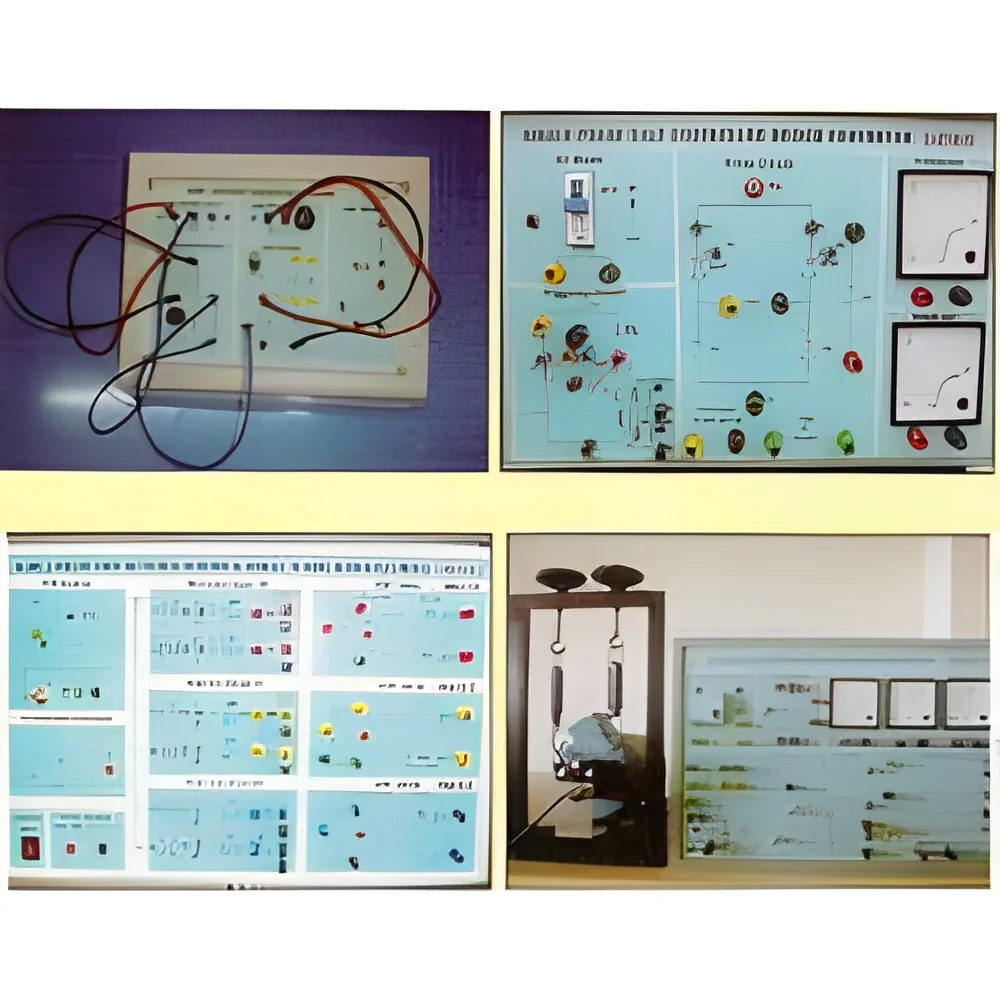
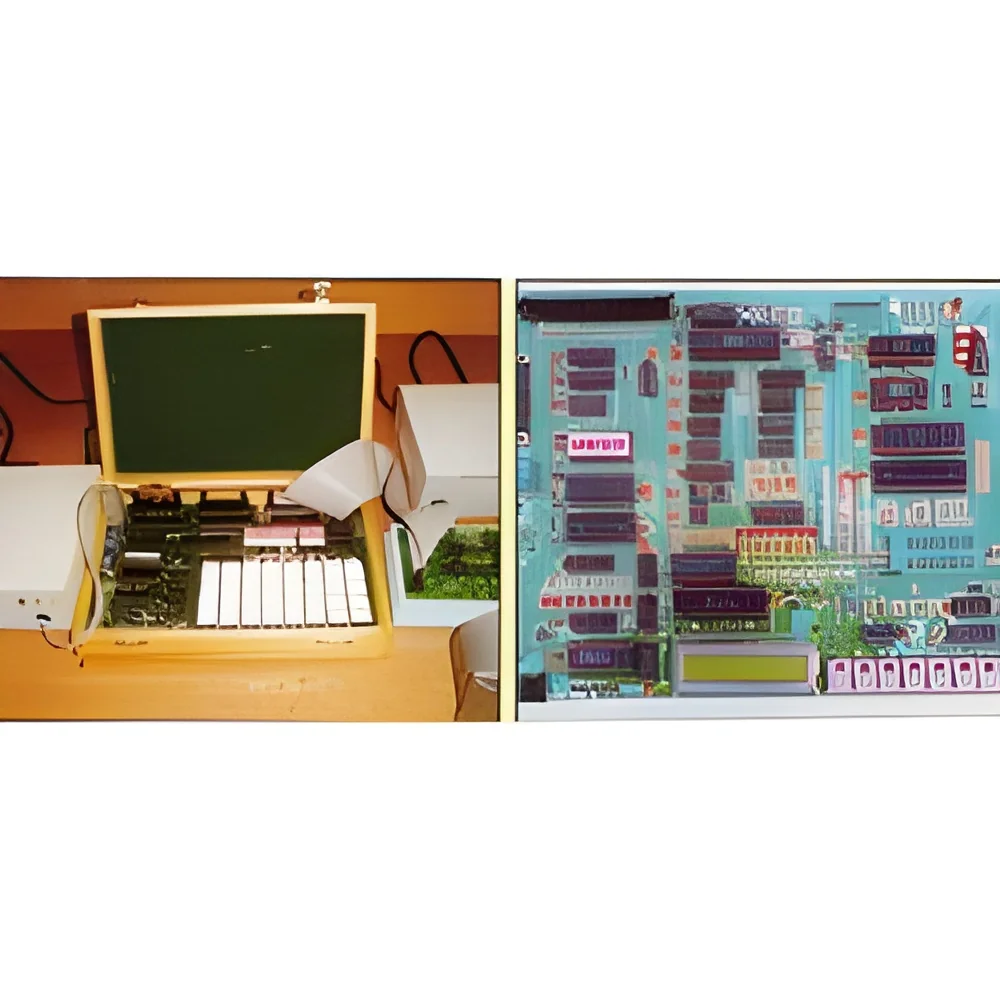
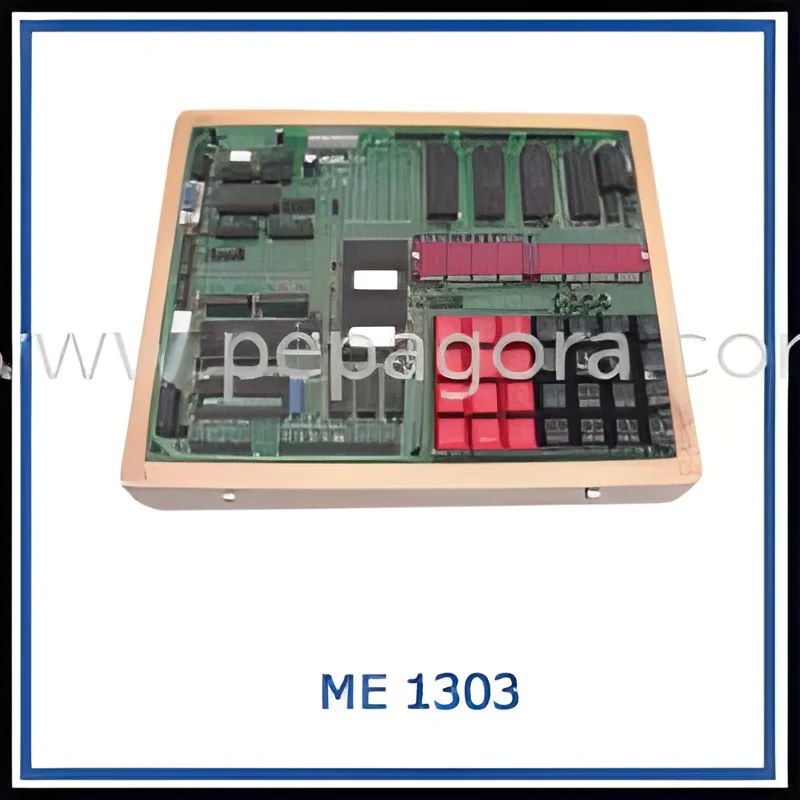
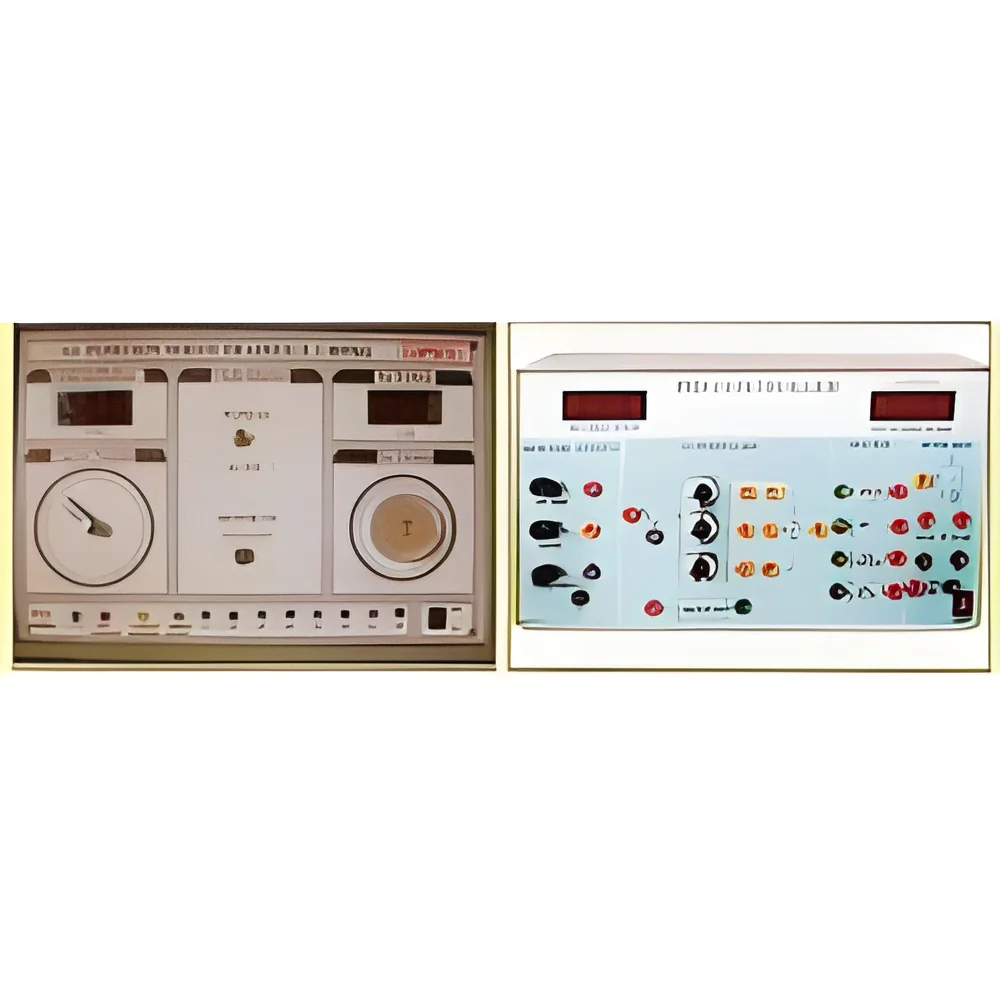
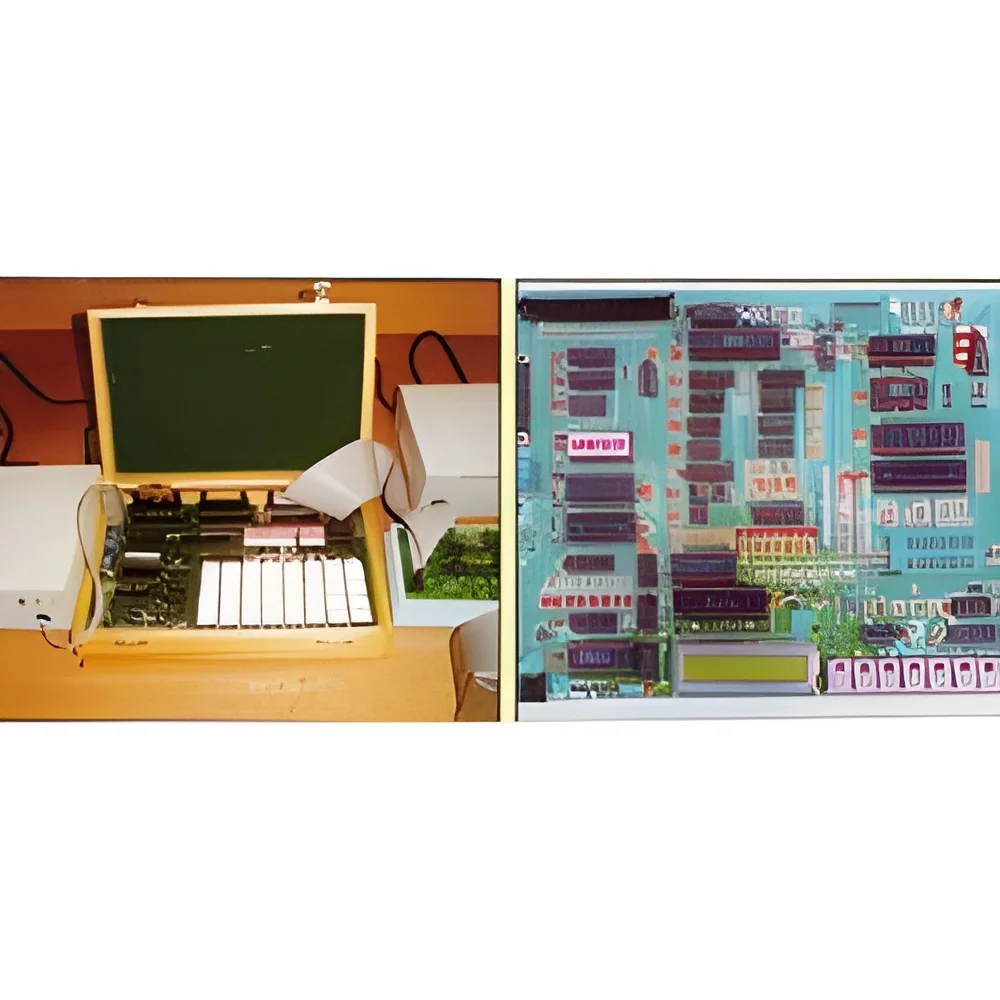
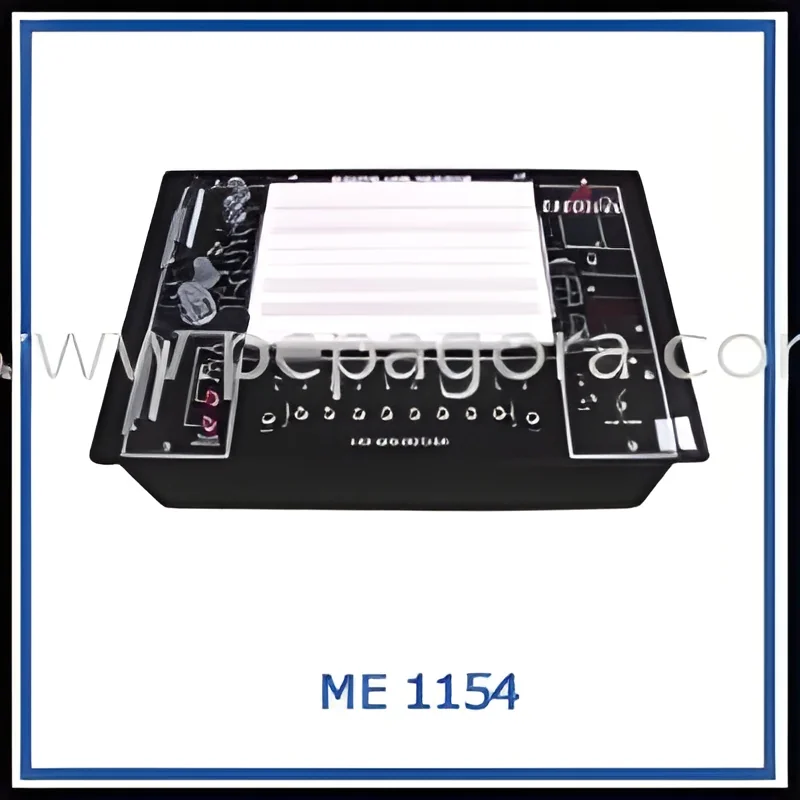
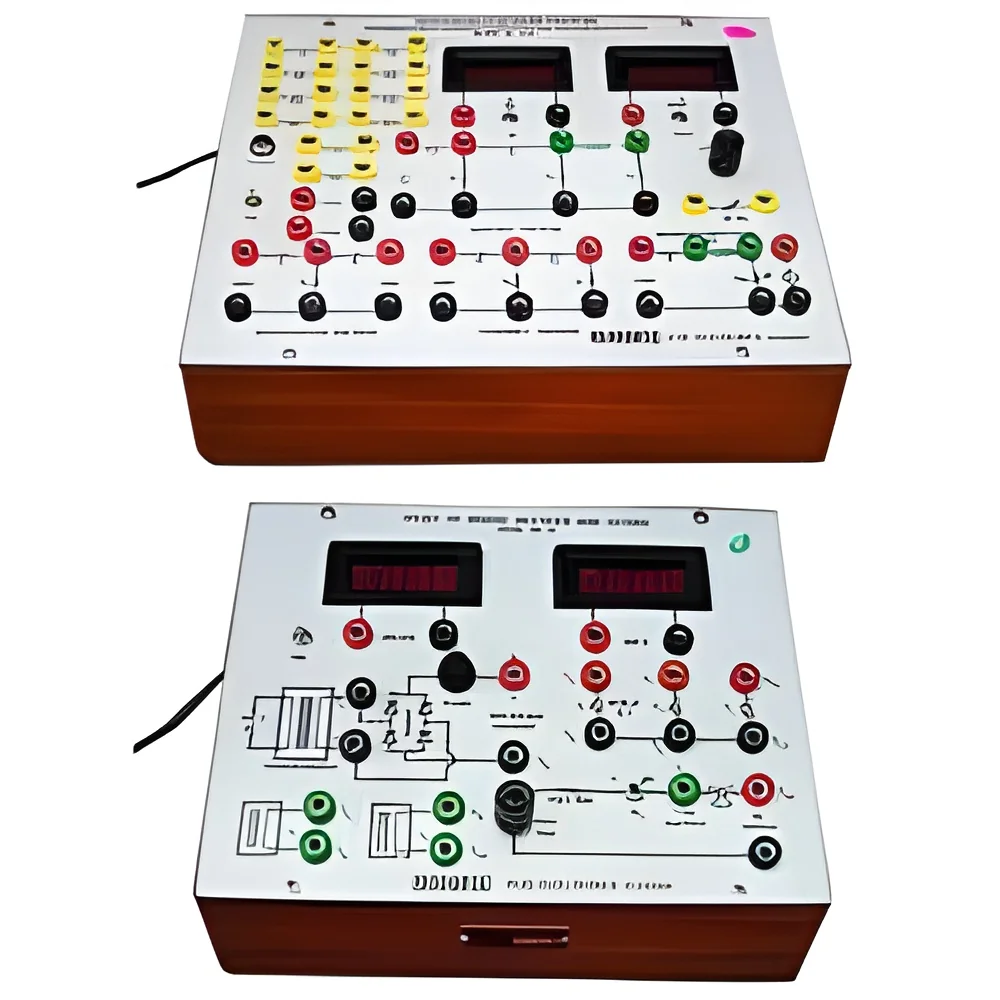
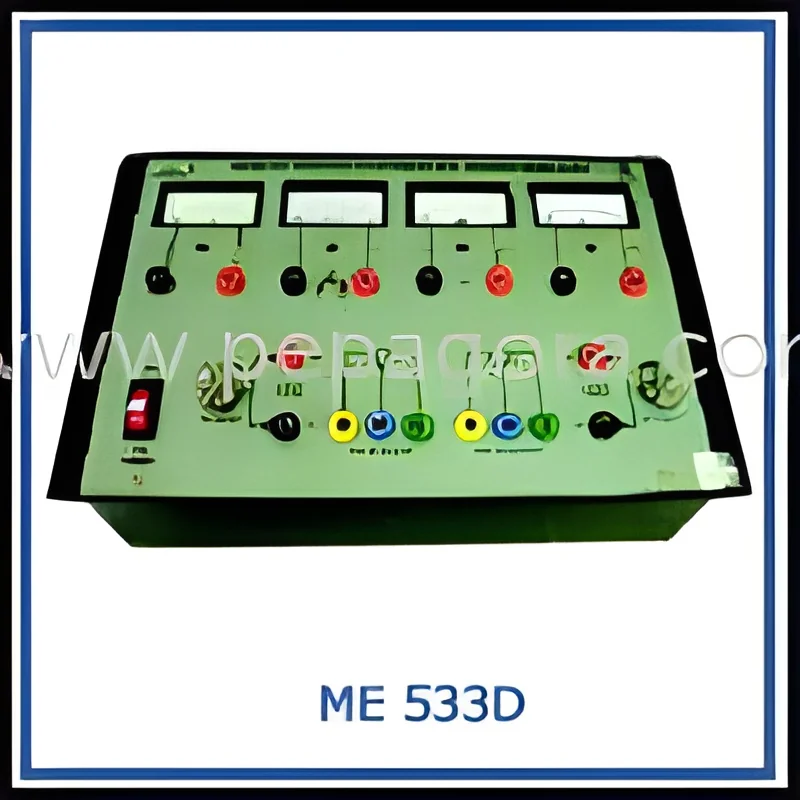
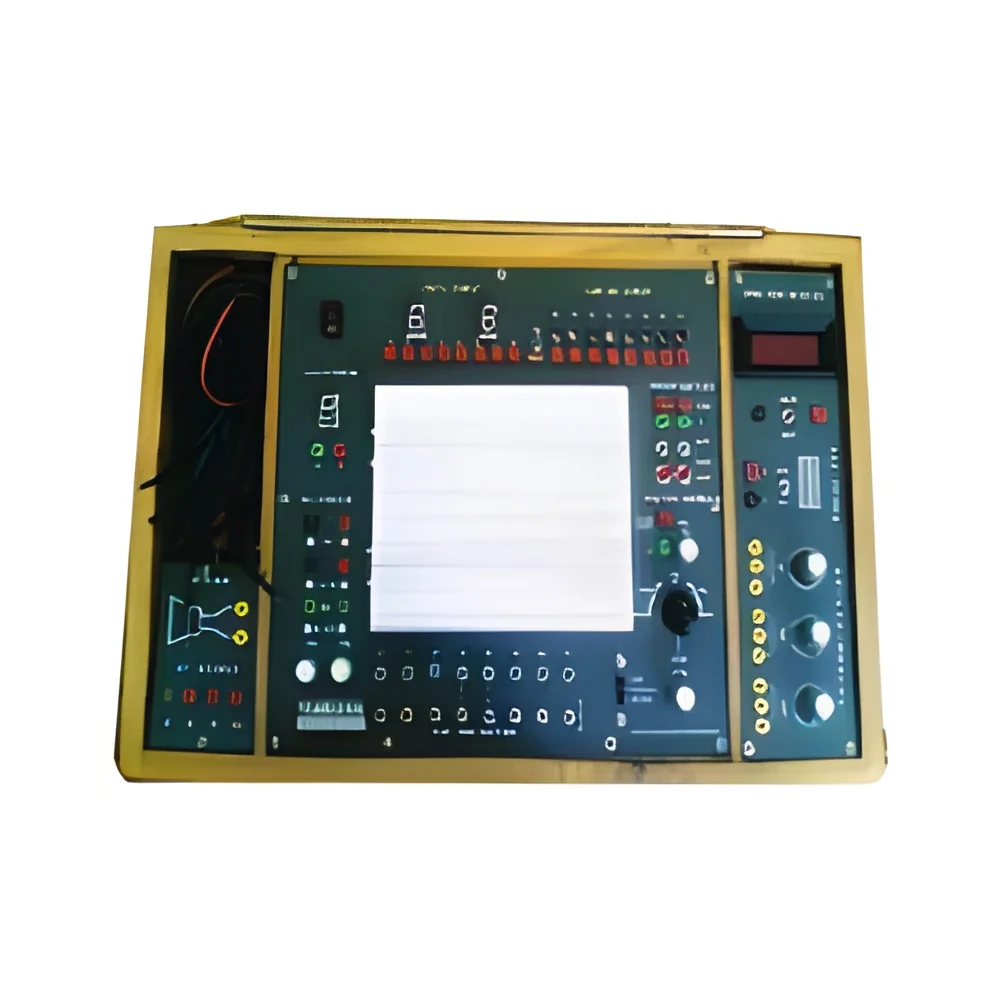
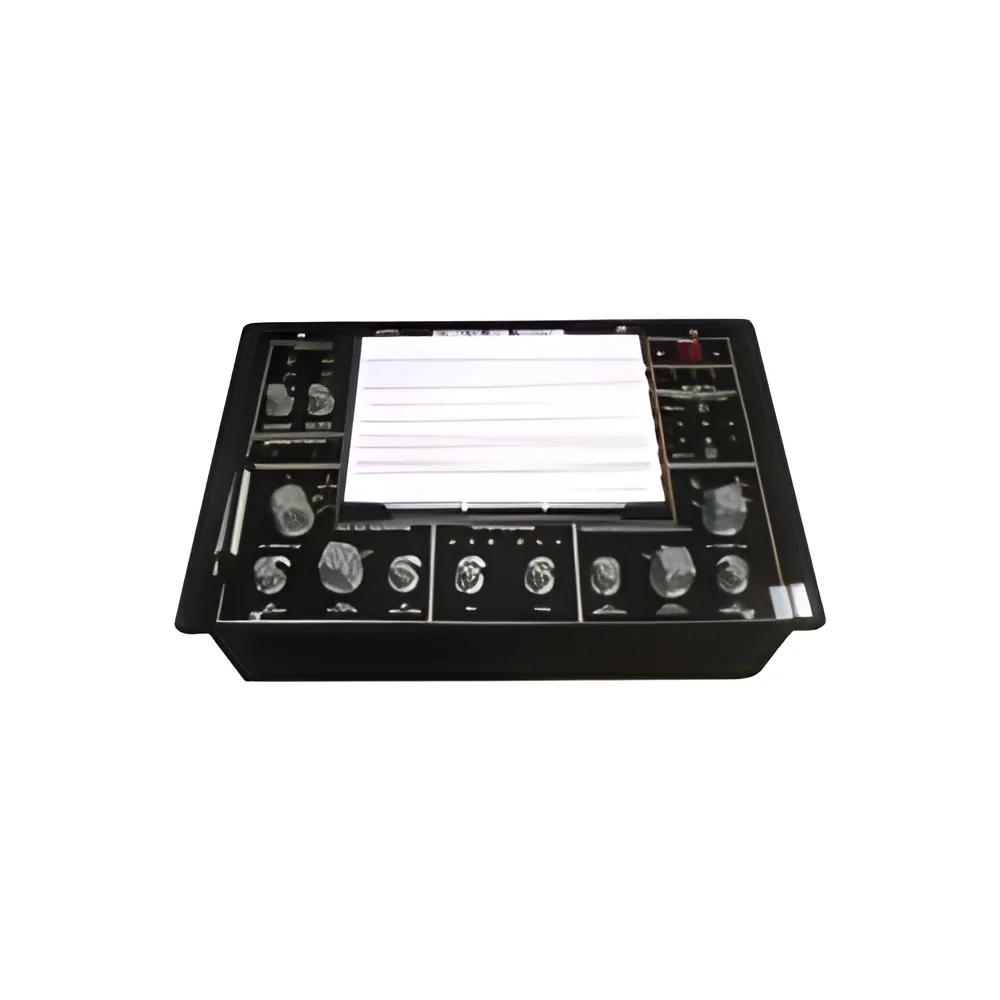
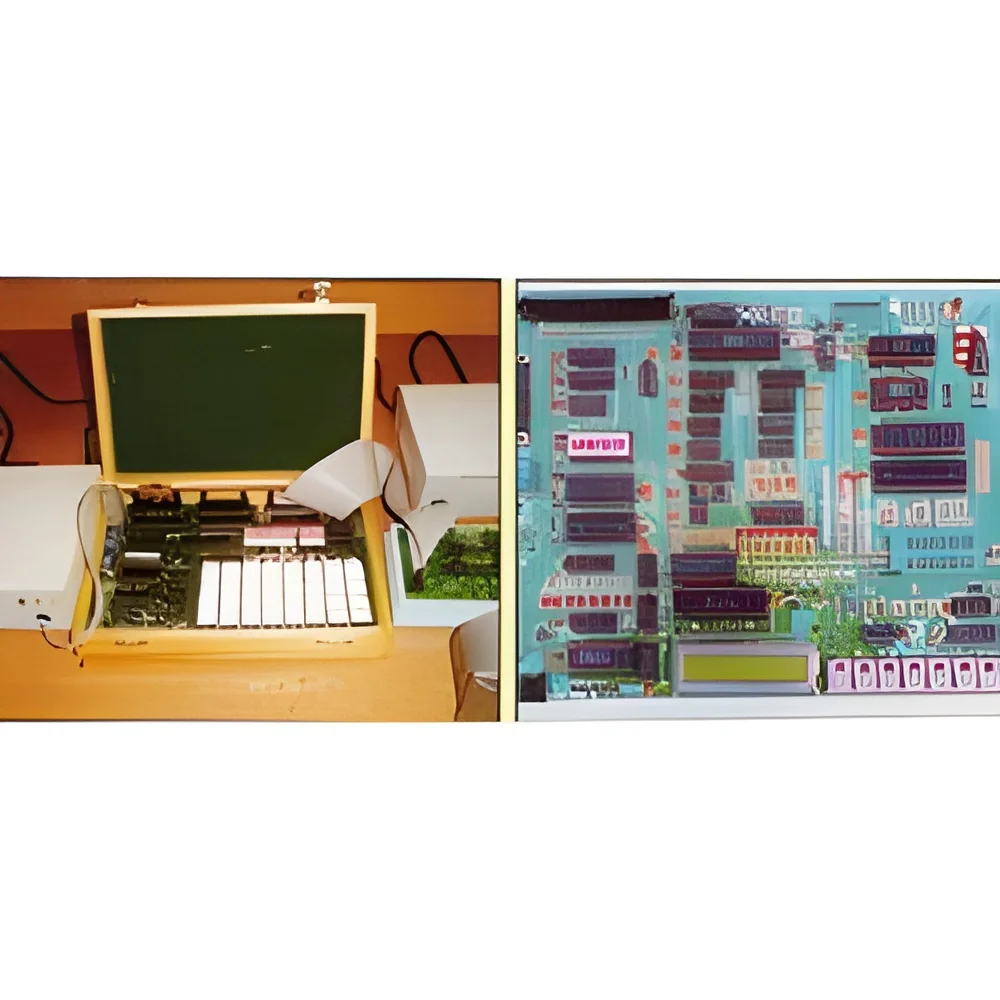
What are Embedded System Training Kits?
Embedded System Training Kits are specialized educational tools designed to teach users about embedded systems. These kits typically include hardware components, software, and instructional materials that facilitate hands-on learning. They are essential in equipping students and professionals with practical skills required for designing, programming, and troubleshooting embedded systems.
The primary uses of these training kits extend across various sectors, including education, research, and industrial applications. They are employed in academic institutions to enhance curriculum delivery in electronics and computer engineering. Additionally, businesses utilize these kits to train employees on new technology and applications in real-world scenarios.
In today's fast-paced technology landscape, embedded systems play a critical role in numerous industries such as automotive, telecommunications, and consumer electronics. The growing demand for automation and smart devices reinforces the relevance of these training kits in both educational and professional settings.
Key Features and Specifications
Embedded System Training Kits are characterized by several key features that cater to the needs of learners and educators. These specifications ensure users can effectively engage with the material and gain practical experience.
Key specifications include:
1. Hardware Components
- Includes microcontrollers, sensors, and actuators.
- Provides a platform for students to build and test embedded applications.
2. Software Tools
- Comes with development environments and programming languages.
- Supports languages like C, C++, and Python for diverse learning experiences.
3. Instructional Materials
- Offers manuals, guides, and project examples.
- Ensures comprehensive education through structured learning paths.
4. Compatibility
- Designed to work with multiple operating systems and platforms.
- Facilitates integration with existing educational frameworks.
5. Connectivity Options
- Supports USB, Ethernet, and wireless communication.
- Enables students to explore different networking scenarios.
6. Power Supply
- Includes options for battery operation and external power sources.
- Ensures versatility in various learning environments.
7. Size and Portability
- Compact designs for easy transport and storage.
- Suitable for classroom and remote learning settings.
These features make Embedded System Training Kits a versatile and valuable investment for educational institutions and training facilities.
Common Applications and Use Cases
Embedded System Training Kits have a wide variety of applications across numerous industries, making them highly relevant for both educational and professional purposes.
1. Education: These kits are commonly used in universities and technical colleges to teach students about embedded systems, microcontrollers, and programming.
2. Automotive: In the automotive industry, training kits help engineers understand vehicle control systems and develop automotive applications.
3. Telecommunications: Companies in telecommunications utilize these kits to train staff on network systems and embedded applications used in communication devices.
4. Consumer Electronics: Manufacturers use training kits to familiarize engineers with the design and development of smart devices and IoT solutions.
5. Robotics: Training kits play a crucial role in teaching robotic programming and control systems, allowing users to create and test robotic applications.
6. Industrial Automation: In manufacturing, these kits are leveraged to train employees on automation technologies and control systems.
7. Research and Development: Research institutions employ these kits to explore new technologies and develop innovative solutions in embedded systems.
Product Variants and Subcategories
Embedded System Training Kits come in various forms to cater to different educational needs and applications.
Basic Training Kit
This variant typically includes fundamental components and introductory projects. It is ideal for beginners who are just starting to learn about embedded systems.
Advanced Training Kit
An advanced kit includes more sophisticated components and complex projects. It is designed for users with prior knowledge seeking to deepen their understanding of embedded systems.
Specialized Training Kit
This variant focuses on specific industries, such as automotive or telecommunications. It includes tailored components and projects directly related to those fields.
Benefits and Advantages
Embedded System Training Kits offer numerous benefits to users, enhancing the learning experience and providing practical skills.
Key benefits include:
1. Hands-On Learning: Engages users through practical experience, allowing them to apply theoretical knowledge in real-world scenarios.
2. Comprehensive Curriculum: Provides a structured learning path, covering all aspects of embedded systems from basic to advanced topics.
3. Industry-Relevant Skills: Equips users with skills that are directly applicable to current job markets in technology and engineering.
4. Flexibility: Suitable for various educational settings, including classrooms, workshops, and self-study environments.
5. Cost-Effective: Provides an affordable solution for institutions and companies to deliver quality training without significant investment in diverse equipment.
6. Continuous Learning: Encourages ongoing education and skill development as technology evolves.
Buying Guide for B2B Buyers
When sourcing Embedded System Training Kits, it is essential for buyers to consider several critical factors to ensure they make informed decisions.
1. Quality Assessment: Evaluate the quality of the materials and components included in the kit. Look for reputable manufacturers with positive reviews and proven track records.
2. Supplier Verification: Vet suppliers to ensure they have a reliable history of delivering quality products. Request samples or references if necessary to confirm their credibility.
3. Pricing and MOQ: Understand the pricing structure and minimum order quantities. Compare options from different suppliers to find the best balance between cost and quality.
4. Delivery and Lead Times: Inquire about the logistics involved in shipping and the estimated lead times for delivery. Ensure that the supplier can meet your timeline and requirements.
5. Compliance Requirements: Be aware of any regulatory compliance needed for embedded systems in your region. Confirm that the products meet relevant safety and quality standards.
Compliance and Certifications
Compliance and certifications are crucial aspects of Embedded System Training Kits, ensuring they meet industry standards and safety regulations.
Many training kits adhere to quality standards such as ISO 9001, which focuses on maintaining quality management systems. This certification assures buyers that suppliers implement rigorous quality controls.
Additionally, many kits are certified with CE marking, indicating compliance with European health, safety, and environmental protection standards. This certification is vital for products sold in the European market.
Safety and testing requirements also play a significant role in the development of these kits. Manufacturers are responsible for ensuring that their products are safe to use and perform as intended.
Finally, regional compliance considerations should not be overlooked. Buyers should verify that the training kits meet specific regulations applicable to their geographical area, ensuring smooth acceptance and use in local markets.
Why Source Embedded System Training Kits from Pepagora?
Pepagora provides a trusted platform for sourcing Embedded System Training Kits, offering several key advantages for B2B buyers.
Verified Supplier Network: Pepagora maintains a stringent verification process for suppliers. This ensures that only reputable manufacturers with high-quality products are listed, giving buyers confidence in their sourcing decisions.
Streamlined RFQ Process: The platform simplifies the request for quotation process, allowing buyers to obtain competitive pricing and specifications from multiple suppliers efficiently. This transparency helps buyers make informed choices quickly.
Trade Assurance and Support: Pepagora offers trade assurance to protect buyers from risks associated with transactions. The platform provides support throughout the purchasing process, ensuring all concerns are addressed promptly.
Regional Coverage: With a strong presence in India, the GCC, and Southeast Asia, Pepagora's platform connects buyers with suppliers across these regions, making it easier to find the right training kits tailored to specific needs.
In summary, sourcing Embedded System Training Kits from Pepagora not only ensures access to quality products but also a reliable purchasing experience backed by a network of verified suppliers.

 IN
IN