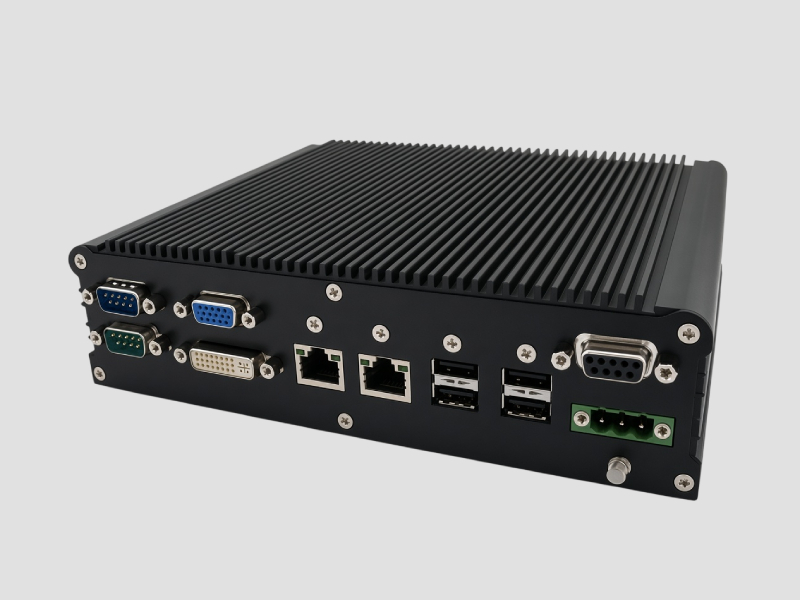
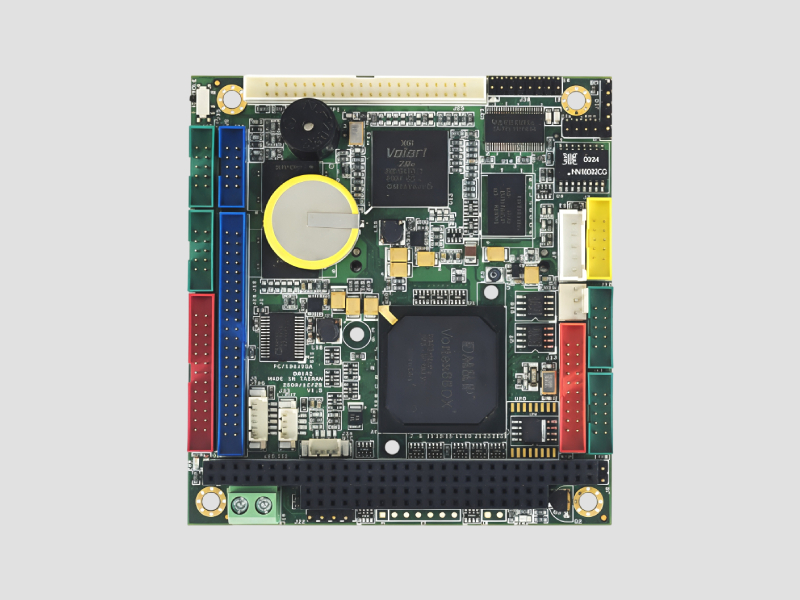
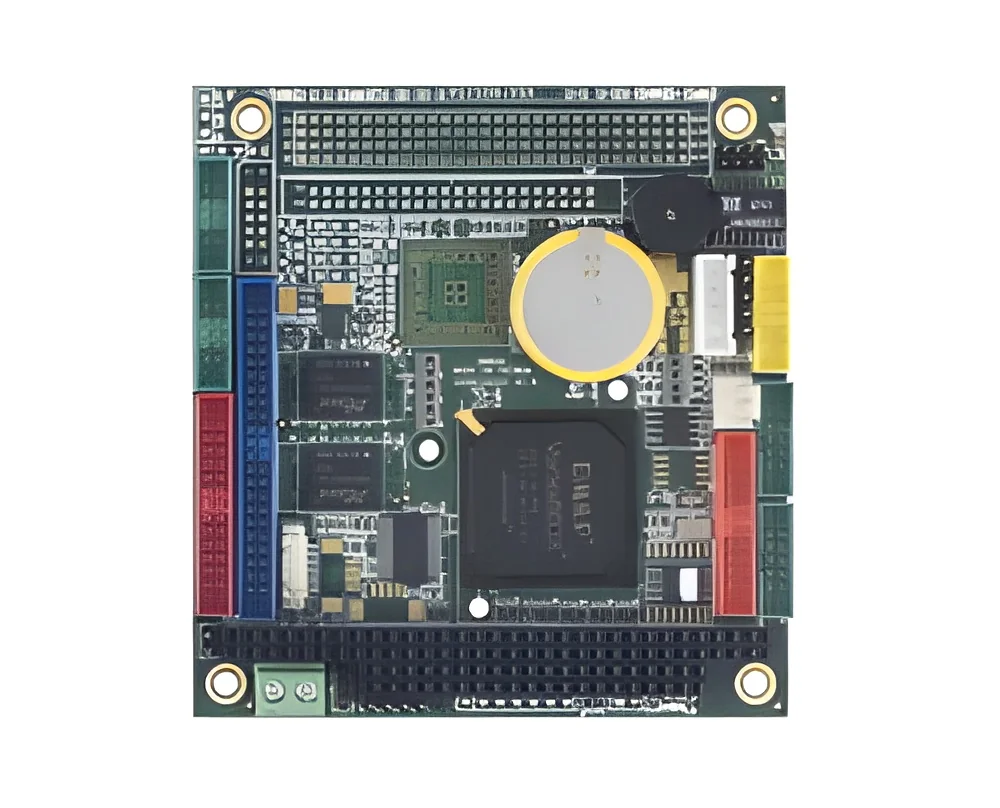
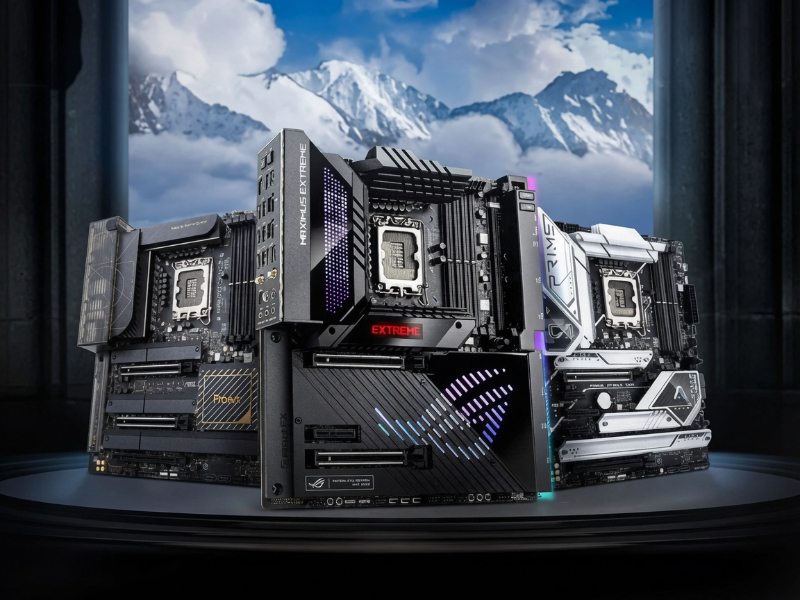
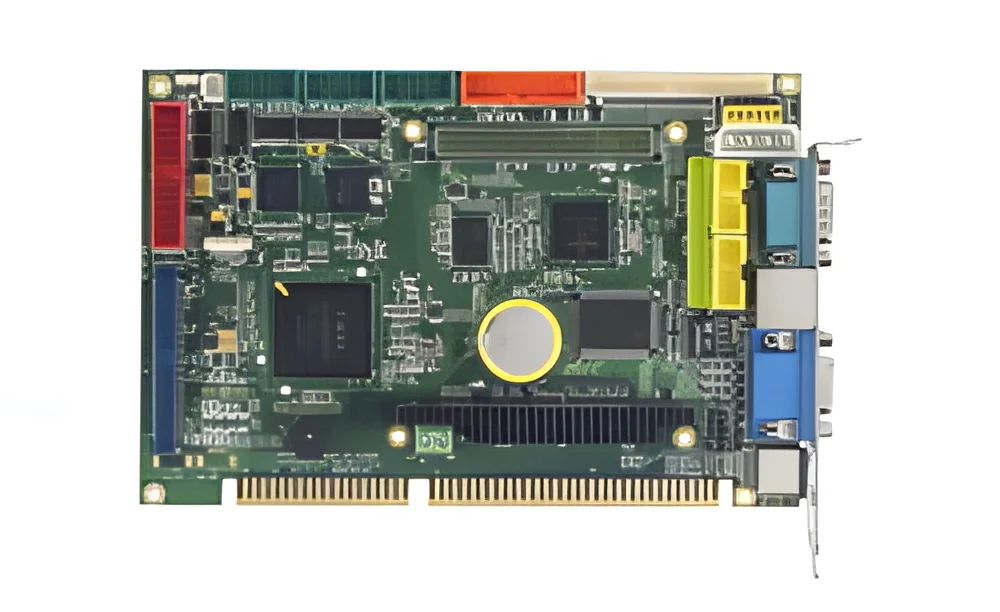
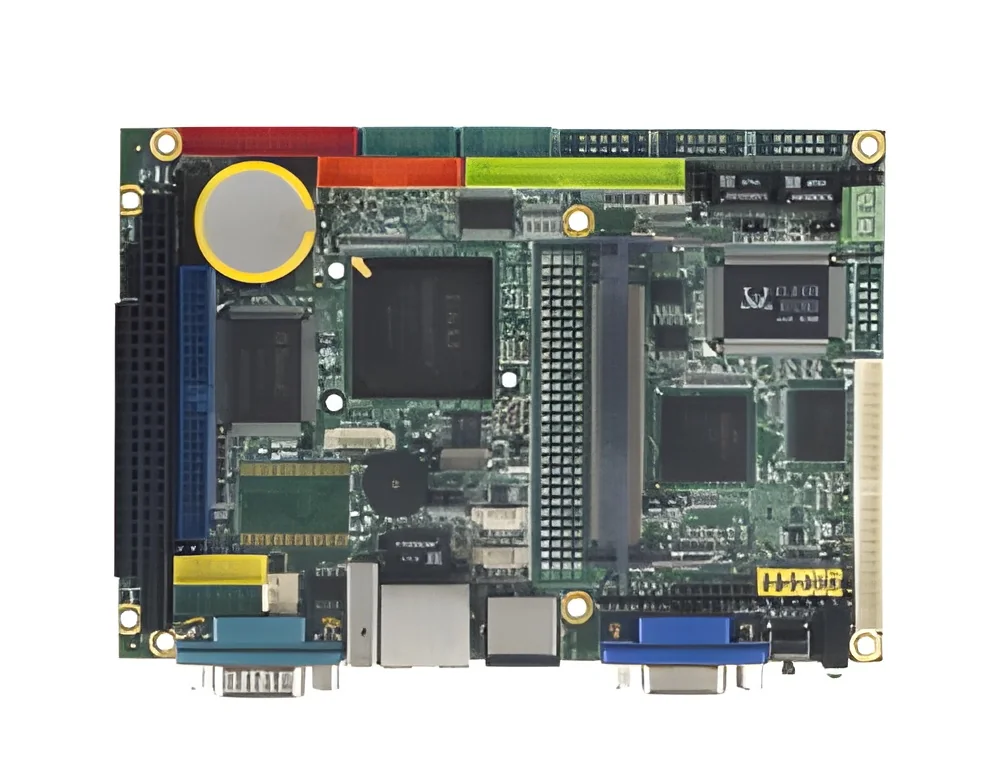
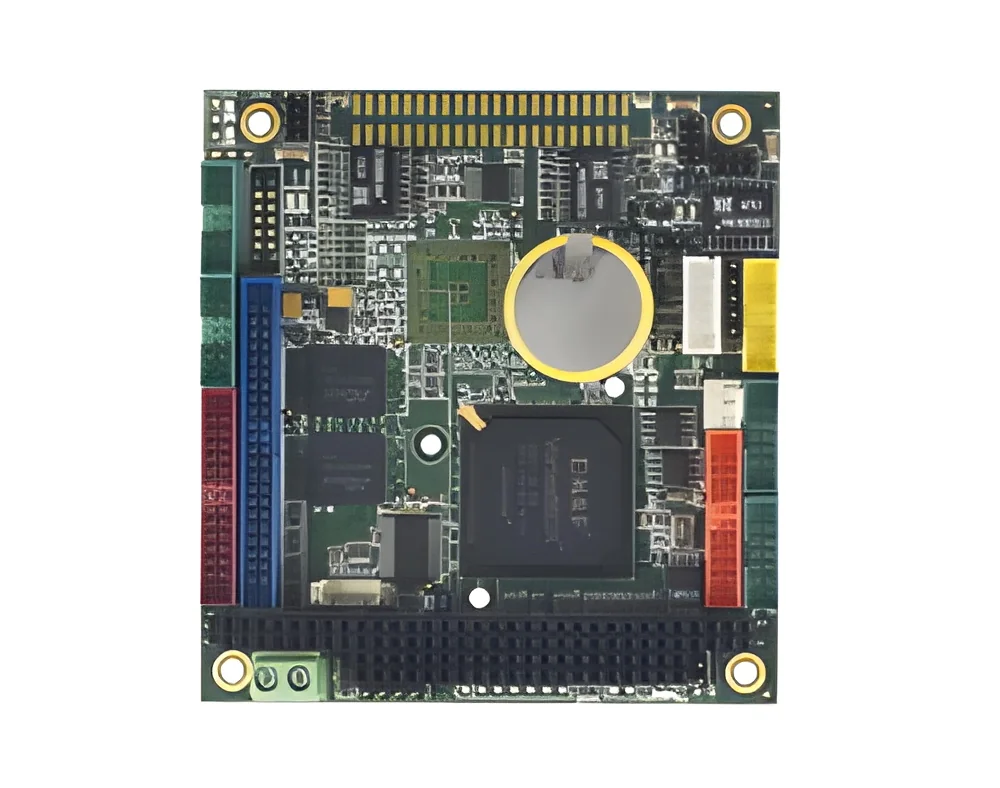
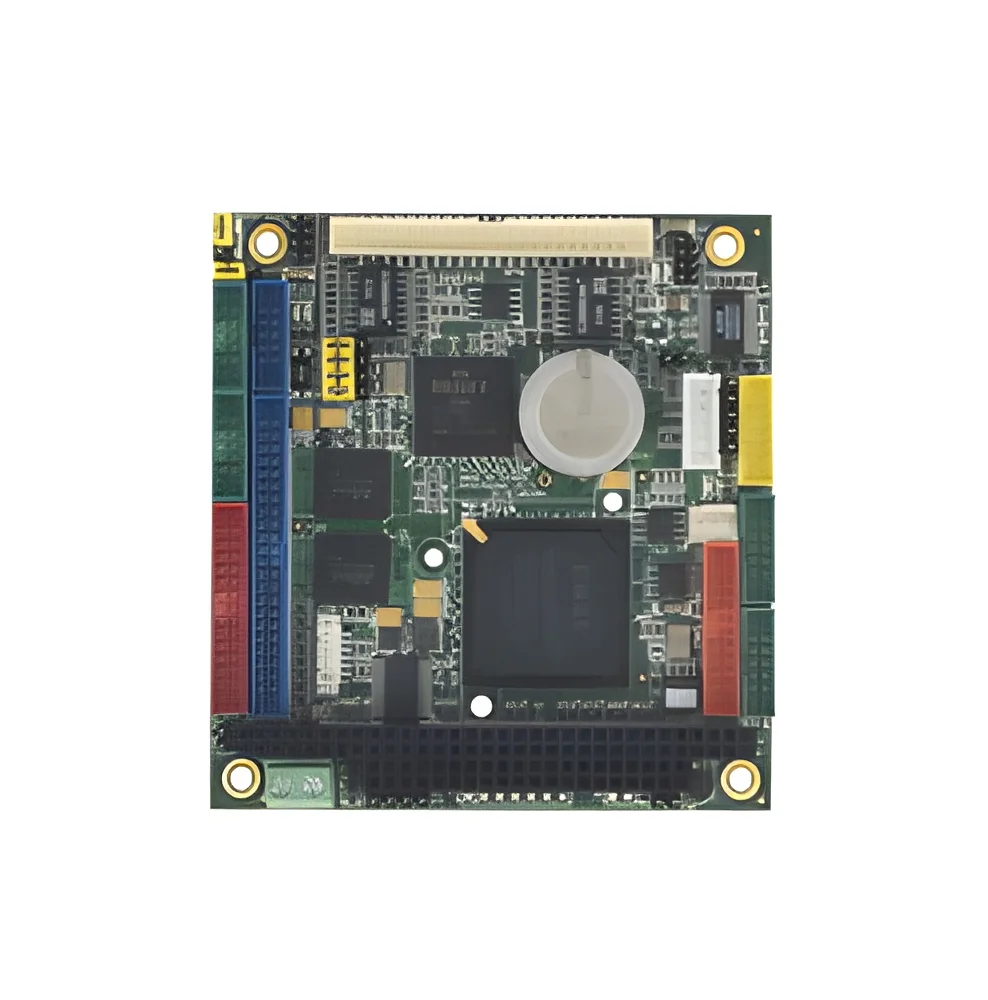
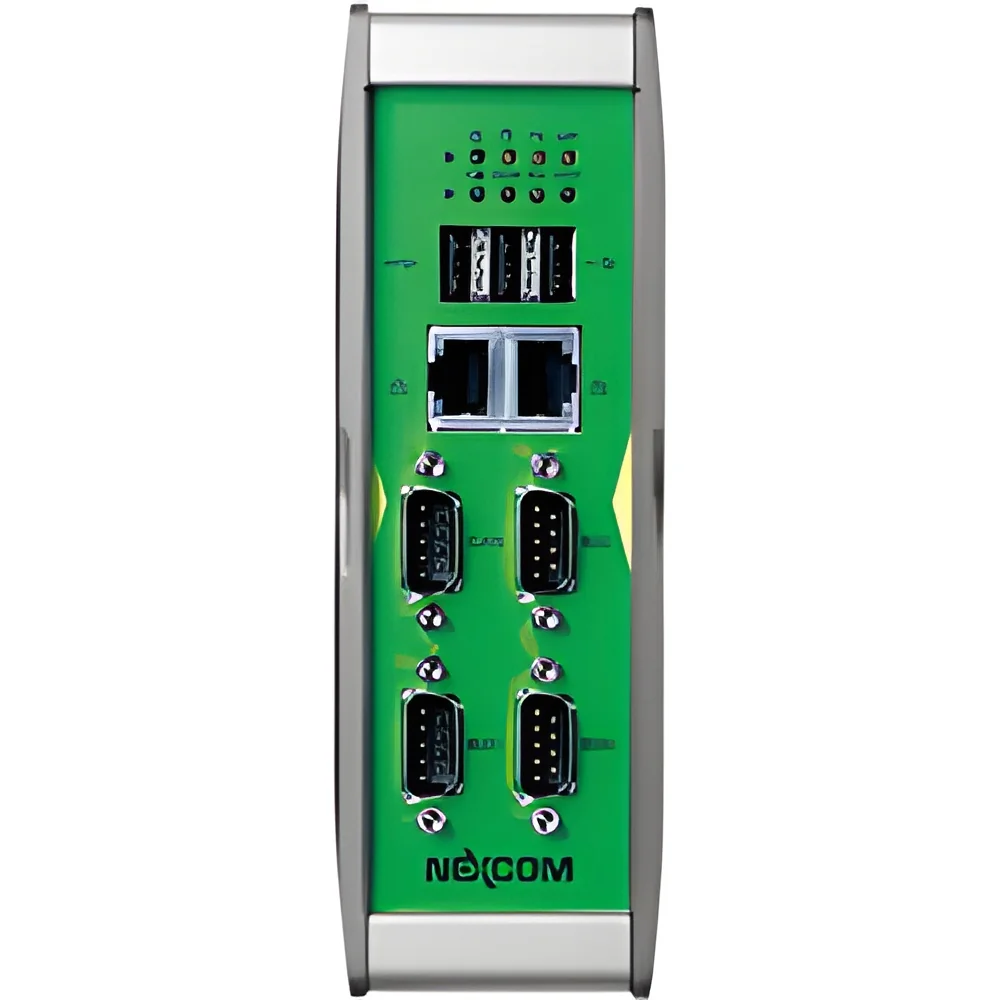
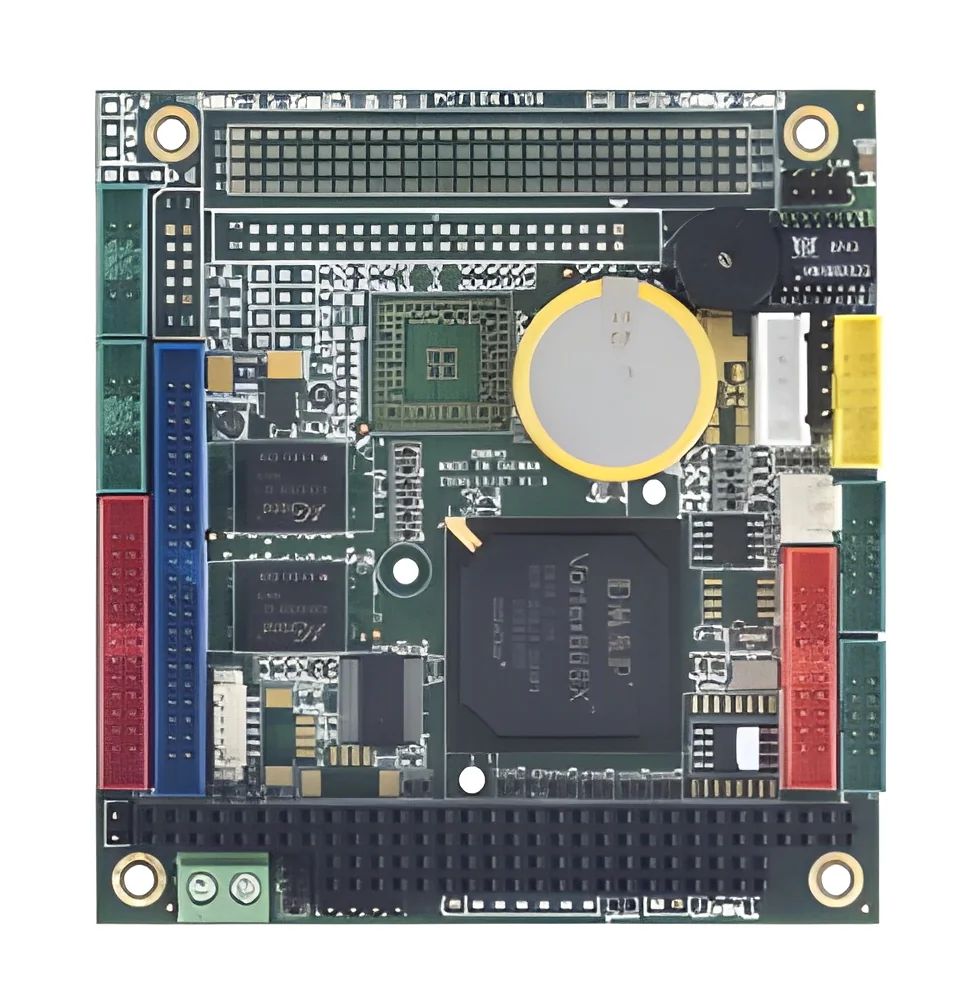
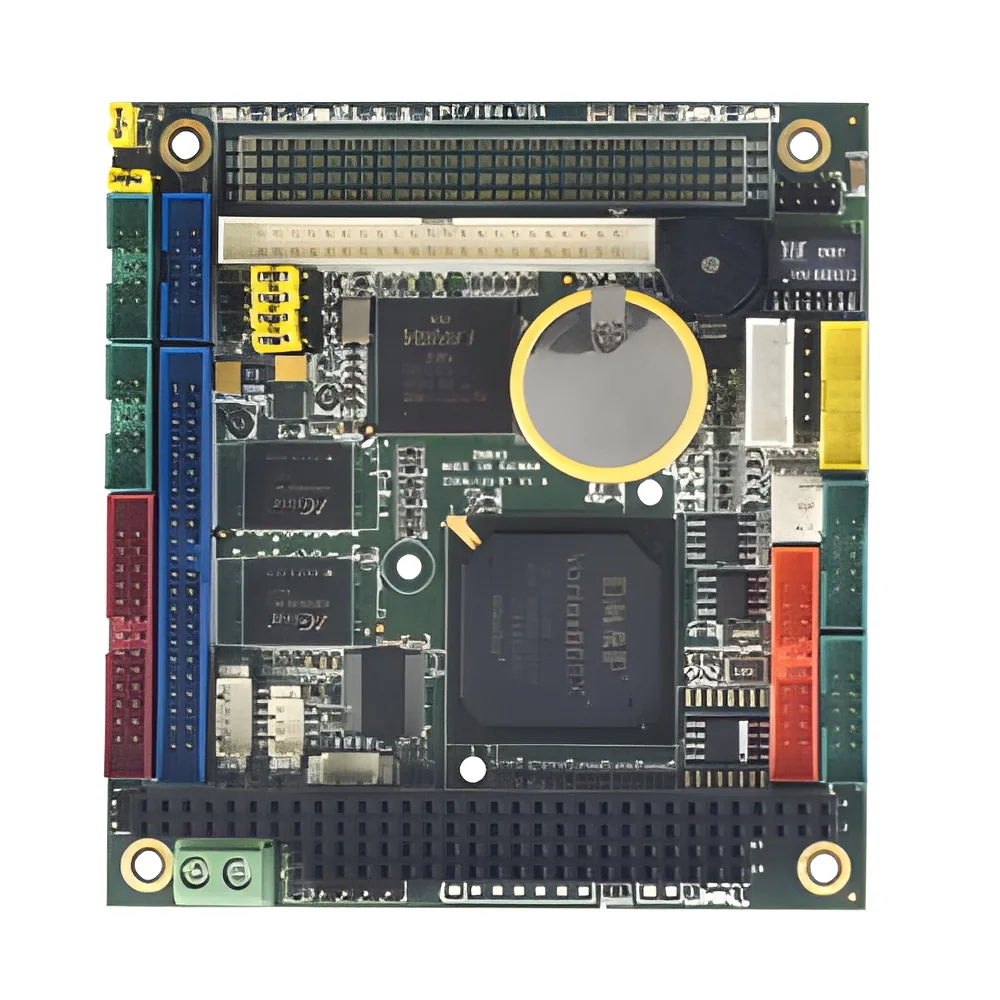
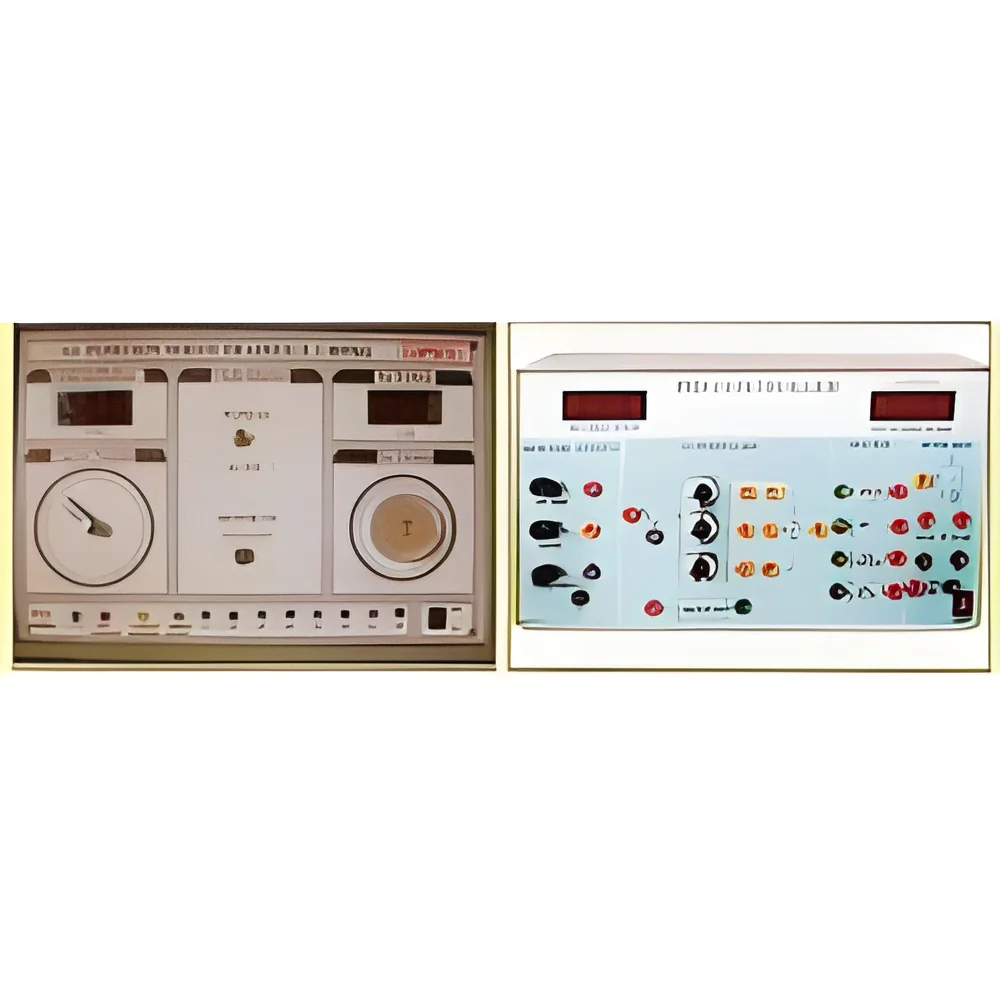
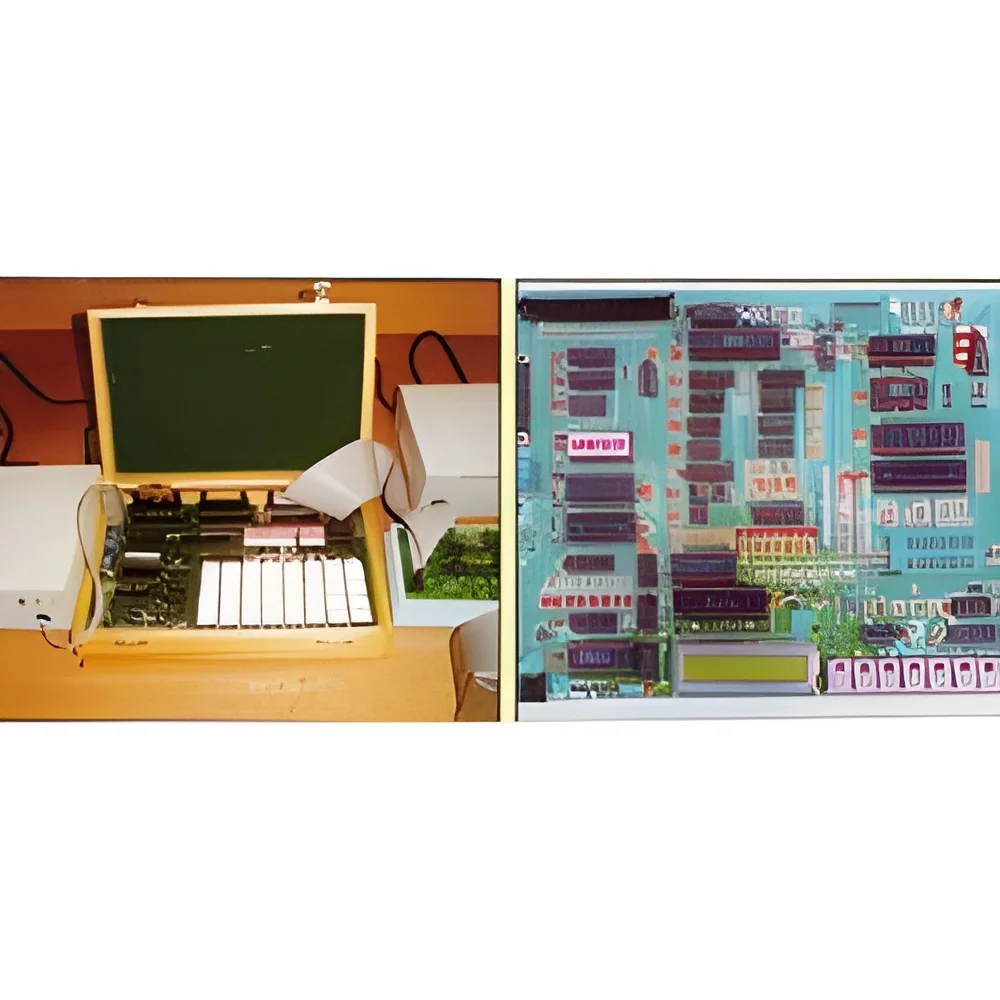
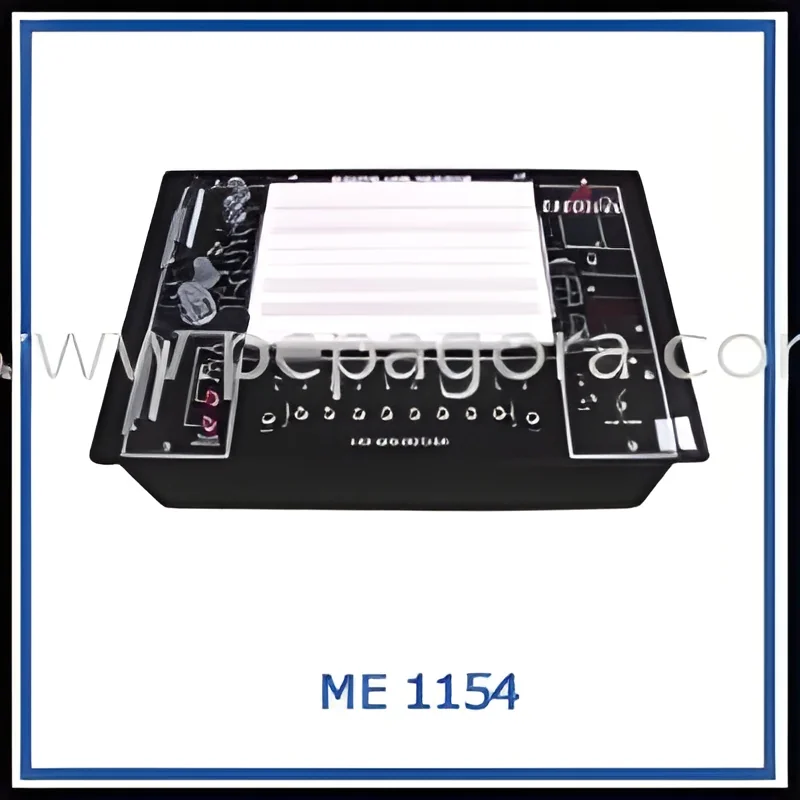
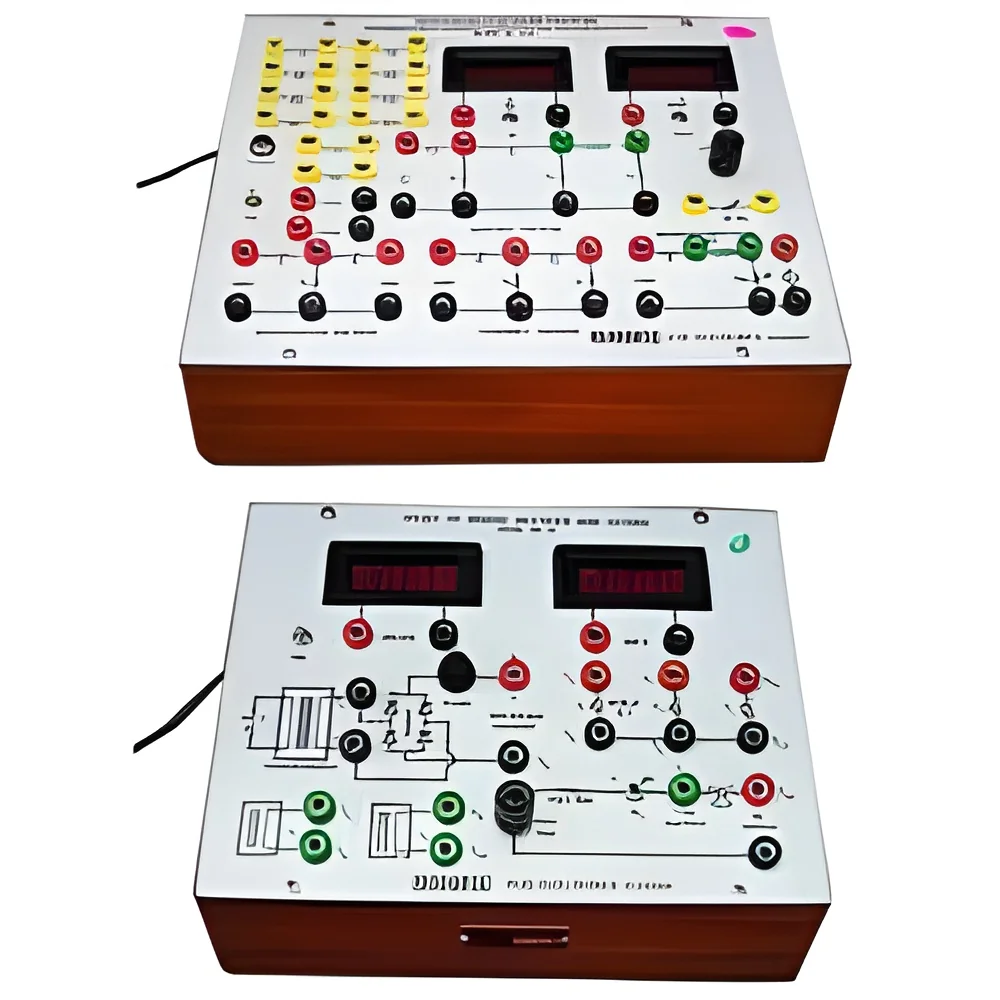
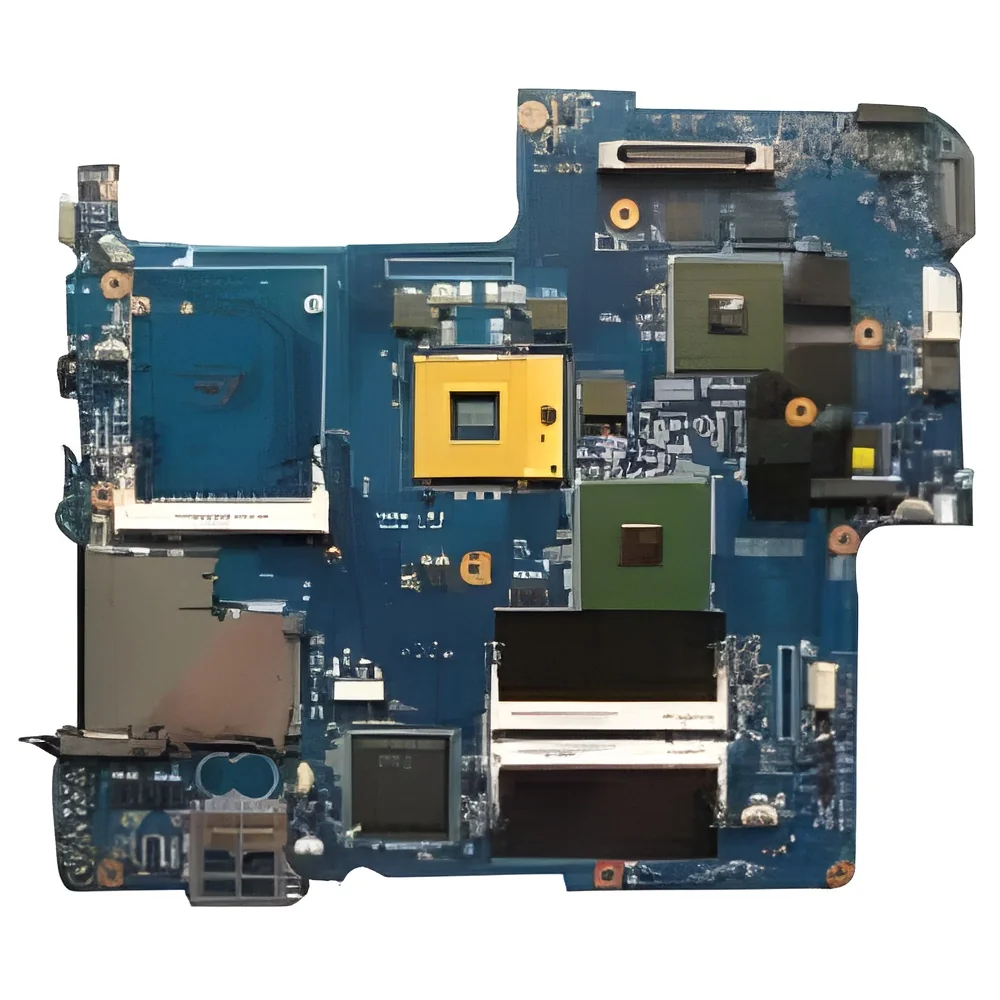
𝗪𝗵𝗮𝘁 𝗮𝗿𝗲 𝗘𝗺𝗯𝗲𝗱𝗱𝗲𝗱 𝗦𝘆𝘀𝘁𝗲𝗺𝘀 & 𝗗𝗲𝘃𝗲𝗹𝗼𝗽𝗺𝗲𝗻𝘁 𝗕𝗼𝗮𝗿𝗱𝘀?
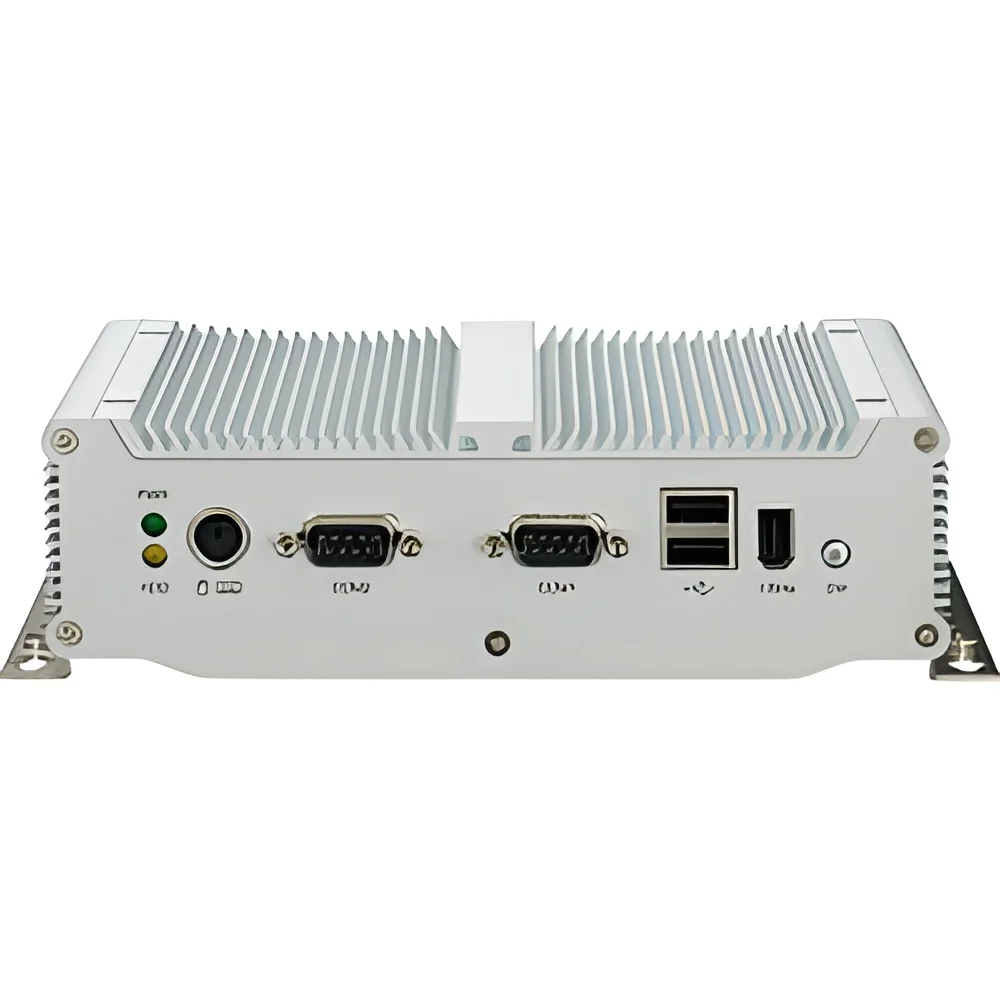
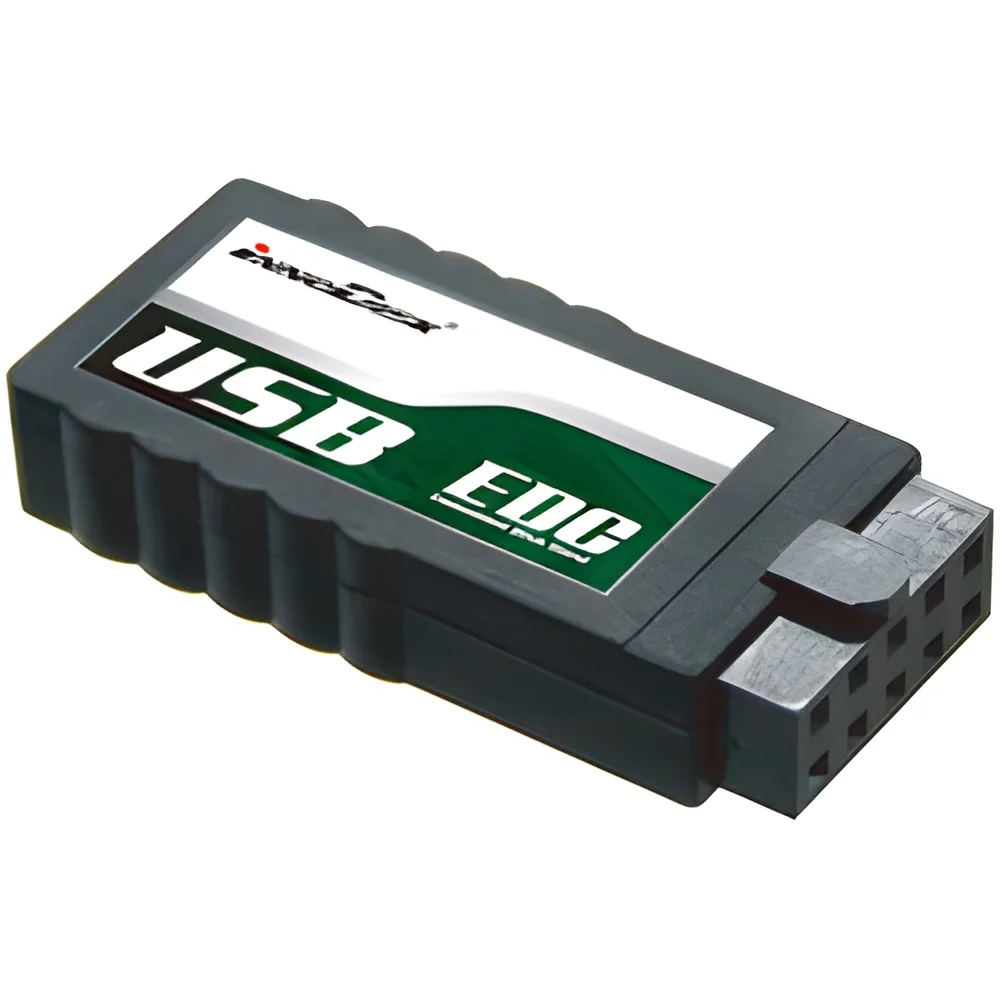
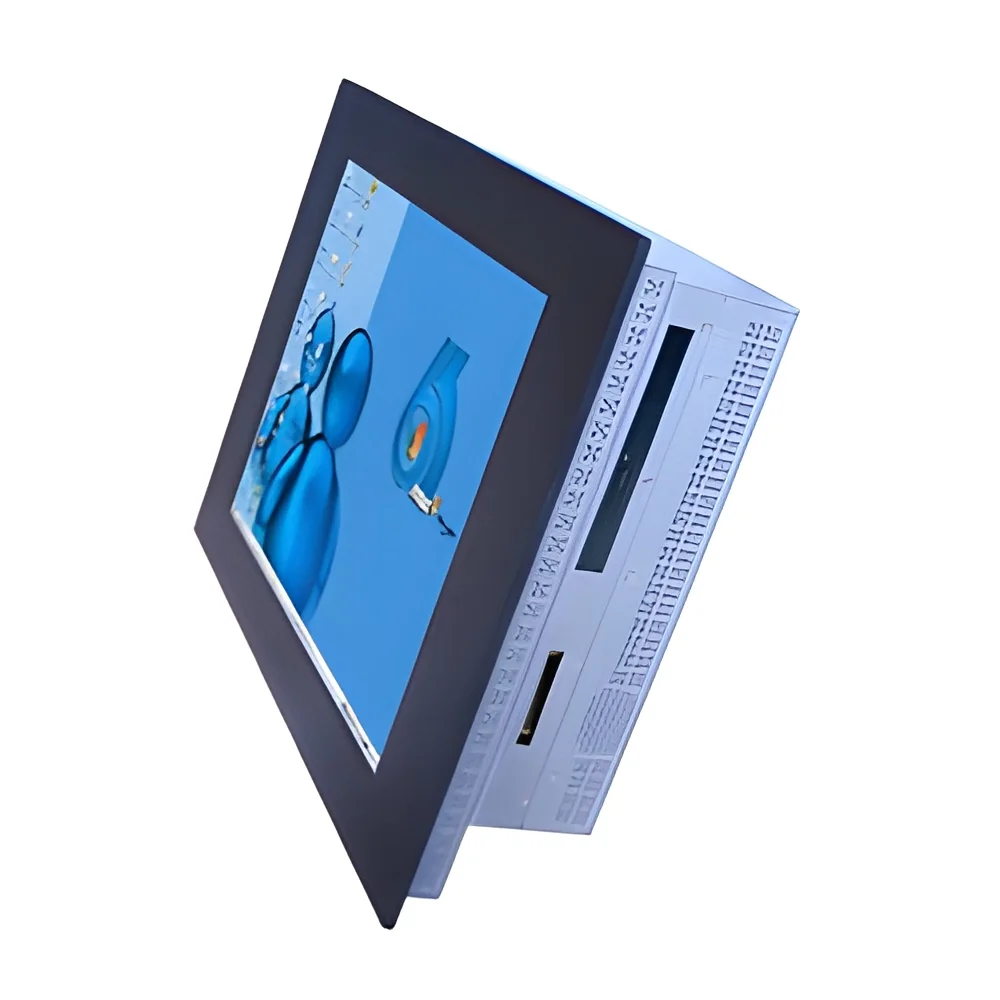
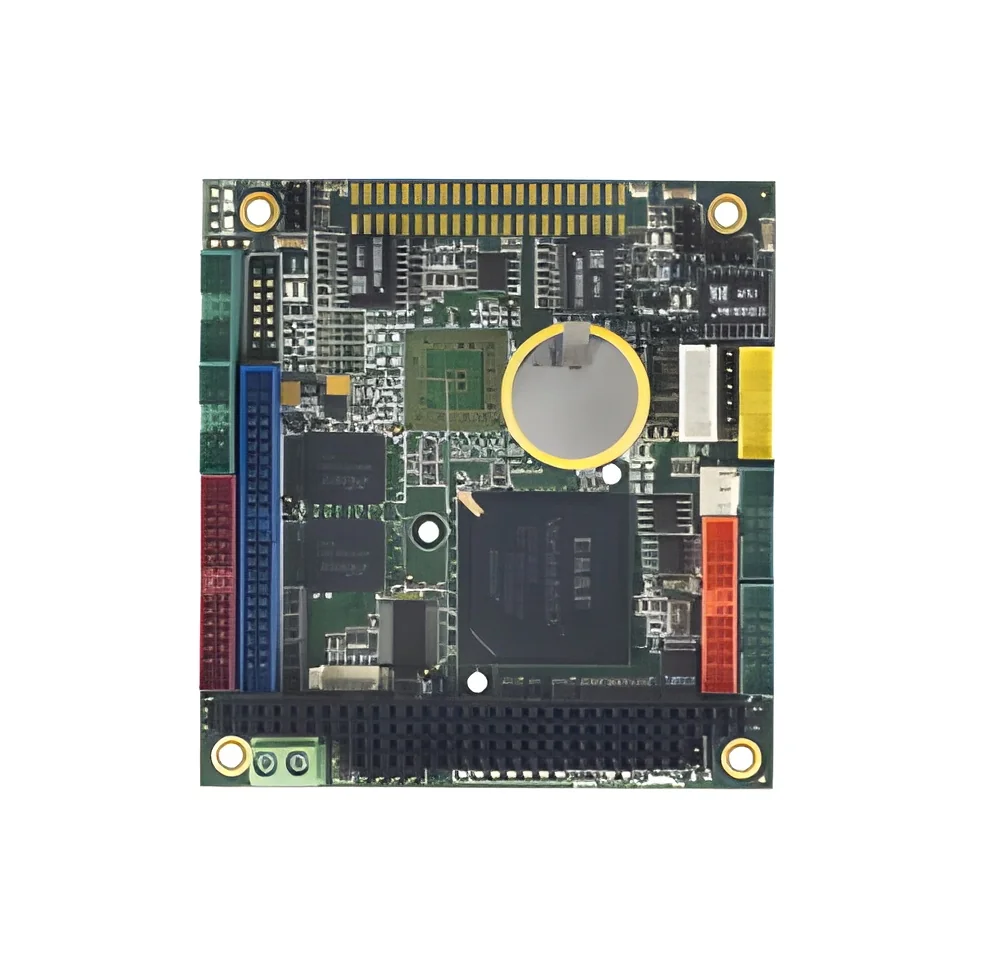
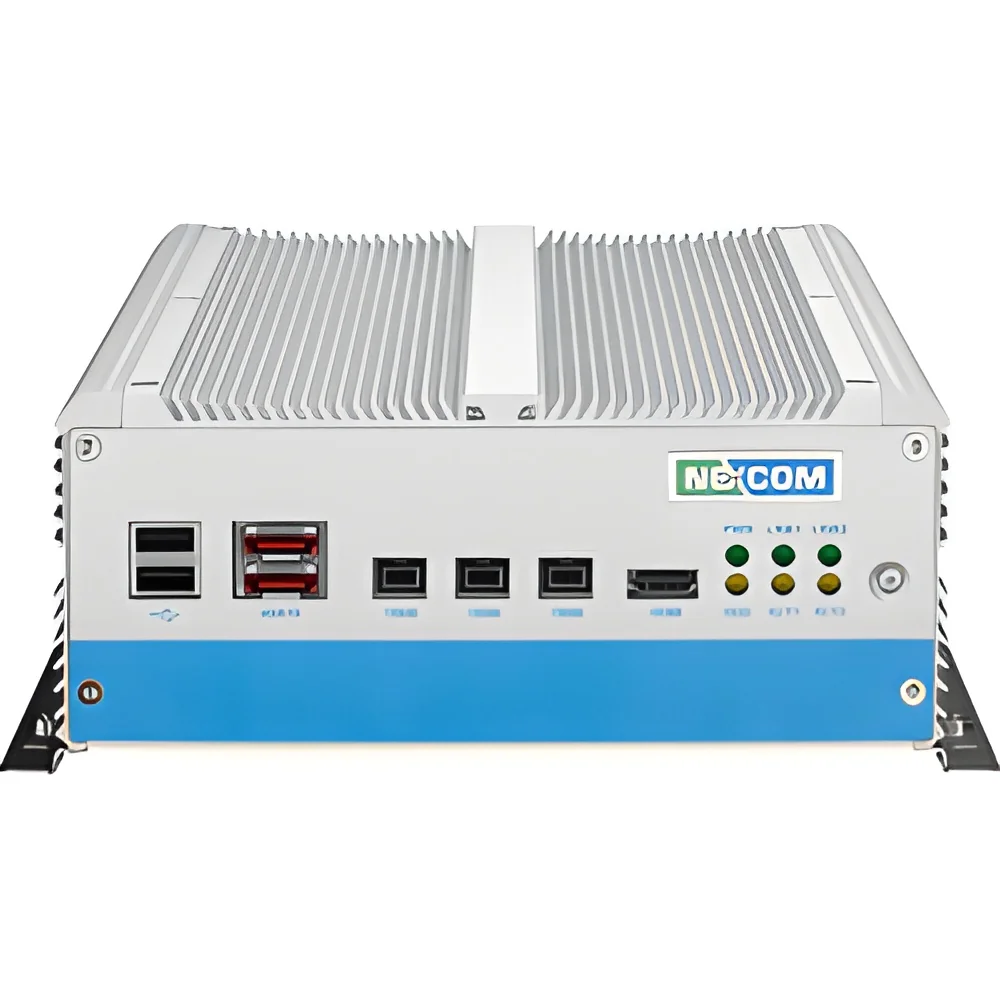
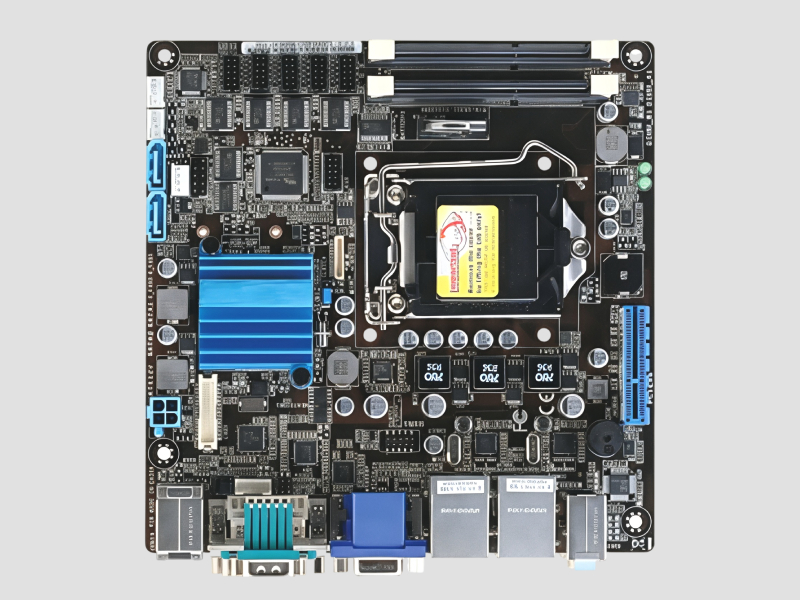
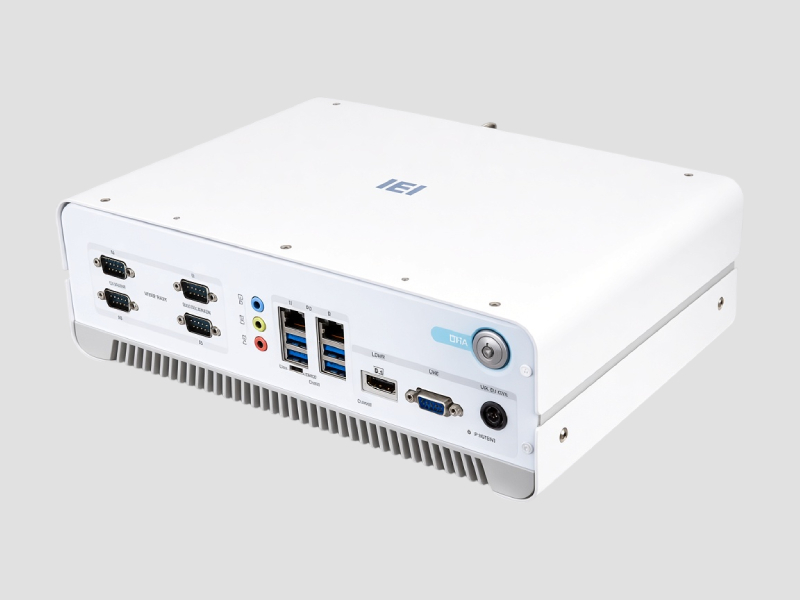
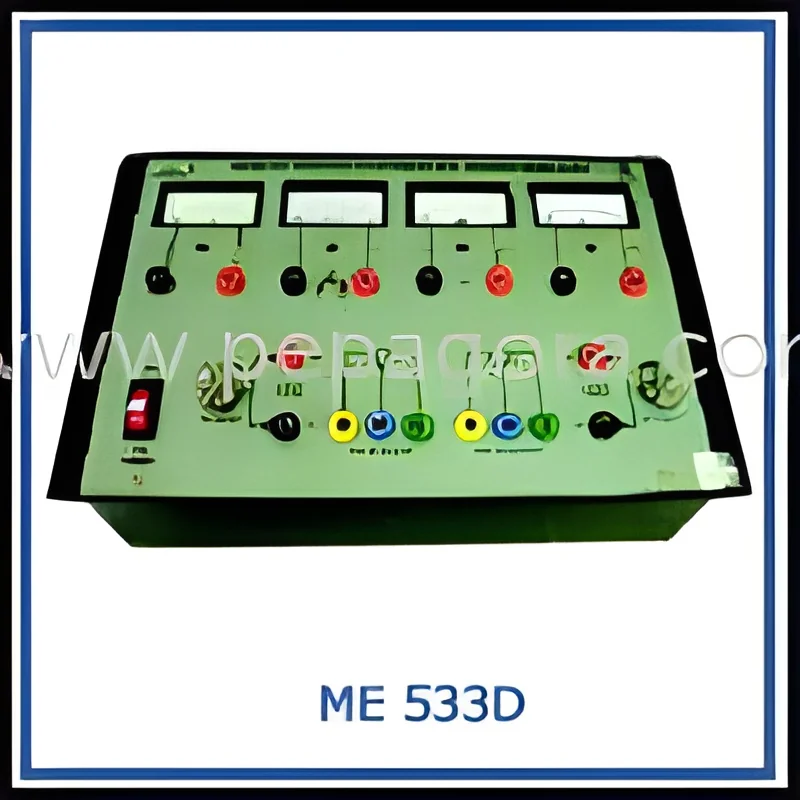
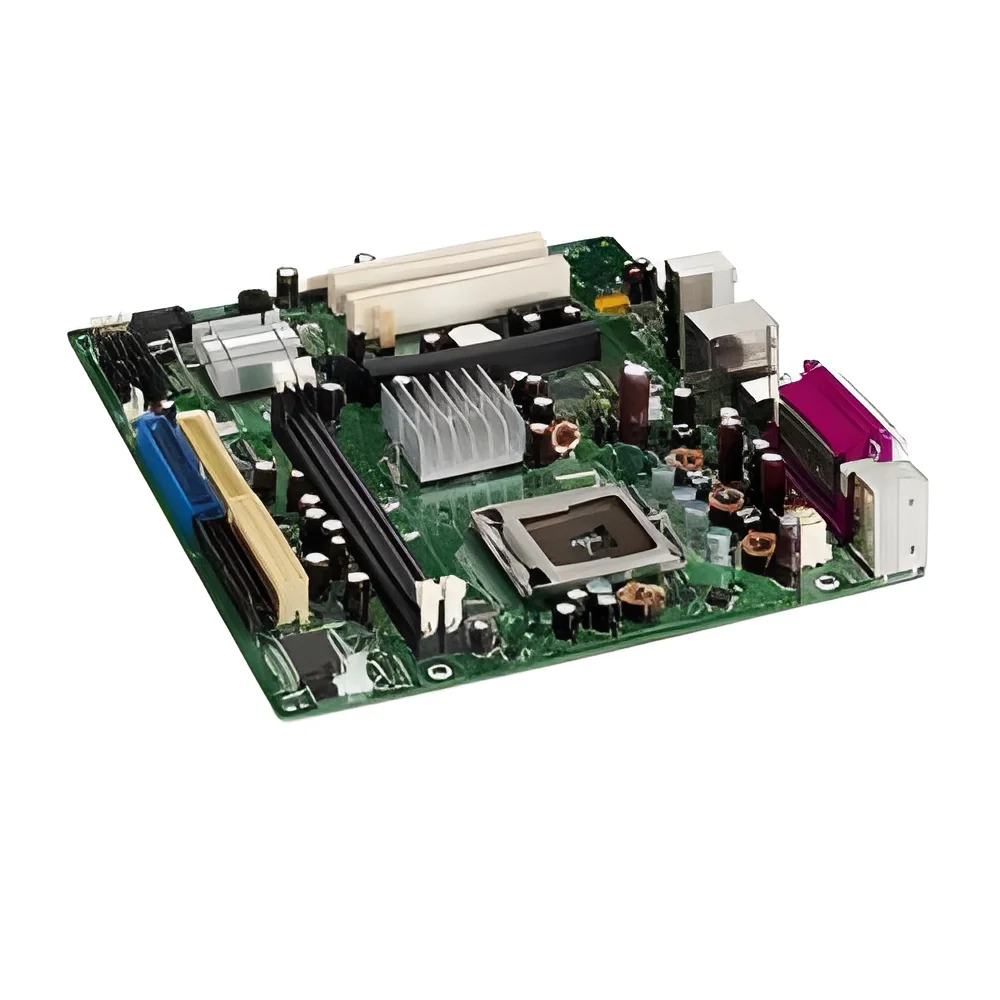
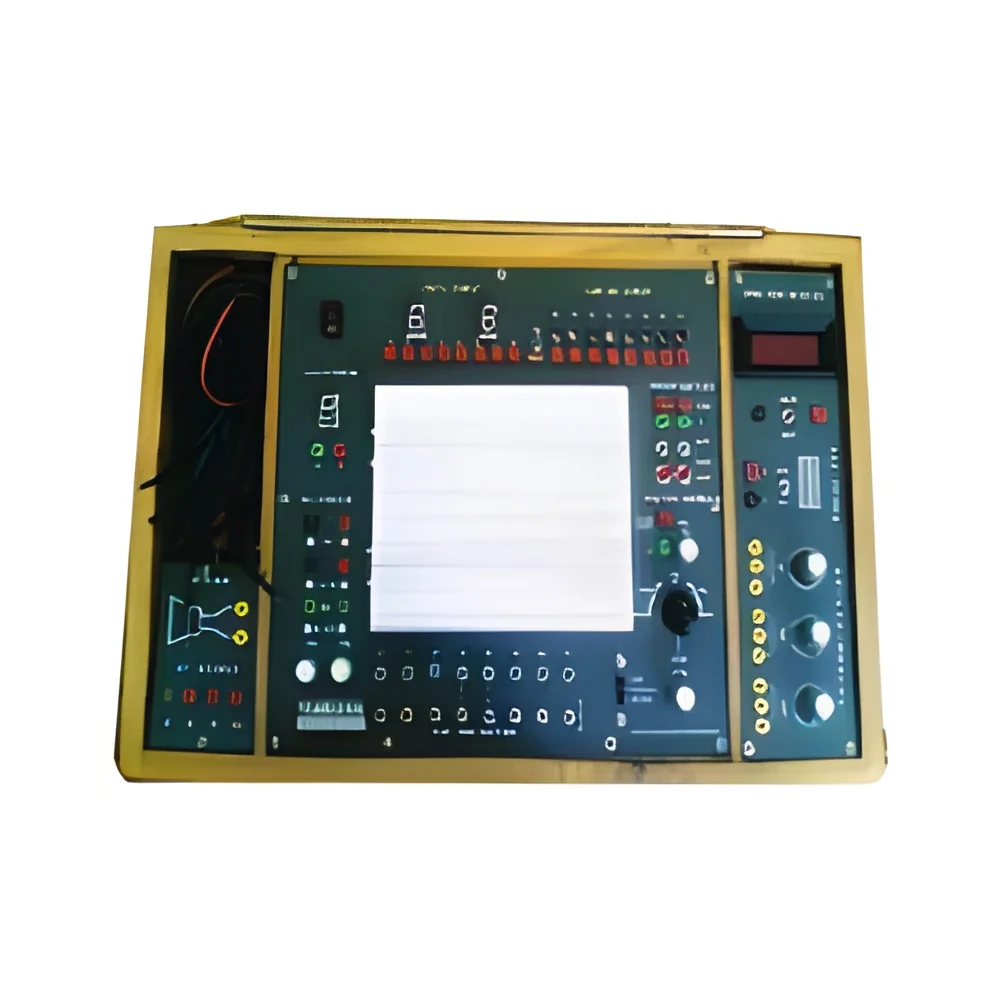
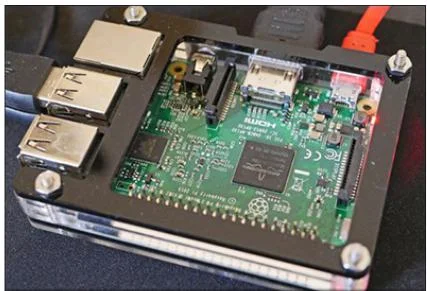
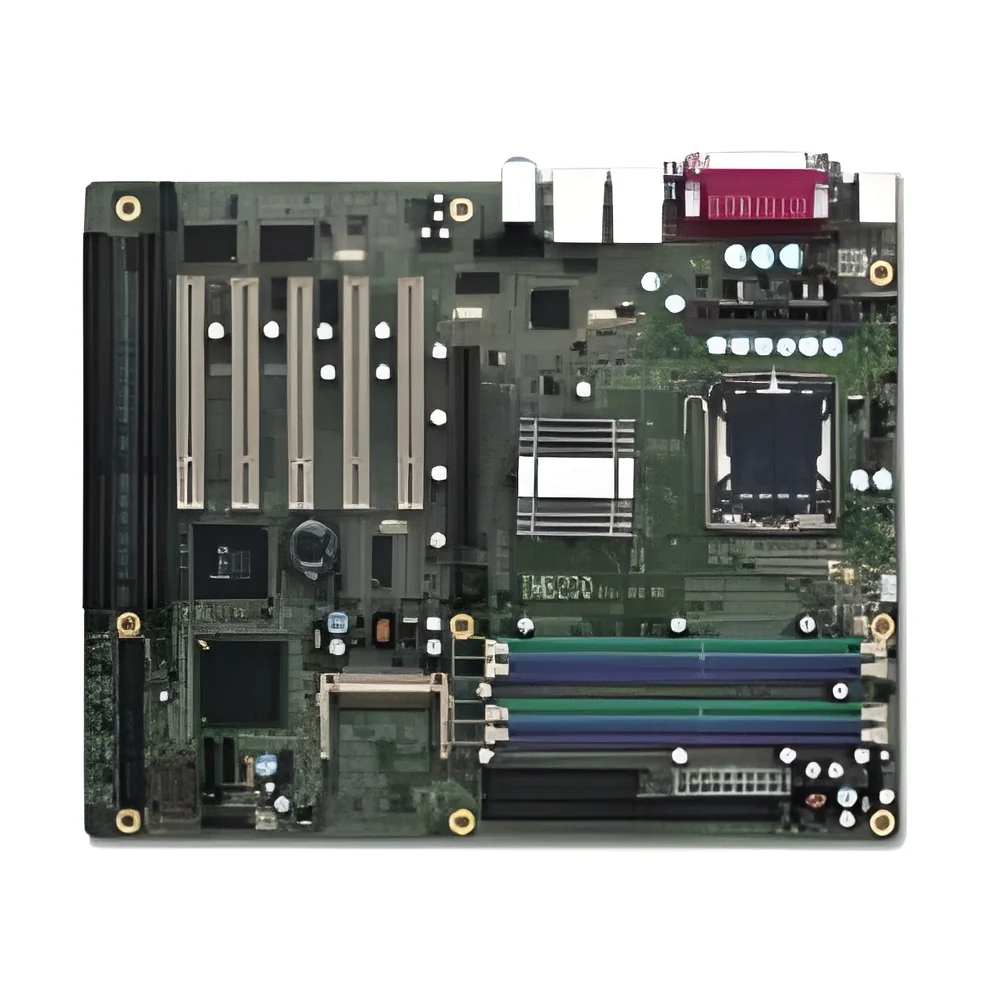
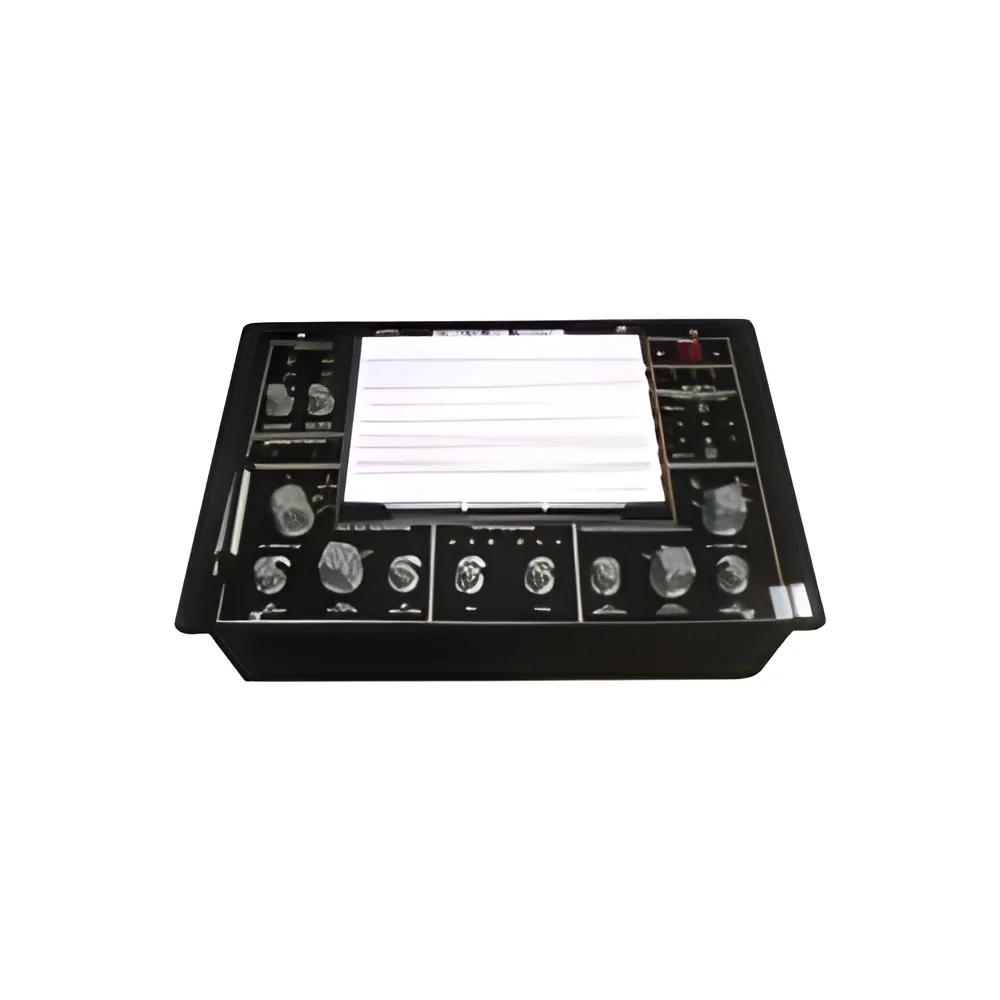
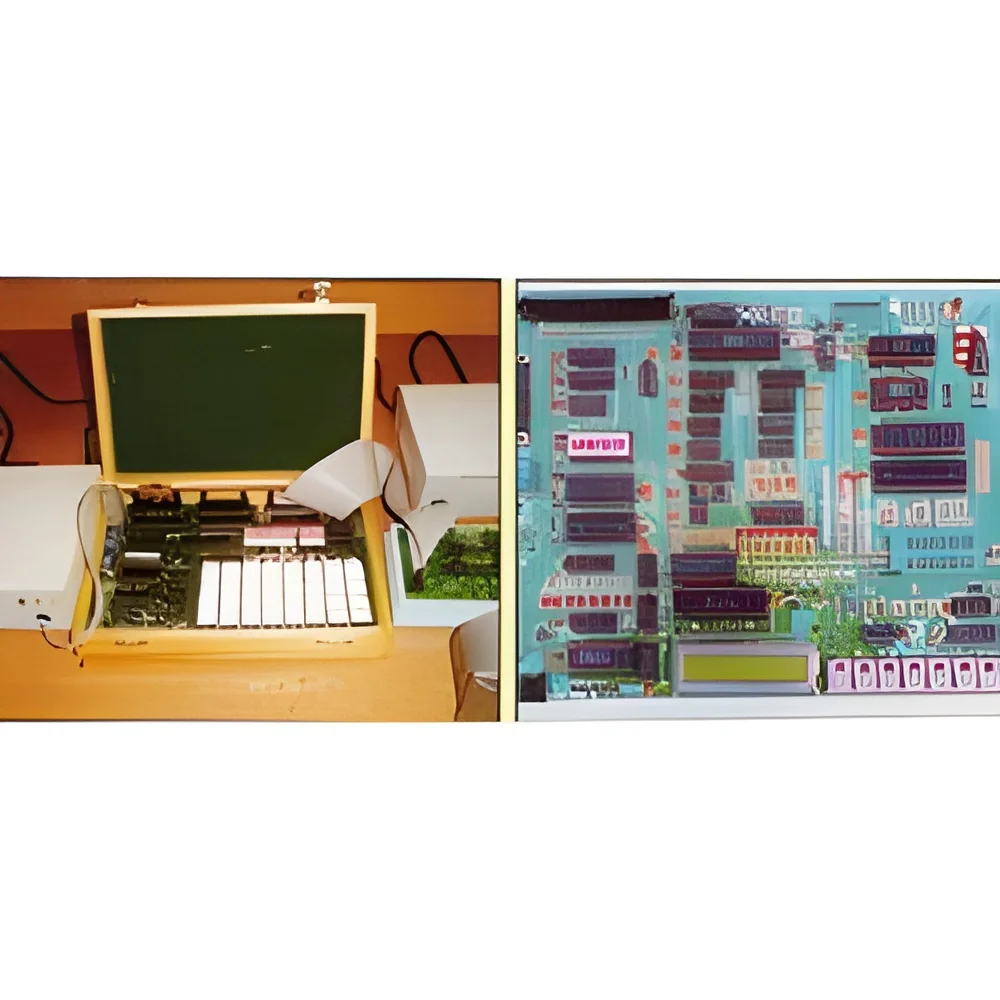
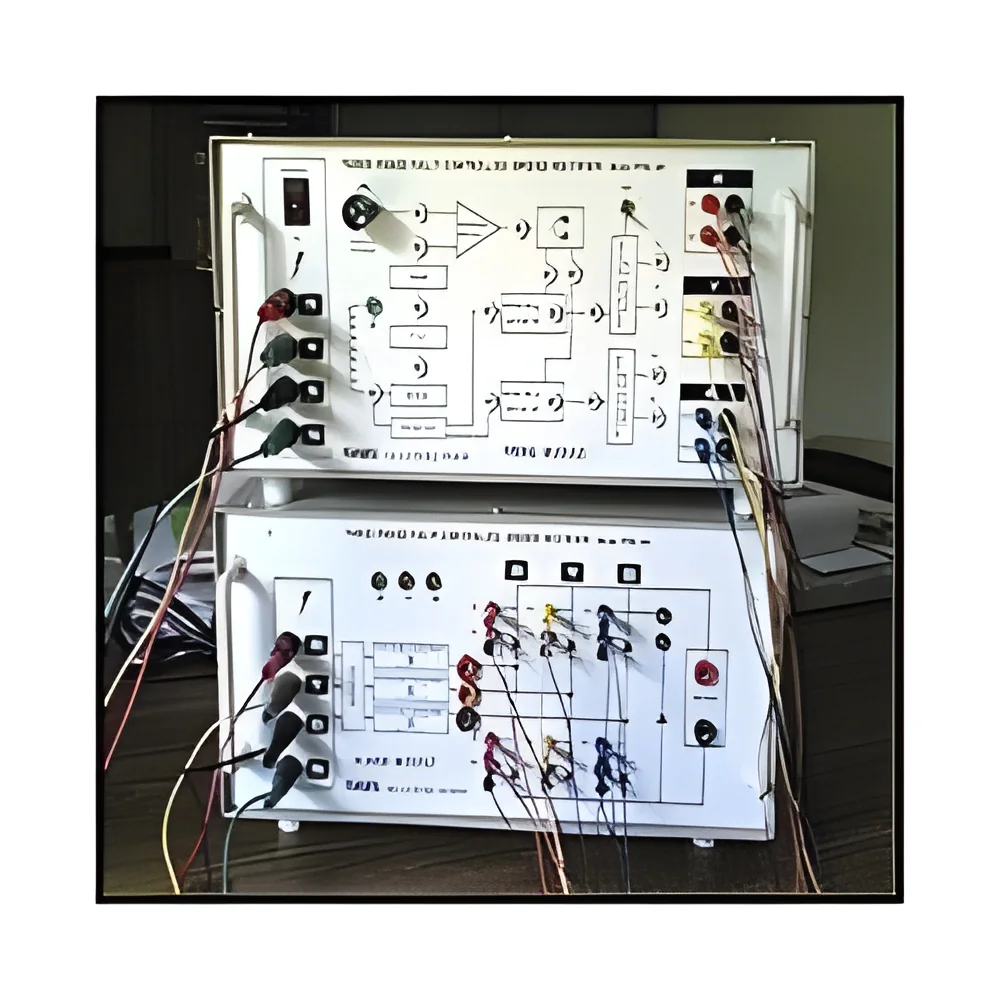
Embedded systems are specialized computing systems designed to perform dedicated functions within larger mechanical or electrical systems. They combine hardware and software components to execute specific tasks in real-time. Development boards, on the other hand, serve as platforms for engineers and developers to prototype and test embedded systems. These boards integrate essential components such as microcontrollers, sensors, and communication interfaces, providing a versatile environment for development and experimentation.
In business applications, embedded systems are widely used in industries such as automotive, healthcare, consumer electronics, and industrial automation. They enable functionalities such as automation, data processing, and remote monitoring. The increasing demand for smart devices and the Internet of Things (IoT) has further propelled the adoption of embedded systems in various sectors. This growing trend highlights the relevance of embedded systems and development boards in modern technology and industry.
As the market for embedded systems expands, companies are looking for reliable solutions to improve efficiency and innovation. The integration of artificial intelligence and machine learning into embedded systems is becoming increasingly common, driving the need for advanced development boards that support these technologies.
𝗞𝗲𝘆 𝗙𝗲𝗮𝘁𝘂𝗿𝗲𝘀 𝗮𝗻𝗱 𝗦𝗽𝗲𝗰𝗶𝗳𝗶𝗰𝗮𝘁𝗶𝗼𝗻𝘀
Embedded systems and development boards come with a range of features and specifications that cater to different applications. Understanding these specifications is crucial for selecting the right solution for your business needs.
Key specifications include:
1. Microcontroller Type
- Common types include ARM, AVR, and PIC.
- Varies in processing power and energy efficiency.
2. Memory Capacity
- Includes RAM and Flash memory.
- Dictates the amount of data that can be processed and stored.
3. Input/Output Interfaces
- Options may include GPIO, I2C, SPI, and UART.
- Determines how the board communicates with other devices.
4. Power Supply Requirements
- Voltage and current specifications.
- Important for ensuring compatibility with existing systems.
5. Operating Temperature Range
- Typically ranges from -40°C to 85°C.
- Critical for applications in extreme conditions.
6. Connectivity Options
- Ethernet, Wi-Fi, Bluetooth, or cellular capabilities.
- Essential for IoT applications and remote monitoring.
7. Development Environment Support
- Compatibility with programming languages and IDEs.
- Facilitates easier development and debugging.
8. Size and Form Factor
- Dimensions and layout of the board.
- Influences integration into existing products or systems.
These specifications help identify the best embedded systems and development boards for specific applications and environments.
𝗖𝗼𝗺𝗺𝗼𝗻 𝗔𝗽𝗽𝗹𝗶𝗰𝗮𝘁𝗶𝗼𝗻𝘀 𝗮𝗻𝗱 𝗨𝘀𝗲 𝗖𝗮𝘀𝗲𝘀
Embedded systems and development boards are utilized across a variety of industries, each benefiting from their unique capabilities.
1. Automotive: Used in vehicle control systems, infotainment, and advanced driver assistance systems to enhance safety and performance.
2. Healthcare: Employed in medical devices for monitoring patient health, managing data, and automating processes in healthcare facilities.
3. Consumer Electronics: Found in smart home devices, wearables, and appliances, providing connectivity and automation features.
4. Industrial Automation: Integrated into machinery and equipment for process control, monitoring, and data acquisition in manufacturing settings.
5. Telecommunications: Used in networking equipment to manage data transmission and enhance communication capabilities.
6. Robotics: Essential in the development of autonomous robots for navigation, sensing, and decision-making.
7. Aerospace: Implemented in avionics systems for navigation, control, and communication in aircraft.
These applications illustrate the versatility and critical role embedded systems play in various sectors.
𝗣𝗿𝗼𝗱𝘂𝗰𝘁 𝗩𝗮𝗿𝗶𝗮𝗻𝘁𝘀 𝗮𝗻𝗱 𝗦𝘂𝗯𝗰𝗮𝘁𝗲𝗴𝗼𝗿𝗶𝗲𝘀
Embedded systems and development boards come in diverse forms, each tailored to different needs and applications.
Arduino Boards: Known for their ease of use, Arduino boards are popular among hobbyists and professionals for prototyping and educational purposes. They offer extensive community support and a variety of shields for added functionality.
Raspberry Pi: This compact and powerful board is ideal for projects requiring higher processing power. It supports various operating systems and is widely used in educational settings and DIY projects.
BeagleBone: Designed for more complex applications, BeagleBone boards offer advanced features like real-time processing and extensive I/O options. They are suitable for industrial applications and robotics.
ESP32: This low-cost board includes Wi-Fi and Bluetooth capabilities, making it perfect for IoT applications. Its versatility and affordability have made it a favorite among developers.
𝗕𝗲𝗻𝗲𝗳𝗶𝘁𝘀 𝗮𝗻𝗱 𝗔𝗱𝘃𝗮𝗻𝘁𝗮𝗴𝗲𝘀
Embedded systems and development boards offer significant advantages for businesses looking to innovate and optimize their processes.
Key benefits include:
1. Rapid Prototyping: Development boards allow for quick iterations and testing, reducing time to market for new products.
2. Cost-Effectiveness: Using pre-built boards can lower development costs compared to designing custom solutions from scratch.
3. Scalability: Many development boards can be adapted for various applications, enabling easy upgrades and modifications as needs change.
4. Community Support: Platforms like Arduino and Raspberry Pi have extensive online resources and communities, providing valuable support and knowledge sharing.
5. Enhanced Functionality: Integration of advanced features like connectivity and real-time processing enhances the capabilities of embedded systems.
6. Flexibility: Development boards support multiple programming languages and environments, catering to a wide range of developer preferences.
These benefits make embedded systems and development boards an attractive option for companies seeking to enhance their technology offerings.
𝗕𝘂𝘆𝗶𝗻𝗴 𝗚𝘂𝗶𝗱𝗲 𝗳𝗼𝗿 𝗕𝟮𝗕 𝗕𝘂𝘆𝗲𝗿𝘀
When sourcing embedded systems and development boards, it is essential to consider several factors to ensure a successful purchase.
1. Quality Assessment: Evaluate the quality standards and certifications of the products. Look for compliance with industry standards to ensure reliability and performance.
2. Supplier Verification: Vet suppliers thoroughly by checking references, customer reviews, and their track record in the industry. A reliable supplier is critical for ongoing support and service.
3. Pricing and MOQ: Understand the pricing structure and minimum order quantities. Balancing budget constraints with product needs is vital for cost-effective purchasing.
4. Delivery and Lead Times: Analyze logistics, including lead times for delivery. Timely access to components can impact project timelines and operational efficiency.
5. Compliance Requirements: Ensure the products meet regional regulatory requirements and safety standards. This is particularly important in industries such as healthcare and automotive.
𝗖𝗼𝗺𝗽𝗹𝗶𝗮𝗻𝗰𝗲 𝗮𝗻𝗱 𝗖𝗲𝗿𝘁𝗶𝗳𝗶𝗰𝗮𝘁𝗶𝗼𝗻𝘀
Compliance and certifications play a crucial role in the quality and safety of embedded systems and development boards. Key quality standards include ISO 9001, which ensures consistent quality management systems, and CE marking, indicating compliance with European safety standards.
Additionally, adherence to safety and testing requirements is essential for ensuring that products function reliably under various conditions. Manufacturers should also consider regional compliance regulations, which may vary based on local laws and industry standards. Compliance with these standards not only enhances product credibility but also ensures the safety and satisfaction of end-users.
𝗪𝗵𝘆 𝗦𝗼𝘂𝗿𝗰𝗲 𝗘𝗺𝗯𝗲𝗱𝗱𝗲𝗱 𝗦𝘆𝘀𝘁𝗲𝗺𝘀 & 𝗗𝗲𝘃𝗲𝗹𝗼𝗽𝗺𝗲𝗻𝘁 𝗕𝗼𝗮𝗿𝗱𝘀 𝗳𝗿𝗼𝗺 𝗣𝗲𝗽𝗮𝗴𝗼𝗿𝗮?
Pepagora provides a trusted platform for sourcing embedded systems and development boards with several key advantages.
Verified Supplier Network: Pepagora ensures that all suppliers on the platform are thoroughly vetted for quality and reliability. This reduces the risk of sourcing issues and provides buyers with peace of mind.
Streamlined RFQ Process: The Request for Quotation process is designed to be user-friendly and efficient. Buyers can quickly obtain quotes from multiple suppliers, simplifying the decision-making process.
Trade Assurance and Support: Pepagora offers trade assurance to protect buyers from any potential disputes or issues during the purchasing process. This support is critical for fostering trust between buyers and suppliers.
Regional Coverage: With a strong presence in India, the GCC, and Southeast Asia, Pepagora can facilitate sourcing across diverse markets. This regional coverage enables buyers to tap into a wide range of products and suppliers, enhancing their operational capabilities.
By choosing Pepagora for sourcing embedded systems and development boards, businesses can leverage a comprehensive platform that prioritizes quality, support, and efficiency.

 IN
IN