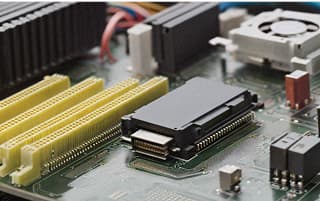
𝗪𝗵𝗮𝘁 𝗮𝗿𝗲 𝗜𝗼𝗧 𝗗𝗲𝘃𝗲𝗹𝗼𝗽𝗺𝗲𝗻𝘁 𝗕𝗼𝗮𝗿𝗱𝘀?
IoT Development Boards are specialized hardware platforms designed to facilitate the development and deployment of Internet of Things applications. These boards typically include a microcontroller or microprocessor, connectivity options, and various interfaces for sensors and actuators. They serve as the backbone for prototyping and creating IoT devices, enabling developers to test concepts and integrate various components easily.
These boards are primarily used in industries such as automation, smart homes, healthcare, and transportation. Businesses leverage IoT Development Boards to create products that can collect data, communicate, and respond to various stimuli in real time. The flexibility and modularity of these boards make them essential tools for innovators looking to capitalize on the growing IoT market, which continues to expand rapidly as more devices become connected.
The relevance of IoT Development Boards in today's market cannot be overstated. As industries seek to enhance efficiency and reduce costs through automation and data-driven decision-making, the demand for reliable and versatile development platforms has surged. The growing need for smart solutions in urban infrastructure, industrial automation, and consumer electronics makes IoT Development Boards a crucial component in the evolution of connected technologies.
𝗞𝗲𝘆 𝗙𝗲𝗮𝘁𝘂𝗿𝗲𝘀 𝗮𝗻𝗱 𝗦𝗽𝗲𝗰𝗶𝗳𝗶𝗰𝗮𝘁𝗶𝗼𝗻𝘀
IoT Development Boards come equipped with various features and specifications that cater to the diverse needs of developers. These specifications are essential for ensuring the boards can handle the demands of different applications and environments.
Key specifications include:
1. Microcontroller Unit (MCU)
- A powerful microcontroller that acts as the brain of the board.
- Common specifications include ARM Cortex-M series or ESP32.
2. Connectivity Options
- Multiple connectivity protocols like Wi-Fi, Bluetooth, Zigbee, and LoRa.
- Specific ranges and bandwidths depending on the communication standard.
3. Input/Output Interfaces
- General Purpose Input/Output (GPIO) pins for sensor and actuator connections.
- Support for analog and digital signals.
4. Power Supply
- Various power input options including USB, battery, or external power sources.
- Voltage ranges typically between 3.3V to 5V.
5. Memory
- RAM and Flash storage specifications critical for application performance.
- Common configurations range from 32KB to several megabytes.
6. Operating Temperature Range
- Boards designed to operate in specific temperature conditions.
- Typical ranges are from -20°C to 85°C, depending on the model.
7. Size and Form Factor
- Compact designs that fit various enclosures and applications.
- Standard sizes include mini, micro, and full-size boards.
8. Development Environment Compatibility
- Support for popular programming languages and integrated development environments (IDEs).
- Common platforms include Arduino IDE, MicroPython, and PlatformIO.
These specifications collectively ensure that IoT Development Boards meet the diverse needs of businesses across various sectors.
𝗖𝗼𝗺𝗺𝗼𝗻 𝗔𝗽𝗽𝗹𝗶𝗰𝗮𝘁𝗶𝗼𝗻𝘀 𝗮𝗻𝗱 𝗨𝘀𝗲 𝗖𝗮𝘀𝗲𝘀
IoT Development Boards are versatile tools used across multiple industries to build innovative solutions.
1. Smart Home: These boards enable the development of smart appliances, security systems, and energy management solutions, enhancing convenience and efficiency for homeowners.
2. Industrial Automation: In manufacturing, IoT Development Boards facilitate real-time monitoring, predictive maintenance, and process optimization, leading to increased operational efficiency.
3. Healthcare: They support the creation of remote patient monitoring devices, wearable health trackers, and medical equipment that can transmit data for analysis, improving patient care.
4. Agriculture: IoT boards are used in precision agriculture to monitor soil conditions, automate irrigation, and track livestock, helping farmers enhance productivity.
5. Transportation: They assist in developing fleet management systems, smart traffic controls, and vehicle diagnostics, contributing to safer and more efficient transport solutions.
6. Retail: IoT boards enable smart inventory systems, customer engagement tools, and automated checkout solutions, transforming the shopping experience.
7. Environmental Monitoring: These boards can be deployed in weather stations, pollution monitoring systems, and wildlife tracking, providing valuable data for research and conservation efforts.
𝗣𝗿𝗼𝗱𝘂𝗰𝘁 𝗩𝗮𝗿𝗶𝗮𝗻𝘁𝘀 𝗮𝗻𝗱 𝗦𝘂𝗯𝗰𝗮𝘁𝗲𝗴𝗼𝗿𝗶𝗲𝘀
IoT Development Boards come in various designs tailored to specific applications and user needs. Each variant offers unique features to enhance development processes.
Arduino Uno
The Arduino Uno is a widely used IoT Development Board known for its user-friendly interface and extensive libraries. It is ideal for beginners and is often used in small projects, educational settings, and prototyping.
Raspberry Pi 4
The Raspberry Pi 4 is a powerful single-board computer that supports a wide range of applications. Its ability to run a full operating system makes it suitable for projects requiring greater processing power, such as home automation systems and media centers.
ESP32 Dev Kit
The ESP32 Dev Kit is designed for projects requiring Wi-Fi and Bluetooth connectivity. It is popular for IoT applications due to its low power consumption and dual-core processor, making it suitable for wearable devices and sensor networks.
BeagleBone Black
The BeagleBone Black is known for its extensive I/O capabilities and real-time processing features. It is often used in industrial automation and robotics, where precise control and data handling are critical.
𝗕𝗲𝗻𝗲𝗳𝗶𝘁𝘀 𝗮𝗻𝗱 𝗔𝗱𝘃𝗮𝗻𝘁𝗮𝗴𝗲𝘀
IoT Development Boards provide several advantages for businesses looking to innovate and streamline their operations.
1. Rapid Prototyping: These boards allow developers to quickly build and test prototypes, reducing time-to-market for new products.
2. Cost-Effective Solutions: By leveraging existing hardware, companies can minimize development costs and allocate resources more effectively.
3. Scalability: IoT Development Boards can be easily scaled to accommodate larger projects, making them suitable for both small and large-scale applications.
4. Community Support: Many boards have large user communities that provide resources, tutorials, and troubleshooting assistance, aiding developers in their projects.
5. Flexibility: With various connectivity options and interfaces, these boards can be adapted for a wide range of applications across different industries.
6. Enhanced Collaboration: Development boards facilitate teamwork among engineers, designers, and researchers, promoting innovation and efficiency.
𝗕𝘂𝘆𝗶𝗻𝗴 𝗚𝘂𝗶𝗱𝗲 𝗳𝗼𝗿 𝗕𝟮𝗕 𝗕𝘂𝘆𝗲𝗿𝘀
When sourcing IoT Development Boards, it is essential for B2B buyers to consider several critical factors to ensure they make informed decisions.
1. Quality Assessment: Evaluate the quality of the boards by checking manufacturer specifications, user reviews, and industry certifications. This will help ensure reliability and performance.
2. Supplier Verification: Vet suppliers by assessing their reputation, certifications, and customer feedback. Reliable suppliers can provide ongoing support and ensure product quality.
3. Pricing and MOQ: Consider the pricing structures and minimum order quantities offered by suppliers. This will help align purchases with budget constraints and project needs.
4. Delivery and Lead Times: Discuss logistics with suppliers to understand delivery schedules and lead times, ensuring timely availability of products for project timelines.
5. Compliance Requirements: Be aware of any regulatory compliance needs, including safety standards and certifications that may be required for specific applications or regions.
𝗖𝗼𝗺𝗽𝗹𝗶𝗮𝗻𝗰𝗲 𝗮𝗻𝗱 𝗖𝗲𝗿𝘁𝗶𝗳𝗶𝗰𝗮𝘁𝗶𝗼𝗻𝘀
IoT Development Boards must adhere to various compliance and certification standards to ensure safety and reliability. Some relevant quality standards include ISO 9001, which focuses on quality management systems, and CE certification, which indicates conformity with health, safety, and environmental protection standards within the European Economic Area.
In addition to these certifications, IoT Development Boards are subject to safety and testing requirements that ensure they can operate effectively in real-world conditions. Factors like electromagnetic compatibility, thermal performance, and durability are critical to ensuring these boards function correctly in their intended environments.
Regional compliance considerations may vary, so companies should be aware of specific requirements based on their geographic locations. This ensures that products meet local regulations and standards, facilitating smoother market entry and customer acceptance.
𝗪𝗵𝘆 𝗦𝗼𝘂𝗿𝗰𝗲 𝗜𝗼𝗧 𝗗𝗲𝘃𝗲𝗹𝗼𝗽𝗺𝗲𝗻𝘁 𝗕𝗼𝗮𝗿𝗱𝘀 𝗳𝗿𝗼𝗺 𝗣𝗲𝗽𝗮𝗴𝗼𝗿𝗮?
Pepagora provides a trusted platform for sourcing IoT Development Boards, offering several key advantages to B2B buyers.
Verified Supplier Network: Pepagora has established a network of verified suppliers, ensuring that buyers can access high-quality products from reputable manufacturers. This reduces the risk associated with sourcing and builds confidence in the purchasing process.
Streamlined RFQ Process: The platform features an efficient Request for Quotation (RFQ) system that simplifies the procurement process. Buyers can easily compare quotes and select the best options based on their specific requirements.
Trade Assurance and Support: Pepagora offers trade assurance and dedicated support, providing buyers with protection throughout the purchasing journey. This includes assistance with inquiries, negotiations, and post-purchase support.
Regional Coverage: With a strong presence in India, the GCC, and Southeast Asia, Pepagora enables buyers to access a wide range of IoT Development Boards tailored to regional needs. This geographic reach facilitates better sourcing options and timely delivery for projects across multiple markets.

 IN
IN