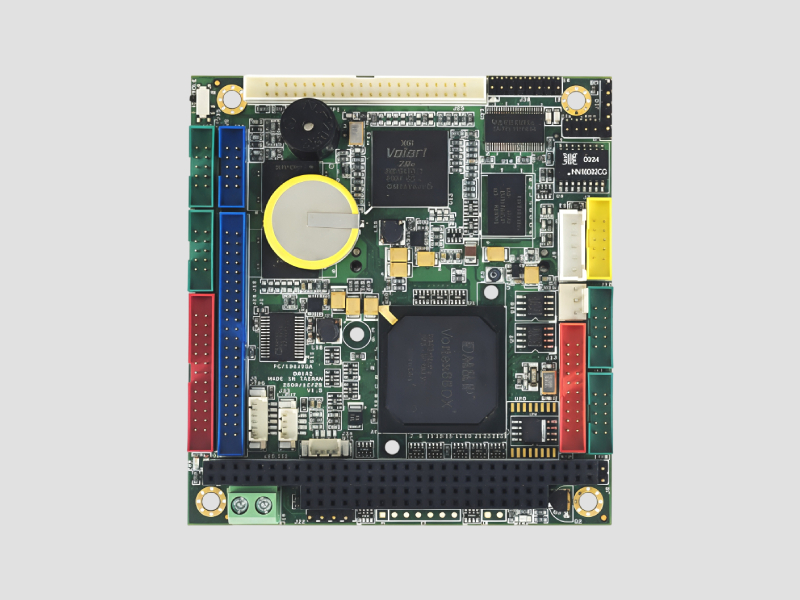
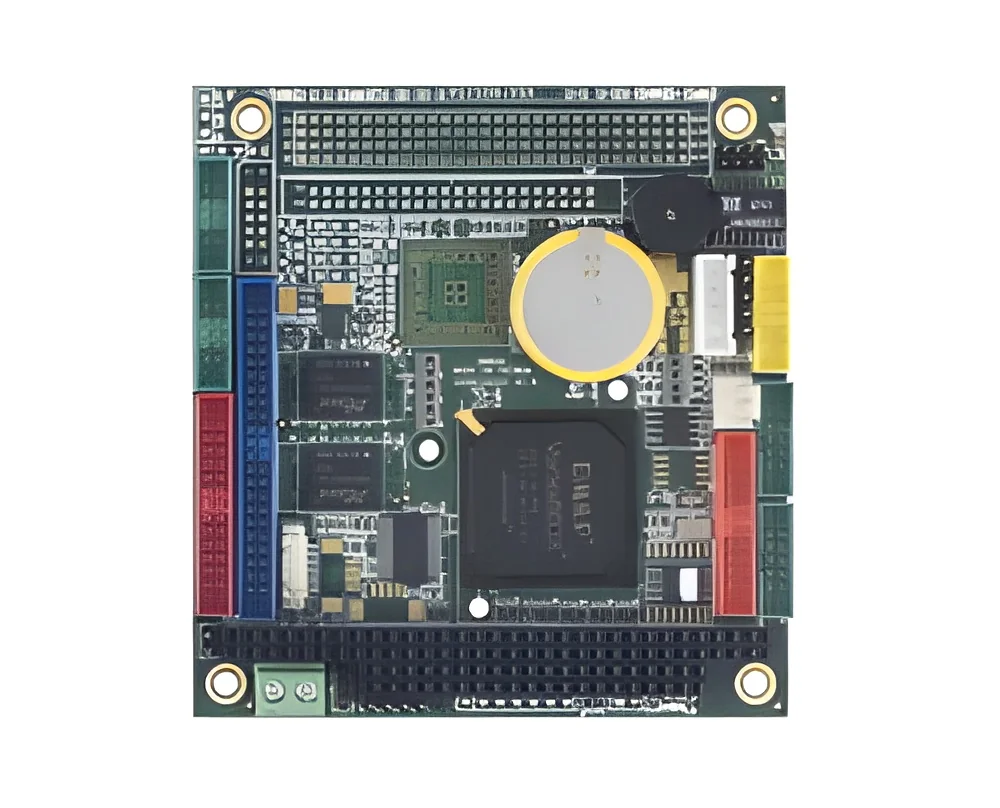
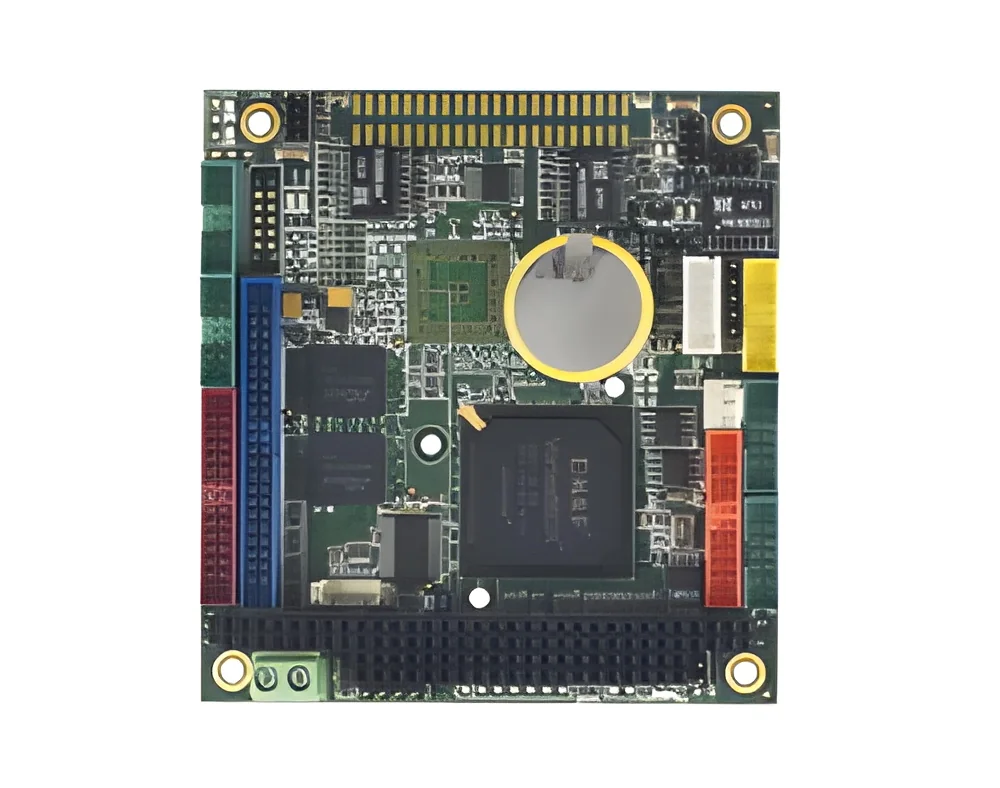
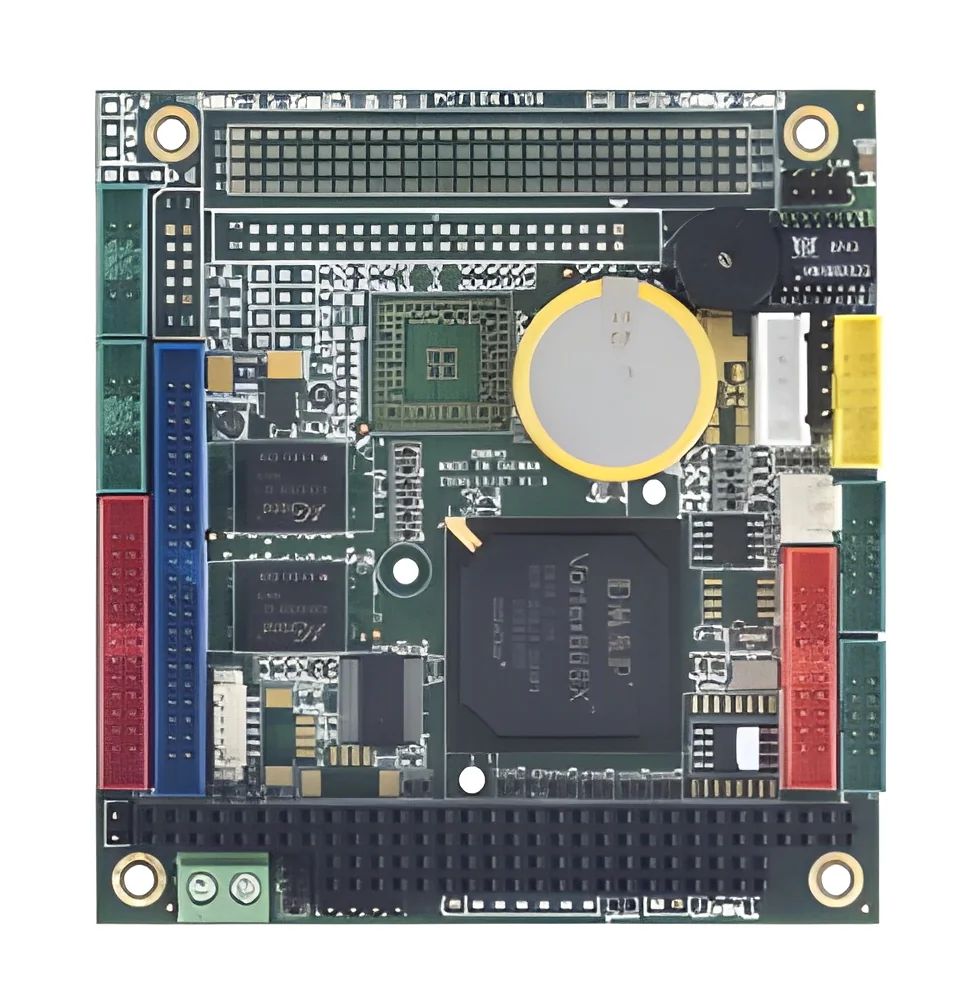
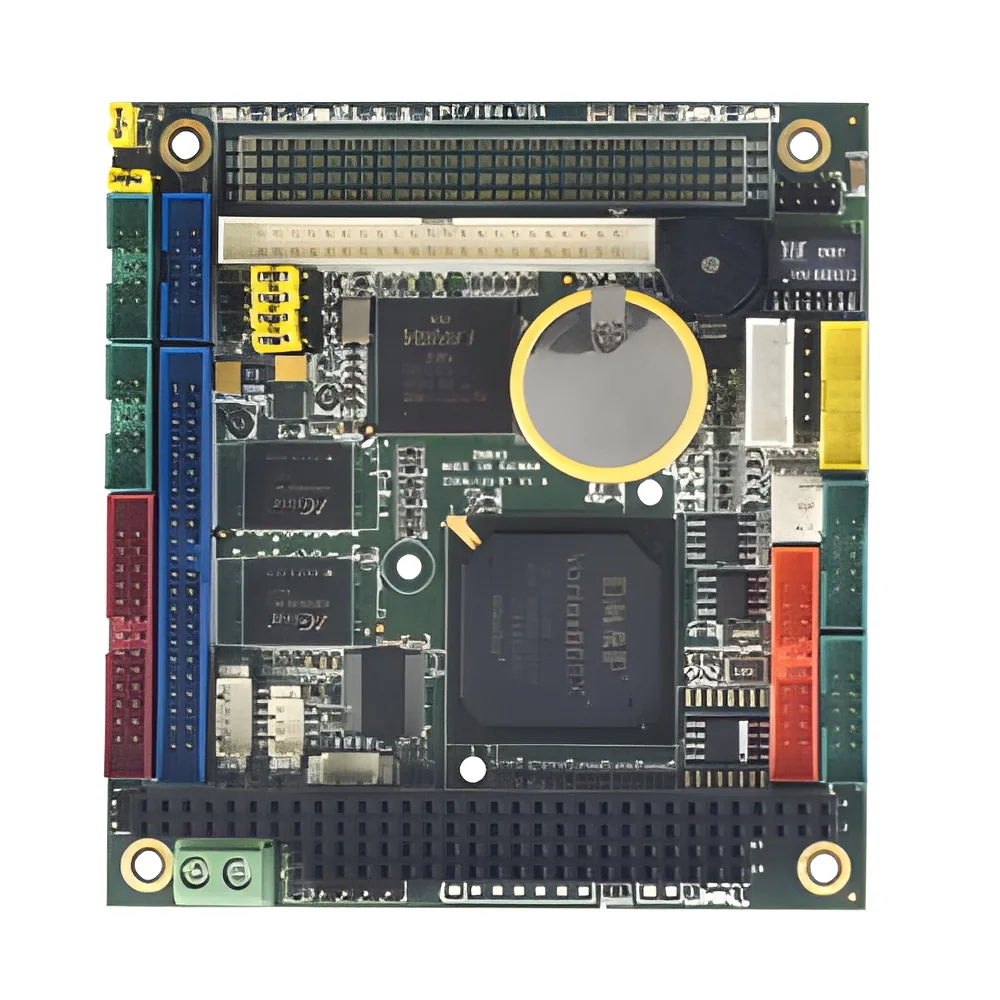
Key Features and Specifications
SoC modules are characterized by a range of features that enhance their functionality and performance. Understanding these specifications is crucial when selecting the right module for specific applications.
Key specifications include:
1. Processing Power
- The number of cores and clock speed dictates the processing capabilities.
- Ranges typically include dual-core to octa-core configurations with clock speeds up to 3 GHz.
2. Memory Capacity
- This refers to the onboard RAM and storage options available.
- Common configurations range from 512 MB RAM to 8 GB, with storage options varying from 4 GB to 128 GB.
3. Power Consumption
- Important for battery-operated devices, indicating the energy efficiency of the module.
- Typical ranges are from 1W to 10W depending on the application.
4. Connectivity Options
- Includes support for various communication protocols such as Wi-Fi, Bluetooth, and Ethernet.
- Most modules support at least one wireless and one wired option.
5. Graphics Capability
- Indicates the graphics processing unit (GPU) included in the SoC for visual tasks.
- Ranges from integrated GPUs suitable for basic tasks to high-performance GPUs for gaming applications.
6. Operating Temperature Range
- Essential for industrial applications where environmental conditions vary.
- Standard operating ranges are often from -40°C to 85°C.
7. Form Factor
- Refers to the size and shape of the SoC module, influencing its integration into devices.
- Common form factors include QFN, BGA, and SIP.
8. Industry Compliance
- Ensures the module meets specific standards relevant to its application.
- Compliance with certifications like UL and CE is often required for safety and reliability.
In summary, the key features and specifications of SoC modules highlight their versatility and suitability for a wide range of applications. Understanding these aspects is essential for making informed purchasing decisions.
Common Applications and Use Cases
SoC modules find applications across various industries, leveraging their compact design and powerful capabilities.
1. Consumer Electronics: SoCs are integral to smartphones, tablets, and smart TVs, enabling high performance and energy efficiency for multimedia tasks.
2. Automotive: In vehicles, SoCs are used for infotainment systems, advanced driver assistance systems (ADAS), and connectivity features, enhancing safety and user experience.
3. Industrial Automation: SoC modules are employed in robotics and control systems, providing real-time processing and connectivity for automated operations.
4. Medical Devices: They are essential in portable medical equipment, allowing for compact designs and efficient data processing for diagnostics and monitoring.
5. Smart Home Systems: SoCs power smart appliances and home automation systems, enabling seamless communication and control over devices.
6. IoT Devices: In the Internet of Things ecosystem, SoCs enable connectivity and data processing for smart sensors and devices across various applications.
7. Telecommunications: They are used in networking equipment and base stations, supporting high-speed data processing and communication.
Product Variants and Subcategories
SoC modules come in various configurations and specifications to cater to different market needs. Each variant is designed to serve specific applications efficiently.
Variant 1: High-Performance SoC
This variant focuses on delivering superior processing power and graphics capabilities. It is ideal for gaming consoles and high-definition video applications, offering enhanced performance for demanding tasks.
Variant 2: Low-Power SoC
Designed for battery-operated devices, this variant prioritizes energy efficiency without compromising on essential functionalities. It is commonly used in wearables and IoT devices where power consumption is critical.
Variant 3: Industrial SoC
This variant is built to withstand harsh environments and is typically used in industrial automation and control systems. It offers robust performance and extended temperature ranges.
Benefits and Advantages
SoC modules provide numerous advantages that make them an attractive choice for businesses.
1. Compact Design: They integrate multiple functions into a single chip, reducing space requirements in devices.
2. Energy Efficiency: SoCs consume less power compared to traditional multi-chip solutions, making them ideal for battery-operated applications.
3. Cost-Effectiveness: By consolidating components, SoCs can reduce manufacturing and assembly costs, providing savings to businesses.
4. High Performance: With advanced processing and graphics capabilities, they can handle complex tasks efficiently.
5. Scalability: Various SoC options allow businesses to choose modules that fit their specific needs, supporting growth and adaptation.
6. Simplified Design: The integration of components simplifies the design process, allowing for quicker product development.
Buying Guide for B2B Buyers
When sourcing System on Chip (SoC) Modules, it is essential to consider several critical factors to ensure optimal selection.
1. Quality Assessment: Evaluate the quality of the SoC modules based on performance benchmarks and user reviews. Ensure that they meet industry standards for reliability and durability.
2. Supplier Verification: Vet suppliers to confirm their credibility and track record. Look for certifications and references to ensure they can deliver quality products.
3. Pricing and MOQ: Understand the pricing structure and minimum order quantities (MOQ) that suppliers offer. Negotiate terms that align with your budget and volume requirements.
4. Delivery and Lead Times: Consider logistics and the expected lead times for delivery. Ensure suppliers can meet your timelines to avoid disruptions in your production schedule.
5. Compliance Requirements: Check if the SoC modules comply with relevant industry standards and regulations. This is crucial for ensuring safety and smooth market entry.
Compliance and Certifications
Compliance and certifications play a vital role in the quality assurance of System on Chip (SoC) Modules. Adhering to relevant quality standards such as ISO 9001 ensures that manufacturers maintain high-quality processes throughout production. This standard emphasizes continuous improvement and customer satisfaction.
Industry certifications like UL and CE are essential for SoC modules, indicating that they meet specific safety and performance criteria. These certifications help assure buyers that the products are reliable and safe for use in various applications.
Safety and testing requirements are critical in the design and manufacture of SoC modules. Manufacturers must conduct rigorous testing to ensure that their products can withstand environmental stresses and perform reliably under various conditions.
Regional compliance considerations are also important, as different regions may have specific regulatory requirements that SoC modules must meet to be sold in those markets. Understanding these requirements can help businesses avoid compliance issues and ensure smooth product launches.
Why Source System on Chip (SoC) Modules from Pepagora?
Pepagora provides a trusted platform for sourcing System on Chip (SoC) Modules, offering several key advantages for B2B buyers.
Verified Supplier Network: Pepagora has established a robust network of verified suppliers, ensuring that buyers can source high-quality SoC modules with confidence. Each supplier undergoes a thorough vetting process to guarantee reliability.
Streamlined RFQ Process: The platform offers a streamlined Request for Quotation (RFQ) process, allowing buyers to easily request quotes from multiple suppliers. This simplifies the procurement process and helps ensure competitive pricing.
Trade Assurance and Support: Pepagora provides trade assurance to protect buyers during transactions. This includes support in case of disputes or issues, offering peace of mind when sourcing products.
Regional Coverage: With a strong presence in key markets such as India, GCC, and Southeast Asia, Pepagora ensures that buyers have access to a wide range of SoC modules tailored to regional needs. This geographic reach facilitates efficient sourcing and delivery for businesses across diverse locations.

 IN
IN