What are Embedded Development Boards (Arduino, Raspberry Pi, etc.)?
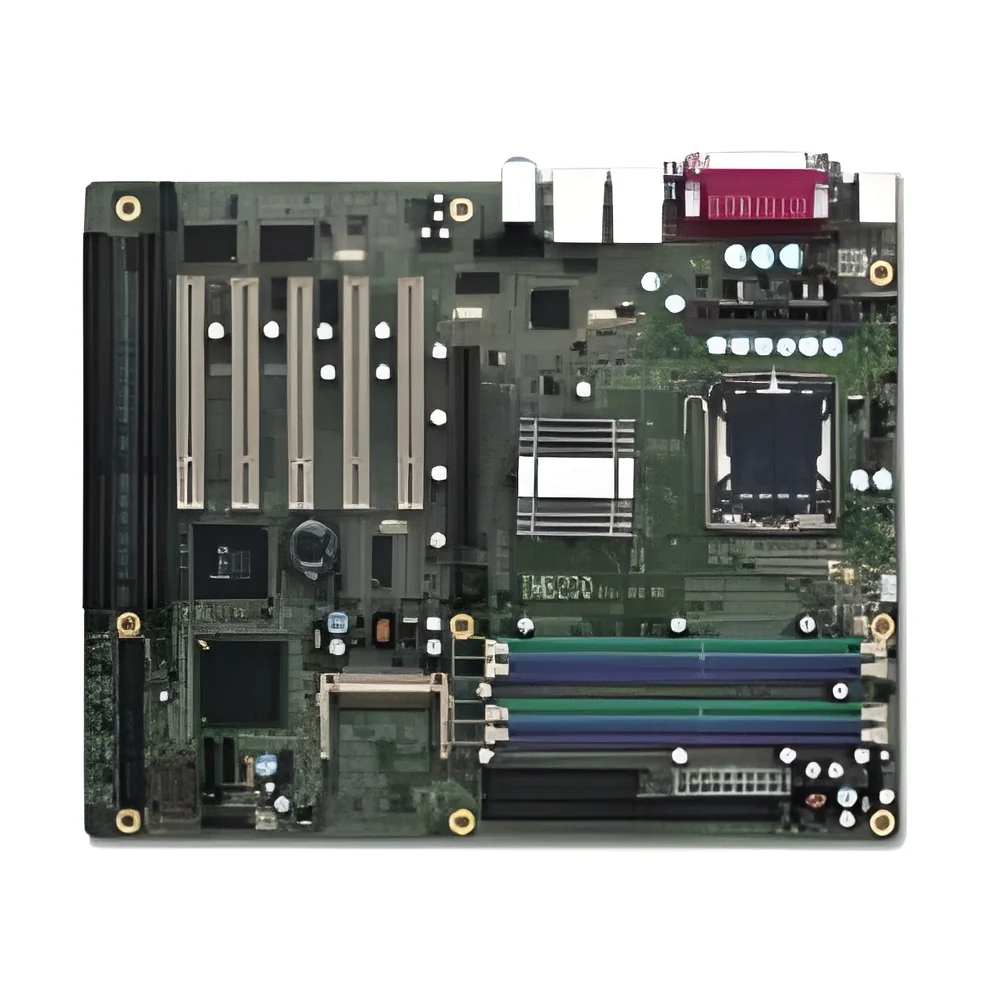
Embedded development boards, such as Arduino and Raspberry Pi, are compact computer systems designed for developing and prototyping electronic projects. These boards integrate various components, such as microcontrollers, processors, and input/output interfaces, allowing users to create interactive applications and systems. With a focus on accessibility and usability, these boards are popular among hobbyists, engineers, and educators, enabling rapid development without requiring extensive hardware knowledge.
The primary uses of embedded development boards span multiple industries, including education, automation, and Internet of Things (IoT) applications. Businesses leverage these boards to develop prototypes, run simulations, and create products that require embedded computing capabilities. Their versatility makes them suitable for multiple applications, from simple DIY projects to complex industrial solutions. The increasing demand for smart devices and IoT solutions further emphasizes their relevance in today's technology landscape.
The market for embedded development boards is growing due to the rising need for automation and efficient technological solutions. Industries are seeking innovative approaches to enhance productivity and streamline operations. As a result, understanding the capabilities and features of these boards becomes essential for companies aiming to stay competitive in the evolving tech environment.
𝗞𝗲𝘆 𝗙𝗲𝗮𝘁𝘂𝗿𝗲𝘀 𝗮𝗻𝗱 𝗦𝗽𝗲𝗰𝗶𝗳𝗶𝗰𝗮𝘁𝗶𝗼𝗻𝘀
Embedded development boards come with a range of features that cater to various application needs. Understanding these specifications is crucial for selecting the right board for your project.
Key specifications include:
1. Processor Type
- The type of processor can range from ARM to x86 architecture.
- Performance levels vary, impacting processing speed and energy efficiency.
2. Memory Capacity
- Memory options typically include RAM and flash storage.
- Capacity can affect the complexity of applications that can be run.
3. Input/Output Ports
- Boards feature various ports such as GPIO, USB, HDMI, and Ethernet.
- The number and type of ports determine connectivity options.
4. Power Supply
- Most boards operate on different voltage levels, commonly 5V or 12V.
- Understanding power requirements is essential for stability and performance.
5. Operating System Compatibility
- Some boards support specific operating systems, like Linux or Windows.
- OS compatibility can influence development tools and resources available.
6. Dimensions and Form Factor
- Boards come in various sizes, impacting integration into projects.
- Form factors can determine how easily the board can be mounted or housed.
7. Communication Protocols
- Common protocols include I2C, SPI, and UART.
- The choice of protocols influences how devices communicate with each other.
8. Development Environment
- Many boards offer user-friendly IDEs and programming languages.
- The ease of use can shorten the learning curve for new users.
In summary, understanding the key features and specifications of embedded development boards is critical for making informed decisions. Each specification plays a role in determining how well a board will serve specific project requirements.
𝗖𝗼𝗺𝗺𝗼𝗻 𝗔𝗽𝗽𝗹𝗶𝗰𝗮𝘁𝗶𝗼𝗻𝘀 𝗮𝗻𝗱 𝗨𝘀𝗲 𝗖𝗮𝘀𝗲𝘀
Embedded development boards are utilized across various industries for diverse applications. Their adaptability makes them suitable for both prototyping and final products.
1. Education: These boards are widely used in educational settings to teach programming, electronics, and robotics. Students can create projects that enhance their understanding of technology.
2. Industrial Automation: Companies leverage embedded boards to automate processes, monitor equipment, and control machinery. This leads to increased efficiency and reduced operational costs.
3. Internet of Things (IoT): Many IoT devices are powered by embedded development boards, enabling smart home solutions, environmental monitoring, and connected systems that enhance user experiences.
4. Healthcare: Embedded boards are used in medical devices for patient monitoring, diagnostic tools, and telemedicine applications, improving healthcare delivery and patient outcomes.
5. Automotive: In the automotive industry, these boards are used for infotainment systems, navigation tools, and advanced driver-assistance systems, contributing to safer and more connected vehicles.
6. Robotics: Enthusiasts and engineers use embedded boards to build robots for various purposes, from educational robotics kits to complex industrial robots that perform specific tasks.
7. Smart Agriculture: Embedded boards enable the development of precision agriculture solutions, allowing farmers to monitor crop conditions and optimize resource use for better yields.
𝗣𝗿𝗼𝗱𝘂𝗰𝘁 𝗩𝗮𝗿𝗶𝗮𝗻𝘁𝘀 𝗮𝗻𝗱 𝗦𝘂𝗯𝗰𝗮𝘁𝗲𝗴𝗼𝗿𝗶𝗲𝘀
Embedded development boards come in various types, each designed to serve specific needs. While subcategories may not be explicitly available, here are two popular variants.
Arduino Boards: Arduino boards are known for their simplicity and user-friendly environment. They are ideal for beginners and hobbyists for developing projects in robotics, automation, and basic electronics.
Raspberry Pi Boards: Raspberry Pi boards are more powerful and versatile, featuring advanced processing capabilities. They are suitable for projects ranging from media centers to IoT applications, making them a favorite among developers and engineers.
𝗕𝗲𝗻𝗲𝗳𝗶𝘁𝘀 𝗮𝗻𝗱 𝗔𝗱𝘃𝗮𝗻𝘁𝗮𝗴𝗲𝘀
Choosing embedded development boards offers numerous benefits for businesses and developers alike.
1. Cost-Effective Prototyping: These boards provide an affordable way to prototype and test designs before full-scale production, saving time and resources.
2. Rapid Development: With a wealth of community resources and libraries, developers can quickly bring their ideas to life without starting from scratch.
3. Versatility: The adaptability of embedded development boards allows them to serve various applications across industries, enhancing their market appeal.
4. Strong Community Support: A vibrant community exists around these boards, providing resources, tutorials, and forums for troubleshooting and collaboration.
5. Open-Source Hardware: Many boards are built on open-source principles, allowing users to modify and customize designs to fit specific needs.
6. Educational Value: These boards are excellent tools for education, helping users develop skills in programming and electronics, fostering a new generation of engineers.
𝗕𝘂𝘆𝗶𝗻𝗴 𝗚𝘂𝗶𝗱𝗲 𝗳𝗼𝗿 𝗕𝟮𝗕 𝗕𝘂𝘆𝗲𝗿𝘀
When sourcing embedded development boards, it is essential to consider several factors to ensure the right fit for your needs.
1. Quality Assessment: Evaluate the quality of the boards by checking for certifications and customer reviews. Quality should meet industry standards to ensure reliability and performance.
2. Supplier Verification: Vet potential suppliers by examining their reputation, experience, and customer feedback. This helps ensure you are working with trusted partners.
3. Pricing and MOQ: Understand the cost structure and minimum order quantities. This information is crucial for budgeting and determining the feasibility of your project.
4. Delivery and Lead Times: Consider logistics and lead times for delivery. Ensure that suppliers can meet your deadlines to avoid project delays.
5. Compliance Requirements: Be aware of regulatory standards applicable to your industry and ensure the boards comply with necessary certifications to avoid legal issues.
𝗖𝗼𝗺𝗽𝗹𝗶𝗮𝗻𝗰𝗲 𝗮𝗻𝗱 𝗖𝗲𝗿𝘁𝗶𝗳𝗶𝗰𝗮𝘁𝗶𝗼𝗻𝘀
Compliance and certifications are vital for ensuring the quality and safety of embedded development boards. Relevant quality standards, such as ISO 9001, provide a framework for consistent quality management practices.
In addition, many embedded development boards hold industry certifications, such as CE marking, which indicates compliance with European health, safety, and environmental protection standards. This certification is essential for gaining access to various markets.
Safety and testing requirements are also critical. Boards should undergo rigorous testing to meet safety standards, ensuring that they function correctly and safely in their intended applications.
Regional compliance considerations vary by location and may include additional certifications or regulations. It is important to be aware of these requirements to ensure your products meet all necessary legal obligations.
Why Source Embedded Development Boards (Arduino, Raspberry Pi, etc.) from Pepagora?
Pepagora offers a trusted platform for sourcing embedded development boards, providing several key advantages to B2B buyers.
Verified Supplier Network: Pepagora connects buyers with a verified network of suppliers, ensuring that all partners meet rigorous standards for quality and reliability. This network fosters trust and confidence in the sourcing process.
Streamlined RFQ Process: The platform simplifies the request for quotation process, allowing buyers to easily compare prices and specifications. This efficiency helps businesses make informed purchasing decisions quickly.
Trade Assurance and Support: Pepagora provides buyer protection through trade assurance, ensuring that transactions are secure. Additionally, the support team is available to assist with any issues that may arise during the sourcing process.
Regional Coverage: With a geographic reach that includes India, GCC, and Southeast Asia, Pepagora enables businesses to source embedded development boards efficiently across various regions. This broad coverage enhances accessibility and market reach for buyers.

 IN
IN