
 IN
Elliptical Trainers
1 products available
What are Elliptical Trainers?
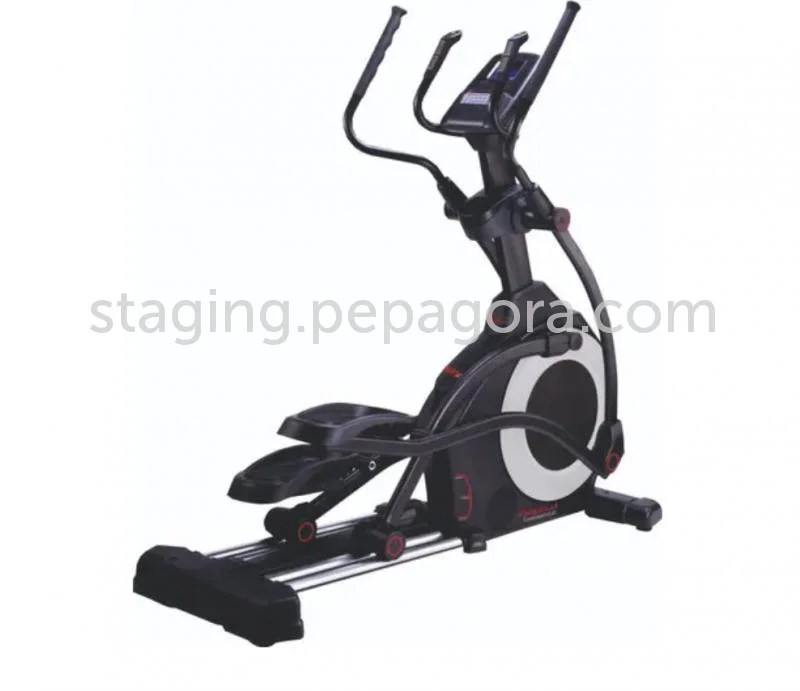
Elliptical trainers are advanced fitness machines designed to simulate walking, running, or stair climbing without putting excessive stress on the joints. They feature a pair of pedals that move in an elliptical path, allowing users to engage multiple muscle groups while maintaining a low-impact workout. This makes elliptical trainers suitable for users of varying fitness levels, from beginners to seasoned athletes.
In a business context, elliptical trainers are primarily utilized in gyms, fitness centers, and rehabilitation facilities. They offer a versatile solution for cardiovascular training and strength building. Many health clubs invest in these machines due to their popularity among patrons who seek effective and joint-friendly workouts. The demand for elliptical trainers is steadily increasing as more individuals prioritize health and fitness, leading to a growing market for these products.
Key Features and Specifications
Elliptical trainers come equipped with various features that enhance user experience and performance. Understanding these specifications is crucial for businesses looking to invest in quality equipment.
Key specifications include:
1. Resistance Levels
- Varying levels of resistance allow users to customize their workout intensity.
- Typically ranges from 1 to 20 levels.
2. Display Console
- Provides essential workout metrics such as time, distance, speed, and calories burned.
- Often includes heart rate monitoring features.
3. Size and Weight Capacity
- Dimensions and weight capacity are important for space planning and user safety.
- Commonly supports user weights up to 350 pounds.
4. Adjustable Stride Length
- Users can modify the stride length to suit their height and comfort.
- Adjustable ranges usually vary from 16 to 22 inches.
5. Built-in Programs
- Many models feature pre-set workout programs for varied training routines.
- Programs may include interval training, hill climbs, and fat burn modes.
6. Portability Features
- Some machines come with wheels for easy transportation.
- Foldable designs are available for space-saving storage.
7. Noise Level
- The operational noise level can impact the user experience, especially in shared spaces.
- Many models are designed for quiet operation.
8. Warranty and Support
- Manufacturers typically offer warranties covering mechanical parts and electronics.
- Warranty periods often range from 1 to 5 years.
In summary, understanding these features and specifications is vital for making informed purchasing decisions in the B2B market.
Common Applications and Use Cases
Elliptical trainers serve various industries beyond traditional fitness settings.
1. Health Clubs: These trainers are a staple in health clubs, providing members with a low-impact cardio option that appeals to a diverse clientele.
2. Rehabilitation Centers: Physical therapists often recommend elliptical trainers for patients recovering from injuries, as they allow for safe movement while minimizing strain on healing joints.
3. Corporate Wellness Programs: Many businesses incorporate elliptical trainers into their wellness initiatives to promote employee health and productivity.
4. Hotels and Resorts: High-end hotels often provide fitness facilities equipped with elliptical trainers to enhance guest experience.
5. Educational Institutions: Schools and universities may include elliptical trainers in their gym facilities to encourage student fitness.
Benefits and Advantages
Investing in elliptical trainers offers several key benefits.
1. Low-Impact Exercise: These machines provide a cardiovascular workout that is easy on the joints, making them ideal for all fitness levels.
2. Full-Body Workout: Elliptical trainers engage both the upper and lower body, providing a comprehensive workout in a single session.
3. Versatile Training Options: Users can adjust resistance and stride length, allowing for tailored workouts that meet individual goals.
4. Space Efficiency: Many elliptical trainers are designed to occupy minimal space, making them suitable for various environments.
5. User-Friendly Interfaces: Most models feature intuitive displays, making it easy for users to track their progress.
6. Enhanced Safety Features: Many trainers come with safety features such as non-slip pedals and emergency stop buttons, ensuring user safety during workouts.
Buying Guide for B2B Buyers
When sourcing elliptical trainers for commercial use, several factors should be considered to ensure optimal investment.
1. Quality Assessment: Evaluate the build quality, materials, and durability of the elliptical trainers. Look for models that have undergone rigorous testing to meet industry standards.
2. Supplier Verification: Vet suppliers to ensure they have a solid reputation and reliability. Check for customer reviews and certifications that validate their credibility.
3. Pricing and MOQ: Consider the cost per unit and minimum order quantities when budgeting. Request quotes from multiple suppliers to compare prices effectively.
4. Delivery and Lead Times: Understand the logistics involved in delivery, including lead times, to ensure that the trainers arrive when needed.
5. Compliance Requirements: Ensure that the elliptical trainers meet any relevant regulatory standards and certifications, which may vary by region.
Compliance and Certifications
Compliance and certifications are critical components in the manufacturing and distribution of elliptical trainers. Manufacturers often adhere to several quality standards to ensure product safety and reliability.
ISO 9001 certification is commonly pursued by manufacturers as it demonstrates a commitment to quality management systems. This standard ensures that products meet customer and regulatory requirements consistently.
Additionally, the CE mark indicates that a product complies with European health, safety, and environmental protection standards. This certification is especially important for manufacturers targeting markets in Europe.
Safety is paramount for elliptical trainers, and manufacturers must conduct testing to ensure that their products meet safety requirements. This often involves rigorous assessments of mechanical and electrical components.
Regional compliance considerations are also essential. Different countries may have varying regulations regarding fitness equipment, and manufacturers should ensure that their products align with local standards.
Why Source Elliptical Trainers from Pepagora?
Pepagora offers a reliable platform for sourcing elliptical trainers, making it easier for businesses to find quality products.
Verified Supplier Network: Pepagora provides access to a network of verified suppliers. Each supplier is vetted to ensure they meet high standards of quality and service.
Streamlined RFQ Process: The Request for Quotation (RFQ) process is designed to be efficient, allowing buyers to receive competitive quotes from multiple suppliers quickly. This helps in making informed purchasing decisions.
Trade Assurance and Support: Buyers benefit from trade assurance, which includes protections for purchases. Pepagora’s support team is available to assist with any queries, ensuring a smooth transaction process.
Regional Coverage: With a focus on regions like India, the GCC, and Southeast Asia, Pepagora connects buyers with manufacturers that understand local market needs. This geographic reach facilitates better sourcing options for businesses in diverse regions.


Frequently Asked Questions
What are Elliptical Trainers?
Elliptical trainers are low-impact cardiovascular exercise machines designed to simulate walking, running, or stair climbing without putting excessive pressure on the joints. They feature two pedals that move in an elliptical motion, allowing users to engage multiple muscle groups while minimizing the risk of injury.
What are the different types of Elliptical Trainers?
There are several types of elliptical trainers, including front-drive, rear-drive, and center-drive models. Front-drive ellipticals have the flywheel located at the front, offering a more natural stride, while rear-drive models provide a more traditional elliptical motion. Center-drive ellipticals have a compact design, making them suitable for smaller spaces.
How do I choose the right Elliptical Trainers?
When selecting an elliptical trainer, consider factors such as stride length, resistance levels, and the machine's weight capacity. Additionally, evaluate the features that are important to you, such as built-in workout programs, heart rate monitors, and connectivity options. Testing different models can also help you determine which one feels most comfortable.
What are the standard specifications for Elliptical Trainers?
Standard specifications for elliptical trainers typically include a stride length ranging from 16 to 20 inches, adjustable resistance levels, and a maximum weight capacity that can vary from 250 to 400 pounds. Other specifications may include display features for tracking workout metrics and dimensions for the machine's footprint.
What is the price range for Elliptical Trainers?
The price range for elliptical trainers can vary significantly based on features, brand, and quality. Generally, entry-level models can start around INR 20,000, while advanced models with more features can cost upwards of INR 1,00,000 or more.
What quality standards apply to Elliptical Trainers?
Elliptical trainers should adhere to quality standards such as ISO 20957 for fitness equipment, which ensures safety and performance. Additionally, manufacturers may follow specific safety regulations and guidelines to ensure that their products are durable and reliable for consumer use.
Where can I find Elliptical Trainers suppliers in India?
You can find elliptical trainers suppliers in India through B2B marketplaces like Pepagora.com, where you can browse various manufacturers and suppliers. Additionally, trade shows, fitness equipment expos, and online directories can also be valuable resources for sourcing suppliers.
Can Elliptical Trainers be customized?
Yes, many manufacturers offer customization options for elliptical trainers. Customizations may include adjustments in design, color, branding, and specific features to cater to individual or business preferences.
What is the typical minimum order quantity for Elliptical Trainers?
The typical minimum order quantity (MOQ) for elliptical trainers can vary by manufacturer but usually ranges from 5 to 10 units. It's advisable to check with suppliers for their specific MOQ requirements as it can differ based on the model and customization options.
What is the typical lead time for Elliptical Trainers?
The typical lead time for elliptical trainers can range from 4 to 12 weeks, depending on factors such as the manufacturer, order quantity, and whether any customization is requested. It's best to confirm lead times directly with suppliers during the ordering process.
Why Businesses Trust Pepagora
Thousands of companies trust Pepagora to source smarter and sell faster
Expand Your Sales Globally

Source Smarter,Grow Faster
