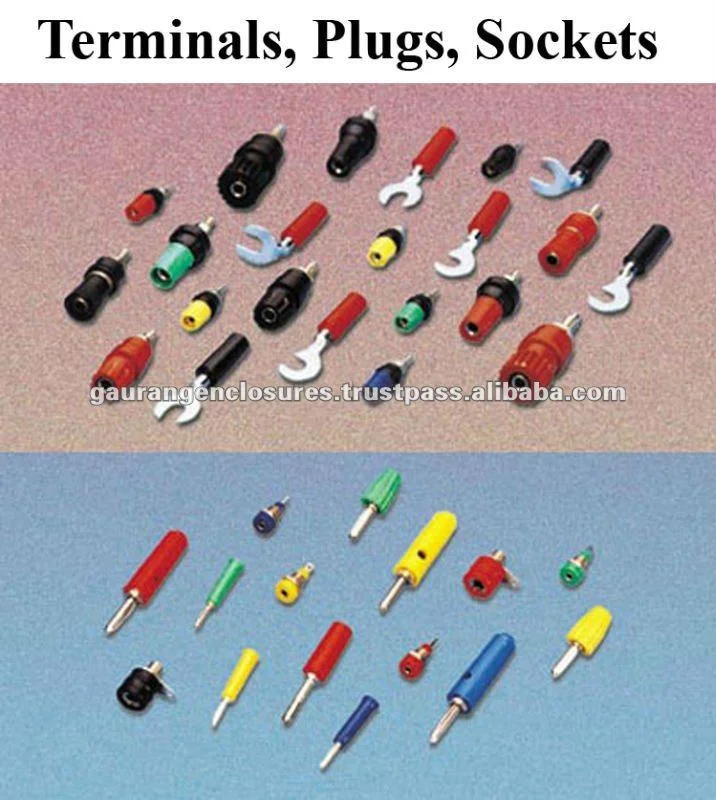
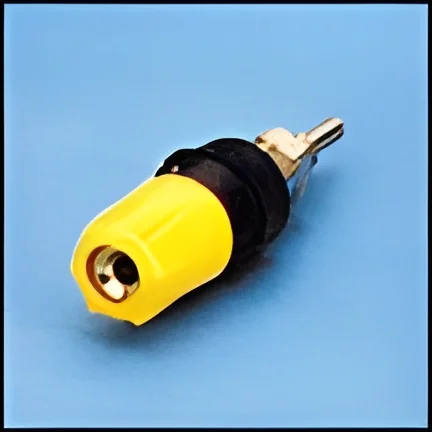
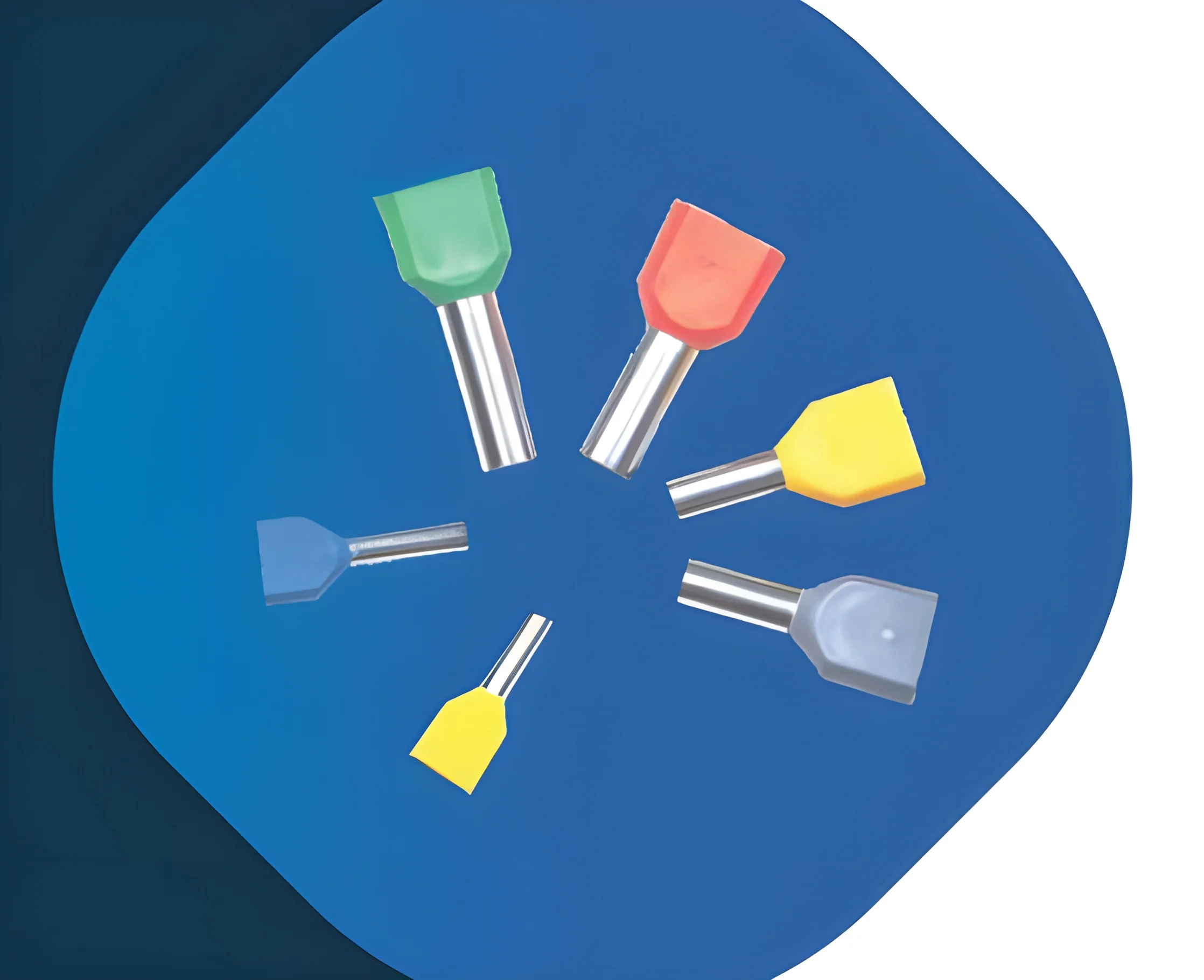
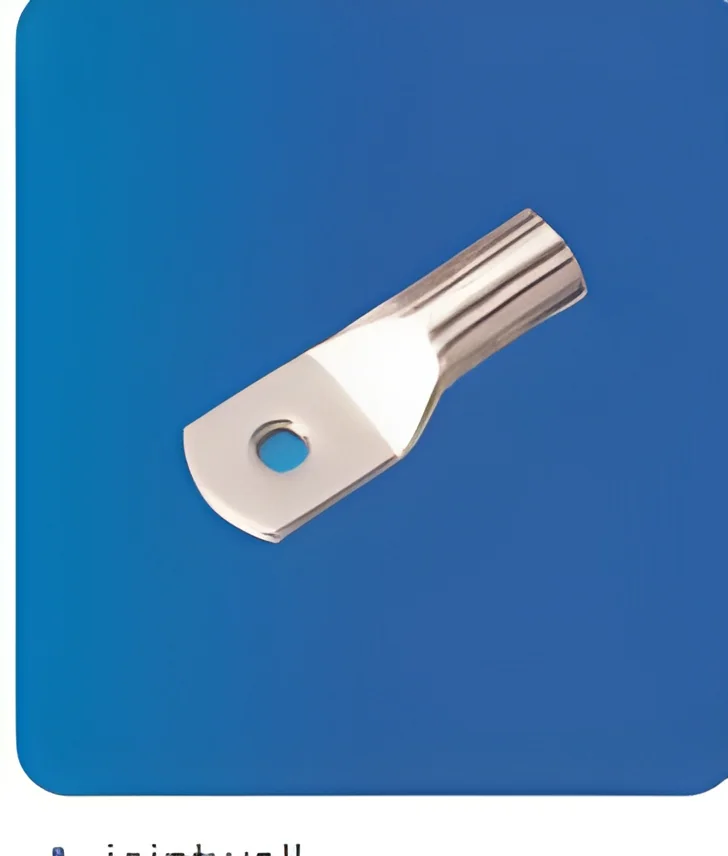
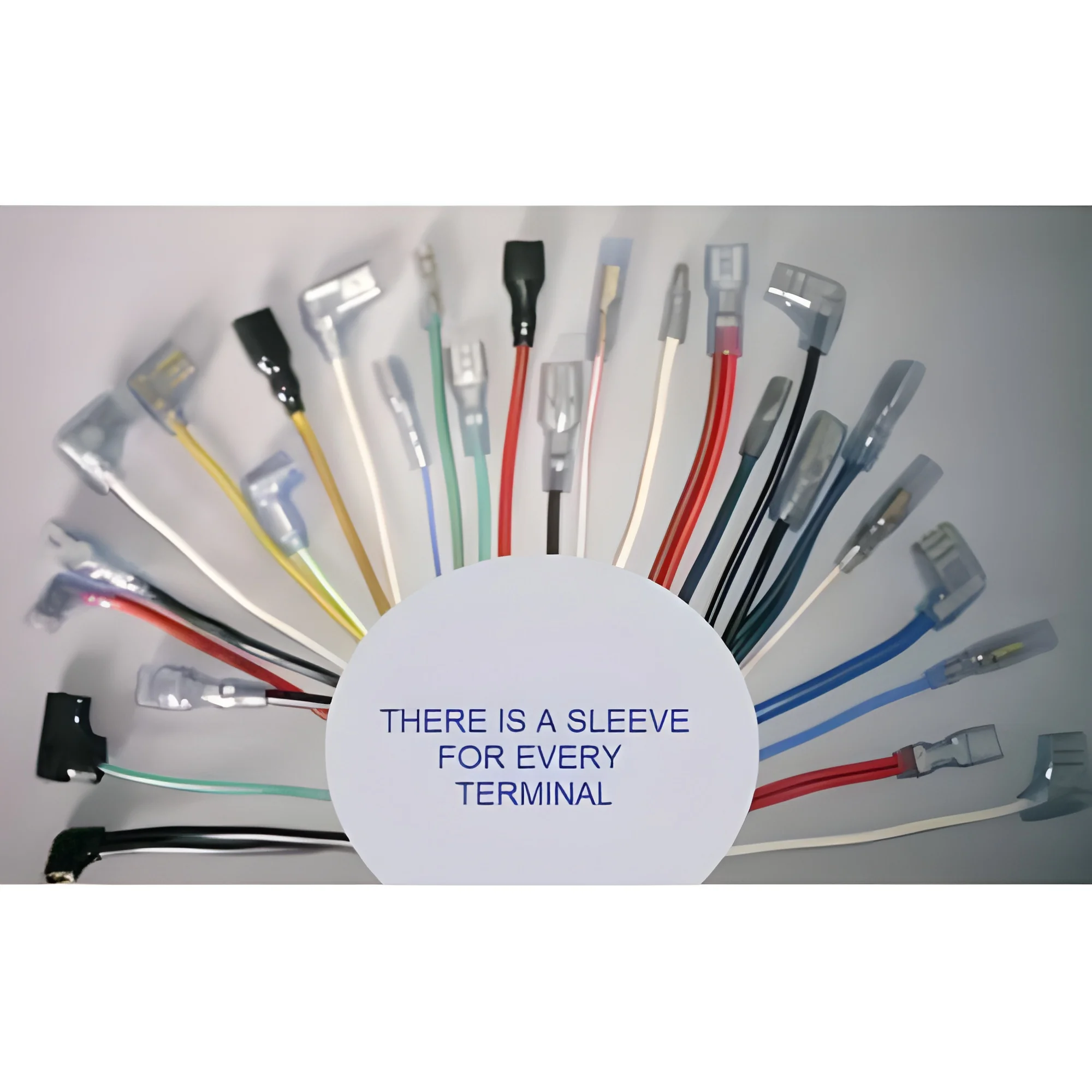
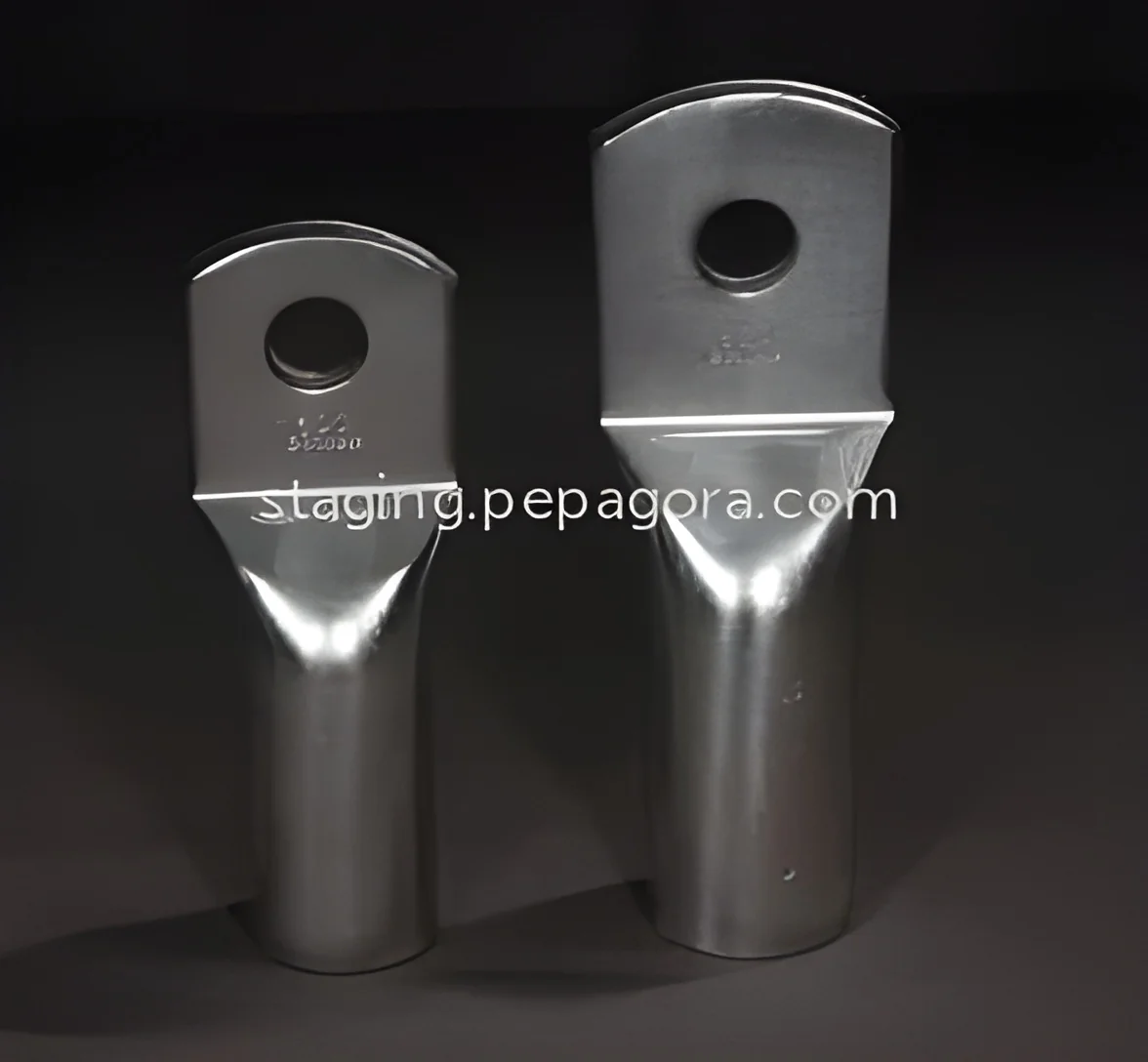
What are Electrical Connectors & Terminals?
Electrical connectors and terminals are essential components used to establish electrical connections between various devices and systems. They facilitate the transfer of power or signals and ensure reliable communication across different electrical circuits. These components come in various shapes and sizes, designed to accommodate different types of wires and applications.
Primarily, electrical connectors and terminals are used in various industries, including automotive, telecommunications, and industrial manufacturing. They play a critical role in assembling electrical equipment, enabling connectivity for power distribution and data transmission. Their reliability and performance are vital for ensuring the safety and efficiency of electrical systems.
The relevance of electrical connectors and terminals in today’s market cannot be overstated. With the increasing demand for automation and smart technologies, the need for high-quality connectors that can withstand harsh conditions and maintain performance is crucial. Industries are continuously evolving, driving innovations that require advanced connector solutions to meet specific application needs.
Key Features and Specifications
Electrical connectors and terminals are characterized by several key features and specifications that determine their suitability for various applications. Understanding these specifications helps buyers make informed choices when sourcing these components.
Key specifications include:
1. Material Composition
- Connectors and terminals are typically made from materials such as copper, aluminum, or brass, often plated with nickel or tin to enhance conductivity and corrosion resistance.
2. Current Rating
- This specification indicates the maximum current a connector can safely carry, usually expressed in amperes (A). Common ratings range from a few milliamperes to several hundred amperes, depending on the application.
3. Voltage Rating
- Voltage rating indicates the maximum voltage a connector can handle, which is critical for ensuring safety in electrical systems. Ratings commonly range from 50V to several thousand volts.
4. Temperature Range
- Connectors are designed to operate within specific temperature ranges, ensuring functionality in extreme conditions. Typical ranges are not specified but vary based on construction.
5. Insulation Type
- Insulation materials can include PVC, rubber, or thermoplastic elastomers, which provide protection against electrical leakage and environmental factors.
6. Contact Resistance
- This measure indicates the resistance encountered at the interface of the connector and terminal, impacting efficiency and performance. Low contact resistance is preferred.
7. Mechanical Durability
- This specification assesses the physical strength of connectors and terminals, often measured in cycles of mating and unmating without failure.
8. Compliance Standards
- Connectors and terminals may comply with various industry standards, including CE certification, which indicates adherence to safety and environmental regulations.
In summary, understanding these specifications allows buyers to select the right electrical connectors and terminals for their specific needs, ensuring reliability and performance in their applications.
Common Applications and Use Cases
Electrical connectors and terminals serve a wide range of industries, each requiring specific solutions for their unique challenges.
1. Automotive: In the automotive industry, connectors and terminals are crucial for the electrical systems of vehicles, including power distribution, lighting, and control systems.
2. Telecommunications: These connectors are used in telecommunications to establish reliable connections for data transmission, ensuring effective communication networks.
3. Industrial Manufacturing: In industrial settings, connectors and terminals are integral to machinery and equipment, facilitating power supply and control for automated systems.
4. Aerospace: Connectors are used in aerospace applications to ensure secure and reliable connections in demanding environments, where safety is paramount.
5. Consumer Electronics: In consumer electronic devices, connectors facilitate connectivity between components, ensuring seamless operation and user experience.
6. Renewable Energy: In renewable energy systems, such as solar panels, connectors are essential for linking various components, ensuring efficient energy transfer.
7. Medical Equipment: In the medical field, reliable connectors are vital for the functionality of medical devices, ensuring patient safety and accurate diagnostics.
Product Variants and Subcategories
Electrical connectors and terminals come in various forms to meet diverse application needs. This diversity allows businesses to choose components that best fit their requirements.
Connector Type A
This type typically features a compact design ideal for automotive applications, offering high durability and resistance to environmental factors. Its versatility makes it suitable for various wiring configurations.
Connector Type B
Designed for industrial applications, this connector variant provides robust connections under high-stress conditions. It often includes features such as locking mechanisms for secure attachment.
Connector Type C
This variant is often used in telecommunications, offering high-speed data transfer capabilities. Its design is optimized for minimal signal loss and maximum efficiency.
Connector Type D
Common in consumer electronics, this connector type is designed for ease of use and quick installation, ensuring reliability in everyday devices.
Benefits and Advantages
Sourcing high-quality electrical connectors and terminals offers numerous benefits that enhance operational efficiency and safety.
1. Reliability: High-quality connectors ensure consistent performance, reducing the risk of electrical failures in critical applications.
2. Enhanced Safety: Properly rated connectors minimize the risk of overloads and electrical hazards, ensuring compliance with safety standards.
3. Improved Efficiency: Connectors designed for specific applications can enhance the overall efficiency of electrical systems, leading to better performance.
4. Versatility: A wide range of connector types allows businesses to find solutions tailored to their unique requirements, improving adaptability in various environments.
5. Cost-Effectiveness: Quality connectors can lead to lower maintenance costs over time, as their durability reduces the need for frequent replacements.
6. Compliance Assurance: Sourcing connectors that adhere to industry standards ensures regulatory compliance, safeguarding business interests.
Buying Guide for B2B Buyers
When sourcing electrical connectors and terminals, several key factors should be considered to ensure the best choice for your business needs.
1. Quality Assessment: Evaluate the quality of connectors based on material composition and construction standards. Look for products that meet recognized industry certifications to ensure reliability.
2. Supplier Verification: Vet suppliers thoroughly by checking their reputation, customer reviews, and compliance with industry standards. A verified supplier network is crucial for ensuring product integrity.
3. Pricing and MOQ: Understand the pricing structure and minimum order quantities (MOQs) required by suppliers. Balance cost with quality to make informed purchasing decisions.
4. Delivery and Lead Times: Inquire about delivery schedules and lead times to ensure timely availability of products. Effective logistics planning is essential for maintaining operational efficiency.
5. Compliance Requirements: Ensure that connectors meet relevant compliance standards, such as CE certification. This is vital for meeting regulatory obligations and ensuring product safety.
Compliance and Certifications
Compliance with quality standards and certifications is critical for electrical connectors and terminals. Various standards govern the manufacturing and performance of these components to ensure safety and reliability.
ISO 9001 is a widely recognized quality management standard that ensures consistent quality in production processes. Adherence to this standard indicates a commitment to maintaining high-quality products.
CE certification is essential for products sold in European markets, demonstrating compliance with health, safety, and environmental protection standards. This certification assures buyers of the product's safety and reliability.
In addition to these standards, connectors and terminals may need to meet specific safety and testing requirements applicable to their intended use. This includes rigorous testing to verify performance under various conditions, ensuring they can withstand factors such as temperature fluctuations and humidity.
Regional compliance considerations may also apply, particularly for businesses operating in multiple jurisdictions. Understanding local regulations is crucial for ensuring that products meet all necessary legal requirements.
Why Source Electrical Connectors & Terminals from Pepagora?
Pepagora provides a trusted platform for sourcing electrical connectors and terminals, offering several key advantages to B2B buyers.
Verified Supplier Network: Pepagora prioritizes quality by connecting buyers with verified suppliers. This network is built on thorough vetting processes, ensuring that only reputable manufacturers are featured.
Streamlined RFQ Process: The request for quotation (RFQ) process is designed for efficiency. Buyers can easily request quotes from multiple suppliers, facilitating comparison and decision-making.
Trade Assurance and Support: Pepagora offers trade assurance, providing buyers with protection throughout the procurement process. This support helps mitigate risks associated with sourcing.
Regional Coverage: With a wide geographic reach that includes India, the GCC, and Southeast Asia, Pepagora connects businesses with suppliers across diverse markets, enhancing sourcing opportunities.
By choosing Pepagora, businesses gain access to high-quality electrical connectors and terminals, backed by a commitment to reliability and customer satisfaction.

 IN
IN

 India
India