What are Switches, Relays & Sensors?
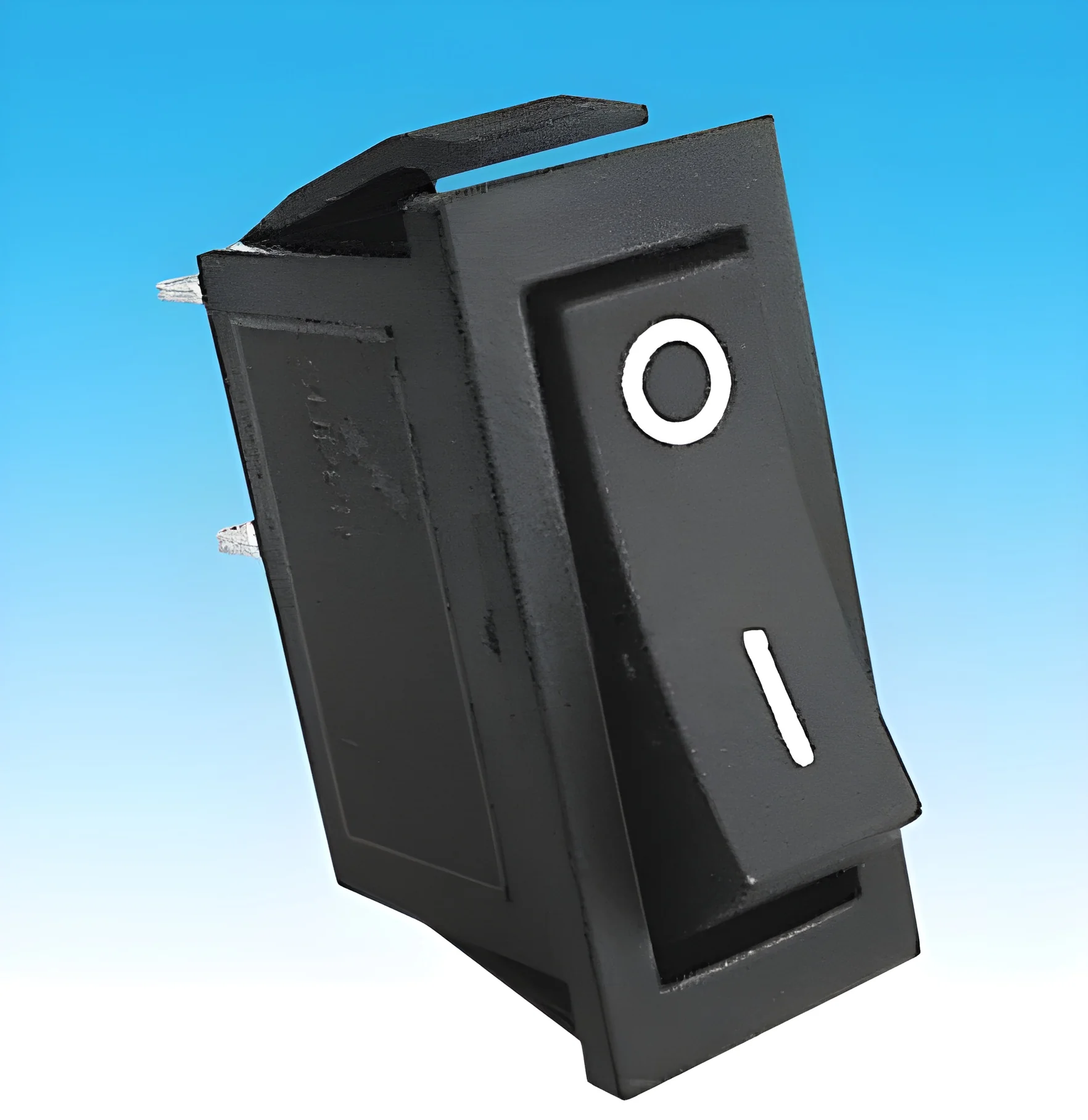
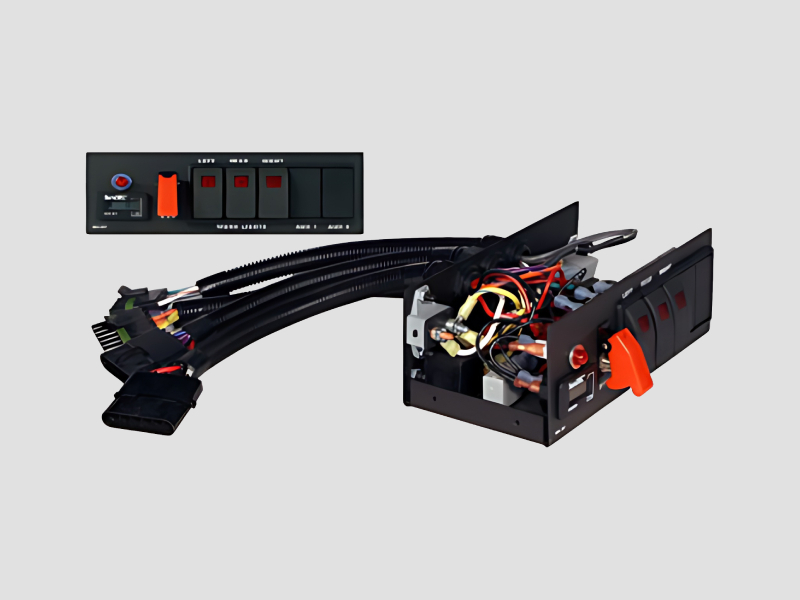
Switches, relays, and sensors are essential components in industrial automation and control systems. Switches are devices that allow or interrupt the flow of electrical current in a circuit. Relays act as electrically operated switches that enable one circuit to control another, providing isolation and control in complex systems. Sensors detect changes in the environment and convert physical phenomena, such as temperature, pressure, or motion, into signals that can be interpreted by control systems.
These components are used in various applications across multiple industries, including manufacturing, automotive, and energy. They play a critical role in enhancing operational efficiency, safety, and automation. For instance, switches are used to control machinery, relays manage power distribution, and sensors monitor environmental conditions. As industries move towards automation and smart technologies, the demand for reliable and efficient switches, relays, and sensors continues to grow.
In the current market context, the increasing focus on automation and the Internet of Things (IoT) is driving innovation in the design and functionality of these devices. Companies are investing in advanced technologies to improve performance, accuracy, and reliability. This trend highlights the importance of selecting high-quality components that meet industry standards and regulatory requirements.
Key Features and Specifications
Switches, relays, and sensors come with various features that enhance their functionality and reliability. Understanding these specifications is crucial for making informed purchasing decisions.
Key specifications include:
1. Contact Rating
- This indicates the maximum current and voltage the device can handle.
- Typical ranges vary based on the specific type and application.
2. Switching Type
- This defines whether the switch is normally open (NO) or normally closed (NC).
- Different configurations are suited for various control applications.
3. Operating Temperature Range
- This specifies the environmental conditions the device can operate under.
- Common ranges are from -20°C to 60°C, depending on the application.
4. Mechanical Life
- This refers to the number of operations a switch or relay can perform before failure.
- Generally measured in millions of cycles, indicating durability.
5. Electrical Life
- This indicates how long the device can operate under electrical load.
- Often significantly lower than mechanical life, measured in thousands to millions of cycles.
6. Response Time
- This is the time it takes for a sensor to react to a change in its environment.
- Critical for applications requiring rapid detection and response.
7. Environmental Rating
- This defines the suitability of the device in various environmental conditions.
- Ratings such as IP65 indicate protection against dust and water.
8. Compliance Standards
- This shows adherence to industry standards and safety regulations.
- Certifications like CE ensure the product meets essential health and safety requirements.
In summary, understanding these key features and specifications can support businesses in selecting the right switches, relays, and sensors for their specific applications.
Common Applications and Use Cases
Switches, relays, and sensors find applications across a wide range of industries and sectors.
1. Manufacturing: These components are used in assembly lines to control machinery and automate processes, enhancing productivity and safety.
2. Automotive: In vehicles, sensors monitor various parameters, such as temperature and pressure, while relays control electrical systems, ensuring optimal performance.
3. Energy: Switches and relays are essential in power distribution and management systems, enabling efficient energy usage and safety.
4. HVAC: Sensors and switches regulate heating, ventilation, and air conditioning systems, improving energy efficiency and indoor air quality.
5. Agriculture: Sensors monitor soil conditions and environmental factors, facilitating precision farming and resource management.
6. Telecommunications: Relays are used in communication systems to manage signal routing and ensure reliable connectivity.
7. Building Automation: Switches and sensors control lighting, security systems, and climate control in commercial and residential buildings.
Product Variants and Subcategories
The diversity of switches, relays, and sensors allows for tailored solutions based on specific industry needs.
Mechanical Switches: These switches operate through physical movement and are commonly used in industrial applications for reliable on/off control.
Solid State Relays: Unlike mechanical relays, these offer faster switching times and longer lifespan as they have no moving parts, making them ideal for high-frequency applications.
Proximity Sensors: These sensors detect the presence or absence of objects without physical contact, widely used in automation and safety systems.
Temperature Sensors: These devices monitor temperature changes and are crucial in applications like HVAC systems and industrial processes.
Pressure Sensors: Used to measure pressure levels in various environments, these sensors are vital in process control and safety applications.
Benefits and Advantages
Investing in high-quality switches, relays, and sensors offers numerous advantages for businesses.
1. Enhanced Efficiency: These components optimize control processes, leading to improved operational efficiency across systems.
2. Increased Safety: By providing precise control and monitoring, switches and sensors help mitigate risks in industrial environments.
3. Reliability: High-quality products ensure consistent performance, reducing downtime and maintenance costs.
4. Scalability: The modular nature of these devices allows businesses to scale their operations easily, adapting to changing demands.
5. Cost-Effectiveness: Investing in durable components minimizes replacement costs and extends the lifespan of systems.
6. Compliance Assurance: Sourcing certified switches and sensors ensures adherence to industry standards, promoting safety and regulatory compliance.
Buying Guide for B2B Buyers
When sourcing switches, relays, and sensors, several factors should be considered to ensure optimal purchasing decisions.
1. Quality Assessment: Evaluate the quality of products by reviewing specifications and certifications. Look for compliance with industry standards to ensure reliability.
2. Supplier Verification: Vet potential suppliers by checking their reputation, industry experience, and customer reviews. This helps ensure that you are dealing with trusted manufacturers.
3. Pricing and MOQ: Understand the pricing structure and minimum order quantities (MOQ) from suppliers to align with your budget and operational needs.
4. Delivery and Lead Times: Inquire about delivery schedules and lead times to ensure timely availability of components for your projects.
5. Compliance Requirements: Familiarize yourself with any regulatory requirements specific to your industry to ensure that sourced products meet necessary compliance standards.
Compliance and Certifications
Compliance and certifications are critical in the procurement of switches, relays, and sensors, as they ensure that products meet specific quality and safety standards.
Relevant quality standards such as ISO 9001 guarantee that manufacturers follow consistent quality management practices. This standard emphasizes continuous improvement and customer satisfaction.
Industry certifications, like CE marking, confirm that products meet European safety, health, and environmental protection standards. This is particularly important for companies operating in or exporting to Europe.
Safety and testing requirements are essential to ensure that devices operate safely under various conditions. Compliance with these requirements minimizes the risk of failure and accidents.
Regional compliance considerations may vary depending on the geographical market. Understanding local regulations and standards is vital for manufacturers and suppliers to avoid legal issues and ensure product acceptance.
Why Source Switches, Relays & Sensors from Pepagora?
Pepagora provides a trusted platform for sourcing switches, relays, and sensors with several key advantages.
Verified Supplier Network: Pepagora features a robust network of verified suppliers, ensuring that buyers have access to high-quality products from reputable manufacturers. This verification process builds trust and confidence in sourcing decisions.
Streamlined RFQ Process: The platform offers a streamlined Request for Quotation (RFQ) process, making it easy for buyers to obtain competitive pricing and detailed product information quickly. This efficiency saves time and enhances the purchasing experience.
Trade Assurance and Support: Pepagora offers trade assurance and buyer protection, ensuring that transactions are secure. This support gives buyers peace of mind when sourcing critical components.
Regional Coverage: With a focus on markets in India, the GCC, and Southeast Asia, Pepagora provides comprehensive regional coverage. This geographic reach helps businesses tap into diverse markets and find suitable suppliers tailored to their specific needs.

 IN
IN