What are OEM Vehicle Electrical Components?
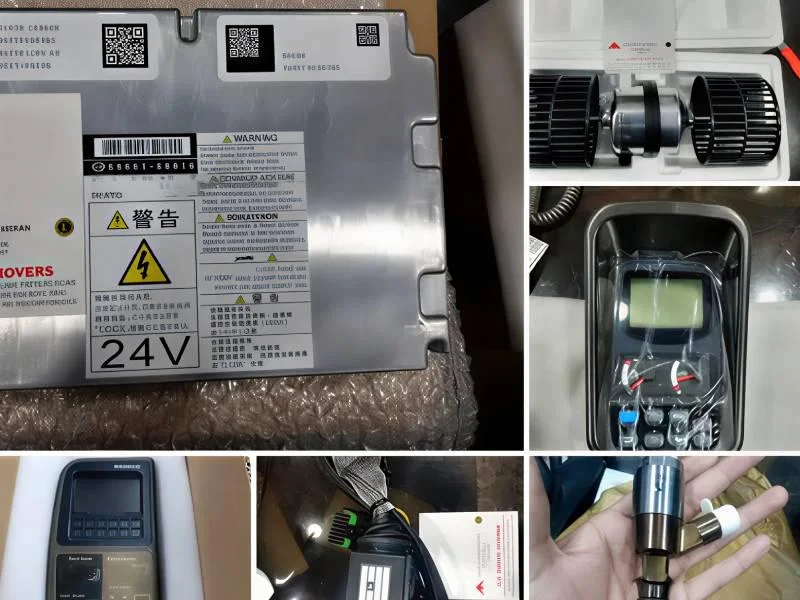
OEM Vehicle Electrical Components are specialized parts designed for original equipment manufacturers in the automotive sector. These components include a wide range of electrical and electronic devices used in vehicles, such as wiring harnesses, sensors, connectors, and control units. They are integral to the functioning of various vehicle systems, including lighting, power distribution, and engine management. OEM components are engineered to meet specific standards set by vehicle manufacturers, ensuring compatibility and reliability.
These components are primarily used in the production and assembly of new vehicles, as well as in the repair and maintenance of existing vehicles. Businesses in the automotive industry rely on OEM vehicle electrical components to ensure safety, performance, and longevity of their products. The demand for high-quality OEM components has grown as vehicles become increasingly sophisticated, incorporating advanced technologies like electric and hybrid systems. The market for these components is competitive, with a focus on innovation and adherence to stringent quality standards.
Key Features and Specifications
OEM Vehicle Electrical Components are characterized by their precision engineering and adherence to industry standards. These components are designed to withstand various environmental conditions and operate reliably under different circumstances.
Key specifications include:
1. Voltage Ratings
- Typically range from 12V to 48V
- Essential for compatibility with vehicle electrical systems
2. Current Ratings
- Can vary based on component type
- Rated in amperes to indicate maximum load capacity
3. Temperature Range
- Designed to function effectively within a specified temperature range
- Typically between -40°C to 85°C for most components
4. Humidity Control
- Components are often rated for specific humidity levels
- Important for reliable operation in varying climates
5. Material Composition
- Constructed from durable materials such as plastics, metals, and composites
- Ensures longevity and resistance to environmental factors
6. Compliance Standards
- Must meet relevant safety and quality standards
- Examples include ISO 9001 and CE certifications
7. Connector Types
- Various connector types available, including sealed and unsealed
- Essential for secure and reliable electrical connections
8. Lead Time for Production
- Standard lead times can vary based on supplier and order size
- Typically range from a few weeks to several months
The specifications of OEM vehicle electrical components are crucial for ensuring optimal performance and reliability in automotive applications.
Common Applications and Use Cases
OEM Vehicle Electrical Components are utilized across various industries, serving different applications.
1. Automotive Manufacturing: These components are essential in the assembly of vehicles, providing necessary electrical systems for operation and safety.
2. Automotive Repair and Maintenance: OEM components are used in servicing existing vehicles, ensuring that repairs maintain the original quality and performance.
3. Electric Vehicles: With the rise of electric vehicles, OEM components play a vital role in managing electrical systems, including battery management and power distribution.
4. Heavy Machinery: OEM electrical components are also used in construction and agricultural machinery, contributing to operational efficiency.
5. Commercial Vehicles: Trucks and buses rely on OEM electrical components for navigation, safety features, and communication systems.
6. Aerospace: Certain OEM vehicle electrical components find applications in aerospace, supporting avionics and safety systems.
7. Marine Applications: Electrical components are critical in boats and ships, managing power supply and navigation systems.
Product Variants and Subcategories
OEM Vehicle Electrical Components are diverse, encompassing a range of variants tailored to specific applications and requirements.
Wiring Harnesses: These components are crucial for connecting various electrical systems within a vehicle. They facilitate the distribution of power and signals to different parts of the vehicle.
Sensors: OEM sensors, including temperature, pressure, and position sensors, provide essential data for vehicle management systems. They enhance performance and safety by monitoring critical systems.
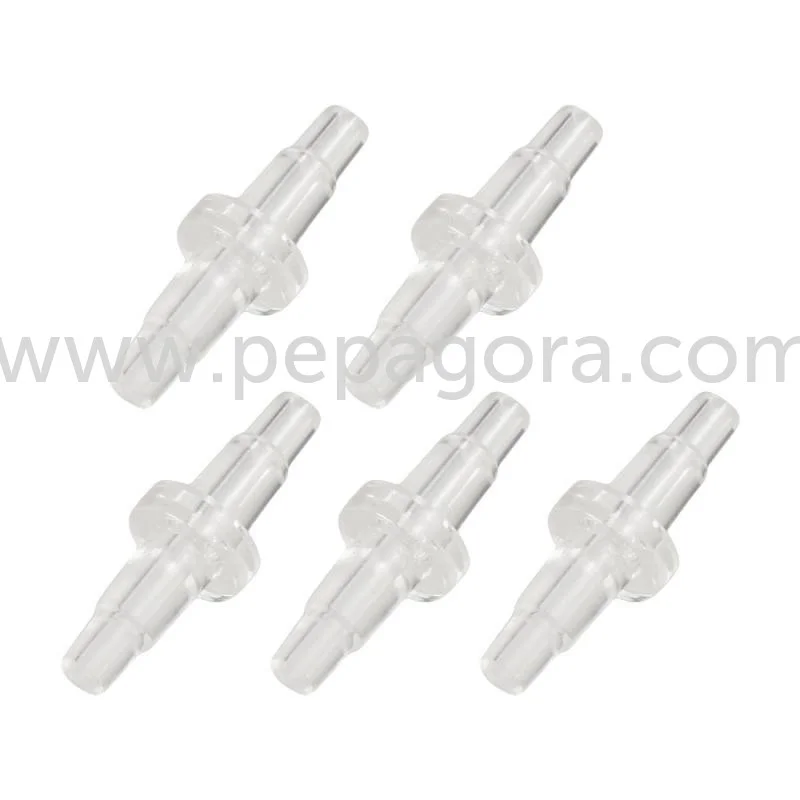
Connectors: High-quality connectors are vital for ensuring secure electrical connections in vehicles. They come in various types and sizes to accommodate different applications.
Control Units: These electronic control units manage specific vehicle functions, such as engine control, transmission, and safety systems. They are designed for durability and reliability.
Benefits and Advantages
Sourcing OEM Vehicle Electrical Components offers several benefits for businesses in the automotive sector.
1. Quality Assurance: OEM components are manufactured to rigorous standards, ensuring high reliability and performance.
2. Compatibility: Designed specifically for vehicle models, these components guarantee proper fit and function, reducing the risk of malfunctions.
3. Enhanced Safety: OEM components contribute to the overall safety of vehicles, meeting strict regulatory requirements and industry standards.
4. Improved Performance: High-quality electrical components enhance vehicle performance, supporting advanced technologies and systems.
5. Long-term Reliability: OEM components are built to last, reducing the need for frequent replacements and repairs.
6. Comprehensive Support: Many OEM suppliers offer extensive technical support and resources, aiding businesses in selecting and implementing the right components.
Buying Guide for B2B Buyers
When sourcing OEM Vehicle Electrical Components, businesses should consider several important factors to ensure optimal selection.
1. Quality Assessment: Evaluate the quality of components by reviewing certifications, testing results, and manufacturer reputation. High-quality components reduce the risk of failure and enhance overall performance.
2. Supplier Verification: Vet suppliers thoroughly to ensure they have a proven track record in providing reliable OEM components. Look for references, reviews, and industry experience.
3. Pricing and MOQ: Understand the pricing structure and minimum order quantities (MOQ) to effectively manage budget and inventory. Compare costs across multiple suppliers to find competitive pricing.
4. Delivery and Lead Times: Consider the logistics of delivery and the lead times associated with orders. Timely delivery is critical in maintaining production schedules and meeting customer demands.
5. Compliance Requirements: Ensure that components meet relevant regulatory and compliance standards in your region. This is essential for legal and safety considerations in automotive applications.
Compliance and Certifications
Compliance and certifications are crucial in the OEM Vehicle Electrical Components industry. Adhering to these standards ensures quality and safety.
Relevant quality standards such as ISO 9001 ensure that manufacturers follow consistent quality management practices. This certification signifies that the products meet international quality benchmarks.
Industry certifications, including CE marking, indicate compliance with European safety standards. This is essential for components sold within the European market, ensuring they meet necessary safety and performance criteria.
Safety and testing requirements are also critical, with components undergoing rigorous testing to assess their performance under various conditions. This includes temperature, humidity, and electrical load testing.
Regional compliance considerations must also be taken into account, as different regions may have specific regulatory requirements for automotive components. Manufacturers need to stay informed about these regulations to ensure compliance and avoid potential legal issues.
Why Source OEM Vehicle Electrical Components from Pepagora?
Pepagora provides a trusted platform for sourcing OEM Vehicle Electrical Components, offering several key advantages to businesses.
Verified Supplier Network: Pepagora connects buyers with a network of verified suppliers who meet industry standards. This ensures that businesses can find reliable partners for their component needs.
Streamlined RFQ Process: The quotation system on Pepagora simplifies the sourcing process, allowing buyers to request quotes from multiple suppliers quickly and easily. This saves time and helps in making informed purchasing decisions.
Trade Assurance and Support: Pepagora offers trade assurance and buyer protection, providing peace of mind during transactions. This ensures that businesses can source components without concerns about quality or delivery.
Regional Coverage: With a strong presence in India, the GCC, and Southeast Asia, Pepagora offers extensive regional coverage. This makes it easier for businesses to access OEM components tailored to their specific market needs.

 IN
IN