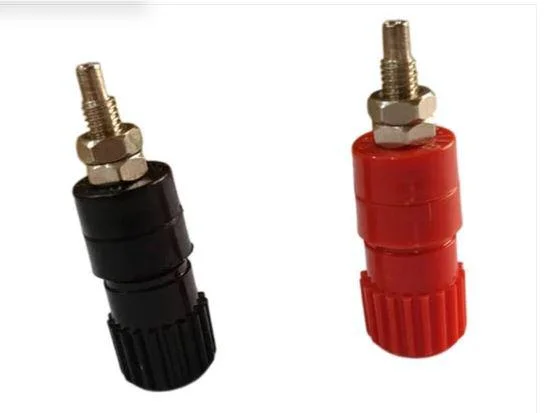
What are Battery Cables & Terminals?
Battery cables and terminals are essential components in electrical systems, providing the necessary connection between batteries and electrical devices. They are typically made from conductive materials such as copper or aluminum, ensuring efficient energy transfer. Battery cables feature insulation to protect against electrical shorts and environmental factors, while terminals serve as connectors that allow easy attachment and detachment of cables.
These components are widely used in various applications, including automotive, industrial machinery, and power generation. In automotive settings, battery cables connect the starter and alternator to the battery, facilitating engine ignition and charging. In industrial applications, they link batteries to solar systems, forklifts, and heavy machinery, ensuring reliable power supply. As the demand for renewable energy sources grows, the relevance of high-quality battery cables and terminals is increasingly recognized in the market.
Key Features and Specifications
Battery cables and terminals come with several key features that ensure their reliability and efficiency in various applications. These specifications help businesses choose the right components for their needs.
Key specifications include:
1. Conductor Material
- Most commonly made from copper or aluminum
- Copper offers better conductivity, while aluminum is lighter and more cost-effective
2. Wire Gauge
- Available in various gauges, typically ranging from 6 AWG to 2/0 AWG
- Lower gauge numbers indicate thicker wires, suitable for higher current applications
3. Insulation Type
- Insulation options include PVC, rubber, or silicone
- Different materials provide varying levels of flexibility and temperature resistance
4. Temperature Range
- Rated for operation in a temperature range of -40°C to 105°C
- Ensures functionality in extreme environmental conditions
5. Terminal Type
- Available as ring, spade, or lug terminals
- Different types accommodate various connection needs
6. Length Options
- Offered in various lengths, typically from 12 inches to 6 feet
- Custom lengths may be available based on project requirements
7. Current Rating
- Rated for specific current capacities, generally between 50A to 300A
- Selection based on the application's power requirements
8. Compliance Standards
- Many products are certified to meet industry standards such as CE
- Compliance ensures safety and reliability in applications
In summary, understanding these specifications is crucial for businesses to select the appropriate battery cables and terminals for their specific applications.
Common Applications and Use Cases
Battery cables and terminals are utilized across a wide range of industries, each with specific applications.
1. Automotive: In the automotive sector, battery cables connect the battery to the starter and alternator, enabling vehicle operation. They must withstand vibrations and extreme temperatures.
2. Renewable Energy: In solar energy systems, battery cables link batteries to inverters and charge controllers, facilitating efficient energy storage and distribution.
3. Industrial Equipment: Heavy machinery and forklifts rely on robust battery cables for power connectivity, ensuring reliable operation in demanding environments.
4. Marine: In marine applications, battery cables must resist corrosion and withstand harsh conditions, connecting batteries to engines and electrical systems.
5. Telecommunications: Battery cables are used in backup power systems for telecom equipment, ensuring continuous operation during power outages.
6. UPS Systems: Uninterruptible power supply (UPS) systems utilize battery cables to connect batteries to load circuits, providing critical backup power for sensitive equipment.
7. Electric Vehicles: As electric vehicles gain popularity, specialized battery cables are required for connecting the battery pack to the vehicle's electrical system.
Product Variants and Subcategories
Battery cables and terminals come in various configurations to meet diverse industrial needs. This diversity allows businesses to find the right match for specific applications.
Copper Battery Cables
These cables feature high conductivity and are ideal for applications requiring efficient power transfer. They are commonly used in automotive and industrial settings.
Aluminum Battery Cables
Aluminum cables are lighter and more cost-effective, making them suitable for applications where weight is a concern. They are often used in commercial vehicles and large machinery.
Insulated Battery Cables
These cables come with various insulation types to enhance flexibility and temperature resistance. They are ideal for installations in confined spaces or harsh environments.
Heavy-Duty Terminals
Designed for high-current applications, these terminals ensure secure connections in demanding environments, such as industrial machinery and electric vehicles.
Flexible Battery Cables
These cables offer enhanced flexibility, making them suitable for applications with frequent movement, such as robotics and portable equipment.
Benefits and Advantages
Battery cables and terminals provide numerous advantages that enhance their value in various applications.
Key benefits include:
1. Enhanced Safety: Insulated cables reduce the risk of electrical shorts and hazards, ensuring safer operations in various environments.
2. Improved Efficiency: High-quality conductive materials, such as copper, provide better energy transfer, minimizing power losses in electrical systems.
3. Versatile Applications: With various types and specifications available, battery cables and terminals can be tailored for a wide range of industries and uses.
4. Durability: Many cables are designed to withstand harsh conditions, including extreme temperatures and moisture, ensuring longevity and reliability.
5. Easy Installation: Battery terminals allow for quick connections and disconnections, facilitating maintenance and replacement without extensive downtime.
6. Compliance Assurance: Certified products meet industry standards, providing peace of mind regarding safety and performance.
Buying Guide for B2B Buyers
When sourcing battery cables and terminals, businesses should consider several essential factors to ensure they select the right products.
1. Quality Assessment: Evaluate the quality of materials used, including conductor types and insulation. Look for certifications such as CE to ensure compliance with industry standards.
2. Supplier Verification: Vet suppliers by reviewing their reputation, customer feedback, and production capabilities. A reliable supplier will ensure consistency in product quality.
3. Pricing and MOQ: Take into account the cost of products, including any minimum order quantities. Compare prices among suppliers to find competitive options.
4. Delivery and Lead Times: Discuss logistics and lead times with suppliers to ensure timely delivery of products, especially for urgent projects.
5. Compliance Requirements: Understand local and international regulations affecting battery cables and terminals. Ensure that products meet necessary compliance criteria to avoid legal issues.
Compliance and Certifications
Battery cables and terminals must adhere to various quality and safety standards to ensure their reliability and performance in critical applications. Key standards include ISO 9001, which outlines requirements for quality management systems, ensuring consistent product quality and improvement.
Industry certifications, such as CE, indicate that products meet European safety and environmental requirements. These certifications are essential for businesses looking to market their products in regions with strict compliance needs.
Safety and testing requirements further ensure that battery cables and terminals can withstand the operational stresses they may encounter. Additionally, regional compliance considerations may vary, so it is vital for businesses to stay updated on local regulations affecting their products.
Why Source Battery Cables & Terminals from Pepagora?
Pepagora provides an excellent platform for sourcing battery cables and terminals, offering several key advantages to B2B buyers.
Verified Supplier Network: Pepagora features a network of verified suppliers, ensuring that buyers can trust the quality and reliability of the products they purchase. This network helps to mitigate risks associated with sourcing.
Streamlined RFQ Process: The platform offers a streamlined request for quotation (RFQ) process, allowing buyers to easily compare offers from multiple suppliers. This efficient system saves time and simplifies decision-making.
Trade Assurance and Support: Buyers benefit from trade assurance and support services, providing protection for transactions and enhancing buyer confidence. This feature ensures that buyers receive the products they ordered as promised.
Regional Coverage: Pepagora has a broad geographic reach, serving markets in India, the GCC, and Southeast Asia. This regional coverage allows businesses to find suppliers that meet their specific needs and requirements, facilitating smoother transactions across borders.

 IN
IN