
 IN
Vehicle Fuses & Fuse Boxes
1 products available
What are Vehicle Fuses & Fuse Boxes?
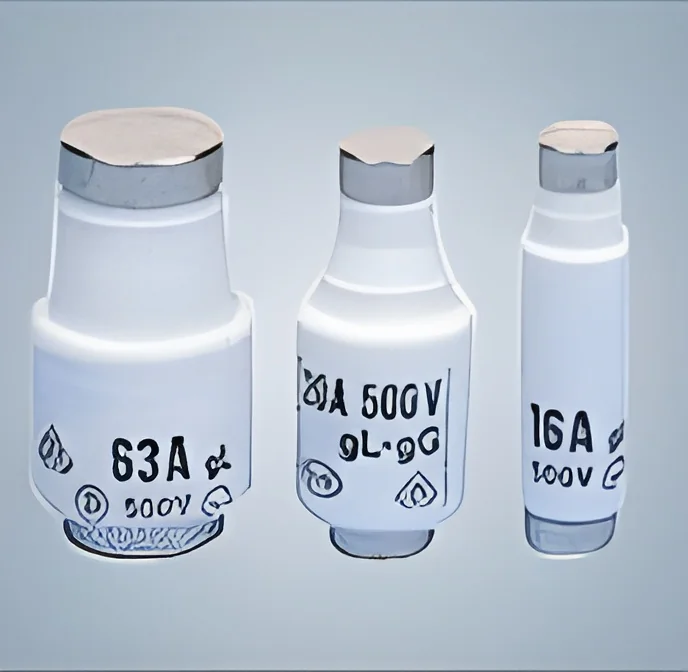
Vehicle fuses and fuse boxes are essential electrical components that protect automotive circuits from overloads and short circuits. A vehicle fuse is a safety device designed to interrupt the electrical flow in case of excess current, thereby preventing damage to wiring and electrical systems. Fuse boxes house multiple fuses and serve as a central connection point for various electrical circuits in a vehicle.
These products are critical in automotive applications, ensuring that electrical components such as lights, radios, and ignition systems function safely and reliably. In commercial and industrial contexts, vehicle fuses and fuse boxes are used in fleet management, transportation, and logistics, where maintaining operational integrity of vehicles is vital. The automotive industry is continually evolving, raising the demand for high-quality fuses and fuse boxes to meet modern safety and reliability standards.
Key Features and Specifications
Vehicle fuses and fuse boxes offer a range of features designed to enhance performance and safety in automotive applications. Understanding their specifications is crucial for selecting the right components.
Key specifications include:
1. Current Rating
- Indicates the maximum current the fuse can handle before tripping.
- Common ratings range from 5A to 40A.
2. Voltage Rating
- Specifies the maximum voltage the fuse can tolerate.
- Typically ranges from 12V to 24V for automotive applications.
3. Fuse Type
- Refers to the design of the fuse, such as blade, glass tube, or ceramic.
- Different types are suited for various applications based on size and current ratings.
4. Operating Temperature Range
- Defines the temperature limits within which the fuse operates effectively.
- Standard ranges are not specified, but many operate efficiently between -40°C to 125°C.
5. Material Composition
- Indicates the materials used in the fuse construction, affecting durability and performance.
- Common materials include metal for the fuse element and plastic for the casing.
6. Mounting Type
- Refers to how the fuse box is installed in a vehicle, such as panel-mounted or inline.
- Different mounting styles are available based on application needs.
7. Number of Circuits
- Indicates how many separate circuits a fuse box can accommodate.
- Variants may support anywhere from 4 to 12 circuits or more.
8. Compliance and Certification
- Details any industry standards and certifications the product meets.
- Common certifications include CE marking for safety compliance.
In summary, selecting vehicle fuses and fuse boxes requires careful consideration of specifications and features that align with the specific needs of the automotive application.
Common Applications and Use Cases
Vehicle fuses and fuse boxes are versatile components used across several industries.
1. Automotive Industry: Fuses and fuse boxes are used in passenger vehicles, trucks, and buses to protect electrical systems and ensure safety in operations.
2. Fleet Management: In commercial transportation, these components are essential for maintaining fleet vehicles' electrical integrity, reducing downtime and repair costs.
3. Heavy Equipment: Construction and agricultural machinery use fuses to safeguard critical electronic controls and power systems from electrical faults.
4. Marine Applications: Boats and other marine vessels utilize fuses to protect navigation and communication systems from electrical overloads.
5. Electric Vehicles: As the market for electric vehicles grows, the need for specialized fuses and fuse boxes designed for higher voltage systems has emerged.
6. Public Transport: Buses and trams rely on reliable fuses for their lighting and signaling systems, ensuring safe operation in urban settings.
7. Emergency Services: Ambulances and fire trucks depend on robust electrical systems protected by fuses to maintain critical functions during emergencies.
Product Variants and Subcategories
Vehicle fuses and fuse boxes come in several variants to meet diverse application needs.
Mini Blade Fuses: These compact fuses are designed for modern vehicles with limited space. They offer reliable protection in a small form factor, suitable for a variety of automotive applications.
Maxi Fuses: Designed for high-current applications, maxi fuses are larger and can handle higher amperage. They are often used in vehicles with significant electrical loads, such as trucks and SUVs.
Glass Tube Fuses: These fuses are commonly found in older vehicles and some equipment. They are easy to replace and provide reliable performance for standard applications.
Compact Fuse Boxes: These are designed to house multiple fuses in a small area, allowing for organized wiring and efficient use of space in automotive installations.
Benefits and Advantages
Choosing high-quality vehicle fuses and fuse boxes provides numerous benefits to businesses and vehicle operators.
1. Enhanced Safety: Fuses prevent electrical overloads, reducing the risk of fires and damage to vehicle components.
2. Reliability: Quality fuses ensure consistent performance, minimizing the likelihood of electrical failures during operation.
3. Cost Efficiency: Properly functioning fuses lower maintenance costs by preventing damage to wiring and electrical systems.
4. Ease of Replacement: Many modern fuses are designed for quick and easy replacement, reducing downtime during repairs.
5. Compatibility: A wide range of fuses and fuse boxes ensures compatibility with various vehicle makes and models, allowing for flexible solutions.
6. Compliance Assurance: Sourcing certified fuses ensures adherence to safety and industry standards, providing peace of mind for vehicle operators.
Buying Guide for B2B Buyers
When sourcing vehicle fuses and fuse boxes, B2B buyers should consider several key factors to ensure they make informed purchasing decisions.
1. Quality Assessment: Ensure that the fuses and fuse boxes meet industry standards and have undergone rigorous testing for reliability and safety.
2. Supplier Verification: Vet suppliers to confirm their credibility and track record in delivering quality products. Check for certifications and customer reviews.
3. Pricing and MOQ: Analyze pricing structures and minimum order quantities to find a balance between cost and supply needs. Look for bulk purchase discounts.
4. Delivery and Lead Times: Understand the logistics involved in the supply chain, including delivery schedules and lead times to avoid project delays.
5. Compliance Requirements: Be aware of regulatory standards that apply to vehicle fuses and fuse boxes in your region, ensuring that products meet necessary compliance requirements.
Compliance and Certifications
Compliance with industry standards is crucial for vehicle fuses and fuse boxes to ensure safety and reliability.
Many products adhere to quality standards such as ISO 9001, which outlines requirements for a quality management system, ensuring consistent product quality and customer satisfaction.
Certifications like CE marking indicate that the products meet European safety, health, and environmental protection standards.
Additionally, safety and testing requirements must be met, often involving independent testing to verify performance under various conditions.
Regional compliance considerations may vary, so it is important to understand local regulations that affect the use of electrical components in vehicles.
Why Source Vehicle Fuses & Fuse Boxes from Pepagora?
Pepagora offers a reliable platform for sourcing vehicle fuses and fuse boxes, providing significant advantages for B2B buyers.
The verified supplier network ensures that buyers connect with reputable manufacturers and distributors that meet quality standards. This reduces the risk of purchasing subpar products and enhances supply chain reliability.
The streamlined RFQ process allows buyers to request quotes efficiently, making it easier to compare prices and specifications across multiple suppliers. This transparency fosters informed decision-making.
Pepagora also provides trade assurance and support, protecting buyers from potential issues during transactions. This added layer of security encourages confidence in purchasing decisions.
With regional coverage extending across India, the GCC, and Southeast Asia, Pepagora ensures that buyers have access to quality vehicle fuses and fuse boxes tailored to their specific market needs.

Frequently Asked Questions
What are Vehicle Fuses & Fuse Boxes?
Vehicle fuses are safety devices used in automotive electrical systems to protect circuits from overloads or short circuits. Fuse boxes house these fuses and serve as a central point for distributing electrical power to various components within the vehicle.
What are the different types of Vehicle Fuses & Fuse Boxes?
There are several types of vehicle fuses, including blade fuses, glass tube fuses, and ceramic fuses. Fuse boxes can vary in design, such as modular or integrated types, and may also include features like relays and circuit breakers.
How do I choose the right Vehicle Fuses & Fuse Boxes?
Choosing the right vehicle fuses and fuse boxes requires understanding the electrical requirements of your vehicle. Consider factors such as the amperage rating, size, and compatibility with existing systems to ensure proper function and safety.
What are the standard specifications for Vehicle Fuses & Fuse Boxes?
Standard specifications for vehicle fuses typically include voltage ratings, amperage ratings, and physical dimensions. Additionally, compliance with safety standards such as ISO or SAE may be required depending on the application.
What is the price range for Vehicle Fuses & Fuse Boxes?
The price range for vehicle fuses and fuse boxes can vary widely based on type, brand, and quantity. Generally, individual fuses can cost anywhere from a few rupees to several hundred rupees, while complete fuse boxes may range from a few hundred to several thousand rupees.
What quality standards apply to Vehicle Fuses & Fuse Boxes?
Quality standards for vehicle fuses and fuse boxes often include compliance with international safety regulations such as ISO 9001 or IEC standards. Manufacturers may also adhere to specific automotive industry standards to ensure reliability and safety.
Where can I find Vehicle Fuses & Fuse Boxes suppliers in India?
You can find vehicle fuses and fuse boxes suppliers in India through online B2B marketplaces like Pepagora.com. Additionally, local automotive parts distributors and manufacturers often offer a range of fuses and fuse boxes.
Can Vehicle Fuses & Fuse Boxes be customized?
Yes, many manufacturers offer customization options for vehicle fuses and fuse boxes. Customization may include specific amperage ratings, sizes, or configurations to meet the unique needs of automotive applications.
What is the typical minimum order quantity for Vehicle Fuses & Fuse Boxes?
The typical minimum order quantity (MOQ) for vehicle fuses and fuse boxes can vary by supplier but often ranges from 100 to 1000 units. It's advisable to check with individual suppliers for their specific MOQ requirements.
What is the typical lead time for Vehicle Fuses & Fuse Boxes?
The typical lead time for vehicle fuses and fuse boxes can range from a few days to several weeks, depending on the supplier and whether the items are in stock or require customization. Always confirm lead times with your supplier before placing an order.
Why Businesses Trust Pepagora
Thousands of companies trust Pepagora to source smarter and sell faster
Expand Your Sales Globally

Source Smarter,Grow Faster
