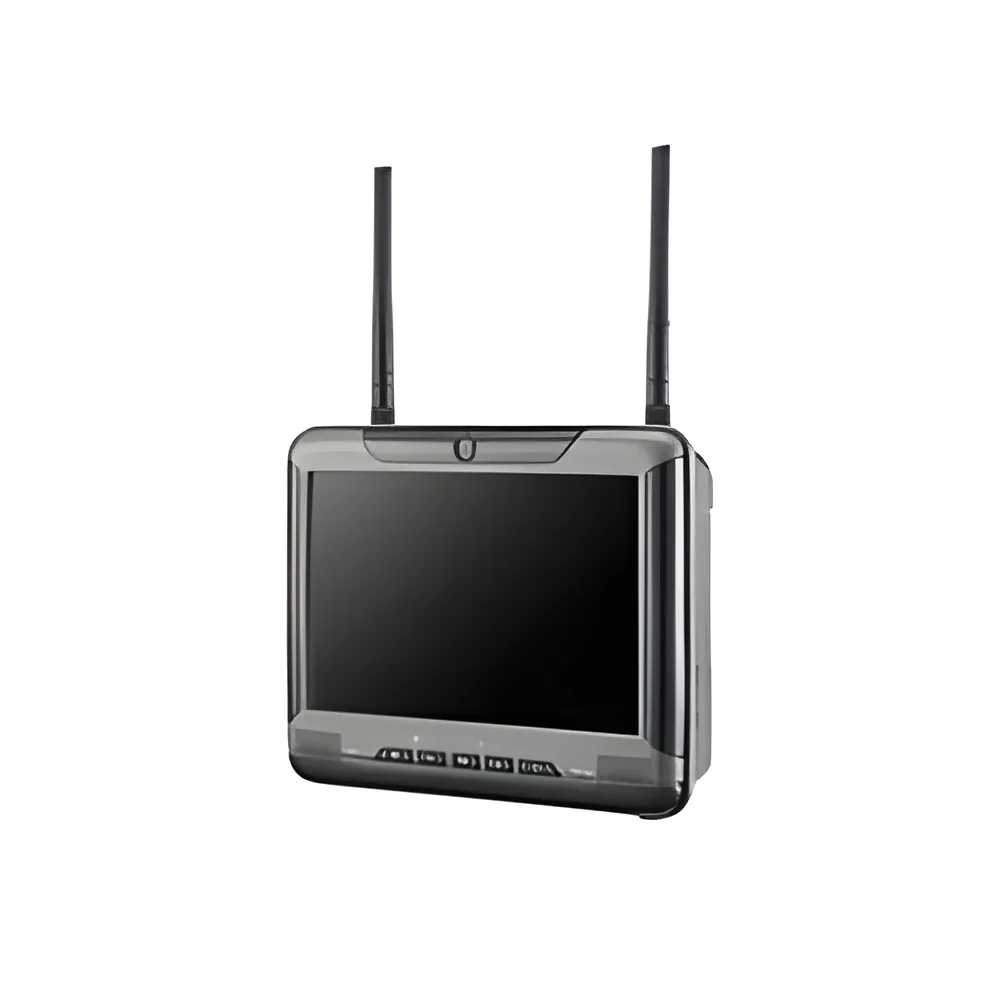
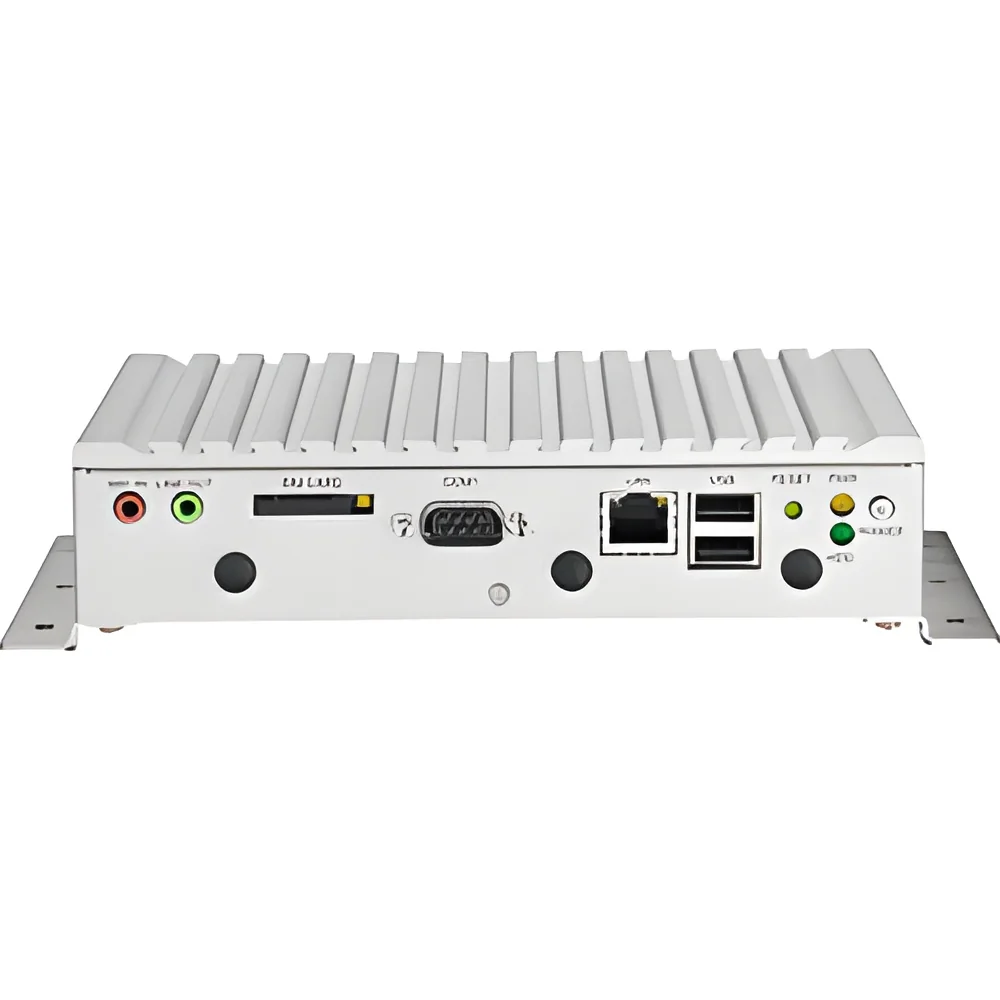
Key Features and Specifications
Vehicle Electronic Modules are characterized by several key features that enhance their performance and reliability. These features are crucial for ensuring that the modules meet the demands of modern vehicles.
Key specifications include:
1. Communication Protocols
- Support for protocols such as CAN, LIN, and FlexRay
- Enables efficient data exchange between modules
2. Operating Voltage Range
- Typically operates within a voltage range of 9V to 16V
- Ensures compatibility with standard automotive electrical systems
3. Temperature Tolerance
- Designed to function in temperature ranges from -40°C to 85°C
- Ensures reliable performance in extreme conditions
4. Power Consumption
- Low power consumption to enhance overall vehicle efficiency
- Typically under 100 mA during active operation
5. Diagnostic Capabilities
- Built-in self-diagnostic features for error detection
- Simplifies troubleshooting and maintenance
6. Environmental Resistance
- Resistant to moisture, dust, and vibrations
- Ensures longevity and durability in various environments
7. Firmware Upgradability
- Ability to update firmware to improve functionality
- Allows for enhancements and fixes to be applied post-manufacturing
8. Security Features
- Integrated security measures to prevent unauthorized access
- Protects vehicle systems from potential cyber threats
These specifications highlight the advanced technology and engineering involved in the development of Vehicle Electronic Modules, ensuring they meet industry standards and customer expectations.
Common Applications and Use Cases
Vehicle Electronic Modules are utilized in a variety of industries, reflecting their versatility and importance in automotive technology.
1. Automotive Manufacturing: Vehicle Electronic Modules are integral in the assembly of new vehicles, managing essential functions such as lighting, ignition, and climate control.
2. Fleet Management: Companies operating vehicle fleets use BCMs and TCMs to monitor performance, optimize fuel efficiency, and ensure compliance with safety regulations.
3. Electric Vehicle Production: In the electric vehicle sector, these modules control battery management systems and power distribution, playing a critical role in vehicle efficiency and safety.
4. Aftermarket Services: Automotive repair shops often replace or upgrade BCMs and TCMs to restore functionality in older vehicles or enhance features in newer models.
5. Commercial Vehicles: In trucks and buses, these modules are used for managing various systems, including braking, transmission, and driver assistance technologies.
6. Specialty Vehicle Manufacturing: Custom vehicles, such as emergency response units, rely on Vehicle Electronic Modules for unique operational requirements, including siren control and emergency lighting coordination.
7. Aftermarket Performance Tuning: Enthusiasts use BCM and TCM upgrades to improve vehicle performance and adjust settings for racing or off-road driving.
Product Variants and Subcategories
Vehicle Electronic Modules encompass a range of variants, each designed for specific functions and applications within the automotive sector.
Body Control Module (BCM)
The BCM manages various vehicle functions such as locking systems, lighting, and interior climate control. It integrates multiple controls into one unit, making it essential for modern vehicle operation.
Transmission Control Module (TCM)
The TCM oversees the operation of the transmission system, ensuring smooth gear shifting and optimal performance. It adjusts the transmission based on driving conditions and driver input.
Engine Control Module (ECM)
The ECM is responsible for managing the engine's performance, optimizing fuel efficiency, and reducing emissions. It monitors various engine parameters and adjusts operation accordingly.
Advanced Driver Assistance Systems (ADAS) Module
This module supports features such as adaptive cruise control, lane-keeping assistance, and automatic emergency braking. It enhances vehicle safety by improving driver awareness and response.
Benefits and Advantages
Vehicle Electronic Modules offer several benefits that contribute to improved vehicle performance and user experience.
1. Improved Reliability: These modules consolidate multiple functions, reducing the likelihood of system failures and enhancing overall vehicle reliability.
2. Enhanced Efficiency: By optimizing control over various vehicle systems, BCMs and TCMs help improve fuel efficiency and reduce emissions.
3. Simplified Maintenance: Built-in diagnostic features allow for easy troubleshooting, reducing downtime during repairs.
4. Increased Safety: Advanced security and monitoring capabilities enhance vehicle safety by preventing unauthorized access and ensuring system integrity.
5. Flexibility and Customization: Many modules offer firmware upgrades and customization options, allowing vehicle manufacturers and owners to adapt to changing needs.
6. Cost-Effectiveness: By integrating multiple functions into single modules, manufacturers can reduce production costs and streamline assembly processes.
Buying Guide for B2B Buyers
When sourcing Vehicle Electronic Modules (BCM, TCM, etc.), it is essential for buyers to consider several key factors to ensure they make informed purchasing decisions.
1. Quality Assessment: Look for modules that comply with recognized quality standards. Check for certifications and performance testing to ensure reliability and durability.
2. Supplier Verification: Vet potential suppliers by assessing their reputation, industry experience, and customer feedback. A verified supplier network can help ensure product quality and service.
3. Pricing and MOQ: Understand the pricing structure and minimum order quantities (MOQ) offered by suppliers. Compare costs while considering the quality and specifications of the modules.
4. Delivery and Lead Times: Evaluate the supplier's logistics capabilities, including delivery times and shipping options. Timely delivery is crucial for maintaining production schedules.
5. Compliance Requirements: Ensure that the modules comply with relevant regulatory standards and certifications, such as CE and UL, to meet safety and performance expectations.
Compliance and Certifications
Compliance and certifications are critical for ensuring that Vehicle Electronic Modules meet industry standards and safety requirements.
Relevant quality standards include ISO 9001, which emphasizes quality management systems, ensuring that manufacturers maintain high production standards. Adherence to HACCP and GDP guidelines further enhances product safety and reliability.
Industry certifications such as CE and UL are essential for demonstrating compliance with safety regulations. CE certification indicates conformity with European health and safety standards, while UL certification verifies that products meet rigorous safety testing criteria.
Safety and testing requirements may vary by region, with additional compliance considerations necessary for specific markets. It is crucial for manufacturers to stay informed about local regulations and to ensure all products meet the required standards.
Why Source Vehicle Electronic Modules (BCM, TCM, etc.) from Pepagora?
Pepagora offers a trusted platform for sourcing Vehicle Electronic Modules (BCM, TCM, etc.), providing several key advantages for B2B buyers.
Verified Supplier Network: Pepagora ensures that all suppliers are thoroughly vetted, allowing buyers to source high-quality products with confidence. This reduces the risks associated with purchasing from unknown sources.
Streamlined RFQ Process: The platform simplifies the request for quotation (RFQ) process, enabling buyers to obtain competitive pricing and detailed product information quickly. This efficiency helps businesses make informed purchasing decisions faster.
Trade Assurance and Support: Pepagora provides trade assurance to protect buyers throughout the purchasing process. Should any issues arise, the platform offers support to resolve disputes and ensure satisfaction.
Regional Coverage: With a strong presence in India, the GCC, and Southeast Asia, Pepagora offers extensive geographic reach, connecting buyers with suppliers in key markets. This regional expertise helps facilitate smoother transactions and better understanding of local requirements.

 IN
IN