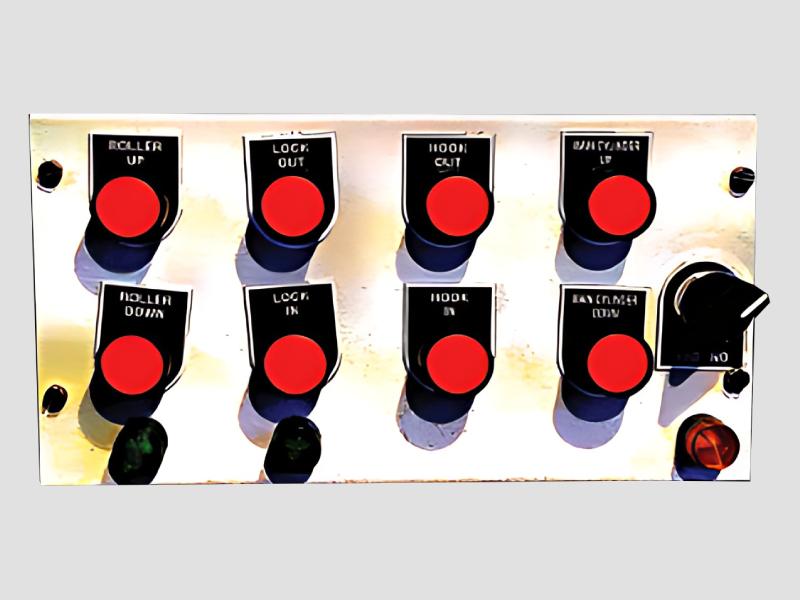
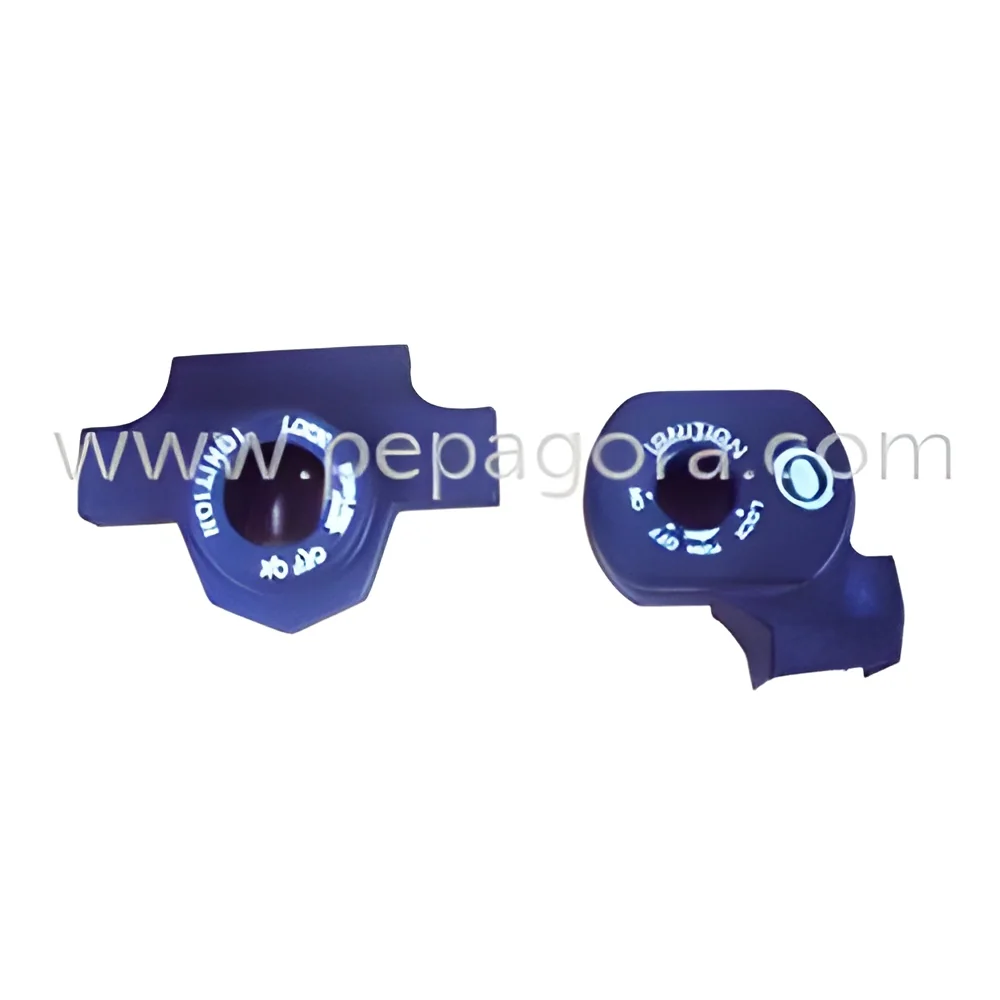
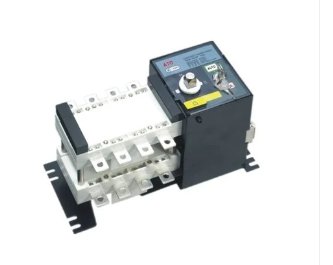
What are Ignition Switches?
Ignition switches are critical components in various vehicles and machinery, functioning as the primary means of starting and stopping engines. They enable the flow of electrical energy necessary to start the ignition system and power various electrical systems in a vehicle or equipment. Typically, they consist of a series of contacts and circuits that facilitate the connection between the battery and the starter motor, allowing the engine to ignite.
These switches are widely used in automotive applications, as well as in industrial machinery, marine equipment, and agricultural vehicles. Their primary function is to ensure a reliable and secure starting process while providing a means to control the engine's operation. As such, ignition switches are essential for maintaining operational efficiency and safety across various sectors, including automotive, aerospace, and heavy equipment industries.
In the current market context, the demand for ignition switches is driven by advancements in automotive technology and increasing production of electric and hybrid vehicles. The growing emphasis on safety and reliability in industrial applications further enhances the relevance of high-quality ignition switches in the B2B sector.
Key Features and Specifications
Ignition switches are designed with a range of features that cater to specific operational requirements. These features ensure durability, functionality, and reliability in various applications.
Key specifications include:
1. Electrical Ratings
- Voltage and current ratings specify the maximum load the switch can handle.
- Common ratings include 12V, 24V, and 48V systems.
2. Contact Configuration
- Specifies the arrangement of the internal contacts.
- Common configurations include single pole, double pole, or multi-position switches.
3. Mechanical Durability
- Refers to the switch's ability to withstand physical wear over time.
- Many switches are rated for thousands of cycles to ensure longevity.
4. Temperature Resistance
- Indicates the range of temperatures the switch can operate within.
- Typical ranges are from -40°C to 85°C.
5. Environmental Protection
- Specifies the switch's resistance to dust and moisture.
- Ratings often include IP65 or higher for enhanced durability.
6. Key Removal Position
- Indicates the positions in which the key can be removed from the switch.
- Common options include off, run, and start positions.
7. Size and Mounting Style
- Defines the physical dimensions and installation requirements.
- Options include panel mount or inline configurations.
8. Safety Certifications
- Indicates compliance with industry standards such as CE certification.
- Ensures that the switch meets safety and performance criteria.
These specifications are crucial for ensuring that ignition switches meet the necessary operational requirements and industry standards.
Common Applications and Use Cases
Ignition switches are versatile components used across various industries, ensuring reliable engine operation in multiple applications.
1. Automotive Industry: Ignition switches are integral to cars, trucks, and motorcycles, enabling efficient engine start-up and control over electrical systems.
2. Marine Industry: Boats and vessels utilize ignition switches to start engines safely while ensuring that electrical systems remain operational during use.
3. Agricultural Equipment: Tractors and other farming machinery rely on ignition switches for reliable engine operation, contributing to overall productivity in agricultural operations.
4. Industrial Machinery: Heavy equipment and industrial machines use ignition switches to control engine functions, enhancing performance and safety in manufacturing and construction.
5. Aerospace: Aircraft utilize specialized ignition switches to ensure the reliability of engine ignition systems, critical for flight safety.
6. Recreational Vehicles: ATVs and snowmobiles employ ignition switches to manage engine start-up and operation, providing user-friendly control in outdoor activities.
7. Generator Systems: Backup power generators use ignition switches to facilitate start-up and operation, ensuring reliable power supply during outages.
Product Variants and Subcategories
Ignition switches are available in various variants to suit different applications and operational needs.
Standard Ignition Switches
These are the most commonly used switches, designed for conventional vehicles and machinery. They provide basic functionality with simple start and stop operations.
Heavy-Duty Ignition Switches
These variants are engineered for industrial and commercial applications, offering enhanced durability and weather resistance. They are suitable for use in heavy equipment and off-road vehicles.
Multi-Position Ignition Switches
These switches allow for multiple operational positions, such as off, run, and start. They are often found in vehicles that require additional functionality, such as accessory power control.
Remote Start Ignition Switches
Designed for modern vehicles, these switches enable the engine to be started remotely. They are increasingly popular in the automotive market due to convenience and security features.
Benefits and Advantages
Ignition switches provide numerous advantages that enhance operational efficiency and safety.
1. Reliability: High-quality ignition switches ensure consistent engine start-up and operation, reducing downtime.
2. Durability: Designed to withstand harsh conditions, these switches are built to last, minimizing the need for frequent replacements.
3. Safety: Ignition switches with safety features prevent unauthorized access and accidental engine start-up, promoting user safety.
4. Versatility: Available in various configurations, ignition switches can be customized to meet specific operational needs across different industries.
5. Ease of Use: Many ignition switches feature ergonomic designs that allow for simple operation, enhancing user experience.
6. Compliance: Certified ignition switches adhere to industry standards, ensuring safety and performance in various applications.
Buying Guide for B2B Buyers
When sourcing ignition switches, it is essential to consider several key factors to ensure you select the right product for your needs.
1. Quality Assessment: Look for switches that meet established quality standards. Verify certifications such as CE to ensure compliance with safety and performance requirements.
2. Supplier Verification: Vet suppliers to ensure they have a reliable track record of providing quality products. Assess their reputation within the industry and customer feedback.
3. Pricing and MOQ: Understand the pricing structure and minimum order quantities. Ensure that the costs align with your budget while considering the quality of the product.
4. Delivery and Lead Times: Inquire about logistics and delivery schedules. Timely delivery is crucial for maintaining operational efficiency.
5. Compliance Requirements: Confirm that the ignition switches meet any regional or industry-specific compliance needs, ensuring they are suitable for your applications.
Compliance and Certifications
Ignition switches must adhere to various quality standards and certifications to ensure safety and reliability in their applications.
ISO 9001 is a widely recognized standard that specifies requirements for a quality management system. Manufacturers of ignition switches that comply with this standard demonstrate a commitment to quality and continuous improvement.
The CE mark is another important certification, indicating compliance with European safety, health, and environmental protection standards. This certification assures buyers that the ignition switches meet essential safety requirements.
Additionally, ignition switches may need to undergo rigorous testing to meet safety and performance criteria. This includes assessments for electrical safety, mechanical durability, and environmental resistance.
Regional compliance considerations are also critical, as different markets may have specific regulations governing electrical components. Ensuring that ignition switches comply with these regulations is essential for maintaining market access and operational safety.
Why Source Ignition Switches from Pepagora?
Pepagora provides a trusted platform for sourcing ignition switches, offering several key advantages for B2B buyers.
Verified Supplier Network: Pepagora ensures that all suppliers in its network undergo a thorough verification process. This guarantees that buyers are connected with reputable manufacturers who offer high-quality products.
Streamlined RFQ Process: The request for quotation (RFQ) system simplifies the procurement process. Buyers can easily submit their requirements and receive competitive quotes from multiple suppliers, ensuring they find the best deals.
Trade Assurance and Support: Pepagora offers trade assurance, providing buyers with protection and support throughout the purchasing process. This ensures that transactions are secure and that buyers receive the products they expect.
Regional Coverage: With a strong presence in India, the GCC, and Southeast Asia, Pepagora connects buyers with suppliers across these regions. This geographic reach enables buyers to access a diverse range of ignition switches tailored to their specific needs.

 IN
IN