What are Instrument Clusters & Gauges?
Instrument clusters and gauges are essential components in vehicles and machinery that provide critical information to operators. These devices consolidate various displays, including speed, fuel level, temperature, and engine diagnostics, into a single unit. The purpose of these instruments is to allow users to monitor the performance and status of the vehicle or equipment in real time, ensuring safety and efficiency during operation.
Primarily used in automotive, marine, industrial, and agricultural sectors, instrument clusters and gauges play a vital role in enhancing decision-making. They help operators identify potential issues before they escalate into serious problems, reducing downtime and maintenance costs. In today’s market, the relevance of these instruments cannot be overstated as they evolve with technological advancements, incorporating digital displays and smart features that improve user experience and data accuracy.
The industry is increasingly moving towards integrated solutions that combine traditional analog gauges with digital interfaces. This shift enhances functionality and meets the growing demand for advanced monitoring systems. As industries continue to focus on efficiency and safety, the market for instrument clusters and gauges is expected to expand, driven by innovations and the need for better data presentation.
Key Features and Specifications
Instrument clusters and gauges are designed with several key features that enhance their functionality and usability. Understanding these specifications is crucial for businesses looking to implement these systems effectively.
Key specifications include:
1. Display Type
- Options include analog, digital, or a combination of both.
- Provides clarity and ease of reading for users.
2. Range of Measurement
- Varies based on the type of gauge, such as speed (0-200 km/h) or temperature (0-120 degrees Celsius).
- Ensures accurate readings across different operating conditions.
3. Interface Compatibility
- Supports various communication protocols such as CAN, LIN, or RS232.
- Facilitates integration with existing systems in vehicles or machinery.
4. Power Supply
- Typically operates on 12V or 24V DC.
- Suited for automotive and industrial applications.
5. Environmental Resistance
- Designed to withstand various conditions, including dust and moisture.
- Often rated to IP67 standards for protection against water ingress.
6. Customization Options
- Available in different shapes, sizes, and colors to fit specific applications.
- Allows businesses to tailor the display to their branding or functional needs.
7. Mounting Options
- Can be panel-mounted, flush-mounted, or integrated into dashboards.
- Offers flexibility based on design and ergonomic considerations.
8. Certification Standards
- Many products comply with CE certification for safety and quality assurance.
- Ensures reliability and compliance with industry regulations.
Overall, these features make instrument clusters and gauges versatile tools for monitoring critical data in various applications.
Common Applications and Use Cases
Instrument clusters and gauges are utilized across multiple industries, demonstrating their versatility and importance.
1. Automotive Industry: Instrument clusters are standard in cars, providing drivers with essential information such as speed, fuel level, and warning indicators. They enhance safety by keeping drivers informed about vehicle performance.
2. Marine Applications: In boats and ships, gauges monitor critical systems like engine temperature, oil pressure, and fuel consumption. This information is crucial for safe navigation and operation at sea.
3. Industrial Equipment: Instrument clusters in manufacturing machinery help operators track performance metrics, ensuring machines operate efficiently and reducing the risk of failure.
4. Agricultural Machinery: Farmers use gauges in tractors and harvesters to monitor engine performance and fuel levels, optimizing productivity in the field.
5. Aviation: In aircraft, instrument clusters provide pilots with important flight data, including altitude, speed, and engine performance, ensuring safe operation.
6. Construction Equipment: Heavy machinery incorporates gauges to monitor vital functions, enabling operators to maintain performance and prevent breakdowns in the field.
7. Renewable Energy: Instrumentation in wind turbines and solar panels helps monitor energy output and equipment status, supporting efficient energy production.
Product Variants and Subcategories
Instrument clusters and gauges come in various designs and functionalities to meet specific industry needs. This diversity allows businesses to choose the most suitable options based on their applications.
Variant 1: Digital Instrument Clusters
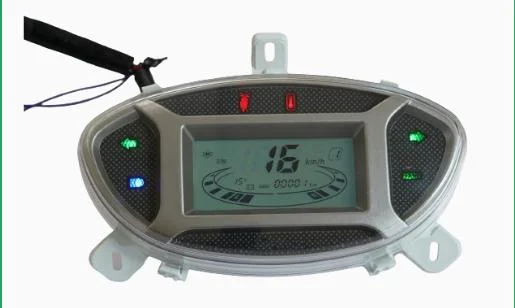
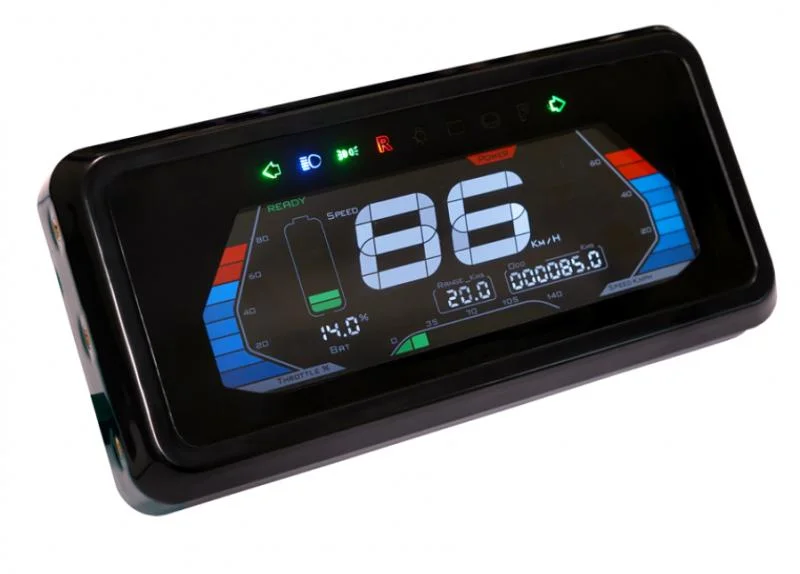
Digital instrument clusters feature electronic displays that provide real-time data in an easy-to-read format. They often include customizable interfaces, allowing users to tailor the information presented based on their preferences. These clusters are commonly used in modern vehicles and high-tech machinery.
Variant 2: Analog Gauges
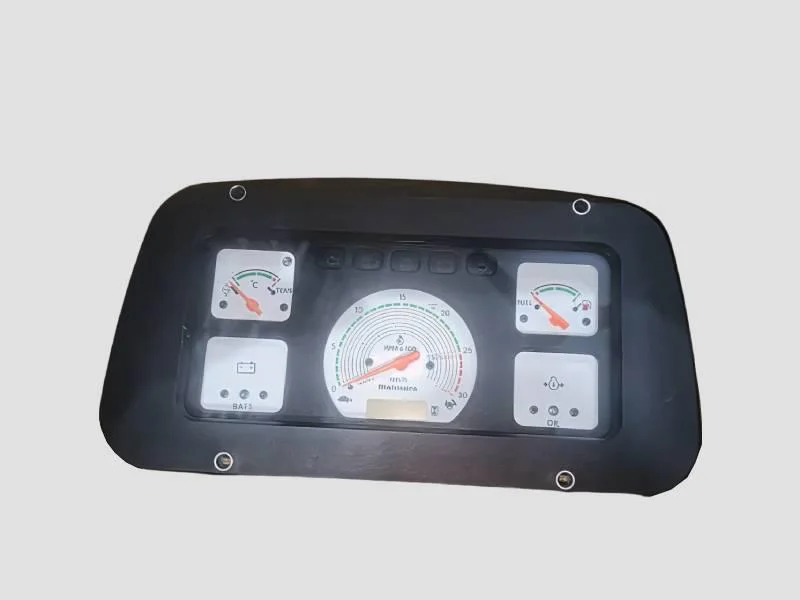
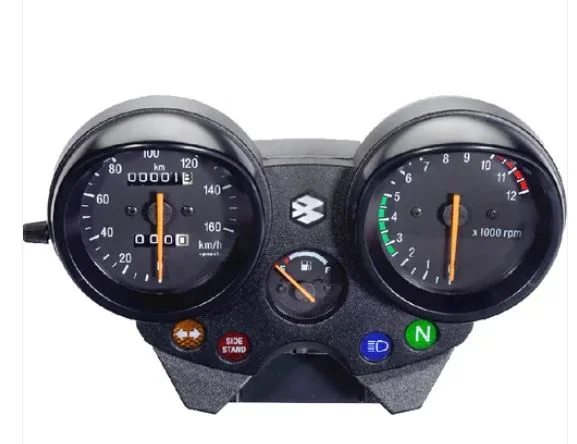
Analog gauges utilize traditional dial mechanics to display information. They are favored for their simplicity and reliability, often found in older vehicles or machinery where digital solutions are not feasible. These gauges provide a straightforward way to monitor performance without requiring advanced technology.
Variant 3: Hybrid Clusters
Hybrid clusters combine both analog and digital displays, offering users the benefits of both technologies. They provide a familiar gauge layout while incorporating digital features for enhanced functionality. These clusters are suitable for applications requiring both reliability and modern capabilities.
Benefits and Advantages
Instrument clusters and gauges offer numerous advantages that contribute to operational efficiency and safety.
1. Real-Time Monitoring: These instruments provide immediate feedback on vehicle or equipment performance, allowing operators to make informed decisions quickly.
2. Enhanced Safety: By displaying critical information, instrument clusters help prevent accidents and equipment failures, ensuring safer operations.
3. Increased Efficiency: Monitoring systems enable businesses to optimize performance, reduce downtime, and improve productivity.
4. Customization: Many gauges can be tailored to fit specific operational needs, allowing businesses to create a more user-friendly interface.
5. Improved Diagnostics: Advanced clusters can provide diagnostic information, helping identify issues early and reducing maintenance costs.
6. Regulatory Compliance: Instruments that meet industry standards ensure compliance with safety regulations, which is essential for operational legitimacy.
Buying Guide for B2B Buyers
When sourcing instrument clusters and gauges, it is essential to consider several key factors to ensure a successful purchase.
1. Quality Assessment: Evaluate the quality of materials and components used in the clusters and gauges. Look for products that meet recognized industry standards to ensure reliability.
2. Supplier Verification: Vet suppliers by checking their reputation and certifications. A reliable supplier will have a track record of delivering quality products and services.
3. Pricing and MOQ: Understand the pricing structure and minimum order quantities. Compare quotes from different suppliers to find the best value while considering budget constraints.
4. Delivery and Lead Times: Inquire about the expected delivery timelines and lead times. Timely delivery is crucial to maintain project schedules and avoid delays.
5. Compliance Requirements: Ensure that the products meet any relevant regulatory requirements for your industry, as compliance is critical for operational safety and legality.
Compliance and Certifications
Compliance and certifications play a vital role in the quality assurance of instrument clusters and gauges. Products often adhere to recognized quality standards such as ISO 9001, which ensures effective quality management systems are in place. This certification indicates a commitment to maintaining high standards in manufacturing processes.
In addition to ISO standards, many instrument clusters and gauges are CE certified, signifying compliance with European health, safety, and environmental protection standards. This certification helps buyers verify the safety and quality of the products.
Safety and testing requirements are also critical for these instruments. They undergo rigorous testing to ensure they can withstand various environmental conditions. Businesses should also consider regional compliance, as different markets may have specific regulations that impact product requirements.
Why Source Instrument Clusters & Gauges from Pepagora?
Pepagora provides an ideal platform for sourcing instrument clusters and gauges, offering several key advantages for businesses.
Verified Supplier Network: Pepagora features a network of verified suppliers, ensuring that buyers can trust the quality and reliability of the products offered. This verification process helps mitigate risks associated with sourcing.
Streamlined RFQ Process: The request for quotation (RFQ) process on Pepagora is designed to be efficient, allowing buyers to quickly obtain competitive quotes from multiple suppliers. This saves time and facilitates better decision-making.
Trade Assurance and Support: Pepagora offers buyer protection through trade assurance, which safeguards transactions and ensures that buyers receive the products as promised. Additionally, the support team is available to assist with any inquiries or issues.
Regional Coverage: With a wide geographic reach, including India, the GCC, and Southeast Asia, Pepagora connects buyers with suppliers across diverse markets. This regional coverage enhances sourcing opportunities and facilitates access to a variety of products.

 IN
IN