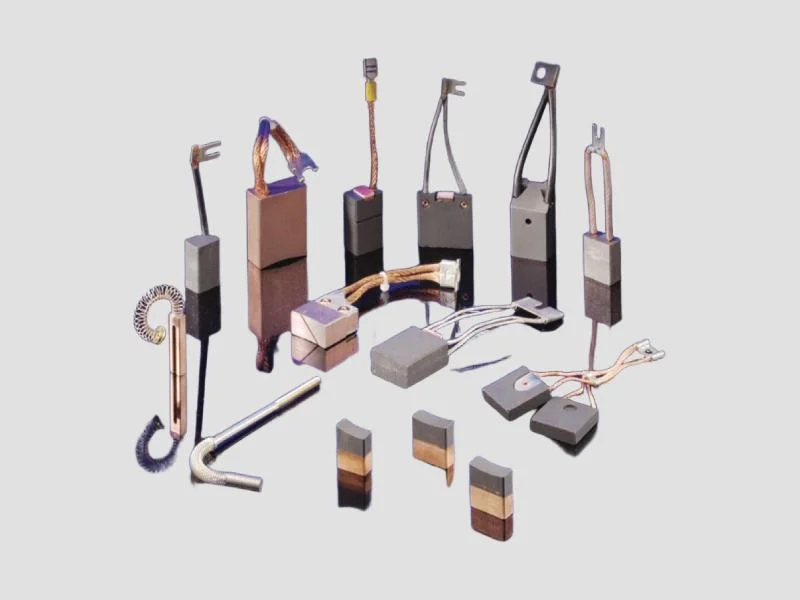
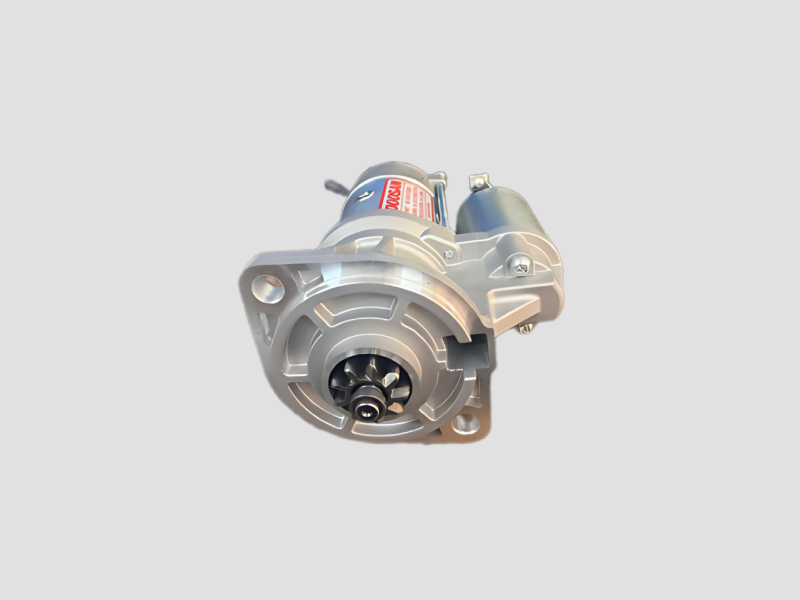
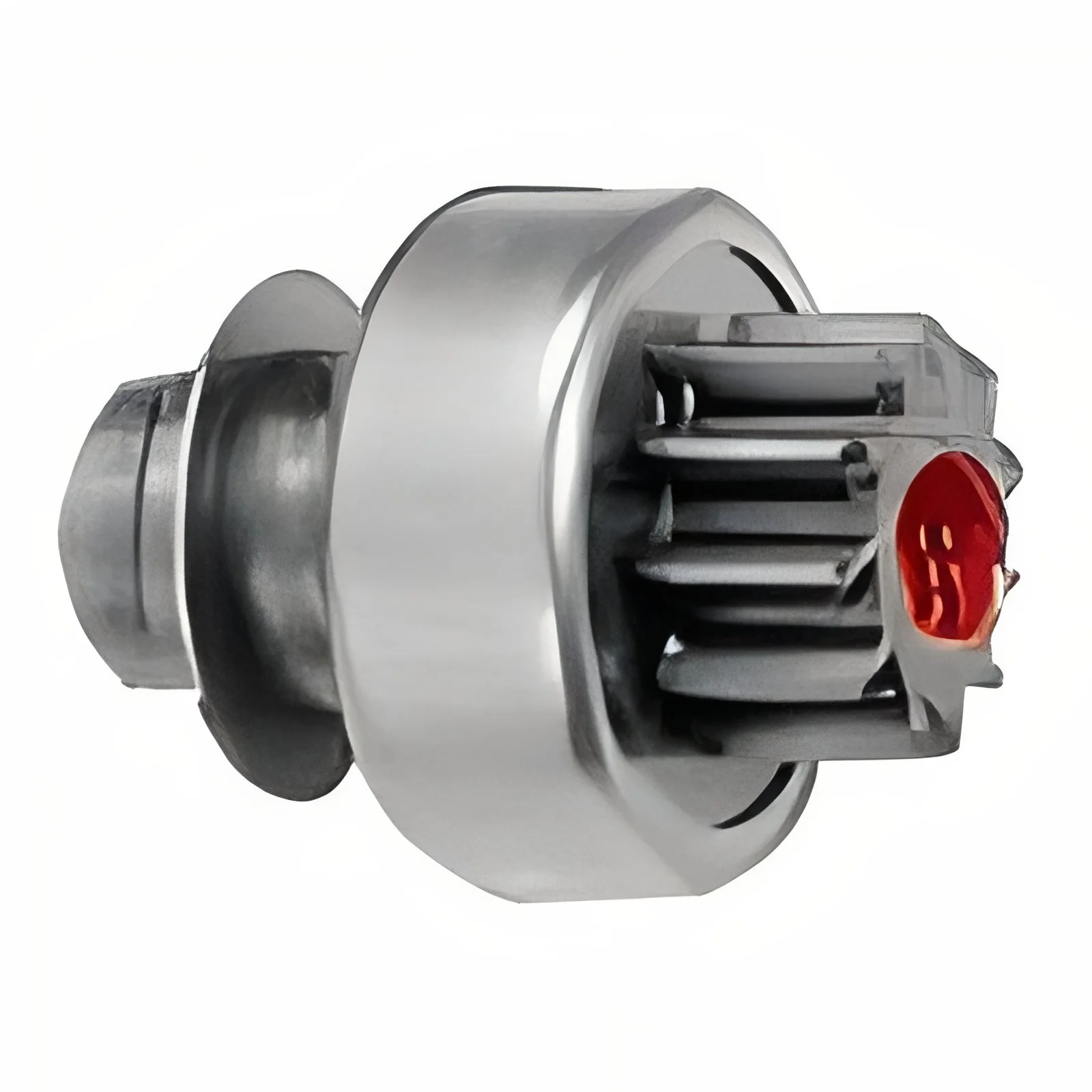
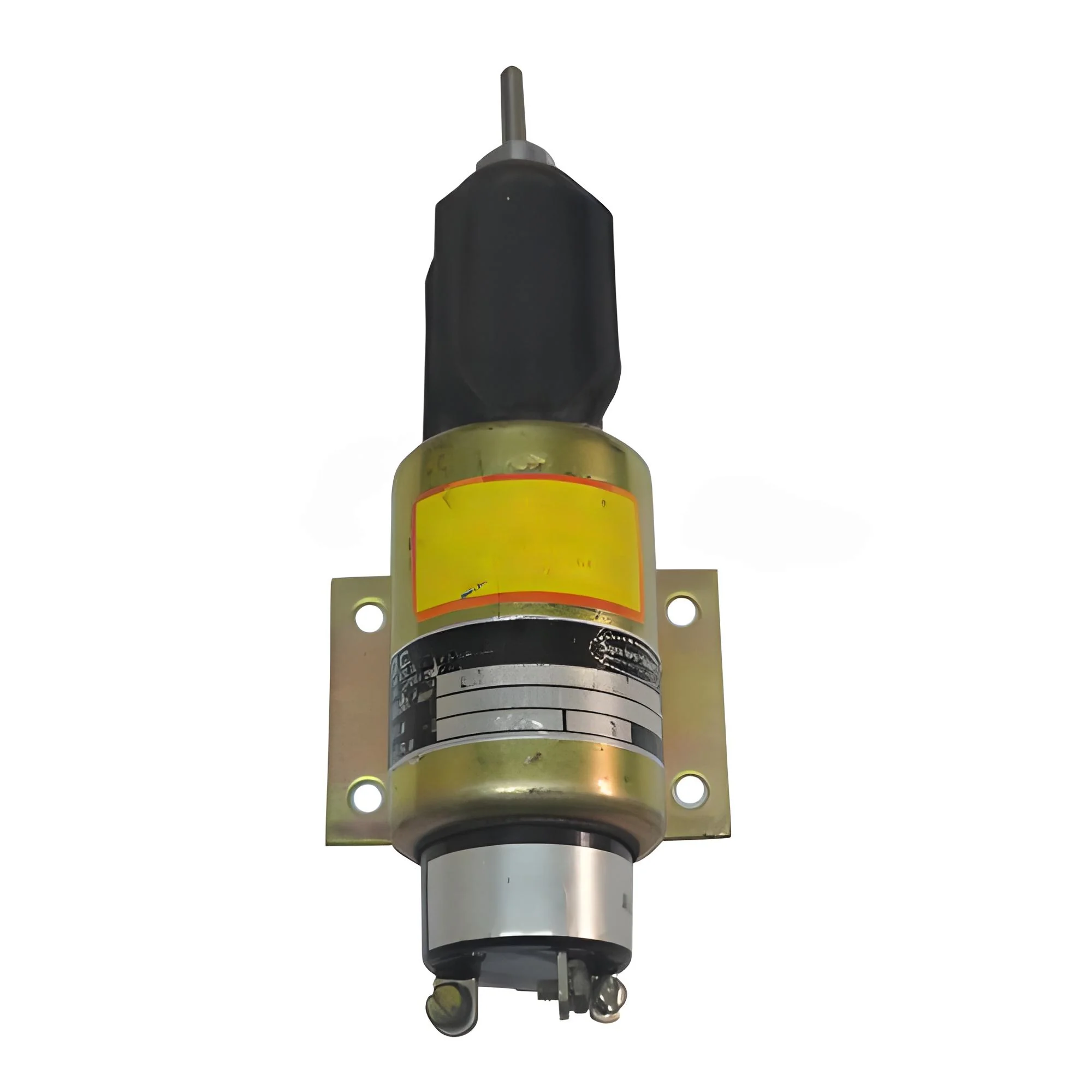
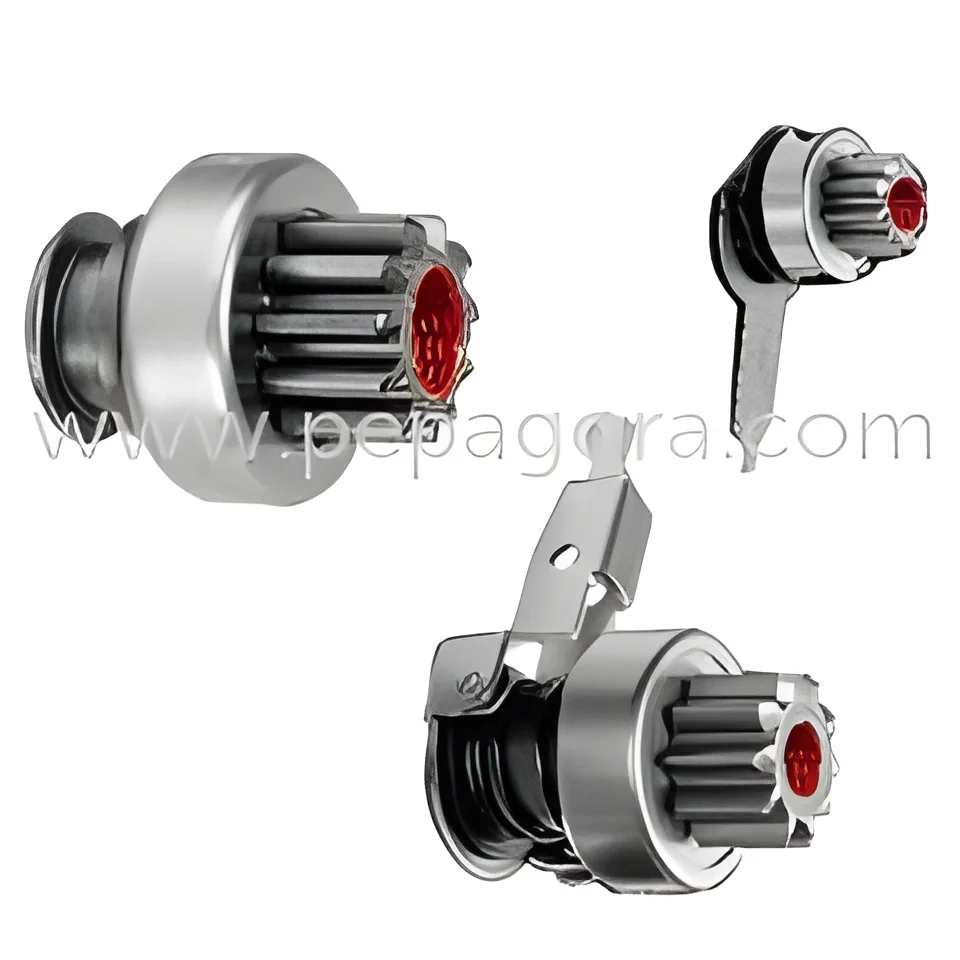
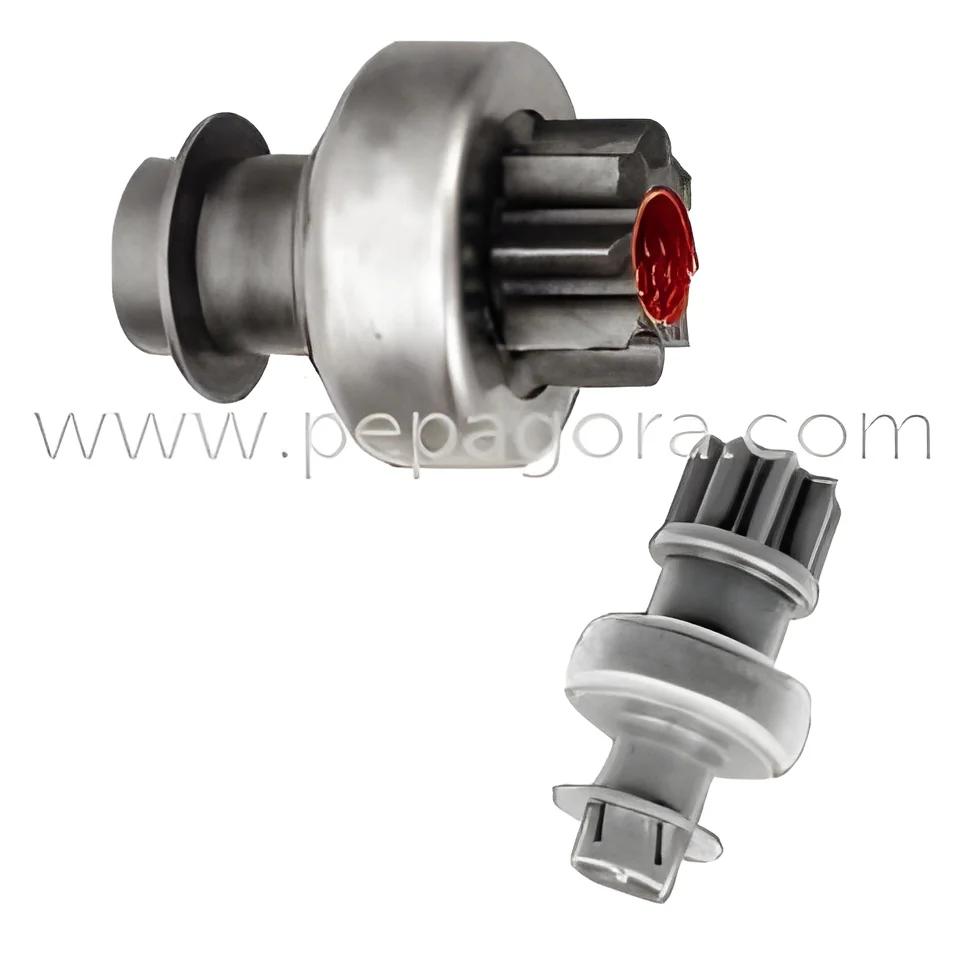
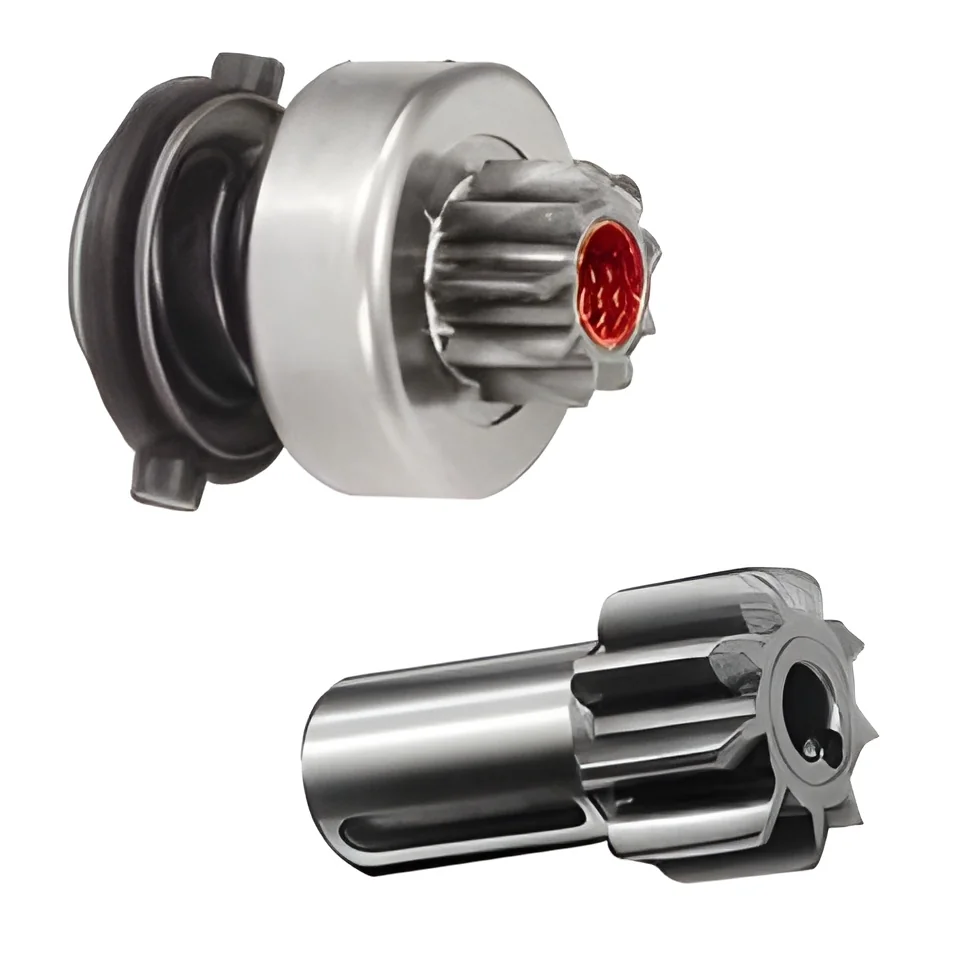
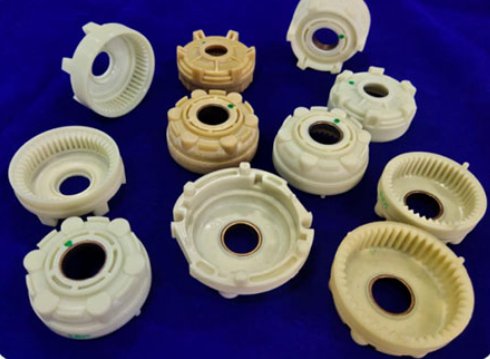
What are Alternators & Starters?
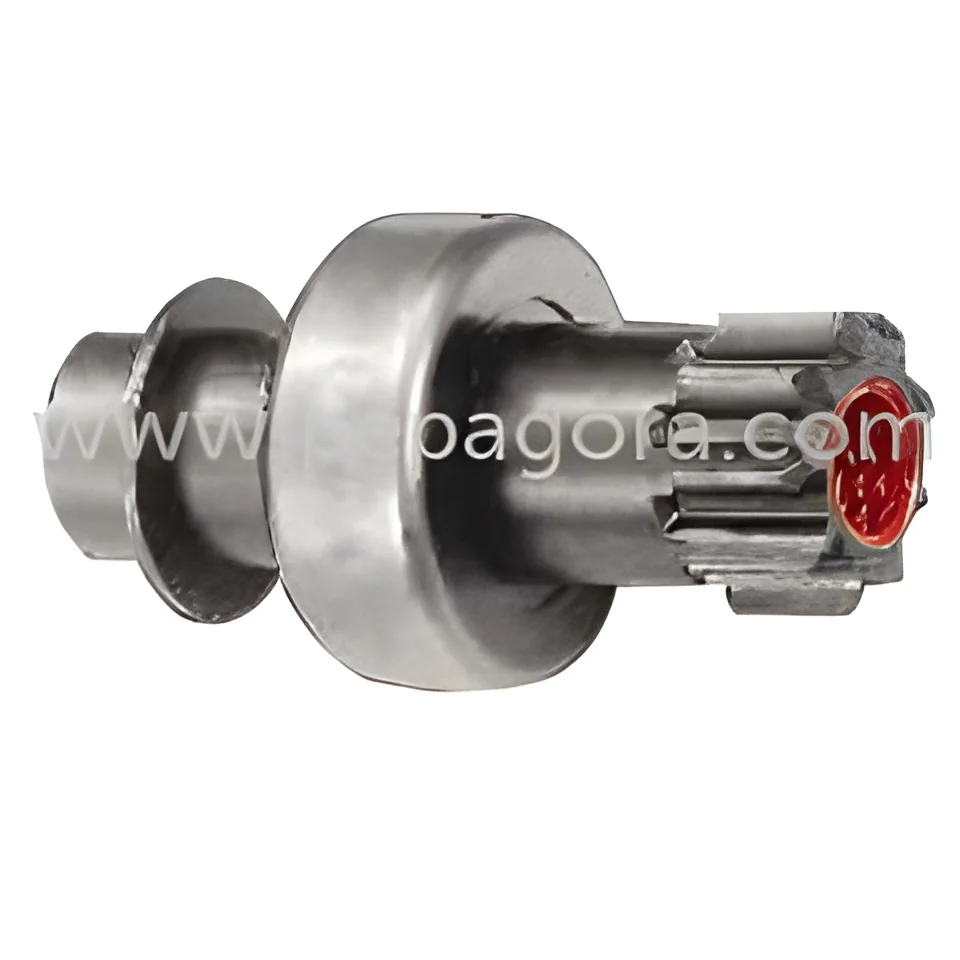
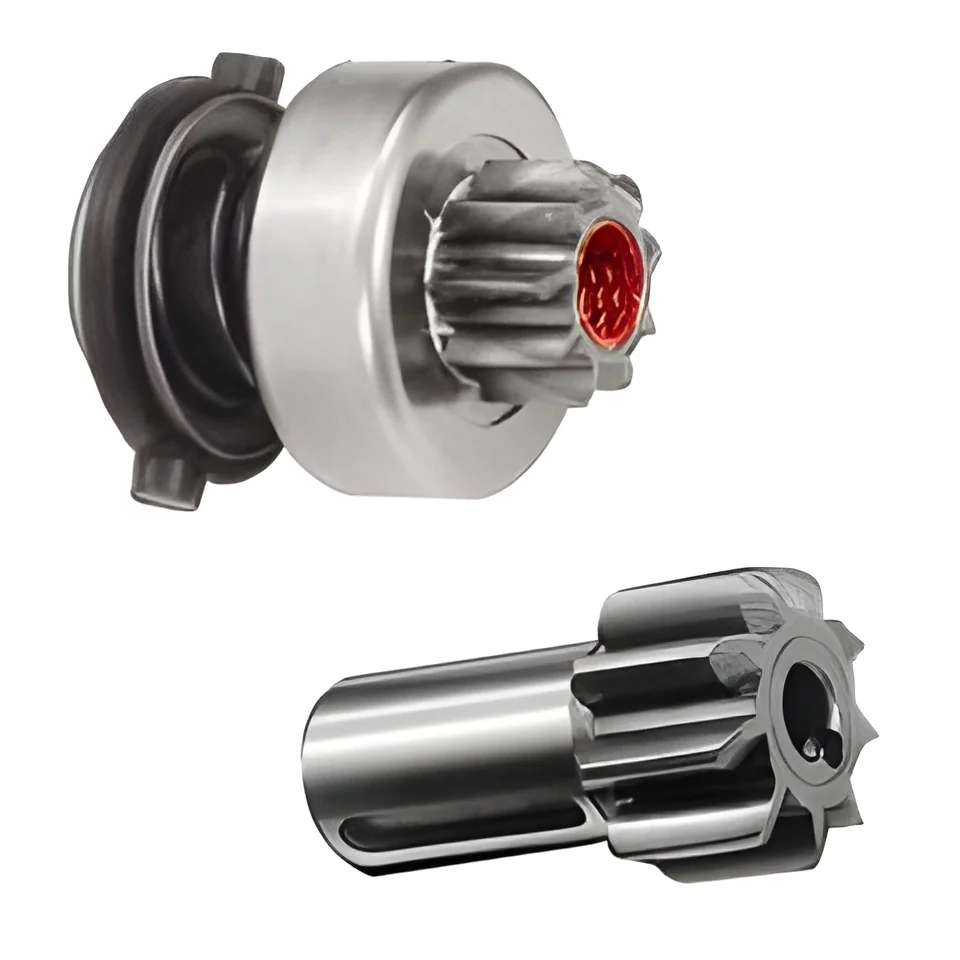
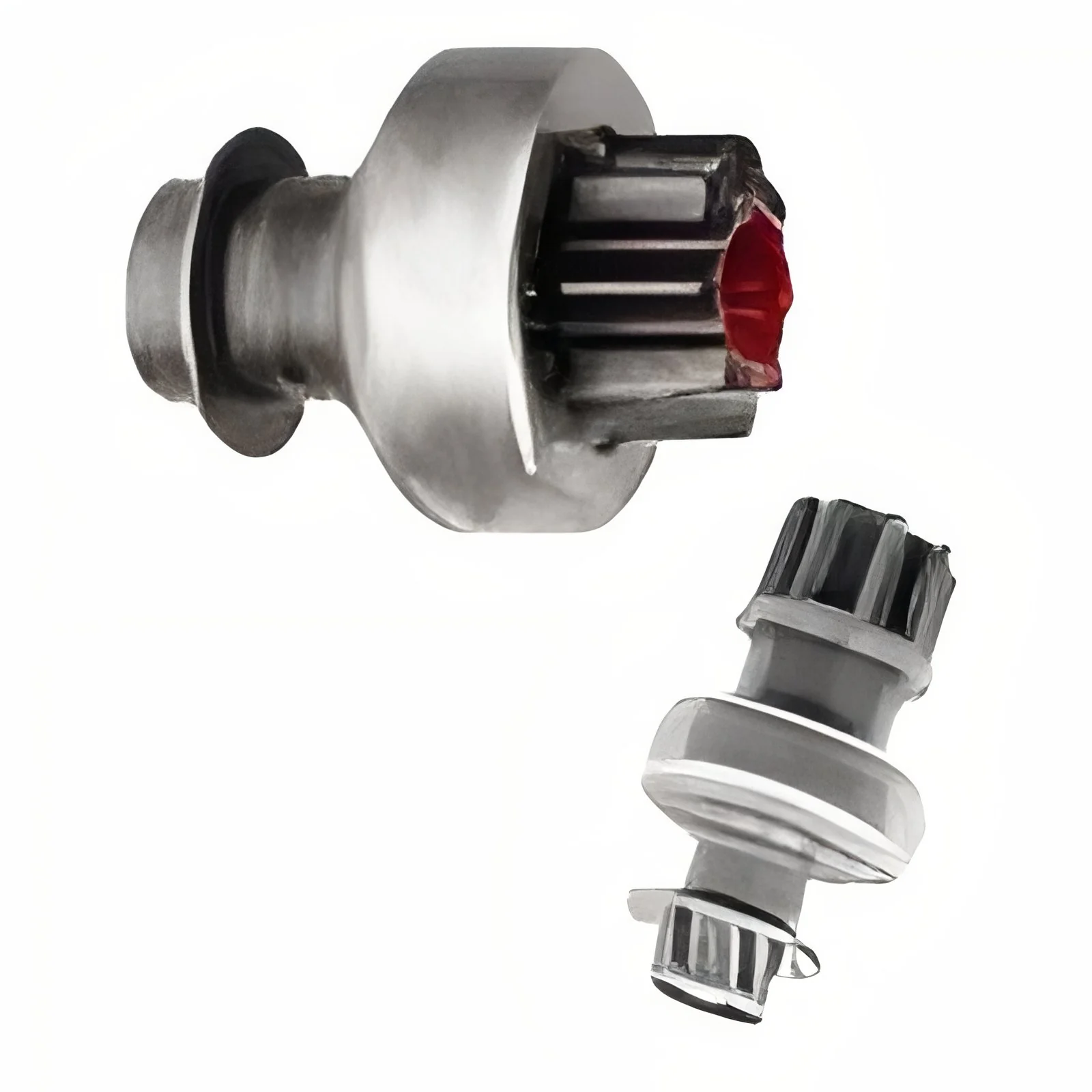
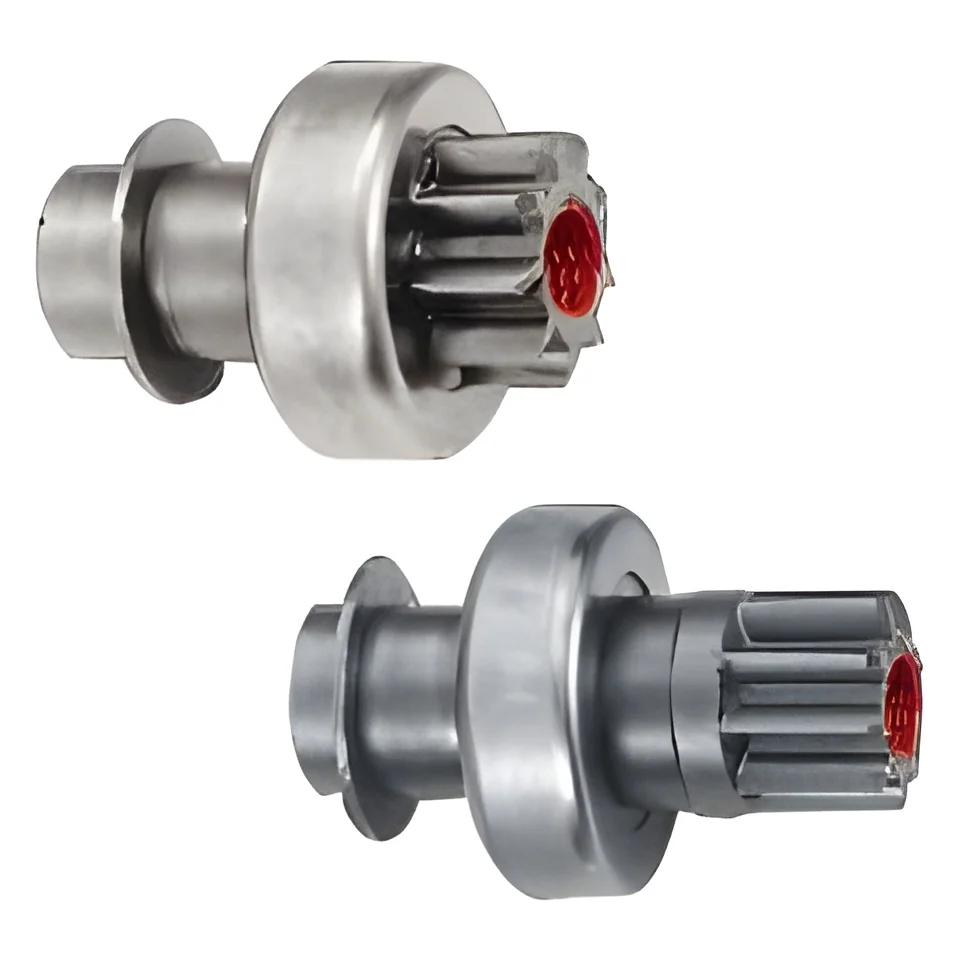
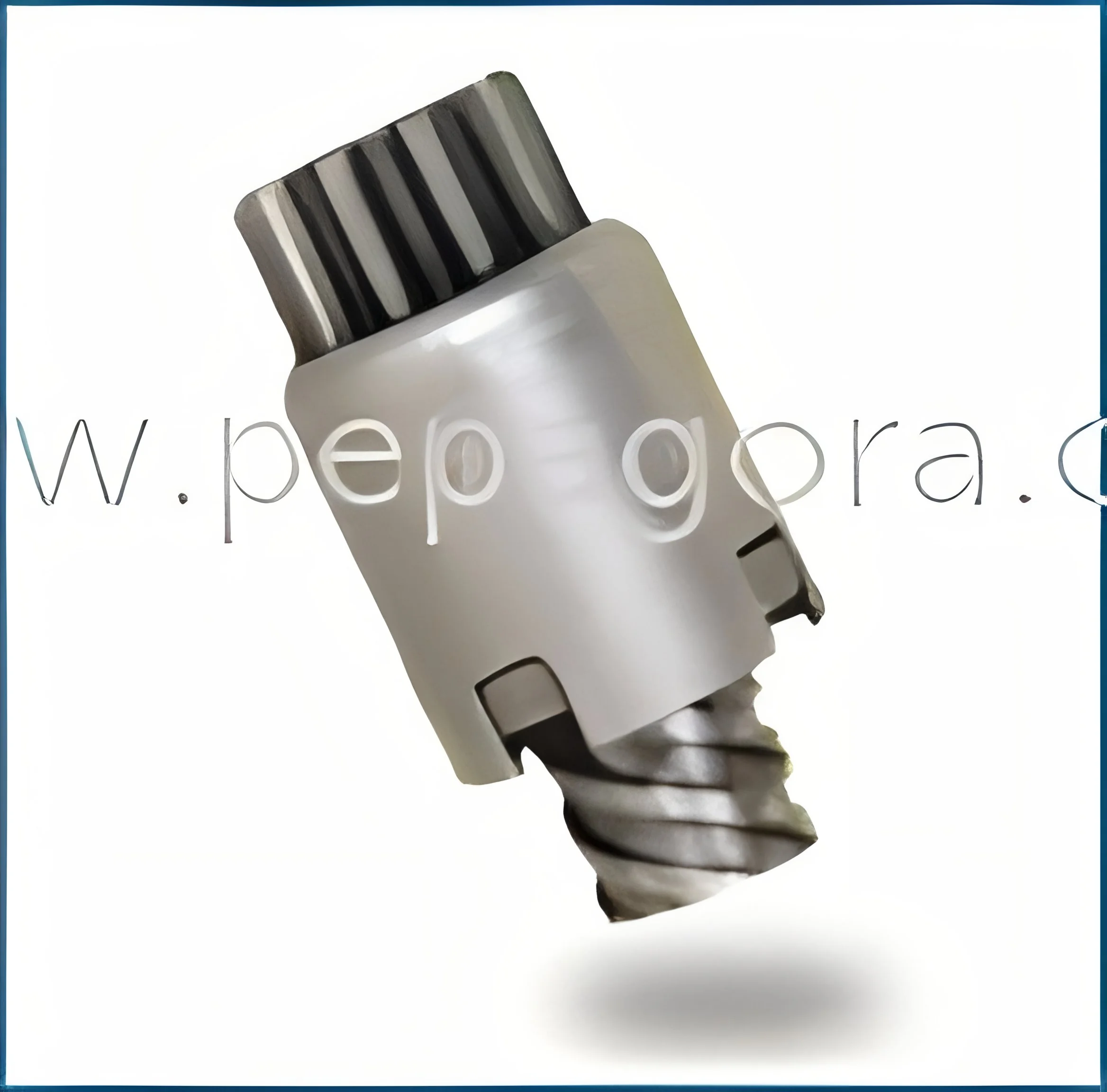
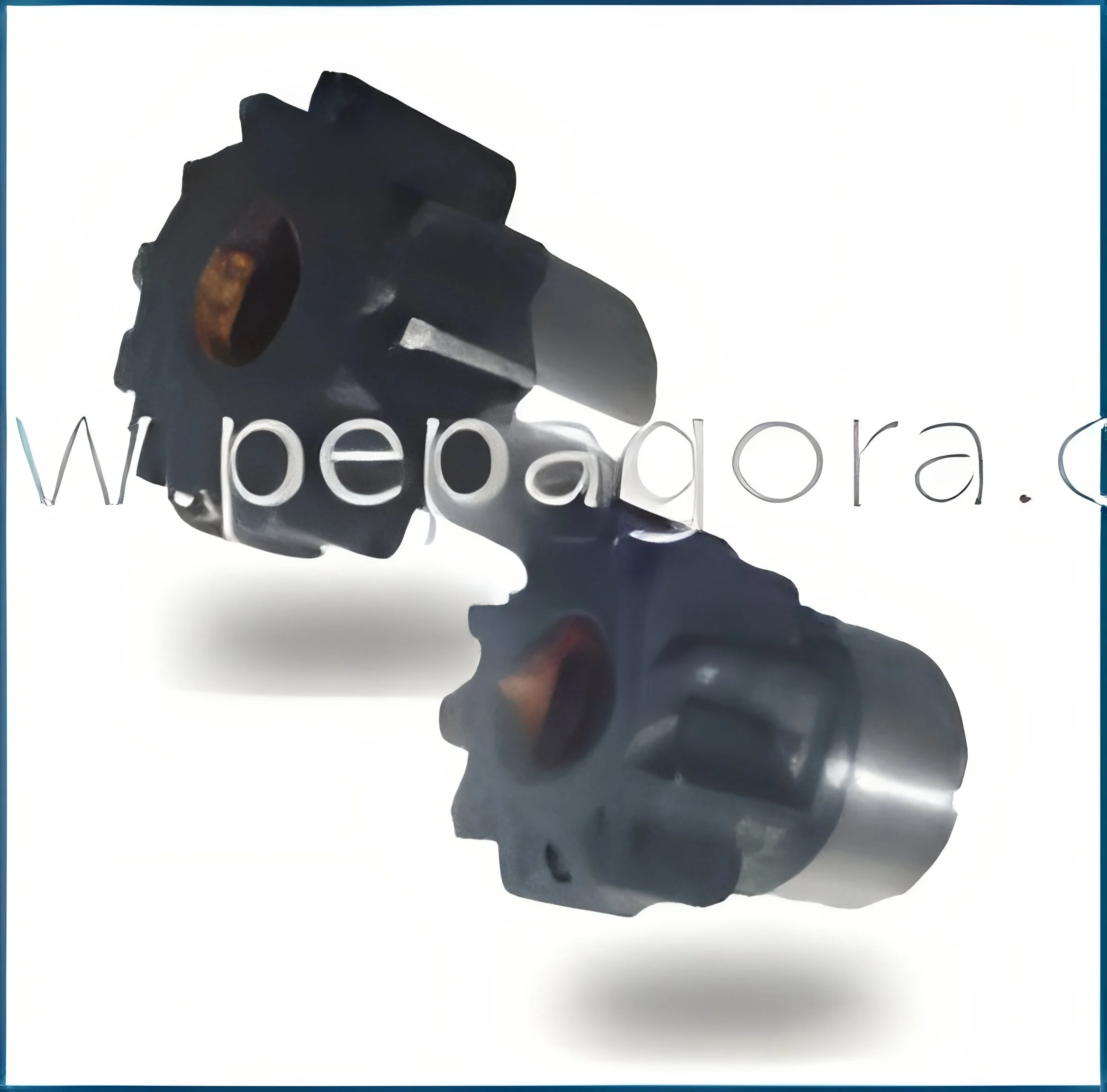
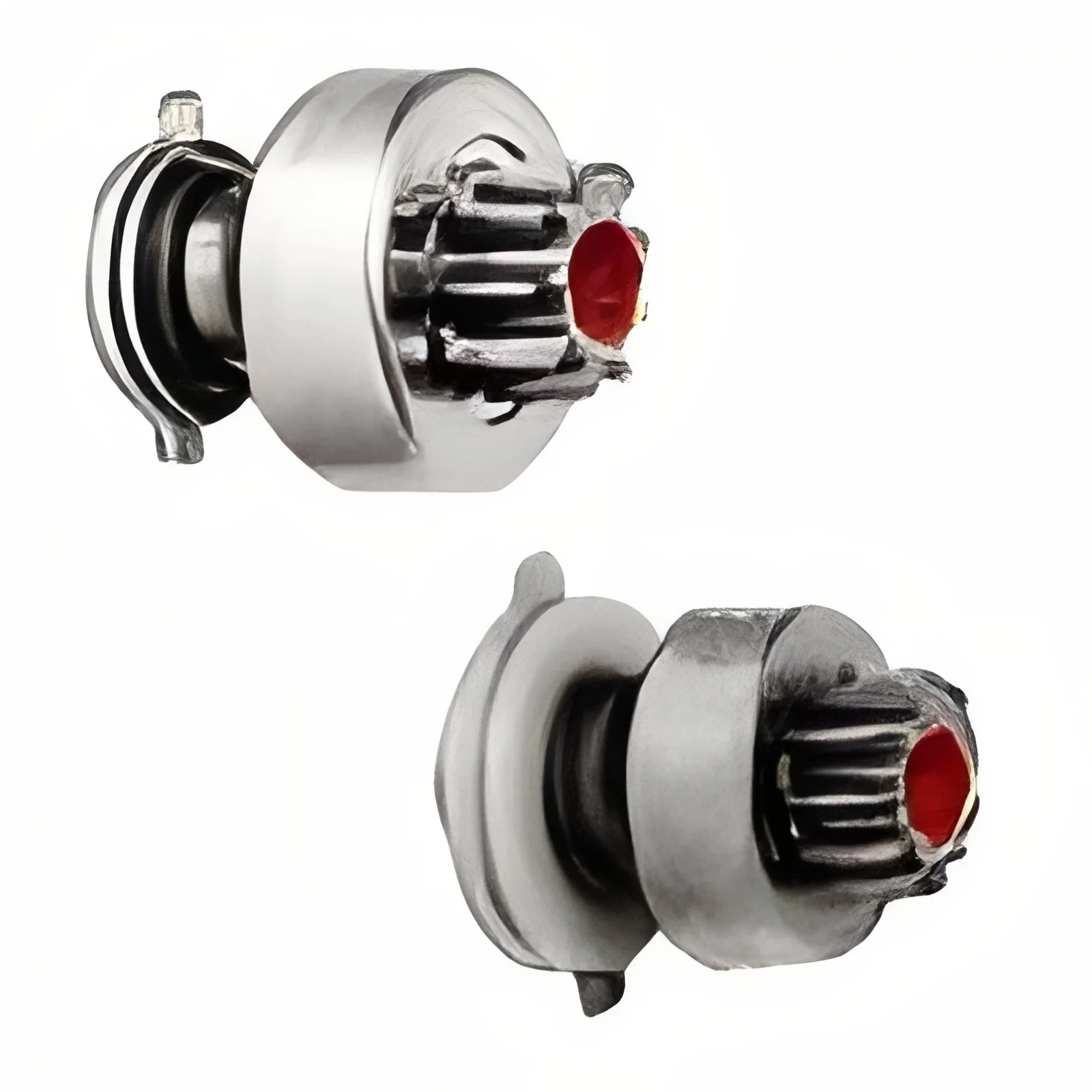
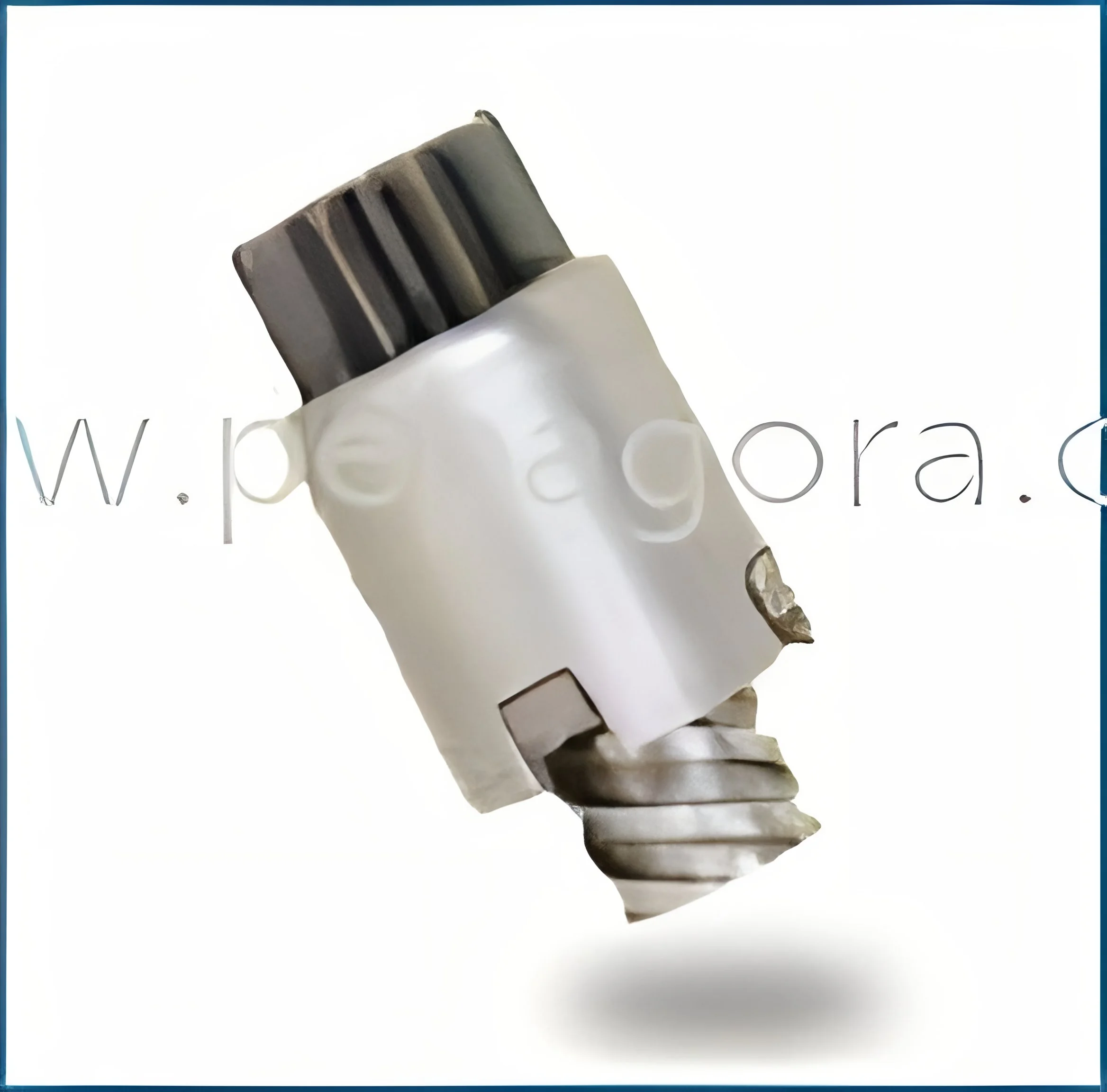
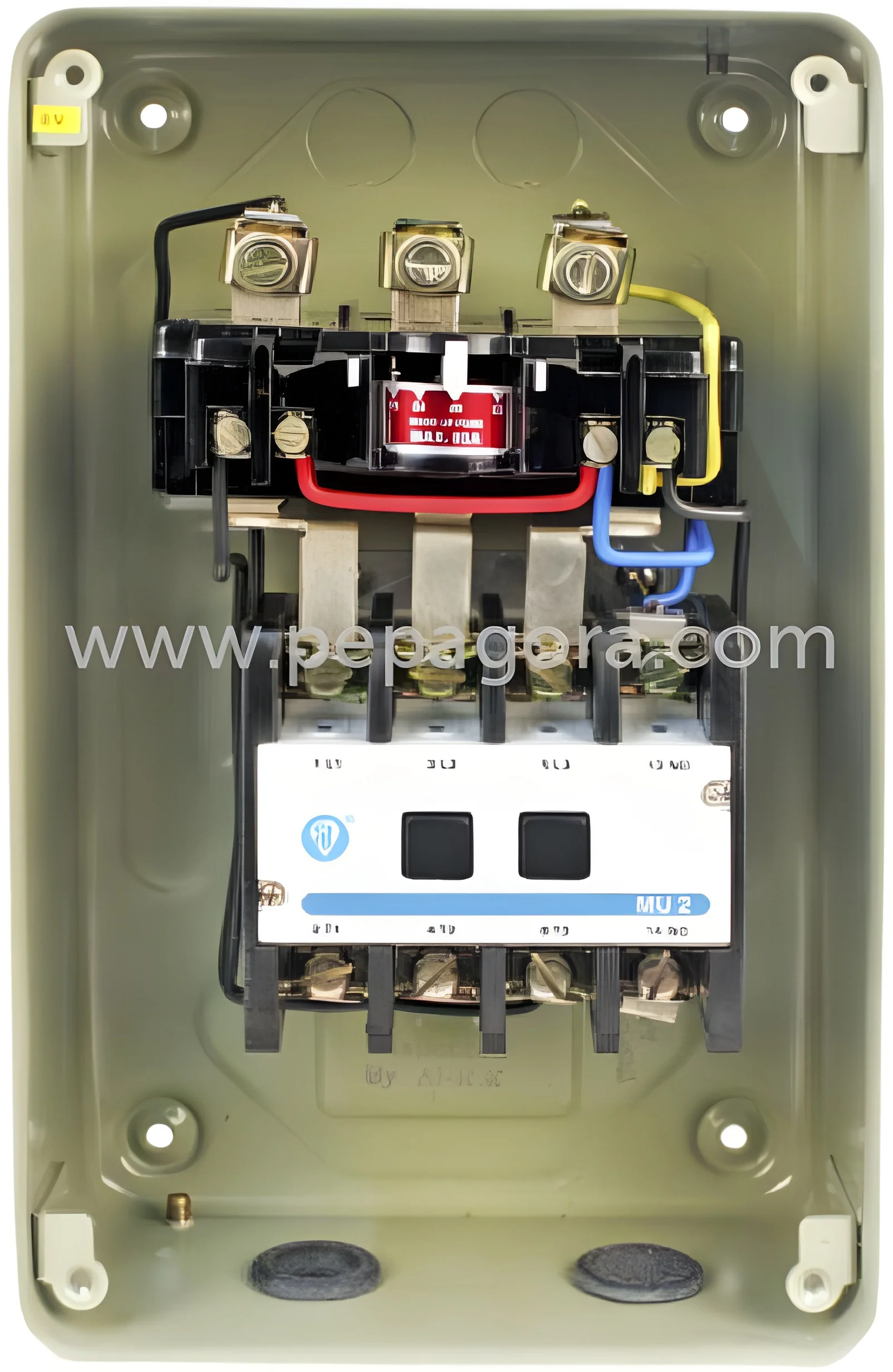
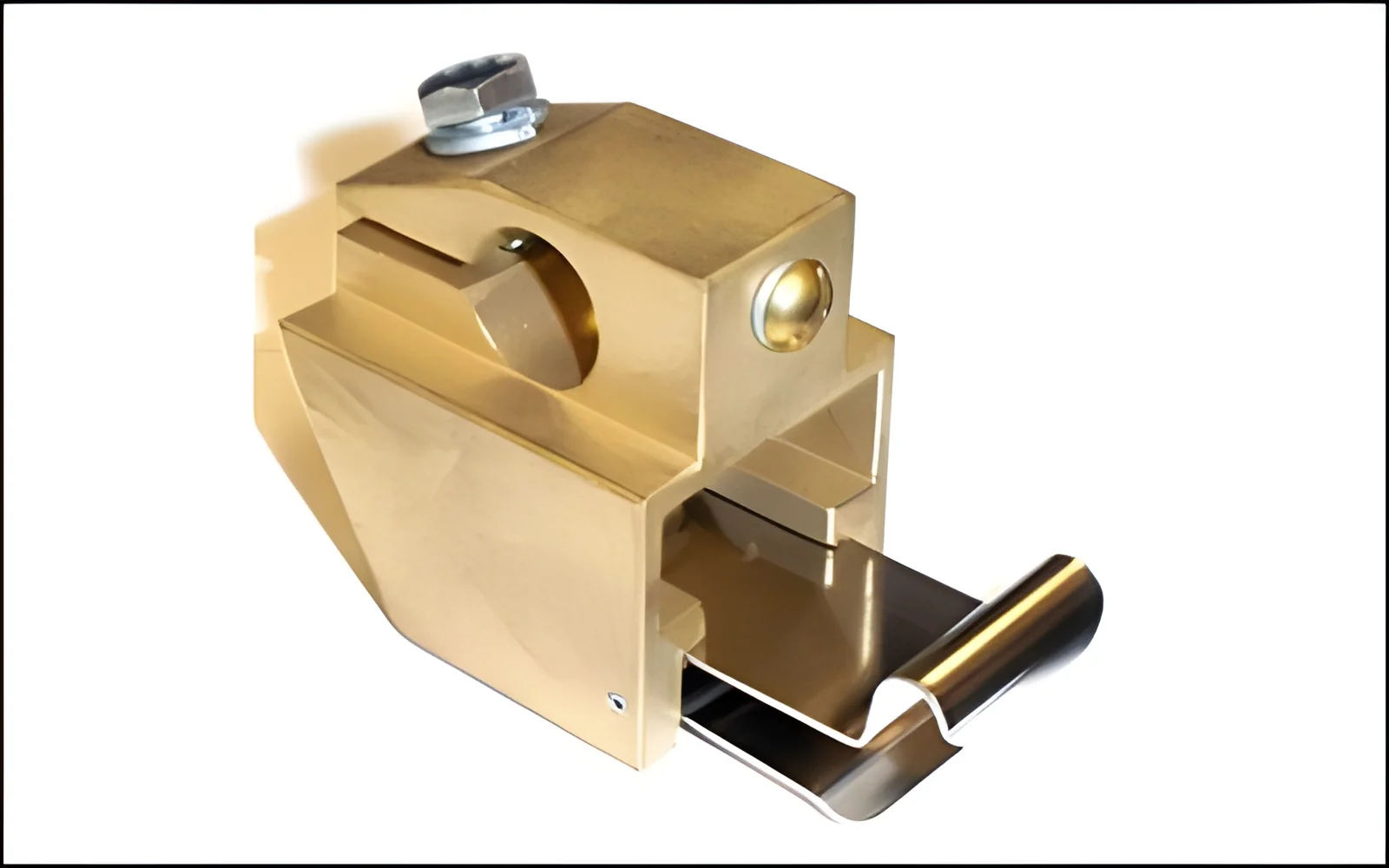
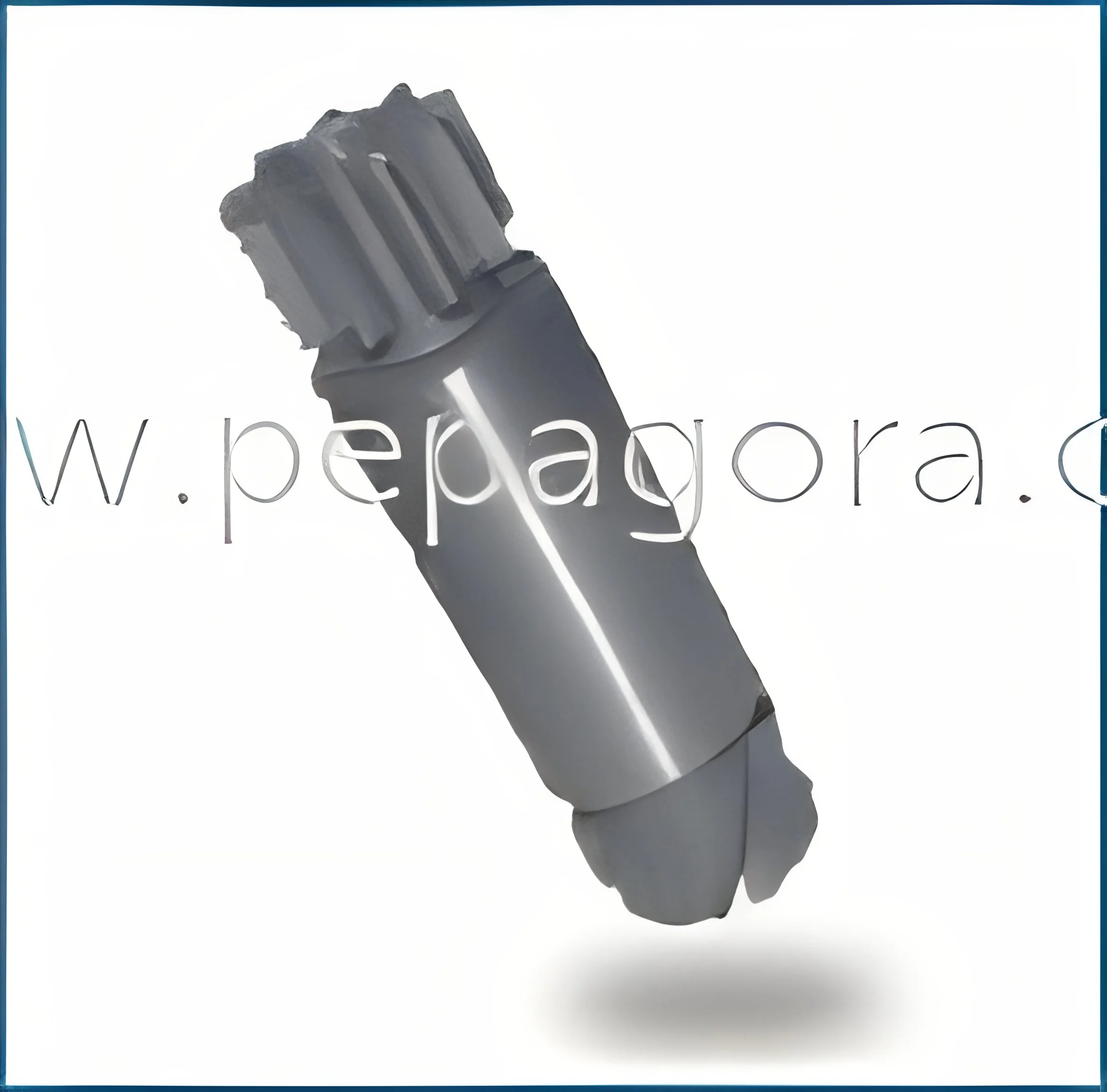
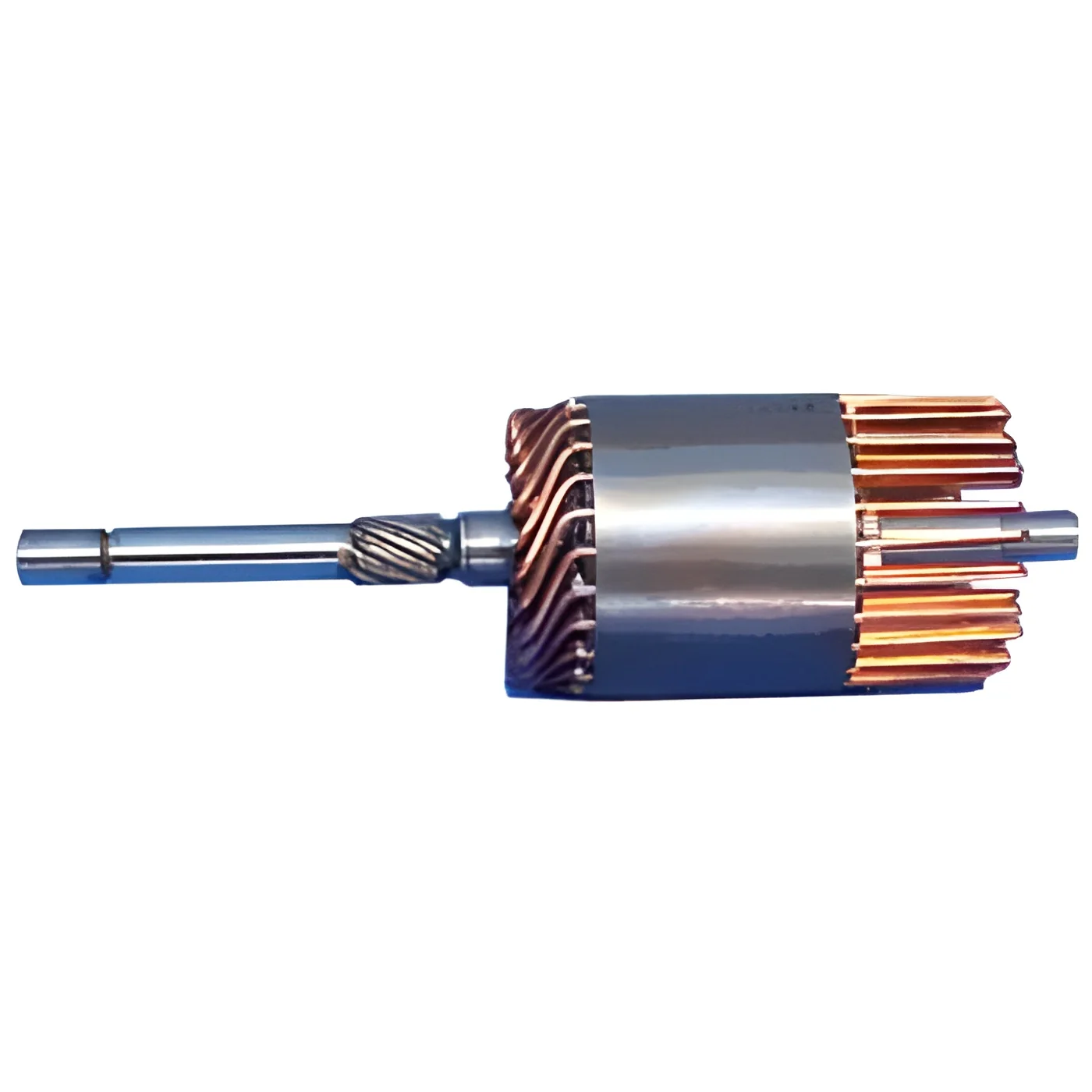
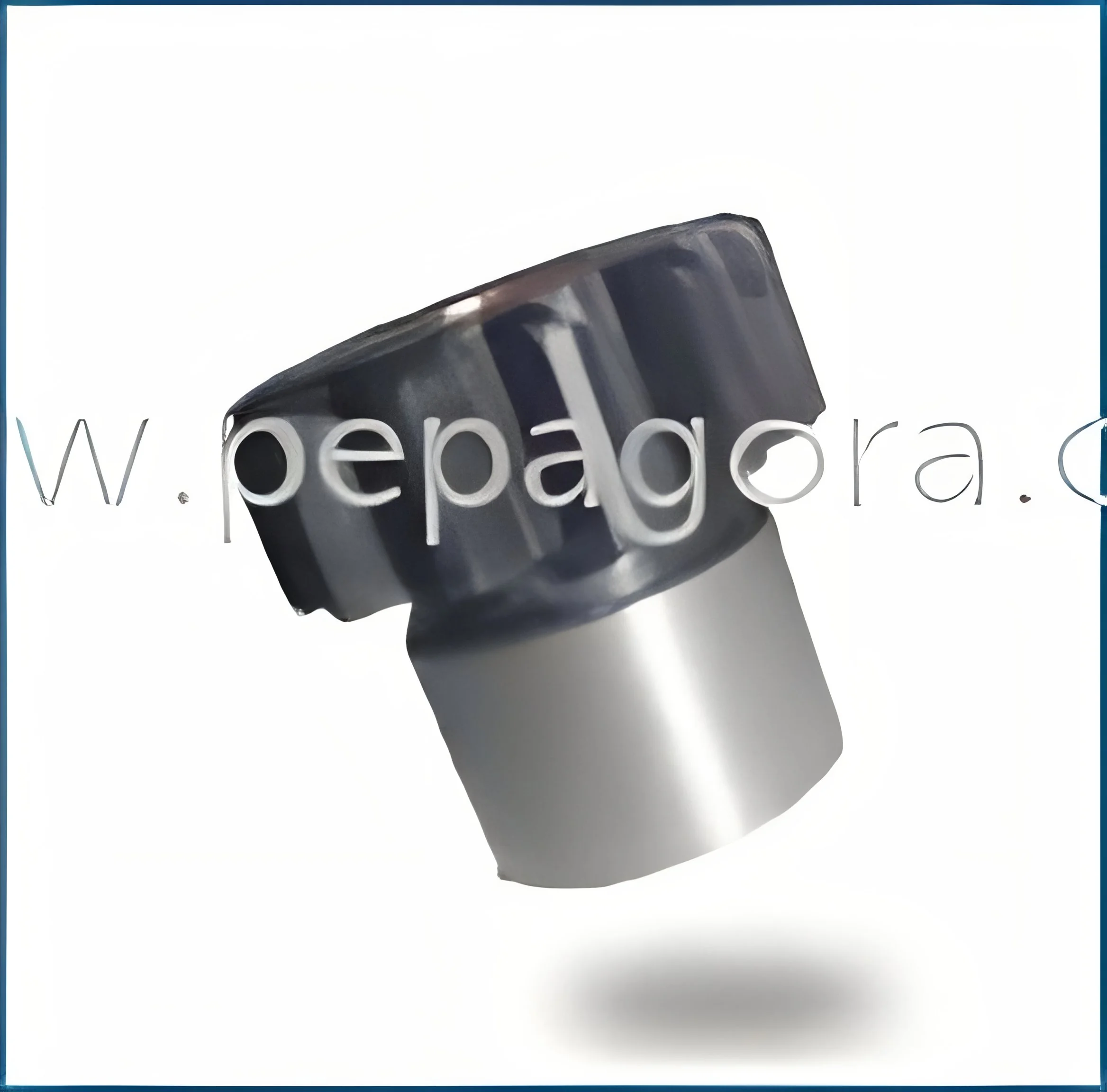
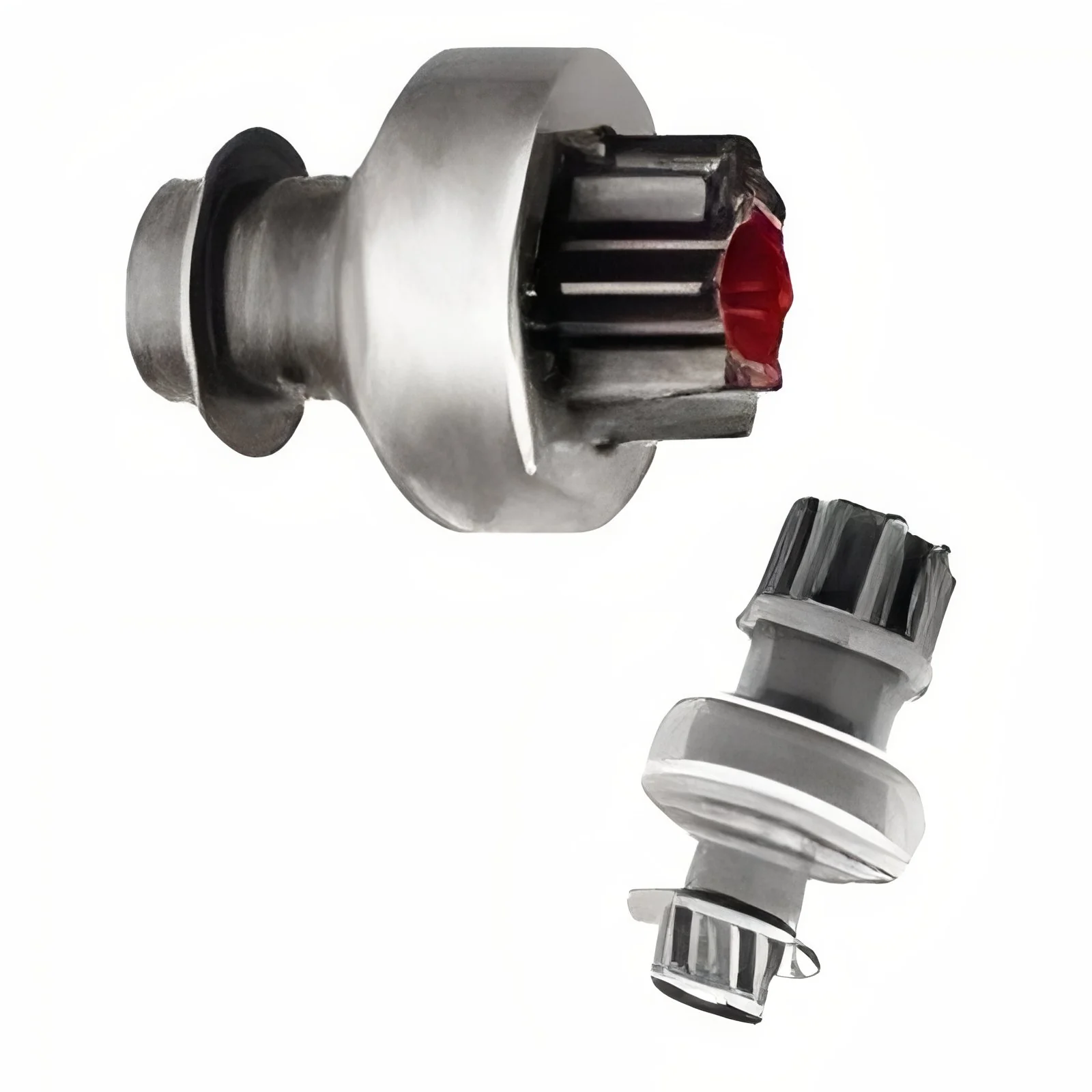
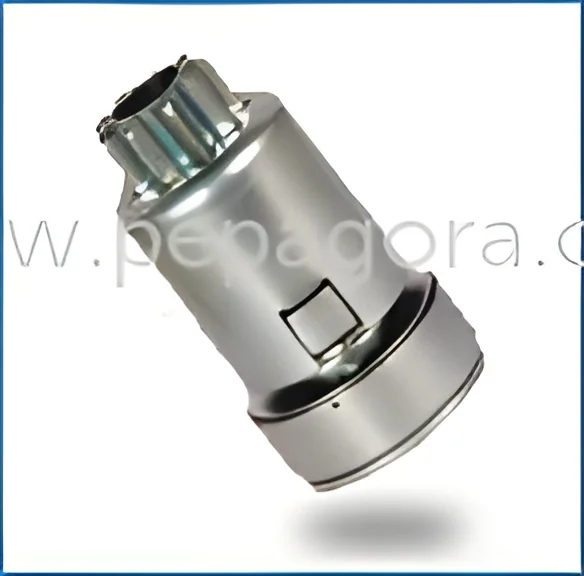
Alternators and starters are essential components in the operation of internal combustion engines. An alternator is responsible for generating electrical power to recharge the battery and power the electrical systems of a vehicle while it operates. The starter, on the other hand, is a device that initiates the engine's operation by turning over the engine's flywheel, allowing it to begin the combustion process. Together, these components ensure that vehicles and machinery can start and operate efficiently.
These products find significant applications in various industries, including automotive, marine, and industrial machinery. In the automotive sector, starters and alternators are crucial for the reliable operation of vehicles. Similarly, in marine applications, they ensure that boats are powered and ready for use. Industrial machinery relies on these components to maintain operational efficiency, making them vital in sectors such as construction, manufacturing, and agriculture.
As the demand for reliable power generation and engine starting solutions continues to grow, the market for alternators and starters remains robust. The increasing reliance on advanced electrical systems in vehicles and machinery further emphasizes the relevance of these components in today’s industrial landscape.
Key Features and Specifications
When considering alternators and starters, it is important to understand their key features and specifications. These components vary in design and functionality, catering to specific industry needs.
Key specifications include:
1. Power Output
- Alternators typically range in output from 30 amps to over 200 amps.
- Starters are designed to generate sufficient torque, often measured in pounds-feet.
2. Voltage Rating
- Most alternators operate at a standard voltage of 12V or 24V.
- Starters are also designed for these common voltage levels.
3. Size and Weight
- Alternators can vary in size, typically ranging from 6 inches to 12 inches in diameter.
- Starter sizes vary based on application, weighing between 10 to 30 pounds.
4. Efficiency Ratings
- Alternators often have efficiency ratings exceeding 70%.
- Starter efficiency is critical for quick engine turnover.
5. Durability Standards
- Components are built to withstand harsh environments, with some rated for extreme temperatures.
- Corrosion resistance is often a key feature.
6. Installation Type
- Alternators can be direct mount or remote mount.
- Starters may be equipped for standard or high-performance installations.
7. Noise Level
- Many modern alternators and starters are designed for quieter operation.
- Noise levels are often measured in decibels.
8. Compliance and Certifications
- Alternators and starters must meet industry standards, such as CE certification.
In summary, understanding the features and specifications of alternators and starters is crucial for making informed purchasing decisions. These components are designed to meet the demanding needs of various industrial applications.
Common Applications and Use Cases
Alternators and starters are utilized across various industries due to their critical roles in engine performance and electrical power management.
1. Automotive Industry: Alternators and starters are fundamental to the operation of vehicles, ensuring that batteries are charged and engines can start reliably.
2. Marine Applications: In boats and ships, these components are essential for starting engines and powering onboard electrical systems, contributing to safe navigation.
3. Industrial Machinery: Equipment such as generators and heavy machinery relies on alternators and starters to ensure reliable operation in demanding environments.
4. Agriculture: Tractors and other farming equipment depend on these components to start engines and power electrical systems for various agricultural tasks.
5. Construction: Heavy construction machinery uses alternators and starters to ensure that machines like excavators and bulldozers can operate efficiently.
6. Power Generation: Standby generators utilize alternators to provide electrical power during outages, emphasizing their importance in energy management.
7. Transportation: Commercial vehicles and fleets depend on reliable starters and alternators for efficient operation, impacting logistics and delivery services.
Product Variants and Subcategories
Alternators and starters come in various configurations to meet specific needs in different applications.
Standard Alternators
These are the most common type used in vehicles and machinery, designed for reliability and efficiency. They are typically built with a focus on power output and durability.
High-Performance Alternators
These alternators are designed for racing and high-demand applications. They offer increased power output and efficiency, catering to vehicles requiring enhanced electrical performance.
Standard Starters
These starters are suitable for most automotive applications, providing reliable performance for everyday vehicles.
High-Torque Starters
Designed for high-performance and heavy-duty applications, these starters deliver greater torque to ensure engine ignition in demanding conditions.
Benefits and Advantages
Understanding the benefits of alternators and starters can help businesses make informed decisions in their procurement processes.
Key benefits include:
1. Reliability: These components are designed for consistent performance, ensuring that vehicles and machinery can operate without interruption.
2. Enhanced Efficiency: Modern alternators and starters are engineered for higher efficiency, reducing energy consumption and operational costs.
3. Durability: Built to withstand harsh environments, these components provide long service life and reduced maintenance costs.
4. Versatility: Available for a wide range of applications, alternators and starters can be customized to meet specific operational needs.
5. Improved Performance: High-performance variants can enhance engine response and power delivery, making them ideal for specialized applications.
6. Compliance Assurance: Many products meet industry standards, providing peace of mind regarding safety and quality.
Buying Guide for B2B Buyers
When sourcing alternators and starters, businesses should consider several key factors to ensure they select the right products for their needs.
1. Quality Assessment: Evaluate the quality of the components based on manufacturer reputation and performance reviews. Look for products that meet industry standards for durability and efficiency.
2. Supplier Verification: It is crucial to vet suppliers by checking their certifications, customer reviews, and track records. This helps ensure reliability in sourcing quality products.
3. Pricing and MOQ: Consider the cost implications, including pricing structures and minimum order quantities. Evaluate bulk purchasing options for cost savings.
4. Delivery and Lead Times: Understand the logistics involved in sourcing these components, including delivery timelines and potential delays.
5. Compliance Requirements: Ensure that the products meet relevant regulatory standards and certifications, which may vary by region and industry.
Compliance and Certifications
Quality standards and certifications play a significant role in the manufacturing and procurement of alternators and starters.
Relevant quality standards such as ISO 9001 ensure that manufacturers adhere to consistent quality management practices. This standard is crucial for ensuring product reliability and performance.
Industry certifications, including CE marking, indicate that products meet European safety and environmental requirements. This certification is important for businesses operating within or exporting to European markets.
Safety and testing requirements are critical to ensure that alternators and starters can function safely under various operating conditions. Manufacturers often conduct rigorous testing to meet these standards.
Regional compliance considerations may also impact sourcing decisions. Different regions may have specific regulations regarding electrical components, which should be taken into account when selecting suppliers.
Why Source Alternators & Starters from Pepagora?
Pepagora provides a trusted platform for sourcing alternators and starters, offering numerous advantages to B2B buyers.
Verified Supplier Network: The platform connects buyers with suppliers who have been thoroughly vetted for quality and reliability. This ensures that businesses receive products that meet their needs.
Streamlined RFQ Process: Pepagora simplifies the request for quotation process, allowing buyers to receive competitive quotes from multiple suppliers quickly. This efficiency helps businesses make informed purchasing decisions.
Trade Assurance and Support: Buyers benefit from trade assurance policies that protect their purchases. Pepagora offers support to address any issues that may arise during transactions, ensuring a smooth buying experience.
Regional Coverage: With a broad geographic reach that includes India, GCC countries, and Southeast Asia, Pepagora facilitates access to a diverse range of suppliers, making it easier for businesses to find the right products for their specific applications.

 IN
IN