
 IN
Electric Wheelchairs
29 products available
What are Electric Wheelchairs?
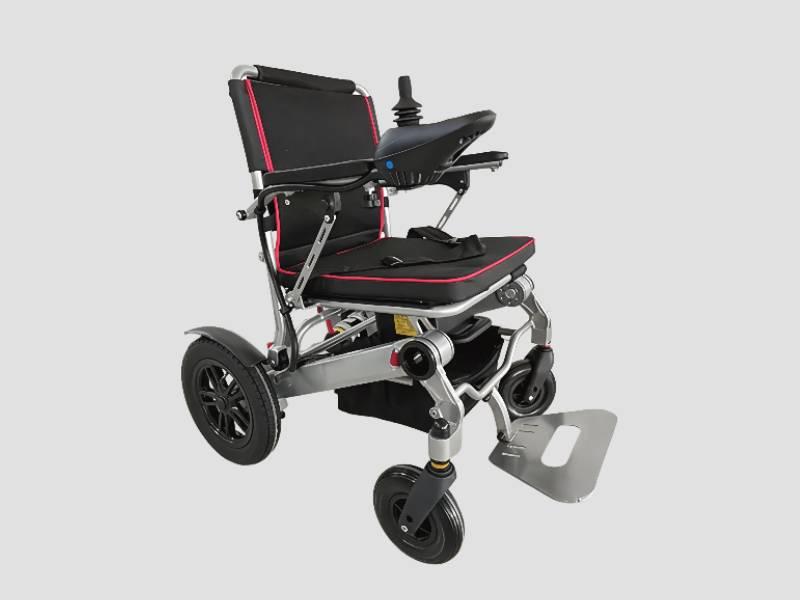
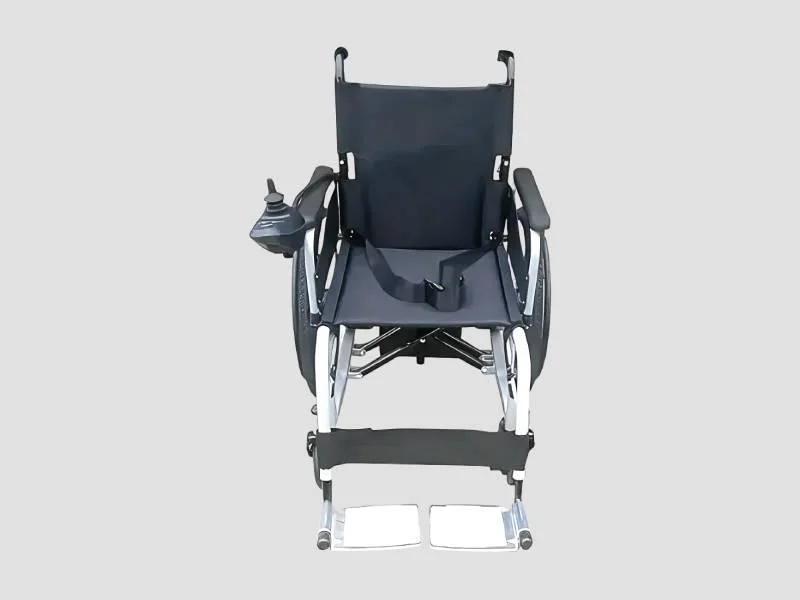
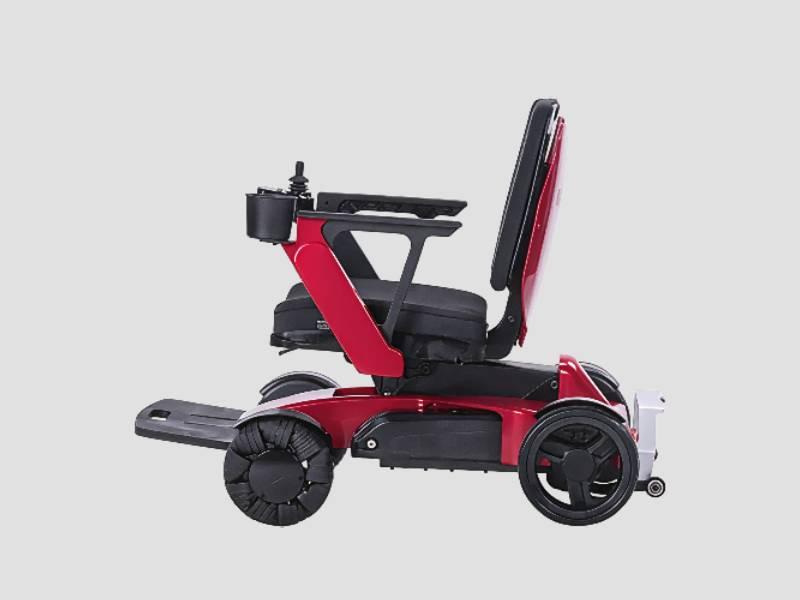
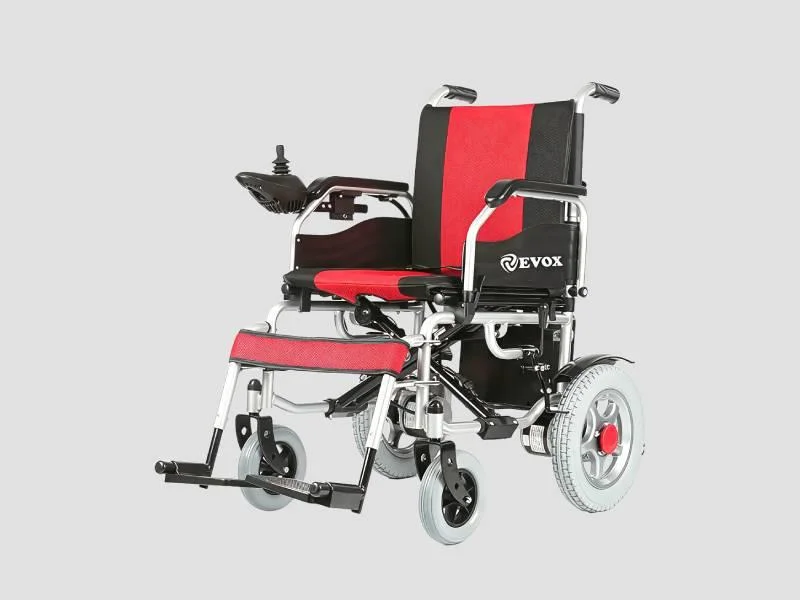
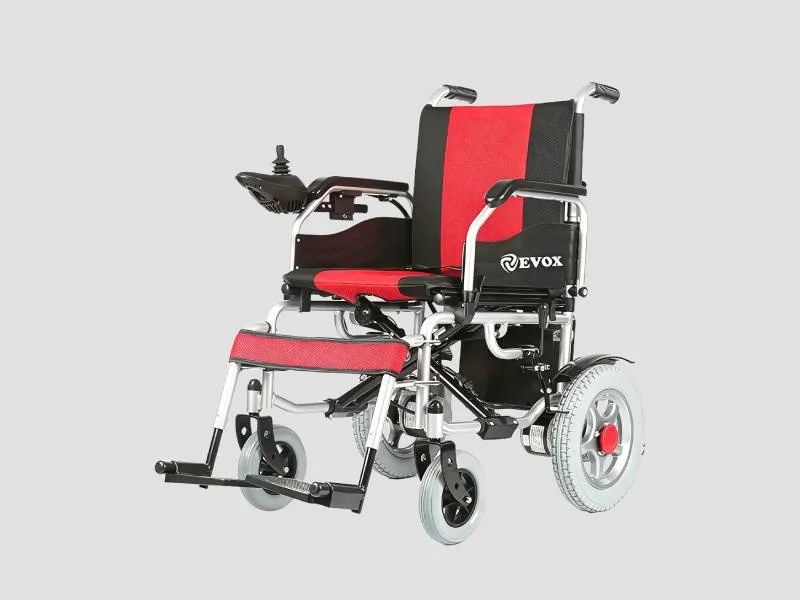
Electric wheelchairs are motorized mobility devices designed to assist individuals with limited mobility. They provide powered assistance for navigation and are primarily controlled by a joystick or similar device, allowing users to maneuver with ease. Unlike manual wheelchairs, electric wheelchairs eliminate the need for physical exertion to propel the chair, making them ideal for those with mobility challenges due to age, injury, or disability.
These wheelchairs are commonly used in various settings, including healthcare facilities, rehabilitation centers, and home environments. They serve a critical role in enhancing the independence and quality of life for users by enabling them to move freely within their surroundings. The electric wheelchair market has seen significant growth due to the increasing aging population and advancements in technology, making these devices more accessible and user-friendly.
The industry continues to evolve, with innovations aimed at improving functionality, comfort, and safety. As a result, electric wheelchairs have become essential tools in both personal and professional environments, making them relevant in discussions surrounding healthcare, rehabilitation, and accessibility solutions.
Key Features and Specifications
Electric wheelchairs come equipped with several essential features designed to enhance user experience and safety. These features often vary based on the model and intended use.
Key specifications include:
1. Weight Capacity
- Electric wheelchairs are available in various weight capacities, typically ranging from 250 to 600 pounds.
- Choosing a model that meets the user's weight requirements is crucial for safety and functionality.
2. Battery Life
- Battery life can vary significantly, with many models offering between 10 to 20 miles on a single charge.
- Understanding the battery capacity is important for ensuring adequate usage for daily activities.
3. Speed
- Most electric wheelchairs have a maximum speed of between 3 to 6 miles per hour.
- This speed range allows for safe navigation in various environments.
4. Dimensions
- Width and length of electric wheelchairs can range from compact designs suitable for indoor use to larger models for outdoor mobility.
- Size impacts maneuverability and storage options.
5. Turning Radius
- The turning radius typically ranges from 20 to 40 inches, influencing the ability to navigate tight spaces.
- A smaller turning radius is advantageous for indoor use.
6. Control System
- Electric wheelchairs often feature joystick controls or alternative input methods for enhanced accessibility.
- The type of control system can affect user comfort and ease of use.
7. Seat Type
- Seat options include standard, reclining, and elevating features, catering to various user preferences and needs.
- Comfort and support can significantly impact the user's experience.
8. Safety Features
- Safety features may include anti-tippers, seat belts, and adjustable armrests.
- These features are critical for ensuring user safety during operation.
Overall, understanding these specifications is essential for selecting the right electric wheelchair to meet specific user needs.
Common Applications and Use Cases
Electric wheelchairs serve various industries, providing essential mobility solutions.
1. Healthcare: In hospitals and rehabilitation centers, electric wheelchairs assist patients in moving safely and comfortably. They enable healthcare professionals to transport patients with ease.
2. Assisted Living: Many assisted living facilities utilize electric wheelchairs to enhance residents' mobility, allowing them to engage in activities and social interactions independently.
3. Retail: In retail environments, electric wheelchairs help individuals navigate large stores, promoting accessibility and improving the shopping experience.
4. Education: Schools and universities use electric wheelchairs to ensure that students with mobility challenges can access all areas of the campus, fostering inclusivity.
5. Outdoor Recreation: Electric wheelchairs are increasingly designed for outdoor use, allowing individuals to enjoy parks and recreational activities without limitations.
6. Transportation: Many public transportation systems have adapted to accommodate electric wheelchairs, ensuring that individuals can travel more freely.
7. Home Use: Electric wheelchairs are commonly employed in residential settings to assist individuals in managing daily tasks and moving throughout their homes.
Product Variants and Subcategories
Electric wheelchairs come in various models tailored to meet different user needs and environments.
Lightweight Electric Wheelchairs
These models are designed for portability, often featuring foldable frames. They are ideal for individuals who need a chair for travel or occasional use.
Heavy-Duty Electric Wheelchairs
Built to support higher weight capacities, these chairs offer robust construction and enhanced durability. They are suitable for users needing extra strength and stability.
All-Terrain Electric Wheelchairs
These variants feature larger wheels and enhanced suspension systems, allowing users to navigate rough or uneven terrains such as parks and trails.
Standing Electric Wheelchairs
These innovative models allow users to transition from a seated to a standing position, promoting better circulation and overall health.
Benefits and Advantages
Electric wheelchairs offer numerous advantages for users and caregivers alike.
Key benefits include:
1. Enhanced Mobility: Electric wheelchairs provide users with the ability to move independently, promoting a sense of freedom.
2. Reduced Physical Strain: Users avoid the physical exertion required by manual wheelchairs, making them suitable for those with varying levels of strength.
3. Customizable Features: Many models offer adjustable seating, controls, and accessories to suit individual preferences and needs.
4. Improved Quality of Life: With increased mobility, users can participate in social activities and maintain a more active lifestyle.
5. Safety and Stability: Electric wheelchairs often come with built-in safety features that enhance user security during operation.
6. Technological Advancements: Modern electric wheelchairs often include smart technology, such as programmable controls and diagnostics, improving user experience.
Buying Guide for B2B Buyers
When sourcing electric wheelchairs, various factors should be considered to ensure a satisfactory purchase.
1. Quality Assessment: Evaluate the build quality and materials used in the wheelchair construction. Consider brand reputation and customer reviews to gauge reliability.
2. Supplier Verification: Ensure that suppliers are reputable and have a history of providing quality products. Look for certifications and references from previous clients.
3. Pricing and MOQ: Understand the pricing structure and minimum order quantities. This is crucial for budgeting and ensuring that you meet supplier requirements.
4. Delivery and Lead Times: Discuss delivery options and lead times with suppliers to ensure that you can meet your timelines for procurement.
5. Compliance Requirements: Familiarize yourself with any relevant regulations and standards that electric wheelchairs must meet in your region, including safety and quality certifications.
Compliance and Certifications
Electric wheelchairs must adhere to various quality standards and compliance regulations to ensure safety and reliability.
Manufacturers typically follow ISO 9001 standards, which focus on quality management systems. This certification assures buyers of consistent quality and operational efficiency.
Additionally, electric wheelchairs are often certified by CE, indicating conformity with European health, safety, and environmental protection standards. This certification is essential for products marketed in European countries.
Safety testing requirements are crucial to verify that electric wheelchairs can withstand regular use without compromising user safety. Manufacturers should conduct thorough testing to ensure compliance with relevant safety standards.
Regional compliance considerations may vary, so it is important for buyers to understand the specific regulations that apply to their markets. Compliance with local laws helps to ensure that the products can be sold and used safely.
Why Source Electric Wheelchairs from Pepagora?
Pepagora provides a trusted platform for sourcing electric wheelchairs with several key advantages.
Verified Supplier Network: Pepagora connects buyers with a network of verified suppliers. Each supplier undergoes a thorough vetting process to ensure reliability and product quality. This reduces the risk of subpar purchases.
Streamlined RFQ Process: The Request for Quotation (RFQ) system simplifies the procurement process. Buyers can easily submit their requirements and receive tailored quotations from multiple suppliers, allowing for informed decision-making.
Trade Assurance and Support: Pepagora emphasizes buyer protection through trade assurance policies. This support includes safeguards against fraud and mechanisms for resolving disputes, ensuring a secure purchasing experience.
Regional Coverage: With a strong presence in India, the GCC, and Southeast Asia, Pepagora offers extensive regional coverage. This allows buyers to access a wide variety of electric wheelchairs suited to local market needs while benefiting from efficient logistics and support.

 India
 India
 India
 India

Frequently Asked Questions
What are Electric Wheelchairs?
Electric Wheelchairs are mobility devices powered by electric motors that assist individuals with limited mobility in moving independently. They typically feature a comfortable seat, armrests, and footrests, allowing users to navigate various terrains with ease.
What are the different types of Electric Wheelchairs?
Electric Wheelchairs come in several types, including front-wheel drive, rear-wheel drive, and mid-wheel drive models. Each type offers different handling and maneuverability, catering to the specific needs of users based on their environment and mobility requirements.
How do I choose the right Electric Wheelchairs?
Selecting the right Electric Wheelchair involves considering factors such as the user’s mobility level, intended use, and specific features required, such as seat width and weight capacity. It is also important to evaluate the battery life and charging options to ensure the chair meets daily needs.
What are the standard specifications for Electric Wheelchairs?
Standard specifications for Electric Wheelchairs typically include weight capacity, maximum speed, battery range, and overall dimensions. Additionally, features like joystick control, seating comfort, and turning radius are essential to assess when evaluating different models.
What is the price range for Electric Wheelchairs?
The price range for Electric Wheelchairs can vary widely based on features, brand, and specifications, typically ranging from INR 30,000 to INR 1,50,000 or more. Basic models are generally more affordable, while advanced models with additional features and customization options tend to be higher in price.
What quality standards apply to Electric Wheelchairs?
Electric Wheelchairs must adhere to various quality standards and certifications, such as ISO 9001 for quality management systems and ISO 13485 for medical devices. Compliance with safety regulations ensures that the wheelchairs are safe and reliable for users.
Where can I find Electric Wheelchairs suppliers in India?
You can find Electric Wheelchairs suppliers in India through various online B2B marketplaces, directories, and local trade shows. Websites like Pepagora.com provide a platform to connect with reputable manufacturers and suppliers offering a range of Electric Wheelchairs.
Can Electric Wheelchairs be customized?
Yes, Electric Wheelchairs can often be customized to meet the specific needs and preferences of users. Customization options may include seat height adjustments, armrest configurations, and additional accessories such as storage bags or cup holders.
What is the typical minimum order quantity for Electric Wheelchairs?
The typical minimum order quantity (MOQ) for Electric Wheelchairs varies by supplier and can range from 1 to 10 units. It is advisable to check with specific manufacturers or suppliers for their MOQ requirements.
What is the typical lead time for Electric Wheelchairs?
The typical lead time for Electric Wheelchairs can range from 2 to 6 weeks, depending on the manufacturer and the complexity of the order. Factors such as customization, stock availability, and shipping logistics may also affect the delivery timeline.
Why Businesses Trust Pepagora
Thousands of companies trust Pepagora to source smarter and sell faster
Expand Your Sales Globally

Source Smarter,Grow Faster
