
 IN
Educational Institutions Interiors
104 products available
What are Educational Institutions Interiors?
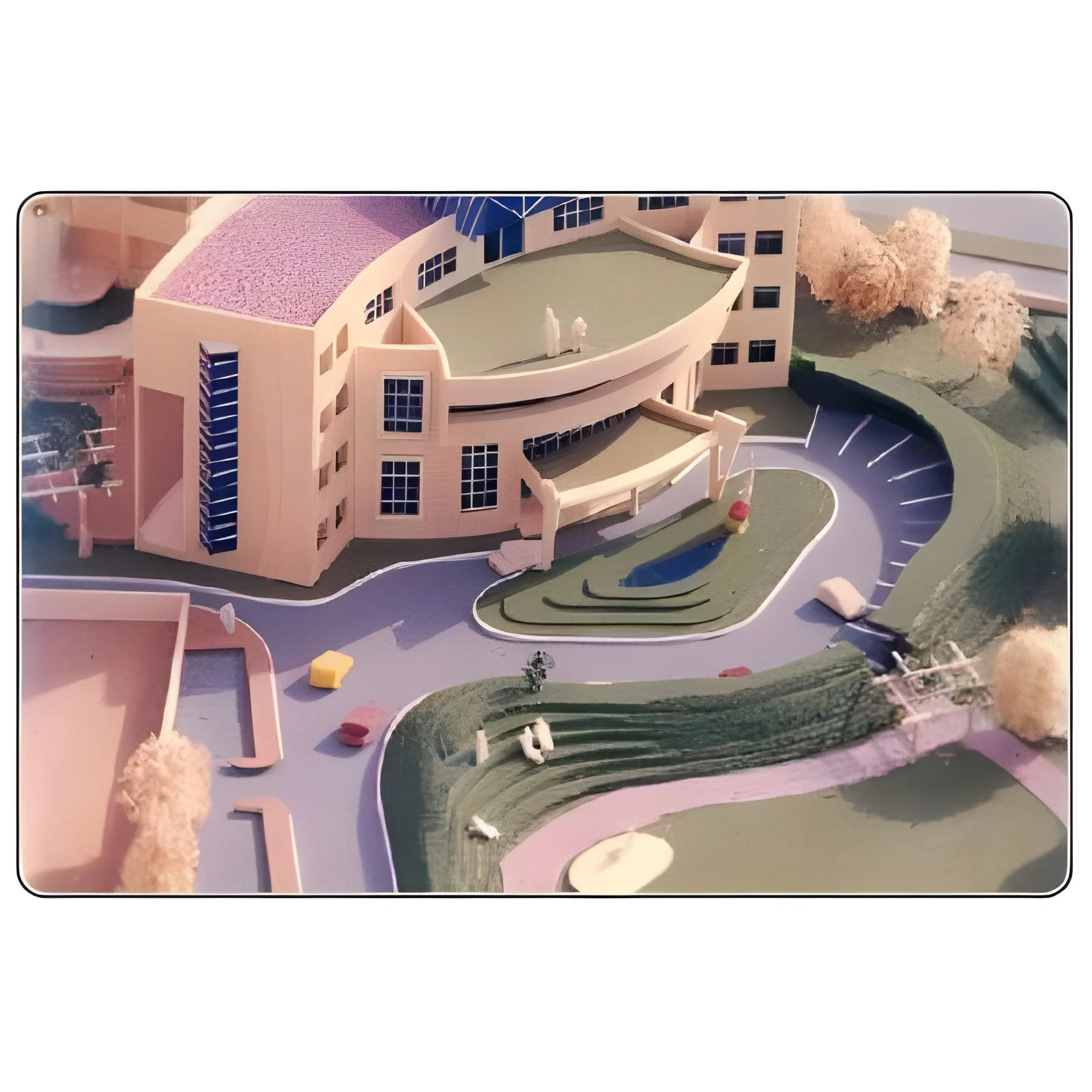
Educational Institutions Interiors refer to the design, arrangement, and furnishing of spaces within educational facilities such as schools, colleges, and universities. This encompasses the selection of materials, furniture, color schemes, and layouts that contribute to a conducive learning environment. The goal is to create spaces that promote engagement, comfort, and productivity among students and staff.
These interiors include classrooms, laboratories, libraries, administrative offices, and recreational areas. They are designed to cater to the unique needs of educational settings, promoting interaction and collaboration while also ensuring safety and accessibility. The relevance of educational interiors has gained traction as institutions recognize the impact of well-designed spaces on learning outcomes and overall student satisfaction.
The market for educational interiors continues to evolve, with trends focusing on sustainability, technology integration, and flexible learning environments. As educational institutions strive to appeal to a diverse student body, the demand for innovative interior solutions that foster creativity and inclusivity has become increasingly critical.
Key Features and Specifications
The design of Educational Institutions Interiors incorporates various features and specifications that meet the needs of both learners and educators. These specifications ensure that spaces are functional, safe, and aesthetically pleasing.
Key specifications include:
1. Acoustic Performance
- Designed to minimize sound transmission between spaces
- Ensures a quiet learning environment
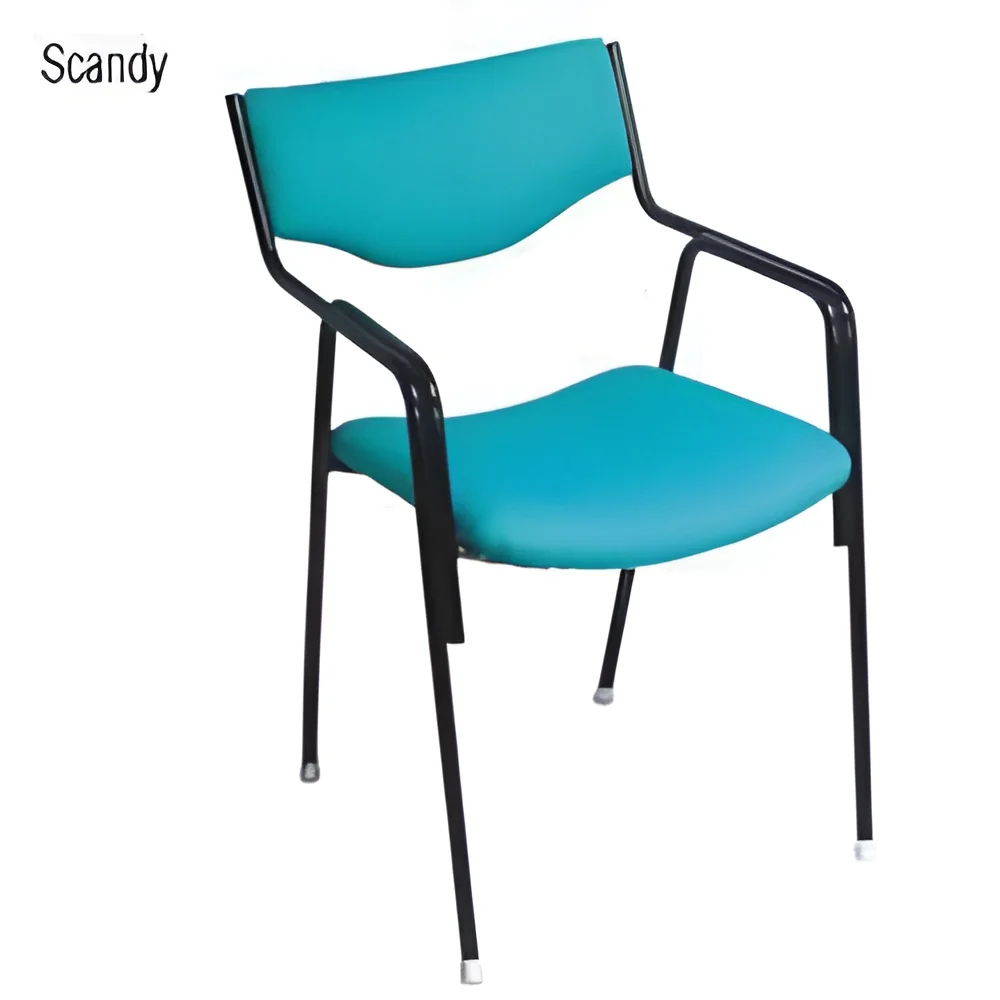
2. Ergonomic Furniture
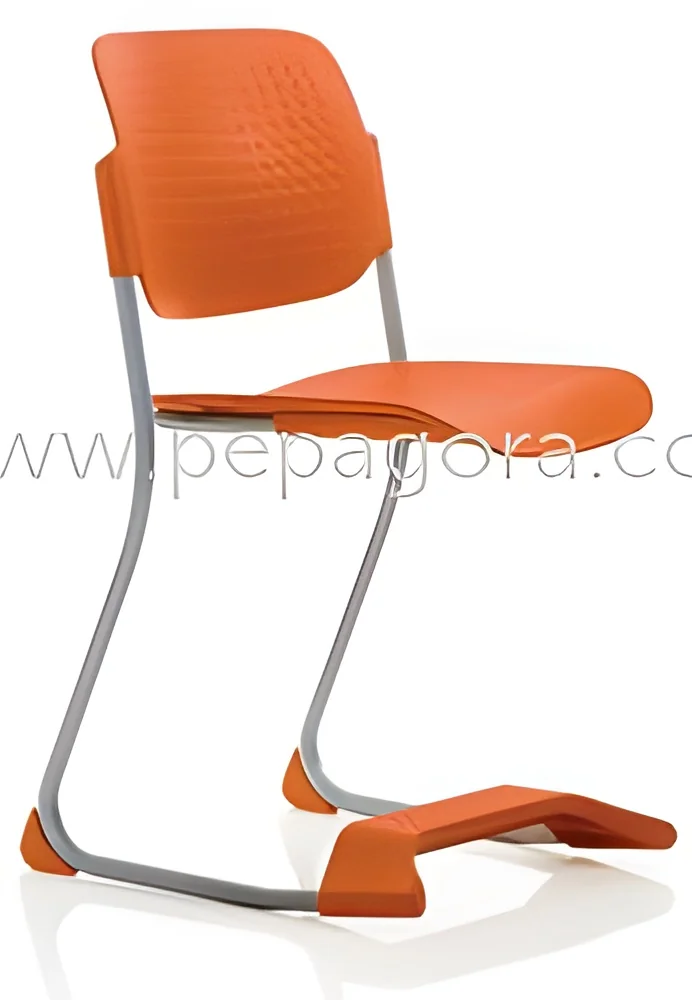
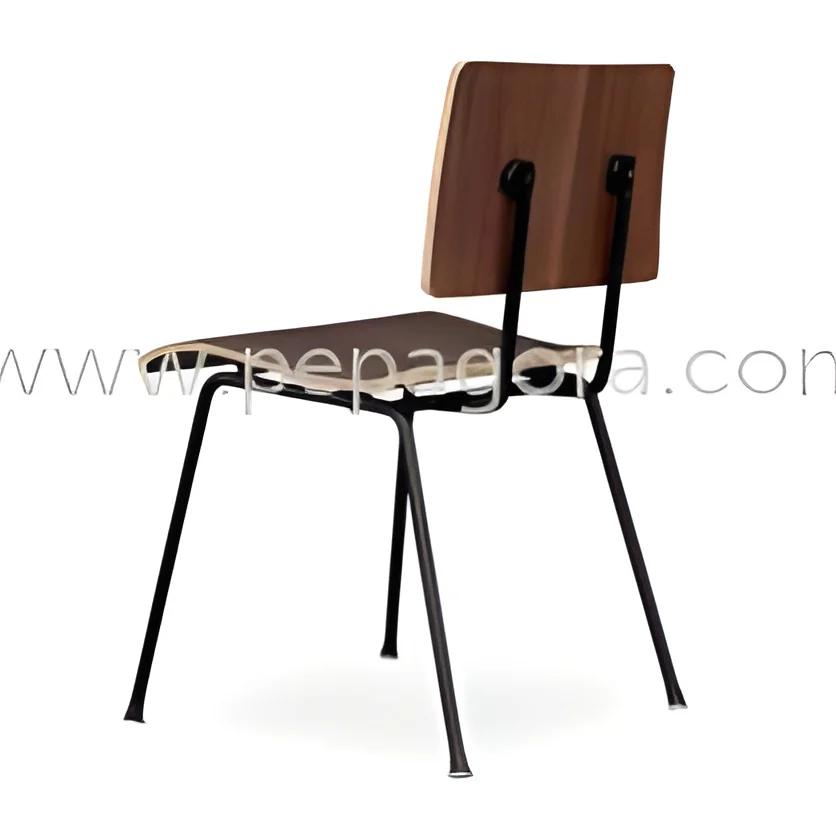
- Provides comfort and support for prolonged use
- Adjustable options to accommodate various user preferences
3. Durable Materials
- Resilient surfaces that withstand heavy use
- Easy to clean and maintain for longevity
4. Flexible Layouts
- Configurable spaces that adapt to different teaching methods
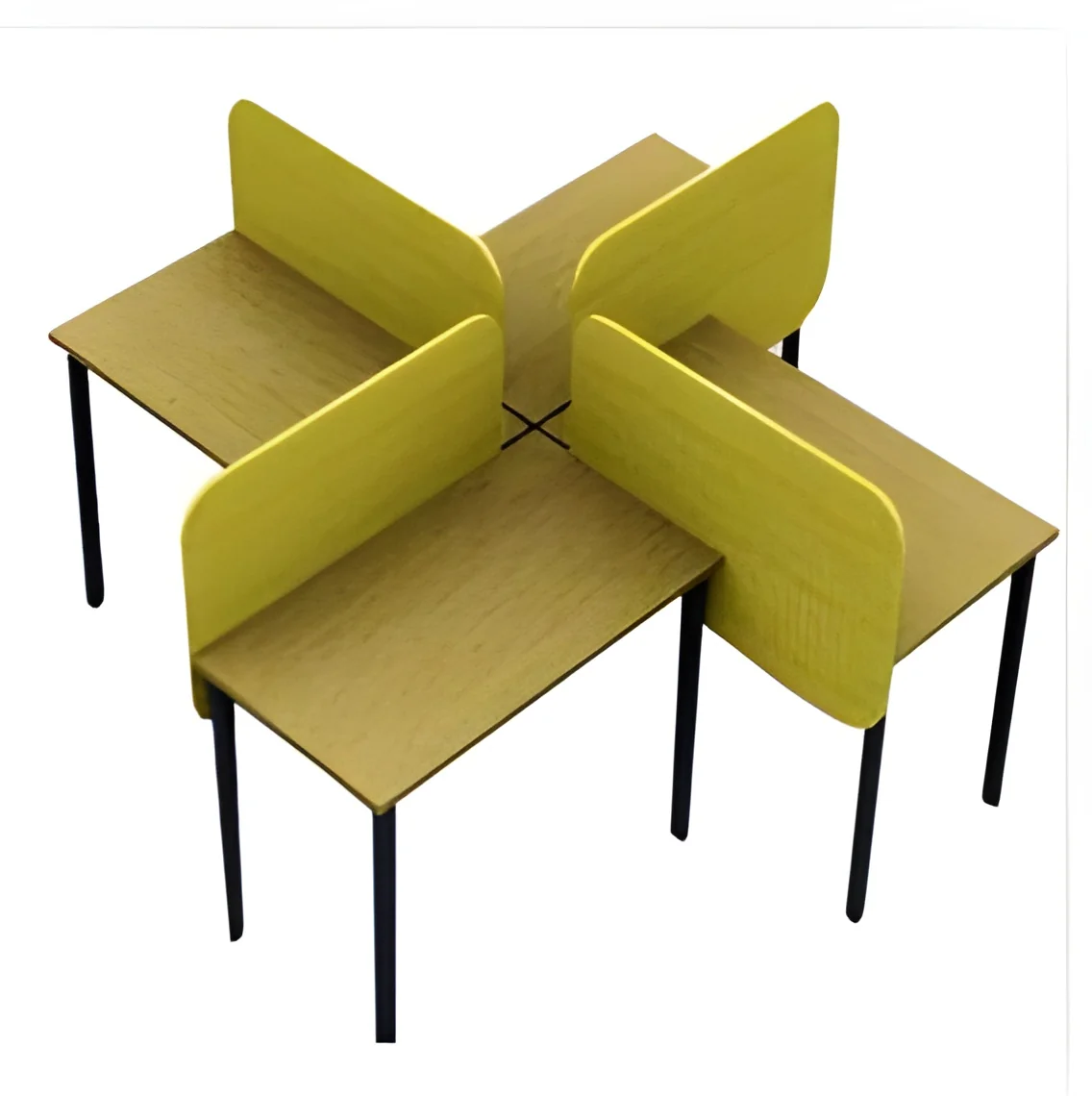
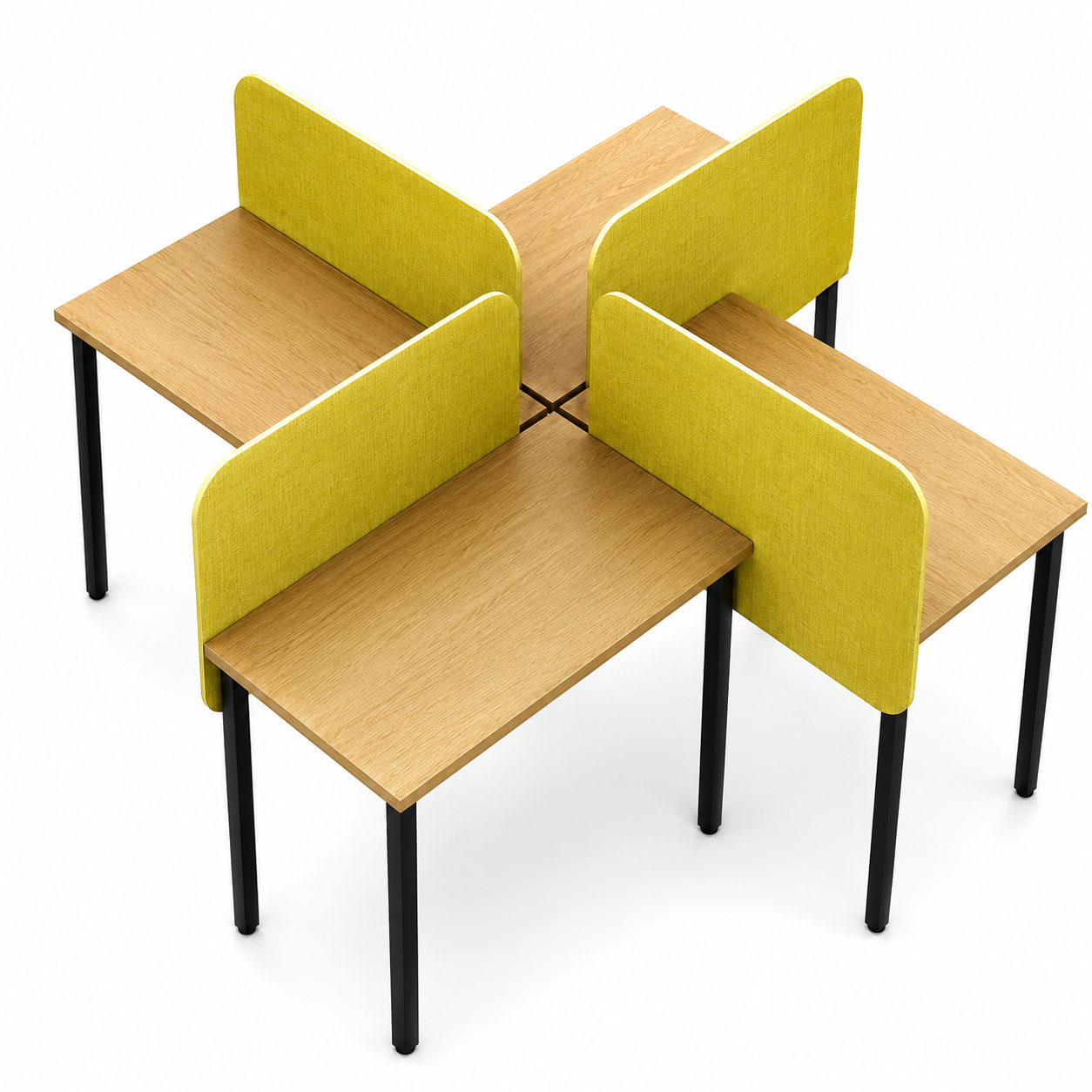
- Supports group work and individual study
5. Safety Standards
- Complies with local building codes and safety regulations
- Features such as rounded edges and non-toxic materials
6. Energy Efficiency
- Incorporation of energy-saving lighting and HVAC systems
- Reduces operational costs and environmental impact
The combination of these specifications enhances the functionality and appeal of educational spaces, making them suitable for modern learning environments.
Common Applications and Use Cases
Educational Institutions Interiors can be applied across a range of sectors, contributing to improved learning experiences.
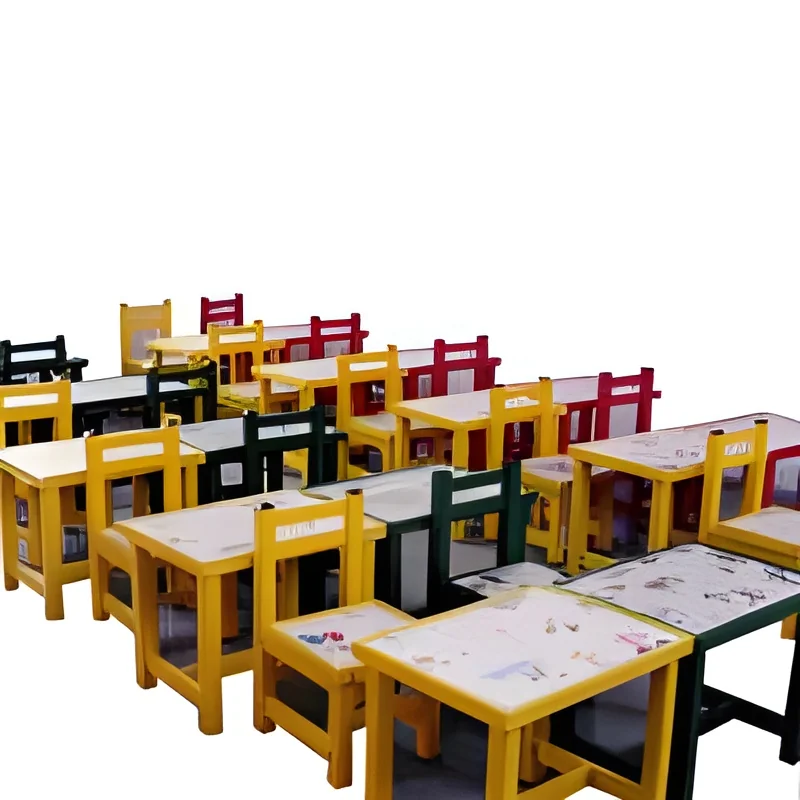
1. K-12 Schools: Classrooms designed for interactive learning, libraries equipped with technology hubs, and flexible spaces for group projects.
2. Higher Education: Lecture halls with tiered seating, collaborative spaces for group work, and laboratories tailored for hands-on learning.
3. Vocational Training Centers: Workshops and studios designed for practical skills training, emphasizing safety and functionality.
4. Language Institutes: Classrooms with resources for immersive language learning, including soundproofing and multimedia equipment.
5. Research Facilities: Spaces that encourage collaboration, featuring modular furniture and advanced technology integration.
6. Community Colleges: Versatile spaces that accommodate diverse programs and student needs, promoting inclusivity.
7. Corporate Training Centers: Facilities designed for workforce development, featuring adaptable learning environments.
Product Variants and Subcategories
Educational Institutions Interiors encompass a variety of designs and configurations to suit different needs.
Classroom Interiors
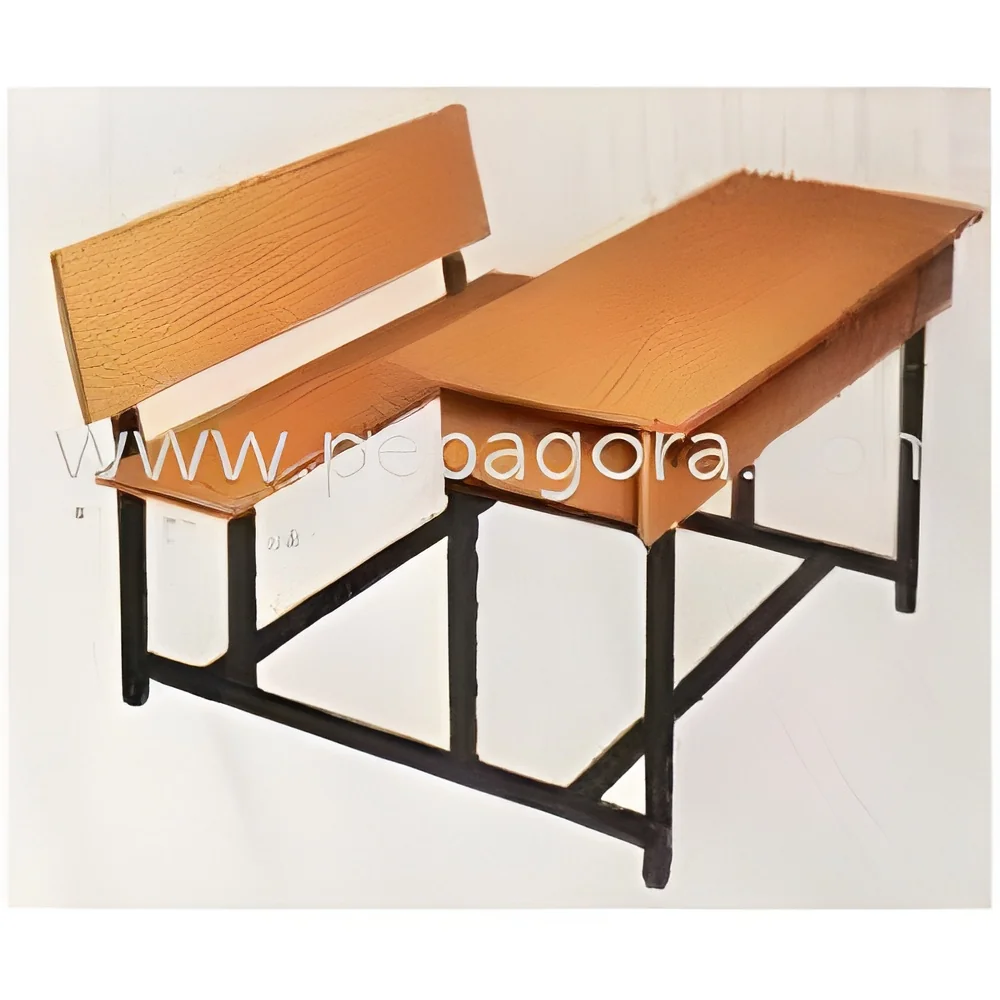
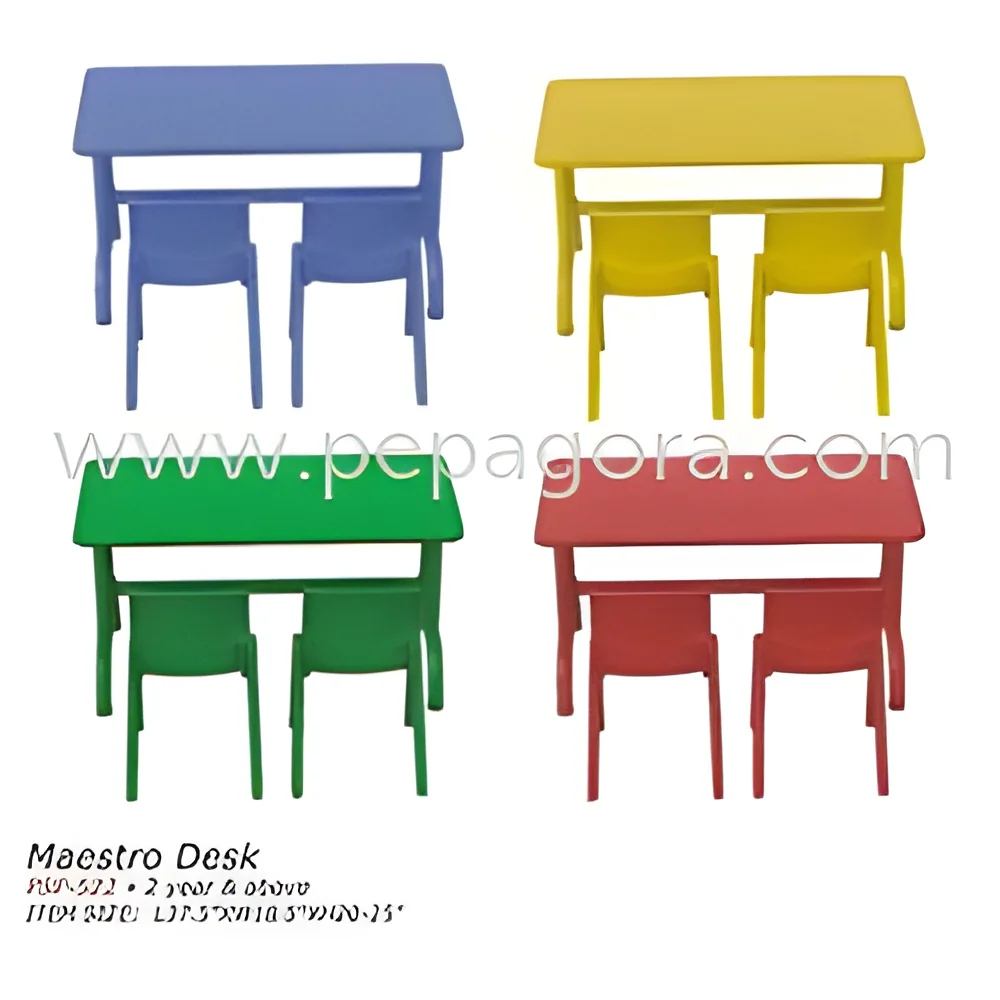
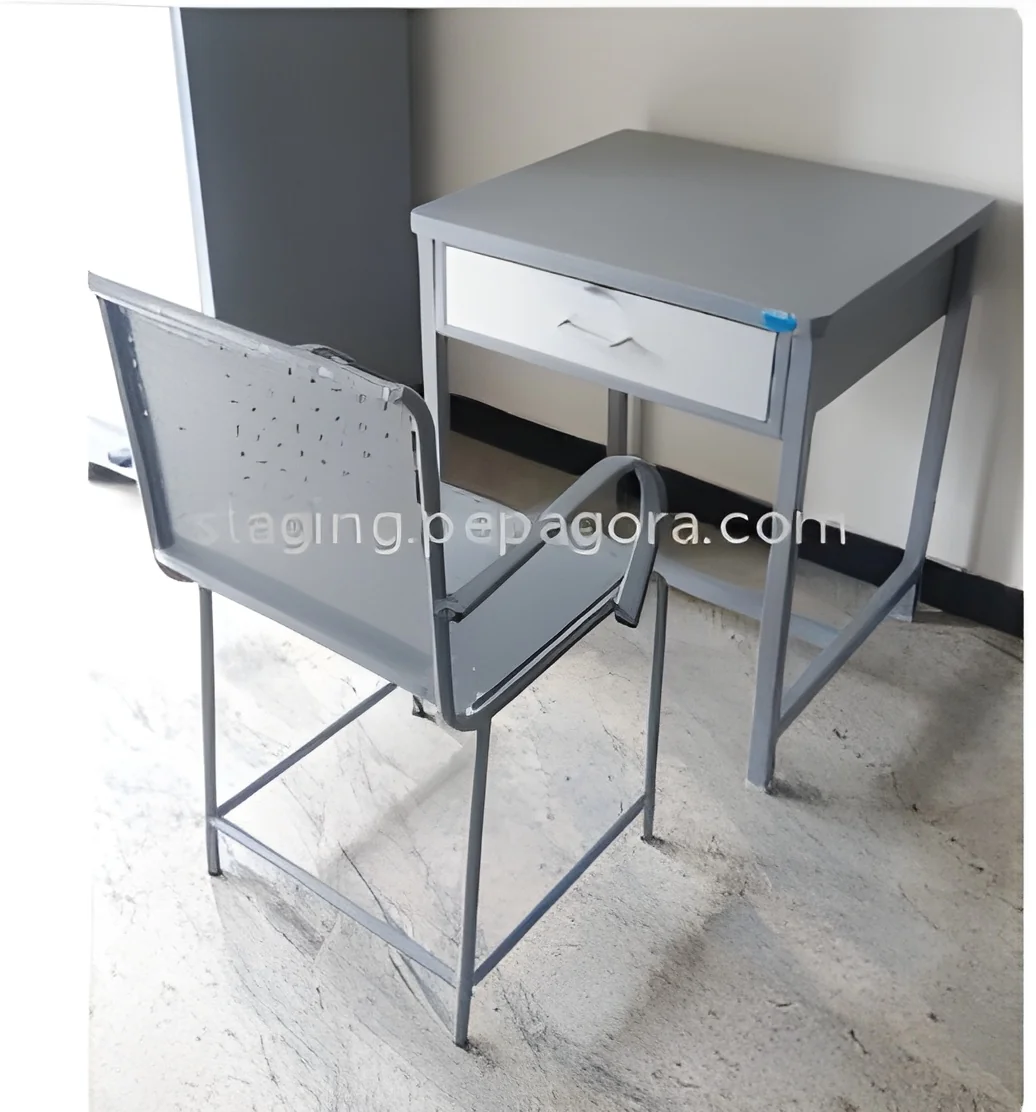
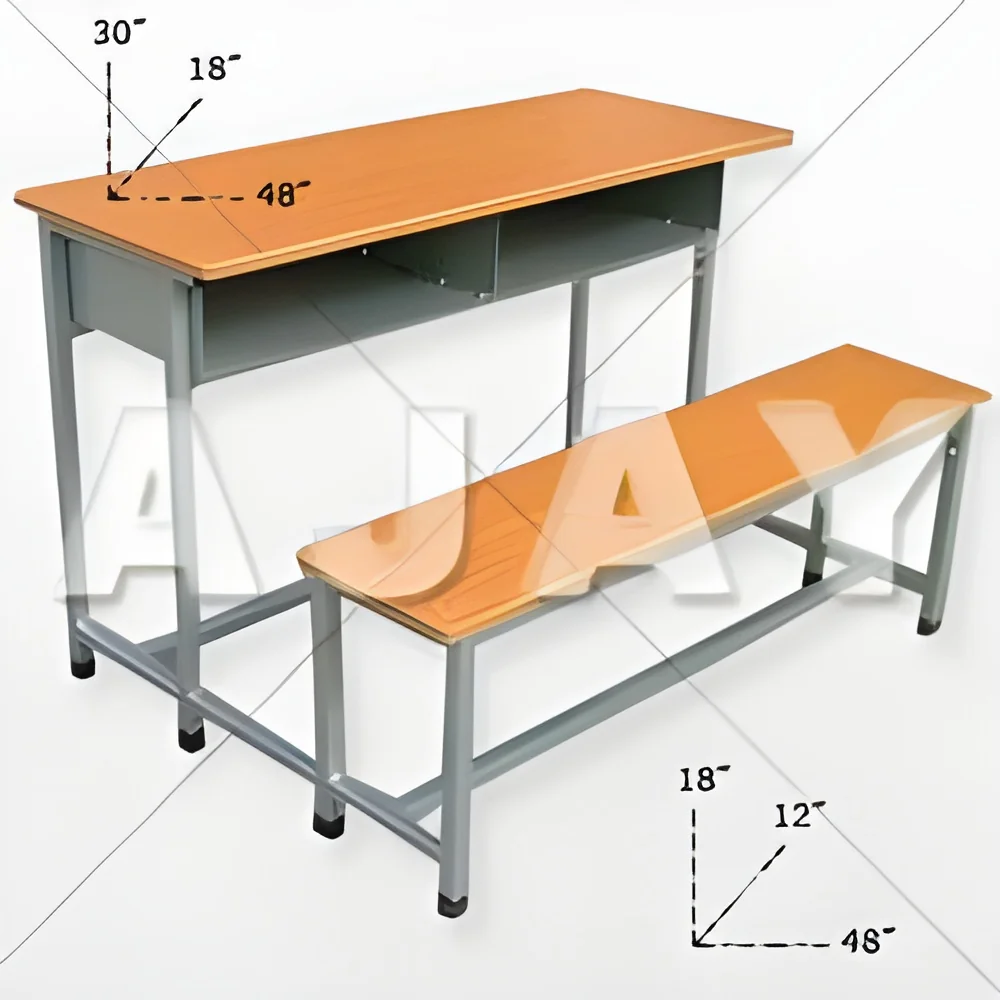
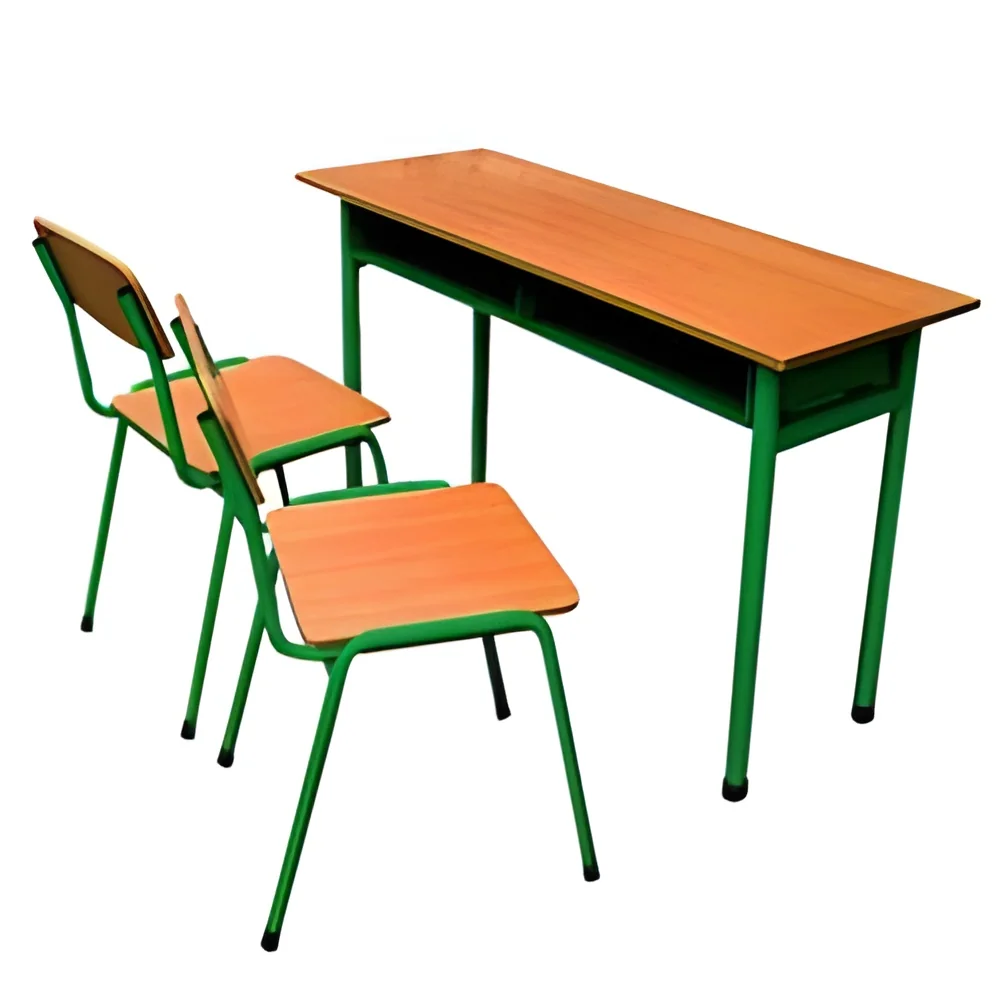
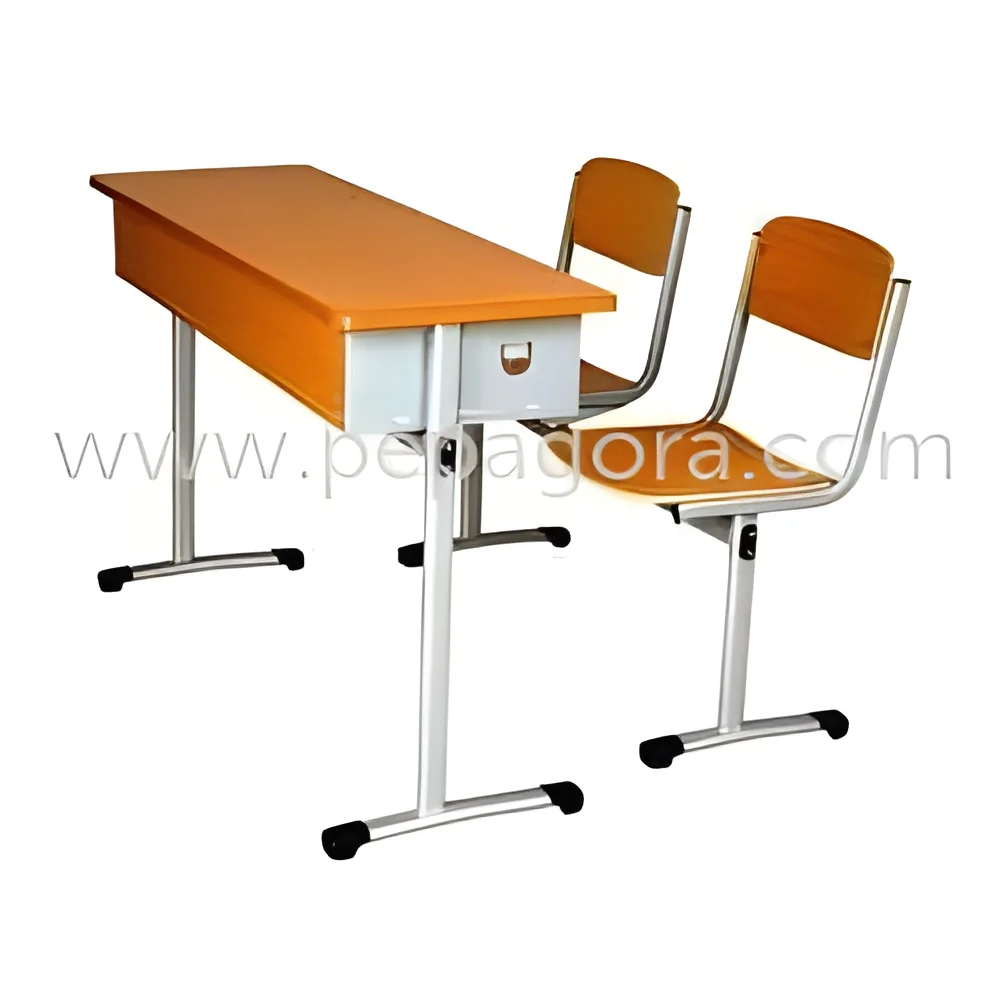
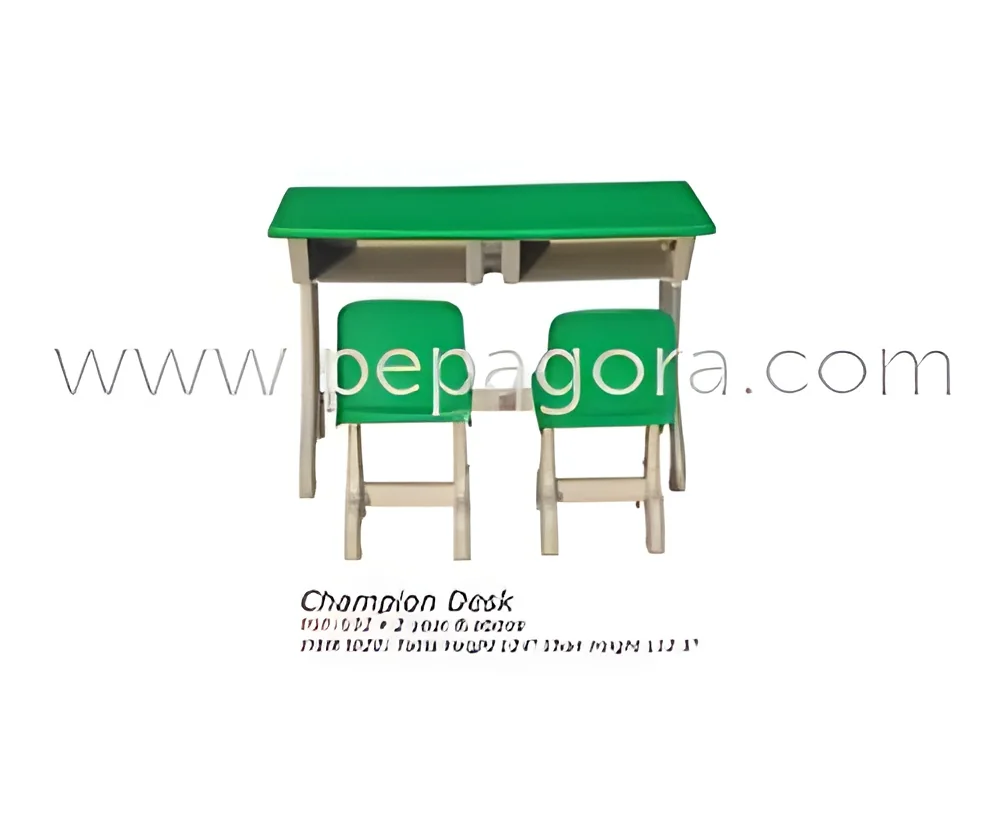
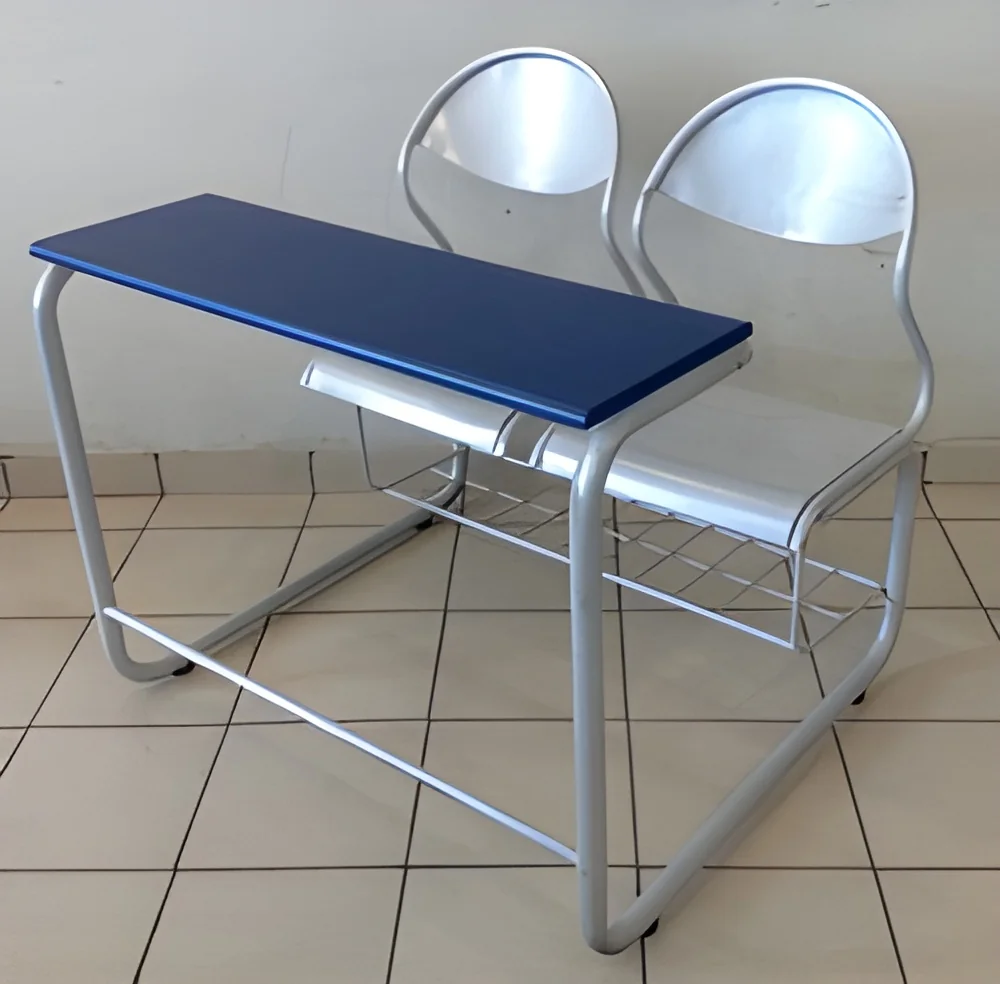
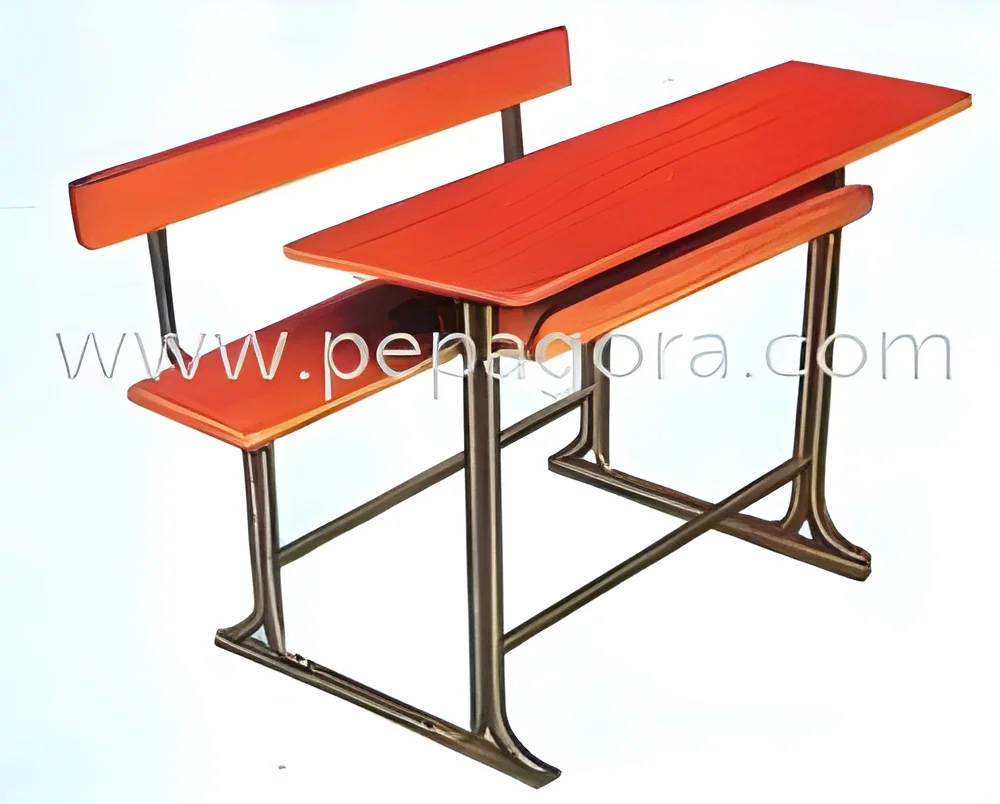
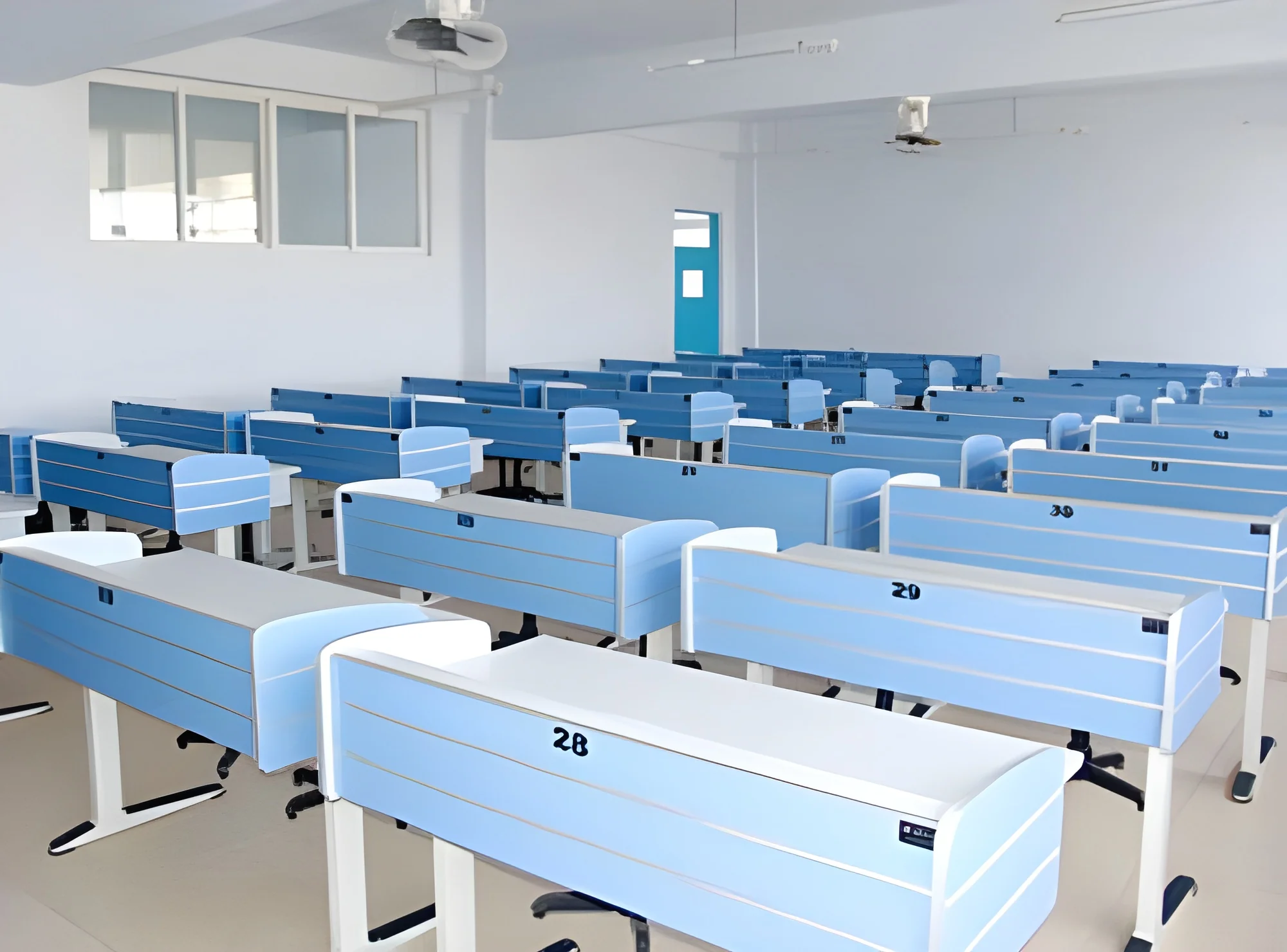
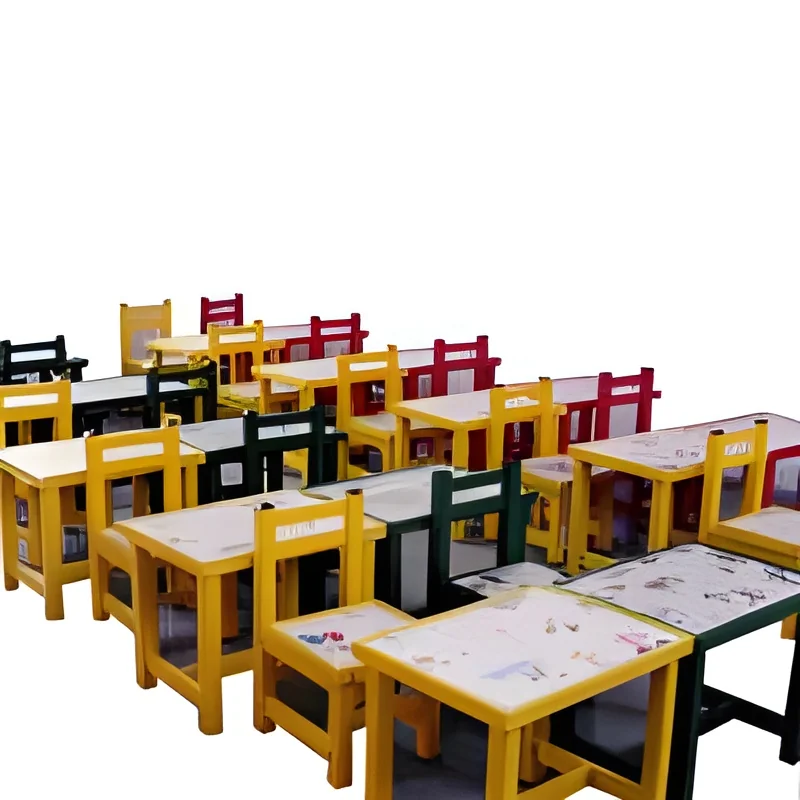
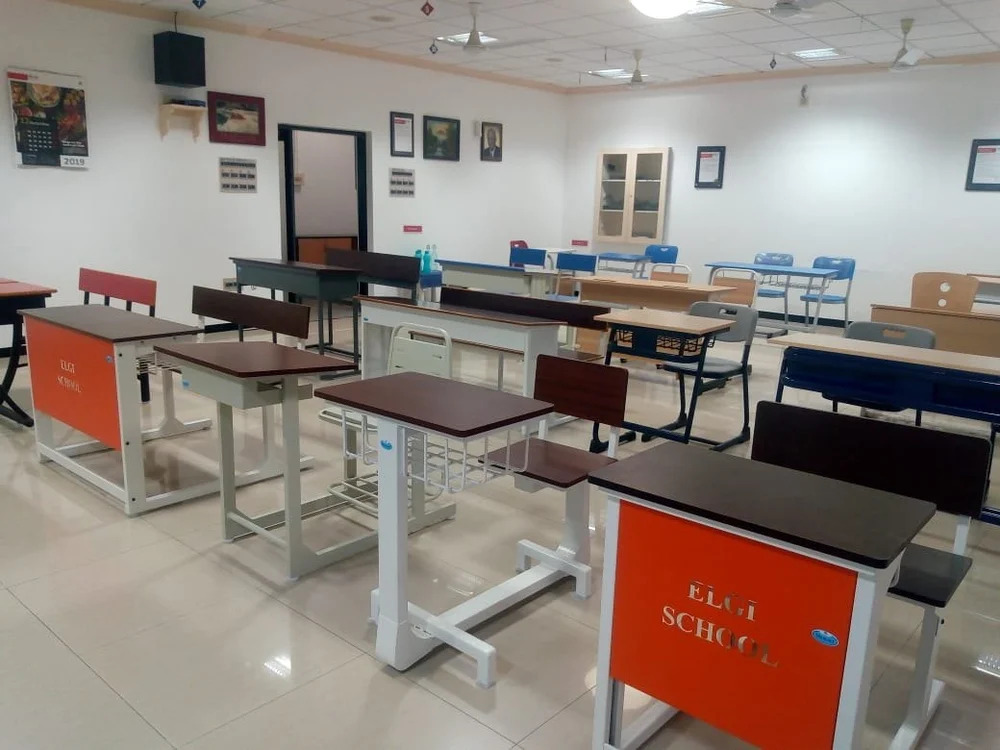
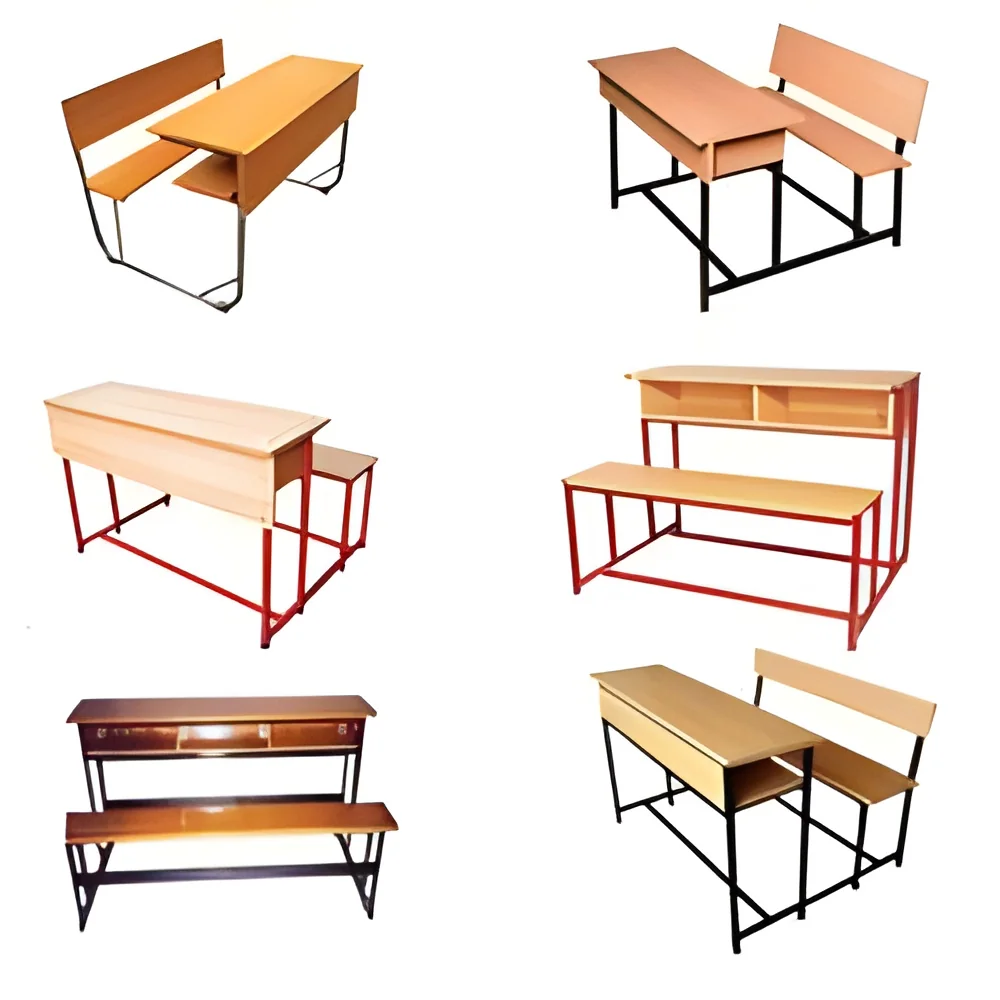
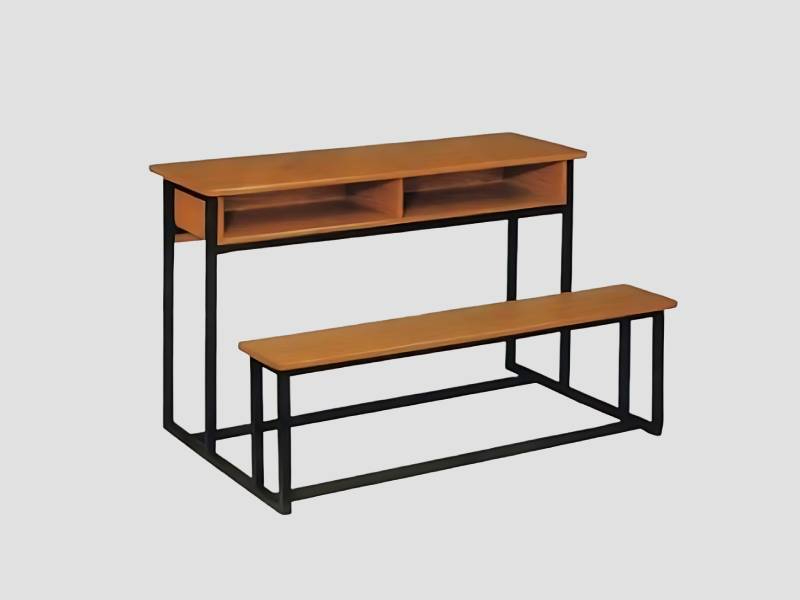
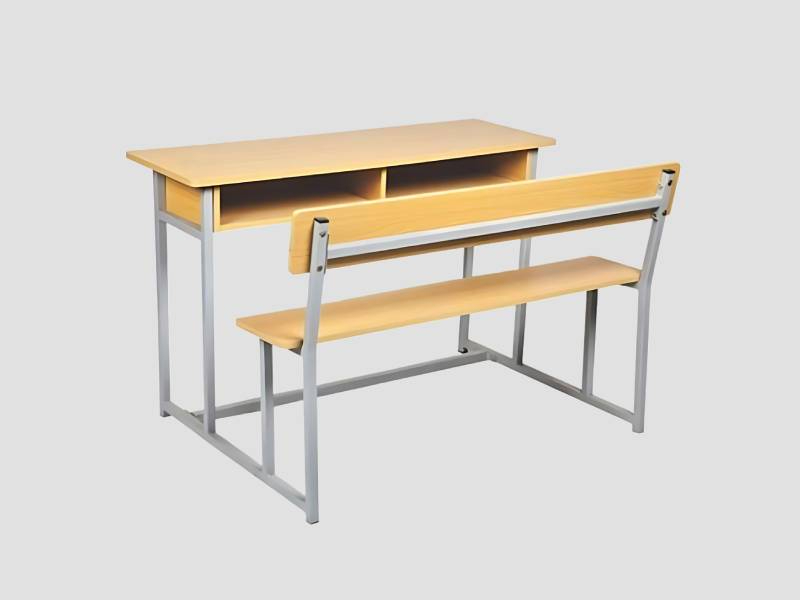
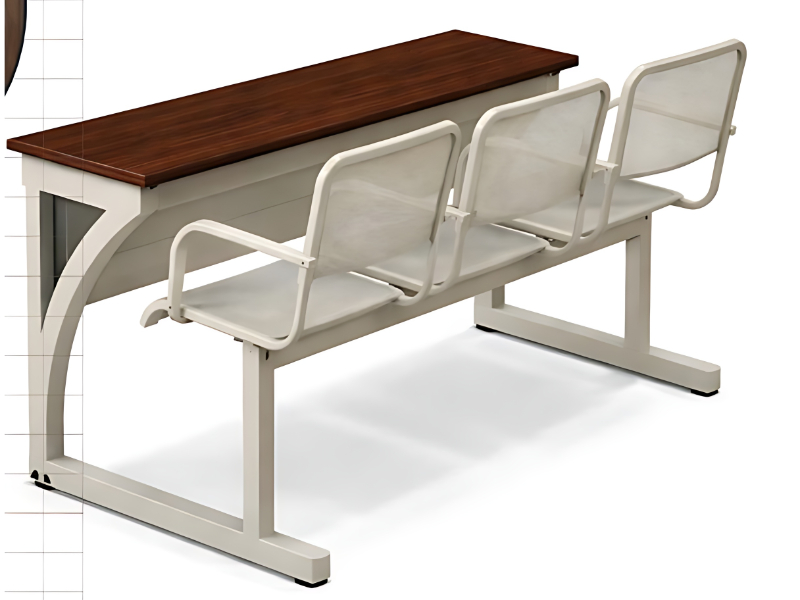
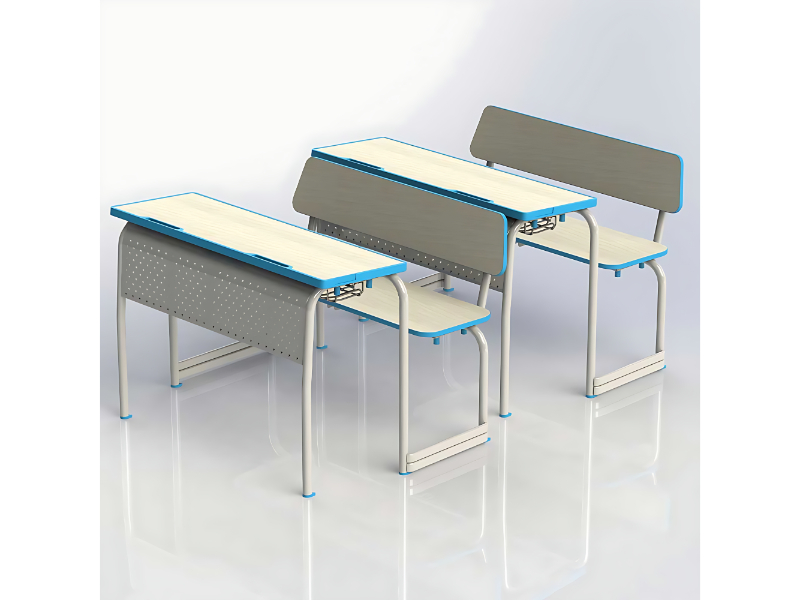
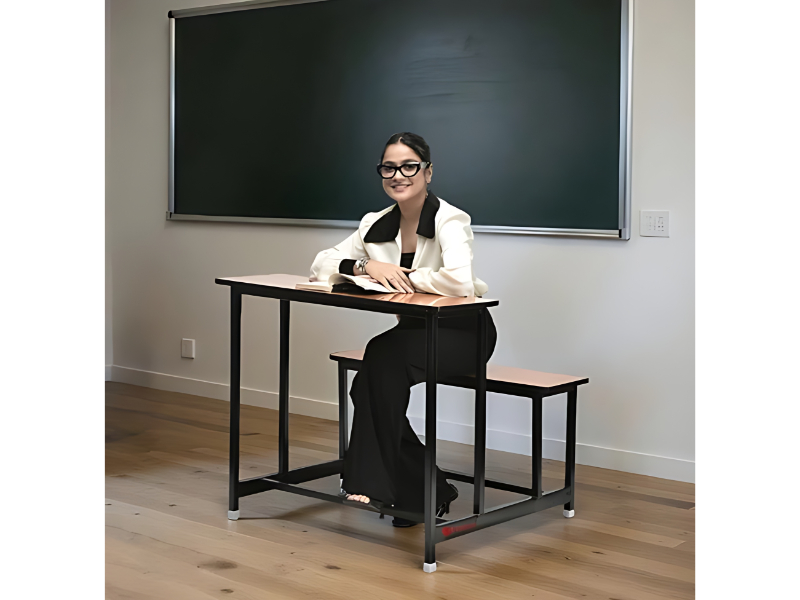
These are specifically designed for learning environments, featuring ergonomic desks, interactive whiteboards, and flexible seating arrangements to foster collaboration.
Library Interiors
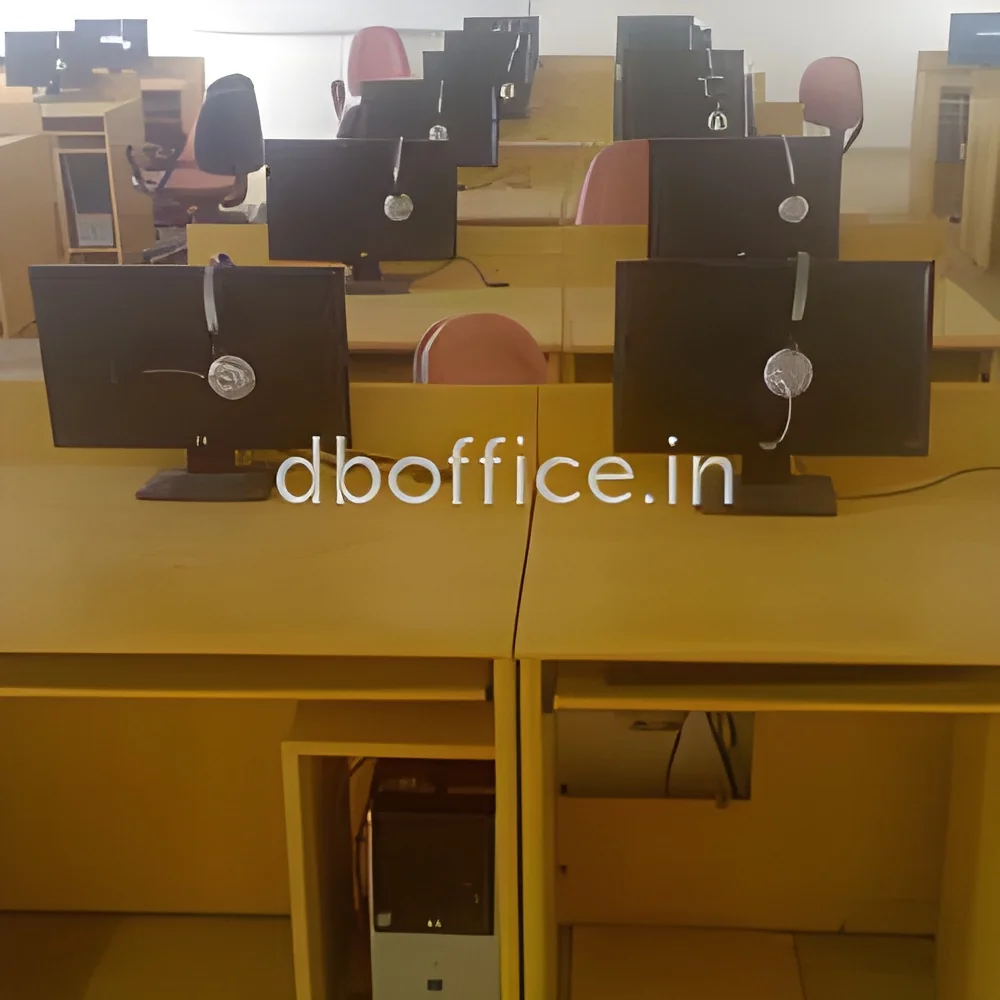
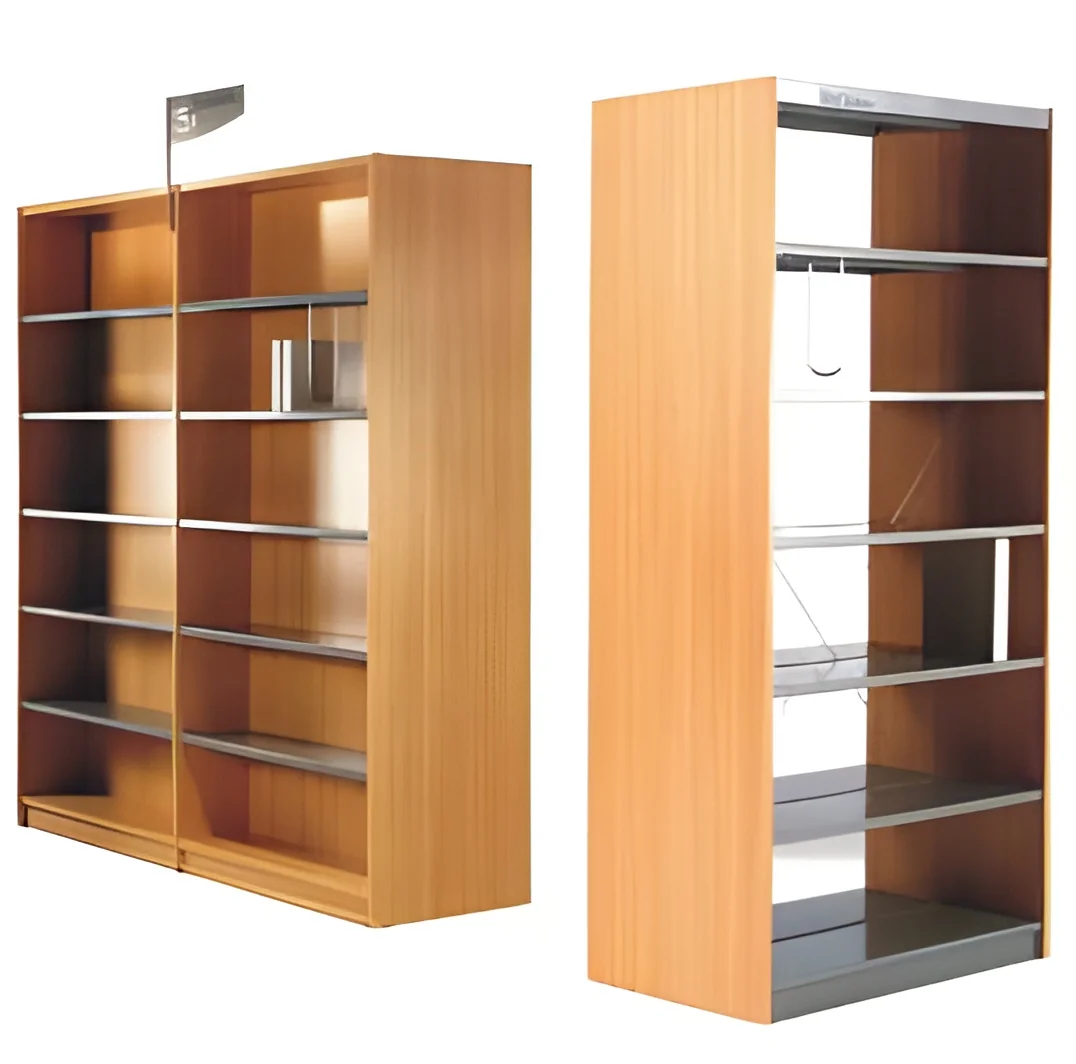
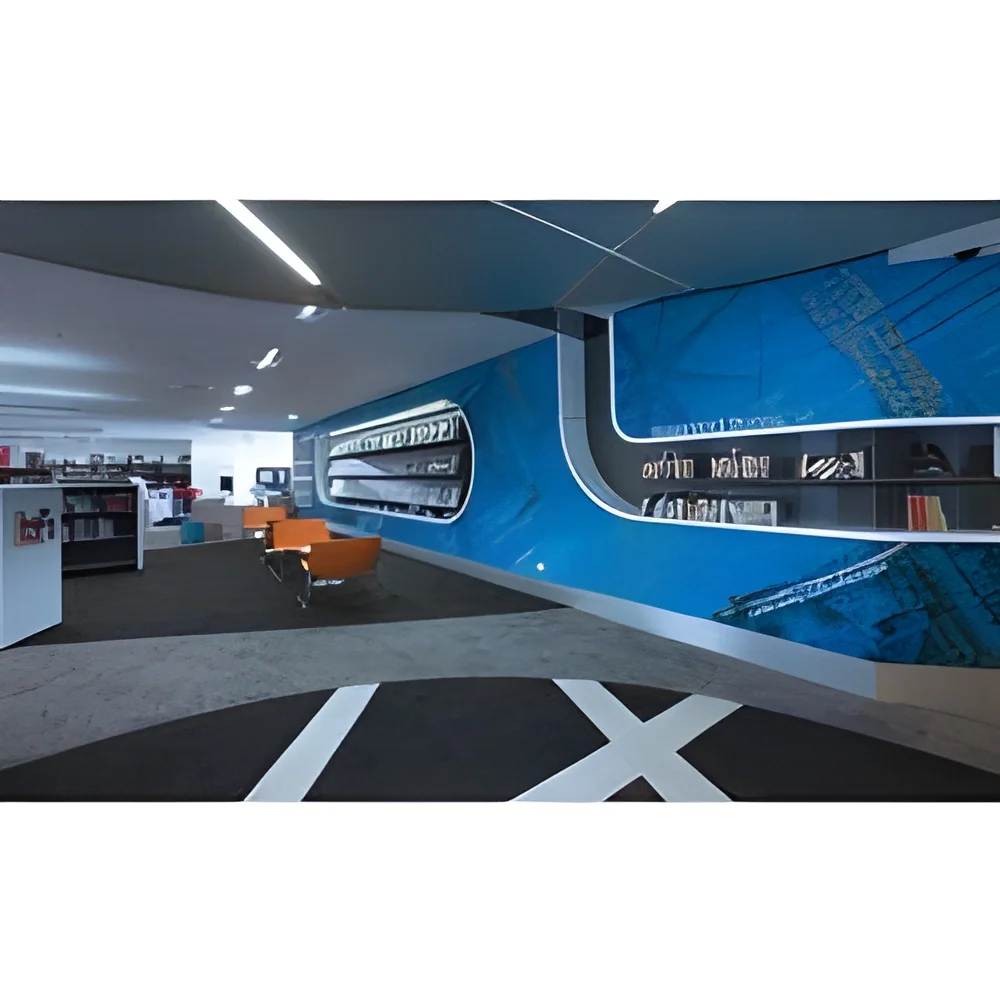
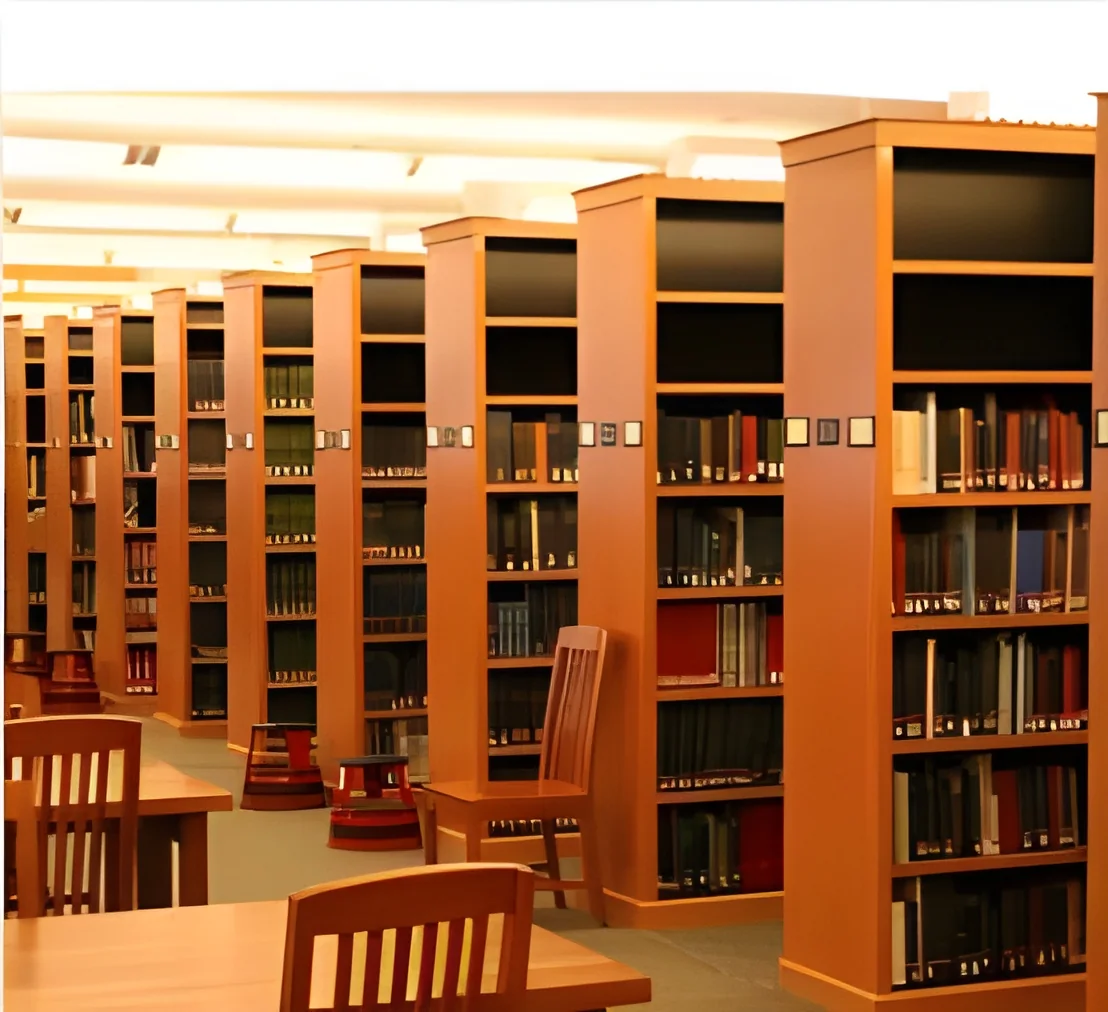
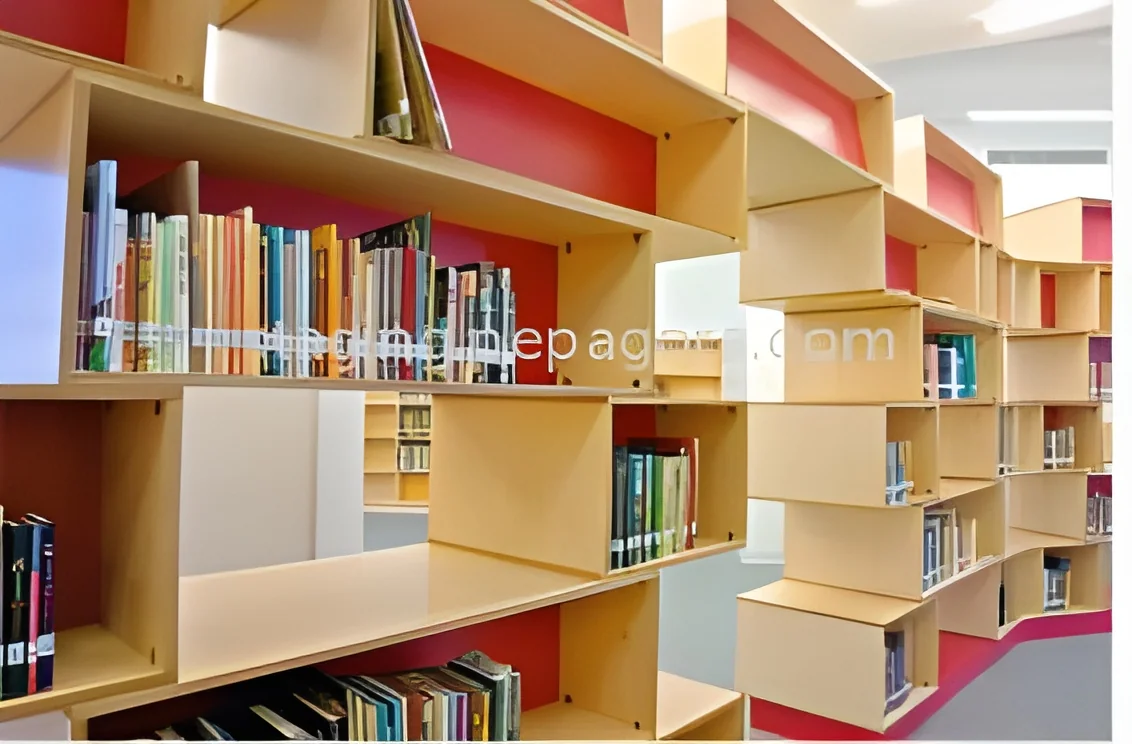
Designed to create quiet, inviting spaces for study and research. They often include reading areas, computer stations, and collaborative zones for group study.
Laboratory Interiors
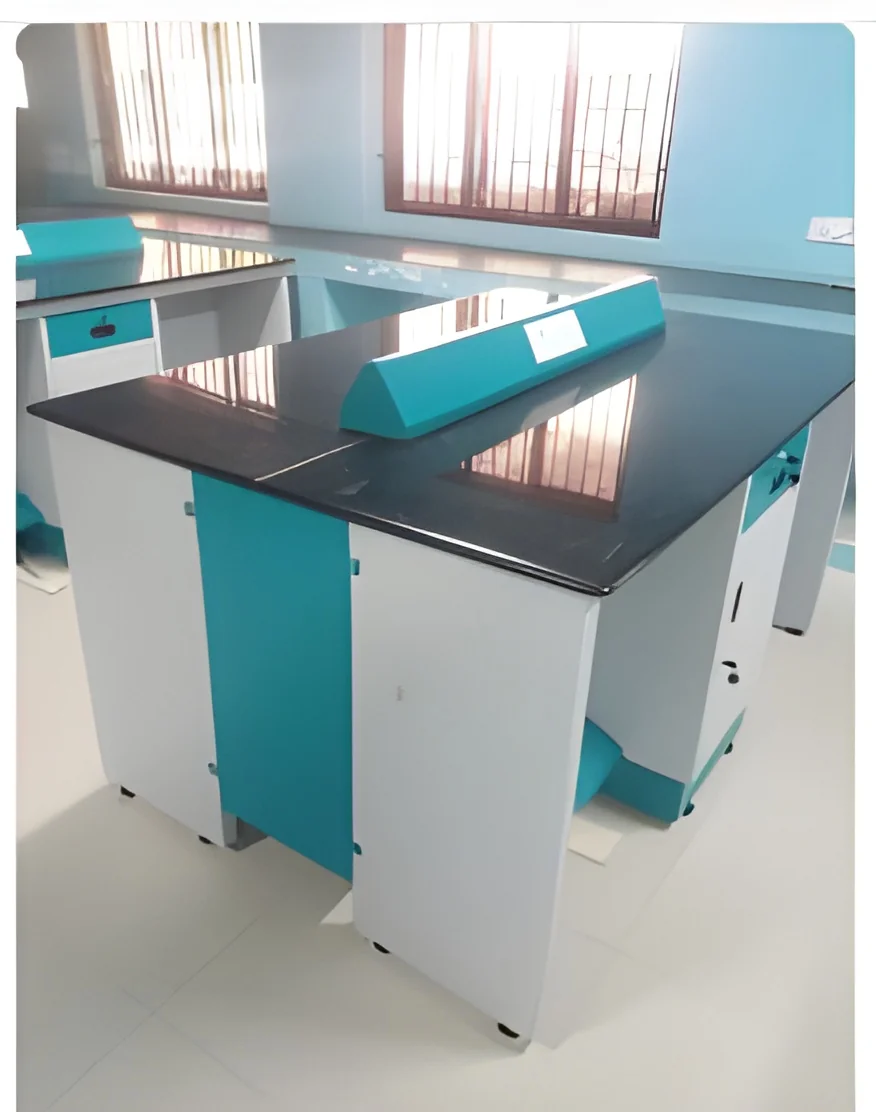
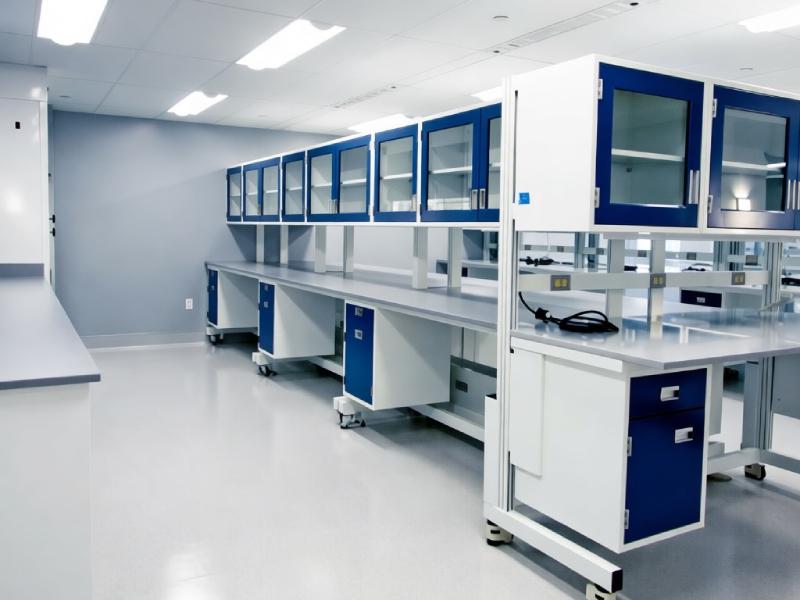
These spaces prioritize safety and functionality, equipped with specialized furniture, storage solutions, and technology to support scientific learning.
Administrative Offices
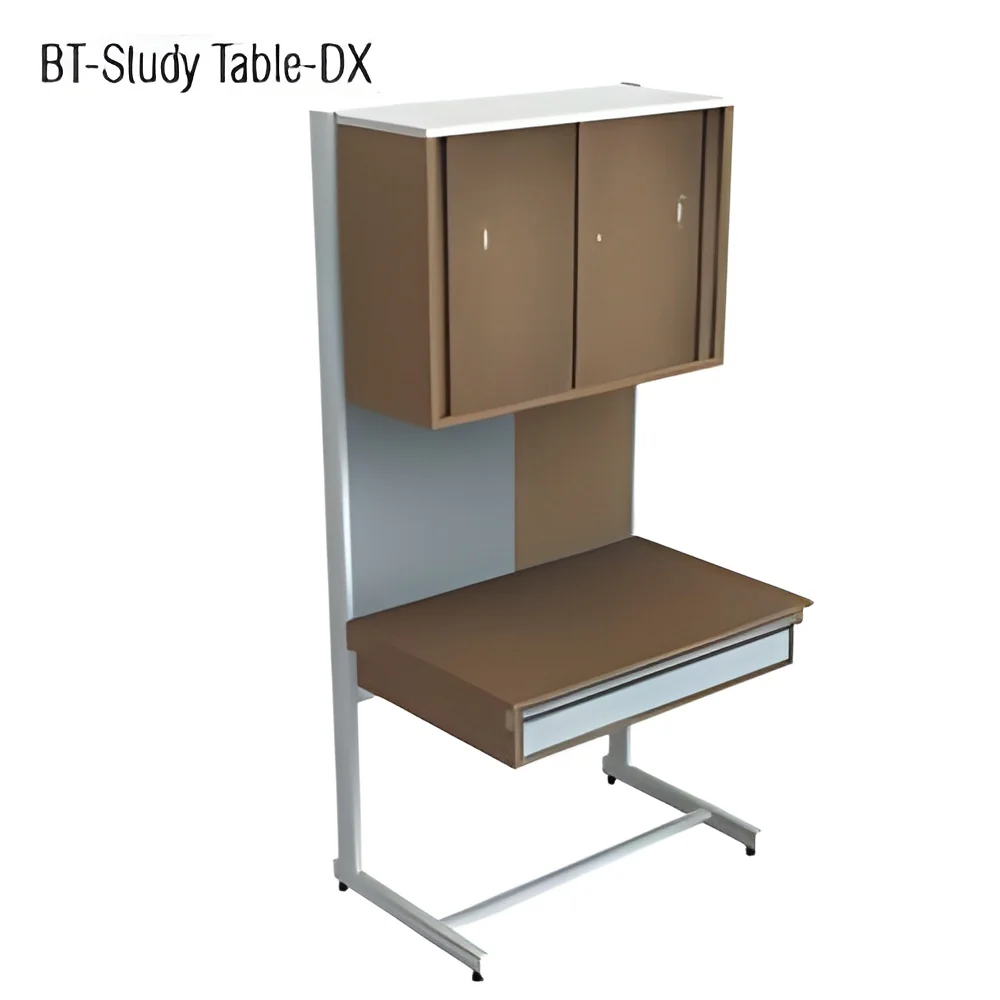
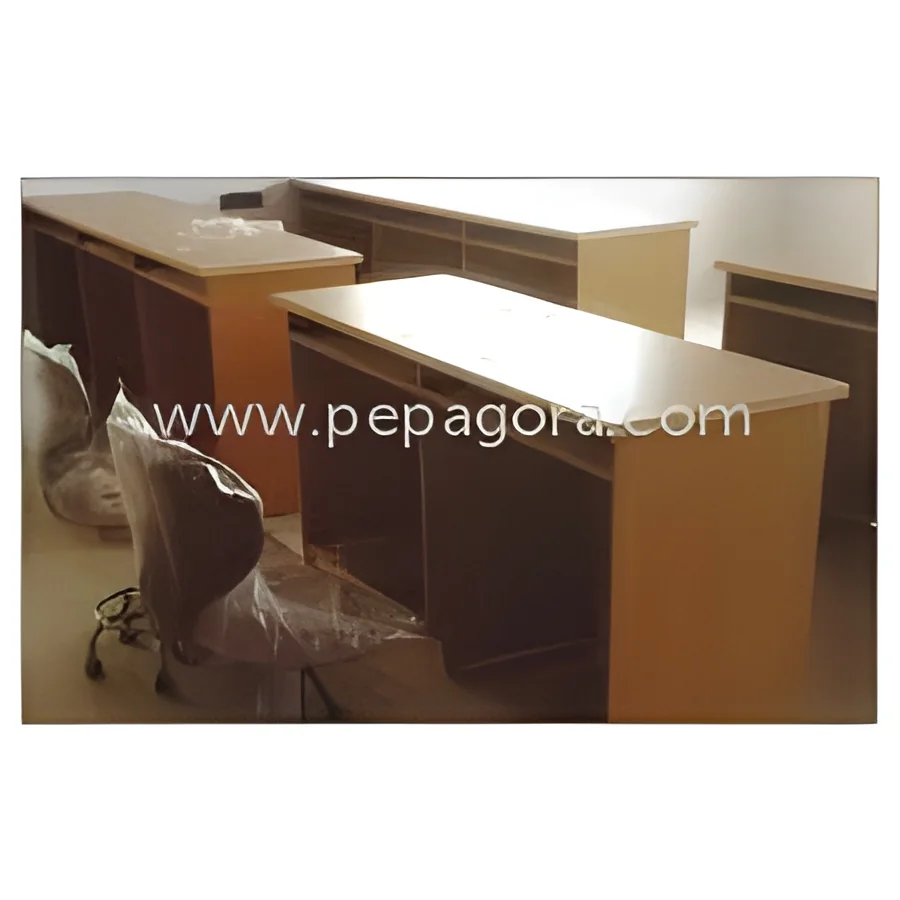
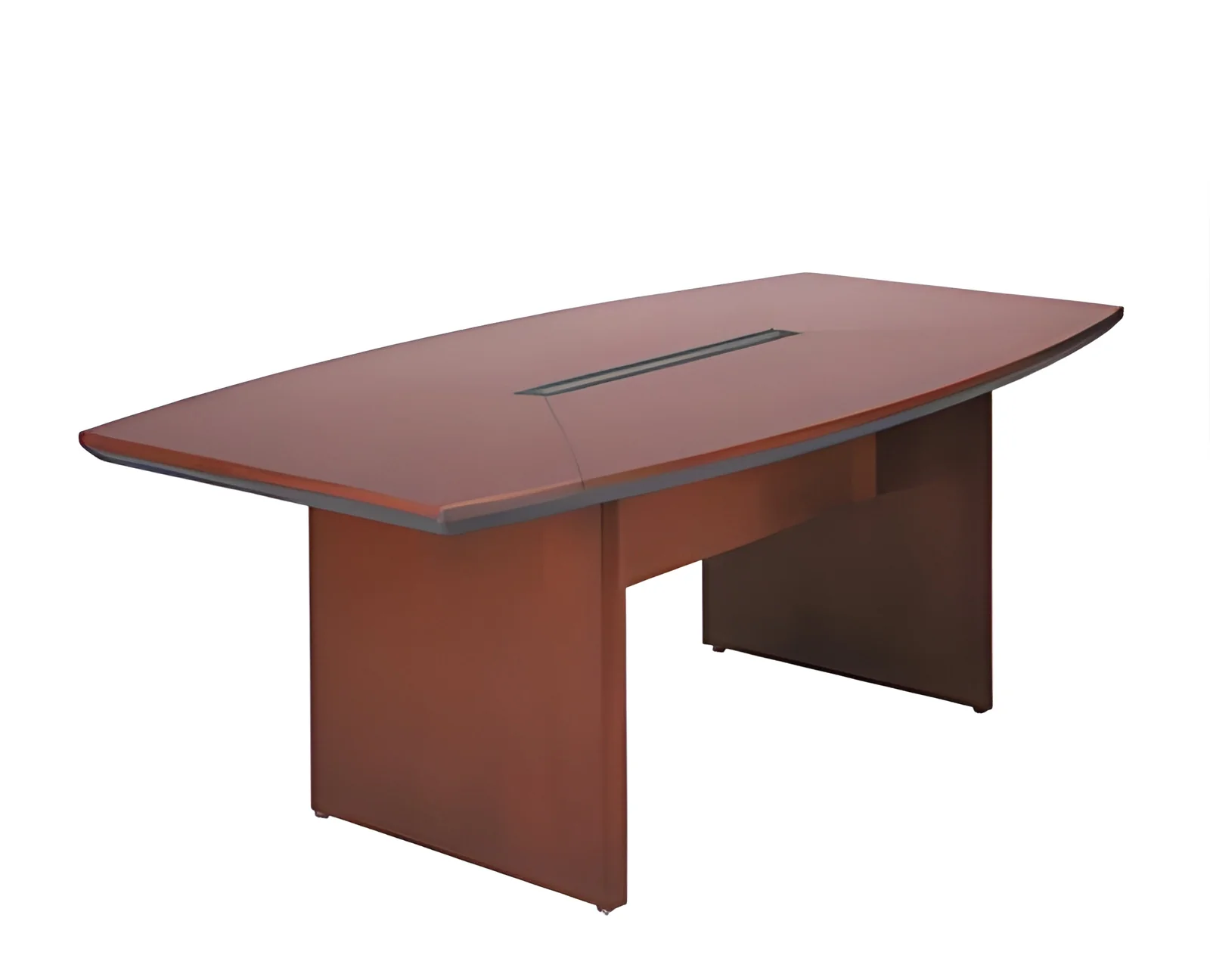
Designed for efficiency and professionalism, these spaces often include functional desks, meeting rooms, and collaborative areas for staff engagement.
Benefits and Advantages
Investing in high-quality Educational Institutions Interiors offers numerous advantages.
Key benefits include:
1. Enhanced Learning Environment: Well-designed interiors contribute to improved student engagement and focus.
2. Increased Safety: Compliance with safety standards ensures a secure environment for students and staff.
3. Greater Flexibility: Adaptable spaces allow for various teaching methods and group activities.
4. Improved Aesthetics: Attractive interiors create a welcoming atmosphere that reflects the institution's values.
5. Long-term Cost Savings: Durable materials and energy-efficient systems lower maintenance and operational costs over time.
6. Boosted Morale: Comfortable and functional spaces enhance staff and student satisfaction, fostering a positive educational culture.
Buying Guide for B2B Buyers
When sourcing Educational Institutions Interiors, several factors should guide your decision-making process.
1. Quality Assessment: Evaluate materials and construction standards to ensure durability and safety in learning environments.
2. Supplier Verification: Research suppliers to confirm their reputation and reliability. Look for references and past project success.
3. Pricing and MOQ: Consider budget constraints and minimum order quantities to ensure alignment with your purchasing strategy.
4. Delivery and Lead Times: Assess suppliers' logistics capabilities to ensure timely delivery and avoid disruptions in project timelines.
5. Compliance Requirements: Ensure that products meet local regulations and safety standards to safeguard the institution and its users.
Compliance and Certifications
Compliance in Educational Institutions Interiors is crucial to ensure safety and quality. Relevant quality standards such as ISO 9001 guarantee consistent quality management processes. Industry certifications like CE indicate compliance with health, safety, and environmental protection standards.
Safety and testing requirements are paramount, especially in spaces where students engage in hands-on activities. Ensuring that materials are non-toxic and that the design adheres to safety regulations reduces risk.
Additionally, regional compliance considerations may vary, making it essential to understand local regulations governing educational interiors. This ensures that all products meet applicable standards and contribute to a safe, effective learning environment.
Why Source Educational Institutions Interiors from Pepagora?
Pepagora offers a trusted platform for sourcing Educational Institutions Interiors, providing several key advantages.
Verified Supplier Network: Pepagora connects buyers with a network of verified suppliers, ensuring high-quality products and reliable service. Each supplier undergoes a thorough vetting process.
Streamlined RFQ Process: The platform simplifies the request for quotation process, allowing buyers to easily obtain competitive pricing and terms from multiple suppliers.
Trade Assurance and Support: Pepagora prioritizes buyer protection, offering trade assurance to safeguard transactions and provide support throughout the procurement process.
Regional Coverage: With a strong presence in India, the GCC, and Southeast Asia, Pepagora facilitates access to a diverse range of suppliers and products tailored to regional needs. This broad coverage ensures that buyers can find suitable solutions for their unique requirements.



Frequently Asked Questions
What are Educational Institutions Interiors?
Educational Institutions Interiors refer to the design and furnishings used within educational spaces such as schools, colleges, and universities. This includes classrooms, libraries, laboratories, and other learning environments that enhance the educational experience.
What are the different types of Educational Institutions Interiors?
The different types of Educational Institutions Interiors include classroom furniture, library shelving, laboratory workstations, administrative offices, and recreational areas. Each type is designed to facilitate specific educational activities and promote a conducive learning environment.
How do I choose the right Educational Institutions Interiors?
Choosing the right Educational Institutions Interiors involves considering factors like the age group of students, the type of activities that will take place, and the overall design theme of the institution. It is also important to prioritize durability, functionality, and comfort in the selection process.
What are the standard specifications for Educational Institutions Interiors?
Standard specifications for Educational Institutions Interiors typically include ergonomic designs, safety compliance, and materials that are easy to maintain. Dimensions, weight capacity, and finishes should also meet the requirements for educational settings.
What is the price range for Educational Institutions Interiors?
The price range for Educational Institutions Interiors can vary widely based on the type of furniture, quality, and customization options. Generally, prices can start from a few thousand rupees for basic items and can go up to several lakhs for specialized or custom-designed interiors.
What quality standards apply to Educational Institutions Interiors?
Quality standards for Educational Institutions Interiors often include adherence to safety regulations, durability requirements, and environmental sustainability. Products should meet relevant certifications that ensure they are suitable for educational use.
Where can I find Educational Institutions Interiors suppliers in India?
You can find Educational Institutions Interiors suppliers in India through online B2B marketplaces, trade shows, and industry directories. Platforms like Pepagora.com can connect you with a variety of manufacturers and suppliers catering to educational institutions.
Can Educational Institutions Interiors be customized?
Yes, Educational Institutions Interiors can often be customized to meet specific design and functional requirements. Many suppliers offer options for tailored designs, colors, and materials to align with the institution's branding and educational needs.
What is the typical minimum order quantity for Educational Institutions Interiors?
The typical minimum order quantity (MOQ) for Educational Institutions Interiors can vary by supplier and product type. Generally, MOQs can range from a few pieces for standard items to larger quantities for custom orders.
What is the typical lead time for Educational Institutions Interiors?
The typical lead time for Educational Institutions Interiors can range from a few weeks to several months, depending on the complexity of the order, availability of materials, and customization requirements. It is advisable to confirm lead times with suppliers before placing an order.
Why Businesses Trust Pepagora
Thousands of companies trust Pepagora to source smarter and sell faster
Expand Your Sales Globally

Source Smarter,Grow Faster
