
 IN
Earthing Plates & Wires
10 products available
What are Earthing Plates & Wires?
Earthing plates and wires are essential components in electrical systems that provide a safe path for electrical currents to ground. They are designed to prevent electrical shock and damage to equipment by directing excess electrical energy away from sensitive devices and into the earth. Earthing plates are typically made from conductive materials such as copper or galvanized steel, while earthing wires serve as the connecting link between the electrical system and the earthing plate.
The primary uses of earthing plates and wires are found in various industrial applications, including manufacturing plants, power generation facilities, and commercial buildings. These components are vital for maintaining electrical safety standards and ensuring the reliability of electrical systems. Businesses integrate earthing solutions into their operations to comply with safety regulations and protect both personnel and equipment from electrical faults. In the current market context, the demand for reliable earthing solutions is rising due to increasing industrial activities and the need for higher safety standards.
Key Features and Specifications
Earthing plates and wires come with a set of key features and specifications that enhance their performance and suitability for various applications. Understanding these specifications helps businesses select the right products to meet their safety and operational needs.
Key specifications include:
1. Material Composition
- Typically made from copper or galvanized steel
- Ensures high conductivity and corrosion resistance
2. Plate Size
- Varies according to application requirements
- Common sizes include 600mm x 600mm or 900mm x 900mm
3. Wire Gauge
- Available in different gauges from 8 AWG to 2 AWG
- Determines the current-carrying capacity
4. Resistance Level
- Measured in ohms, indicating the effectiveness of grounding
- Lower resistance values are preferred for safety
5. Corrosion Resistance
- Treated to withstand environmental conditions
- Extends the lifespan of the product
6. Compliance Standards
- Must meet local and international safety regulations
- Certifications such as CE are often required
7. Installation Type
- Options include buried, direct burial, or above-ground installations
- Selection based on site conditions and requirements
8. Temperature Tolerance
- Should withstand extreme temperatures where applicable
- Ensures reliability in harsh environments
In summary, understanding these key features and specifications enables businesses to make informed decisions when selecting earthing plates and wires for their applications.
Common Applications and Use Cases
Earthing plates and wires are utilized across several industries, each with specific applications tailored to their operational needs.
1. Construction: In construction sites, earthing solutions are essential for ensuring the safety of electrical installations during the building process.
2. Manufacturing: Factories use earthing plates and wires to protect machinery and workers from electrical faults, ensuring continuous production without interruptions.
3. Telecommunications: Telecom facilities require reliable earthing systems to safeguard sensitive equipment from surges and lightning strikes.
4. Data Centers: In data centers, proper earthing is crucial to protect servers and IT infrastructure from electrical disturbances.
5. Renewable Energy: Solar and wind farms utilize earthing solutions to enhance safety and performance, protecting systems from overvoltage.
6. Oil and Gas: The oil and gas industry relies on earthing systems to mitigate risks associated with flammable materials and high-voltage equipment.
7. Transportation: Railways and airports implement earthing solutions for electrical systems to maintain operational safety and reduce risks.
Product Variants and Subcategories
Earthing plates and wires come in various forms to meet specific needs and applications. This diversity allows businesses to choose products that align with their operational requirements.
Earthing Plates
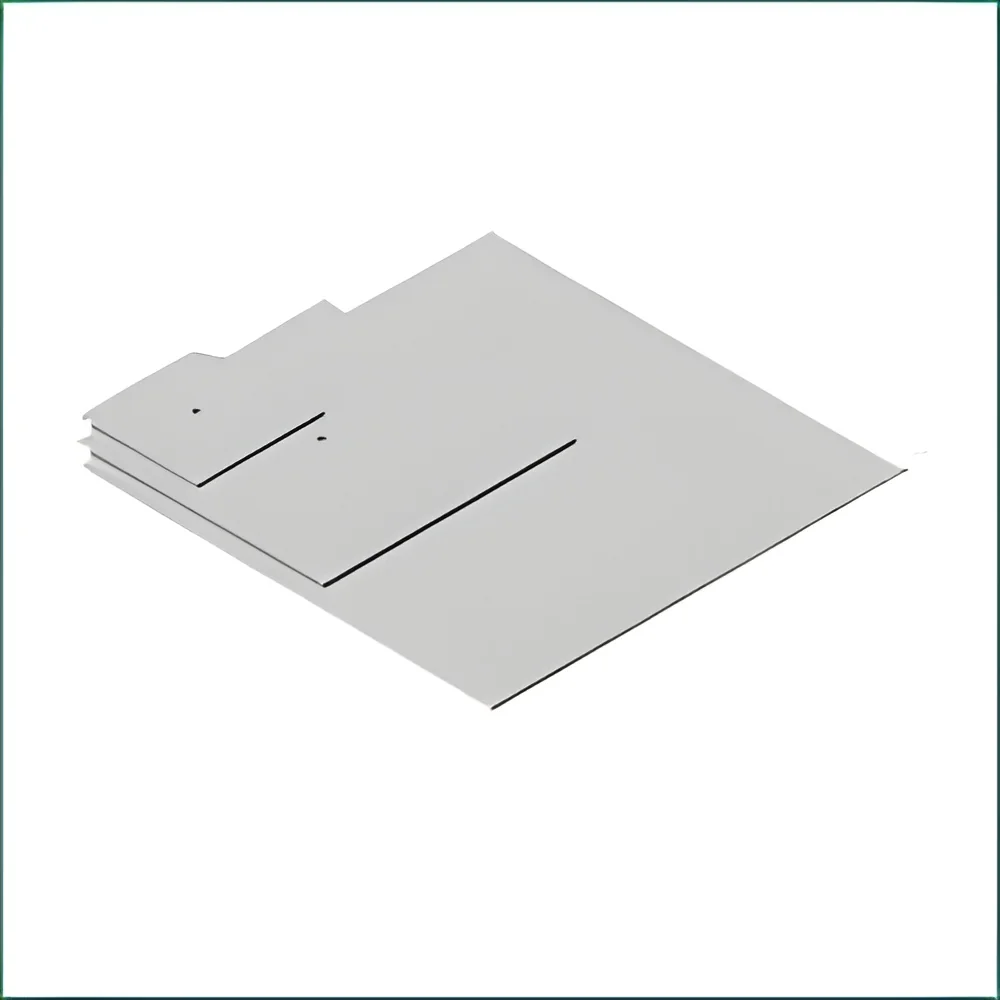
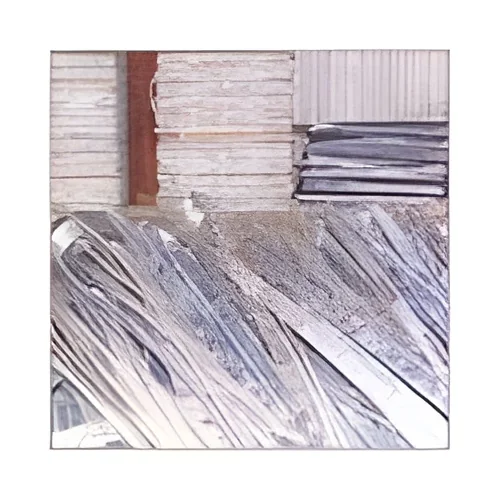
These plates are typically rectangular or square and are designed for underground installation. They offer a large surface area for effective grounding, making them suitable for industrial applications where high electrical loads are present.
Earthing Wires
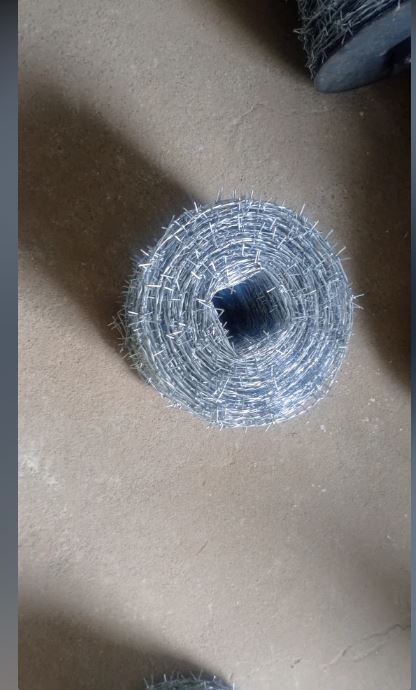
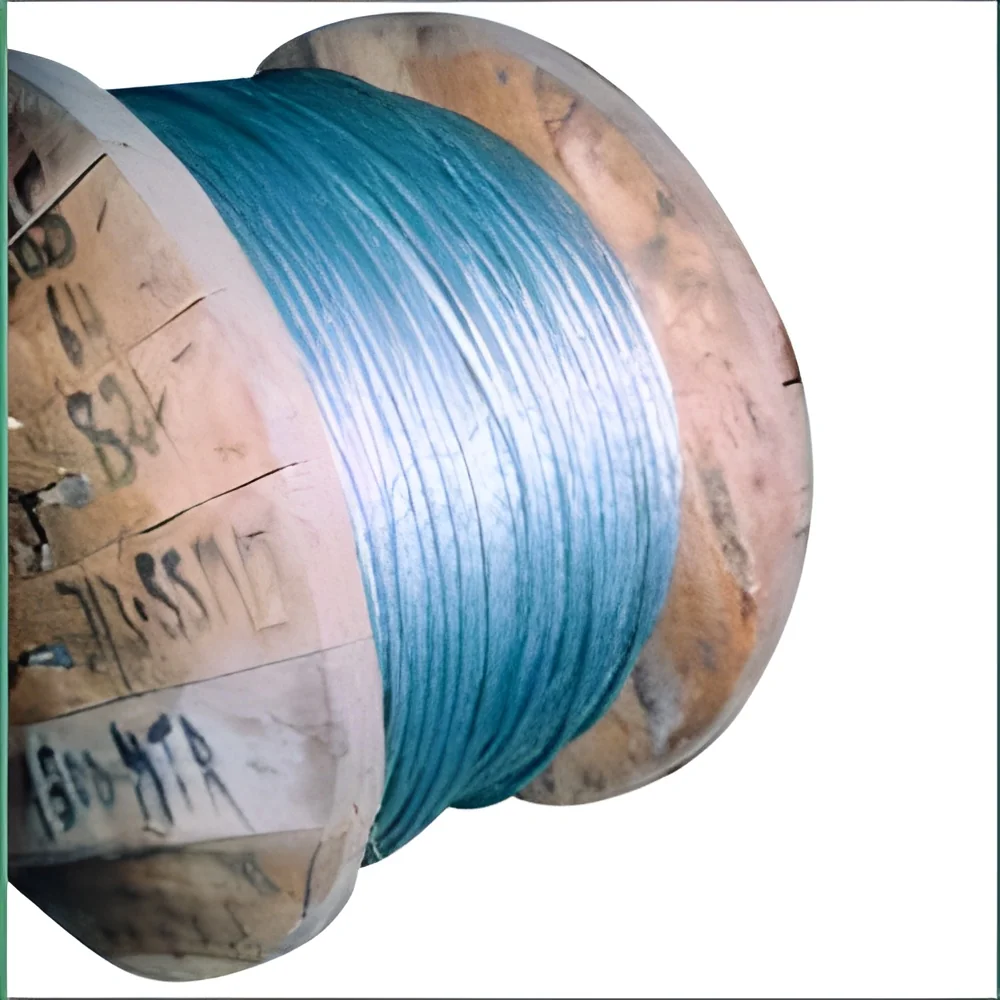
Available in multiple gauges, these wires connect the electrical system to the earthing plate. They are essential for ensuring a direct and reliable path for electrical faults, minimizing the risk of shock or equipment damage.
Benefits and Advantages
Choosing appropriate earthing plates and wires provides several key benefits that can enhance operational safety and efficiency.
1. Enhanced Safety: Effective grounding systems significantly reduce the risk of electric shock to personnel, ensuring a safer working environment.
2. Equipment Protection: Proper earthing prevents damage to electrical equipment, prolonging its lifespan and reducing maintenance costs.
3. Compliance with Regulations: Using certified earthing solutions helps businesses meet safety standards and avoid penalties associated with non-compliance.
4. Surge Protection: Earthing systems can mitigate the impact of electrical surges, protecting sensitive devices from damage.
5. Improved System Performance: A reliable earthing solution contributes to the overall efficiency of electrical systems, reducing downtime and enhancing productivity.
6. Cost-Effectiveness: Investing in quality earthing solutions may reduce long-term operational costs associated with repairs and downtime.
Buying Guide for B2B Buyers
When sourcing earthing plates and wires, businesses should consider several important factors to ensure they make the right choice.
1. Quality Assessment: Evaluate products based on material quality, resistance levels, and compliance with safety standards. High-quality materials enhance durability and performance.
2. Supplier Verification: Research and vet potential suppliers to ensure they have a reliable track record and positive reviews. This helps mitigate risks associated with poor-quality products.
3. Pricing and MOQ: Understand pricing structures and minimum order quantities to ensure alignment with budget constraints and project requirements.
4. Delivery and Lead Times: Consider logistics and delivery timelines to avoid delays in project execution. Reliable suppliers should provide clear delivery schedules.
5. Compliance Requirements: Ensure that the selected products meet regional and industry-specific compliance requirements to avoid legal issues and ensure safety.
Compliance and Certifications
Compliance and certifications are vital for ensuring the safety and reliability of earthing plates and wires. Relevant quality standards such as ISO 9001, which focuses on quality management systems, help ensure consistent product quality.
Industry certifications, like CE, indicate that the products meet European safety standards. These certifications are essential for building trust and confidence among buyers.
Safety and testing requirements often dictate that products undergo rigorous testing to confirm their effectiveness in real-world conditions. Additionally, regional compliance considerations may vary, making it crucial for buyers to understand local regulations and standards applicable to their operations.
Why Source Earthing Plates & Wires from Pepagora?
Pepagora provides a trusted platform for sourcing earthing plates and wires, offering several key advantages that benefit B2B buyers.
Verified Supplier Network: Pepagora features a robust network of verified suppliers, ensuring that businesses have access to reliable products. This verification process helps buyers avoid risks associated with unqualified vendors.
Streamlined RFQ Process: The request for quotation (RFQ) system allows buyers to easily compare offers from multiple suppliers. This process simplifies procurement, saving time and effort.
Trade Assurance and Support: Pepagora offers trade assurance, providing buyers with protection against potential issues. This support fosters confidence in the purchasing process.
Regional Coverage: With a presence in India, GCC, and Southeast Asia, Pepagora facilitates access to a wide range of products and suppliers. This geographic reach ensures that businesses can find suitable earthing solutions tailored to their specific needs.



Frequently Asked Questions
What are Earthing Plates & Wires?
Earthing plates and wires are essential components used in electrical systems to ensure safety by providing a path for fault currents to the ground. They help in dissipating electrical energy safely into the earth, thus preventing electric shocks and equipment damage.
What are the different types of Earthing Plates & Wires?
The different types of earthing plates include copper plates, galvanized iron plates, and stainless steel plates. Earthing wires can vary in size and material, including copper and aluminum, depending on the requirements of the electrical system.
How do I choose the right Earthing Plates & Wires?
Choosing the right earthing plates and wires involves considering factors such as the type of soil, the electrical load, and the application environment. It is also important to check for compatibility with existing electrical systems and adherence to local regulations.
What are the standard specifications for Earthing Plates & Wires?
Standard specifications for earthing plates and wires typically include dimensions, material composition, conductivity, and resistance to corrosion. Compliance with relevant national and international standards, such as IS or IEC, is also essential.
What is the price range for Earthing Plates & Wires?
The price range for earthing plates and wires can vary significantly based on material, size, and supplier. Generally, prices may start from a few hundred rupees and can go up to several thousand rupees based on the specifications and quality.
What quality standards apply to Earthing Plates & Wires?
Quality standards for earthing plates and wires include IS 3043 for earthing, which specifies the requirements for earthing systems. Manufacturers may also adhere to additional standards based on international guidelines to ensure reliability and safety.
Where can I find Earthing Plates & Wires suppliers in India?
You can find earthing plates and wires suppliers in India on B2B marketplaces like Pepagora, industry trade shows, and local electrical supply stores. It is advisable to compare multiple suppliers to ensure quality and pricing.
Can Earthing Plates & Wires be customized?
Yes, earthing plates and wires can often be customized based on specific project requirements. Customization may include variations in size, material, or additional features to meet unique installation needs.
What is the typical minimum order quantity for Earthing Plates & Wires?
The typical minimum order quantity (MOQ) for earthing plates and wires can vary by supplier but usually ranges from 10 to 100 pieces. It's best to confirm the MOQ with the manufacturer or supplier directly.
What is the typical lead time for Earthing Plates & Wires?
The typical lead time for earthing plates and wires depends on the supplier and the complexity of the order. Generally, lead times can range from a few days to several weeks, especially for customized orders.
Why Businesses Trust Pepagora
Thousands of companies trust Pepagora to source smarter and sell faster
Expand Your Sales Globally

Source Smarter,Grow Faster
