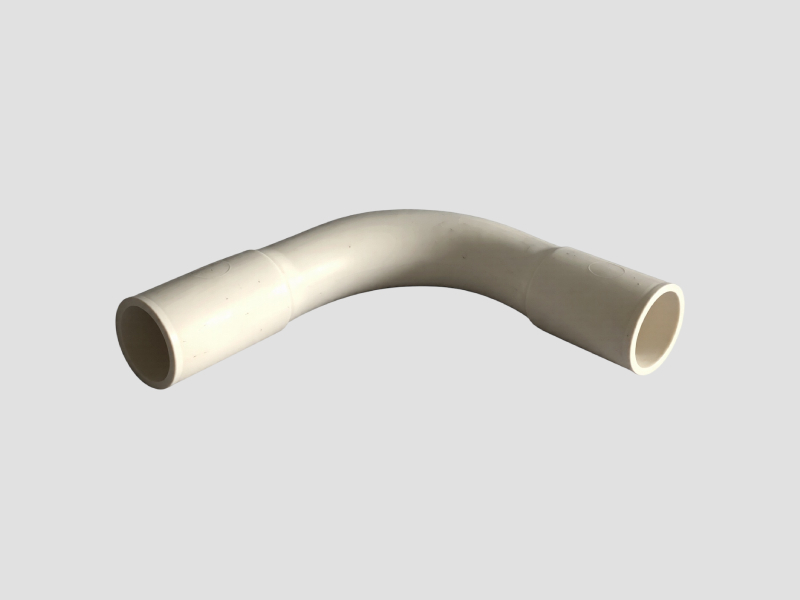
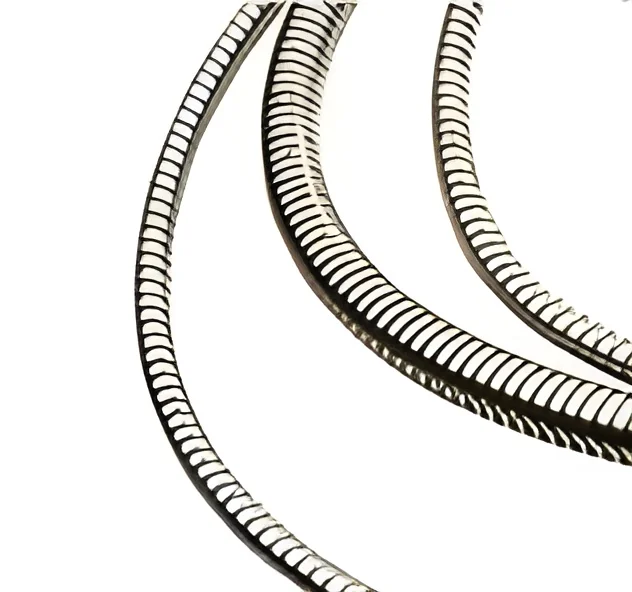
What are Flexible Conduits?
Flexible conduits are protective tubing systems designed to safeguard electrical wiring and cables in various environments. They provide a means of routing electrical wires while mitigating risks from mechanical damage, moisture, and environmental factors. These conduits are manufactured from materials that allow them to bend and flex, making them ideal for applications where rigidity is impractical.
The primary uses of flexible conduits span numerous industries, including construction, manufacturing, and telecommunications. They are commonly employed in applications such as wiring for machinery, HVAC systems, and electrical installations in buildings. Their versatility allows them to be adapted for both indoor and outdoor environments, enhancing their appeal for businesses looking to protect their electrical systems under various conditions.
In the current market context, the demand for flexible conduits is rising due to the ongoing expansion of infrastructure projects and the increasing need for reliable electrical systems. As industries evolve and technology advances, the relevance of flexible conduits continues to grow, positioning them as essential components in modern electrical systems.
Key Features and Specifications
Flexible conduits are distinguished by several key features that enhance their performance and usability. Understanding these specifications is crucial for selecting the right product for specific applications.
Key specifications include:
1. Material Composition
- Typically made from PVC, nylon, or metal alloys
- Offers varying degrees of flexibility and durability
2. Temperature Resistance
- Designed to withstand a range of temperatures, though specific ranges are not available
- Ensures reliable performance in extreme conditions
3. Diameter Options
- Available in multiple diameters to accommodate different cable sizes
- Standard diameters include 10mm, 16mm, 20mm, and others
4. Flexibility Rating
- Varies by model, indicating the degree of bendability
- Important for applications requiring tight routing
5. Chemical Resistance
- Certain flexible conduits are resistant to oils, solvents, and other chemicals
- Enhances their suitability for industrial environments
6. Flame Retardance
- Many conduits are treated to reduce flammability
- Important for safety in electrical installations
7. Water Resistance
- Options available for outdoor and wet environments
- Provides an additional layer of protection
8. Compliance with Standards
- Must meet specific industry standards, including CE certification
- Ensures safety and reliability in applications
Flexible conduits' diverse specifications make them adaptable to various applications, enhancing their utility across different sectors.
Common Applications and Use Cases
Flexible conduits serve a broad range of industries, providing essential protection for electrical wiring.
1. Construction: Used extensively for wiring in residential and commercial buildings, ensuring that electrical systems are safely routed and protected.
2. Manufacturing: Commonly employed in machinery and equipment to safeguard electrical connections from mechanical stress and environmental hazards.
3. Telecommunications: Vital for protecting cabling systems in telecommunications networks, including data centers and communication towers.
4. Automotive: Used in vehicles to route wiring harnesses, protecting them from vibrations and heat.
5. HVAC: Essential in heating, ventilation, and air conditioning systems to protect electrical connections from moisture and temperature fluctuations.
6. Marine: Employed in boats and ships to safeguard electrical systems from saltwater and humidity.
7. Agriculture: Used in farming equipment to protect wiring from exposure to harsh environmental conditions.
Product Variants and Subcategories
Flexible conduits come in various forms, each tailored for specific applications and environments.
PVC Flexible Conduits
These conduits are lightweight and resistant to moisture and chemicals. They are ideal for indoor applications where flexibility and ease of installation are critical.
Metal Flexible Conduits
Constructed from metal alloys, these conduits provide superior strength and are suitable for heavy-duty applications. They offer excellent protection against mechanical damage and are often used in industrial settings.
Nylon Flexible Conduits
These conduits are highly flexible and resistant to abrasion. They are commonly used in automotive and machinery applications, where flexibility and durability are essential.
Benefits and Advantages
Utilizing flexible conduits offers numerous advantages for businesses seeking reliable electrical solutions.
1. Enhanced Protection: Flexible conduits shield wiring from physical damage and environmental factors, ensuring longevity and reliability.
2. Versatility: Their adaptability allows for use in a wide range of applications across different industries.
3. Ease of Installation: The lightweight and flexible nature of these conduits facilitates quick and simple installation, reducing labor costs.
4. Cost-Effectiveness: By extending the lifespan of electrical systems, flexible conduits help minimize maintenance and replacement costs.
5. Safety Compliance: Many flexible conduits meet industry safety standards, providing peace of mind for businesses regarding regulatory compliance.
6. Customization: Many suppliers offer options for customization, allowing businesses to select conduits that meet specific needs.
Buying Guide for B2B Buyers
When sourcing flexible conduits, it is important to consider several key factors to ensure a successful purchase.
1. Quality Assessment: Evaluate the quality of materials and construction to ensure durability. Look for conduits that meet relevant industry standards.
2. Supplier Verification: Vet suppliers to ensure they have a solid reputation and offer reliable products. Check for certifications and customer reviews.
3. Pricing and MOQ: Compare pricing across different suppliers while considering the minimum order quantity. Ensure that costs align with your budget and project requirements.
4. Delivery and Lead Times: Inquire about delivery schedules and lead times to ensure that products can be obtained when needed for projects.
5. Compliance Requirements: Understand any regulatory requirements that may apply to your industry. Ensure that the conduits purchased comply with necessary standards.
Compliance and Certifications
Compliance with quality standards is crucial when sourcing flexible conduits. Many manufacturers adhere to ISO 9001, ensuring that products meet international quality management criteria.
Additionally, flexible conduits may carry CE certification, indicating conformity with European safety and health standards. This certification is vital for businesses operating within the European market.
Safety testing is also important. Flexible conduits must undergo rigorous testing to ensure they can withstand environmental stresses, including temperature extremes and exposure to chemicals.
Regional compliance considerations may vary, so businesses should confirm that the conduits meet local regulations in their operating areas to avoid legal issues.
Why Source Flexible Conduits from Pepagora?
Pepagora offers a reliable platform for sourcing flexible conduits, providing several key advantages that cater to B2B buyers.
Verified Supplier Network: Pepagora hosts a network of verified suppliers, ensuring that businesses can source high-quality conduits with confidence. Each supplier is vetted to guarantee reliability and product quality.
Streamlined RFQ Process: The request for quotation (RFQ) process on Pepagora is designed to be user-friendly, allowing buyers to obtain competitive quotes from multiple suppliers quickly. This efficiency helps businesses make informed purchasing decisions.
Trade Assurance and Support: Pepagora provides trade assurance, offering buyers protection in their transactions. This feature enhances buyer confidence and ensures a smooth procurement process.
Regional Coverage: With a focus on markets in India, the GCC, and Southeast Asia, Pepagora ensures that businesses can access flexible conduits tailored to their regional needs. This geographic reach facilitates ease of procurement for companies operating in these areas.

 IN
IN