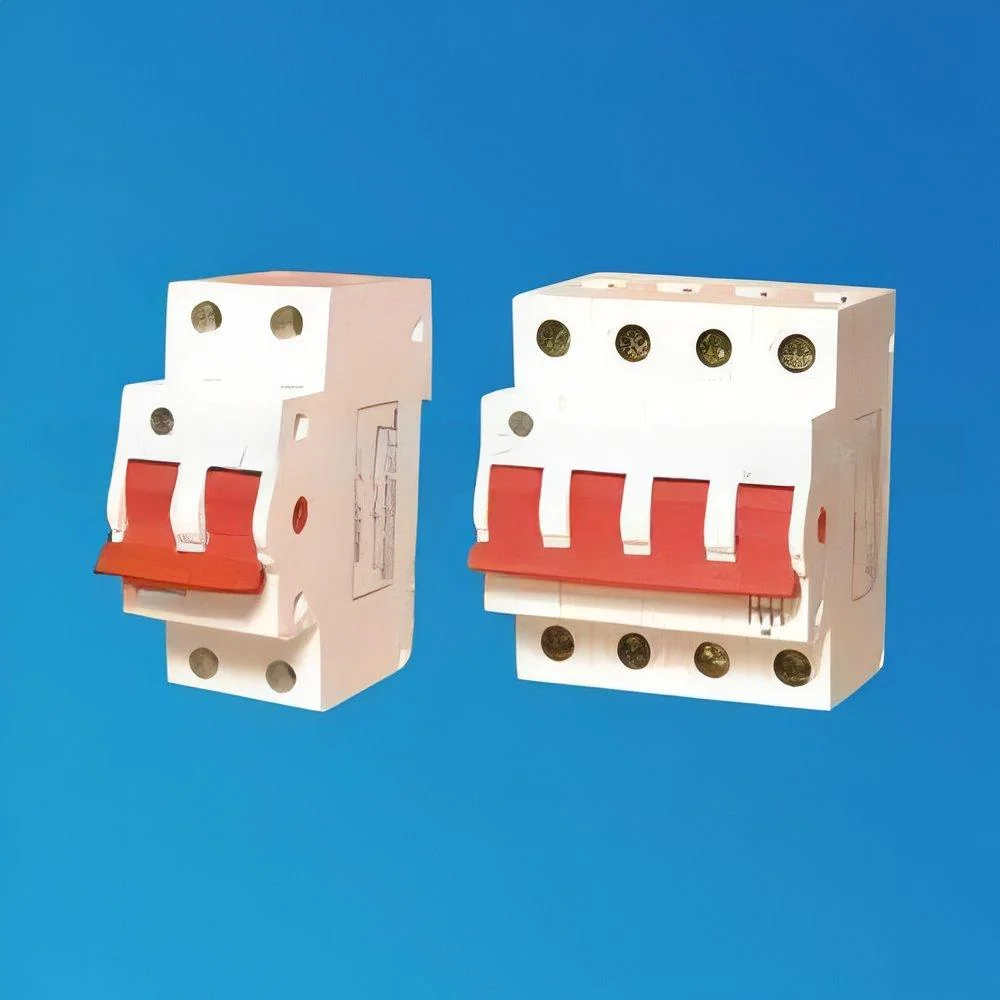
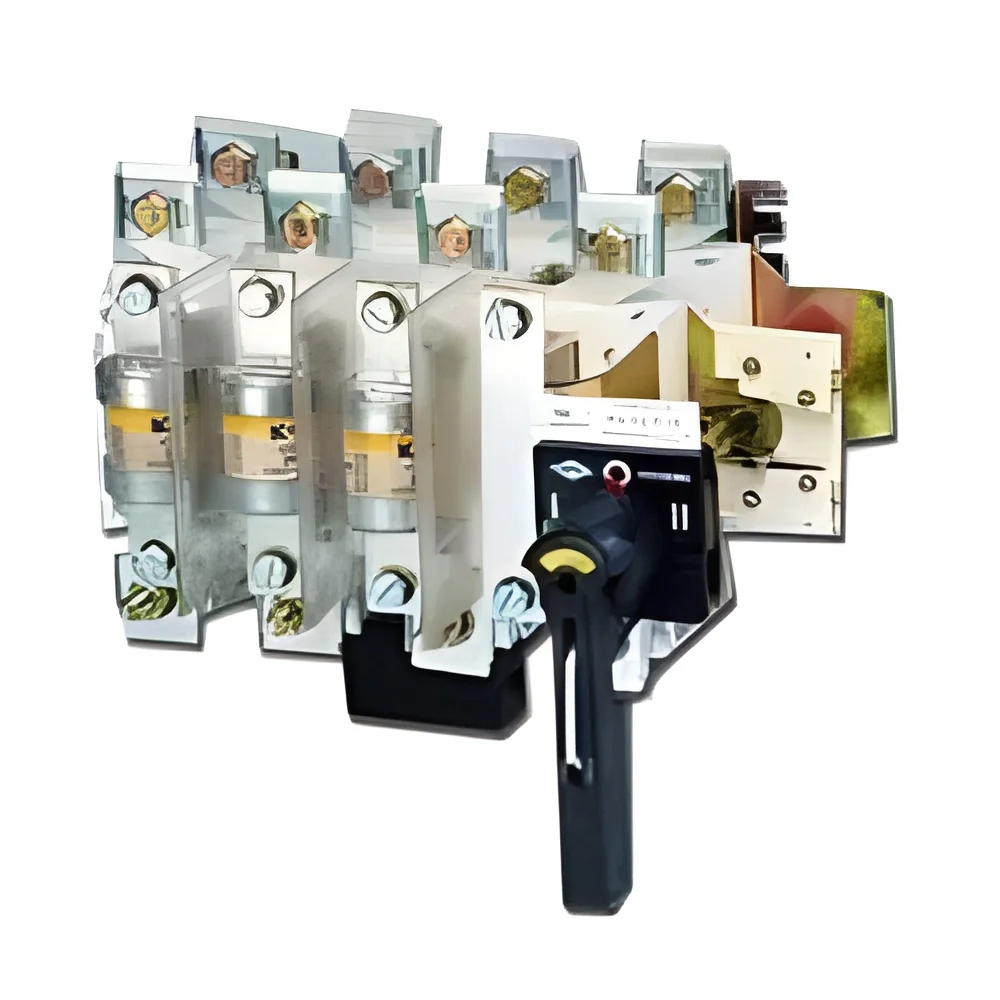
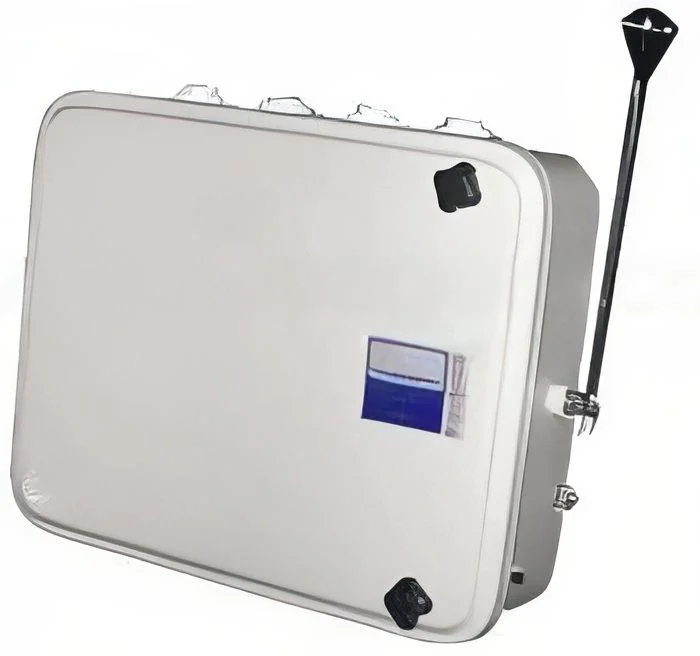
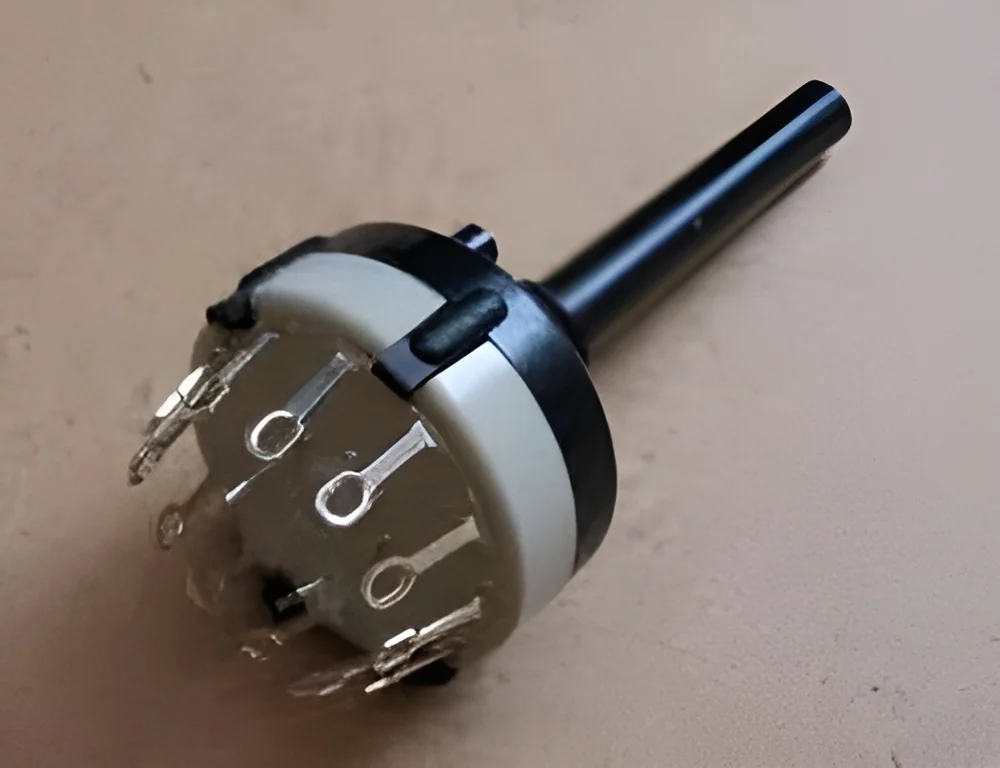
What are Modular Switches?
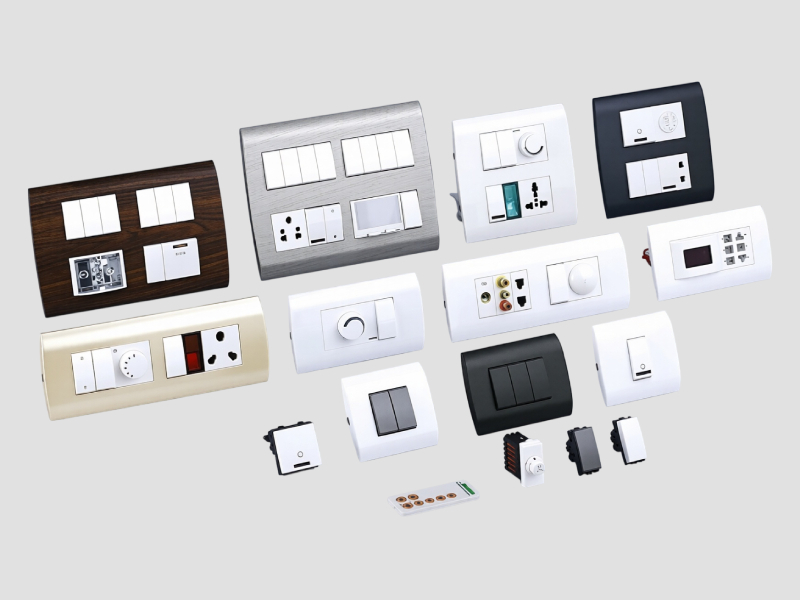
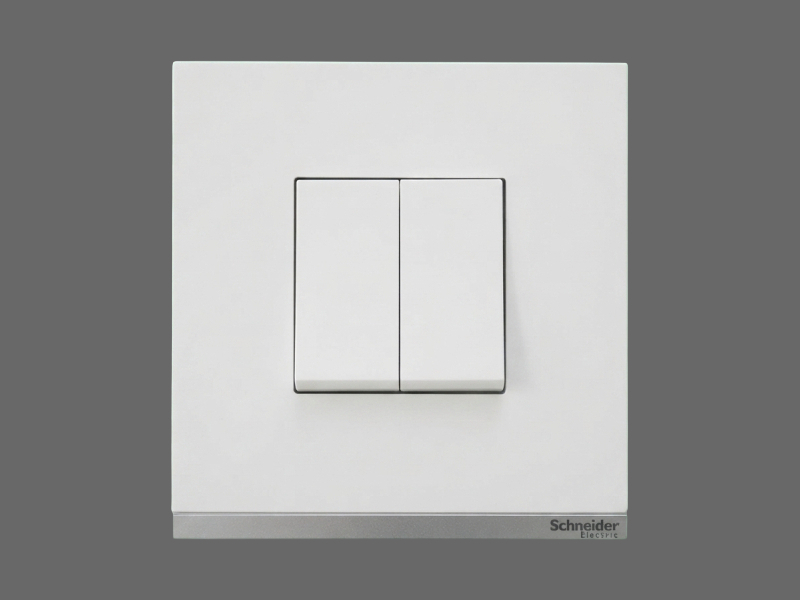
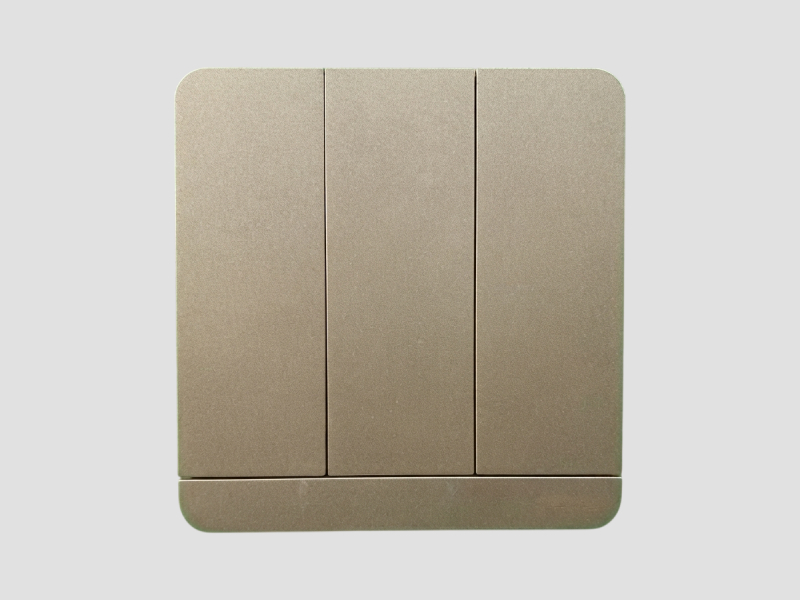
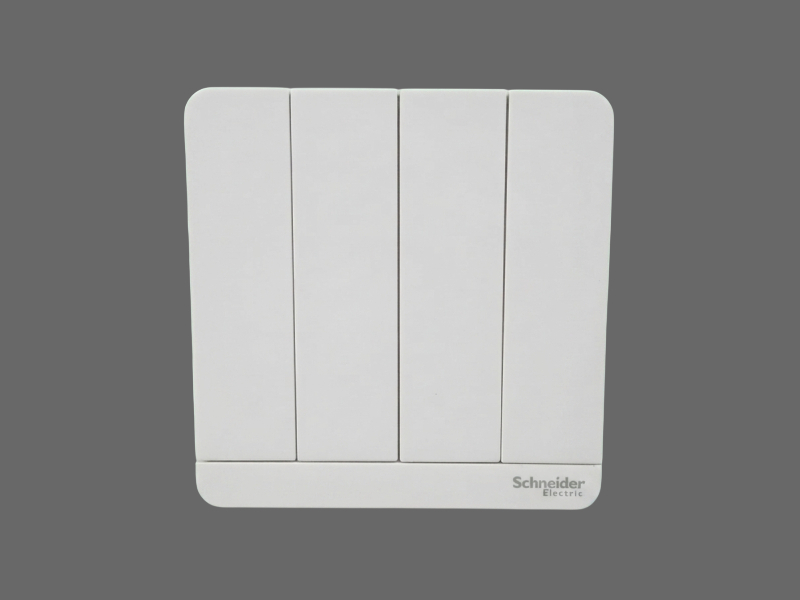
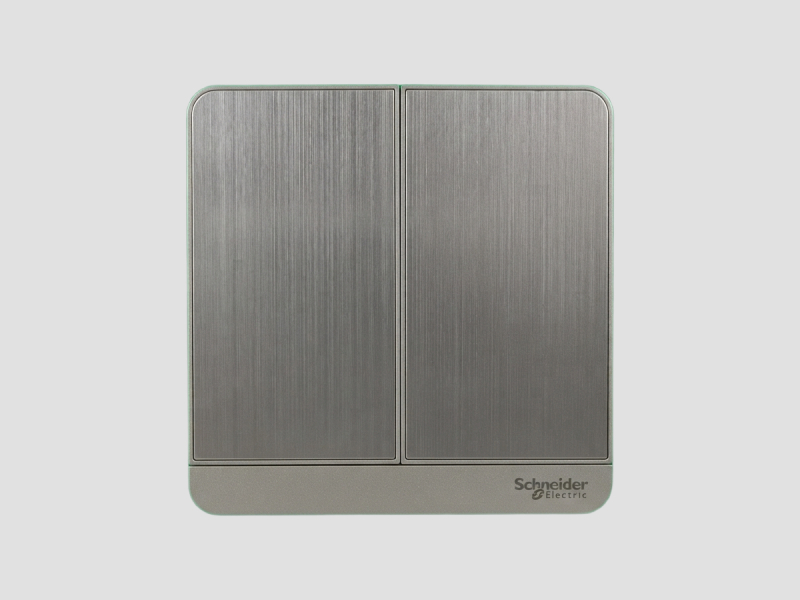
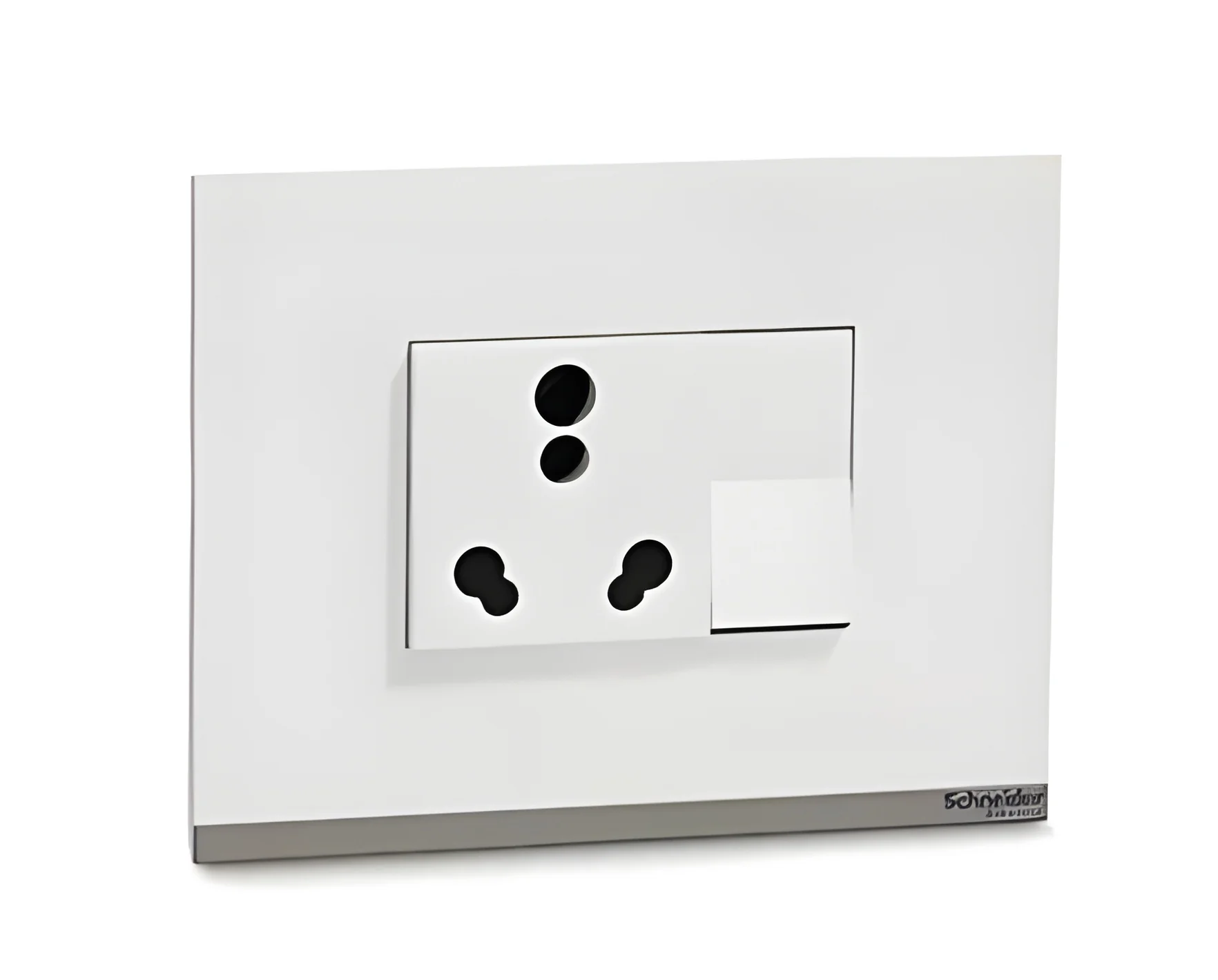
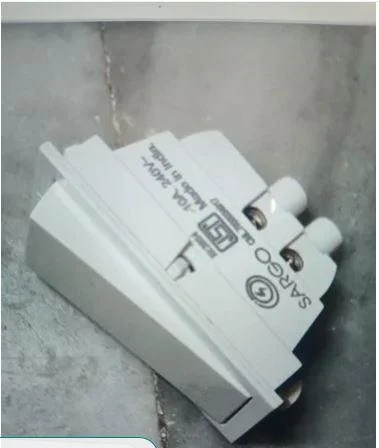
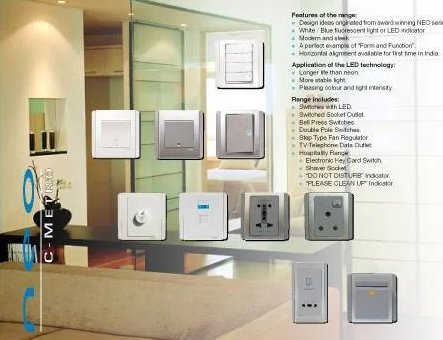
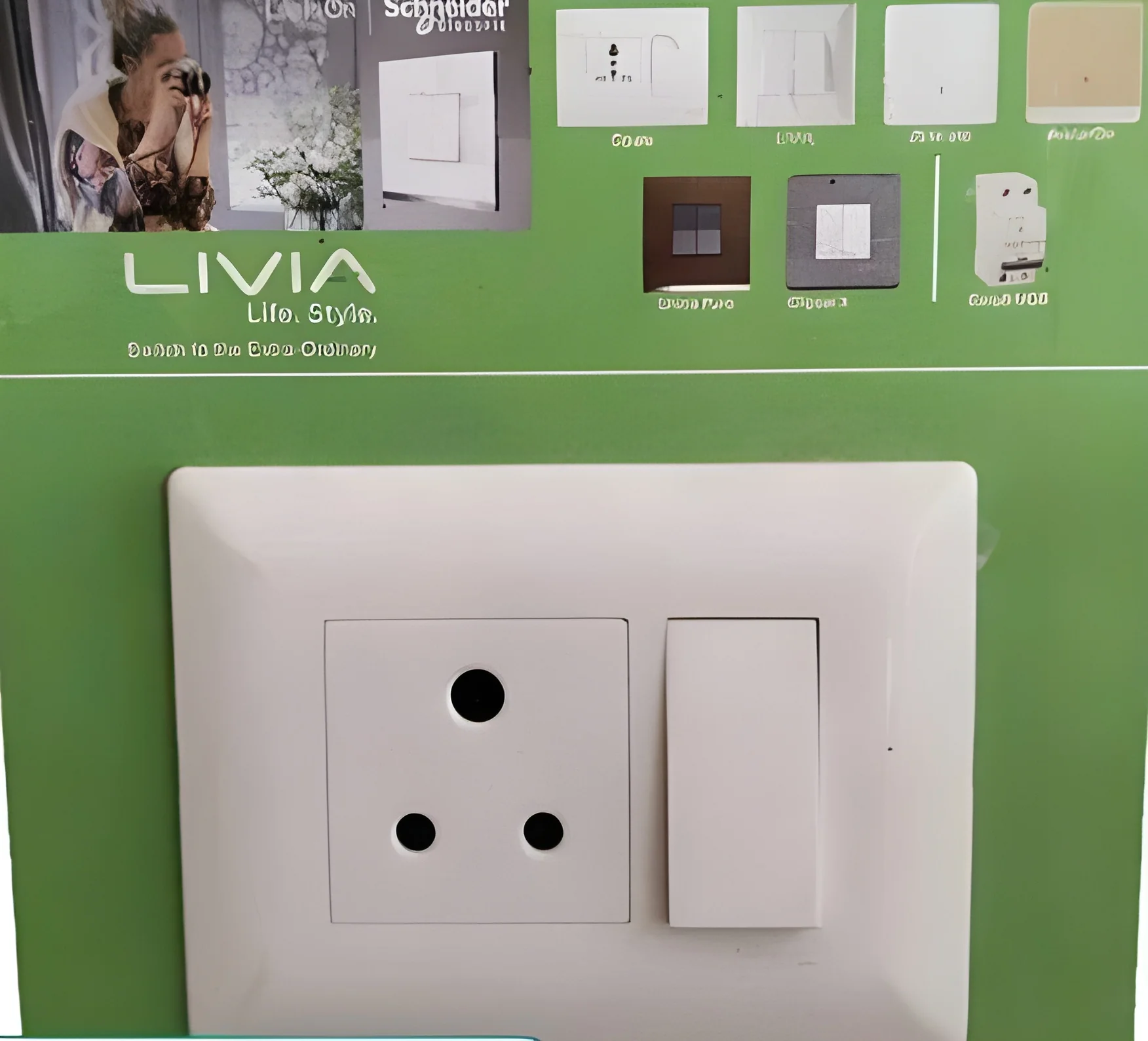
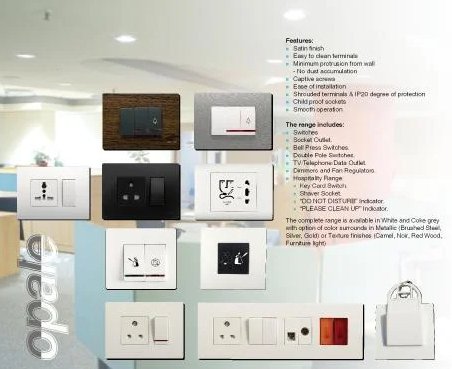
Modular switches are advanced electrical control devices designed for modern applications in residential and commercial spaces. Unlike traditional switches, modular switches are built with interchangeable components that allow for customization. This design enables users to select specific features and styles to suit their individual needs, ensuring flexibility in both functionality and aesthetics.
These switches are primarily used for controlling lighting and electrical appliances, making them an essential part of electrical systems in various environments. Their versatility allows them to be installed in homes, offices, and industrial settings. Businesses appreciate modular switches for their ease of installation and maintenance, which can reduce downtime and operational costs. As the demand for smart home technology and energy-efficient solutions grows, modular switches continue to gain traction in the market.
In the context of the electrical industry, modular switches represent a shift towards more adaptable and user-friendly technologies. They align with trends focusing on energy efficiency and intelligent design. As the market evolves, manufacturers are continually innovating to enhance the functionality and aesthetic appeal of these switches, making them a relevant choice for both new constructions and renovations.
Key Features and Specifications
Modular switches come equipped with various features that make them suitable for a wide range of applications. Their design allows for easy customization, which is a significant advantage in today’s dynamic environments. Below are key specifications that define the performance and capabilities of modular switches.
Key specifications include:
1. Material Quality
- Typically made from high-grade plastic or metal
- Ensures durability and resistance to wear
2. Voltage Rating
- Standard ratings typically range from 220V to 240V
- Ensures compatibility with most electrical systems
3. Current Rating
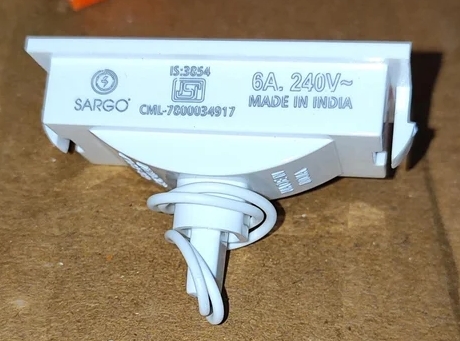
- Generally available in ratings of 6A, 10A, and 16A
- Provides options for various load requirements
4. Design Flexibility
- Modular design allows for interchangeable plates and switches
- Supports a variety of styles and colors
5. Safety Standards
- Complies with international safety certifications such as CE and UL
- Ensures user safety and reliability
6. Installation Type
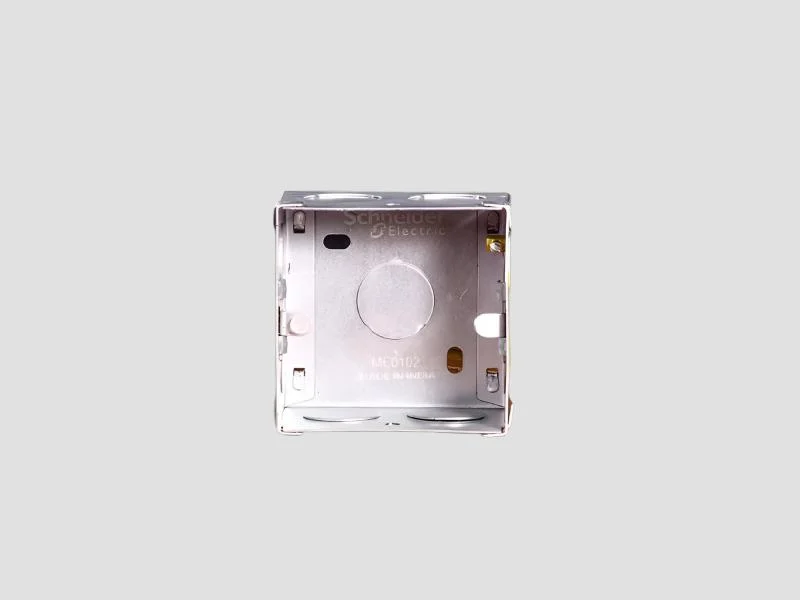
- Can be surface-mounted or flush-mounted
- Offers versatility in installation options
7. Warranty Period
- Typically comes with a warranty ranging from 1 to 5 years
- Guarantees product longevity and manufacturer support
In summary, modular switches are designed with a range of features that cater to diverse electrical needs while maintaining high safety and quality standards.
Common Applications and Use Cases
Modular switches are utilized across various industries due to their adaptability and reliability.
1. Residential Sector: In homes, modular switches are used for controlling lighting, fans, and other electrical equipment, providing convenience and modern aesthetics.
2. Commercial Spaces: In offices, these switches help manage office lighting and equipment, enhancing energy efficiency and user experience.
3. Industrial Applications: In manufacturing facilities, modular switches control heavy machinery and lighting systems, ensuring operational efficiency and safety.
4. Hospitality Industry: Hotels and restaurants use modular switches to enhance guest experience through easy-to-use lighting and appliance controls.
5. Educational Institutions: Schools and universities employ modular switches in classrooms and lecture halls for effective lighting management.
6. Retail Environments: Retail stores utilize these switches for display lighting and ambiance control, which can influence customer experience.
7. Healthcare Facilities: Hospitals and clinics benefit from modular switches for essential lighting and equipment management, ensuring a safe environment for patients and staff.
Product Variants and Subcategories
Modular switches are available in several variants to meet specific needs across different settings.
Standard Modular Switches: These basic models are commonly used in residential and commercial settings. They offer essential functions without additional features, making them a cost-effective choice.
Smart Modular Switches: These models come equipped with advanced technology such as remote control and automation features. They are ideal for modern homes and businesses looking to integrate smart technology into their electrical systems.
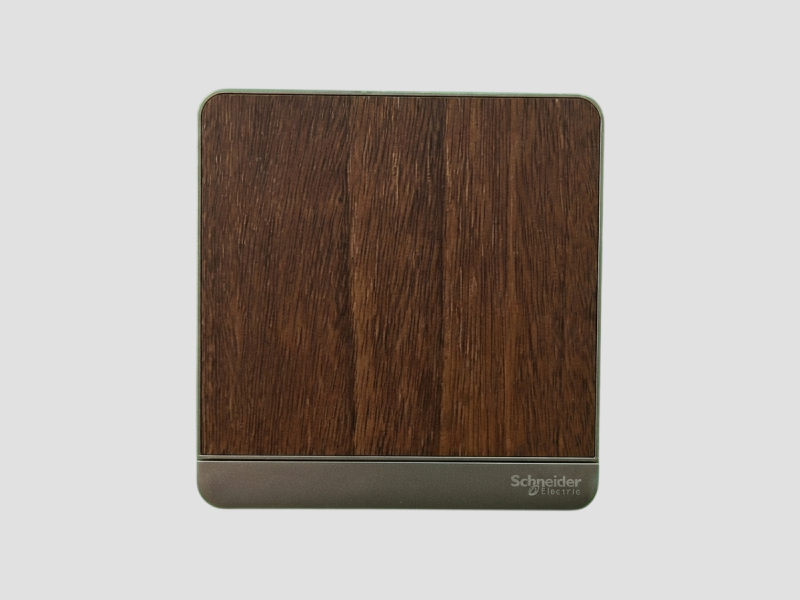
Decorative Modular Switches: Designed for aesthetic appeal, these switches come in various colors and finishes. They blend functionality with style, making them suitable for high-end residential and commercial spaces.
Dimmer Modular Switches: These switches allow users to control the brightness of lights, providing flexibility in creating desired atmospheres. They are commonly used in theaters, restaurants, and homes.
Benefits and Advantages
Modular switches offer a range of benefits that make them a preferred choice for many businesses and homeowners.
1. Customization: Users can select from various switch types and finishes, allowing for personalized design that fits specific requirements.
2. Easy Installation: The modular design simplifies the installation process, reducing labor time and costs.
3. Maintenance Efficiency: With interchangeable components, replacing parts is straightforward, minimizing disruption to operations.
4. Safety Compliance: Modular switches adhere to industry safety standards, ensuring reliability and user safety.
5. Energy Efficiency: Many modular switches support energy-saving features, helping businesses reduce operational costs.
6. Versatile Applications: Suitable for a wide range of environments, modular switches can be used in homes, offices, and industrial settings.
Buying Guide for B2B Buyers
When sourcing modular switches, businesses should consider several critical factors to ensure they select the right products for their needs.
1. Quality Assessment: Evaluate the materials, durability, and performance of the switches. Look for certifications such as CE and UL to ensure compliance with safety and quality standards.
2. Supplier Verification: Vet suppliers by checking their reputation, customer reviews, and history in the industry. This helps ensure a reliable partnership.
3. Pricing and MOQ: Compare pricing across different suppliers while considering the minimum order quantities. This will help in budget planning and cost-effectiveness.
4. Delivery and Lead Times: Understand the logistics involved in shipping and delivery. Consider lead times to ensure timely project completion.
5. Compliance Requirements: Check for any regional regulations that the switches must comply with. This is critical in avoiding legal issues and ensuring safety standards are met.
Compliance and Certifications
Modular switches are subject to various compliance standards and certifications that ensure their safety and reliability in use.
Quality standards such as ISO 9001 focus on maintaining quality management systems in manufacturing processes. Meeting these standards indicates that the product is manufactured consistently and meets customer expectations.
Industry certifications like CE (Conformité Européenne) and UL (Underwriters Laboratories) signify that the modular switches have passed rigorous safety and performance tests. These certifications provide assurance to buyers that the products meet high-quality standards.
Safety and testing requirements are vital in ensuring that the switches function correctly under specified conditions. Compliance with these requirements helps in reducing risks associated with electrical equipment.
Additionally, regional compliance considerations are essential, as different regions may have specific regulations that products must adhere to. Understanding these requirements can help businesses avoid penalties and ensure customer safety.
Why Source Modular Switches from Pepagora?
Pepagora is a trusted platform for sourcing modular switches, offering several key advantages for B2B buyers.
Verified Supplier Network: Pepagora connects buyers with a network of verified suppliers who meet stringent quality and compliance standards. This ensures that businesses can source reliable products without the risks associated with unverified vendors.
Streamlined RFQ Process: The platform features an efficient Request for Quotation (RFQ) system that simplifies the procurement process. Buyers can easily compare quotes from multiple suppliers, allowing for informed decision-making.
Trade Assurance and Support: Pepagora provides trade assurance, offering buyers protection throughout the purchasing process. This includes support for any disputes that may arise, ensuring a smooth transaction experience.
Regional Coverage: With a strong presence in India, the GCC, and Southeast Asia, Pepagora provides extensive geographic reach. This facilitates access to a wide range of suppliers and products, catering to diverse market needs.
By choosing Pepagora, businesses can confidently source modular switches that meet their specific requirements while benefiting from a comprehensive support system.

 IN
IN