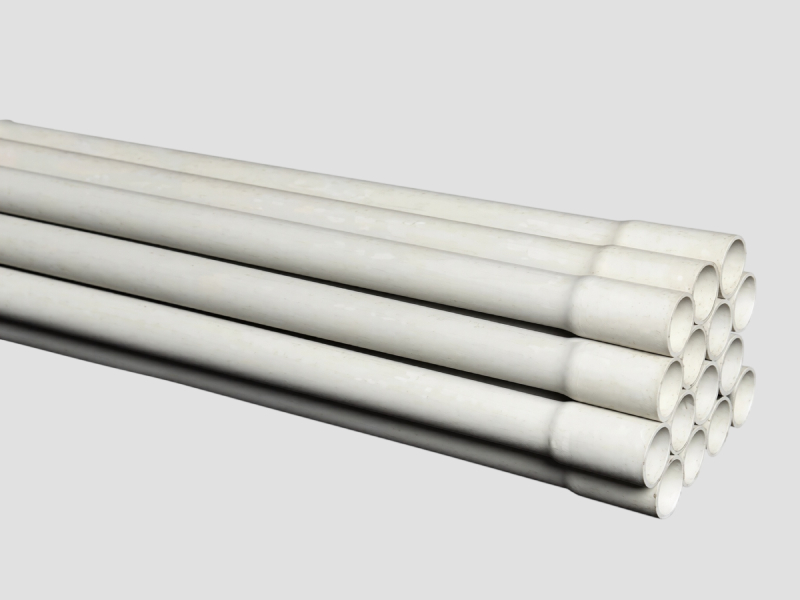
What are Conduit Benders & Cutters?
Conduit benders and cutters are essential tools used in the electrical and construction industries. These devices are specifically designed for shaping and cutting conduit pipes, which are used to protect and route electrical wiring. Conduit benders allow users to create precise bends in the conduit, while cutters provide clean and accurate cuts. Together, they are crucial for ensuring that electrical installations are safe, efficient, and compliant with industry standards.
The primary uses of conduit benders and cutters include installation of electrical wiring systems in residential, commercial, and industrial settings. Electricians and contractors use these tools to create paths for wires, ensuring that they are secured and protected from environmental hazards. The ability to customize conduit shapes and lengths allows for greater flexibility in installation, accommodating various building designs and requirements. The relevance of these tools in the industry is underscored by the ongoing growth in construction and electrical services, which demand reliable and efficient equipment.
Key Features and Specifications
Conduit benders and cutters come with several key features that enhance their usability and effectiveness. When selecting these tools, it is important to consider their specifications which ensure they meet specific operational needs.
Key specifications include:
1. Material Composition
- Typically made from durable steel or aluminum
- Provides strength and resistance to wear
2. Size Variations
- Available in various sizes to accommodate different conduit diameters
- Common sizes include 1/2 inch, 3/4 inch, and 1 inch
3. Bending Capacity
- Designed to handle specific angles, usually up to 90 degrees
- Ensures accurate bends without compromising the conduit integrity
4. Cutting Mechanism
- Features manual or powered cutting options
- Ensures clean, burr-free cuts for safe installations
5. Weight and Portability
- Lightweight designs for easy transport to job sites
- Some models may include ergonomic handles for better grip
6. Compatibility
- Designed for use with specific types of conduit such as EMT, PVC, or Rigid
- Ensures versatility across different projects
7. Safety Features
- Many models include safety guards or locking mechanisms
- Enhances user safety during operation
8. Warranty and Support
- Often come with manufacturer warranties
- Availability of customer support for maintenance and inquiries
In summary, understanding the key features and specifications of conduit benders and cutters helps B2B buyers make informed decisions about the tools that best meet their operational needs.
Common Applications and Use Cases
Conduit benders and cutters serve a wide range of industries, each with specific applications that benefit from these tools.
1. Electrical Contractors: These professionals use conduit benders and cutters extensively for installing electrical wiring systems in residential and commercial buildings. The tools allow them to create precise conduit shapes, ensuring compliance with safety standards.
2. Construction Companies: In large construction projects, effective routing of electrical systems is crucial. Benders and cutters enable teams to customize conduit installations to fit architectural designs, facilitating smoother project execution.
3. Telecommunications: Companies in the telecommunications sector use conduit benders and cutters for installing network cables and wiring systems. The ability to create bends and cuts in conduit is essential for maintaining signal integrity.
4. Manufacturing: In manufacturing plants, these tools are used to install conduit for electrical wiring that powers machinery and equipment. Proper installation is vital for safety and operational efficiency.
5. Utilities: Utility companies employ conduit benders and cutters for underground wiring projects. The tools are essential for ensuring that electrical conduits are properly shaped and cut to fit within the ground.
6. Facility Management: Facility managers use conduit benders and cutters for maintenance and upgrades of existing electrical systems. These tools help ensure that any modifications comply with current safety regulations.
7. HVAC Installations: In HVAC projects, conduit benders and cutters are used to route electrical controls and systems that power heating and cooling equipment, ensuring safe and effective operation.
Product Variants and Subcategories
Conduit benders and cutters come in various models to meet different user needs, offering diverse features and functionalities.
Manual Conduit Benders: These are hand-operated tools that allow users to create bends in conduit without the need for electricity. They are ideal for smaller jobs and provide portability and ease of use.
Electric Conduit Benders: Designed for larger-scale operations, electric benders offer powered bending capabilities. They are suitable for frequent use and can create precise bends quickly, improving productivity on job sites.
Pipe Cutters: These specialized tools focus solely on cutting conduit. Available in both manual and powered versions, they ensure clean cuts necessary for proper installation.
Heavy-Duty Conduit Benders: These models are designed for rigorous industrial use, capable of bending thicker conduit materials. They provide enhanced durability and are suitable for high-demand environments.
Compact Models: Smaller, lightweight benders and cutters are available for electricians who require portability and convenience on smaller jobs.
Benefits and Advantages
Choosing conduit benders and cutters offers numerous benefits that enhance operational efficiency and safety in electrical installations.
1. Precision and Accuracy: These tools ensure that bends and cuts are made with high precision, reducing the risk of errors during installation.
2. Time Efficiency: With the right tools, electricians can complete jobs faster, minimizing labor costs and increasing productivity.
3. Versatility: Conduit benders and cutters can be used with various conduit types, allowing for flexibility in different projects and applications.
4. Enhanced Safety: By using quality tools, the risk of accidents and injuries during installation is significantly reduced, contributing to a safer work environment.
5. Improved Compliance: Properly bent and cut conduits comply with industry standards, ensuring that installations meet regulatory requirements.
6. Cost-Effectiveness: Investing in durable and efficient benders and cutters reduces the need for frequent replacements, leading to long-term savings for companies.
Buying Guide for B2B Buyers
When sourcing conduit benders and cutters, it is essential to consider several factors that can influence your purchasing decision.
1. Quality Assessment: Look for tools made from high-quality materials that ensure durability and performance. Check reviews and ratings from other users to assess reliability.
2. Supplier Verification: Vet suppliers to ensure they have a solid reputation in the market. Verify certifications and customer feedback to choose trustworthy partners.
3. Pricing and MOQ: Understand the pricing structure and minimum order quantities (MOQ) offered by suppliers. This will help you budget effectively and avoid unexpected costs.
4. Delivery and Lead Times: Confirm delivery times and logistics capabilities to ensure that tools arrive when needed for project timelines.
5. Compliance Requirements: Ensure that the tools meet relevant industry standards and regulations. This includes checking for necessary certifications that ensure safety and quality.
Compliance and Certifications
Compliance and certifications play a crucial role in the quality and safety of conduit benders and cutters. Relevant quality standards such as ISO 9001 ensure that manufacturing processes meet international benchmarks for quality management.
Industry certifications, such as CE marking, indicate that products comply with European safety standards. These certifications are essential for ensuring that tools are safe for use in various applications.
Safety testing requirements are also critical. Manufacturers should adhere to testing protocols that assess the performance and safety of their tools. This includes evaluations for durability, user safety, and compliance with electrical codes.
Additionally, regional compliance considerations must be taken into account. Different regions may have specific regulations governing the use of electrical tools, making it vital for manufacturers and suppliers to maintain compliance in their respective markets.
Why Source Conduit Benders & Cutters from Pepagora?
Pepagora provides a trusted platform for sourcing conduit benders and cutters, offering several key advantages for B2B buyers.
Verified Supplier Network: Pepagora collaborates with a network of verified suppliers who have established reputations for quality and reliability. This ensures that buyers have access to trustworthy products.
Streamlined RFQ Process: The request for quotation (RFQ) system simplifies the procurement process. Buyers can easily request quotes from multiple suppliers, facilitating competitive pricing and informed decision-making.
Trade Assurance and Support: Pepagora offers buyer protection through trade assurance, ensuring that transactions are secure. Comprehensive customer support is also available to assist buyers with any inquiries or issues.
Regional Coverage: With a presence in India, the GCC, and Southeast Asia, Pepagora provides extensive geographic reach. This allows buyers to access conduit benders and cutters tailored to their local markets while benefiting from a wide selection of products.

 IN
IN