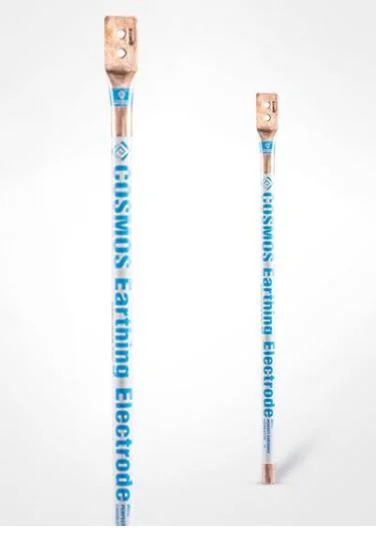
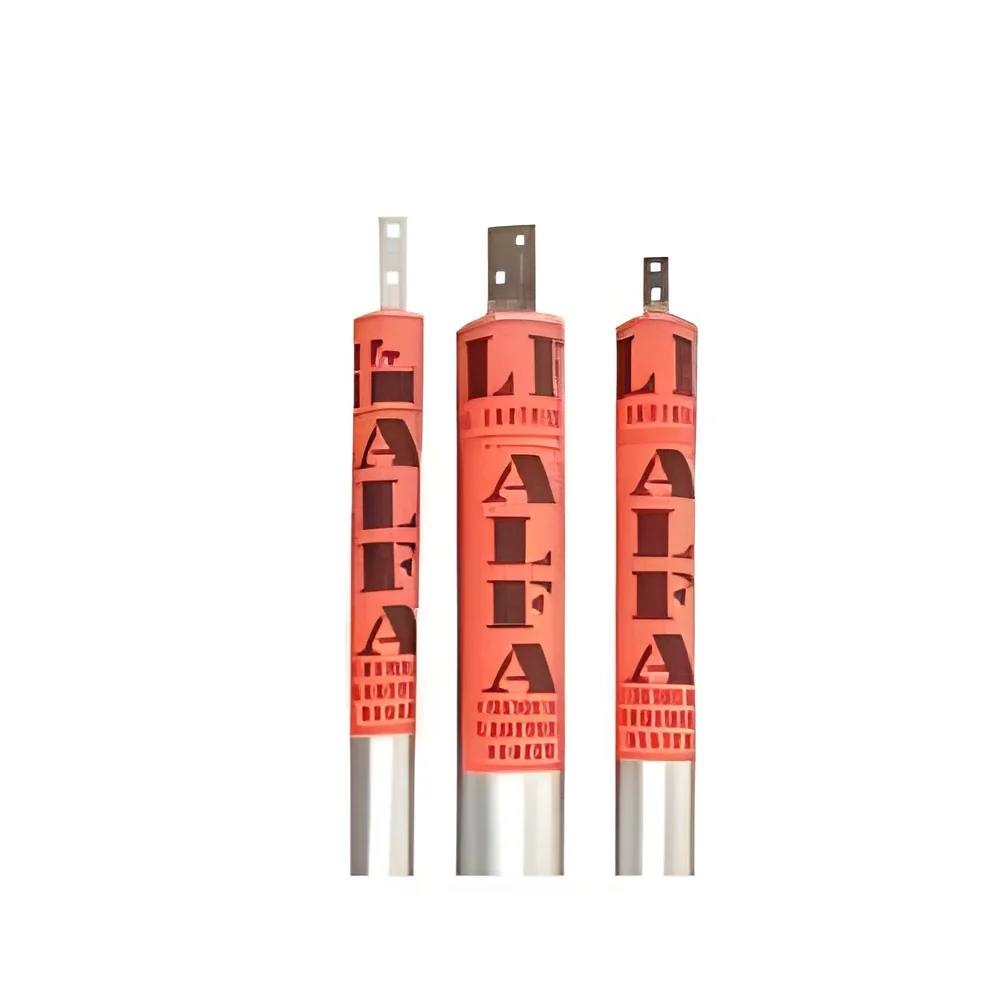
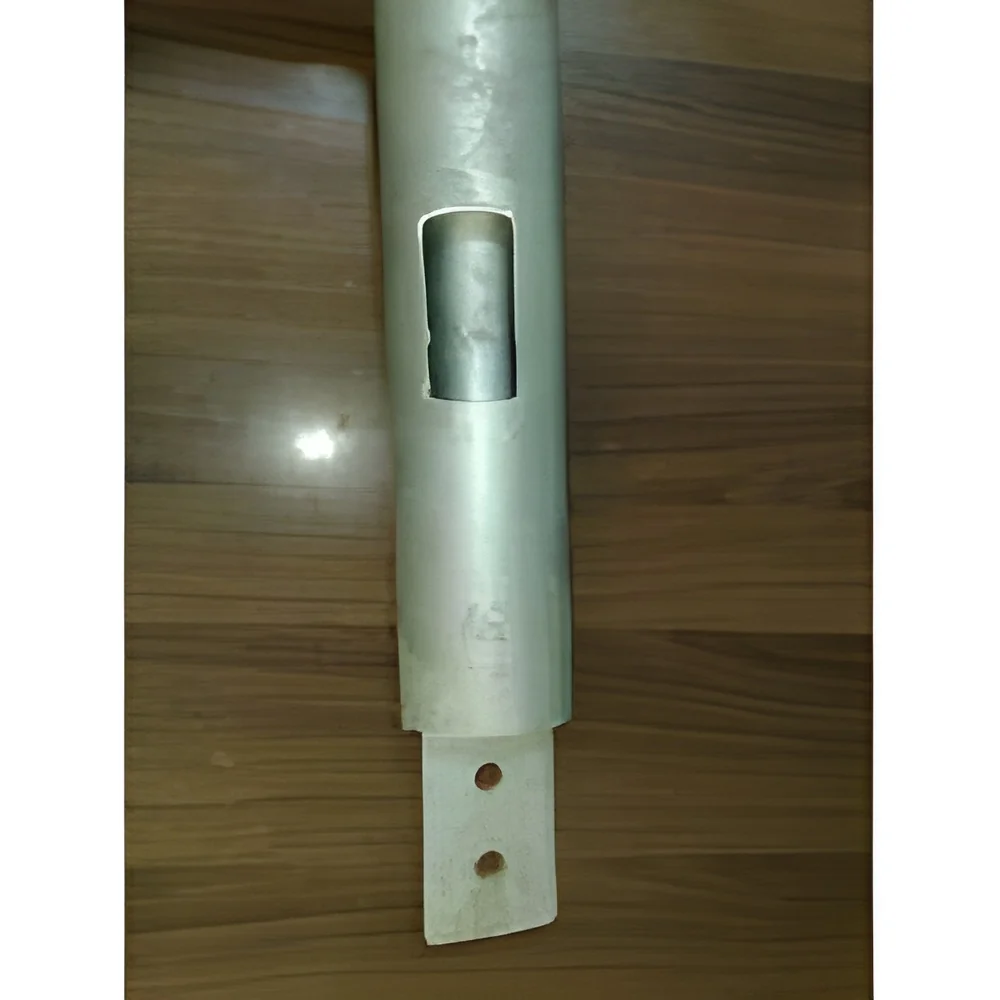
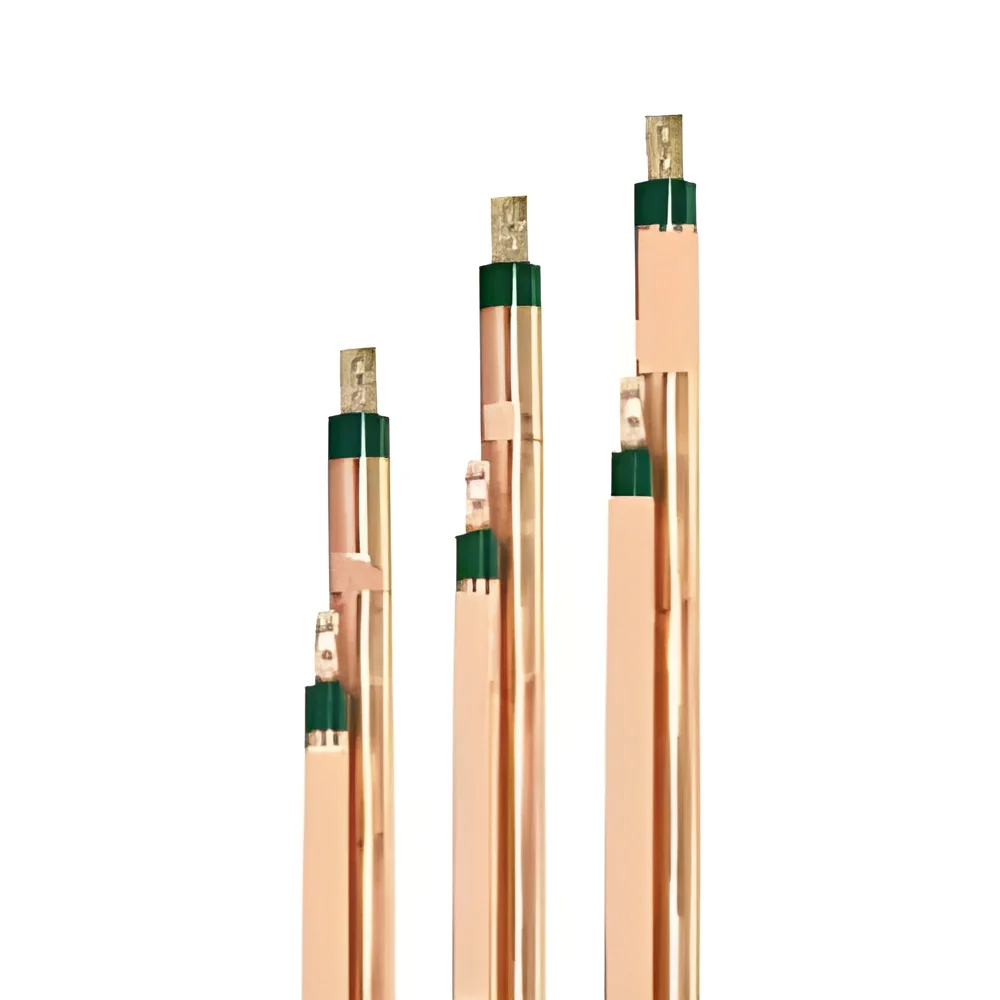
What are Earthing Rods & Electrodes?
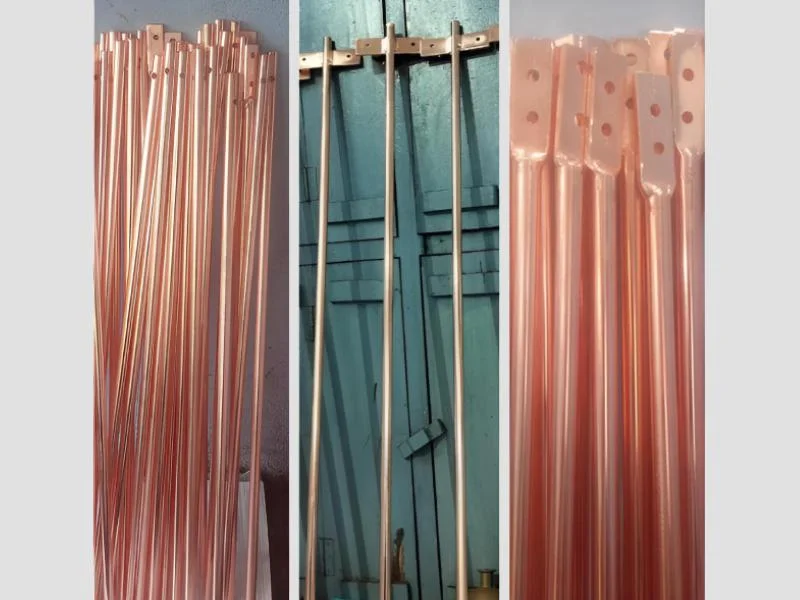
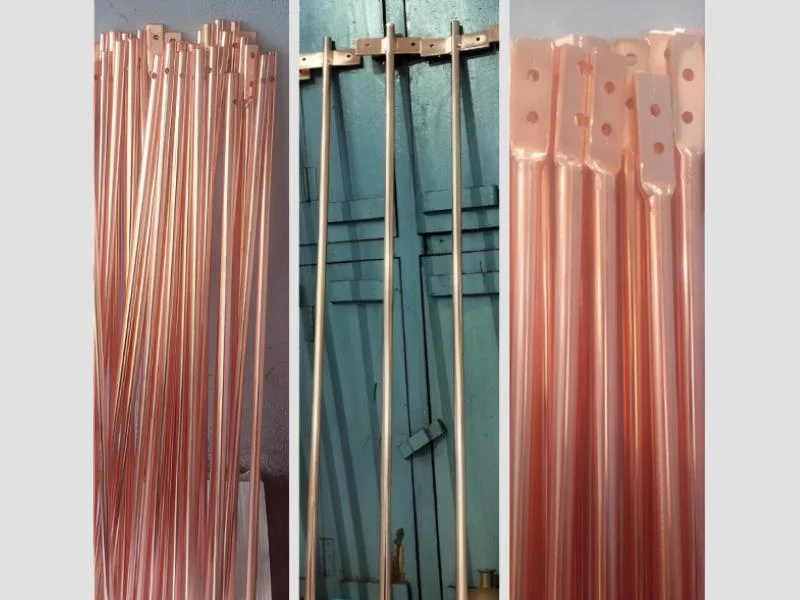
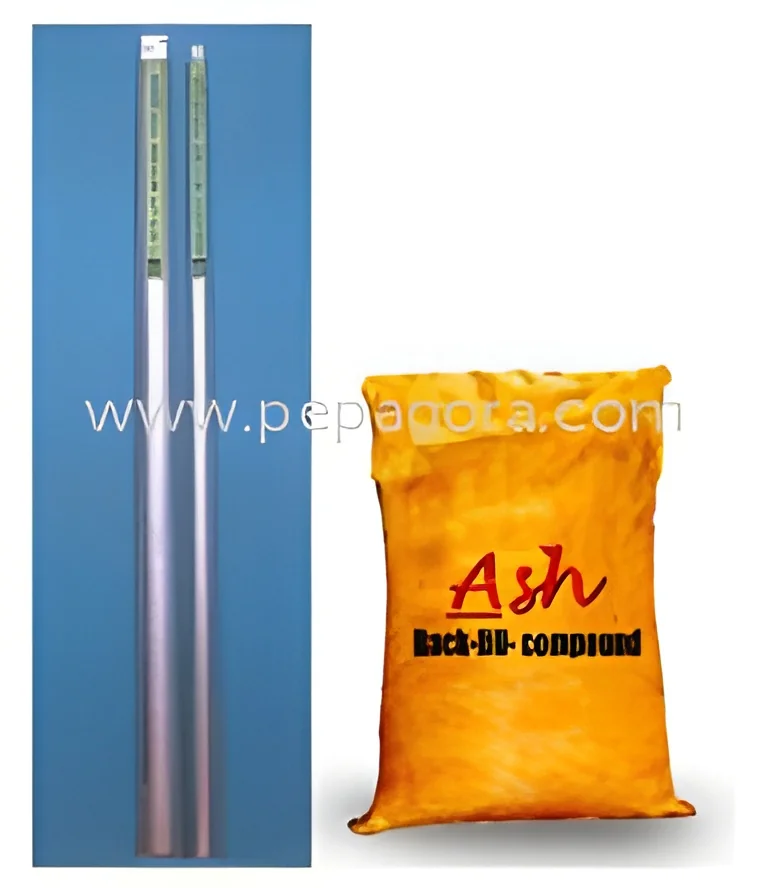
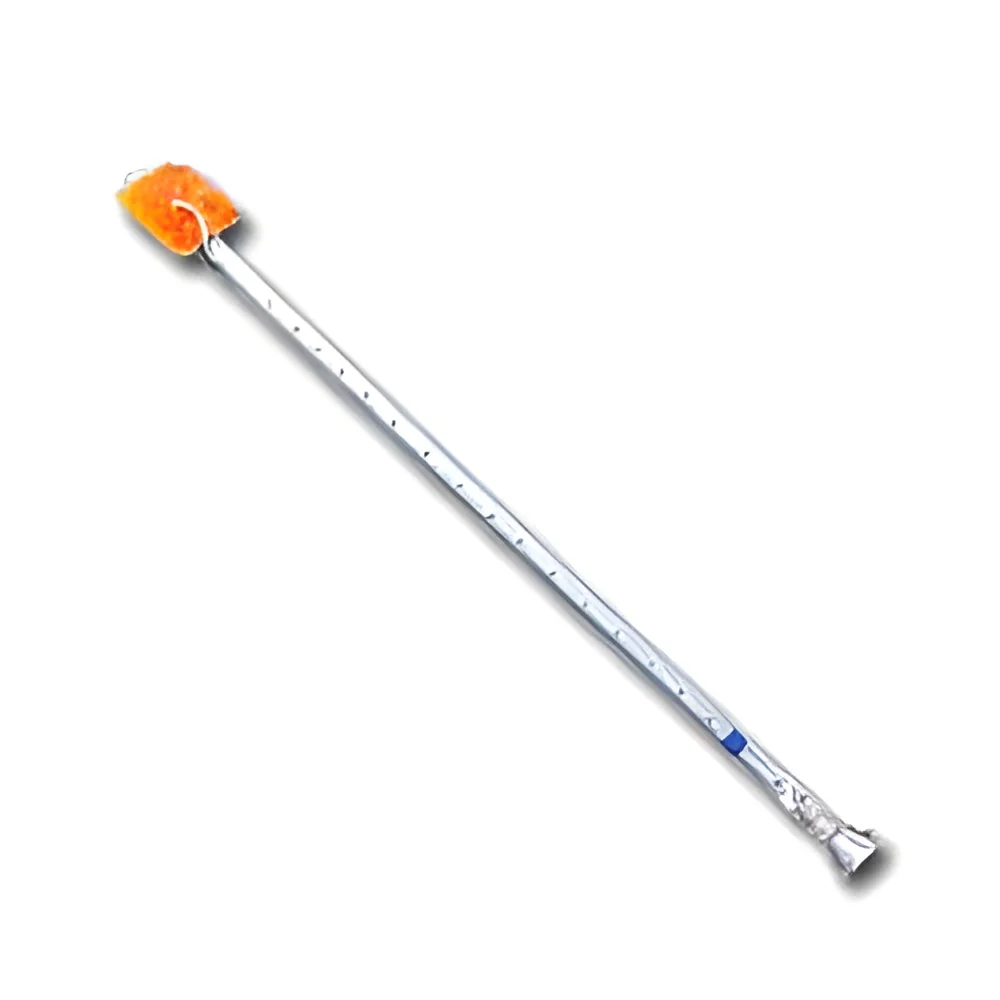
Earthing rods and electrodes are critical components in electrical systems, designed to provide a safe path for electrical currents to dissipate into the ground. These products are typically made from conductive materials such as copper or galvanized steel, ensuring efficient grounding. By connecting electrical systems to the earth, they help protect equipment from voltage surges and ensure safety for personnel.
The primary uses of earthing rods and electrodes span a variety of industries, including construction, telecommunications, and manufacturing. They are essential for safeguarding electrical installations and sensitive electronic equipment. Businesses utilize these grounding solutions to comply with safety regulations, enhance system reliability, and minimize the risk of electrical accidents. As industries increasingly rely on advanced technology, the demand for effective grounding solutions continues to grow, making earthing rods and electrodes a vital aspect of modern electrical infrastructure.
In today's market, the relevance of earthing rods and electrodes cannot be overstated. With the rise of industrial automation and the expansion of electrical networks, the need for effective grounding systems has become paramount. As a result, various manufacturers are continually innovating to meet industry standards and provide high-quality grounding solutions.
Key Features and Specifications
Earthing rods and electrodes come with a range of features and specifications that cater to various applications. Understanding these specifications is crucial for selecting the right product for specific needs.
Key specifications include:
1. Material Composition
- Common materials include copper and galvanized steel.
- Copper electrodes offer high conductivity, while galvanized steel provides corrosion resistance.
2. Length Variations
- Standard lengths typically range from 1.2 to 3 meters.
- Longer rods may be required for specific soil conditions or depth requirements.
3. Diameter
- Common diameters range from 10 mm to 25 mm.
- A larger diameter can improve grounding effectiveness.
4. Resistance Value
- The maximum resistance value is often specified below 5 ohms.
- Lower resistance values are preferable for effective grounding.
5. Corrosion Resistance
- Coatings or treatments are applied to enhance longevity.
- Options include hot-dip galvanization or specialized coatings.
6. Electrical Conductivity
- High conductivity materials ensure efficient grounding.
- Conductivity is measured in siemens per meter.
7. Compliance Standards
- Products may comply with industry standards such as IEC 62561.
- Certifications ensure quality and reliability.
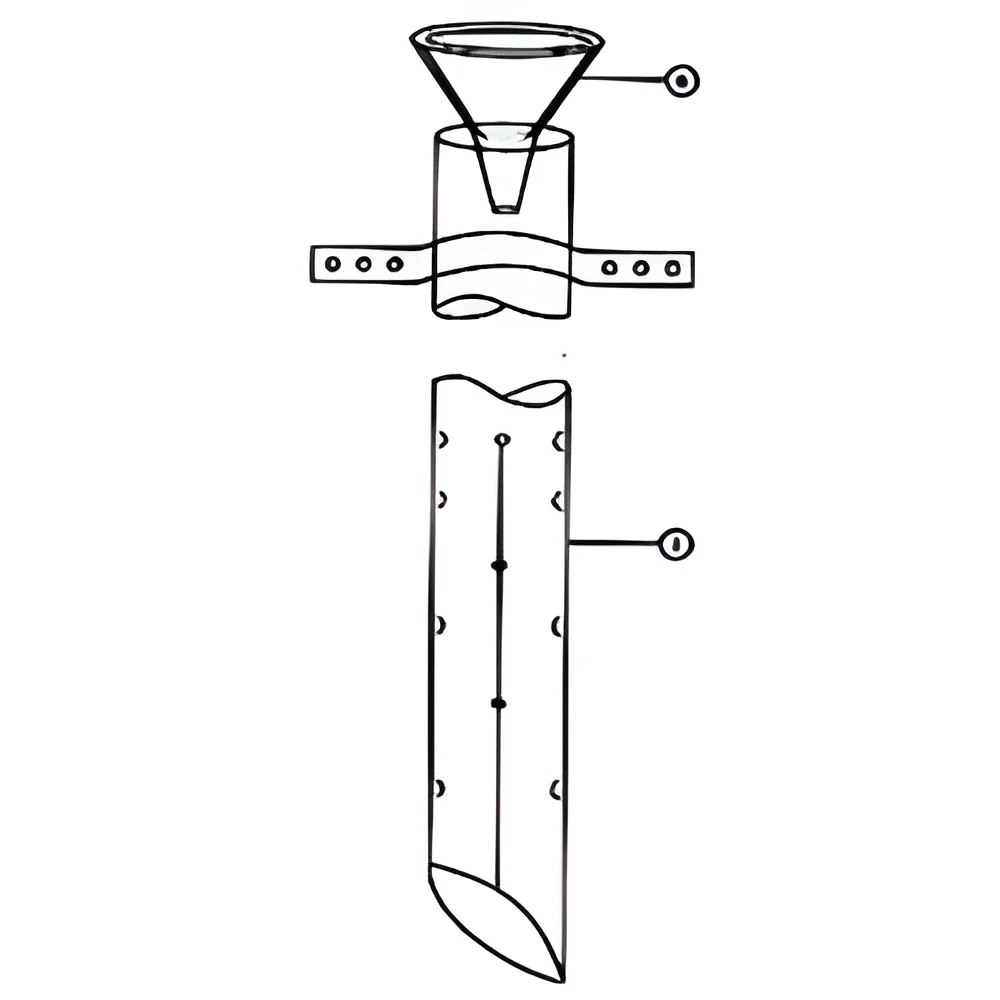
8. Installation Method
- Various installation options include driven rods or buried plates.
- Choosing the right method depends on site conditions.
In summary, selecting the appropriate earthing rod or electrode involves understanding its key features and specifications. These details ensure compatibility with specific applications and compliance with safety standards.
Common Applications and Use Cases
Earthing rods and electrodes find applications across numerous industries, providing essential safety and reliability.
1. Construction: In the construction sector, earthing rods are used to ground temporary power supplies and equipment, ensuring worker safety during building projects.
2. Telecommunications: Telecom towers rely on effective grounding to protect sensitive electronic equipment from lightning strikes and power surges.
3. Manufacturing: Factories utilize grounding systems to protect machinery and electrical installations, preventing damage from electrical faults.
4. Renewable Energy: Solar and wind energy systems require reliable grounding solutions to ensure operational safety and efficiency.
5. Data Centers: Grounding is crucial in data centers to protect servers and sensitive equipment from electrical interference and surges.
6. Transportation: Railways and airports use grounding systems to ensure safety for electrical installations and communication systems.
7. Agriculture: Grounding systems are employed to protect electrical equipment used in irrigation and other agricultural technologies.
Product Variants and Subcategories
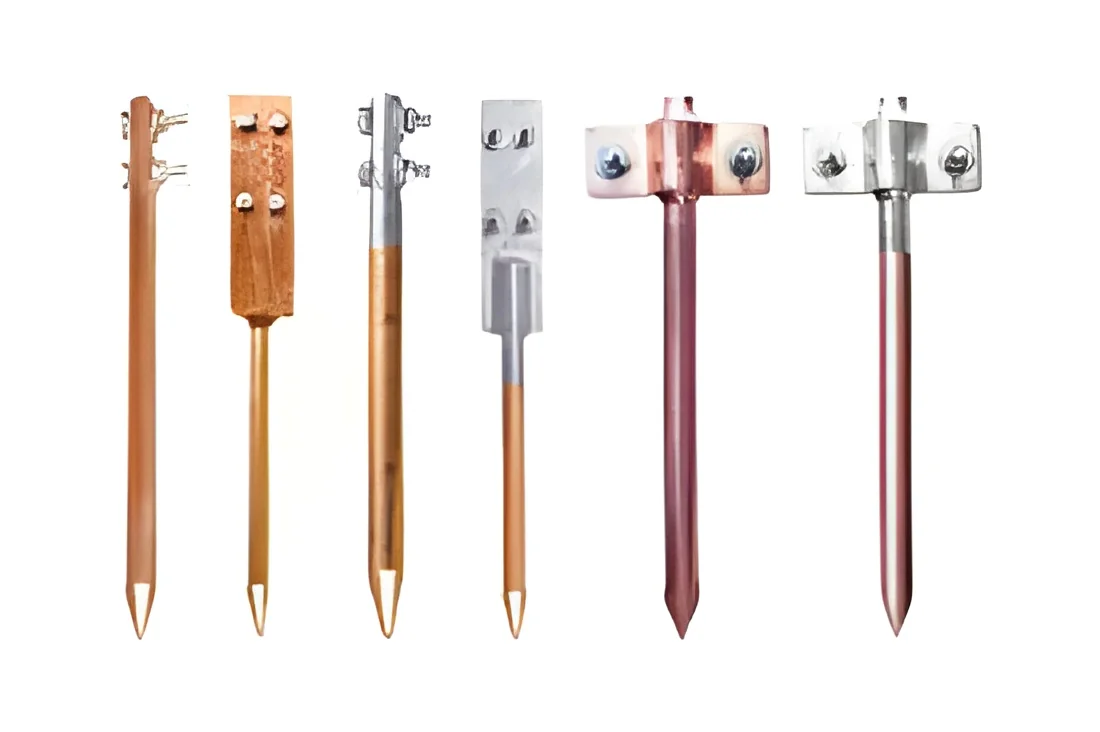
Earthing rods and electrodes come in various configurations to meet different needs. This diversity allows businesses to choose the most suitable product for their specific applications.
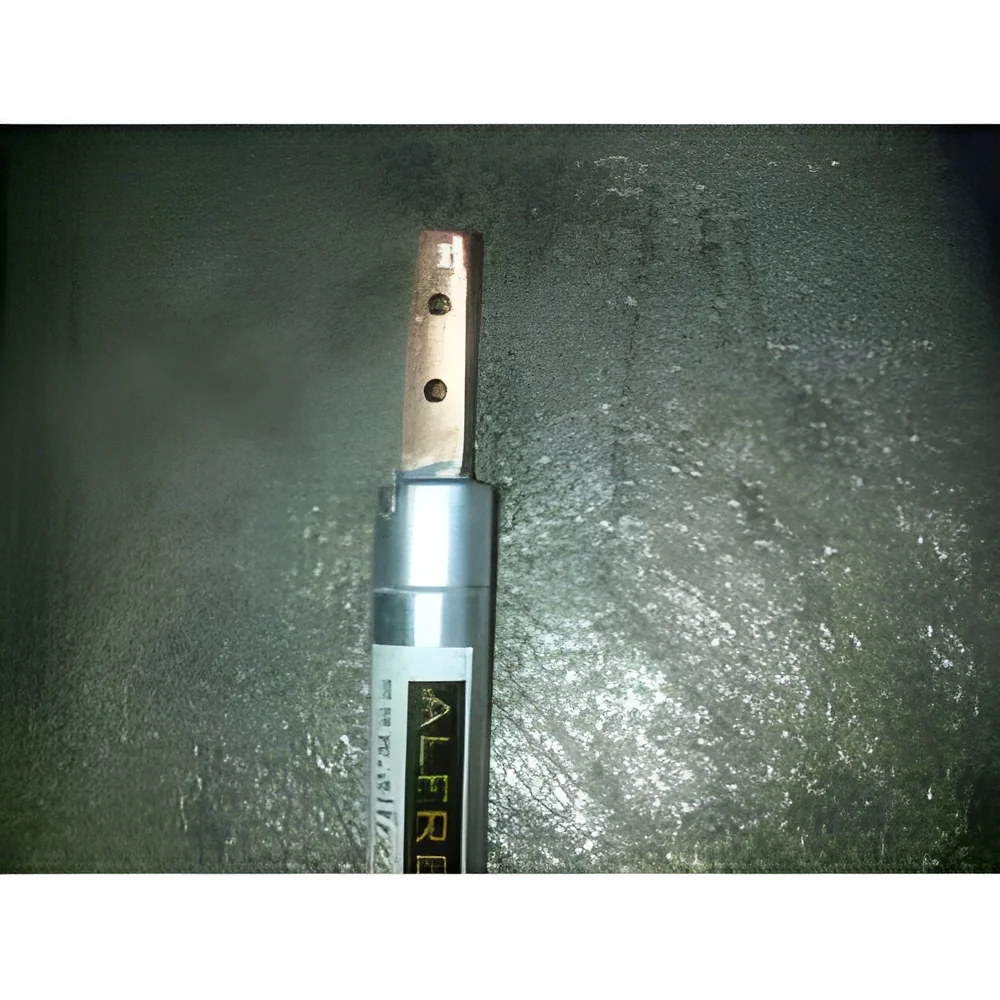
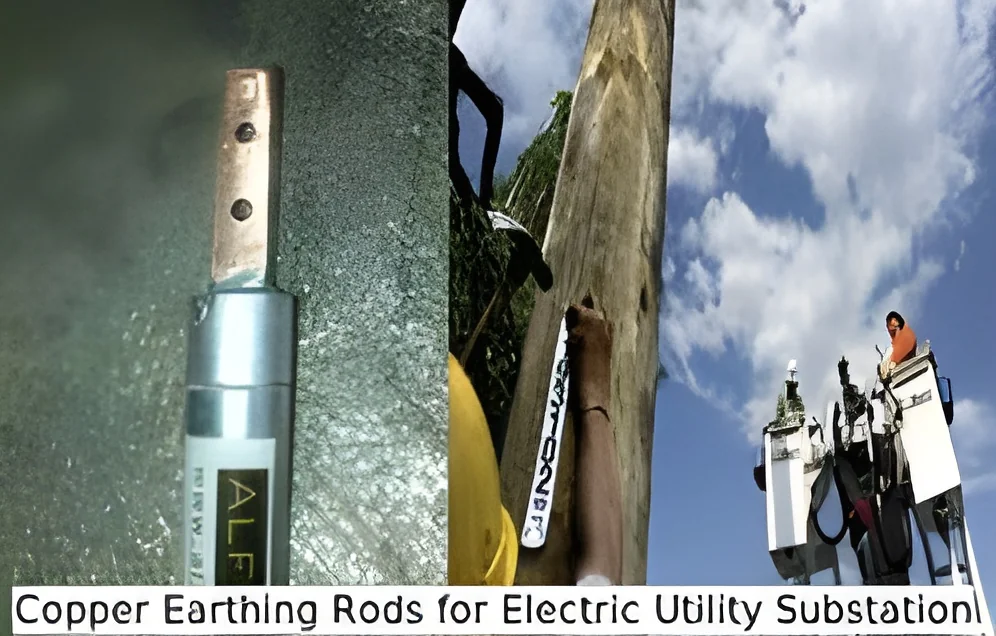
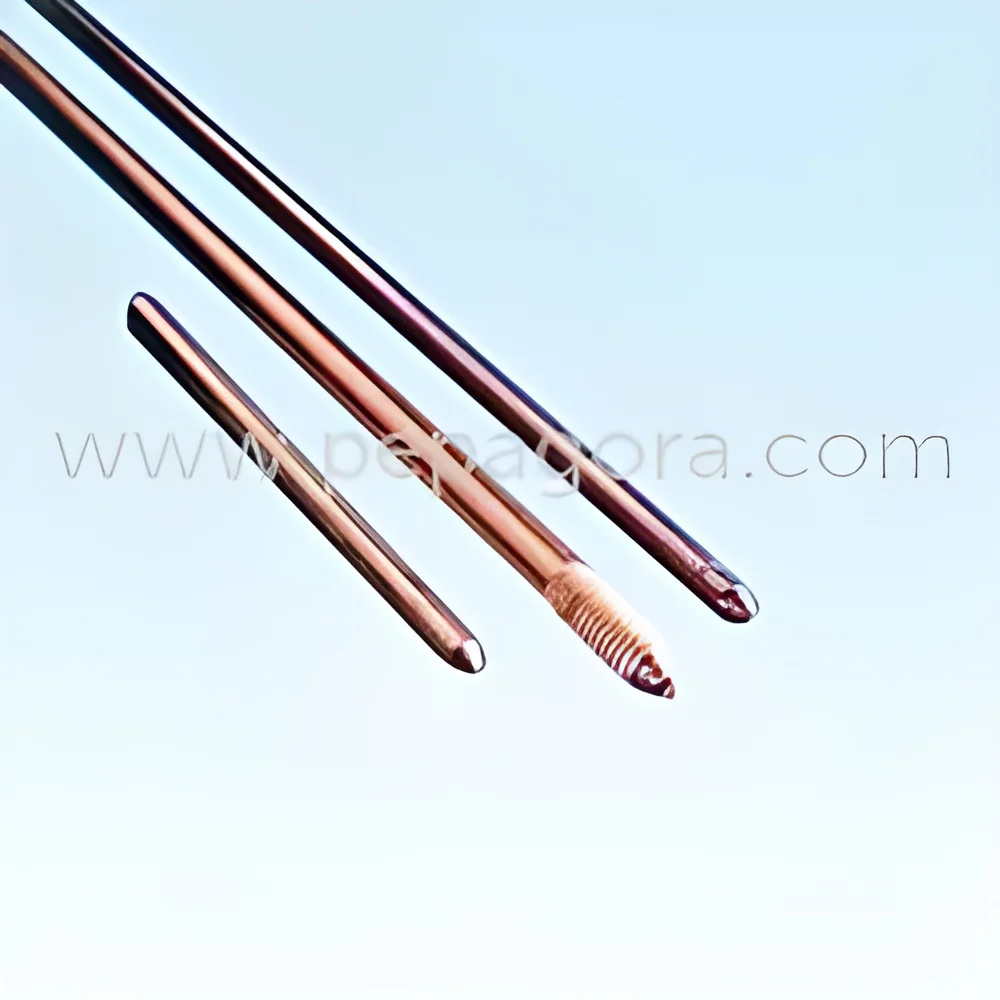
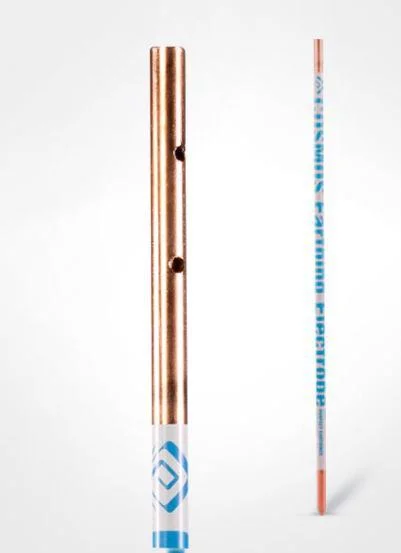
Copper Earthing Rods
These rods are made of high-conductivity copper, providing excellent electrical performance. They are typically used in high-end applications where efficiency is critical.
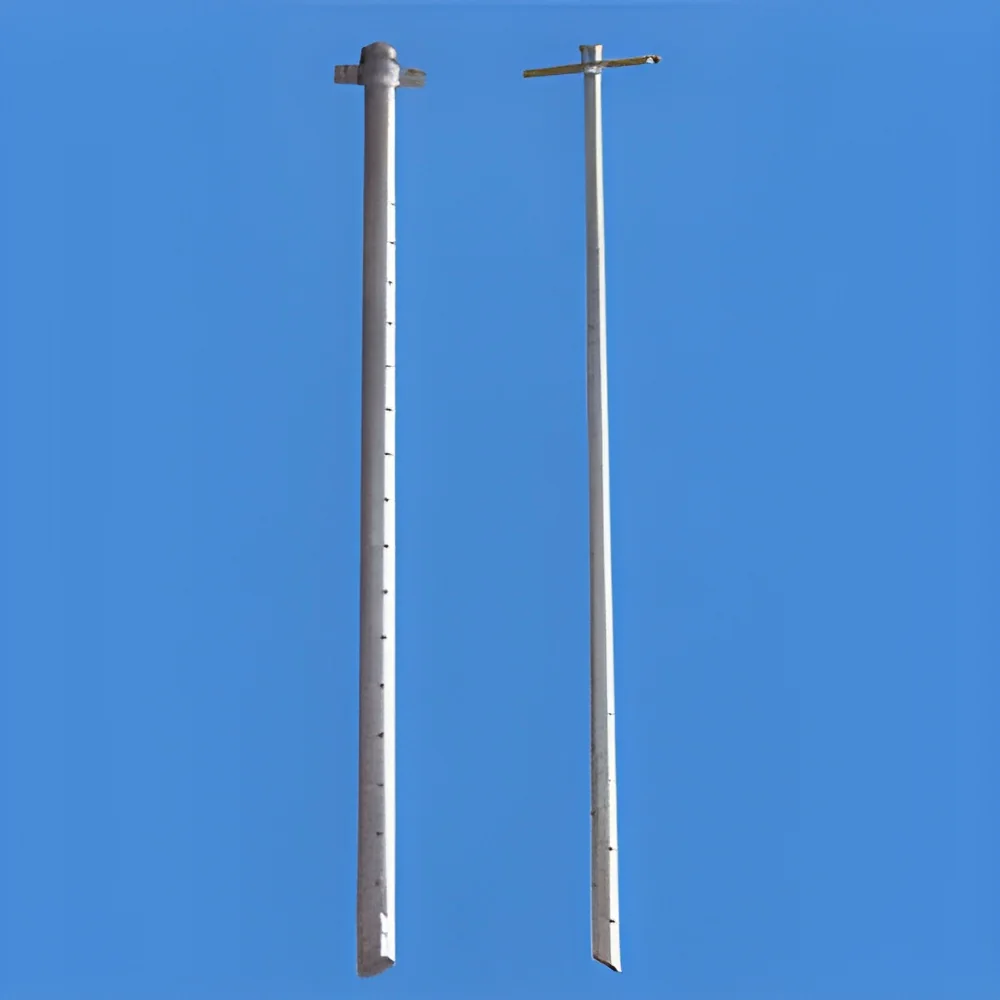
Galvanized Steel Earthing Rods
Constructed from galvanized steel, these rods offer enhanced durability and corrosion resistance. They are ideal for outdoor applications and areas with high moisture levels.
Copper-Bonded Steel Rods
These rods feature a steel core with a copper outer layer. They combine the strength of steel with the conductivity of copper, making them suitable for a wide range of applications.
Solid Copper Rods
Solid copper rods are used in applications where maximum conductivity is required. They are often utilized in critical installations where grounding effectiveness is paramount.
Benefits and Advantages
The use of earthing rods and electrodes brings several advantages to businesses.
1. Enhanced Safety: Grounding systems significantly reduce the risk of electrical shock and equipment damage, ensuring a safer working environment.
2. Equipment Protection: Effective grounding protects sensitive electronic devices from voltage spikes and surges, prolonging their lifespan and reducing repair costs.
3. Compliance with Regulations: Utilizing quality earthing solutions helps businesses meet safety and electrical codes, reducing the risk of legal issues and fines.
4. Improved System Reliability: Reliable grounding systems enhance the stability of electrical installations, minimizing disruptions and downtime.
5. Increased Efficiency: Well-grounded systems improve overall electrical performance, leading to better energy utilization and cost savings.
6. Versatile Applications: Earthing rods and electrodes can be used in various settings, making them adaptable to different industry needs.
Buying Guide for B2B Buyers
When considering the procurement of earthing rods and electrodes, several key factors should be taken into account.
1. Quality Assessment: Evaluate the materials used and the manufacturing processes. High-quality materials ensure durability and reliability in various conditions.
2. Supplier Verification: Conduct thorough background checks on suppliers to ensure they have a good reputation and comply with industry standards.
3. Pricing and MOQ: Understand the pricing structure and minimum order quantities. Comparing quotes from different suppliers can help in making cost-effective decisions.
4. Delivery and Lead Times: Discuss delivery schedules and lead times with suppliers to ensure timely acquisition of products for projects.
5. Compliance Requirements: Verify that the products meet relevant safety and quality standards. Compliance with regulations is essential for operational safety.
Compliance and Certifications
Compliance and certifications play a crucial role in ensuring the quality and safety of earthing rods and electrodes. Relevant quality standards such as ISO 9001 guarantee that manufacturers adhere to strict quality management systems. This certification is essential for maintaining product consistency and reliability.
Additionally, industry certifications like CE signify that the products meet European safety standards, ensuring they are safe for use in various applications. Safety and testing requirements must be met to prevent failures in grounding systems, which could lead to serious accidents or equipment damage.
Regional compliance considerations vary, as different regions may have specific regulations regarding electrical installations. Buyers should ensure that the products sourced comply with local laws and guidelines, which can vary significantly from one location to another.
Why Source Earthing Rods & Electrodes from Pepagora?
Pepagora provides a trusted platform for sourcing earthing rods and electrodes, offering several key advantages to B2B buyers.
Verified Supplier Network: Pepagora connects buyers with a network of verified suppliers, ensuring that all products meet industry standards and quality expectations. This verification process adds an extra layer of confidence for buyers.
Streamlined RFQ Process: The platform simplifies the request for quotation (RFQ) process, allowing buyers to easily compare prices and specifications from multiple suppliers. This efficiency saves time and aids in informed decision-making.
Trade Assurance and Support: Pepagora offers trade assurance programs that protect buyers throughout the purchasing process. This includes support for resolving disputes and ensuring product quality as per the agreed specifications.
Regional Coverage: With a strong presence in India, the GCC, and Southeast Asia, Pepagora provides extensive regional coverage. This geographic reach allows buyers to access a diverse range of products and suppliers suited to their local needs.
By choosing Pepagora, businesses can confidently source high-quality earthing rods and electrodes that meet their operational requirements while benefiting from a reliable and efficient purchasing process.

 IN
IN