What are Fire-Resistant & Flame Retardant Cables?
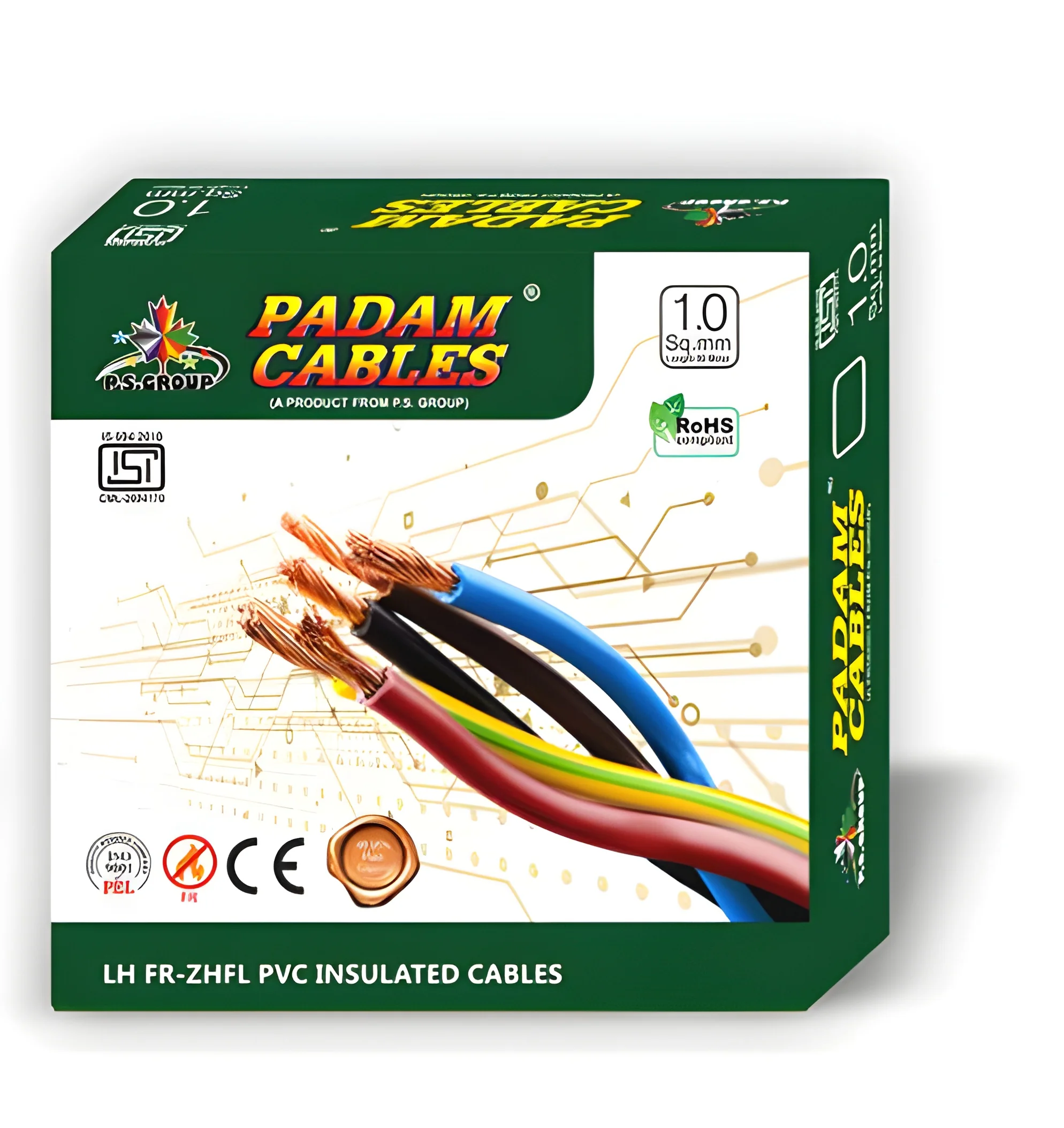
Fire-resistant and flame retardant cables are specially designed electrical cables that can withstand high temperatures and resist ignition. These cables are constructed using materials that do not easily ignite and can maintain their integrity during a fire. This makes them essential for safety in environments where fire hazards are a concern.
These cables are widely utilized in various industries including construction, manufacturing, and transportation. They are crucial in applications such as emergency lighting, fire alarms, and other critical systems where the risk of fire is significant. The ability to remain functional during a fire incident can be vital for safety and operational continuity, making these cables highly relevant in today’s safety-conscious market.
The demand for fire-resistant and flame retardant cables is growing as industries prioritize safety and regulatory compliance. With increasing awareness of fire hazards and stricter regulations, businesses are seeking reliable cable solutions that not only protect infrastructure but also ensure the safety of personnel.
Key Features and Specifications
Fire-resistant and flame retardant cables come with several important features that enhance their performance and safety. These specifications ensure that they meet industry standards and provide reliable operation in high-risk environments.
Key specifications include:
1. Fire Resistance Rating
- Indicates how long the cable can withstand fire exposure.
- Typically rated in minutes, such as 30, 60, or 90 minutes.
2. Temperature Range
- Specifies the operational temperature limits.
- Generally ranges from -20°C to 90°C, depending on the cable type.
3. Insulation Material
- Made from thermoset or thermoplastic materials.
- Common materials include PVC, LSZH, and XLPE.
4. Voltage Rating
- Defines the maximum voltage the cable can handle safely.
- Common ratings include 300/500V and 450/750V.
5. Conductor Material
- Usually made from copper or aluminum.
- Copper is preferred for its excellent conductivity and flexibility.
6. Compliance Standards
- Must adhere to international standards such as IEC 60332.
- Ensures that cables meet specific safety and performance criteria.
7. Length Options
- Available in various lengths to accommodate different installations.
- Custom lengths may also be available upon request.
8. Flame Retardant Properties
- Resistance to flame propagation and reduced smoke emission.
- Important for enhancing safety in enclosed spaces.
In summary, understanding the key features and specifications of fire-resistant and flame retardant cables is crucial for selecting the right products for safety-sensitive applications.
Common Applications and Use Cases
Fire-resistant and flame retardant cables find use in numerous industries, ensuring safety and compliance with fire regulations.
1. Construction: These cables are used for wiring in buildings, particularly in emergency systems such as fire alarms and sprinkler systems.
2. Manufacturing: In factories, these cables support machinery and equipment that may be exposed to high temperatures, ensuring operational safety.
3. Transportation: Used in vehicles and trains, these cables help maintain critical electrical functions in the event of a fire.
4. Marine: On ships, fire-resistant cables are essential for safety systems, ensuring that alarms and emergency communications remain operational.
5. Oil and Gas: In exploration and production facilities, these cables are vital for monitoring and control systems in hazardous environments.
6. Power Generation: Used in power plants to connect equipment and systems that require high safety standards.
7. Telecommunications: These cables help maintain communication systems during emergencies, thereby protecting personnel and assets.
Product Variants and Subcategories
Fire-resistant and flame retardant cables come in various forms to suit different applications and environments. Each variant is designed to meet specific needs in terms of performance and safety.
Variant 1: Low Smoke Zero Halogen (LSZH) Cables
LSZH cables are designed to emit minimal smoke and no halogen gas when exposed to fire. They are ideal for use in enclosed spaces such as offices and public buildings, where smoke can pose a significant risk.
Variant 2: XLPE Insulated Cables
These cables feature cross-linked polyethylene insulation, providing excellent thermal stability and fire resistance. They are suitable for both indoor and outdoor installations, making them versatile for various applications.
Variant 3: PVC Insulated Cables
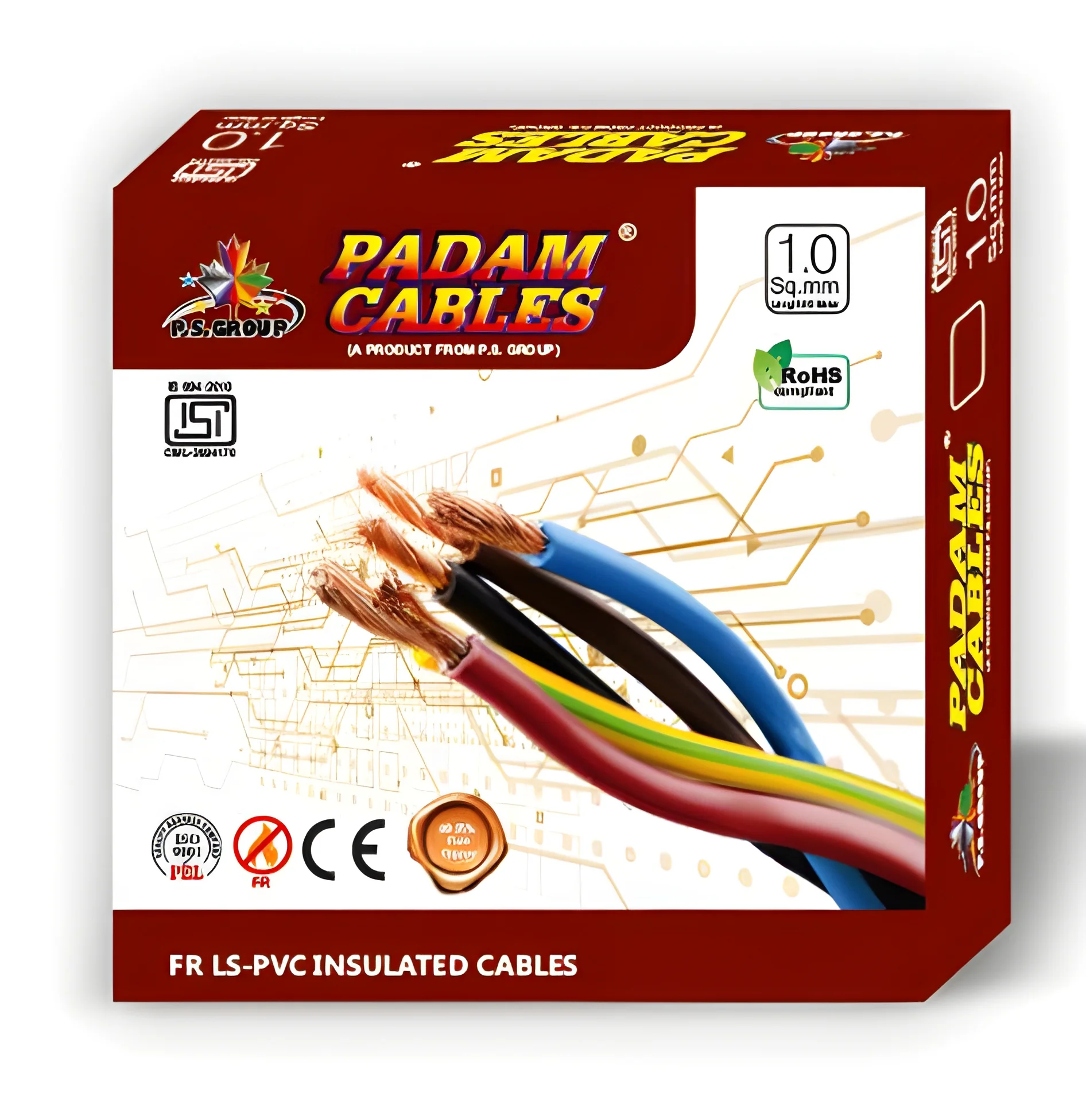
PVC cables are commonly used due to their flexibility and resistance to moisture. They are suitable for general wiring applications in building construction and industrial settings.
Benefits and Advantages
Fire-resistant and flame retardant cables offer numerous advantages that make them an essential choice for various industries.
1. Enhanced Safety: These cables significantly reduce the risk of fire-related incidents, protecting both personnel and property.
2. Regulatory Compliance: Utilizing these cables helps businesses meet fire safety regulations, avoiding potential legal issues and fines.
3. Operational Continuity: By maintaining functionality during a fire, these cables ensure critical systems remain operational, supporting emergency response efforts.
4. Versatility: Available in various types and specifications, they can be tailored to meet specific requirements across different applications.
5. Cost-Effectiveness: Investing in fire-resistant cables can prevent costly damage and liabilities associated with fire incidents.
6. Long-Term Reliability: These cables are engineered for durability, providing peace of mind through their extended lifespan and reliability in critical situations.
Buying Guide for B2B Buyers
When sourcing fire-resistant and flame retardant cables, it is essential for B2B buyers to consider several factors to ensure they select the right products.
1. Quality Assessment: Evaluate the quality of materials and construction. Look for cables that meet recognized standards and certifications to ensure reliability.
2. Supplier Verification: Vet suppliers for their reputation and reliability. Check for reviews, certifications, and their history in providing fire safety solutions.
3. Pricing and MOQ: Understand the pricing structure and minimum order quantities. Negotiate terms that align with your budget and project requirements.
4. Delivery and Lead Times: Factor in logistics when sourcing cables. Ensure suppliers can meet your delivery timelines to avoid project delays.
5. Compliance Requirements: Confirm that the cables meet local and international regulatory standards. This may include certifications like CE and adherence to safety guidelines.
Compliance and Certifications
Fire-resistant and flame retardant cables must adhere to various quality standards to ensure their effectiveness in safety applications. Compliance with ISO 9001 guarantees that manufacturers follow quality management principles, ensuring product consistency and reliability.
Additionally, these cables often carry industry certifications such as CE, indicating they meet European health, safety, and environmental protection standards. These certifications are critical for maintaining market trust and ensuring compliance in installations.
Safety and testing requirements are also paramount. Many cables undergo rigorous testing for fire resistance, smoke emission, and toxicity levels to meet stringent safety codes. Regional compliance considerations are vital, as different regions may have specific regulations governing the use and installation of such cables.
Why Source Fire-Resistant & Flame Retardant Cables from Pepagora?
Pepagora offers a trusted platform for sourcing fire-resistant and flame retardant cables, providing several key advantages for B2B buyers.
Verified Supplier Network: Pepagora connects buyers with a network of verified suppliers. Each supplier is vetted for quality, reliability, and compliance with industry standards, ensuring a safe purchasing environment.
Streamlined RFQ Process: The request for quotation (RFQ) process is designed to be efficient, allowing buyers to receive competitive quotes quickly from multiple suppliers. This helps in making informed decisions based on pricing and availability.
Trade Assurance and Support: Buyers can benefit from trade assurance policies that protect their investments. Pepagora also offers dedicated support to assist buyers throughout the sourcing process.
Regional Coverage: With a strong presence in India, the GCC, and Southeast Asia, Pepagora ensures that buyers have access to a wide range of fire-resistant and flame retardant cables tailored to meet local requirements and preferences.

 IN
IN