IN
IN₹
Apparel & Fashion
Description
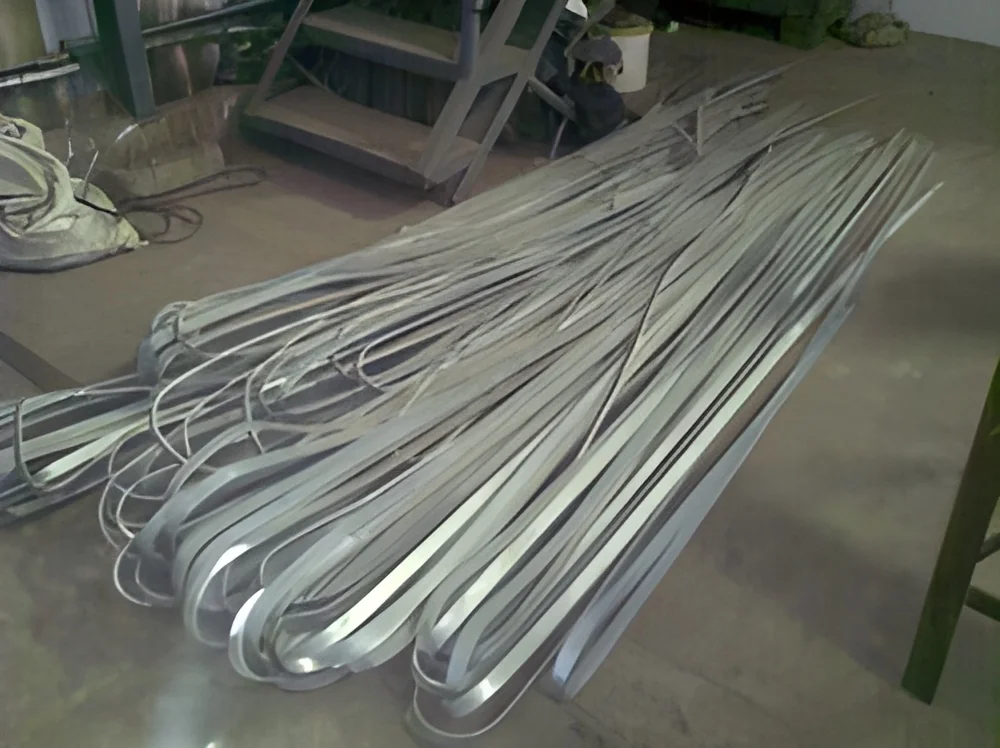
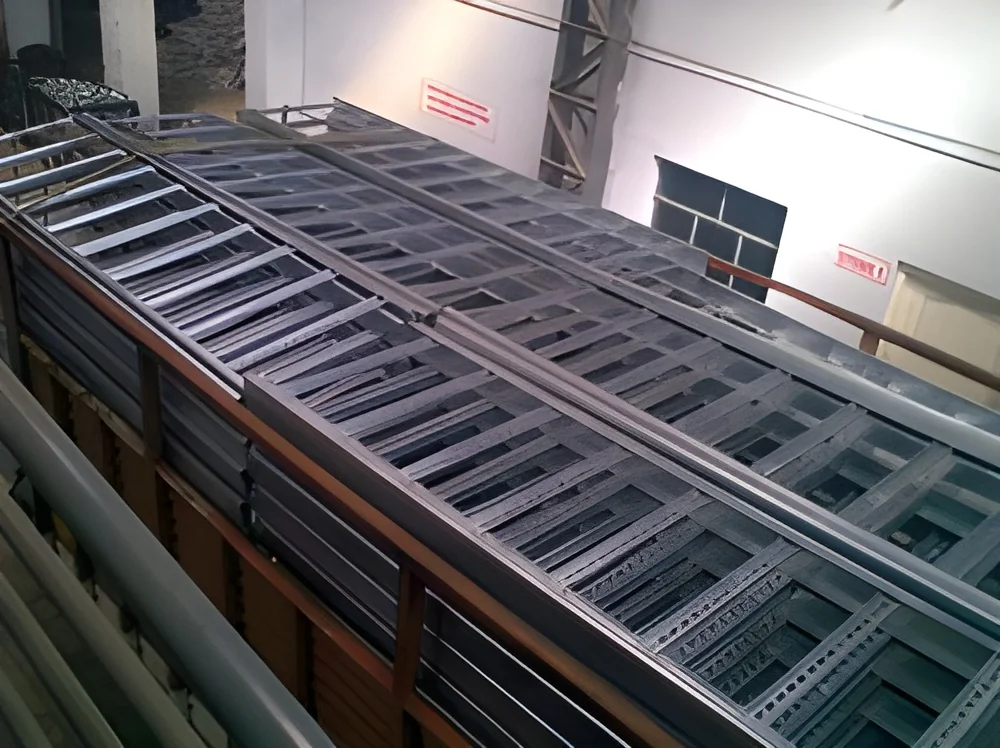
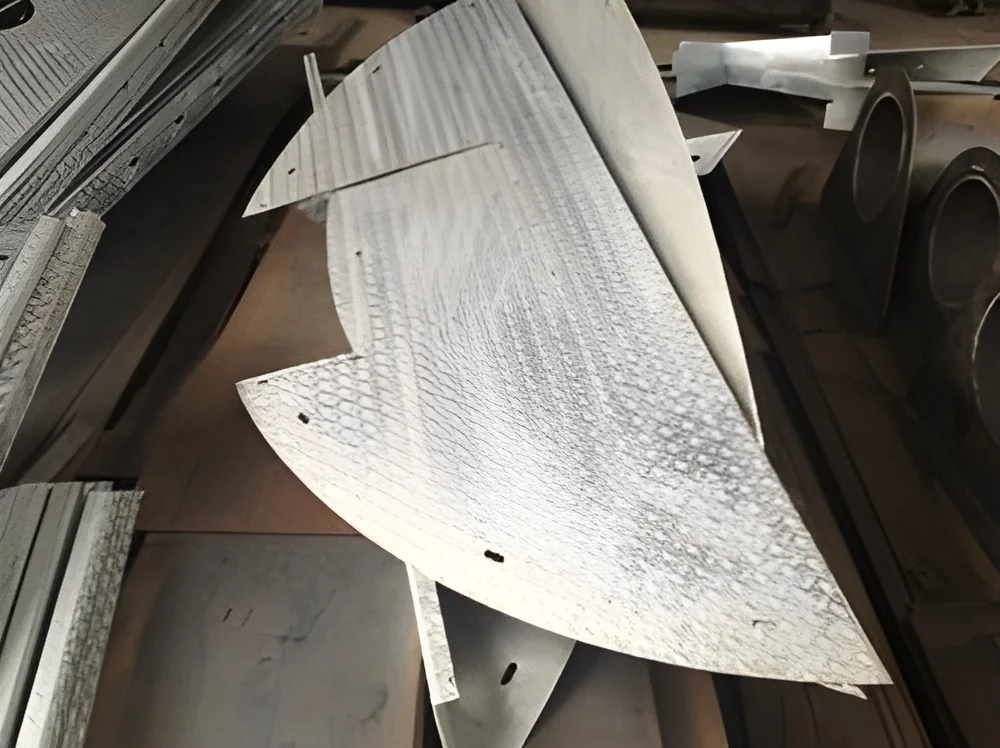
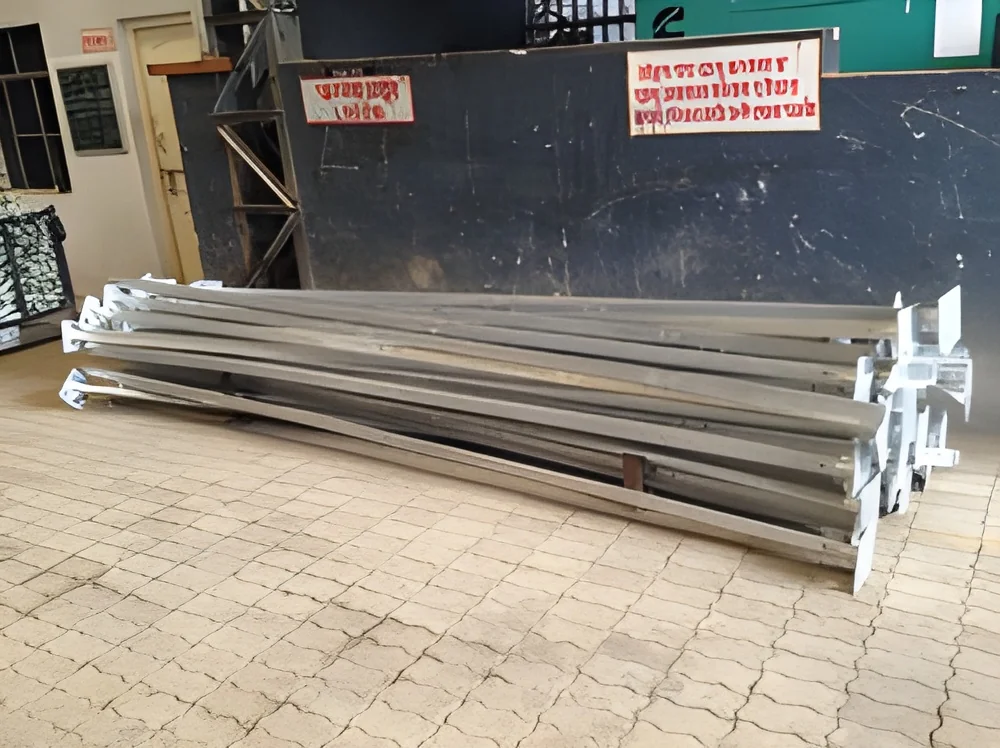
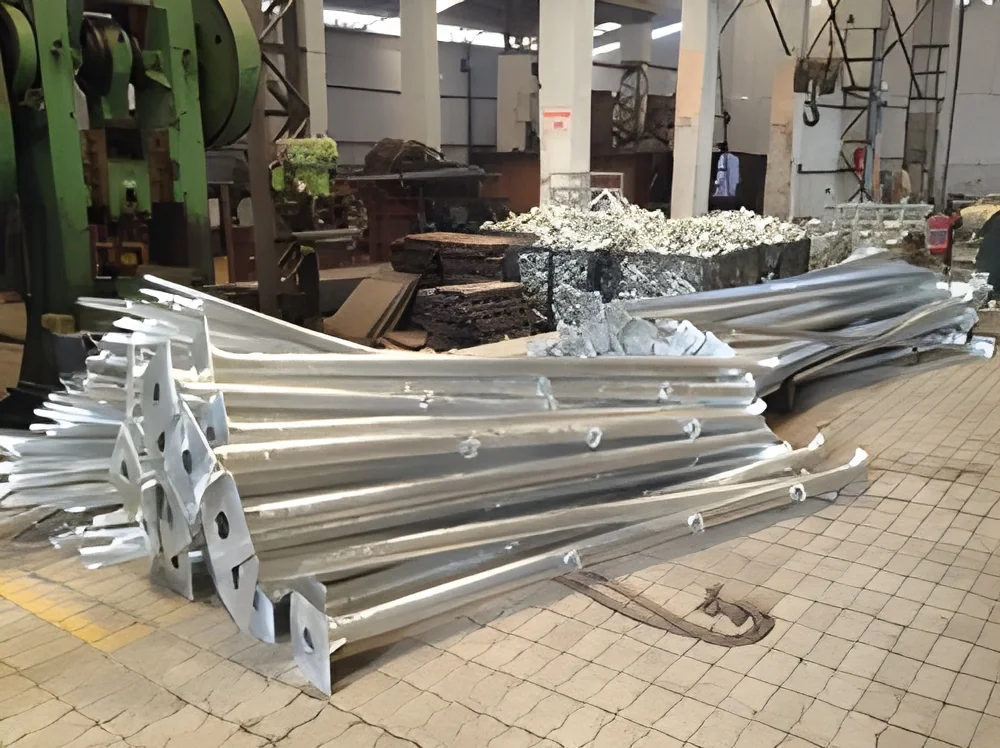
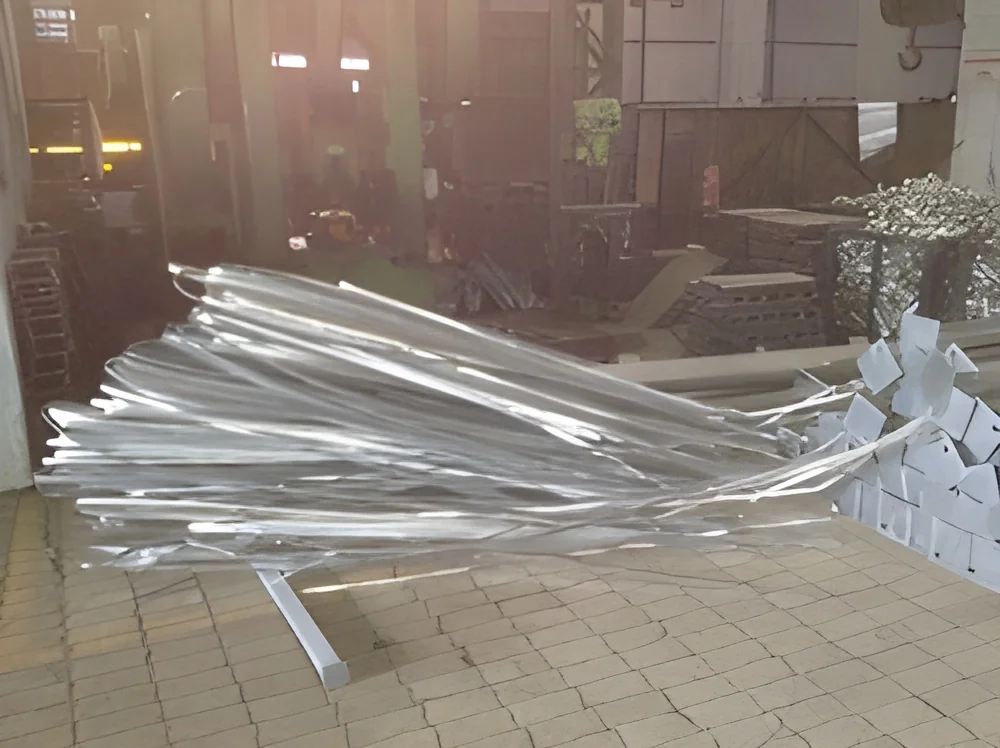
Industrial earthing flat strips are fundamental safety components designed to protect electrical systems, infrastructure, and personnel by providing a reliable, low-resistance path to ground. Manufactured from high-conductivity copper with superior corrosion resistance, these strips ensure efficient dissipation of fault currents, lightning strikes, and static electricity. Their robust, flat-profile construction facilitates secure connections and withstands harsh environmental conditions, offering a durable and long-lasting grounding solution. Available to meet various project specifications, they are engineered for straightforward installation and are built to comply with stringent international electrical safety standards, delivering peace of mind for critical installations.

These grounding strips are indispensable across a wide spectrum of heavy industries. Power generation and distribution utilities rely on them for creating extensive grounding mats in substations and along transmi...
Industrial earthing flat strips are fundamental safety components designed to protect electrical systems, infrastructure, and personnel by providing a reliable, low-resistance path to ground. Manufactured from high-conductivity copper with superior corrosion resistance, these strips ensure efficient dissipation of fault currents, lightning strikes, and static electricity. Their robust, flat-profile construction facilitates secure connections and withstands harsh environmental conditions, offering a durable and long-lasting grounding solution. Available to meet various project specifications, they are engineered for straightforward installation and are built to comply with stringent international electrical safety standards, delivering peace of mind for critical installations.

These grounding strips are indispensable across a wide spectrum of heavy industries. Power generation and distribution utilities rely on them for creating extensive grounding mats in substations and along transmission lines. The telecommunications sector uses them to earth towers and shelter equipment, preventing damage from surges. In manufacturing, they are essential for grounding industrial machinery, control systems, and automation lines to ensure safe operation. Furthermore, they are integral to the construction of data centers, oil and gas facilities, and renewable energy projects like solar and wind farms, where system uptime and safety are paramount.

Choosing these earthing strips translates to investing in operational safety, system reliability, and long-term value. Their proven reliability minimizes the risk of equipment failure and costly downtime caused by electrical faults. The corrosion-resistant copper construction ensures consistent performance over decades with minimal maintenance, reducing the total cost of ownership. By providing a predictable and compliant grounding path, they help organizations meet safety regulations, protect their assets, and ensure the continuous, safe operation of their electrical infrastructure, which is a critical business advantage.

Key Features:
- Constructed from high-conductivity copper for optimal electrical performance and current dissipation.
- Engineered with corrosion-resistant properties to ensure longevity in diverse and challenging environments.
- Available in custom lengths and specifications to fit precise project requirements and layout designs.
- Manufactured to comply with relevant international standards for electrical safety and grounding.
- Features a robust, flat-strip design that allows for strong, permanent mechanical and electrical connections.

Benefits:
- Enhances safety by reliably channeling fault currents and lightning strikes away from personnel and equipment.
- Delivers long-term reliability and consistent performance, reducing the need for frequent maintenance or replacement.
- Offers installation flexibility with customizable sizing, ensuring a perfect fit for specific site layouts and needs.
- Provides assurance of compliance with essential electrical safety codes and industry regulations.
- Protects valuable electrical infrastructure and machinery, helping to prevent costly damage and operational disruptions.
Specifications
| Additional Information | |
|---|---|
| Country of Origin | India |
Application
Industrial earthing flat strips establish a secure, low-resistance path to the earth, safeguarding electrical systems from faults, surges, and lightning strikes. Their primary function is to channel dangerous currents safely away from critical infrastructure, protecting both expensive equipment and personnel from electrical hazards. This fundamental safety component is non-negotiable for operational integrity.
Engineered for durability, these flat conductors perform consistently in demanding environments, from outdoor substations to indoor industrial plants. Their design prioritizes long-term reliability with minimal maintenance, making them a cornerstone of electrical safety planning. The flat strip form factor allows for efficient installation and robust connections, ensuring a permanent and effective grounding solution across diverse applications.
- Establishing grounding grids for electrical substations and power distribution networks.
- Integrating into lightning protection systems for commercial buildings and industrial facilities.
- Providing equipment grounding and tower earthing for telecommunications infrastructure.
- Ensuring operational safety for machinery and control panels within manufacturing plants.
- Forming the grounding foundation for solar farms, wind turbines, and other renewable energy installations.
Trade Details
| Available Stock | In Stock |
| Sample Availability | No |
Payment Terms
| Payment Terms |
|
Company Profile

Bharati- AHS Powertech Private Limited, Maharashtra
 Maharashtra, India
Maharashtra, IndiaRaw Materials & Chemicals•Manufacturer•Distributor / Wholesaler
Factory Details
Factory SizeBelow 1000 sqm
Annual Production Capacity0
Main Markets
Domestic
Industrial Earthing Flat Strips Copper Corrosion Resistant Grounding
Industrial earthing flat strips made from corrosion-resistant high-conductivity copper for reliable electrical grounding in power systems, telecom, and manufacturing. Ensure safety and compliance.
Min. Order Quantity: 1 unit
Shipping
Shipping fee and delivery date to be negotiated. Contact supplier now for more details.
Bharati- AHS Powertech Private Limited
 Maharashtra, India
Maharashtra, IndiaRaw Materials & ChemicalsManufacturer