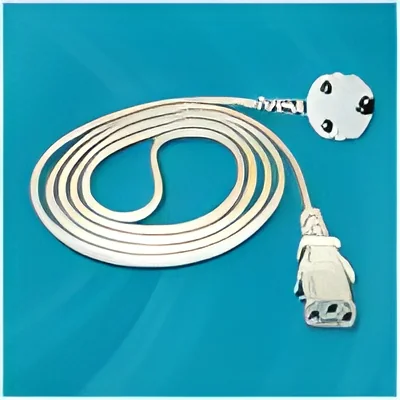
What are Electrical OEM Suppliers?
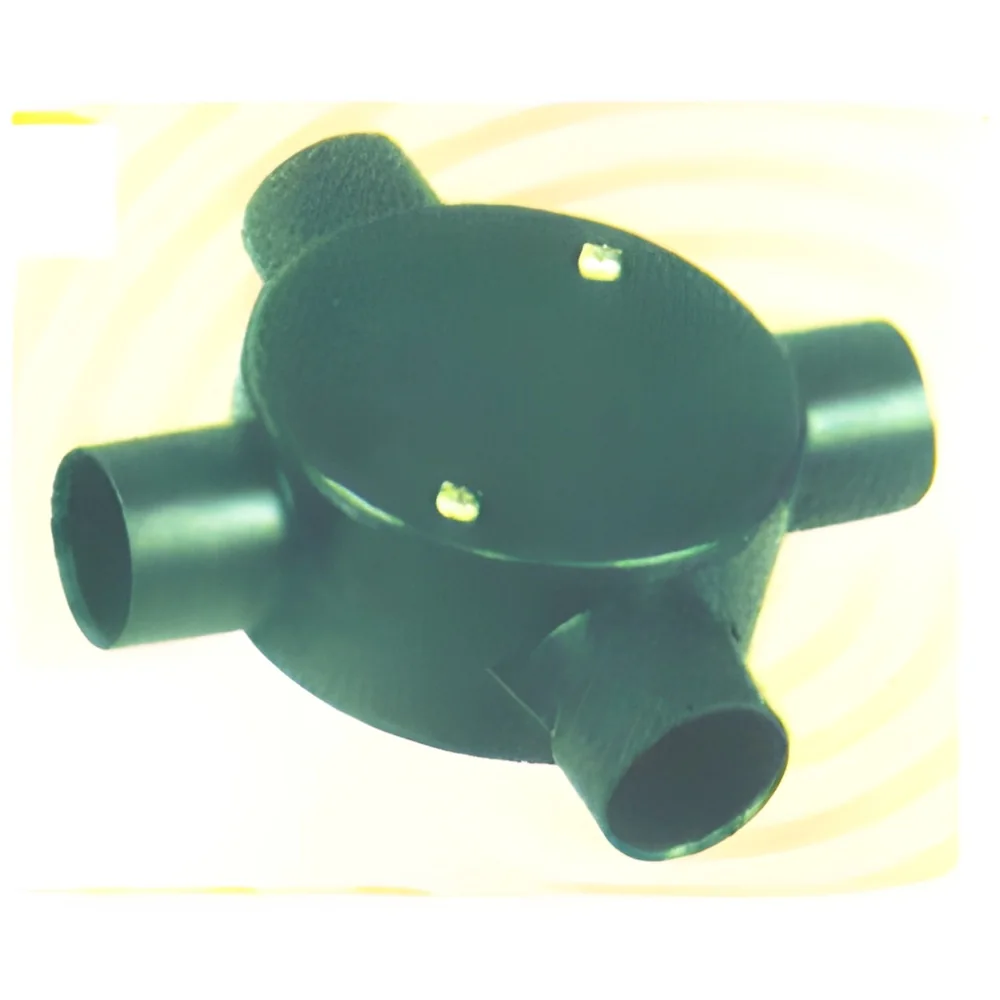
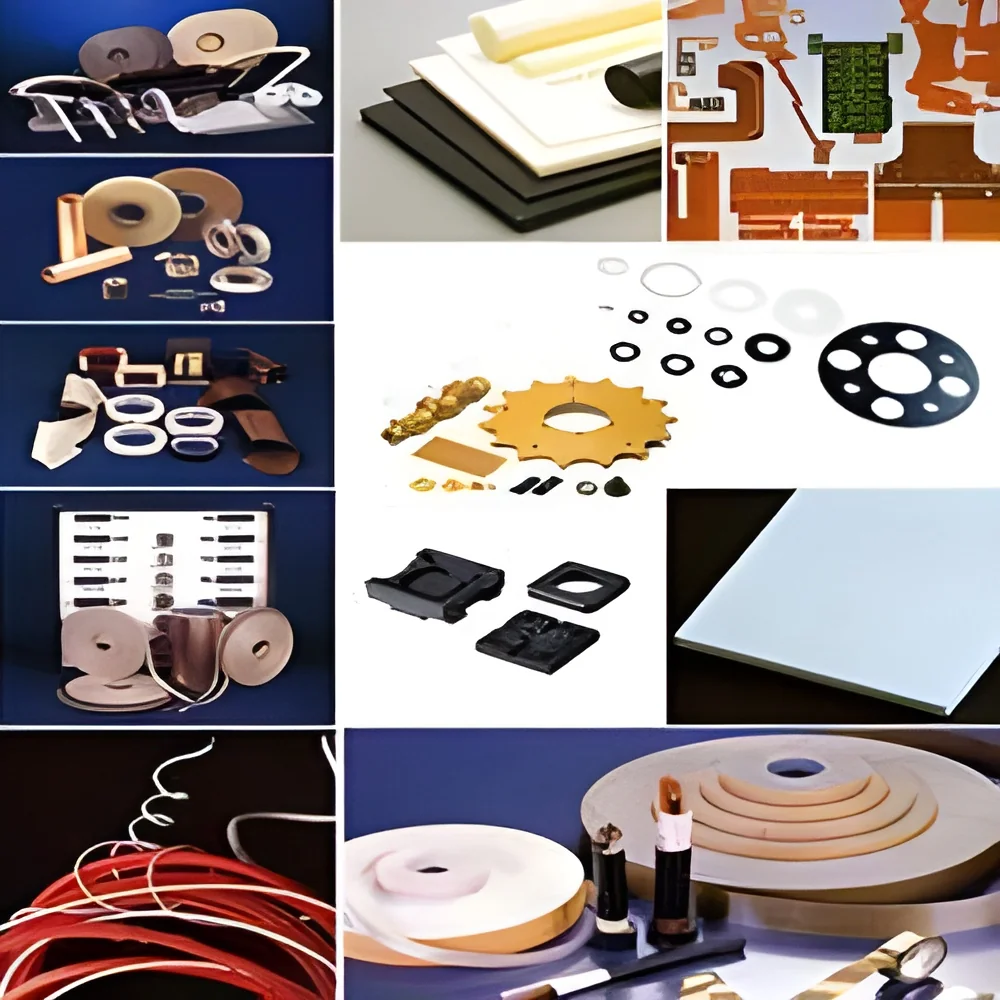
Electrical OEM (Original Equipment Manufacturer) Suppliers are companies that produce components and systems that are utilized in the manufacturing of electrical products. These suppliers provide essential parts that are often incorporated into larger assemblies or final products, catering to a variety of industries. Their offerings can range from basic components like connectors and circuit boards to complex systems like power distribution units.
The primary uses of Electrical OEM Suppliers include the provision of reliable and standardized components that manufacturers can integrate into their products. This is particularly important in sectors such as automotive, telecommunications, and consumer electronics, where quality and performance are paramount. By sourcing from OEM suppliers, businesses can ensure that their end products meet industry standards and customer expectations.
In recent years, the market for Electrical OEM Suppliers has grown significantly, driven by advancements in technology and increasing demand for innovative electrical solutions. As industries evolve, the need for high-quality components that can support new applications and functionalities has made OEM suppliers a critical part of the supply chain. Their relevance continues to expand in a competitive landscape that values efficiency, reliability, and technological advancement.
Key Features and Specifications
Electrical OEM Suppliers offer a wide array of features and specifications to meet the diverse needs of various industries. These specifications are crucial for ensuring that the components integrated into products perform reliably under different conditions.
Key specifications include:
1. Component Material
- Common materials include copper, aluminum, and plastics.
- Properties such as conductivity, durability, and thermal resistance are critical.
2. Voltage Rating
- Components are rated for specific voltage levels.
- Typical ranges may include low voltage (up to 1000V) and high voltage (above 1000V).
3. Current Rating
- Specifies the maximum current the component can handle.
- Ranges often vary from a few milliamps to several hundred amps.
4. Operating Temperature Range
- Components are designed to operate within specific temperature limits.
- Standard ranges might include -40°C to 85°C for many applications.
5. Compliance Certifications
- Many components carry certifications such as CE.
- Compliance with industry standards ensures safety and reliability.
6. Humidity Control
- Components may include features for humidity resistance.
- Specifications can range from 0% to 100% relative humidity tolerance.
7. Monitoring Features
- Some components come with built-in monitoring capabilities.
- These features often help in real-time performance tracking.
8. Customization Options
- Many OEM suppliers offer custom solutions tailored to specific needs.
- This can include modifications in design or functionality.
In summary, understanding the features and specifications of Electrical OEM Suppliers is essential for B2B buyers looking to integrate reliable components into their products.
Common Applications and Use Cases
Electrical OEM Suppliers serve a variety of industries by providing essential components that enhance product functionality and reliability. Their products find applications in numerous sectors.
1. Automotive: Components such as wiring harnesses and circuit boards are critical in vehicles for electrical systems, including infotainment and safety features.
2. Telecommunications: OEM suppliers provide connectors and modules that facilitate communication systems, ensuring high-speed data transmission.
3. Consumer Electronics: From smartphones to appliances, OEM components like capacitors and resistors are integral for performance and durability.
4. Industrial Automation: Components supplied are essential for control systems and machinery, enhancing efficiency and reliability in manufacturing processes.
5. Renewable Energy: OEM suppliers offer parts crucial for solar panels and wind turbines, promoting sustainable energy solutions.
6. Medical Devices: High-quality components ensure the reliability and safety of devices used in healthcare, such as diagnostic equipment and monitoring systems.
7. Aerospace: OEM suppliers provide specialized components that meet stringent regulatory requirements for safety and performance in aircraft systems.
Product Variants and Subcategories
Electrical OEM Suppliers offer a diverse range of product variants to cater to specific industry needs and applications. This diversity allows businesses to find components that align perfectly with their requirements.
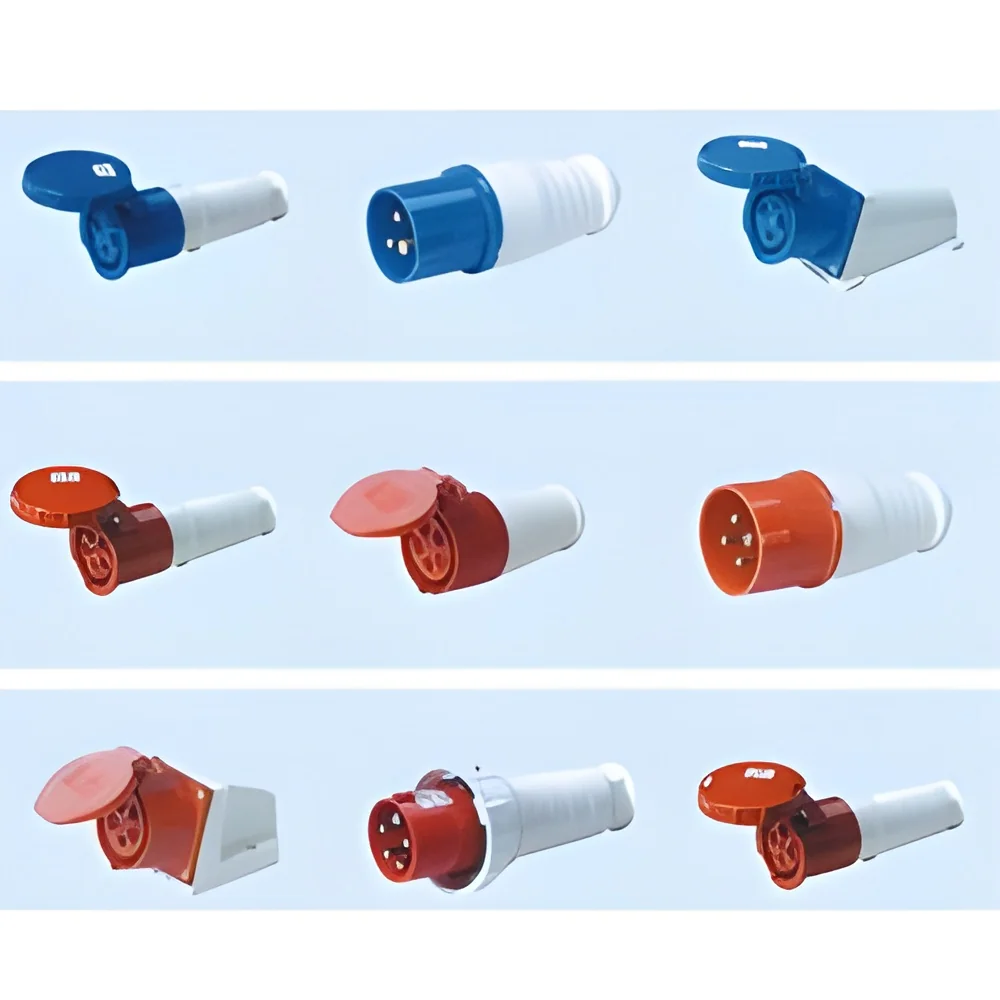
Connector Components
These are designed for reliable electrical connections in various applications. Features include multiple pin configurations and secure locking mechanisms, ensuring stable connections in dynamic environments.
Circuit Boards
Customizable circuit boards can be produced for specific electronic applications. They provide the necessary pathways for current flow and can be designed to fit unique device layouts.
Power Supply Units
These units manage and convert electrical power for various devices. They are available in different power ratings and efficiencies to meet diverse operational demands.
Sensors
OEM suppliers offer a variety of sensors for detecting changes in environmental conditions. These include temperature, pressure, and motion sensors, essential for automation and monitoring applications.
Benefits and Advantages
Sourcing from Electrical OEM Suppliers offers numerous benefits that can significantly enhance product quality and operational efficiency.
Key benefits include:
1. Quality Assurance: OEM suppliers adhere to strict quality standards, ensuring that components meet industry requirements and enhance product reliability.
2. Cost Efficiency: By sourcing components directly from OEM suppliers, businesses can reduce production costs and improve margins.
3. Customization: Many suppliers offer tailored solutions, allowing companies to meet specific needs without compromising on quality.
4. Technical Support: OEM suppliers often provide expert guidance and support, helping businesses to optimize their designs and applications.
5. Scalability: Partnering with OEM suppliers allows for easy scalability in production, accommodating changes in demand or product lines.
6. Innovation: Suppliers stay abreast of technological advancements, providing access to the latest innovations and improving competitive advantage.
Buying Guide for B2B Buyers
When sourcing Electrical OEM Suppliers, it is essential to consider various factors to ensure a successful partnership.
1. Quality Assessment: Look for suppliers with a strong track record of quality. Check for certifications and customer testimonials to validate their reliability.
2. Supplier Verification: Conduct thorough background checks on potential suppliers. Assess their production capabilities, financial stability, and reputation in the industry.
3. Pricing and MOQ: Understand pricing structures and minimum order quantities (MOQ) to align with your budget and production needs.
4. Delivery and Lead Times: Inquire about logistics and the average lead times for orders. Reliable delivery is crucial for maintaining production schedules.
5. Compliance Requirements: Ensure that the suppliers meet all necessary compliance and regulatory standards applicable to your industry. This mitigates risks associated with non-compliance.
Compliance and Certifications
Compliance and certifications are critical aspects of sourcing from Electrical OEM Suppliers. These factors ensure that components meet safety, quality, and performance standards.
ISO 9001 is a relevant quality standard that many OEM suppliers adhere to, demonstrating a commitment to quality management systems. This certification indicates that the supplier has established processes to consistently provide products that meet customer and regulatory requirements.
Additionally, many OEM components carry industry certifications such as CE, which signifies conformity with European health, safety, and environmental protection standards. This is particularly important for products intended for the European market.
Safety and testing requirements are also paramount. Components must undergo rigorous testing to ensure they can withstand the operational conditions they will face. This includes assessments for electrical safety, thermal performance, and environmental resilience.
Regional compliance considerations are essential as well. Different regions may have unique regulatory requirements that suppliers must meet to operate effectively. Understanding these regional standards helps ensure that sourced components will be compliant and safe.
Why Source Electrical OEM Suppliers from Pepagora?
Pepagora provides a trusted platform for sourcing Electrical OEM Suppliers, offering several key advantages that enhance the procurement process.
Verified Supplier Network: Pepagora has established a rigorous verification process for suppliers, ensuring that only reputable companies are listed on the platform. This provides buyers with confidence in their sourcing decisions.
Streamlined RFQ Process: The platform features an efficient request for quotation (RFQ) system, allowing buyers to easily compare offerings from multiple suppliers. This transparency helps in making informed purchasing choices.
Trade Assurance and Support: Pepagora offers buyer protection through trade assurance policies, ensuring that transactions are secure and disputes are handled effectively. This commitment to buyer support fosters trust in the sourcing process.
Regional Coverage: Pepagora's extensive network spans India, the GCC, and Southeast Asia. This regional coverage allows businesses to access a wide array of suppliers, enhancing their ability to find the right components for their needs.
By choosing Pepagora as a sourcing partner, businesses can streamline their procurement processes and improve their overall operational efficiency.

 IN
IN