
 IN
Lamp Holders
22 products available
What are Lamp Holders?
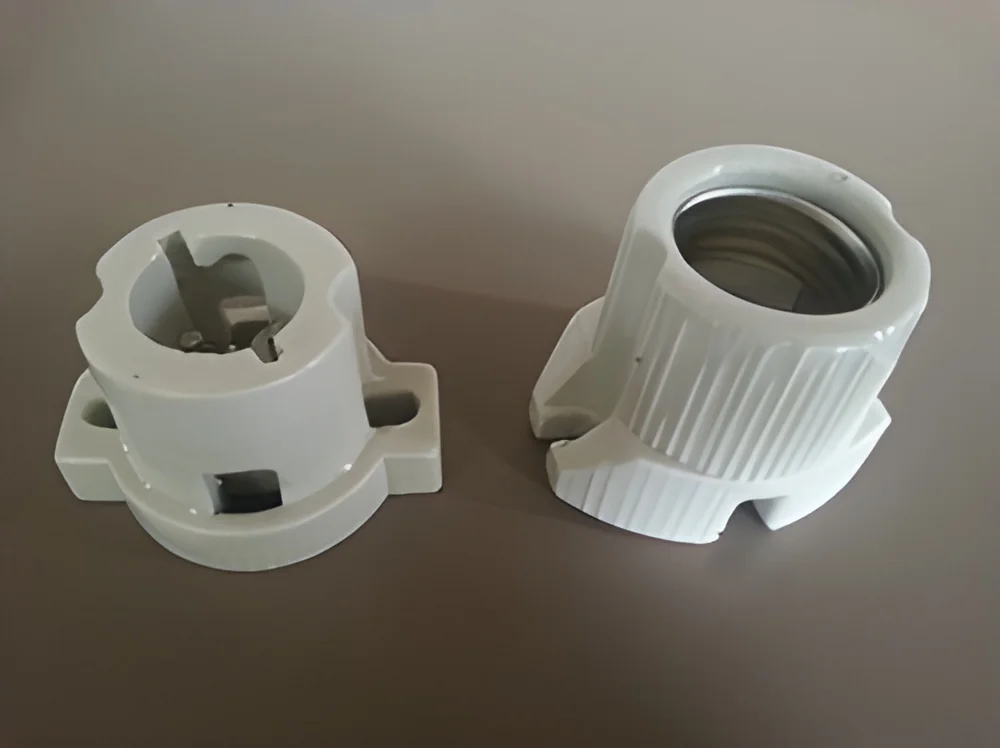
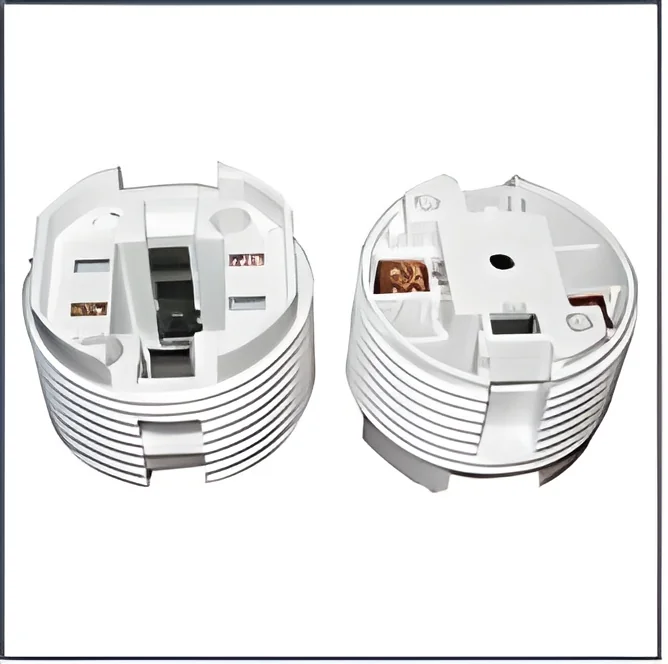
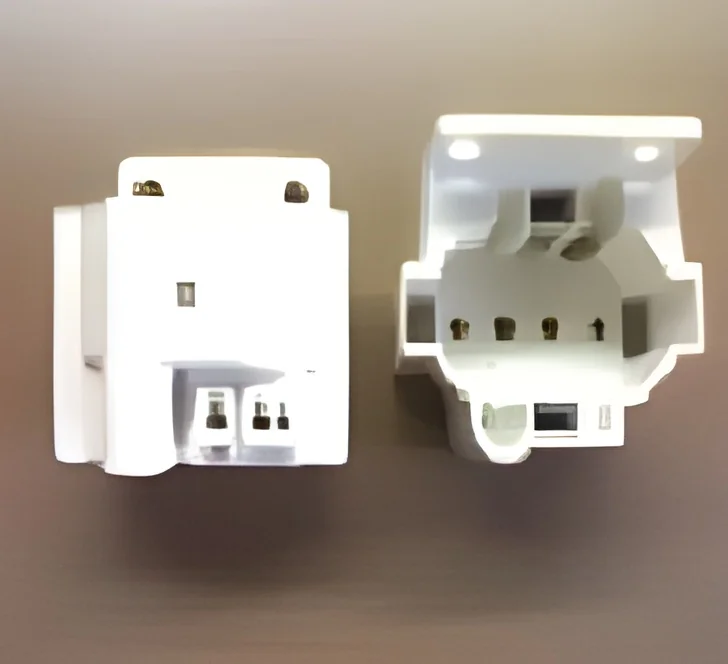
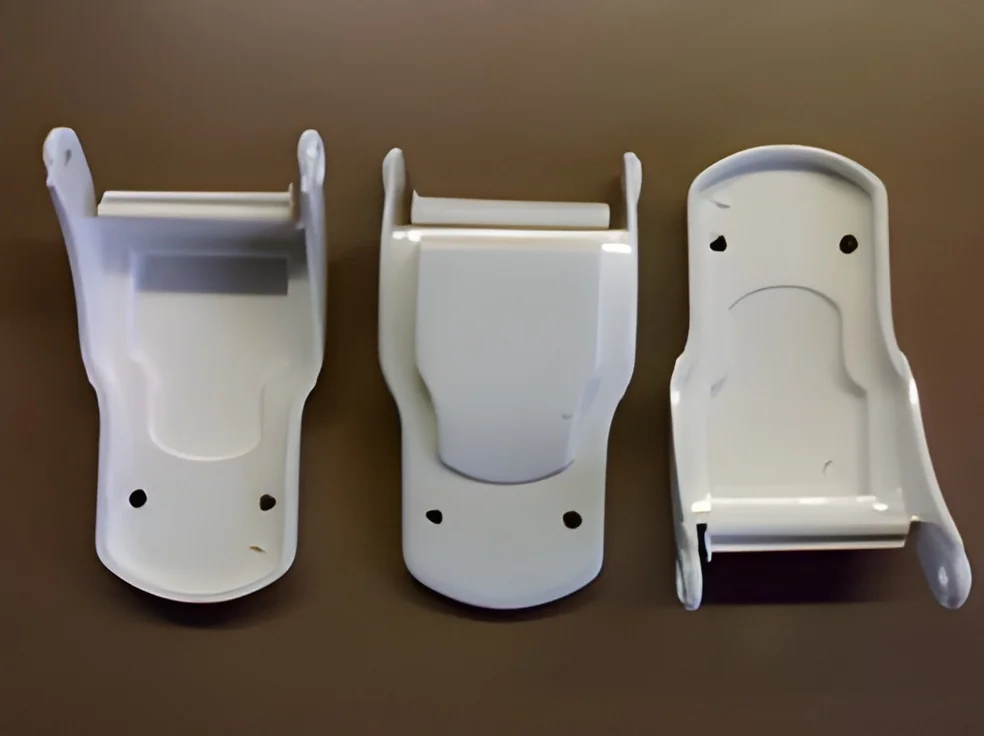
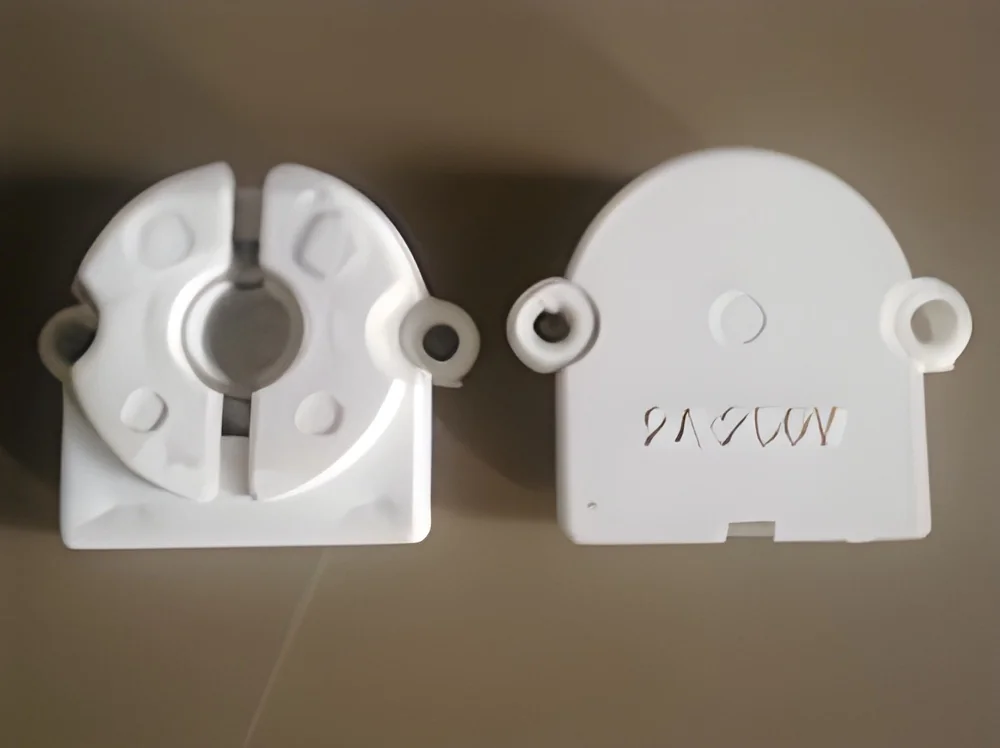
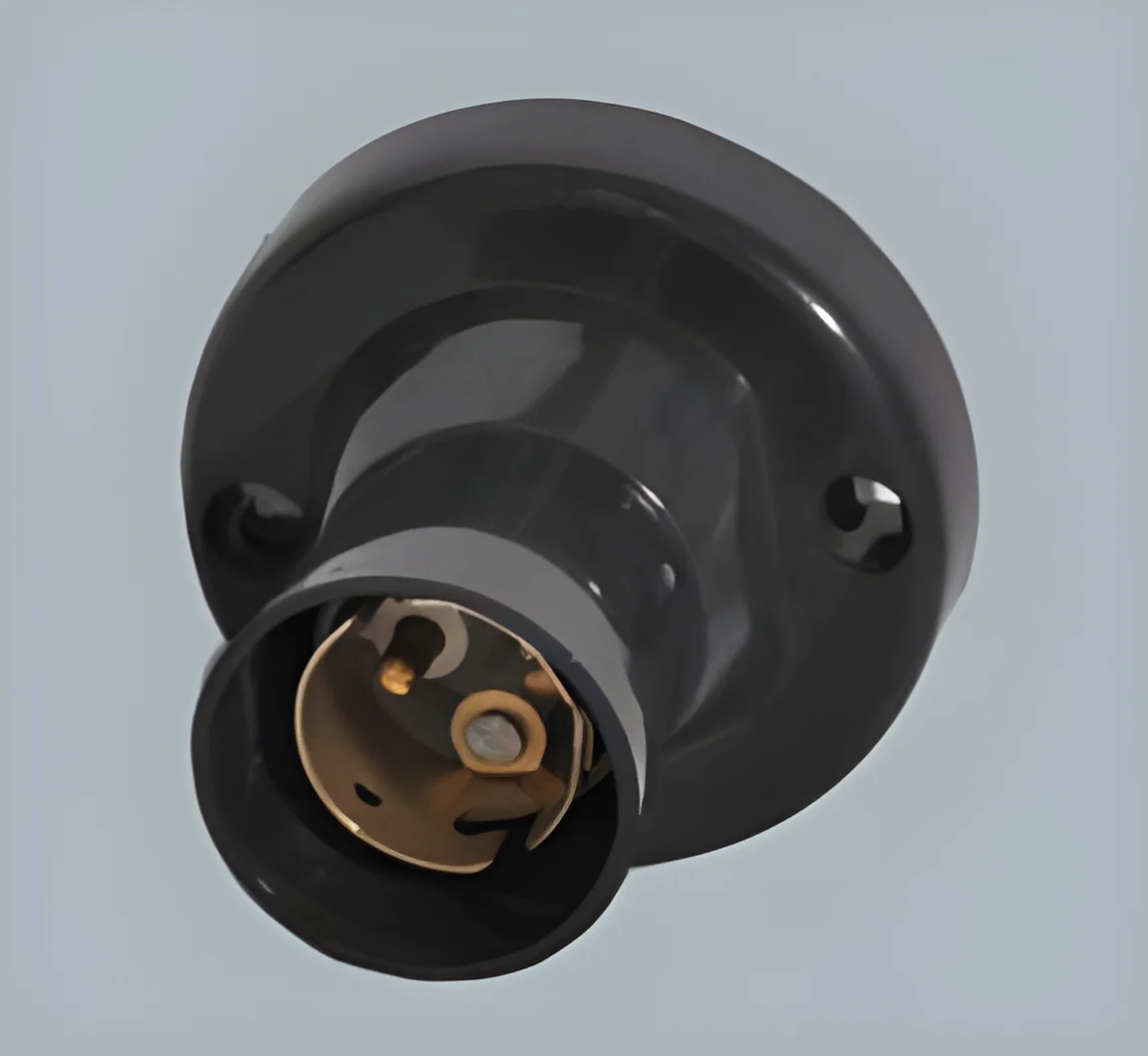
Lamp holders, also known as light bulb sockets, are essential components used to secure and connect light bulbs to an electrical circuit. They provide a safe and reliable means of holding the bulb while ensuring proper electrical contact. Typically made from materials that can withstand heat and electrical conductivity, lamp holders come in various shapes and sizes to accommodate different types of bulbs, including incandescent, fluorescent, and LED.
These products are widely used across various sectors, including residential, commercial, and industrial applications. In homes, lamp holders are often found in light fixtures and ceiling lights. In commercial settings, they are utilized in offices, retail environments, and outdoor lighting. In industrial applications, lamp holders are crucial in warehouses and manufacturing facilities, where robust and durable lighting solutions are necessary for safety and productivity.
The lamp holder market is evolving, influenced by advancements in lighting technology and energy efficiency standards. As businesses increasingly look for sustainable solutions, the demand for modern, energy-efficient lamp holders continues to grow. This trend is particularly evident as industries shift towards LED lighting, which requires specific types of lamp holders designed for optimal performance.
Key Features and Specifications
Lamp holders come with a range of features and specifications that make them suitable for various applications. It is important to consider these details when selecting the right lamp holder for your needs.
Key specifications include:
1. Material Composition
- Common materials include thermoplastic, metal, and porcelain.
- Each material offers different levels of heat resistance and electrical insulation.
2. Base Type
- Various base types such as E26, E27, GU10, and others are available.
- The base type must match the light bulb being used for proper fitting.
3. Voltage Rating
- Typical voltage ratings range from 120V to 240V.
- Ensures compatibility with the electrical system in use.
4. Current Rating
- Current ratings are essential for determining the maximum load the holder can handle.
- Common ratings include 10A, 15A, and 20A.
5. Safety Features
- Some lamp holders come with built-in fuses or circuit breakers.
- Enhances safety by preventing electrical overloads.
6. Installation Type
- Options include surface mount, recessed, and pendant styles.
- Each type is designed for specific installation environments.
7. Environmental Resistance
- Certain lamp holders are rated for outdoor or damp environments.
- Ensures longevity and performance under varied conditions.
8. Certification Standards
- Many lamp holders meet international safety and performance standards.
- CE certification is commonly seen, indicating compliance with European regulations.
In summary, understanding the features and specifications of lamp holders is crucial for selecting the appropriate product that meets specific application requirements.
Common Applications and Use Cases
Lamp holders are versatile components that find applications in various industries.
1. Residential Sector: In homes, lamp holders are used in light fixtures, ceiling lights, and table lamps. They provide a safe connection for various bulb types, ensuring proper illumination.
2. Commercial Lighting: Businesses utilize lamp holders in offices, retail stores, and public buildings. They enhance the aesthetic appeal while ensuring adequate lighting for operations.
3. Industrial Facilities: In warehouses and factories, robust lamp holders are essential for high-intensity lighting solutions. They ensure safety and efficiency in work environments.
4. Outdoor Lighting: Lamp holders used in streetlights and outdoor fixtures must withstand environmental factors. They provide reliable illumination for public spaces and pathways.
5. Automotive Industry: Specialized lamp holders are used in vehicle lighting systems, ensuring secure connections for headlights and interior lights.
6. Medical Facilities: In hospitals and clinics, lamp holders are utilized in surgical and examination lights, providing essential visibility for medical procedures.
7. Event Spaces: Temporary installations in theaters or event venues often use portable lamp holders to create flexible lighting solutions.
Product Variants and Subcategories
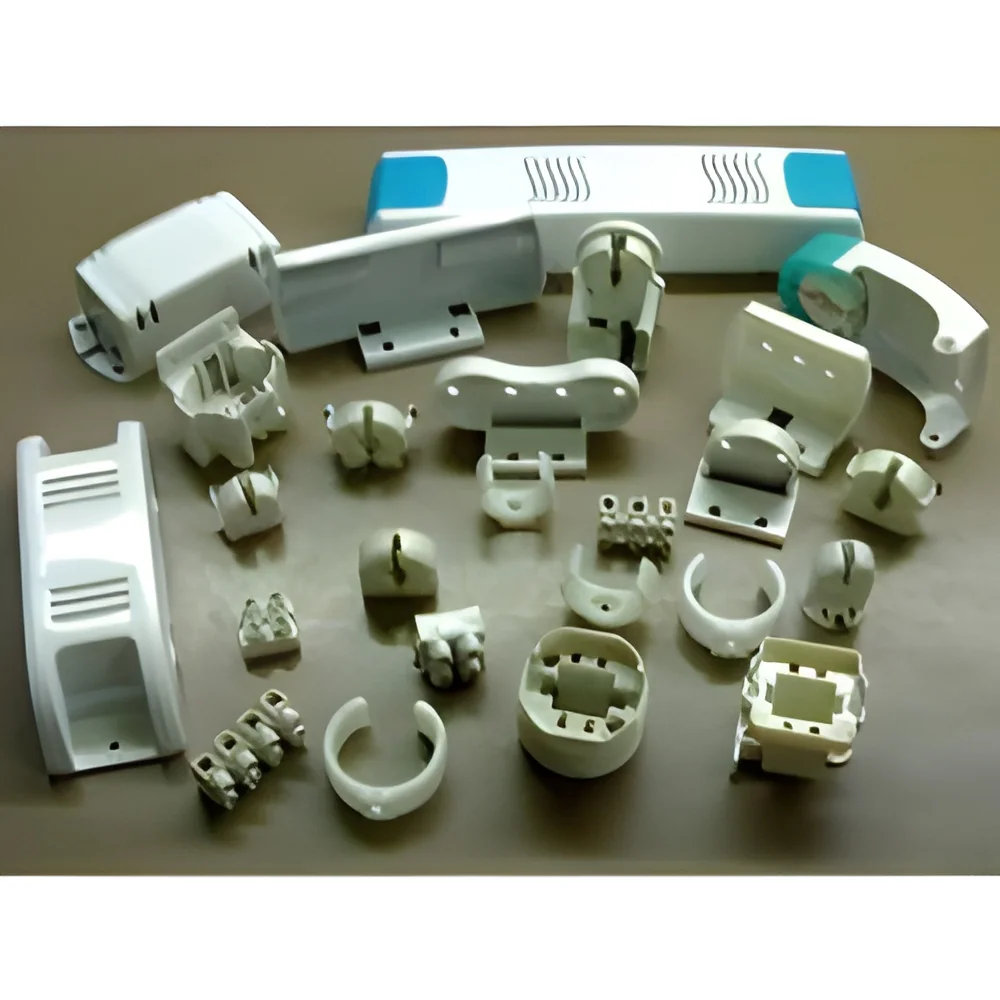
Lamp holders are available in various designs to suit different applications. The diversity in product offerings allows for flexibility in usage.
Standard Lamp Holders: These are the most common type, designed for general use in residential and commercial settings. They accommodate a wide range of bulb types and are easy to install.
Industrial Lamp Holders: Built for durability, these holders are designed to withstand harsh conditions in industrial environments. They often feature enhanced safety features and higher current ratings.
Outdoor Lamp Holders: Specifically designed for outdoor use, these holders are built to resist moisture and extreme weather conditions. They ensure reliable performance in street lighting and garden fixtures.
Specialty Lamp Holders: These variants cater to unique needs, such as dimmable lamp holders or those with integrated sensors. They provide advanced functionality for specific applications.
Benefits and Advantages
Choosing the right lamp holders comes with several benefits that enhance functionality and safety.
1. Reliability: Lamp holders ensure a secure connection for light bulbs, minimizing the risk of electrical failures or hazards.
2. Versatility: Available in multiple designs and specifications, they can accommodate various bulb types and installation environments.
3. Safety: Many lamp holders come with built-in safety features, reducing the risk of electrical overloads and fires.
4. Energy Efficiency: Modern lamp holders are designed to work effectively with energy-efficient LED bulbs, contributing to reduced energy consumption.
5. Easy Installation: Most lamp holders are designed for straightforward installation, minimizing labor time and costs.
6. Cost-Effectiveness: Investing in quality lamp holders can lead to long-term savings by reducing maintenance and replacement costs.
Buying Guide for B2B Buyers
When sourcing lamp holders for your business, consider the following factors to ensure you make informed decisions.
1. Quality Assessment: It is crucial to evaluate the quality of the lamp holders. Look for products that meet industry standards and have positive reviews regarding durability and performance.
2. Supplier Verification: Vet suppliers thoroughly to ensure reliability. Check their certifications, customer feedback, and industry experience to establish credibility.
3. Pricing and MOQ: Understand the pricing structure and minimum order quantities (MOQ) set by suppliers. This information is essential for budget planning and procurement strategies.
4. Delivery and Lead Times: Assess the supplier's capabilities regarding delivery schedules. Ensure they can meet your timelines to avoid disruptions in your operations.
5. Compliance Requirements: Familiarize yourself with any compliance regulations relevant to your industry. Ensure that the lamp holders meet necessary safety and performance standards.
Compliance and Certifications
Compliance with relevant quality standards is essential for lamp holders to ensure safety and reliability. Key standards include ISO 9001, which focuses on quality management systems, ensuring that manufacturers adhere to best practices.
Certifications such as CE indicate that the lamp holders meet European safety, health, and environmental protection requirements. This certification is crucial for businesses operating within the EU market.
Additionally, lamp holders may be subject to safety and testing requirements to ensure that they can withstand various environmental conditions. Regional compliance considerations may vary, so it is essential to be aware of local regulations concerning electrical products.
Why Source Lamp Holders from Pepagora?
Pepagora provides a trusted platform for sourcing lamp holders, offering several key advantages to B2B buyers.
Verified Supplier Network: Pepagora features a network of verified suppliers, ensuring that buyers can access high-quality products from reputable manufacturers. This verification process enhances trust and reliability in sourcing.
Streamlined RFQ Process: The platform simplifies the request for quotation (RFQ) process, allowing buyers to easily communicate their needs and receive competitive quotes from multiple suppliers. This efficiency saves time and resources.
Trade Assurance and Support: Pepagora offers trade assurance, providing buyers with protection against potential risks in transactions. This support fosters confidence in the purchasing process.
Regional Coverage: With a strong presence in markets such as India, the GCC, and Southeast Asia, Pepagora caters to a diverse range of buyers. This extensive geographic reach ensures that businesses can find suitable lamp holders regardless of their location.

Frequently Asked Questions
What are Lamp Holders?
Lamp holders are electrical devices designed to hold and support light bulbs while providing electrical connections. They come in various designs and materials, allowing for different applications in residential, commercial, and industrial settings.
What are the different types of Lamp Holders?
Lamp holders come in several types, including screw base, bayonet base, and pin base holders. Each type is compatible with specific bulb designs, and they vary in size, shape, and mounting options.
How do I choose the right Lamp Holders?
Choosing the right lamp holders involves considering the type of bulb you intend to use, the wattage, and the installation environment. It's also essential to ensure compatibility with fixtures and to select holders that meet safety standards.
What are the standard specifications for Lamp Holders?
Standard specifications for lamp holders include electrical ratings such as voltage and wattage, material composition, and size dimensions. Compliance with safety standards, such as ISI or IEC certifications, is also important.
What is the price range for Lamp Holders?
The price range for lamp holders can vary widely based on type, material, and brand, typically ranging from INR 10 to INR 500 per piece. Bulk purchasing may offer better pricing options.
What quality standards apply to Lamp Holders?
Quality standards for lamp holders include adherence to national and international safety regulations, such as ISI marking in India. Manufacturers may also follow ISO standards to ensure product reliability and safety.
Where can I find Lamp Holders suppliers in India?
You can find lamp holders suppliers in India through B2B marketplaces like Pepagora, trade exhibitions, and local manufacturer directories. Online platforms often provide access to a wide range of suppliers for various lamp holder types.
Can Lamp Holders be customized?
Yes, many manufacturers offer customization options for lamp holders, including modifications in design, size, and material. Custom solutions can cater to specific project requirements or branding needs.
What is the typical minimum order quantity for Lamp Holders?
The typical minimum order quantity (MOQ) for lamp holders varies by supplier and product type, often ranging from 100 to 1,000 units. It's advisable to check with specific manufacturers for their MOQ policies.
What is the typical lead time for Lamp Holders?
The typical lead time for lamp holders can range from a few days to several weeks, depending on the supplier's inventory and production schedule. Custom orders may require additional time for manufacturing.
Why Businesses Trust Pepagora
Thousands of companies trust Pepagora to source smarter and sell faster
Expand Your Sales Globally

Source Smarter,Grow Faster
