
 IN
Duck Meat & Eggs
1 products available
What are Duck Meat & Eggs?
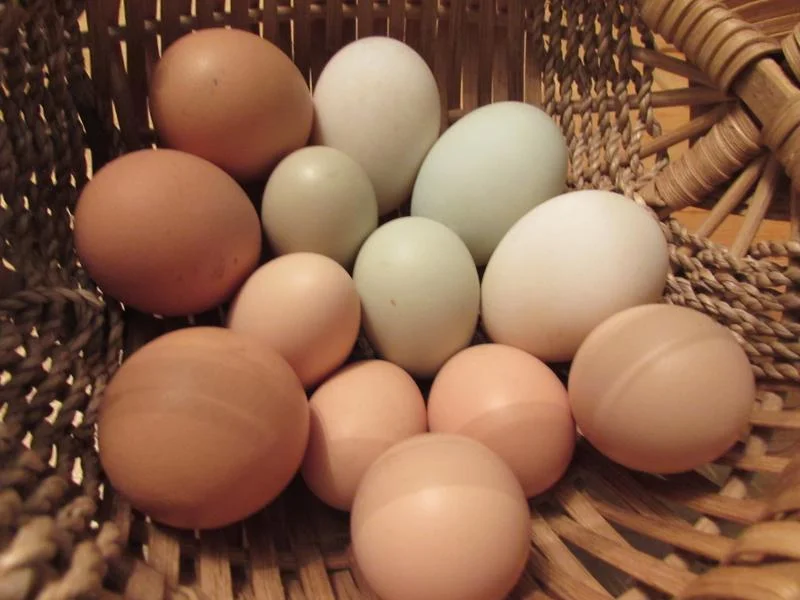
Duck meat and eggs are food products derived from domesticated ducks. The meat is known for its rich flavor and tender texture, making it a popular choice in various culinary traditions around the world. Duck eggs, larger than chicken eggs, have a distinct taste and creamier texture, which many chefs and home cooks appreciate for baking and cooking.
Primarily, duck meat and eggs are used in culinary applications such as fine dining, restaurants, and food processing. Duck meat is often featured in gourmet dishes, while duck eggs are utilized in baking, sauces, and specialty foods. The growing trend in the culinary arts has led to an increase in demand for these products, making them relevant in both retail and wholesale markets.
The global market for duck meat and eggs is experiencing growth due to rising consumer interest in diverse protein sources and gourmet cooking. This trend is particularly evident in regions like Asia and Europe, where duck remains a staple in traditional dishes. Understanding the market dynamics and consumer preferences is essential for businesses operating in this sector.
Key Features and Specifications
Duck meat and eggs come with various specifications that cater to different culinary needs and standards. Understanding these specifications is crucial for B2B buyers looking to source these products effectively.
Key specifications include:
1. Quality Standards
- Duck meat should adhere to high-quality standards ensuring freshness and flavor.
- Duck eggs should be clean, free from cracks, and meet size specifications.
2. Sourcing and Supply Chain
- Availability from certified farms ensures ethical sourcing and quality assurance.
- Consistent supply chains for timely delivery and product availability.
3. Nutritional Content
- Duck meat is high in protein, vitamins, and healthy fats.
- Duck eggs offer higher fat content and richer yolks compared to chicken eggs.
4. Storage Requirements
- Duck meat should be stored at refrigeration temperatures to maintain freshness.
- Duck eggs require proper humidity and temperature control to ensure longevity.
5. Packaging Options
- Available in bulk packaging for wholesale distribution.
- Individual packaging for retail and consumer markets.
6. Certification
- Compliance with food safety regulations and certifications like CE.
7. Shelf Life
- Duck meat typically has a refrigerated shelf life of 2-3 days.
- Duck eggs can last longer when stored properly.
In summary, understanding these features and specifications can help buyers make informed decisions when sourcing duck meat and eggs.
Common Applications and Use Cases
Duck meat and eggs are versatile products used across various industries.
1. Food Service: Restaurants and catering services use duck meat in gourmet dishes, providing customers with unique flavors and presentation options.
2. Retail: Grocery stores and specialty food shops offer duck meat and eggs, catering to consumers looking for premium protein sources.
3. Food Processing: Manufacturers incorporate duck meat and eggs in ready-to-eat meals, sauces, and baked goods to enhance flavor profiles.
4. Hospitality: Hotels and resorts use duck meat in fine dining experiences, appealing to guests seeking upscale culinary options.
5. Ethnic Cuisine: Asian and European cuisines often feature duck, making it an essential ingredient for traditional dishes.
6. Health Food: Health-conscious consumers seek out duck eggs for their nutritional benefits, leading to increased demand in health food stores.
7. Gourmet Cooking: Home chefs and food enthusiasts utilize duck meat and eggs for specialty recipes, driving interest in these products.
Product Variants and Subcategories
Duck meat and eggs offer a variety of options to meet diverse culinary needs.
Whole Duck
Whole ducks are often sold for roasting and special occasions. They are known for their rich flavor and are a popular choice for holiday meals.
Duck Breast
Duck breast is a premium cut favored in fine dining. It is often prepared with the skin on to enhance flavor and presentation.
Duck Legs
Duck legs are ideal for slow cooking and braising. They provide a hearty option for rustic dishes and comfort food.
Duck Eggs
Duck eggs are larger and richer than chicken eggs, making them a preferred choice for baking and gourmet recipes.
Benefits and Advantages
Sourcing duck meat and eggs provides numerous advantages for businesses.
1. Unique Flavor Profile: Duck meat offers a distinct taste that sets it apart from other poultry, appealing to gourmet consumers.
2. Nutritional Benefits: High in protein and healthy fats, duck meat and eggs contribute to a balanced diet.
3. Versatility in Cooking: These products can be used in a variety of culinary applications, from simple home cooking to elaborate restaurant dishes.
4. Growing Market Demand: The increasing interest in gourmet foods and diverse protein sources presents opportunities for businesses.
5. Premium Pricing Potential: Due to their unique characteristics, duck meat and eggs can command higher prices in the market.
6. Ethical Sourcing: Many suppliers adhere to ethical farming practices, appealing to conscious consumers.
Buying Guide for B2B Buyers
When sourcing duck meat and eggs, several factors should be considered to ensure quality and reliability.
1. Quality Assessment: Buyers should evaluate the quality of the meat and eggs through visual inspections and certifications to ensure they meet industry standards.
2. Supplier Verification: It is essential to vet suppliers for their farming practices, certifications, and reliability to ensure consistent quality and supply.
3. Pricing and MOQ: Buyers should consider the pricing structure and minimum order quantities, as these can vary significantly between suppliers.
4. Delivery and Lead Times: Understanding logistics and lead times is crucial for maintaining inventory and planning production schedules.
5. Compliance Requirements: Buyers must ensure that the products meet local regulatory standards, including food safety and health regulations.
Compliance and Certifications
Duck meat and eggs must adhere to relevant quality standards to ensure safety and marketability. Compliance with ISO 9001, HACCP, and GDP is vital for maintaining quality assurance throughout the supply chain. These standards help ensure that products are consistently produced and controlled according to quality management principles.
Additionally, industry certifications such as CE are essential for market access, particularly in regions with strict regulations. Safety and testing requirements are critical for verifying that the products are free from contaminants and safe for consumption.
Regional compliance considerations may vary, so it is essential for businesses to be aware of local regulations concerning food safety, packaging, and labeling. This awareness ensures that products not only meet quality standards but also comply with regional market demands.
Why Source Duck Meat & Eggs from Pepagora?
Pepagora provides a trusted platform for sourcing duck meat and eggs with several key advantages.
Verified Supplier Network: Pepagora connects buyers with a network of verified suppliers who adhere to high standards of quality and ethical farming practices. This network ensures that businesses can source products with confidence.
Streamlined RFQ Process: The Request for Quotation process is designed to facilitate efficient communication between buyers and suppliers, making it easier to obtain competitive pricing and product information.
Trade Assurance and Support: Pepagora offers buyer protection through trade assurance programs, providing peace of mind when sourcing products. This support helps in building long-term relationships with suppliers.
Regional Coverage: With a strong presence in India, the GCC, and Southeast Asia, Pepagora ensures that buyers can access a diverse range of duck meat and egg products tailored to local market preferences. This geographic reach enhances sourcing opportunities for businesses looking to expand their product offerings.



Frequently Asked Questions
What are Duck Meat & Eggs?
Duck meat refers to the flesh of ducks, which is consumed in various cuisines around the world. Duck eggs are the eggs laid by female ducks and are larger than chicken eggs, with a richer flavor and higher fat content.
What are the different types of Duck Meat & Eggs?
There are several types of duck meat, including Pekin, Muscovy, and Indian Runner, each offering unique flavors and textures. Duck eggs can also vary based on the breed of the duck, with variations in size and taste.
How do I choose the right Duck Meat & Eggs?
When selecting duck meat, look for firm, pinkish flesh and a clean aroma. For duck eggs, choose eggs that are clean and free from cracks, with a smooth shell and a slightly glossy finish.
What are the standard specifications for Duck Meat & Eggs?
Standard specifications for duck meat typically include criteria such as weight, texture, and color. For duck eggs, specifications may involve weight, shell quality, and the absence of defects.
What is the price range for Duck Meat & Eggs?
The price of duck meat varies depending on the type and cut, generally ranging from INR 200 to INR 600 per kilogram. Duck eggs can range from INR 10 to INR 30 per egg, depending on the supplier and quality.
What quality standards apply to Duck Meat & Eggs?
Duck meat and eggs must adhere to food safety standards set by regulatory bodies, ensuring they are free from contaminants and pathogens. Quality assessments may involve checks for freshness, texture, and overall appearance.
Where can I find Duck Meat & Eggs suppliers in India?
You can find duck meat and eggs suppliers in India through online marketplaces like Pepagora.com, local agricultural markets, or directly from farms that specialize in poultry. It is advisable to check supplier reviews and certifications.
Can Duck Meat & Eggs be customized?
Yes, some suppliers offer customization options such as specific cuts of duck meat or packaging preferences for duck eggs. It's best to discuss your requirements directly with the supplier.
What is the typical minimum order quantity for Duck Meat & Eggs?
The minimum order quantity (MOQ) for duck meat and eggs can vary by supplier but generally ranges from 5 to 20 kilograms for meat and 30 to 100 eggs. It's important to confirm the MOQ with your chosen supplier.
What is the typical lead time for Duck Meat & Eggs?
The lead time for duck meat and eggs typically ranges from 2 to 7 days, depending on the supplier's stock and processing capabilities. Always confirm lead times during your order to ensure timely delivery.
Why Businesses Trust Pepagora
Thousands of companies trust Pepagora to source smarter and sell faster
Expand Your Sales Globally

Source Smarter,Grow Faster
