What are Distribution Boards (DBs)?
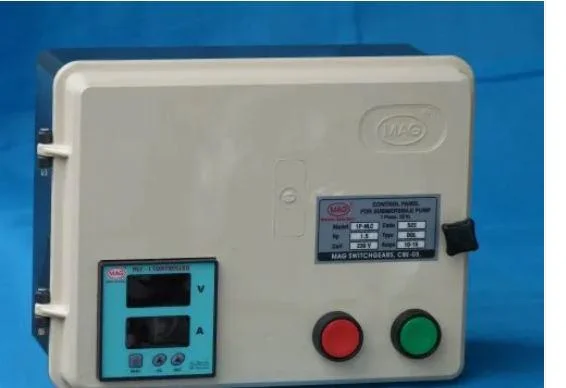
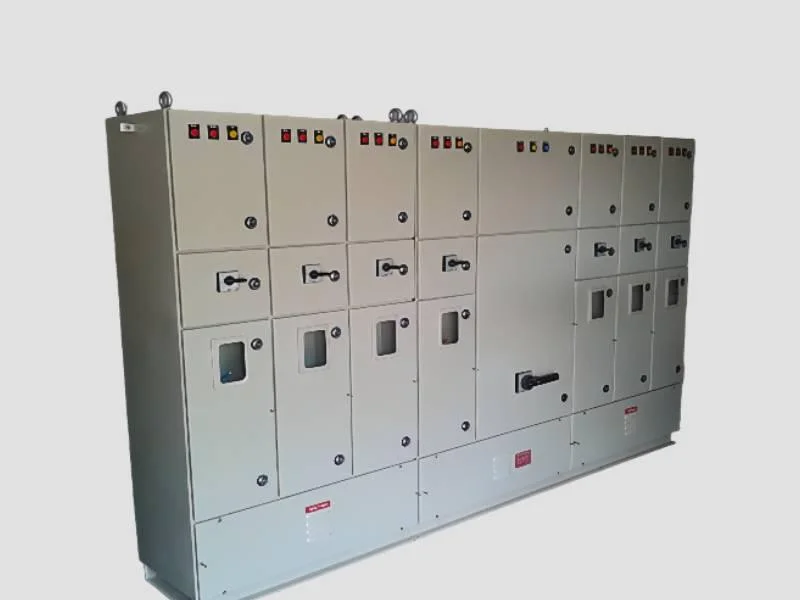
Distribution Boards (DBs) are essential electrical devices used for distributing electrical power from a main supply to various circuits within a building or facility. They act as a central point for electrical control and protection, ensuring that power is evenly distributed while also providing necessary circuit protection features. DBs house circuit breakers or fuses that safeguard individual circuits from overload or short circuits, thereby maintaining the safety and efficiency of electrical systems.
These boards are commonly used in commercial and industrial settings, where they manage power distribution for lighting, machinery, and other electrical loads. Businesses rely on DBs to ensure operational continuity and safety, making them a critical component in facilities management. In a market that demands high reliability and compliance with safety regulations, the importance of high-quality Distribution Boards cannot be overstated. Their relevance is underscored by the increasing complexity of electrical systems and the growing demand for energy efficiency across industries.
๐๐ฒ๐ ๐๐ฒ๐ฎ๐๐๐ฟ๐ฒ๐ ๐ฎ๐ป๐ฑ ๐ฆ๐ฝ๐ฒ๐ฐ๐ถ๐ณ๐ถ๐ฐ๐ฎ๐๐ถ๐ผ๐ป๐
Distribution Boards are characterized by several key features and specifications that enhance their performance and reliability. These specifications help businesses select the right DB for their specific needs.
Key specifications include:
1. Circuit Capacity
- Defines the number of circuits the board can accommodate
- Typically ranges from 4 to 36 circuits
2. Voltage Rating
- Indicates the maximum voltage the DB can handle
- Common ratings include 230V and 400V
3. Current Rating
- Specifies the maximum current the board can manage
- Common ratings include 63A, 100A, and higher for industrial applications
4. Enclosure Type
- Refers to the material and protection level of the DB
- Options include metal or plastic enclosures with IP ratings for moisture and dust protection
5. Mounting Style
- Determines how the DB is installed
- Options include wall-mounted or floor-mounted designs
6. Safety Features
- Includes circuit breakers or fuses for overcurrent protection
- May also include residual current devices (RCDs) for further safety
7. Compliance Certifications
- Indicates adherence to industry standards
- CE certification is commonly associated with DBs
8. Customization Options
- Availability of tailored solutions to fit specific needs
- Options may include additional circuits or specialized protection features
Understanding these specifications can help businesses make informed decisions when selecting Distribution Boards.
๐๐ผ๐บ๐บ๐ผ๐ป ๐๐ฝ๐ฝ๐น๐ถ๐ฐ๐ฎ๐๐ถ๐ผ๐ป๐ ๐ฎ๐ป๐ฑ ๐จ๐๐ฒ ๐๐ฎ๐๐ฒ๐
Distribution Boards serve a wide range of industries and applications, making them versatile tools for power management.
1. Commercial Buildings: In offices and retail spaces, DBs manage lighting and power for various equipment, ensuring efficient energy distribution.
2. Industrial Facilities: Factories and manufacturing plants use DBs to distribute power to machinery, ensuring operational continuity and safety.
3. Telecommunications: DBs are essential in data centers and telecom facilities, providing reliable power to servers and communication equipment.
4. Construction Sites: Temporary distribution boards are used on construction sites to supply power to tools and equipment, ensuring safety and efficiency.
5. Hospitality: Hotels and restaurants rely on DBs for lighting and kitchen equipment, maintaining guest comfort and operational efficiency.
6. Healthcare: Hospitals and clinics utilize DBs to power critical medical equipment, ensuring patient safety and operational reliability.
7. Educational Institutions: Schools and universities use DBs to manage power for classrooms, laboratories, and common areas.
๐ฃ๐ฟ๐ผ๐ฑ๐๐ฐ๐ ๐ฉ๐ฎ๐ฟ๐ถ๐ฎ๐ป๐๐ ๐ฎ๐ป๐ฑ ๐ฆ๐๐ฏ๐ฐ๐ฎ๐๐ฒ๐ด๐ผ๐ฟ๐ถ๐ฒ๐
Distribution Boards come in various configurations to meet diverse industry needs. Though specific subcategories are not available, several common types are worth noting.
Standard Distribution Boards: These are designed for general use in commercial and residential buildings, offering basic features for circuit management.
Industrial Distribution Boards: Built to withstand harsh environments, these boards are ideal for factories and manufacturing plants, often featuring robust construction and enhanced safety features.
Smart Distribution Boards: These innovative boards incorporate monitoring and control technologies, allowing for real-time data access and improved energy management.
๐๐ฒ๐ป๐ฒ๐ณ๐ถ๐๐ ๐ฎ๐ป๐ฑ ๐๐ฑ๐๐ฎ๐ป๐๐ฎ๐ด๐ฒ๐
Distribution Boards offer numerous advantages that enhance operational efficiency and safety.
1. Improved Safety: DBs protect against electrical overloads and faults, reducing the risk of fire and equipment damage.
2. Enhanced Power Management: They allow for efficient distribution of power to multiple circuits, improving energy efficiency.
3. Customizability: Businesses can tailor DB configurations to meet specific operational needs, ensuring optimal performance.
4. Compliance with Standards: DBs are designed to meet regulatory requirements, ensuring safety and reliability.
5. Easy Maintenance: Modular designs facilitate quick repairs and upgrades, minimizing downtime.
6. Cost-Effective Operation: By optimizing power distribution, DBs can help reduce energy costs over time.
๐๐๐๐ถ๐ป๐ด ๐๐๐ถ๐ฑ๐ฒ ๐ณ๐ผ๐ฟ ๐๐ฎ๐ ๐๐๐๐ฒ๐ฟ๐
When sourcing Distribution Boards (DBs), businesses should consider several critical factors to ensure they select the right product.
1. Quality Assessment: Evaluate the quality of materials and design. Look for products that meet international standards and have certifications like CE.
2. Supplier Verification: Vet suppliers for reliability and reputation. Ensure they provide warranty and support for their products.
3. Pricing and MOQ: Understand the pricing structure and minimum order quantities. Compare quotes from different suppliers to get the best deal.
4. Delivery and Lead Times: Discuss logistics with suppliers to ensure timely delivery, especially for large projects requiring multiple units.
5. Compliance Requirements: Confirm that the DBs meet local regulatory and safety standards. This is crucial for maintaining safety and operational efficiency.
๐๐ผ๐บ๐ฝ๐น๐ถ๐ฎ๐ป๐ฐ๐ฒ ๐ฎ๐ป๐ฑ ๐๐ฒ๐ฟ๐๐ถ๐ณ๐ถ๐ฐ๐ฎ๐๐ถ๐ผ๐ป๐
Compliance is a vital aspect of Distribution Boards, ensuring that they meet industry standards for safety and performance. Relevant quality standards include ISO 9001, which focuses on quality management systems, and CE certification, indicating that the product complies with European safety requirements.
In addition to these standards, Distribution Boards must adhere to safety testing requirements that assess their performance under various conditions. Businesses should also consider regional compliance requirements, which may vary by location. Understanding these certifications helps B2B buyers ensure they are sourcing products that are safe, reliable, and fit for purpose.
Why Source Distribution Boards (DBs) from Pepagora?
Pepagora offers a trusted platform for sourcing Distribution Boards (DBs), providing several key advantages to B2B buyers.
Verified Supplier Network: Pepagora hosts a network of verified suppliers, ensuring that buyers can trust the quality and reliability of the products offered. Rigorous vetting processes help maintain high standards.
Streamlined RFQ Process: The platform simplifies the request for quotation process, allowing buyers to easily compare offers from multiple suppliers. This efficiency saves time and ensures competitive pricing.
Trade Assurance and Support: Buyers benefit from trade assurance programs that protect their investments. Pepagora provides customer support to assist with inquiries and resolve any issues that may arise.
Regional Coverage: With a presence in India, GCC, and Southeast Asia, Pepagora offers extensive geographic reach, making it convenient for businesses in these regions to source their Distribution Boards. This broad coverage facilitates quicker access to products and suppliers, enhancing overall procurement efficiency.